



Self-raising flour and yoghurt make a real loaf. It is worth knowing why, because then you can fix it when it goes wrong.
Two-ingredient doughs look like a trick and they are not. They are ordinary chemistry with the parts already assembled.
Self-raising flour is plain flour with baking powder already in it. Baking powder is an acid and an alkali kept apart by a little starch; add moisture and they react, producing carbon dioxide. The bubbles are trapped by the gluten that forms as you work the dough, and the bread rises.
The yoghurt is doing three jobs at once. It is the liquid that starts the reaction, it is acid that gives the raising agent more to work with, and its fat keeps the crumb tender instead of tough.
Knowing that tells you what went wrong when it does. A dense, heavy loaf usually means the flour was old, because the raising agent in self-raising flour loses strength on the shelf. A tough one means it was worked too long. A flat one often means it sat around after mixing, which is the one thing this dough will not tolerate: the gas starts the moment the yoghurt goes in, and waiting wastes it.
It also tells you what you can change. Any thick, acidic dairy works, which is why the same dough appears with soured cream or buttermilk. What cannot change is the hurry.
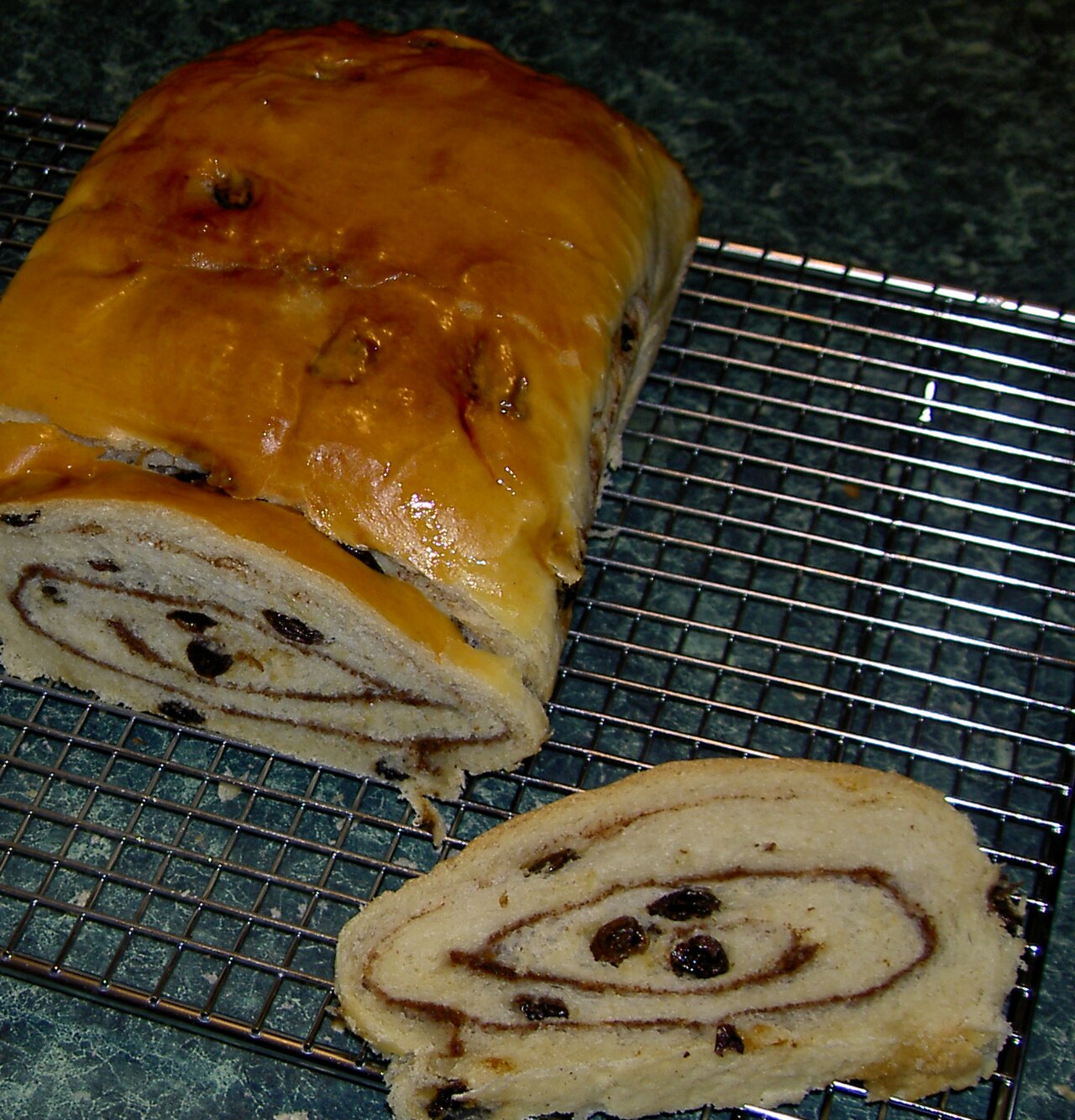
Photograph: Mendaliv — Public domain, via Wikimedia Commons

Comments and reactions 0
No comments yet. Yours would be the first.