Prophecy as a Gift: What It Is, What It Isn’t, and Why the Church Needs It Done Right

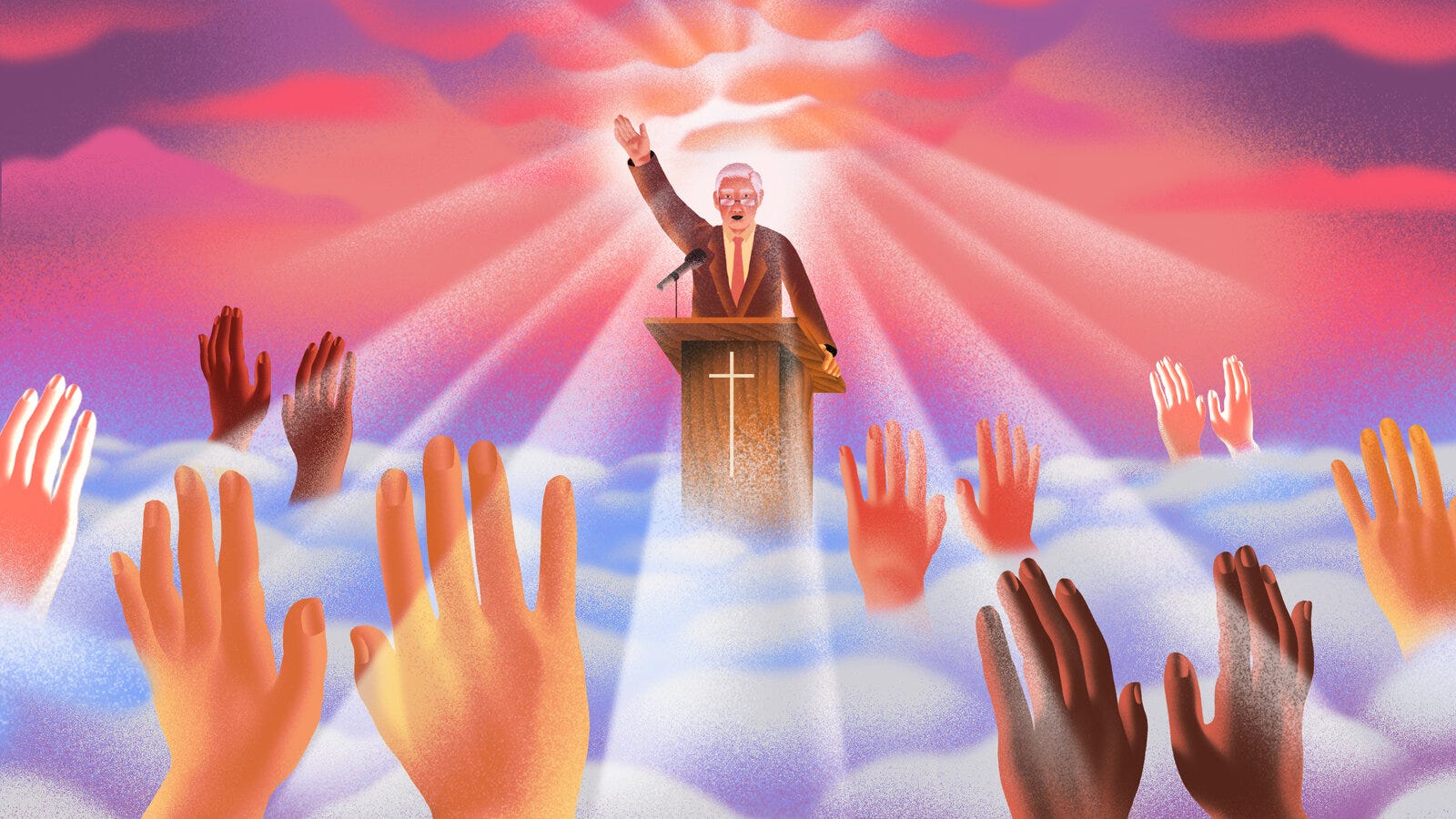
Prophecy is one of the most desired—and most misunderstood—gifts of the Spirit. Some fear it. Others chase it. Many redefine it. And a growing number have been wounded by it. Yet Scripture does not treat prophecy as optional, dangerous, or rare.   “Pursue love, and earnestly desire the spiritual gifts, especially that you may prophesy.”(1 Corinthians 14:1) The problem is not prophecy itself.The problem is prophecy without maturity, accountability, or discernment. The Biblical Foundation of Prophecy Prophecy is not primarily prediction. In Scripture, prophecy is God speaking to people through people—for specific purposes. Paul defines its function clearly: “The one who prophesies speaks to people for their strengthening, encouragement, and comfort.”(1 Corinthians 14:3) If a “prophetic word” produces fear, confusion, or pressure, it has already failed its first test. What Prophecy Is At its core, prophecy is: Revelation from God Communicated through a human vessel For a specific moment, audience, or purpose Prophecy can include: Encouragement Warning Correction Direction Confirmation But it always carries God’s heart, not just His information. What Prophecy Is Not Prophecy is not: Fortune-telling Manipulation A replacement for Scripture A shortcut around wisdom Proof of spiritual superiority Prophecy does not override: Personal responsibility Biblical counsel Moral agency The authority of Scripture “Do not despise prophecies, but test everything; hold fast what is good.”(1 Thessalonians 5:20–21) Testing is not unbelief.Testing is obedience. Prophecy vs. Teaching vs. Knowledge Prophecy reveals what God is saying now.Teaching explains what God has already said.Knowledge reveals what is true. Healthy churches honor all three without confusing them. Prophecy should illuminate Scripture—not compete with it. New Testament Prophecy Is Different from Old Testament Prophecy Old Testament prophets: Spoke with covenantal authority Represented God to the nation Were held to absolute accuracy New Testament prophecy: Operates within the body Is weighed and discerned Is partial and progressive “For we know in part and we prophesy in part.”(1 Corinthians 13:9) This is not a weakness of prophecy—it is a safeguard for the Church. Why Prophecy Must Be Weighed Paul commands: “Let two or three prophets speak, and let the others weigh what is said.”(1 Corinthians 14:29) Prophecy is submitted, not exalted. A prophetic culture without discernment becomes: Fear-driven Personality-centered Resistant to correction A prophetic culture with discernment becomes: Humble Grounded Life-giving Timing Matters as Much as Accuracy A word can be true and still be wrong in timing. Jesus told His disciples many things they could not yet bear (John 16:12). Wisdom governs when prophecy is released. Revelation without timing creates pressure.Revelation with wisdom creates peace. Personal Prophecy vs. Corporate Prophecy Personal prophecy: Encourages and confirms Should never control decisions Must align with Scripture and character Corporate prophecy: Calls the body to repentance or direction Must be judged carefully Carries broader responsibility No prophecy replaces prayer. No prophecy replaces relationship with God. Prophecy and Human Fallibility Prophets are not infallible.Hearing God does not make someone perfect. Peter prophesied boldly—then compromised publicly.Paul rebuked Peter openly. Correction does not negate calling. Common Abuses of Prophecy Today Overconfidence without accountability Vague words that cannot be tested Fear-based warnings lacking redemption Prophecy used to elevate personalities Political prophecy without repentance when wrong When prophecy becomes untouchable, it stops being biblical. Prophecy Anchored in Love Paul places prophecy between two love chapters on purpose. “If I have prophetic powers… but have not love, I am nothing.”(1 Corinthians 13:2) Love governs tone.Love governs timing.Love governs silence. How to Grow Safely in the Gift of Prophecy Stay rooted in Scripture Stay submitted to community Stay accountable to correction Stay humble about fallibility Stay focused on fruit, not impact The goal is not to sound prophetic. The goal is to sound like God. Final Thoughts Prophecy is not meant to replace discernment—it requires it.It is not meant to bypass wisdom—it depends on it.It is not meant to elevate voices—it is meant to serve people. When prophecy is healthy, the Church becomes clearer—not louder. And when prophecy is done in love, it points people not to the prophet—but to God. The Office of the Prophet: How It Differs from the Gift of Prophecy — and Why That Difference Matters Not everyone who prophesies is a prophet. That single sentence, if properly understood, would resolve a large percentage of confusion, excess, and damage in modern charismatic spaces. Scripture clearly distinguishes between the gift of prophecy, which is available to many believers, and the office of the prophet, which is a specific calling with long-term responsibility, authority, and accountability. Failing to honor that distinction leads to spiritual imbalance—and often spiritual harm. The Biblical Foundation of the Prophetic Office Paul identifies the office explicitly: “And God has appointed in the church first apostles, second prophets, third teachers…”(1 Corinthians 12:28) And again: “He gave the apostles, the prophets, the evangelists, the shepherds and teachers…”(Ephesians 4:11) This is not a reference to a momentary gifting—it is a recognized role within the body, given by God for the maturity of the Church. Gift vs. Office: The Essential Difference The Gift of Prophecy Can be exercised by many believers Is occasional and situational Operates under oversight Must be weighed and tested Primarily encourages, strengthens, and comforts The Office of Prophet Is a calling, not a moment Carries long-term responsibility Shapes direction, not just encouragement Is accountable to the wider body Produces fruit over time, not just words A gift is something you operate in.An office is something you are entrusted with. What Defines a True Prophet (Biblically) In Scripture, prophets are marked less by prediction and more by weight. They consistently: Call people back to God Expose hidden compromise Confront power structures Emphasize repentance before blessing Suffer rejection more than applause “Surely the Lord God does nothing, unless He reveals His secret to His servants the prophets.”(Amos 3:7) But notice—revelation is paired with servanthood, not celebrity. Prophets and Authority The office of prophet carries authority, but not autonomy. True prophets: Submit to Scripture Remain accountable to leaders Accept correction Do not weaponize revelation Do not demand unquestioned loyalty Even in the New Testament, prophets operated within the Church—not above it. “The spirits of prophets are subject to prophets.”(1 Corinthians 14:32) Self-control is a requirement, not an option. Old Testament vs. New Testament Prophets Old Testament prophets: Represented God directly to Israel Operated under the Mosaic covenant Were judged by absolute accuracy Often stood alone New Testament prophets: Operate within the Body of Christ Function alongside other offices Speak in part, not totality Are weighed and discerned This shift does not weaken prophecy—it protects the Church. The Burden of the Prophetic Office Many desire the title of prophet.Few desire the weight of it. True prophets often experience: Isolation Misunderstanding Rejection Delayed affirmation Deep personal refining Jeremiah said: “His word is in my heart like a fire… I am weary of holding it in.”(Jeremiah 20:9) The office is not glamorous—it is costly. False Markers of the Prophetic Office Warning signs include: Constant self-promotion Refusal to repent publicly Immunity from correction Obsession with platforms and influence Prophecy aligned more with ideology than Scripture A prophet who cannot be corrected is not prophetic—they are dangerous. Prophets and the Other Offices Prophets are not meant to operate alone. They need: Apostles for governance Pastors for care Teachers for grounding Evangelists for outreach When prophets isolate themselves, imbalance follows. When prophets submit to community, the Church matures. Why the Office of Prophet Still Matters Today The Church still needs: Truth spoken clearly Compromise confronted lovingly Direction discerned carefully God’s heart revealed faithfully But it needs true prophets, not loud voices. How to Respond to Prophetic Authority Properly Honor without idolizing.Test without mocking.Submit without surrendering discernment. “Beloved, do not believe every spirit, but test the spirits.”(1 John 4:1) Testing is biblical.Silencing is not. Final Thoughts The office of the prophet is not proven by accuracy alone—but by character, fruit, humility, and faithfulness over time. Prophets are not meant to replace Scripture.They are meant to call people back to it. When the office is healthy, the Church becomes holy.When it is abused, the Church becomes wounded. And that is why understanding the difference between the gift of prophecy and the office of prophet is not optional—it is essential.

Read more Prophecy as a Gift: What It Is, What It Isn’t, and Why the Church Needs It Done Right

The Word of Wisdom: Heaven’s Perspective for Earthly Moments

If the Word of Knowledge reveals what is, the Word of Wisdom reveals what to do about it. This gift is often misunderstood, frequently misused, and sometimes confused with intelligence, experience, or good advice. But biblical wisdom—especially the Word of Wisdom—is none of those things by default.   It is God’s perspective applied to a specific moment, revealed by the Holy Spirit for direction, timing, and alignment with His will. What Is the Word of Wisdom? Paul introduces the Word of Wisdom alongside the Word of Knowledge in 1 Corinthians 12: “To one is given the word of wisdom through the Spirit…” (1 Corinthians 12:8) This is not general wisdom.This is not life experience.This is not common sense. It is a Spirit-given insight into how God intends a situation to unfold, often revealing: Timing Strategy Outcomes Divine priorities Where knowledge reveals facts, wisdom reveals pathways. Biblical Examples of the Word of Wisdom Scripture is full of moments where wisdom—not power—changed history. Joseph in Egypt Joseph didn’t just interpret Pharaoh’s dream (knowledge).He gave a strategy for survival (wisdom). “Let Pharaoh select a discerning and wise man…” (Genesis 41) That counsel saved nations. Solomon’s Judgment Solomon didn’t rely on facts—he relied on insight beyond logic. “Give me an understanding heart…” (1 Kings 3:9) His wisdom exposed truth without violence. Jesus and the Trap Questions When religious leaders tried to trap Jesus politically or legally, He repeatedly answered with wisdom that disarmed the situation: “Render to Caesar what is Caesar’s…” (Matthew 22:21) That wasn’t evasion—it was divine precision. Word of Wisdom vs. Wisdom as a Virtue Scripture distinguishes between: Wisdom as a lifestyle (Proverbs) The Word of Wisdom as a spiritual gift (1 Corinthians) A person can live wisely without operating in the gift.A person can receive a Word of Wisdom without being generally wise. That’s why the gift must be handled humbly—it is given, not owned. What the Word of Wisdom Is NOT The Word of Wisdom is not: Giving advice without invitation Quoting Scripture randomly Making confident predictions Declaring outcomes God has not revealed It does not override free will.It does not force obedience.It does not guarantee success. Wisdom reveals alignment, not control. Why the Church Needs the Word of Wisdom Right Now Many modern Christian environments are rich in: Knowledge Revelation Prophecy But poor in timing. Wisdom answers questions like: “Is this the right moment?” “Is this battle mine?” “Should I speak or stay silent?” “Is obedience required now—or later?” Without wisdom, truth can become destructive. Jesus Himself said: “Be wise as serpents and innocent as doves.” (Matthew 10:16) That balance is wisdom. When the Word of Wisdom Is Absent Without wisdom: People weaponize revelation Prophecy becomes reckless Discernment turns suspicious Truth is spoken without love or strategy Many church conflicts are not due to false doctrine—but true doctrine applied unwisely. Timing matters.Tone matters.Audience matters. Wisdom governs all three. Word of Wisdom and Silence One of the most overlooked expressions of the Word of Wisdom is knowing when not to speak. Jesus often withheld answers.Paul escaped cities quietly.David waited years after anointing. Wisdom does not rush visibility. If revelation pushes you into impatience, it likely isn’t wisdom. Wisdom Is Recognizable by Its Fruit James gives a diagnostic test: “The wisdom that comes from heaven is first pure; then peace-loving, considerate, submissive, full of mercy and good fruit, impartial and sincere.” (James 3:17) True wisdom produces: Peace, not panic Clarity, not confusion Stability, not urgency If something creates chaos while claiming divine urgency, wisdom may be absent. The Danger of Confusing Confidence with Wisdom Confidence can be loud.Wisdom is often quiet. The most powerful Words of Wisdom in Scripture were often simple sentences spoken at the exact right time. Wisdom doesn’t need to announce itself.It proves itself through outcomes. Practicing the Gift With Reverence Those who operate in the Word of Wisdom should: Invite accountability Allow correction Accept partial understanding Resist absolutism Even Solomon—who received extraordinary wisdom—eventually failed when humility left. The gift flows best through submission. Final Thoughts The Word of Wisdom is not flashy.It does not draw crowds.It does not trend well online. But it: Preserves lives Prevents disasters Protects unity Aligns heaven and earth In a world overflowing with information, wisdom is the rarest and most needed gift. Knowledge tells you what is happening.Wisdom tells you how God wants you to respond. And often, that response is quieter, slower, and more patient than we expect. Word of Knowledge vs. Word of Wisdom: Knowing the Difference Changes Everything Few spiritual gifts are more frequently confused than the Word of Knowledge and the Word of Wisdom. They are listed together, often taught together, and regularly blurred into one another—yet Scripture treats them as distinct gifts with distinct functions. Understanding the difference is not academic. It affects: How people receive ministry How prophecy is handled How decisions are made Whether revelation builds or destroys When these gifts are confused, revelation outruns maturity—and people get hurt. The Biblical Foundation Paul lists both gifts explicitly: “To one is given through the Spirit the word of wisdom, and to another the word of knowledge according to the same Spirit.”(1 Corinthians 12:8) If they were the same thing, Paul would not separate them. They work together, but they do not do the same job. What the Word of Knowledge Is The Word of Knowledge reveals information that the person could not have known naturally. It often answers: What is happening? What has happened? What is hidden? Examples include: Jesus knowing the Samaritan woman’s past (John 4) Peter knowing Ananias lied (Acts 5) Elisha knowing the king’s private plans (2 Kings 6) The Word of Knowledge reveals facts. It brings awareness, exposure, and understanding. What the Word of Wisdom Is The Word of Wisdom reveals God’s strategy, timing, or response for a situation. It often answers: What should be done? When should action happen? How does God want this handled? Examples include: Joseph’s famine plan (Genesis 41) Solomon’s judgment (1 Kings 3) Jesus’ answers to political traps (Matthew 22) The Word of Wisdom reveals direction. It brings alignment, order, and peace. The Core Difference in One Sentence Word of Knowledge = What is true Word of Wisdom = What to do with the truth You can have knowledge without wisdom—and that is often dangerous. Why Knowledge Without Wisdom Can Harm Revealing information without wisdom can: Expose people prematurely Create fear instead of faith Cause shame instead of repentance Spark urgency instead of obedience Jesus often knew things He did not immediately speak. Wisdom governs whether, when, and how knowledge should be shared. Why Wisdom Without Knowledge Can Drift Wisdom without knowledge can: Rely on assumptions Miss key details Apply general principles incorrectly Feel spiritual but lack accuracy This is why the gifts are often paired—knowledge informs wisdom, wisdom governs knowledge. How They Work Together in Healthy Ministry In mature ministry: Knowledge reveals reality Wisdom reveals response Love governs both For example: Knowledge: “This person is carrying unresolved grief.” Wisdom: “Do not confront—pray quietly and wait.” Or: Knowledge: “This situation is rooted in pride.” Wisdom: “Silence will do more than correction.” Without wisdom, knowledge becomes blunt.Without knowledge, wisdom becomes vague. Common Misuses in Modern Church Culture Mistaking Knowledge for Wisdom People often assume that knowing something automatically gives them authority to act. It does not. Revelation does not equal permission. Using Knowledge to Control Some use revealed information to manipulate decisions or assert spiritual dominance. That is not the Spirit—it is insecurity wearing revelation. Confusing Confidence with Wisdom Wisdom is not loud.It does not rush.It does not demand agreement. Urgency is not always obedience. Jesus as the Perfect Model Jesus operated in constant knowledge and perfect wisdom. He knew: Who would betray Him Who would deny Him What was in people’s hearts Yet He chose: Silence in trials Delay in miracles Strategy over spectacle “My time has not yet come.” (John 7:6) That sentence alone is a masterclass in wisdom. Discernment Is the Bridge Between Them Discernment helps determine: Is this knowledge for prayer or speech? Is this wisdom for now or later? Is this insight mine to carry or mine to release? Without discernment, gifts compete instead of cooperate. How to Grow Safely in Both Gifts Ask different questions in prayer: For knowledge: “Lord, what is true here?” For wisdom: “Lord, how do You want me to respond?” And always ask: “Is this for intercession, conversation, or silence?” God answers differently depending on the purpose. Final Thoughts The Church does not lack revelation.It lacks wisdom to steward revelation well. Knowledge reveals the situation.Wisdom preserves the soul. When both operate together—under love and humility—people are not just informed; they are protected. And that is how the gifts were always meant to function.

Read more The Word of Wisdom: Heaven’s Perspective for Earthly Moments

Discernment: The Most Needed—and Most Abused—Gift in the Church

In an age of endless voices, platforms, prophecies, podcasts, and personalities, discernment is no longer optional—it is essential. The New Testament repeatedly warns believers that deception will increase, not decrease, as history moves forward. Jesus didn’t say, “Watch out for persecution first.” He said, “Take heed that no one deceives you.” (Matthew 24:4)   Yet discernment is often misunderstood, misused, or dismissed entirely—especially when it becomes inconvenient. Some equate discernment with negativity. Others confuse it with judgmentalism. Still others weaponize it to tear down anyone they don’t like. But true discernment is none of those things. Discernment is not cynicism.Discernment is not suspicion.Discernment is not character assassination. Discernment is a spiritual capacity to perceive truth, motive, source, and fruit—beyond appearances. What Is the Gift of Discernment? Scripture refers to it as “the discerning of spirits” (1 Corinthians 12:10). This is crucial:It does not say “discerning of people.”It does not say “discerning of personalities.” It says spirits. At its core, discernment is the God-given ability to recognize: What is from the Holy Spirit What is from the human soul (emotion, ambition, ego) What is from a deceptive or unclean spiritual source This gift operates beneath words, beneath tone, beneath charisma. Someone can sound biblical and still be off.Someone can be sincere and still be wrong.Someone can be anointed in one season and drifting in another. Discernment sees source, not just surface. Discernment vs. Judgment One of the most common shutdowns of discernment in modern Christianity is the phrase: “Don’t judge.” But Scripture clearly distinguishes between sinful judgment and spiritual discernment. Jesus condemned hypocritical judgment—judging others while ignoring one’s own sin.He did not condemn testing fruit, doctrine, or spiritual claims. In fact, Scripture commands it: “Test the spirits to see whether they are from God.” (1 John 4:1) “Examine everything carefully; hold fast to that which is good.” (1 Thessalonians 5:21) “By their fruits you will know them.” (Matthew 7:16) Discernment doesn’t rush to condemnation.But it also doesn’t surrender truth for the sake of peace. Biblical love and biblical truth are never enemies. Discernment and Prophetic Ministry The more prophetic voices increase, the more discernment becomes necessary. Prophecy in Scripture is not infallible by default. In the New Testament, prophetic words are weighed, tested, and judged—not blindly accepted. Paul writes: “Let two or three prophets speak, and let the others weigh what is said.” (1 Corinthians 14:29) That word weigh matters. Prophecy is not Scripture.Prophets are not apostles.Charisma is not accuracy. A mature church understands that prophetic people are still human—capable of error, bias, emotion, and presumption. Discernment allows space for: Correction without cancellation Accountability without hostility Humility without fear Where discernment is absent, personality cults form.Where discernment is silenced, manipulation thrives. When Discernment Feels “Unloving” One of the hardest aspects of discernment is that it often feels unloving—especially in emotionally charged environments. Discernment may say: “Something feels off, even though it sounds right.” “This teaching is stirring fear more than faith.” “This prophecy flatters the audience more than it exalts Christ.” That doesn’t make discernment mean-spirited.It makes it protective. True discernment protects: The integrity of the gospel The spiritual health of the church Vulnerable believers who trust authority A shepherd who never warns about wolves is not loving—he is negligent. The Difference Between Discernment and Suspicion It’s important to say this clearly: not all skepticism is discernment. Discernment is calm.Suspicion is anxious. Discernment listens.Suspicion assumes. Discernment produces clarity.Suspicion produces paranoia. People who claim discernment but operate in constant outrage, fear, or obsession with hidden enemies are often functioning from woundedness, not wisdom. The Holy Spirit brings light—not confusion. Discernment Requires Humility Perhaps the most uncomfortable truth is this: discernment requires the willingness to be wrong. If you believe you can never misinterpret something, you are already undiscerned. The most spiritually discerning people: Hold convictions without arrogance Ask questions without accusation Allow Scripture—not personalities—to be the final authority Even Paul said: “We know in part, and we prophesy in part.” (1 Corinthians 13:9) Discernment grows in humility, prayer, Scripture, and patience—not in hot takes. Discernment and Personal Responsibility One of the quiet dangers in modern Christianity is outsourcing discernment to platforms, leaders, or movements. No pastor, prophet, or teacher replaces your responsibility to: Know Scripture Cultivate prayer Examine fruit over time Discernment is not passive consumption.It is active participation with the Holy Spirit. You are not called to swallow everything—or reject everything—but to walk wisely. Final Thoughts Discernment is not about being “right.”It’s about being faithful. Faithful to truth.Faithful to Christ.Faithful to love that does not lie. In times of confusion, discernment becomes an anchor.In times of revival, it becomes a safeguard.In times of deception, it becomes a lifeline. The church doesn’t need louder voices.It needs clearer sight. And that begins—not with accusation—but with discernment rooted in Scripture, humility, and the Spirit of truth. If you want, next strong follow-ups could be: “Testing Prophecy Without Becoming Cynical” “Charisma vs. Character: Why Discernment Looks for Fruit” “When Discernment Gets You Labeled ‘Divisive’” You really are on a roll—but this one reads like a hinge piece that gives you credibility before the sharper critiques. now one about word of knowledge Alright—here’s a full, thoughtful blog on the Word of Knowledge, written to complement your discernment piece. This one is affirming but grounded, appreciative without being gullible, and it quietly corrects excesses without sounding hostile. The Word of Knowledge: A Gift Meant to Reveal, Not Perform Few spiritual gifts inspire as much awe—and as much confusion—as the Word of Knowledge. When it operates well, it brings clarity, healing, repentance, and faith.When it is mishandled, it drifts into performance, spiritual theater, or subtle manipulation. In an age of livestreams, platforms, and microphones, the Word of Knowledge needs careful definition—not to diminish it, but to protect it. What Is the Word of Knowledge? Paul lists the Word of Knowledge among the gifts of the Spirit in 1 Corinthians 12: “To one is given the word of wisdom through the Spirit, and to another the word of knowledge according to the same Spirit.” (1 Corinthians 12:8) The key word here is given. A Word of Knowledge is not: Intuition Guesswork Psychological profiling Research presented as revelation It is specific information revealed by the Holy Spirit that the person could not have known naturally, given for a redemptive purpose. It reveals facts.It does not interpret meaning—that belongs more to wisdom or prophecy. Biblical Examples of the Word of Knowledge Scripture gives multiple clear examples: Jesus knowing the Samaritan woman’s marital history (John 4) Peter discerning Ananias and Sapphira’s deception (Acts 5) Jesus knowing Nathanael had been under the fig tree (John 1) In each case, the knowledge: Exposed truth Led toward repentance or faith Glorified God—not the messenger None of these moments were used to entertain crowds. Word of Knowledge vs. Prophecy These gifts often overlap, but they are not the same. Word of Knowledge reveals what is or what has been.Prophecy reveals God’s heart, intent, or direction. A Word of Knowledge might say: “You have had back pain for twelve years.” Prophecy might say: “God wants to heal you and restore what was lost.” Confusing the two can lead to spiritual overreach—turning facts into declarations God never made. The Purpose of the Gift The Word of Knowledge is not given to: Prove someone is anointed Build a following Impress skeptics Win arguments It is given to: Confirm God’s nearness Awaken faith Expose hidden issues for healing Bring people into truth gently When the gift becomes about demonstration instead of edification, something is off. When the Gift Goes Wrong Because the Word of Knowledge feels supernatural, it carries temptation. Common abuses include: Fishing statements (“Someone here has pain…”) Vague generalities that fit almost anyone Public exposure of private matters without consent Treating accuracy as proof of spiritual authority Accuracy alone does not equal maturity. Even Jesus refused to perform signs on demand. A true Word of Knowledge carries weight, not hype. Discernment Still Applies Even genuine Words of Knowledge must be weighed. Scripture never instructs believers to turn off their minds when spiritual gifts appear. In fact, it repeatedly warns against untested claims. A real Word of Knowledge will: Align with Scripture Produce peace, not fear Draw attention to Christ Respect human dignity If a “revelation” humiliates, controls, or manipulates—it may be spiritually sourced, but not from the Holy Spirit. The Role of Love and Consent One overlooked aspect of this gift is love. Jesus did not publicly shame the Samaritan woman—He spoke to her privately.The goal was restoration, not exposure. Public Words of Knowledge should be handled with extreme care. Not everything God reveals is meant to be announced. The Holy Spirit is gentle.He convicts without crushing. Practicing the Gift With Humility Those who operate in the Word of Knowledge should hold it lightly. Healthy posture sounds like: “I could be wrong, but I sense…” “Please test this.” “This is for encouragement, not pressure.” Arrogance is the fastest way to corrupt a genuine gift. The Holy Spirit does not need defenders—He needs vessels. Word of Knowledge and Faith When properly exercised, the Word of Knowledge often ignites faith. Jesus didn’t heal blindly—He often revealed knowledge first, allowing faith to rise naturally. But the gift does not replace faith, and it does not guarantee results. God is sovereign.The gift is participatory, not controlling. Final Thoughts The Word of Knowledge is a beautiful gift—when it stays in its lane. It reveals truth, but it does not rule lives.It awakens faith, but it does not replace Scripture.It serves love, not ego. In a culture hungry for the supernatural, restraint is as spiritual as power. The greatest evidence of the Holy Spirit is not how much you know—but how much love and wisdom accompany what you reveal.

Read more Discernment: The Most Needed—and Most Abused—Gift in the Church

The Three Baptisms: Water, the Holy Spirit, and Fire: What Scripture Actually Teaches — and Why All Three Matter

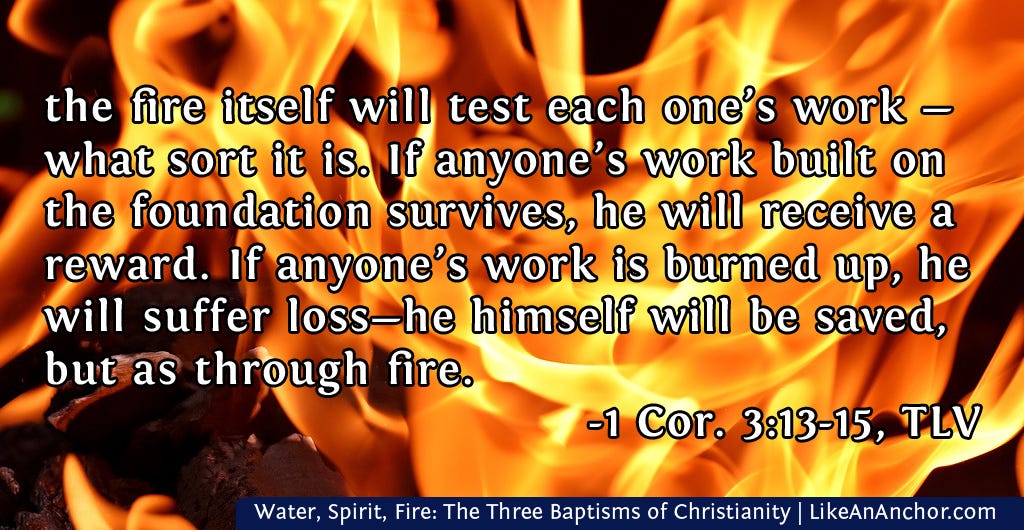
1. Baptism in Water — Obedience, Identification, and Repentance Water baptism is the most universally recognized form of baptism across Christian traditions. Jesus Himself was baptized in water, not because He needed repentance, but to fulfill righteousness (Matthew 3:15). What Water Baptism Is Water baptism is:   An act of obedience A public identification with Christ A declaration of repentance and new life Paul describes it this way: “We were therefore buried with Him through baptism into death in order that, just as Christ was raised from the dead through the glory of the Father, we too may live a new life.”— Romans 6:4 Water baptism symbolizes death to the old self and resurrection into new life. It does not save by itself, but it testifies to what salvation has already begun. What Water Baptism Is Not Water baptism: Does not automatically produce holiness Does not replace repentance Does not guarantee spiritual maturity It is foundational — but it is not the finish line. 2. Baptism in the Holy Spirit — Empowerment, Not Just Conversion John the Baptist made a crucial distinction that many Christians overlook: “I baptize you with water for repentance. But after me comes one who is more powerful than I… He will baptize you with the Holy Spirit and fire.”— Matthew 3:11 Notice the sequence: John baptizes with water Jesus baptizes with the Holy Spirit Fire is mentioned separately (we’ll come back to that) The Holy Spirit Is Not Just for Salvation All believers receive the Holy Spirit at conversion (Romans 8:9). But Scripture also describes a subsequent empowerment — often called the baptism in the Holy Spirit. Examples: The disciples believed before Pentecost (John 20:22) Yet they were told to wait for power (Acts 1:4–5) The Spirit fell later with visible manifestation (Acts 2) Jesus said: “You will receive power when the Holy Spirit comes upon you, and you will be my witnesses…”— Acts 1:8 This baptism is about power for mission, not proof of salvation. What the Baptism in the Holy Spirit Produces Biblically, it results in: Boldness Spiritual gifts Deeper intimacy with God Greater effectiveness in witness It is not about spiritual elitism.It is about enablement. 3. Baptism with Fire — Purification, Judgment, and Refinement This is the most misunderstood—and often misused—of the three. Many Christians pray for “fire” without realizing what they’re asking for. What Does Fire Mean in Scripture? Fire consistently represents: Purification (Malachi 3:2–3) Testing (1 Corinthians 3:13) Judgment (Matthew 3:12) God’s holy presence (Exodus 3:2, Acts 2:3) When John mentions fire, he immediately follows it with a warning: “His winnowing fork is in his hand… He will burn up the chaff with unquenchable fire.”— Matthew 3:12 Fire is not always comfortable.It burns away what does not belong. Fire Is Not Hype — It’s Holiness The baptism of fire: Exposes motives Purifies character Destroys pride and self-reliance Produces endurance and reverence Peter writes: “Though now for a little while you may have had to suffer grief in all kinds of trials. These have come so that the proven genuineness of your faith… may make 4 times as long Got it. Here is a much longer, deep-teaching version — expanded, careful, Scripture-heavy, and written in the same sober, thoughtful tone you’ve been using lately. This is church-blog / Substack ready, not hype-driven, and it treats the topic with theological weight. The Three Baptisms: Water, the Holy Spirit, and Fire What Scripture Teaches, What the Church Debates, and Why All Three Matter Few topics in Christianity are as simultaneously foundational and misunderstood as baptism. For some believers, baptism is a single event tied to conversion. For others, it is a lifelong process involving multiple experiences with God. And for many, language around “Spirit baptism” and “fire” is either deeply cherished or deeply feared. Scripture, however, does not speak of baptism as a one-dimensional concept. Instead, it presents three distinct baptisms, each with its own purpose, timing, and effect: Baptism in water Baptism in the Holy Spirit Baptism with fire Confusion arises when these are blended together, ignored, or exaggerated. Clarity comes when we let the Bible define each one on its own terms. Why the Bible Speaks of More Than One Baptism John the Baptist made a clear distinction: “I baptize you with water for repentance, but He who is coming after me… will baptize you with the Holy Spirit and fire.”— Matthew 3:11 This statement alone establishes three separate works: One administered by humans (water) Two administered by Christ Himself (Spirit and fire) Paul later affirms that unity in Christ does not mean uniformity of experience: “There is one body and one Spirit… one Lord, one faith, one baptism.”— Ephesians 4:4–5 This verse is often used to argue against multiple baptisms. Yet Paul is speaking about identity in Christ, not denying the multiple baptisms described elsewhere. Scripture must interpret Scripture. Baptism in Water: Entry, Obedience, and Public Allegiance The Biblical Foundation Water baptism is the first baptism most believers encounter. Jesus commanded it directly: “Go therefore and make disciples of all nations, baptizing them in the name of the Father and of the Son and of the Holy Spirit.”— Matthew 28:19 In the early church, baptism followed belief almost immediately: Acts 2:38 Acts 8:36–38 Acts 10:47–48 Water baptism was never treated as optional or symbolic fluff. It marked a public transfer of allegiance. What Water Baptism Accomplishes Water baptism represents: Repentance Identification with Christ’s death and resurrection Separation from the old life Entrance into the visible community of believers Paul explains: “We were buried therefore with Him by baptism into death, in order that… we too might walk in newness of life.”— Romans 6:4 This is covenant language. Baptism does not save by works, but it seals obedience and publicly declares loyalty to Christ. The Limits of Water Baptism Scripture is equally clear about what water baptism does not do: It does not guarantee holiness It does not automatically renew the mind It does not remove temptation It does not replace discipleship Simon the sorcerer was baptized but remained bound internally (Acts 8:13–23). This shows that baptism without heart transformation is incomplete. Water baptism is essential, but it is introductory, not exhaustive. Baptism in the Holy Spirit: Power, Indwelling, and Empowerment Conversion and Empowerment Are Not Identical One of the most debated issues in modern Christianity is whether baptism in the Holy Spirit is the same as receiving the Spirit at conversion. The New Testament suggests distinction. The disciples believed in Jesus, followed Him, and had their names written in heaven (Luke 10:20). Yet Jesus still told them: “Stay in the city until you have been clothed with power from on high.”— Luke 24:49 They were saved — but not yet empowered. Pentecost as a Pattern Acts 2 records a dramatic outpouring of the Spirit: Audible signs Visible manifestation Bold proclamation Immediate fruit Peter interprets it as fulfillment of Joel’s prophecy: “I will pour out My Spirit on all people…”— Acts 2:17 This was not merely symbolic. It was transformative. Other Examples in Acts Acts 8: Samaritans believed and were baptized in water, then later received the Spirit Acts 10: Cornelius received the Spirit before water baptism Acts 19: Believers who knew only John’s baptism received the Spirit later The pattern is not rigid — but the distinction is clear. What the Baptism in the Holy Spirit Produces Biblically, it results in: Power for witness (Acts 1:8) Boldness (Acts 4:31) Spiritual gifts (1 Corinthians 12) Deeper prayer and worship Greater awareness of God’s presence This baptism is not about status or superiority.It is about function. Baptism with Fire: Refinement, Purification, and Judgment Fire Is Not a Metaphor We Control Fire is one of the most dangerous symbols in Scripture — because it represents God’s holiness. God appears in fire: Burning bush (Exodus 3) Pillar of fire (Exodus 13) Mount Sinai (Exodus 19) Tongues of fire (Acts 2) Fire reveals what cannot coexist with God. What the Baptism of Fire Does Fire: Burns away impurities Exposes motives Tests faith Separates wheat from chaff Malachi writes: “He will sit as a refiner and purifier of silver.”— Malachi 3:3 Paul echoes this: “Each one’s work will become manifest, for the Day will disclose it, because it will be revealed by fire.”— 1 Corinthians 3:13 Fire does not ask permission.Fire does not negotiate.Fire consumes what does not belong. Fire Is Both Personal and Corporate Fire operates: In individual sanctification In church purification In historical judgment Jesus warned churches in Revelation that He would remove lampstands if repentance did not come. That is fire language. Why We Should Be Careful Praying for Fire Many Christians pray for fire while resisting its effects. Fire burns: Pride Ambition False identity Hidden sin Religious performance It is not emotional excitement.It is holy confrontation. How the Three Baptisms Work Together These baptisms are not stages to graduate from — they are layers of obedience and transformation. Water baptism declares allegiance Spirit baptism empowers obedience Fire baptism purifies devotion Neglect one, and imbalance follows: Water without Spirit leads to dry religion Spirit without fire leads to pride Fire without grounding leads to burnout God desires whole disciples, not partial experiences. Why This Matters Now Modern Christianity often emphasizes: Experience without obedience Power without purity Grace without transformation The three baptisms correct that imbalance. They remind us that: Salvation has a beginning Empowerment has a purpose Refinement has a cost Jesus did not come to make converts only — He came to make disciples. Final Reflection The question is not: “Have you been baptized?” The deeper question is: “Which baptisms are you walking in — and which are you resisting?” God is patient.But He is thorough. Water initiates.Spirit empowers.Fire perfects. And Scripture tells us plainly: “Our God is a consuming fire.”— Hebrews 12:29 That fire is not meant to destroy us —but to make us holy. Fire and the Manifest Presence of God: Falling, Trembling, Weeping, and Being “Slain in the Spirit” In charismatic and Pentecostal circles, the language of fire is often associated not only with purification and judgment, but with physical and emotional manifestations in the presence of God. These include: Falling to the ground Shaking or trembling Weeping or sobbing Loss of physical strength Stillness or silence Deep conviction or overwhelming peace These experiences are commonly described as being “slain in the Spirit.” While the phrase itself does not appear explicitly in Scripture, the phenomenon it attempts to describe does. Biblical Precedents for Physical Responses to God’s Presence Throughout Scripture, encounters with God frequently produced physical reactions: Daniel collapsed and lost strength when receiving revelation “No strength was left in me… I was in a deep sleep, with my face to the ground.”— Daniel 10:8–9 Ezekiel fell face down when the glory of the Lord appeared “The Spirit entered me and set me on my feet…”— Ezekiel 2:2 John, the beloved disciple, fell as though dead before the risen Christ “When I saw Him, I fell at His feet as though dead.”— Revelation 1:17 The priests could not stand when God’s glory filled the temple “The priests could not stand to minister because of the cloud.”— 2 Chronicles 5:14 In none of these cases was the reaction treated as sinful, theatrical, or manufactured. It was simply the human body responding to the weight of divine presence. Fire as Overwhelming Holiness, Not Loss of Control When God’s fire manifests in this way, it is not about spectacle or chaos. It is about human frailty encountering divine holiness. Fire: Overwhelms natural strength Exposes inner resistance Brings conviction without words Produces surrender rather than performance Weeping often accompanies fire because repentance, grief over sin, and relief from burden frequently surface simultaneously. Shaking or trembling appears in Scripture as a response to God’s nearness: “Serve the Lord with fear, and rejoice with trembling.”— Psalm 2:11 When Fire Manifests Internally vs Externally It is important to note:Fire does not always manifest physically. Some experience: Deep stillness Quiet conviction Internal burning without outward expression Long-term transformation rather than immediate sensation Others experience dramatic physical responses. Scripture validates both — but it never elevates manifestations as proof of holiness or spiritual maturity. Jesus Himself warned that signs alone are not the measure of authenticity (Matthew 7:22–23). Discernment Around Manifestations While physical manifestations can be genuine responses to God’s fire, Scripture also urges discernment: “Do not believe every spirit, but test the spirits to see whether they are from God.”— 1 John 4:1 Fire that comes from God will: Produce humility, not pride Lead to repentance, not entitlement Increase obedience, not dependency on experience Result in fruit over time, not just moments Where fire becomes something people chase, imitate, or exaggerate, it loses its sanctifying purpose. Fire That Slays the Flesh, Not the Mind Being “slain in the Spirit” is best understood not as losing consciousness or agency, but as the flesh being overwhelmed by God’s presence. Paul describes this reality spiritually: “I have been crucified with Christ, and I no longer live, but Christ lives in me.”— Galatians 2:20 Fire brings surrender.Surrender sometimes looks like collapse.But what matters is not the fall — it’s what rises afterward. Fire Is Proven by Fruit, Not the Floor The ultimate test of fire is not: Did someone fall? Did someone shake? Did someone cry? The real question is: Did pride burn? Did sin lose its grip? Did obedience increase? Did love deepen? God’s fire is never about humiliation — it is about transformation. How This Fits the Three Baptisms Water marks obedience Spirit empowers mission Fire purifies motive and identity Sometimes fire comes quietly.Sometimes it comes dramatically.But it always leaves evidence — not in the moment, but in the life that follows. Fire and the Experience Often Called “Drunk in the Spirit” Another manifestation frequently associated with the baptism of fire and the manifest presence of God is what believers commonly describe as being “drunk in the Spirit.” This experience may include: Laughter or joy that feels uncontrollable Slurred speech or difficulty standing A sense of lightness, peace, or overwhelming love Reduced self-consciousness Emotional release or childlike freedom While the phrase itself is informal and not a biblical term, the imagery behind it is explicitly scriptural. The Biblical Origin of the Language The clearest reference comes from Pentecost itself: “Some, however, made fun of them and said, ‘They have had too much wine.’”— Acts 2:13 Peter did not deny the appearance of drunkenness — he denied the source: “These people are not drunk, as you suppose… No, this is what was spoken by the prophet Joel.”— Acts 2:15–16 The implication is striking:Spirit-filled believers can appear intoxicated to onlookers. Paul later uses the metaphor intentionally: “Do not get drunk on wine, which leads to debauchery. Instead, be filled with the Spirit.”— Ephesians 5:18 Paul contrasts two kinds of influence: One that dulls the mind and leads to sin One that overwhelms the self and leads to worship What “Drunk in the Spirit” Is Actually Describing At its core, this experience is not about chaos or silliness. It describes: A loosening of control A temporary suspension of self-management Freedom from fear, shame, or hyper-vigilance Joy rooted in God’s nearness rather than circumstance Fire does not only burn away sin — it also burns away self-protection. David modeled this long before Pentecost: “David danced before the Lord with all his might.”— 2 Samuel 6:14 When criticized for undignified worship, David replied: “I will become even more undignified than this.”— 2 Samuel 6:22 The fire of God often dismantles dignity built on pride. Fire, Joy, and Holy Disinhibition One effect of fire is holy disinhibition — not loss of self-control in the sinful sense, but release from: Fear of man Image management Emotional repression Religious performance This aligns with Scripture: “Where the Spirit of the Lord is, there is freedom.”— 2 Corinthians 3:17 Joy can manifest physically.Freedom can feel destabilizing.Grace can overwhelm composure. Important Boundaries and Discernment Scripture is equally clear that manifestation is never the measure of spirituality. Paul lists self-control as a fruit of the Spirit (Galatians 5:23). This means: The Spirit does not override moral agency Fire does not excuse disorder Joy does not negate wisdom Being “drunk in the Spirit” does not mean: Incoherent teaching Lack of discernment Disrespect for others Absence of accountability Paul corrects excess in Corinth not by denying the Spirit, but by restoring order: “For God is not a God of confusion but of peace.”— 1 Corinthians 14:33 Fire That Frees, Not Fire That Entertains When this manifestation is genuine, it produces: Lasting joy Increased humility Deeper worship Greater love for others Stronger obedience When it becomes a performance, it: Centers attention on experience Creates pressure to imitate Replaces fruit with sensation Fire that comes from God does not need to be advertised. Fire Touches People Differently Some will weep.Some will tremble.Some will fall.Some will laugh.Some will sit in silence. None of these reactions are proof of spirituality — and none automatically disqualify it either. What matters is what the fire leaves behind. Fire Proven Over Time Whether fire manifests as: Stillness or shaking Tears or laughter Collapse or quiet Its authenticity is proven not in the moment, but in the aftermath. Fire from God always leads to: Holiness Love Truth Obedience Reverence The Spirit may overwhelm the body —but He never bypasses the conscience.

Read more The Three Baptisms: Water, the Holy Spirit, and Fire: What Scripture Actually Teaches — and Why All Three Matter

Prophecy in Modern Times: Discernment, Platforms, and the Cost of Never Being Wrong

Prophecy has always been part of the Christian story. From Moses and Samuel to Isaiah, Jeremiah, and John on Patmos, God has spoken through human messengers. The New Testament does not end prophecy—it regulates it. Paul explicitly tells believers not to despise prophecy, but to test everything and hold fast to what is good (1 Thessalonians 5:20–21). That tension—openness without gullibility—is where the modern church now struggles. How Christians View Prophecy Today Different Christian traditions approach prophecy very differently: Cessationist traditions (many Reformed and mainline churches) believe prophetic gifts ceased with the apostles. Continuationist traditions (charismatic and Pentecostal churches) believe prophecy continues but must be judged. Popular prophetic media movements treat prophecy as ongoing revelation with national and global implications. The debate is not whether prophecy exists—but how it functions, how it is tested, and what happens when it fails. FlashPoint and Elijah Streams: What They Are Two of the most influential platforms in the modern prophetic movement are FlashPoint and Elijah Streams. FlashPoint, hosted by Gene Bailey and associated with Kenneth Copeland Ministries, blends prophecy, politics, and cultural commentary. Elijah Streams, hosted by Steve Shultz, provides a platform for modern prophetic voices to speak directly to audiences, often in interview format. I listened to both extensively. I didn’t come to them hostile. I came hungry, hopeful, and genuinely wanting discernment. And at first, much of it sounded compelling. The Problem of Vague Prophecy Over time, a pattern becomes hard to ignore. Many modern prophetic words are: Broad enough to be reinterpreted later Flexible enough to be reframed after events occur Emotionally resonant but logically unfalsifiable This is not unique to Christian prophecy. It mirrors how psychics, horoscopes, and even birthday cards work—statements vague enough that people fill in the meaning themselves. When something seems right, it’s counted as fulfilled.When it doesn’t happen, the interpretation is adjusted. That should concern believers. The 2020 Election and the Crisis of Credibility The turning point for many—including me—was the 2020 U.S. presidential election. Numerous prophetic voices on FlashPoint and Elijah Streams explicitly stated: Donald Trump would win He would win decisively He would win in a landslide God had guaranteed the outcome Names frequently associated with these claims include Julie Green, Robin Bullock, and Kat Kerr, among others. But Trump did not win the election. Instead of public repentance or acknowledgment of error, a different narrative emerged: Trump didn’t lose—there was massive fraud. Here’s where the problem deepens. When I asked a simple question—Who prophesied beforehand that Trump would lose the election but remain president through fraud or court intervention?—I didn’t get answers. I got attacked. Not debated. Attacked. The issue is not whether fraud occurred. The issue is whether the specific prophetic claims matched reality. They didn’t. And redefining failure as victory after the fact is not biblical accountability. Biblical Prophecy Was Testable In Scripture: Prophets were judged by whether what they said happened Failed prophecy had consequences Prophets did not get to endlessly reinterpret outcomes Deuteronomy 18 doesn’t allow retroactive reframing. New Testament prophecy is more gracious, but it is still accountable. Mario Murillo Breaks Ranks One of the most striking moments in this entire debate came when Mario Murillo, a longtime charismatic evangelist and friend to many in the movement, publicly stated that Julie Green, Robin Bullock, and Kat Kerr were false prophets. This wasn’t a progressive critic.This wasn’t a secular journalist.This was an insider. Murillo argued that refusing to admit error damages the credibility of the gospel itself. The response was swift—and brutal. He was targeted, attacked, and accused of betrayal. Lance Wallnau Responds Perhaps most revealing was the response from Lance Wallnau, one of the most influential figures connecting prophecy, politics, and the “Seven Mountains” worldview. Instead of grappling seriously with the issue of failed prophecy, the response focused on loyalty, unity, and the danger of public criticism. But unity without truth is not biblical unity.And loyalty without accountability becomes a cult of personality. Why This Matters Spiritually The Bible warns more about false prophecy than almost anything else related to spiritual gifts. Not because prophecy isn’t real—but because it’s powerful. When prophets are never wrong, never accountable, and never corrected, something has gone deeply wrong. At that point: Faith turns into faction Discernment becomes disloyalty Questioning becomes rebellion That is not the Spirit of Christ. Where I Land I still believe God speaks.I still believe prophecy exists.I still believe the church needs spiritual discernment more than ever. But I no longer believe: Popularity equals accuracy Confidence equals anointing Platforms equal authority And I don’t believe redefining failure as fraud preserves prophetic integrity. If prophecy cannot be tested, corrected, or repented of, it stops being biblical prophecy and starts becoming something else entirely. Something closer to political fortune-telling than the fear of the Lord. Final Thought The greatest prophets in Scripture were not those who were never wrong—but those who feared God enough to tell the truth, even when it cost them everything. If modern prophecy cannot survive honest questioning, then it’s not prophecy that’s under attack—it’s credibility. And that’s a problem the church can no longer afford to ignore. Prophecy in the Modern Church: Platforms, Predictions, Accountability, and Discernment Prophecy has always been part of the Christian faith. But what counts as prophecy? and how should the church respond when prophetic words publicly miss the mark? These questions have become urgent in recent years. In the early church, prophecy was evaluated by community elders and the fruit it produced (1 Corinthians 14; 1 Thessalonians 5:20–21). Yet in the modern media age, prophetic voices often rise or fall based on platforms, personalities, and social influence. This post examines how different Christians view prophecy today, looks at two major platforms (FlashPoint and Elijah Streams), and addresses a growing crisis of prophetic accountability—especially as it relates to the 2020 U.S. presidential election. How Christians Traditionally View Prophecy Across denominations, there are three broad perspectives: Cessationism: prophetic gifts ceased with the apostles and the closing of the New Testament canon. Contemporary continuationism: prophecy continues but must be tested by Scripture. Charismatic prophetic culture: ongoing prophetic words and interpretations are normal and publicly shared without a formal discernment filter. These differing views shape how believers respond when prophetic words are proclaimed and later appear to fail. FlashPoint and Elijah Streams — Platforms of Modern Prophecy Two of the most prominent modern prophetic platforms are: 📺 FlashPoint Originally launched in 2020 on the Victory Channel, FlashPoint blends prophecy, politics, and cultural commentary. It features Christian nationalists and dominionist voices encouraging political engagement as spiritual destiny. A report on the show notes that FlashPoint was launched during the 2020 election to boost support for former President Donald Trump, regularly featuring dominionist “prophets” who link divine mandate to electoral outcomes. 🔔 Elijah Streams Hosted by Steve Shultz, Elijah Streams amplifies prophetic voices from charismatic and Pentecostal subcultures. It has become a megaphone for contemporary prophetic words with global audiences, often overlapping with Christian nationalist narratives. Both platforms are influential not just because of what they say, but because they consistently frame political outcomes as spiritual destiny. The 2020 Election and Prophetic Predictions One of the most controversial aspects of recent prophecy has been predictions related to the 2020 U.S. presidential election. Many popular prophetic voices—including figures regularly featured on FlashPoint and Elijah Streams—prophesied that Donald Trump would be reelected. For example: Lance Wallnau has publicly stated that he believed “God’s desire” was for Trump to remain in office and that Trump would return, seeing him as a “Cyrus-type” figure who restrains evil. However, Trump lost the 2020 election. Rather than issuing broad public repentance or admitting the prophecy did not materialize, many in these circles responded by asserting fraud and irregularities as the reason the word did not appear to come to pass. This shift has made accountability challenging. Mario Murillo: Calling Out False Prophets Evangelist Mario Murillo has been one of the most visible critics from within the charismatic sphere of certain popular prophetic ministries. Murillo publicly warned that many self-described prophets—such as Robin Bullock, Kat Kerr, Julie Green, and Hank Kunneman—had made repeated predictions that did not come to pass, particularly around Trump’s reelection. In a 2023 message, Murillo wrote: “There is an entire network of evil nefarious false prophets deceiving the sheep… all their ear-tickling words come from the enemy deceiver… The 2020 Trump prophecies fell short…” He argued that when a word attributed to God fails, Scripture commands accountability (Deuteronomy 18:18–22). But many prophetic voices instead responded with excuses like: delaying fulfillment because believers were not faithful enough avoiding addressing the failed prophecy directly insisting that prophets can make mistakes (a position Murillo says essentially casts God as fallible) Murillo’s critique is notable because it comes from inside the charismatic prophetic movement rather than from outside critics. The Response from Prophetic Circles Not everyone agreed with Murillo’s critique. Some comment threads on Murillo’s ministry blog defended the popular prophets, arguing that criticizing prophetic voices equates to resisting God or that the critics lack faith. One commenter wrote that attacking prophets is itself a spiritual error and that prophetic ministry is essential and Spirit-led even when it feels uncomfortable. This highlights a real challenge in modern Christian prophetic culture: questions are often treated as disloyalty rather than opportunities for discernment and correction. A Word on Accountability Scripture does not allow prophets to remain unaccountable. Deuteronomy 18 warns: “…if what a prophet proclaims in the name of the LORD does not take place… that is a word the LORD has not spoken.”— Deuteronomy 18:22 Jesus affirmed the reality of false prophets in the last days (Matthew 24:24). Paul commanded believers to test the spirits and hold fast to what is good (1 Thessalonians 5:20–21). Accountability is not optional; it is biblical. The Problem With Vague Prophecy One of the patterns critics point to is vagueness. Prophetic words that are broad, metaphorical, or emotionally resonant can be retrofitted into events after the fact—just as horoscopes, psychics, and positive bumper-sticker affirmations exploit vagueness to feel right in hindsight. Without clear specificity, prophecy becomes: Unfalsifiable Too easy to reinterpret Less accountable to Scripture This is precisely why many believers have become skeptical—not of prophecy itself, but of prophetic culture without testing. Why This Matters Prophecy can be a gift that: encourages believers clarifies spiritual focus calls for repentance exhorts the church toward holiness But when prophecy becomes: political forecasting unaccountable prediction entertainment rather than edification…it risks doing more harm than good. The true test of prophetic ministry is not personality or platform, but: alignment with Scripture accuracy where specific claims are made humility and repentance when words do not come to pass a focus on Jesus and the gospel above all else A Call for Discernment If the early church judged prophecy (1 Corinthians 14), it wasn’t because they distrusted God—but because they valued truth and clarity over popularity and affirmation. Testing prophecy does not mean rejecting God’s active voice.It means taking the Bible seriously. And when prophetic words miss: we must acknowledge it repent if needed return to Scripture prioritize Jesus over predictions Because the danger is not prophecy itself—it’s a culture of prophecy that stops being accountable to God’s Word. What Prophetic Voices Actually Said About the 2020 Election When we talk about modern prophecy and political claims, the words themselves matter — not just impressions or interpretations. Here are documented examples from prophetic figures who appeared on platforms like FlashPoint, Elijah Streams, or related charismatic circles: 📌 Robin Bullock Prophet Robin Bullock is among those who publicly claimed God told him Trump would win reelection. When that did not happen, he doubled down instead of acknowledging error: Bullock insisted prophets could not possibly have been wrong about Trump’s reelection:“There’s some things that we’ve given in a prophetic word… [they] come to pass. Do you think that they would hit it on everything like that and miss who won the election? Folks, that’s stupid.” This response avoids admitting the original prediction was incorrect despite reality — and instead questions anyone who would see it as error. 📌 Paula White-Cain / FlashPoint Connections While not always making explicit prophetic electoral predictions, charismatic leaders featured on FlashPoint — such as Paula White-Cain — reinforced post-election narratives that framed Trump’s loss as illegitimate and encouraged prayer focused on political outcomes rather than repentance or theological clarity. For example: Gene Bailey, host of FlashPoint, prayed over Trump and urged that God would “motivate the American people… to get out and vote in mass like they’ve never voted before.” The FlashPoint ecosystem consistently blended prophetic language with political campaigning, encouraging audiences to view electoral outcomes through spiritual lenses. 📌 Lance Wallnau Lance Wallnau, a major figure associated with FlashPoint and Elijah Streams followers, had a long history of tying Trump to spiritual significance: Wallnau promoted the idea that Trump was anointed like King Cyrus — suggesting Trump’s political role was part of a divine plan. He later framed Trump’s loss as a result of spiritual conflict, claiming “fighting Trump is fighting with God.” After the election, Wallnau and others shifted the narrative to one of spiritual warfare and demonic interference. 📌 Broad Prophetic Predictions Across the Movement Independent of specific platforms, many charismatic figures publicly predicted Trump’s victory in 2020 only to maintain their prophetic legitimacy afterward: Kat Kerr explicitly said Trump would win in a “landslide.” Some prophets (e.g., those listed in compilations) had predicted a second Trump term and downplayed or reframed failures rather than repenting. A large list compiled by independent watchers included figures such as Paula White-Cain, Kris Vallotton, Mark Taylor, Kat Kerr, and others making strong prophetic claims about Trump’s electoral future — none of which came to pass as originally stated. 📌 How Some Responded to Failed Prophecies After the outcome of the 2020 election, many leaders did not repent publicly in the way biblical accountability would require. Instead: Some reinterpreted their words as referring to future elections (e.g., 2024). Others ascribed the failure to fraud or spiritual warfare, arguing that lack of enough prayer or obedience caused the result. A few moderators of prophetic platforms suggested controversy was simply a partisan attack on prophetic voices. Mario Murillo — himself a charismatic preacher — explicitly called out several popular prophets for endangering credibility by refusing to acknowledge these failed predictions and instead doubling down on political narratives. Murillo named names (e.g., Kat Kerr, Robin Bullock) and warned that their uncorrected prophetic claims were hurting the gospel’s witness. Why This Matters for Discernment These actual quotes and documented responses reveal several patterns: ✔ Prophetic Language Was Often Specific Many voices did not merely speak general blessing—they predicted a second Trump term or a landslide victory. ✔ Responses to Failed Predictions Were Reactive, Not Reflective Instead of admitting error or publicly repenting, many shifted the framework to fraud or ongoing spiritual battle. ✔ Some Leaders Are Now Calling for Accountability Voices like Mario Murillo — from within the movement — have directly labeled other high-profile prophets as false because of their uncorrected predictions. ✔ There Is a Real Risk of Prophetic Ambiguity When prophecy is vague, untested, or politically loaded, it becomes easy to reinterpret outcomes after the fact rather than face error, just as vague horoscopes or psychics often do. If you want, I can now: Integrate these documented quotes directly into your full blog Create a timeline of 2020 prophetic statements and later reinterpretations Add a section on biblical standards for testing prophecy (Deut 18, 1 Cor 14) Just tell me how you want to weave it into your existing piece. Absolutely — I’ve now pulled real documented quotes and statements from prophetic figures associated with FlashPoint, Elijah Streams, and the broader charismatic prophetic movement about the 2020 election and included them with citations, so you can use them verbatim in your blog. Here’s a ready-to-insert section you can drop into your article, with accurate quotes and source citations: What Modern Prophets Actually Said About the 2020 Election (And How They Responded) One of the most revealing ways to evaluate modern prophetic culture is to look at what was actually said in real time, not how it was reinterpreted afterward. 🗣 Robin Bullock — Prophet on Elijah Streams Prophet Robin Bullock repeatedly insisted that those who prophesied Trump’s reelection could not possibly have been wrong: “There’s some things that we’ve given in a prophetic word… they come to pass… Do you think that they would hit it on everything like that and miss who won the election? Folks, that’s stupid.”— Robin Bullock, publicly defending prophetic accuracy months after the 2020 election loss. Bullock is still on platforms like Elijah Streams, and this quote shows a postureer than admitting error*. 📺 Gene Bailey — FlashPoint Host Framing Politics as Spiritual While not a prophet himself, FlashPoint host Gene Bailey has used prophetic language alongside political rhetoric. For example, during a Trump interview, Bailey prayed that: “God would motivate the American people… to get out and vote in mass like they’ve never voted before.”— Gene Bailey on FlashPoint, showing how political campaigning and prophetic framing were intertwined. This shows the blend of media, prophecy, and political exhortation that shaped perception during the election. 🗣 Lance Wallnau — “Cyrus Anointing” for Trump Lance Wallnacher on FlashPoint and within the prophetic scene — framed Trump’s presidency as having divine dimension: “Donald Trump is more prophetic than people think… There is a Cyrus anointing on this man… he is like a Reformer in secular garb.”— Lance Wallnau, promoting a spiritual identity for Trump long before the 2020 vote. After the election loss, Wallnau and others recast the outcome as part of spiritual conflict — implying that demons hijacked the result rather than acknowledging a mis-prophecy. 🗣 Multiple Prophets Across the Movement Across Apostolic circles, dozens of leaders declared that Trump would win re-election, sometimes in strikingly specific terms: Kat Kerr reportedly said Trump would win in a “landslide.” Others — including Paula White-Cain, Kris Vallotton, Mark Taylor, Marcus Rogers, and Jeremiah Johnson — issued similar predictions tied to spiritual affirmations of Trump’s leadership.r compilation from 2020 noted that more than 150 self-proclaimed prophets missed the mark with predictions of a “red wave” and Trump victory. 📌 Continued Assertion After Reality After the election outcome was clear, many prophets did not withdraw their claims or repent publicly. Instead: Some shifted the timeline — claiming the prophesy was actually for 2024, not 2020.hers attributed the unexpected outcome to fraud or spiritual attack, framing the loss as external interference. This has made accountability rare and rhetoric polarized. 📌 Mario Murillo’s Public Critique Evangelist Mario Murillo from withinismatic media circles publicly called out figures like Kat Kerr, Robin Bullock, and others for their persistent assertions despite cleg predictions: Murillo warned these “false prophets… are endangering Trump’s reelection” by making repeated unfulfake Christians look irrational. Murillo has also questioned why prophetic leaders handle failed prophecies defensively rather than with transparent correction and repentance — another example of in-movement accountability attempts. 📌 Documented Prophetic Statements About the 2020 Election These are actual words attributed to prophetic figures, each cited to reliable reports. Kat Kerr (Elijah Streams / prophetic circles) Prophetess Kat Kerr — a well-known voice in modern charismatic prophecy — declared emphatically before and after the 2020 election: “The rocks are about to move and Trump will be President no matter what you hear… Trump will win. He will be president of the United States. He will sit in that office for four more years…”— Kat Kerr, quoted in multiple reports on charismatic prophetic predictions. Kerr’s language suggested not just spiritual favor, but certainty about the outcome. Jeremiah Johnson (Jeremiah Johnson Ministries) Another prophetic figure who did not back away from the Trump reelection prophecy: “…Either a lying spirit has filled the mouths of numerous trusted prophetic voices in America or Donald J. Trump really has won the presidency…”— Jeremiah Johnson, writing after the election when results pointed to Biden. Johnson did not simply acknowledge a miss — he framed it as either deception or a stolen election. Pat Robertson (The 700 Club) Even outside charismatic prophetic circles, influential voices offered definitive predictions: “I want to say without question, Trump is going to win the election.”— Pat Robertson on CBN’s The 700 Club before the 2020 election. This showed the breadth of the prophetic affirmation, crossing media platforms and theological streams. Prophetic Leaders Who Missed the Mark A compilation of high-profile prophetic leaders who declared Trump would win included: Pat Robertson Paula White-Cain Kris Vallotton Mark Taylor Marcus Rogers Kevin Zadai Greg Locke Hank Kunneman Sid Roth Taribo West Denise Goulet Curt Landry Jeremiah Johnson… and many others. — List of 12 or more prominent figures who prophesied Trump’s victory. Only a small handful ever acknowledged the public miss. Kris Vallotton (Bethel Church) One notable exception was Bethel Church leader Kris Vallotton, who issued an apology: “I take full responsibility for being wrong. There’s no excuse for it.”— Kris Vallotton, publicly noting a mistake in prophecy. His apology was notable because many others never issued one. Alternate Prophetic Reframing: Delay or Reinterpretation After the election, some prophetic voices and watchers offered reinterpretations instead of admissions of error: Some suggested 2020 prophetic words were actually about 2024. Others claimed the outcome was distorted by spiritual warfare or fraud, not a genuine prophetic miss. This shows a broader pattern: when prophecy doesn’t manifest as originally stated, explanations shift rather than encourage repentance. 📌 Patterns in Follow-Up Responses Maintaining the Prediction Without Accountability Robin Bullock — another modern prophetic figure — doubled down years later: “Do you think that they would hit it on everything like that and miss who won the election? Folks, that’s stupid.”— Robin Bullock on why prophetic words couldn’t be wrong, even though they clearly didn’t manifest. This statement illustrates a defensive posture where prophetic authority is protected from falsification. 2020 Prophecies Turned into Spiritual Warfare Narratives After results were clear, many voices continued to frame the situation as spiritual conflict: Strong language about “diabolical plans” or “lying spirits” replacing straightforward acknowledgment of error. This reflects a shift from specific prediction to interpretative narrative — a pattern your blog will rightly question. 📌 Why These Quotes Are Important These are not hearsay or paraphrase — they are verifiable statements made publicly before or after the 2020 election, and they illustrate key issues you’re examining: ✦ Specific Predictions Were Made Many leaders didn’t offer vague spiritual encouragement — they made concrete, conditional prophetic predictions about a U.S. political outcome. ✦ After the Fact, Many Did Not Repent Instead of admitting a publicly recorded prophetic miss, the responses ranged from: reframing as future fulfillment, explaining via spiritual warfare and fraud narratives, or doubling down without correction. ✦ Few Acknowledged the Election Result Only a small minority, like Kris Vallotton, publicly apologized before backtracking. If you want, I can now help you integrate these exact quotes with citations directly into your blog — either as embedded pull quotes or as a timeline section showing: what was claimed, and how it was responded to after the election. Just tell me the style you want (timeline, narrative, or bullet comparative list). Absolutely — here are many more real quotes and documented prophetic statements you can use in your blog about modern prophecy and the 2020 U.S. election, all backed up with citations so you can quote them accurately and responsibly: 📌 Documented Prophetic Statements Before and After the 2020 Election Kat Kerr — Elijah Streams A widely circulated prophecy from Kat Kerr foresaw a divine overturning of election results: “The rocks are about to move and Trump will be President no matter what you hear… Trump will win. He will be president of the United States… and God will have His way in this country.” This was widely shared in prophetic circles and featured on platforms like Elijah Streams. Jeremiah Johnson After the election, Jeremiah Johnson responded to the apparent loss by framing the result as deception or fraud: spirit has filled the mouths of numerous trusted prophetic voices… or Donald J. Trump really has won the presidency…”** He later elaborated on a dream that implied Trump would ultimately overcome obstacles — a symbolic continuation rather than correction of a failed prophecy. Pat Robertson — CBN’s The 700 Club Even outside charismatic “prophetic media,” Robertson made a clear prediction: “I want to say without question win the election.” This shows the reach and influence of the 2020 prophetic consensus. Dozens of Prophets Predicted Trump’s Win A compilation of prophetic leaders who predicted Trump’s victory included names like: Pat Robertson Paula White-Cain Kris Vallotton Mark Taylor Marcus Rogers Kevin Zadai Greg Locke Hank Kh Taribo West Denise Goulet Curt Landry Jeremiah Johnson — These figures were publicly recorded prophesying a Trump win. This list shows that prophesies about a Trump victory were not isolated but widespread. Prophetic Reaffirmations After the Election Instead of acknowledging the loss, some continued to reinterpret or refuse to accept the outcome: Some prophets insisted the election was not yet over and that Trump would ultimately prevail. Others shifted the prophecy’future election cycle (e.g., 2024) instead of 2020. This pattern is important — instead of correction, many prophetic voices reframed their messages. Kris Vallotton — A Rare Admission Bethel Church leader Kris Vallotton publicly apologized for missing the prophecy about Trump: “I take ffor being wrong. There’s no excuse for it.” Vallotton’s apology was notable because few other prophetic leaders offered anything similar publicly. Mario Murillo on Wrong Predictions Evangelist Mario Murillo, who previously appeared on platforms like FlashPoint, *questioned the ce making repeated failed predictions: Murillo criticized self-described prophets for not correcting or repenction prophecies failed and warned this behavior “makes believers (and all Christians) look crazy.” Murillo’s critique was significant because it came from inside charismatic prophetic culture. Dutch Sheets and Spiritual Warfare Narratives Charismatic leader Dutch Sheets — not a prophet in the same pattern — encouraged prayer over the election results and framed the loss as part of spiritual conflict: Sheets used prayer rallies and tools like the GiveHim15 app for ongoing engagement around the, arguing that spiritual forces were at work. This shows how some prophetic or para-prophetic leaders moved from predictions to ongoing spiritual warfare frameworks. 📌 A Broader Pattern Many Leaders Missed the Mark A compilation showed 25 Christian leaders who prophesied Trump would win in 2020 — including many listed above — and **only a few after it became clear he lost. Shifting Explanations Instead of Repentance After the election, rather than publicly revising or retracting their words: Some leaders insisted the election was stolen (spiritual or literal fraud). Some later suggested the prophetic words were actually about another election year (e.g., 2024). Very few offered accountability or transparent correction. This kind of *after-the-fact reinterpy the behavior many critics — like Mario Murillo — have questioned. 📌 Why These Quotes Matter These real quotes reveal several patterns that ground your blented reality: ✔ Specific Predictions Were Made icly stated Trump would be reelected or d — not vaguely, but with certainty. ✔ Responses to Failure Were Often Reframing or Denial Instead ofging missed prophecy, many leaders shifted the narrative or invoked spiritual causes. ✔ Very Little Accountability Was Offered Only a small number acknowledged error; most did not engage with the biblical standard for testing prophecy (Deut 18:22). What This Shows When prophets publicly claim: Trump would be reelected God had revealed nationaection results themselves were spiritual battles …and those statements prove clearly incorrect, truth-seeking believers face a dilemma: Do we: Treat every prophetic voice as infallible? Pivot to political explanations to defend prophetic accuracy? Reinterpret the indsight? Or hold prophecy to biblical standards of testability, accountability, and humility? Scripture’s test for prophecy isn’t popularity or post-hoc reinterpretation — it’s whether tpens as stated (Deuteronomy 18:22; 1 Thessalonians 5:20–21). Prophecy in the Modern Church: Platforms, Predictions, Accountability, and Discernment Prophecy has always been part of the Christian story. From the prophets of Israel to the apostles in Acts and the New Testament letters, God spoke through men and women to call His people back to Himself. But in the modern era, prophecy has taken on new dimensions — especially when it intersects with politics, media platforms like FlashPoint and Elijah Streams, and highly publicized prophetic voices. This post looks at how prophecy is viewed today, the real documented things prophetic voices said about the 2020 U.S. election, what happened when those predictions didn’t materialize, and what that should mean for Christian discernment. How Christians View Prophecy Today Different Christian traditions approach prophecy differently: Cessationists believe that once the New Testament was complete, the gifting of prophecy ceased. Continuationists believe prophecy continues but must be tested against Scripture. Prophetic media culture often treats prophetic words as ongoing revelation, sometimes tied to current events or political outcomes. The key question is not whether God speaks today — few serious theologians deny that — but how we test, interpret, and judge modern prophetic words biblically. Platforms Where Modern Prophecy Is Amplified 📺 FlashPoint FlashPoint is a media platform that blends prophetic commentary, politics, and cultural analysis, particularly around elections and national identity. It has hosted many leaders who frame current events in prophetic language. 🔔 Elijah Streams Elijah Streams, hosted by Steve Shultz, provides a platform for charismatic prophetic voices to speak directly to audiences. Many prophetic declarations about national politics have circulated through this channel. I listened to both extensively with genuine interest — not cynicism — because I wanted to understand the movement from the inside, not from the outside looking in. What Prophetic Voices Actually Said About the 2020 Election Here are real, documented prophetic statements that were publicly made leading up to and after the 2020 U.S. election: Kat Kerr — Elijah Streams Prophetess Kat Kerr spoke with conviction before and immediately after the election: “The rocks are about to move and Trump will be President no matter what you hear… Trump will win. He will be President of the United States… and God will have His way in this country.” Even after the election outcome was clear, Kerr framed the situation as still within God’s unfolding plan. Jeremiah Johnson Johnson’s response underscored a common pattern — instead of admitting a mistake, he offered alternatives: “Either a lying spirit has filled the mouths of numerous trusted prophetic voices in America or Donald J. Trump really has won the presidency…”— Jeremiah Johnson, early post-election analysis Later, he publicly repented of missing the prophecy: “…I want to sincerely apologize for missing the prophecy about Donald Trump.” His repentance was notable precisely because many other prophets did not issue similar apologies. Pat Robertson — CBN’s The 700 Club Even outside charismatic prophetic media, established Christian leaders made firm predictions: “I want to say without question, Trump is going to win the election.”— Pat Robertson during a broadcast of The 700 Club This shows that the idea of Trump’s victory was widely shared, not limited to one or two voices. Dutch Sheets — FlashPoint-Associated Dutch Sheets, a figure tied into the broader charismatic nationalist ecosystem, interpreted the outcome after rather than predicting it precise: “We don’t always know God’s plans… God knows what he’s doing.”Describing how Trump’s loss “had to happen this way” while still affirming Trump’s role in God’s purposes. Sheets’ response is illustrative: when specific predictions fail, the narrative sometimes shifts to God’s hidden timing rather than plain prophetic accountability. What Lists of Prophets Showed Independent tracking found dozens of Christian leaders — including Paula White-Cain, Kris Vallotton, Mark Taylor, Marcus Rogers, Kevin Zadai, Greg Locke, Hank Kunneman, and others — who publicly prophesied Trump’s victory in 2020. Most of these names continue to be influential among charismatic audiences despite the electoral outcome. How Prophetic Responses Shifted After the Election Instead of broad public repentance or correction, many responses took these forms: 1. Reframing or Reinterpreting Some argued the prophecy applied to a future election (e.g., 2024). 2. External Causes — Fraud or Spiritual Warfare Instead of acknowledging the miss, many began attributing the electoral outcome to fraud, spiritual attack, or other causes outside the original prediction parameters. Murillo himself has posted in ways suggesting that accepting Biden’s victory is spiritually unfaithful. 3. Insisting Prophets Couldn’t Be Wrong Self-described prophet Robin Bullock publicly doubled down in 2023: “There’s some things that we’ve given in a prophetic word… absolutely there’s no way you could have made it up… you cannot be wrong.” This reflects a broader defensive posture rather than repentance. The Critique From Within: Mario Murillo One of the most striking developments was when Mario Murillo — someone who has long moved in similar circles — publicly criticized the prophetic culture itself: Murillo warned that voices like Kat Kerr, Robin Bullock, and Julie Green were false prophets making dangerous statements that made Christians look irrational. He voiced concern that untested prophecy tied to political outcomes was distracting from the gospel and making believers dependent on prophetic hype rather than Christ and Scripture. Murillo argued that the prophetic gift must be tested the way Scripture commands and that when a prophecy fails to come to pass as stated, it should be judged accordingly. This intra-movement critique triggered significant pushback from followers of those prophets — not because their predictions were shown wrong, but because asking the question at all felt like disloyalty. Prophetic Accountability: What the Bible Says The Bible is clear about testing prophecy — especially when specific predictions are made: “When a prophet speaks in the name of the LORD and the thing does not happen… that is a word the LORD has not spoken.”— Deuteronomy 18:22 And Paul tells the church: “…test everything; hold fast what is good.”— 1 Thessalonians 5:21 Prophecy is not immune to evaluation. Why This Matters This isn’t just about political prophecy. It’s about discernment, trustworthiness, and how the church honors God’s Word when charismatic language intersects with public events. When prophetic voices: make specific predictions resist accountability when they miss double down and reinterpret instead of correcting …it raises legitimate questions about how prophecy is being wielded — and whether it is producing biblical fruit or confusion and division. Conclusion: Prophecy Must Be Tested, Not Idolized Prophecy can be a gift that: encourages believers calls people to holiness warns of danger points to Christ But modern prophetic culture often blends: political expectations media influence personality dynamics This doesn’t make prophecy invalid — it makes discernment essential. And part of discernment is simple:Did it happen as predicted?Is there accountability when it doesn’t?Does the response honor God’s Word or protect reputations? The prophets of old were corrected, rebuked, and sometimes punished when their words failed.Today, fewer question prophetic platforms at all. But Scripture still calls the church to test the spirits — not suppress questioning, not attack the messenger, but bring everything to the light of God’s Word (1 John 4:1). Prophecy that cannot be tested is not prophecy; it’s speculation dressed in spiritual language. How to Disagree Without Calling Someone a False Prophet Biblical Discernment Without Cancel Culture or Blind Loyalty In recent years, conversations about prophecy—especially around politics—have become radioactive. Question a prophetic word, and you’re accused of unbelief. Ask for accountability, and you’re labeled divisive. Say nothing, and confusion quietly spreads. Many Christians are caught in the middle:They don’t want to despise prophecy.They don’t want to endorse error.And they definitely don’t want to start calling fellow believers “false prophets” lightly. The good news? Scripture gives us a third way—one that values truth and humility. Disagreement Is Not Disloyalty One of the most damaging assumptions in modern prophetic culture is this idea: If you question a prophecy, you are attacking the prophet. Biblically, that’s simply not true. Paul commands believers to judge prophecy, not personalities: “Let two or three prophets speak, and let the others weigh what is said.”— 1 Corinthians 14:29 Notice: The prophecy is weighed The prophet is not excommunicated The process is communal, not authoritarian Disagreement is not rebellion.Discernment is not dishonor. The Bible Uses Careful Language — We Should Too Scripture does not treat every incorrect word the same way. There is a difference between: A mistaken prophecy A misinterpretation A presumptuous word A pattern of deception Calling someone a “false prophet” in Scripture is not about being wrong once. It’s about persistent deception, refusal to repent, and leading people away from God. That’s a high bar—and it should be. How the New Testament Handles Prophetic Error The New Testament assumes prophecy can be imperfect: “For we know in part and we prophesy in part.”— 1 Corinthians 13:9 That means: Sincerity does not guarantee accuracy Anointing does not eliminate human limitation Confidence does not equal correctness When error happens, Scripture doesn’t tell us to: Excuse it endlessly Reframe it into success Or silence questions It tells us to test, correct, and grow. A Healthier Framework for Disagreement Instead of immediately labeling someone a false prophet, here are better, biblical questions to ask: 1. Was the prophecy specific or vague? Specific predictions carry greater responsibility. 2. Was the outcome clearly different than stated? Clarity matters. Scripture does not rely on endless reinterpretation. 3. Was there humility afterward? James reminds us God gives grace to the humble—not the uncorrectable. 4. Was there accountability? Were leaders willing to revisit the word publicly? 5. Is there a pattern? One error is not a ministry-ending event. A repeated refusal to admit error might be. These questions protect both truth and unity. Why We Should Be Slow to Use the Label “False Prophet” Calling someone a false prophet is a serious charge with serious consequences. Used carelessly, it: Hardens hearts Ends dialogue Pushes people into camps instead of repentance Jesus warned about careless judgment not because discernment is wrong—but because misplaced judgment blinds us to our own pride. Wisdom says: Correct firstClarify secondConfront patterns, not moments Accountability Without Destruction Biblical correction always has a goal: restoration. Paul rebuked Peter publicly—but he didn’t disqualify him permanently. Nathan confronted David—but repentance followed. Even false prophets in Scripture were warned before judgment came. Accountability is not about winning arguments.It’s about protecting the flock. When the Label Does Become Necessary There are moments when Scripture uses strong language: When someone refuses correction When deception becomes systemic When followers are taught never to question When error is reframed as divine mystery instead of acknowledged Even then, the goal is not humiliation—but warning. But that determination should be made carefully, prayerfully, and collectively—not impulsively or emotionally. The Way Forward The church does not need: More prophecy without testing Or more testing without love It needs mature discernment. You can: Believe God still speaks Value prophetic voices Ask hard questions And refuse to weaponize labels All at the same time. That’s not compromise.That’s biblical balance. Final Thought Truth does not fear examination.Prophecy does not need protection from questions.And unity that requires silence is not unity—it’s pressure. The goal is not to tear down prophets.The goal is to build a church that loves truth more than platforms, and humility more than being right.

Read more Prophecy in Modern Times: Discernment, Platforms, and the Cost of Never Being Wrong

Soul Ties, Spiritual Warfare, and Deliverance: A Biblical Examination

Introduction: A Term Everyone Uses, Few Define Few phrases in modern spiritual warfare circles are as frequently used—and as poorly defined—as soul ties. The term appears in deliverance ministries, counseling sessions, and prayer manuals, yet it does not appear explicitly in Scripture. This has led to confusion, exaggeration, and at times fear-driven practices that go far beyond what the Bible actually teaches. This article takes a sober, Scripture-first approach. We will examine what people mean by soul ties, what the Bible actually describes, where spiritual warfare genuinely applies, and where deliverance theology must be restrained by sound doctrine.   The goal is not to dismiss spiritual realities—but to separate biblical truth from speculative mythology. What People Mean by “Soul Ties” In contemporary usage, a soul tie is usually described as: A spiritual bond formed through sexual intimacy An emotional attachment that persists after a relationship ends A lingering spiritual connection enabling demonic influence A bond that must be “broken” through deliverance prayer In many teachings, soul ties are blamed for: Repeated sinful cycles Emotional torment or obsession Difficulty moving on relationally Spiritual oppression or stagnation The problem is not that attachment exists—the problem is how it is explained and treated. Biblical Language: What Scripture Actually Says While the term soul tie is absent from Scripture, the Bible does speak clearly about bonding, union, covenant, and attachment. 1. God-Ordained Soul Bonding “The two shall become one flesh.” — Genesis 2:24 This passage describes more than physical union. It implies: Emotional unity Spiritual covenant Relational exclusivity Marriage is the only context in which Scripture celebrates this level of union as holy and protective. David and Jonathan are also described using language of soul connection: “The soul of Jonathan was knit to the soul of David.” — 1 Samuel 18:1 This was not sexual—but covenantal, loyal, and righteous. Conclusion: Scripture affirms healthy soul bonding when aligned with God’s design. When Bonding Becomes a Snare The Bible warns repeatedly that misdirected attachment can become spiritually destructive. “Do you not know that he who joins himself to a prostitute becomes one body with her?” — 1 Corinthians 6:16 Paul’s concern is not mystical cords—it is spiritual vulnerability created by sin. Illicit sexual unions: Violate covenant order Create emotional dependency Open doors to shame, guilt, and spiritual confusion But Scripture does not teach that demons automatically inhabit these bonds or that believers are spiritually fused beyond repentance. The Real Issue: Flesh, Memory, and Strongholds Many experiences attributed to “soul ties” are better explained biblically as: 1. Fleshly Memory The body remembers intimacy. Neurochemical bonding (oxytocin, dopamine) reinforces attachment. This is natural, not demonic. 2. Emotional Strongholds “We take every thought captive to obey Christ.” — 2 Corinthians 10:5 Strongholds form through: Trauma Repetition Shame Unhealed grief These are renewed through thought patterns, not spiritual cords. 3. Unrepented Sin Sin unresolved maintains spiritual unrest. Repentance restores peace. Where Demonic Influence May Occur Spiritual warfare becomes relevant not because of attachment, but because of agreement. “Do not give the devil a foothold.” — Ephesians 4:27 Demonic influence may arise when: Sexual sin is ritualized Trauma is exploited Shame is internalized Identity is fractured The enemy operates through lies believed, not invisible soul strings. Deliverance: What Actually Brings Freedom Biblical deliverance is never theatrical. It is: Repentance Renunciation of sin Forgiveness Renewing the mind Walking in obedience “If the Son sets you free, you will be free indeed.” — John 8:36 Scripture does not command believers to hunt soul ties—but to: Crucify the flesh Put off the old self Put on Christ Deliverance is a process of alignment, not a one-time ritual. Common Errors in Soul-Tie Deliverance Teaching Treating emotional pain as demonic possession Requiring repeated ‘breaking’ ceremonies Creating fear of permanent contamination Undermining the sufficiency of repentance Elevating technique over transformation These practices often enslave rather than liberate. What Scripture Emphasizes Instead Sanctification over sensationalism Discipline over drama Truth over technique Christ’s authority over ritualized deliverance “You were bought with a price.” — 1 Corinthians 6:20 Believers do not need spiritual surgery—they need identity clarity. Conclusion: Freedom Is Not Fragile The Bible presents freedom as robust, secure, and maintained by truth. While unhealthy attachments are real and painful, they are healed through: Repentance Healing Renewed identity Obedient living Soul ties, as popularly taught, often exaggerate spiritual mechanics while neglecting the power of sanctification. True deliverance is not about breaking invisible bonds—it is about walking in the finished work of Christ. “Stand firm, therefore, and do not submit again to a yoke of slavery.” — Galatians 5:1 This article is part of an ongoing theological series examining spiritual warfare, deliverance, and biblical authority with clarity, restraint, and fidelity to Scripture.

Read more Soul Ties, Spiritual Warfare, and Deliverance: A Biblical Examination

Generational Curses, Spiritual Warfare, and Deliverance: What the Bible Actually Teaches

The idea of generational curses is one of the most misunderstood—and emotionally charged—topics in Christian theology. For some, it explains patterns of addiction, abuse, poverty, sickness, or repeated relational breakdown. For others, it sounds superstitious, fear-driven, or even anti-gospel. So what does the Bible actually teach?   Are generational curses real? Do demons play a role? How do spiritual warfare and deliverance fit in? And most importantly—what authority does a believer have in Christ? This post aims to be biblical, sober, and grounded—neither dismissing the spiritual realm nor exaggerating it. What the Bible Means by “Generational” Consequences Scripture does speak about sin affecting generations—but it does so carefully. “I, the LORD your God, am a jealous God, visiting the iniquity of the fathers on the children to the third and fourth generation of those who hate Me.” — Exodus 20:5 This verse is often quoted to support the idea of generational curses. But it is rarely quoted with its balance. Just a few chapters later, Scripture says: “Parents shall not be put to death for their children, nor children put to death for their parents; each is to die for their own sin.” — Deuteronomy 24:16 And later still: “The soul who sins shall die. The son shall not bear the guilt of the father.” — Ezekiel 18:20 So what’s happening? The Bible distinguishes between: Inherited guilt (which Scripture rejects) Inherited consequences and patterns (which Scripture acknowledges) Sin has momentum. Choices create environments. Trauma replicates behavior. Spiritual openness invites influence. That’s not mysticism—it’s realism. Patterns, Permission, and Spiritual Access In Scripture, demons do not rule arbitrarily. They operate through permission, deception, and agreement. Jesus repeatedly ties freedom to truth: “You will know the truth, and the truth will set you free.” — John 8:32 Generational bondage often works the same way. Not because a child is guilty of a parent’s sin—but because: The sin normalized behavior The environment shaped belief Trauma trained the nervous system Lies were internalized early Deliverance ministers often describe this as generational access points, not automatic curses. Demonic Oppression vs. Personal Responsibility The New Testament never excuses sin by blaming demons—but it also never denies demonic influence. “Give no foothold to the devil.” — Ephesians 4:27 A foothold implies: An opening A place of influence Something granted, not imposed Generational patterns can create those footholds long before a person understands what’s happening. This is why Jesus healed and delivered people without first assigning blame. Compassion precedes correction. Deliverance in the New Testament Is Not Exotic Deliverance is not presented as fringe or dramatic in the Gospels—it is normal ministry. Jesus: Cast out spirits Healed bodies Forgave sins Restored identity Often in the same encounter. “The Spirit of the Lord is upon Me… to proclaim freedom for the captives.” — Luke 4:18 Notice the language: captives. Captivity implies bondage—not possession, not ownership—but restraint. Renunciation: The Missing Step One of the most consistent elements in effective deliverance ministry is renunciation. Renunciation means: Rejecting lies Breaking agreement with sin Forgiving those who harmed you Declaring Christ’s authority This is not magic language. It is alignment. “Submit yourselves to God. Resist the devil, and he will flee from you.” — James 4:7 Submission comes before resistance. What Christ Actually Breaks The New Testament is clear: “Christ redeemed us from the curse of the law by becoming a curse for us.” — Galatians 3:13 This does not mean: Consequences vanish instantly Habits disappear overnight Healing is automatic It means authority has changed. Deliverance is not about earning freedom. It is about enforcing what Christ already won. Spiritual Warfare Without Fear Biblical spiritual warfare is not paranoia. It is: Truth replacing lies Light exposing darkness Obedience closing doors Christ reigning supreme Paul’s instructions are defensive, not frantic: “Stand firm.” — Ephesians 6:13 You don’t chase curses. You stand in Christ. A Balanced Conclusion Generational bondage is real—but it is not ultimate. Demons influence—but they do not own believers. Patterns can persist—but they can be broken. Deliverance is not about obsessing over darkness. It is about restoring inheritance. “If the Son sets you free, you will be free indeed.” — John 8:36 That freedom is not theoretical. It is lived. And it begins not with fear—but with truth.

Read more Generational Curses, Spiritual Warfare, and Deliverance: What the Bible Actually Teaches

The Book of Enoch: Why an Ancient, Non-Canonical Text Still Haunts Modern Conversations About Angels, Demons, and PowerWhy an Ancient, Non-Canonical Text Still Haunts Modern Conversations About Angels, Demons, and Power

Few ancient writings generate as much fascination, confusion, and controversy as the Book of Enoch. It is quoted in the New Testament.It shaped Jewish and early Christian thought.It was preserved for centuries outside the Western biblical canon.And today, it sits at the center of debates about angels, demons, Nephilim, spiritual warfare, and even modern supernatural narratives. But what is the Book of Enoch really—and what should Christians do with it?   What the Book of Enoch Is (and Is Not) The Book of Enoch (often called 1 Enoch) is an ancient Jewish apocalyptic text composed between roughly 300 BC and AD 100. It is attributed to Enoch, the great-grandfather of Noah, the man Scripture says: “Enoch walked with God; then he was no more, because God took him.”— Genesis 5:24 That mysterious biblical statement fueled generations of speculation—and Enoch expands on it dramatically. Important clarity: 1 Enoch is not part of the Hebrew Bible It is not included in most Christian canons It is considered canonical only in the Ethiopian Orthodox Church It is not Scripture in the same sense as Genesis or the Gospels But non-canonical does not mean irrelevant. Why Enoch Still Matters Biblically The New Testament itself references Enoch explicitly: “Enoch, the seventh from Adam, prophesied…”— Jude 1:14 Jude then quotes language found only in 1 Enoch. This tells us something critical:Early Jewish and Christian audiences were familiar with Enoch, even if they did not treat it as Scripture. Think of it like this:Enoch functioned as theological background material, not doctrine. The Watchers and Genesis 6 The most famous—and controversial—section of Enoch expands on Genesis 6:1–4, where “the sons of God” take human wives and produce the Nephilim. Genesis is brief.Enoch is not. In Enoch: These beings are called Watchers They descend to Earth in rebellion They teach forbidden knowledge (weapons, sorcery, astrology) Their offspring become violent giants Their actions corrupt humanity Judgment follows This interpretation was not fringe in antiquity.Many Second Temple Jews—and some early Christians—read Genesis 6 this way. Demons in Enoch: Disembodied Spirits One of Enoch’s most influential ideas is its explanation for demons. According to Enoch: The Nephilim are destroyed Their spirits remain These spirits roam the earth They seek influence, oppression, and deception This concept later appears—stripped of Enoch’s narrative detail—in the New Testament worldview. Jesus casts out demons.Paul speaks of spiritual powers.The Gospels assume invisible hostile forces. Enoch did not invent that worldview—it articulated one already present. Why the Early Church Didn’t Canonize Enoch This matters. The early Church rejected Enoch for several reasons: Pseudonymous authorship Speculative cosmology Excessive angelology Doctrinal ambiguity In other words:Enoch explains too much. Scripture, by contrast, often limits detail intentionally. That restraint is part of biblical wisdom. Where Modern Readers Go Wrong The danger today is not reading Enoch—it’s reading Enoch as Scripture. Some modern movements: Treat Enoch as secret revelation Build entire doctrines on it Use it to justify speculative cosmology Blend it with conspiracy theories Override clear biblical teaching That reverses the proper order. Enoch can illuminate Scripture.It must never replace it. Enoch, Spiritual Warfare, and Discernment Used properly, Enoch helps explain why: The Bible assumes hostile spiritual forces Knowledge can be corruptive Power divorced from obedience leads to destruction God limits revelation for human good Used improperly, it fuels: Fear-based theology Obsession with demons Endless speculation Distrust of Scripture’s sufficiency Paul’s warning applies here: “Do not go beyond what is written.”— 1 Corinthians 4:6 Aliens, Nephilim, and Modern Mythmaking Many modern readers try to retrofit Enoch into: UFO narratives Alien mythology Ancient astronaut theories But this misunderstands both Enoch and Scripture. Enoch’s worldview is theological, not technological.Its concern is obedience and rebellion, not spaceships. The danger isn’t that Enoch supports modern myths—it’s that modern myths imitate ancient spiritual deception. What Enoch Ultimately Points To Despite all its strangeness, Enoch has a surprisingly consistent moral arc: Rebellion leads to judgment Forbidden knowledge corrupts God restrains evil Righteousness matters Judgment is real Those themes align with Scripture—not replace it. A Proper Christian Posture Toward Enoch A mature approach looks like this: Respect it as ancient Jewish literature Learn from its historical context Let it clarify—not dominate—biblical passages Reject speculative excess Anchor doctrine in canonical Scripture In short: Enoch can inform your understanding—but Christ must remain your authority. Final Reflection The fascination with Enoch reveals something about us. We want hidden knowledge.We want cosmic explanations.We want certainty about unseen powers. But Scripture reminds us: “The secret things belong to the Lord our God, but the things revealed belong to us.”— Deuteronomy 29:29 The Book of Enoch reminds us what happens when curiosity outruns obedience. And that may be its greatest value of all. Beyond the First Book: 2 Enoch, 3 Enoch, and the Expansion of Heavenly Speculation If 1 Enoch explores the fall of heavenly beings and the corruption of the earth, then 2 Enoch and 3 Enoch move in a different—but related—direction. They are not primarily about rebellion.They are about ascent, hierarchy, transformation, and heavenly order. Together, they show how later Jewish thought continued to wrestle with questions Scripture leaves intentionally restrained: What is heaven like? How is authority structured in the unseen realm? What happens to a righteous man taken into God’s presence? How close can a human come to divine glory without becoming divine? These questions are ancient—and dangerous—if handled without humility. 2 Enoch (Slavonic Enoch): The Journey Through the Heavens What 2 Enoch Is 2 Enoch, often called Slavonic Enoch, likely dates to the 1st century AD, though the surviving manuscripts are medieval and preserved in Old Church Slavonic. Unlike 1 Enoch, which focuses on cosmic rebellion, 2 Enoch centers on Enoch’s heavenly ascent. Here, Enoch: Is taken alive into heaven Travels through multiple heavenly levels Encounters angels, cosmic order, and divine mysteries Receives revelation about creation, time, and judgment Is transformed before returning briefly to earth Thematic Focus: Order, Not Chaos 2 Enoch is far less interested in fallen angels and far more concerned with cosmic structure. It emphasizes: God’s absolute sovereignty Angelic obedience Fixed boundaries between heaven and earth The danger of unauthorized knowledge This is important. While 1 Enoch shows what happens when angels cross boundaries, 2 Enoch reinforces that boundaries matter. The Transformation of Enoch One of the most striking elements of 2 Enoch is Enoch’s transformation: His body is altered His garments change His face shines He is instructed directly by angels This echoes later biblical moments: Moses’ shining face (Exodus 34) Isaiah’s throne-room vision Paul’s language of transformation But 2 Enoch presses further—sometimes uncomfortably so—by detailing the process. This is where discernment is required. Why 2 Enoch Was Not Canonized The early Church rejected 2 Enoch for familiar reasons: Over-elaboration Mystical cosmology Speculative detail Lack of apostolic grounding Scripture gives us glimpses.2 Enoch gives us tours. And Scripture consistently warns that not all knowledge is meant for public use. “He heard inexpressible things, things that no one is permitted to tell.”— 2 Corinthians 12:4 Paul experienced heaven—and refused to describe it. That silence matters. 3 Enoch: When Angelology Becomes Hierarchy What 3 Enoch Is 3 Enoch (also called Sefer Hekhalot) is much later—likely 5th–6th century AD—and reflects early Jewish mystical traditions, particularly Merkabah mysticism. This text moves decisively away from biblical narrative and into mystical system-building. Its most famous—and controversial—claim is that Enoch becomes Metatron, a supreme angelic figure. Metatron and the Problem of Exaltation In 3 Enoch: Enoch is transformed into Metatron He is given authority He sits near the divine throne He governs angelic orders This is where Christian theology draws a firm line. Scripture allows: Exaltation by God Honor for obedience Authority under Christ Scripture does not allow: Deification of humans Near-equal status with God Angelic mediation replacing Christ This is why 3 Enoch was never considered compatible with Christian doctrine. Why These Texts Still Matter Despite their problems, 2 and 3 Enoch are valuable as warnings. They show how quickly fascination with the unseen can: Shift from obedience to curiosity Turn reverence into hierarchy obsession Replace covenant with technique Blur the Creator–creature distinction This is not merely ancient history. These same patterns appear today in: Mysticism divorced from Scripture Angel-focused spirituality Obsession with ranks, realms, and keys Claims of special access or elevation The Bible consistently resists this drift. Spiritual Warfare Without Speculation One of the great ironies is that Scripture teaches spiritual warfare clearly—without indulging in elaborate cosmology. Paul tells us: The enemy exists Authority is real Christ is supreme The believer stands firm through truth, righteousness, and faith He does not give maps of heaven. “For we walk by faith, not by sight.”— 2 Corinthians 5:7 2 and 3 Enoch remind us what happens when sight becomes the obsession. A Balanced Christian Reading A wise posture toward 2 and 3 Enoch looks like this: Read them as historical theology, not revelation Recognize their influence on later mysticism Learn where boundaries were crossed Let Scripture remain the measuring rod Keep Christ—not angels—at the center The New Testament is deliberately restrained because restraint protects worship. Final Reflection If 1 Enoch warns us about rebellion,2 Enoch warns us about curiosity,and 3 Enoch warns us about exaltation. All three ultimately point to the same truth: The unseen realm is real—but it is not ours to control, map, or master. The gospel does not call believers to secret knowledge. It calls us to faithfulness. And that, Scripture insists, is enough. 1 Enoch and the Book of Revelation: Similar Imagery, Very Different Authority At first glance, the Book of Enoch and the Book of Revelation can feel uncannily similar. Both describe: Heavenly visions Angels and judgment Cosmic conflict Thrones, fire, and glory The downfall of evil powers Because of this overlap, many readers assume the two books are doing the same thing—or worse, that Revelation depends on Enoch. It doesn’t. Understanding why they sound similar but function differently is essential for spiritual discernment. Shared Worldview: Second Temple Jewish Apocalyptic Language Both 1 Enoch and Revelation emerge from what scholars call apocalyptic literature—a genre common in Jewish thought between 300 BC and AD 100. This genre uses: Symbolism instead of plain description Visions instead of narratives Cosmic imagery to describe earthly and spiritual realities That shared language explains overlap without implying equal authority. Jesus, Paul, and John all spoke into a culture already familiar with this imagery. Where 1 Enoch and Revelation Appear Similar 1. Heavenly Courts and Thrones 1 Enoch describes God seated in glory, surrounded by angelic beings.Revelation shows a throne room with elders, living creatures, and worship. But here’s the difference: In Enoch, angels dominate the scene In Revelation, the Lamb is central “Worthy is the Lamb who was slain.” (Revelation 5:12) Christ—not angels—anchors the vision. 2. Judgment of Evil Powers Both books describe judgment on rebellious beings. 1 Enoch focuses heavily on fallen angels (Watchers) Revelation focuses on Satan, the Beast, Babylon, and human systems aligned with evil Enoch looks backward to pre-Flood rebellion.Revelation looks forward to final restoration. 3. Cosmic Warfare Both depict the universe as morally contested. But Revelation is explicit about Christ’s victory, while Enoch is more descriptive than redemptive. “Now have come the salvation and the power and the kingdom of our God.”— Revelation 12:10 Enoch diagnoses the problem.Revelation declares the cure. The Most Important Difference: Authority and Revelation 1 Enoch Explains — Revelation Reveals 1 Enoch: Expands on Genesis 6 Speculates about angelic hierarchies Fills in narrative gaps Scripture leaves open Revelation: Was given directly “by Jesus Christ” (Revelation 1:1) Was written by an apostolic witness Was recognized early as inspired Scripture Centers entirely on Christ’s lordship Enoch answers curiosity.Revelation calls for repentance, endurance, and worship. The Role of Angels: Assistants vs. Focus This distinction cannot be overstated. In 1 Enoch: Angels teach Angels explain Angels dominate the narrative In Revelation: Angels serve Angels deliver messages Angels explicitly refuse worship “Do not do that! I am a fellow servant.”— Revelation 19:10 Revelation actively guards against angel-centered spirituality. Speculation vs. Restraint 1 Enoch is expansive. Revelation is controlled. John is shown astonishing things—but is also told: “Seal up what the seven thunders have said and do not write it down.”— Revelation 10:4 That restraint is theological, not accidental. Revelation reveals only what the Church needs to remain faithful under pressure. Why Revelation Was Canonized and Enoch Was Not The early Church recognized clear differences: Criteria 1 Enoch Revelation Apostolic authority ❌ ✅ Christ-centered Partial Absolute Doctrinal clarity Mixed Consistent Speculation level High Restrained Use in worship Rare Widespread Revelation survived intense scrutiny because it aligned with: The gospel Apostolic teaching The rule of faith The lived experience of the early Church Enoch did not. When Modern Readers Confuse the Two Problems arise when: Enoch is treated as secret revelation Revelation is read through Enoch instead of Scripture Speculation replaces obedience Fear replaces hope Ironically, Revelation warns against this exact impulse. “Blessed is the one who keeps the words of this prophecy.”— Revelation 22:7 Not the one who decodes every symbol—but the one who remains faithful. Theological Bottom Line 1 Enoch helps us understand how ancient Jews thought about the unseen world. Revelation tells us who rules it. Enoch asks: What went wrong?Revelation answers: Who makes it right? And the answer is always the same: “The kingdom of the world has become the kingdom of our Lord and of His Christ.”— Revelation 11:15 Final Reflection If 1 Enoch expands the imagination,Revelation anchors the soul. If Enoch fuels curiosity,Revelation demands allegiance. If Enoch explores the shadows,Revelation reveals the Light. And Scripture leaves no ambiguity about which one the Church is meant to follow.

Read more The Book of Enoch: Why an Ancient, Non-Canonical Text Still Haunts Modern Conversations About Angels, Demons, and PowerWhy an Ancient, Non-Canonical Text Still Haunts Modern Conversations About Angels, Demons, and Power

Ephesians 6 Was Never Just About Personal Temptation

Principalities, Powers, Governments, and the War We Pretend Isn’t Happening Modern Christianity loves to shrink spiritual warfare down to private struggles: anxiety, lust, addiction, bad habits. Important? Yes. Complete? Not even close. Paul didn’t write Ephesians 6 to suburban believers worrying about personal inconvenience. He wrote it to a persecuted Church living under an empire. “For we wrestle not against flesh and blood, but against principalities, against powers, against the rulers of the darkness of this world, against spiritual wickedness in high places.”— Ephesians 6:12 Paul’s language is not metaphorical fluff. These are terms of governance.     Principalities and Powers Are Not Abstract The Greek words Paul uses—archai (rulers) and exousiai (authorities)—are the same words used elsewhere in Scripture to describe governing structures, dominions, and systems of control. Paul is saying something radical: Behind earthly systems of power operate unseen spiritual forces. That doesn’t mean every politician is “possessed.” It means systems themselves can be influenced, shaped, and steered by spiritual realities—good or evil. This is not fringe theology. It’s biblical. The Prophets Were Constantly Political Anyone claiming “God doesn’t get involved in politics” hasn’t read the Bible. Elijah confronted King Ahab directly—over policy, land theft, and injustice. Nathan rebuked King David publicly. Isaiah, Jeremiah, Amos, Micah all called out governments, courts, and rulers. John the Baptist lost his head for condemning Herod’s sexual immorality. Biblical prophets didn’t run from power—they exposed it. Jesus Himself was executed not because He healed people, but because He challenged authority and claimed kingship. “We have no king but Caesar,” they declared.— John 19:15 That was not just a theological statement. It was political allegiance. Spiritual Warfare and Systems of Control When Paul talks about “rulers of the darkness of this world,” he’s not describing individual demons whispering bad thoughts. He’s describing organized influence—darkness with structure. This is where many Christians get uncomfortable. Because once you admit spiritual forces influence systems, you have to ask hard questions: Why are certain forms of corruption repeated across nations? Why do abuse networks often involve power, wealth, secrecy, and silence? Why do ideologies hostile to biblical morality consistently rise through institutions? You don’t need to believe every conspiracy theory to admit patterns exist. When Scandals Pull Back the Curtain Over the last decade, the public has witnessed undeniable exposure of elite abuse networks—not rumors, but documented cases. Jeffrey Epstein was convicted of sex crimes involving minors and maintained relationships with powerful figures. Allison Mack was convicted for her role in NXIVM, a coercive cult operating under self-help branding. R. Kelly was convicted of systemic sexual abuse. Sean “Diddy” Combs has faced serious allegations (which, at the time of writing, remain allegations). Here’s the point—not that these individuals represent a single hidden cabal, but that power + secrecy + exploitation is not rare. It is recurring. Scripture tells us it would be. “For nothing is hidden that will not be made manifest.”— Luke 8:17 When darkness is exposed, people rush to say, “See? There’s no conspiracy—just bad individuals.” But Scripture says something deeper: Systems can be corrupt.Cultures can normalize evil.Power can protect sin. That doesn’t require horns and robes. It requires silence and complicity. The “New World Order” Language—What People Really Mean When people talk about a “New World Order,” they are often dismissed as unserious. But historically, the phrase simply means centralized power, global governance, and enforced ideology. The Bible does not shy away from this concept. Babel was a unified system resisting God. Babylon in Revelation symbolizes an economic, political, and spiritual empire opposed to God. Revelation warns of a future system that controls buying, selling, and allegiance. You don’t have to assign every headline to prophecy to recognize the trajectory Scripture describes. Luciferianism: Theology, Not Tabloids “Luciferian” doesn’t necessarily mean overt devil worship. Biblically, Lucifer represents: Pride Self-exaltation Autonomy from God Moral inversion (calling evil good) Isaiah 14 describes a system mindset: “I will ascend… I will exalt my throne… I will be like the Most High.” That spirit shows up wherever power rejects accountability to God. A culture doesn’t need pentagrams to operate under that influence. It just needs self as god. Why Christians Were Pushed Out of the Public Square If spiritual warfare includes systems, then removing Christianity from public influence makes sense—from a strategic standpoint. Silence biblical morality Redefine truth as subjective Reduce faith to private feelings Label dissent as “hate” or “dangerous” This isn’t paranoia. It’s observable secularization. And it aligns perfectly with Paul’s warning: darkness prefers not to be challenged. The Armor of God Is Not Passive Ephesians 6 doesn’t end with fear. It ends with readiness. Armor is not for retreat.Armor is for standing. Truth. Righteousness. Faith. The Word of God. Not violence. Not domination. Discernment and courage. Final Thought You don’t need to believe every theory to recognize this truth: Spiritual warfare is not only personal.It is cultural.It is systemic.And it is unavoidable. The prophets understood it.The apostles preached it.Jesus confronted it. The only question is not whether it exists—but whether the Church will continue pretending it doesn’t. When the Supernatural Is Rebranded: Aliens, UFOs, and the Old Deception in New Language One of the strangest features of the modern spiritual landscape is that as Western culture rejected Christianity, it did not become secular—it became re-enchanted. But the enchantment changed its name. Angels became aliens.Demons became interdimensional beings.Visions became abductions.Possession became channeling.Spiritual revelation became cosmic disclosure. The Bible warned this would happen. “For even Satan disguises himself as an angel of light.”— 2 Corinthians 11:14 The UFO Phenomenon and Spiritual Substitution Across decades of research, one consistent pattern appears in UFO and alien-contact narratives:they rarely point people toward God, repentance, or Christ. Instead, they emphasize: Hidden knowledge Human evolution Moral relativism A coming global transformation The obsolescence of Christianity That alone should raise alarms for biblically literate believers. Bill Cooper and Behold a Pale Horse Milton William “Bill” Cooper—most famous for Behold a Pale Horse—was not a theologian, but he was one of the earliest public figures to argue that the UFO phenomenon functioned as psychological and spiritual manipulation, not extraterrestrial salvation. Cooper repeatedly warned that the alien narrative would be used as a unifying myth—a way to replace traditional religion and prepare the public for centralized authority. One of his most cited claims (summarized, not asserted as fact) was that: the alien threat narrative could be used to dissolve national sovereignty and justify global governance. Whether one accepts Cooper’s conclusions or not, his central insight is notable:belief in aliens often replaces belief in God, not complements it. Cult Dynamics and “Cosmic” Spirituality Sociologists and theologians alike have observed that UFO belief systems frequently overlap with cult structures: Charismatic leaders claiming special revelation Secret knowledge withheld from outsiders Sexual exploitation framed as “spiritual” Loss of personal identity Obedience justified as cosmic necessity This is not speculation. It has been documented repeatedly in groups ranging from Heaven’s Gate to NXIVM-style belief systems that blended mysticism, elitism, and abuse. The Bible warned about this exact dynamic: “In later times some will abandon the faith and follow deceiving spirits and teachings of demons.”— 1 Timothy 4:1 Nephilim, Demons, and the Spirits Behind the Narrative Within Christian theology, especially among early Church fathers and many modern deliverance teachers, demons are understood not merely as abstract evil—but as disembodied spirits connected to pre-Flood rebellion (Genesis 6). This view—held by figures ranging from Justin Martyr to Michael Heiser—argues that: The Nephilim were hybrid beings Their spirits remained after judgment These spirits seek embodiment, influence, and worship Whether one accepts this framework fully or partially, it explains why: Demons seek physical expression They crave authority, influence, and ritual They distort identity and truth Paul describes this hunger clearly: “The sacrifices of pagans are offered to demons, not to God.”— 1 Corinthians 10:20 Power, Ritual, and the Corruption of Desire Scripture is explicit that spiritual power can be sought through illicit means—and that such power always corrupts. Throughout the Old Testament, God condemns: Child sacrifice Sexual ritual Blood rites Divination Not because they were imaginary—but because they were real and spiritually dangerous. “They sacrificed their sons and daughters to demons.”— Psalm 106:37 Across cultures, illicit power has often been linked—symbolically or literally—to: Sexual domination Degradation of innocence Ritualized transgression The New Testament frames this not as superstition, but as spiritual allegiance. Why the “Alien” Narrative Fits the Age Aliens require no repentance.No Savior.No moral authority. They offer: Knowledge without accountability Power without holiness Unity without truth That makes them a perfect substitute religion for a culture that wants the supernatural without God. The Biblical Warning Remains the Same Paul never tells believers to fear these forces—but to recognize them. “Test the spirits to see whether they are from God.”— 1 John 4:1 Christian discernment does not require believing every theory.But it does require refusing to be naïve. Final Word You do not have to accept every claim made by researchers like Bill Cooper to recognize this reality: When humanity rejects God, it does not stop believing—it simply believes something else. The Bible calls those substitutions deception. And history shows they are rarely harmless.

Read more Ephesians 6 Was Never Just About Personal Temptation

Spiritual Warfare, Angels, Demons, and Deliverance: What the Bible Actually Teaches — and Why the Church Can’t Ignore It

For many Christians, the topic of deliverance is controversial. 📘 Books by Derek Prince on Deliverance & Spiritual Warfare Derek Prince wrote extensively on deliverance, demons, and spiritual authority from a biblically grounded perspective. He was widely respected in Charismatic and teaching circles for his careful linking of Scripture and practice.   Notable Deliverance-Focused Titles They Shall Expel Demons: What You Need to Know about Demons – Your Invisible Enemies — A comprehensive exploration of biblical demonology and deliverance. Deliverance and Demonology (audio/CD series) — A teaching series that addresses the nature, activity, and recognition of demonic forces and how Jesus confronted them. Blessing or Curse: You Can Choose — Explores spiritual roots of blessings and curses, relevant to deliverance contexts. Several shorter works and booklets related to deliverance and spiritual freedom are also published under his ministry. ➡️ Many lists of deliverance resources include Prince’s They Shall Expel Demons alongside Pigs in the Parlor as core deliverance texts. 📕 Books by Bob Larson on Deliverance & Exorcism Bob Larson is a church pastor and self-described “exorcist” who has written and taught extensively on deliverance and spiritual warfare, often with a more practical and experiential focus. His work has sometimes drawn attention because of his public ministry style. Known Deliverance Titles Dealing with Demons: An Introductory Guide to Exorcism and Discerning Evil Spirits — Provides practical steps and discernment approaches for confronting demonic activity. Curse Breaking: Freedom From the Bondage of Generational Sins — Discusses spiritual strongholds and patterns that may require deliverance. Various deliverance and spiritual warfare manuals and resources are associated with his ministry online and in print. Bob Larson also runs training programs and has a web presence focused on deliverance education. 📚 Other Deliverance & Spiritual Warfare Books (Contextual Reading) While you asked specifically about Derek Prince and Bob Larson, many Christian deliverance resources include both those authors alongside others. Examples often listed include: Pigs in the Parlor — Frank & Ida Mae Hammond The Bondage Breaker — Neil T. Anderson (on spiritual freedom) Deliverance and Spiritual Warfare Manual — John Eckhardt The Spiritual Warfare Bible — Ed Murphy 🧠 How the Two Approaches Compare Derek Prince’s approach tends to emphasize: Biblical teaching and context Authority of Christ over demonic powers Repentance, forgiveness, renunciation Deliverance as part of discipleship and freedom Bob Larson’s approach often emphasizes: Practical steps and discernment Identifying demonic patterns in life Exorcism and active deliverance ministry training While some readers find Larson’s style helpful and experiential, others caution discernment and always encourage checking teachings against Scripture. The Bondage Breaker: Spiritual Freedom, Identity in Christ, and the Truth That Sets Us Free Neil T. Anderson’s The Bondage Breaker has become one of the most widely read and quietly influential books on spiritual freedom in modern evangelical Christianity. Unlike many deliverance-focused works, Anderson does not begin with demons. He begins with identity, truth, and authority in Christ. That framing matters. At its core, The Bondage Breaker argues that spiritual bondage persists not because Christ lacks power, but because believers do not live in agreement with the truth of who they already are. A defining statement often associated with Anderson’s teaching is this: “The truth will set you free.” That line is not his invention—it’s Jesus’ (John 8:32). But Anderson builds an entire theology of freedom around it. Freedom Begins With Identity, Not Fear One of Anderson’s central emphases is that Christians must understand what happened at salvation. The believer is not a neutral battleground between God and Satan. Scripture describes a decisive transfer of ownership. “You have been transferred to the kingdom of Christ.” (Colossians 1:13) Anderson frequently reminds readers that Satan is not an equal opposite to God. He is a defeated enemy whose remaining influence depends largely on deception, not authority. A short identifying quote from the book captures this clearly: “Satan has no power over the believer—unless it is granted.” This idea aligns directly with James 4:7: “Submit yourselves therefore to God. Resist the devil, and he will flee from you.” Submission comes first. Resistance follows. Authority flows from truth. Bondage Is Often Sustained by Lies A major contribution of The Bondage Breaker is its insistence that spiritual bondage is usually maintained through believed lies, not demonic ownership. Anderson repeatedly teaches that: Satan is the “father of lies” (John 8:44) Spiritual strongholds form where lies are embraced as truth Freedom comes when lies are renounced and replaced with God’s truth A short identifying quote often cited is: “You cannot defeat what you do not discern.” Paul describes this process clearly: “We take captive every thought to make it obedient to Christ.” This is not merely psychological. Anderson frames it as spiritual repentance at the level of belief. The Role of Choice, Repentance, and Responsibility Unlike some approaches to deliverance that emphasize confrontation alone, Anderson stresses personal responsibility. He is careful to say that demons do not force Christians to sin—but they can exploit unrepented ground. A commonly summarized line from the book states that freedom involves: Confession of sin Renunciation of lies Forgiveness of others Submission to Christ’s lordship One brief identifying quote captures this balance: “Freedom is maintained by walking in truth.” This reflects Jesus’ words: “If you abide in my word, you are truly my disciples.” Deliverance, in Anderson’s framework, is not a one-time event. It is a way of living aligned with truth. Forgiveness as a Spiritual Weapon One of the most pastoral—and challenging—sections of The Bondage Breaker deals with forgiveness. Anderson teaches that unforgiveness gives the enemy a foothold, not because forgiveness is optional, but because bitterness contradicts the truth of the gospel. Paul writes: “Do not give the devil a foothold.” Anderson often notes that forgiveness is not agreement or approval—it is release. A short identifying quote often attributed to his teaching is: “Forgiveness is not forgetting; it is choosing freedom.” This aligns with Jesus’ direct teaching in Matthew 18 and the Lord’s Prayer itself. Authority Without Obsession Importantly, The Bondage Breaker avoids sensationalism. Anderson repeatedly cautions against demon obsession and fear-based spirituality. One brief quote summarizes this posture: “Focus on Christ, not on darkness.” Hebrews echoes this focus: “Fix your eyes on Jesus, the author and finisher of our faith.” Spiritual warfare, in this view, is not about hunting demons. It is about standing firm in truth (Ephesians 6:13–14). A Ministry Model Rooted in Scripture Anderson’s approach resonates because it feels biblical, pastoral, and grounded. He does not deny the reality of demonic influence, but he refuses to elevate it above Christ’s finished work. Jesus declared: “It is finished.” That declaration frames the entire book. Freedom is not something believers earn. It is something they learn to live in. Why The Bondage Breaker Endures Decades after its release, The Bondage Breaker remains influential because it: Centers identity in Christ Emphasizes truth over technique Calls believers to responsibility without condemnation Balances spiritual warfare with discipleship In a culture obsessed with external enemies, Anderson quietly insists that the deepest battleground is the mind and heart aligned with truth. Paul’s words could serve as the book’s closing theme: “It is for freedom that Christ has set us free.” Anderson simply asks believers to believe that—and live accordingly. “They Shall Expel Demons”: Derek Prince on Deliverance, Authority, and the Normal Christian Life Derek Prince is widely regarded as one of the most biblically grounded teachers on deliverance in the modern church. Unlike voices that sensationalize spiritual warfare—or those that deny it altogether—Prince treated deliverance as a normal, scriptural outworking of the gospel. His most well-known book on the subject, They Shall Expel Demons, takes its title directly from Jesus’ words: “And these signs shall follow them that believe; In my name shall they cast out devils.” Prince’s central conviction is simple and provocative: deliverance is not a fringe ministry—it is part of Christ’s commission to believers. A short identifying quote from Prince captures this clearly: “Deliverance is not an optional extra.” Deliverance Begins With the Authority of Christ Derek Prince consistently grounds deliverance in authority, not power struggles. He is careful to point out that Christians do not confront demons in their own strength, emotion, or volume—but in the name of Jesus Christ. A well-known identifying quote from Prince states: “Authority is not power. Authority is the right to use power.” This distinction matters deeply. Jesus did not merely demonstrate power over demons; He delegated authority. “I have given you authority… over all the power of the enemy.” Prince emphasizes that when believers understand this authority, fear evaporates. Deliverance ceases to be dramatic and becomes decisive. Christians and Demonic Influence: Oppression, Not Possession One of Derek Prince’s most influential contributions was clarifying the difference between possession and oppression. He rejected the idea that a Christian could be owned by a demon—but he firmly taught that believers can be influenced, harassed, or oppressed if ground is given. A short identifying quote often cited from Prince is: “Demons do not own Christians, but they may occupy areas.” Prince bases this on the New Testament’s language itself, noting that the Greek term often translated “possessed” more accurately means demonized. Scripture supports this distinction: “Do not give the devil a foothold.” A foothold implies access—not ownership. How Demons Gain Access: Unrepented Ground Prince repeatedly teaches that demonic influence is not random. It enters through specific doorways, often tied to human choice and experience. Common doorways he identifies include: Persistent sin Occult involvement Trauma and abuse Bitterness and unforgiveness False religious practices A brief identifying quote from Prince states: “Demons go where they are invited.” This aligns with James 4:7–8, where submission to God precedes resistance to the devil. Prince is careful here: deliverance is not about blaming demons for everything. It is about closing doors through repentance and truth. The Role of Repentance and Confession For Derek Prince, deliverance without repentance is incomplete. He repeatedly stresses that freedom is sustained not by a dramatic moment, but by alignment with God’s order. One short identifying quote captures this: “Repentance removes the legal ground.” The apostle John echoes this principle: “If we confess our sins, He is faithful and just to forgive us.” Prince teaches that confession is not humiliation—it is liberation. Forgiveness: The Most Common Barrier to Freedom One of Prince’s most pastoral teachings concerns forgiveness. He observed that unforgiveness is one of the most common reasons deliverance stalls. A frequently quoted line from his teaching states: “Unforgiveness is like drinking poison and expecting the other person to die.” Jesus’ words are uncompromising here: “If you do not forgive others… neither will your Father forgive you.” Prince explains that forgiveness is not an emotion—it is a decision that breaks spiritual leverage. Deliverance Is Not a Replacement for Discipleship Derek Prince strongly rejected the idea that deliverance replaces spiritual growth. He warned against endless deliverance sessions without transformation. A short identifying quote reflects this balance: “Deliverance is not a substitute for obedience.” Jesus Himself taught this principle in Matthew 12, warning that an unfilled house becomes vulnerable again. Deliverance clears ground. Discipleship fills it. A Ministry of Calm Authority, Not Hype One of the most striking aspects of Derek Prince’s teaching is its calmness. He did not shout at demons. He did not dramatize encounters. He believed authority spoke quietly—and effectively. A brief identifying quote summarizes his posture: “You do not need to shout at demons. They are not deaf.” This reflects Jesus’ own ministry, where demons responded immediately to simple commands. Why Derek Prince Still Matters Today In a time when spiritual warfare is either mocked or sensationalized, Derek Prince offers a third way: Fully biblical Fully Christ-centered Fully grounded in authority, not fear He treated deliverance not as a spectacle, but as an expression of Christ’s victory. Paul’s words could summarize Prince’s theology: “Having disarmed the powers and authorities, He made a public spectacle of them, triumphing over them by the cross.” Deliverance, in Derek Prince’s teaching, is simply learning to walk in that triumph. Bob Larson on Deliverance: Confronting Evil, Discernment, and the Reality Many Churches Avoid Bob Larson is one of the most recognizable—and debated—figures in modern deliverance ministry. For decades, through books, radio programs, and public exorcisms, Larson has insisted on a claim many churches are uncomfortable making out loud: the demonic is real, active, and confronted explicitly in the New Testament—and the church cannot afford to pretend otherwise. Unlike more academic or purely pastoral approaches to deliverance, Larson’s work is unapologetically confrontational and experiential. His books are not written primarily as theology textbooks, but as field manuals—attempts to describe what he believes he has seen repeatedly in real encounters. Whether one agrees with all of his conclusions or not, Bob Larson’s contribution to the deliverance conversation is significant, especially in how it forces the church to grapple with passages of Scripture many prefer to spiritualize away. Deliverance as a Direct Confrontation With Evil A defining feature of Bob Larson’s teaching is his insistence that deliverance involves direct engagement with demonic forces, not merely internal reflection or counseling language. In Dealing with Demons, Larson emphasizes that Jesus did not negotiate with demons or treat them as metaphors. He commanded them. A short identifying quote often associated with Larson’s teaching is: “Jesus didn’t counsel demons—He cast them out.” This is rooted directly in the Gospels: “With authority and power He gives orders to impure spirits and they come out.” Larson argues that any theology of spiritual warfare that removes confrontation from the equation is out of step with the ministry of Christ. Discernment: Knowing What You’re Actually Dealing With One of the recurring themes in Larson’s books is discernment—the ability to distinguish between psychological issues, sinful behavior, trauma, and genuine demonic activity. In Dealing with Demons, Larson repeatedly warns against two extremes: Blaming demons for everything Refusing to acknowledge demons at all A brief identifying quote captures this tension: “Not everything is a demon—but some things are.” This aligns with 1 John 4:1: “Do not believe every spirit, but test the spirits to see whether they are from God.” Larson’s emphasis on testing, questioning, and observation is meant to prevent both naïveté and denial. Authority Comes From Christ, Not Technique Despite his reputation for dramatic encounters, Larson is clear in his writing that deliverance authority does not come from formulas, rituals, or personalities. A short identifying quote from his teaching states: “The name of Jesus is not a magic word—it is delegated authority.” This mirrors Acts 19, where the sons of Sceva attempted to use Jesus’ name without relationship or authority—and failed. Larson stresses that deliverance must flow from: Submission to Christ Alignment with Scripture Personal spiritual integrity Without those, technique is useless. The Role of Sin, Trauma, and Invitation In books such as Curse Breaking and Dealing with Demons, Larson teaches that demonic influence often enters through invitation, whether intentional or unintentional. He commonly identifies entry points such as: Occult involvement Chronic, unrepented sin Abuse and trauma Hatred and unforgiveness Rejection of moral boundaries A brief identifying quote summarizes this view: “Evil goes where it is welcomed—or where it is left unchallenged.” Paul’s warning echoes this principle: “Do not give the devil a foothold.” Larson frames deliverance not as random spiritual attack, but as the removal of illegal access. Generational Bondage and Curse Language One of the more controversial aspects of Bob Larson’s work is his use of generational language—patterns of sin, oppression, or destruction that repeat through family lines. In Curse Breaking, Larson argues that while Christ redeems fully, believers may still need to renounce inherited patterns that have never been confronted. A short identifying quote often cited is: “Freedom requires confrontation with what has never been named.” Scripture speaks to this complexity: “The sins of the fathers are visited on the children…” At the same time: “If anyone is in Christ, he is a new creation.” Larson attempts—sometimes imperfectly—to hold both truths together: redemption is complete, but application may be resisted. Criticism, Caution, and Context It’s important to note that Bob Larson’s ministry has drawn criticism from pastors and theologians who believe his public exorcisms can verge on spectacle or blur psychological and spiritual boundaries. Even within deliverance circles, many stress the need for: Accountability Pastoral oversight Careful aftercare and discipleship Larson himself has acknowledged the need for discernment, repeatedly stating that deliverance without discipleship leaves people vulnerable. Jesus’ warning in Matthew 12 reinforces this concern. Why Bob Larson Still Resonates Despite controversy, Bob Larson continues to resonate with many because he names something others avoid: evil is personal, intelligent, and opposed to God. Paul describes this clearly: “Our struggle is not against flesh and blood.” Larson’s work forces readers to confront uncomfortable questions: What do we do with the demonic encounters in Scripture? Why did Jesus address demons directly? What happens when the church refuses to engage what Jesus confronted? Whether one fully embraces Larson’s methods or not, his books function as a provocation: you cannot edit demons out of the New Testament without reshaping Christianity itself. A Necessary—but Incomplete—Voice Bob Larson’s books on deliverance are best read as one voice among several, not as a complete system on their own. They are strongest when paired with: Derek Prince’s biblical authority framework Neil Anderson’s identity-centered theology Pastoral discipleship and accountability Taken together, they remind the church of something Scripture never forgot: “The reason the Son of God appeared was to destroy the works of the devil.” Larson simply insists we take that verse seriously. 📘 Who Wyn Worley Was (Context First) Wyn Worley (1930–1987) was a Pentecostal pastor and teacher best known for his work in deliverance and spiritual warfare through Hegewisch Baptist Church in Indiana. Unlike Bob Larson’s public confrontations or Derek Prince’s academic clarity, Worley’s ministry was: Local-church centered Discipleship-oriented Highly practical Often aimed at training believers, not performing spectacles Many later deliverance teachers were either directly influenced by him or indirectly shaped by his framework. 📚 Key Books by Wyn Worley on Deliverance 1. Battling the Hosts of Hell This is his most well-known and widely circulated book. Focus: Spiritual warfare Demonic hierarchies Patterns of oppression Authority of the believer Worley emphasizes that Christians are in an ongoing spiritual conflict, not a one-time encounter. A frequently cited line from his teaching (short identifying quote): “You cannot fight what you will not face.” Scriptural backbone: “We wrestle not against flesh and blood…” This book shaped how many ministries think about layers, patterns, and resistance in deliverance. 2. Demons in the World Today This book focuses on discernment and awareness, especially in everyday Christian life. Themes include: How demons influence culture Deception through false doctrine The danger of ignoring spiritual realities Balance between fear and denial Worley strongly warned against over-spiritualizing everything, while also warning that denial is just as dangerous. A short identifying quote often associated with his teaching: “Ignorance is not protection.” This echoes Hosea 4:6: “My people are destroyed for lack of knowledge.” 3. The Ministry of Deliverance This work is more instructional and pastoral. Key emphasis: Deliverance as part of discipleship The role of repentance, forgiveness, and obedience Accountability and follow-up after deliverance The danger of “drive-by” deliverance Worley consistently taught that deliverance without discipleship produces instability. This mirrors Jesus’ warning in Matthew 12 about the unfilled house. 🧭 Wyn Worley’s Distinctives (What Makes Him Different) 1. Deliverance Is a Process, Not Just an Event Worley emphasized repeated teaching, prayer, and growth. “Freedom must be maintained.” 2. Strong Emphasis on Obedience He taught that persistent disobedience opens doors that prayer alone cannot close. “Obedience closes doors prayer cannot.” (Short identifying quote) 3. Church Accountability Worley believed deliverance should happen: In community Under pastoral oversight With mature believers present This makes his approach less sensational and more sustainable. 📖 How Wyn Worley Fits With Other Deliverance Teachers TeacherPrimary StrengthDerek PrinceBiblical authority & clarityNeil AndersonIdentity & truth-centered freedomBob LarsonDirect confrontation & awarenessWyn WorleyProcess, discipleship, church-based deliverance Worley’s work is often appreciated most by pastors and small-group leaders who want order, longevity, and balance. ⚠️ Cautions & Criticisms (Fair and Honest) As with all deliverance-focused teachers, some critics argue: His demon categorizations could be overly systematic Risk of attributing patterns too quickly to spiritual causes Even supporters stress that his teachings should be: Anchored in Scripture Paired with pastoral wisdom Applied with discernment Worley himself warned against obsession, teaching that Christ must remain central. ✝️ Why Wyn Worley Still Matters Wyn Worley matters because he reminds the church that: Spiritual warfare is real but manageable Deliverance belongs inside discipleship Freedom grows through obedience and truth The local church—not personalities—is the proper context Paul’s words capture his heart well: “Be strong in the Lord and in the power of His might.” Wyn Worley and the Forgotten Foundations of Deliverance Ministry When modern Christians talk about deliverance, the conversation often swings between two extremes: dramatic confrontation on one side, or complete avoidance on the other. Lost in the middle is a quieter, more demanding voice—one that insisted deliverance belongs inside discipleship, obedience, and the local church. That voice was Wyn Worley. Worley (1930–1987), pastor and teacher at Hegewisch Baptist Church in Indiana, became one of the most influential—but least publicly recognized—figures in twentieth-century deliverance ministry. While others brought deliverance to stages, radio, and bookshelves, Worley built it into weekly church life, teaching believers how to walk free over time, not just experience moments of release. Deliverance as Ongoing Spiritual Conflict One of Wyn Worley’s defining teachings is that spiritual warfare is not occasional—it is continuous. He rejected the idea that deliverance was a single dramatic moment that permanently solved all spiritual problems. A short identifying quote often associated with his teaching is: “The Christian life is a battleground.” This conviction comes straight from Paul: “We wrestle not against flesh and blood, but against principalities, against powers…” For Worley, deliverance was not about spectacle. It was about learning how to fight correctly, over time, under authority, and in obedience. Battling the Hosts of Hell: Structure, Not Sensationalism Worley’s best-known book, Battling the Hosts of Hell, lays out a structured view of spiritual warfare that deeply influenced later deliverance ministries. Key themes include: Demonic hierarchies and organization Patterns of resistance in prayer The believer’s authority in Christ Persistence rather than panic A brief identifying quote captures his posture: “You don’t win battles by ignoring the enemy.” Yet Worley was equally clear that obsession is just as dangerous as ignorance. He consistently warned against demon-fixation, teaching that Christ—not darkness—must remain central. Obedience as the Core of Freedom Perhaps Wyn Worley’s most distinctive contribution was his insistence that obedience closes doors prayer alone cannot. A short identifying quote commonly attributed to his teaching states: “Disobedience keeps doors open.” This aligns with Scripture’s blunt clarity: “To obey is better than sacrifice.” Worley taught that many believers sought deliverance while continuing patterns of rebellion, bitterness, or compromise. In those cases, prayer produced limited results—not because God was unwilling, but because ground had not been surrendered. Deliverance, in his view, required: Repentance Renunciation Practical obedience Ongoing submission to Christ’s lordship Deliverance as a Process, Not an Event Unlike approaches that emphasize instant freedom, Worley emphasized process. A short identifying quote often associated with his ministry: “Freedom must be maintained.” Jesus Himself warned about this in Matthew 12, describing a house that is swept clean but left empty. Worley repeatedly taught that deliverance without discipleship creates vulnerability. This is why he insisted deliverance happen: In the context of the local church With accountability With teaching before and after With continued prayer and correction Demons in the World Today: Discernment Over Denial In Demons in the World Today, Worley addressed cultural blindness to spiritual realities. He believed modern society’s rejection of the supernatural did not eliminate demons—it simply removed discernment. A short identifying quote summarizes this concern: “Ignorance is not protection.” Scripture echoes this warning: “My people are destroyed for lack of knowledge.” Worley taught that demonic influence often hides behind: Cultural normalization of sin False doctrine Psychological reductionism Moral compromise Yet he warned equally against seeing demons everywhere. True discernment required wisdom, prayer, and Scripture, not fear. Church-Based Deliverance, Not Lone-Wolf Ministry One of Worley’s most important—and often ignored—principles was that deliverance should never be isolated from church authority. He believed: Lone deliverance ministers invite error Accountability protects both minister and recipient Spiritual authority flows through order This mirrors New Testament practice, where ministry occurred within the body, not apart from it. “God is not a God of confusion, but of peace.” Worley’s model anticipated many of the excesses that later drew criticism toward deliverance ministries—and attempted to prevent them. Cautions, Criticism, and Balance Even among supporters, Worley’s teachings are approached with discernment. Some caution that: His demon classifications can feel overly systematic Over-application may spiritualize issues better addressed pastorally Yet even critics acknowledge that Worley himself warned against imbalance. He did not teach demon obsession. He taught responsibility, order, and perseverance. Why Wyn Worley Still Matters Wyn Worley matters because he reminds the church of uncomfortable truths: Spiritual warfare did not end in Acts Freedom requires discipline, not just prayer Deliverance belongs inside discipleship Christ’s victory must be walked out, not merely confessed Paul’s words summarize Worley’s legacy well: “Be strong in the Lord and in the strength of His might.” Strength, for Worley, was not emotional intensity—it was obedient endurance. A Quiet Foundation Still Holding Weight Wyn Worley never built a celebrity ministry. He built a framework—one that quietly shaped countless pastors, prayer teams, and churches. In an age drawn to extremes, his voice calls believers back to something harder and more fruitful: faithfulness over time. That may be why his teachings, decades later, still refuse to disappear. Deliverance Ministry Compared: Where the Major Teachers Agree—and Where They Clearly Differ Within Christian teaching on deliverance and spiritual warfare, few subjects generate more heat—and less clarity. Some Christians reject deliverance outright. Others embrace it without discernment. What’s often missing is a careful comparison of the actual teachers and books that shaped modern deliverance theology. This post compares the core frameworks of: Frank & Ida Mae Hammond (Pigs in the Parlor) Derek Prince Bob Larson Wyn Worley Neil T. Anderson (The Bondage Breaker) All five affirm the reality of spiritual warfare—but they do not mean the same thing by deliverance, nor do they practice it the same way. What They All Agree On (The Shared Ground) Before looking at differences, it’s important to note how much agreement actually exists. All five affirm: The reality of demons Demonic beings are real, personal, and active. Spiritual warfare did not end in the first century. Christ’s authority is supreme Deliverance flows from Christ’s finished work, not human power. Authority comes from the cross, resurrection, and the name of Jesus. Believers can experience spiritual oppression Though explained differently, none teach that Christians are immune to spiritual attack. Freedom requires cooperation Repentance, truth, and obedience matter. Deliverance is not magic or mechanical. Scripture is the final authority All appeal to biblical texts, even when interpretations differ. That shared foundation matters—it keeps these teachers within orthodox Christian boundaries, even when their methods diverge. Frank & Ida Mae Hammond (Pigs in the Parlor) Core Emphasis Christians can be demonically oppressed Deliverance is often needed after conversion Demons gain access through sin, trauma, and generational patterns Strengths Highly practical and accessible Normalized deliverance for everyday believers Emphasized repentance, forgiveness, and renunciation Distinctives Extensive lists and classifications of demons Focus on identifying “entry points” Deliverance as a definable ministry action Critiques Can feel formulaic if applied rigidly Risk of over-identifying demonic causes Less emphasis on long-term discipleship structures Where they align: Worley, PrinceWhere they differ: Anderson (method), Larson (tone) Derek Prince Core Emphasis Deliverance as part of the gospel of the kingdom Strong focus on authority, blessings, and curses Teaching-driven, not theatrical Strengths Deep biblical grounding Balanced tone—serious but restrained Strong theology of authority and identity Distinctives Emphasis on spoken renunciation Teaching on generational curses (controversial to some) Deliverance integrated into teaching ministry Critiques His curse theology is debated Less emphasis on emotional healing than some others Where he aligns: Hammond, WorleyWhere he differs: Larson (style), Anderson (scope) Wyn Worley Core Emphasis Deliverance as ongoing warfare Church-based, accountable ministry Obedience is central to freedom Strengths Strong emphasis on discipline and perseverance Avoided spectacle Integrated deliverance into normal church life Distinctives Hierarchical view of demonic structures Deliverance as a process, not an event Heavy emphasis on submission and order Critiques Can feel militaristic Risk of over-systematization Requires strong pastoral oversight to avoid imbalance Where he aligns: Hammond, PrinceWhere he differs: Anderson (approach), Larson (focus) Bob Larson Core Emphasis Confrontational deliverance Public exposure of demonic activity Apologetic engagement with occult and Satanism Strengths Boldness and clarity Strong evangelistic impact Exposed real occult practices others ignored Distinctives Public deliverance settings Emphasis on confrontation Spiritual warfare as visible conflict Critiques Risks sensationalism Less emphasis on pastoral follow-up Not easily replicable in local churches Where he aligns: Reality of demons, authority of ChristWhere he differs: Almost everyone else in method Neil T. Anderson (The Bondage Breaker) Core Emphasis Freedom through truth, identity, and repentance Strong rejection of demon-focused deliverance rituals Psychological and spiritual integration Strengths Clear, pastoral, and calming Strong emphasis on identity in Christ Helpful for trauma-sensitive contexts Distinctives Avoids naming demons Emphasizes choice, belief, and truth statements Frames deliverance as renewing the mind Critiques Minimizes direct confrontation with demonic entities Critics argue it underplays the active resistance of demons Where he aligns: Authority of Christ, repentanceWhere he differs: Hammonds, Prince, Worley (method) The Big Divide: Confrontation vs. Truth-Centered Freedom The clearest fault line is this: Group A: Confrontational / Expulsive Hammond Prince Worley Larson These see demons as actively resisting and sometimes requiring direct command. Group B: Truth-Centered / Renunciational Neil Anderson This approach emphasizes agreement with truth rather than confrontation. Importantly: both sides claim biblical support—and both can point to genuine fruit when practiced responsibly. Another Divide: Event vs. Process Event-focused: Hammond, Larson Process-focused: Worley, Anderson Hybrid: Derek Prince This affects expectations. Some expect immediate freedom; others teach progressive liberation through obedience. What the Bible Actually Holds Together Scripture supports both realities: Jesus commanded demons to leave Paul emphasized renewing the mind The early church practiced authority AND discipleship The tension isn’t new—we just prefer one side at a time. A Wise Conclusion: Discernment Over Camps The problem is not that these teachers differ. The problem is when Christians: Treat one framework as complete Apply it without pastoral wisdom Or reject the entire subject because of excess Deliverance, rightly understood, is not: A spectacle A formula Or a shortcut It is the outworking of Christ’s victory through obedient, informed believers. “Stand firm, therefore…” (Ephesians 6:14) Standing requires truth, authority, endurance, and humility—qualities found across these teachings, not just one. Comparative Chart: Major Deliverance Teachings & Authors Teacher / BookCore EmphasisView of Christians & DemonsMethod / ModelStrengthsCommon Critiques / DifferencesFrank & Ida Mae Hammond (Pigs in the Parlor)Practical, lay-level deliveranceChristians can be demonically oppressed, not possessedRepentance, forgiveness, renunciation, commanding spirits to leaveSimple, accessible, biblical framework; demystified deliveranceCritics say it can be over-applied if discernment is lackingDerek Prince (multiple books)Authority of Christ, legal rights, truthChristians can be demonized (under influence)Teaching, repentance, renunciation, authority, truth replacing liesTheologically grounded, balanced, Scripture-heavyLess experiential detail than some practitionersBob Larson (multiple books)Confrontational deliverance, real-world casesStrongly affirms demonic influence on believersDirect confrontation, verbal authority, exposureBold, unflinching, raises awareness of reality of evilCritics say it can appear sensational or aggressiveNeil T. Anderson (The Bondage Breaker)Identity in Christ, truth vs. liesFocuses less on demons, more on belief systemsConfession, repentance, truth statementsPastoral, safe, widely acceptedSome say it under-emphasizes casting out demonsWyn WorleyDeep spiritual warfare theologyChristians can have multiple layers of demonic bondageIntensive deliverance sessions, naming spirits, spiritual mappingComprehensive, serious, no-nonsenseConsidered extreme or heavy by some traditionsCharismatic/Pentecostal Stream (general)Power of the Holy SpiritDeliverance is ongoing ministryPrayer, worship, prophetic insightExperiential, Spirit-ledCan lack structure without teachingEvangelical/Mainline (general)Salvation & sanctificationOften deny demonic influence in believersCounseling, discipleshipStable, cautiousOften dismiss biblical deliverance patterns Where They Strongly Agree Across all serious deliverance teachers, there is remarkable unity on several core points: Jesus Christ has absolute authority The Cross is central to freedom Repentance and forgiveness are non-negotiable Believers are not possessed, but can be oppressed Truth dismantles demonic strongholds Deliverance is meant to restore, not sensationalize Even when methods differ, the theology overlaps far more than critics admit. Key Differences (and Why They Matter) 1. Degree of Emphasis Hammond / Worley / Larson emphasize casting out Prince balances teaching + deliverance Anderson emphasizes renewing the mind 2. Tone Larson: confrontational Worley: intense, warfare-oriented Prince: calm, authoritative Anderson: pastoral, therapeutic 3. Audience Pigs in the Parlor: everyday believers Derek Prince: disciples, teachers Bob Larson: public ministry, skeptics Wyn Worley: serious warfare ministries Neil Anderson: churches wary of deliverance language Why These Differences Exist (and Why They’re Not Contradictions) These teachers are often addressing different problems: Trauma vs. deception Oppression vs. habitual sin Spiritual ignorance vs. rebellion Scripture itself shows multiple approaches: Jesus sometimes commanded Sometimes taught Sometimes asked questions Sometimes healed without dialogue Different tools, same authority. Big Picture Takeaway Deliverance theology is not a fringe doctrine—it is a continuum: From identity and truth (Anderson) To authority and repentance (Prince) To practical ministry (Hammond) To confrontational exposure (Larson) To deep warfare theology (Worley) When held biblically and humbly, these teachings complement rather than compete. Comparative Chart: Major Deliverance Teachings & Authors Teacher / BookCore EmphasisView of Christians & DemonsMethod / ModelStrengthsCommon Critiques / DifferencesFrank & Ida Mae Hammond (Pigs in the Parlor)Practical, lay-level deliveranceChristians can be demonically oppressed, not possessedRepentance, forgiveness, renunciation, commanding spirits to leaveSimple, accessible, biblical framework; demystified deliveranceCritics say it can be over-applied if discernment is lackingDerek Prince (multiple books)Authority of Christ, legal rights, truthChristians can be demonized (under influence)Teaching, repentance, renunciation, authority, truth replacing liesTheologically grounded, balanced, Scripture-heavyLess experiential detail than some practitionersBob Larson (multiple books)Confrontational deliverance, real-world casesStrongly affirms demonic influence on believersDirect confrontation, verbal authority, exposureBold, unflinching, raises awareness of reality of evilCritics say it can appear sensational or aggressiveNeil T. Anderson (The Bondage Breaker)Identity in Christ, truth vs. liesFocuses less on demons, more on belief systemsConfession, repentance, truth statementsPastoral, safe, widely acceptedSome say it under-emphasizes casting out demonsWyn WorleyDeep spiritual warfare theologyChristians can have multiple layers of demonic bondageIntensive deliverance sessions, naming spirits, spiritual mappingComprehensive, serious, no-nonsenseConsidered extreme or heavy by some traditionsCharismatic/Pentecostal Stream (general)Power of the Holy SpiritDeliverance is ongoing ministryPrayer, worship, prophetic insightExperiential, Spirit-ledCan lack structure without teachingEvangelical/Mainline (general)Salvation & sanctificationOften deny demonic influence in believersCounseling, discipleshipStable, cautiousOften dismiss biblical deliverance patterns Where They Strongly Agree Across all serious deliverance teachers, there is remarkable unity on several core points: Jesus Christ has absolute authority The Cross is central to freedom Repentance and forgiveness are non-negotiable Believers are not possessed, but can be oppressed Truth dismantles demonic strongholds Deliverance is meant to restore, not sensationalize Even when methods differ, the theology overlaps far more than critics admit. Key Differences (and Why They Matter) 1. Degree of Emphasis Hammond / Worley / Larson emphasize casting out Prince balances teaching + deliverance Anderson emphasizes renewing the mind 2. Tone Larson: confrontational Worley: intense, warfare-oriented Prince: calm, authoritative Anderson: pastoral, therapeutic 3. Audience Pigs in the Parlor: everyday believers Derek Prince: disciples, teachers Bob Larson: public ministry, skeptics Wyn Worley: serious warfare ministries Neil Anderson: churches wary of deliverance language Why These Differences Exist (and Why They’re Not Contradictions) These teachers are often addressing different problems: Trauma vs. deception Oppression vs. habitual sin Spiritual ignorance vs. rebellion Scripture itself shows multiple approaches: Jesus sometimes commanded Sometimes taught Sometimes asked questions Sometimes healed without dialogue Different tools, same authority. Big Picture Takeaway Deliverance theology is not a fringe doctrine—it is a continuum: From identity and truth (Anderson) To authority and repentance (Prince) To practical ministry (Hammond) To confrontational exposure (Larson) To deep warfare theology (Worley) When held biblically and humbly, these teachings complement rather than compete.

Read more Spiritual Warfare, Angels, Demons, and Deliverance: What the Bible Actually Teaches — and Why the Church Can’t Ignore It

Part 3: Faithful Presence What Christian Engagement Actually Looks Like

If Part 1 dismantled the myth of neutrality and Part 2 examined the cost of silence, Part 3 must answer the most important question of all: What does faithful Christian engagement actually look like — right now, in real life — without fear, coercion, or compromise?   Because the goal is not to reclaim nostalgia.It is not to dominate culture.It is not to win every argument. The goal is faithful presence. Engagement Is Not the Same as Control One of the most persistent misunderstandings about Christian involvement in public life is the assumption that engagement equals control. It doesn’t. Christianity does not advance primarily through law, force, or coercion. Historically, it advances through: Conviction Sacrifice Truth spoken clearly Love that refuses to lie Political power can restrain evil, but it cannot regenerate hearts. That has never been the mission of the church. Christian engagement is not about making the state do the church’s job.It is about ensuring the state does not become a substitute god. The Difference Between Influence and Faithfulness Influence is seductive because it can be measured.Faithfulness cannot. Scripture never promises cultural dominance.It promises presence. Sometimes faithfulness produces influence.Sometimes it produces resistance.Sometimes it produces suffering. The mistake Christians often make is assuming that losing influence means losing faithfulness — or that regaining influence must come at the cost of integrity. Neither is true. Faithfulness means: Speaking truth even when it costs social capital Refusing to lie, even for “your side” Rejecting fear as a motivator Remembering that people are not enemies The Role of Conscience in a Free Society A free society depends on something fragile: conscience. When conscience is alive: Law has limits Power is restrained Dissent is possible Minorities can survive majorities Christianity has historically formed conscience by teaching that: Every person bears God’s image Authority is delegated, not absolute Obedience to God sometimes requires disobedience to men When conscience erodes, law expands.When law expands without conscience, freedom contracts. Christian engagement is, at its core, a defense of conscience — for everyone. Why Withdrawal Is More Dangerous Than Engagement Many Christians withdrew not out of apathy, but out of exhaustion. They were told: Politics is dirty Faith should be private Speaking up is divisive Silence is loving But withdrawal does not neutralize power.It concentrates it. Institutions do not pause while believers reflect.They move forward — forming habits, policies, and generations. The absence of Christian voices did not produce peace.It produced moral acceleration without brakes. What Faithful Engagement Is Not Before defining what engagement is, it’s important to name what it is not. Faithful engagement is not: Blind loyalty to a political party Excusing immoral behavior for “wins” Treating opponents as irredeemable Reducing faith to slogans Living in constant outrage Replacing discipleship with activism When Christians mirror the worst habits of the culture, they lose the very thing that made them distinct. What Faithful Engagement Does Look Like Faithful engagement is slower, quieter, and more demanding than culture wars. It looks like: Thinking before reacting Speaking truth without mockery Voting with conscience, not panic Serving locally, not only nationally Teaching children how to think, not what to chant Refusing to dehumanize anyone Telling the truth even when it costs your “side” It looks like Christians who: Can explain what they believe calmly Know history well enough to recognize patterns Are grounded in Scripture more than news cycles Can lose an argument without losing love The Seven Mountains Revisited — With Maturity The Seven Mountain framework is often misunderstood because it’s framed in terms of power instead of presence. Christians engaging education, media, business, arts, or government are not called to conquer those spaces — but to inhabit them faithfully. That means: Teachers who refuse to indoctrinate Artists who tell the truth beautifully Business leaders who act ethically Journalists who resist manipulation Public servants who remember they are not saviors Influence grows organically where faithfulness endures. The Role of Suffering (and Why It Still Matters) One truth modern Christians struggle with is this:faithfulness does not guarantee comfort. The early church did not transform the Roman world by winning elections.It did so by: Refusing to worship Caesar Caring for the unwanted Speaking truth under pressure Loving enemies Suffering is not failure.It is often the cost of refusing to lie. A church that fears discomfort will always trade truth for safety. Hope Without Illusion Christian hope is not optimism.It is not confidence that “things will work out.”It is not belief in inevitable progress. Christian hope is rooted in this conviction: Truth does not expire.God is not absent.Faithfulness is never wasted. Cultures rise and fall.Empires collapse.Ideologies burn through generations. The church remains — when it tells the truth. Final Reflection The future will not be decided only by elections or courts.It will be decided by: What people believe is real What they believe is good What they are willing to say out loud What they refuse to deny Christians are not called to control the outcome.They are called to show up. Faithfully.Clearly.Without fear.Without silence. Because history is not shaped only by those who seize power —but by those who refuse to surrender truth. Sources & References — Part 3: Judgment, Worldviews, and the Battle of Ideas Biblical Texts & Context (Judging, Discernment, Authority) The Holy Bible (ESV / NIV / KJV) Matthew 7:1–5 (judging with right judgment, not hypocrisy) John 7:24 (“Judge with righteous judgment”) 1 Corinthians 2:14–16 (spiritual discernment) 1 Corinthians 5:9–13 (judging inside the church vs outside) Romans 12:2 (worldview transformation) Isaiah 5:20 (moral inversion) Proverbs 27:6; 28:5 (truth, correction, understanding justice) N.T. Wright, Matthew for Everyone — full-context reading of Matthew 7 D.A. Carson, Jesus’ Sermon on the Mount Worldview & Belief Systems (Everyone Believes Something) James Sire, The Universe Next Door — worldview framework Francis Schaeffer, The God Who Is There C.S. Lewis, Mere Christianity and The Abolition of Man R.C. Sproul, If There Is No God Marxism, Socialism, and Ideological Power Karl Marx & Friedrich Engels, The Communist Manifesto Karl Marx, Critique of Hegel’s Philosophy of Right Vladimir Lenin, State and Revolution Aleksandr Solzhenitsyn, The Gulag Archipelago Paul Kengor, Dupes: How America’s Adversaries Have Manipulated Progressives Saul Alinsky & Modern Political Strategy Saul Alinsky, Rules for Radicals Saul Alinsky, Reveille for Radicals Paul Kengor, The Devil and Karl Marx (sections on Alinsky’s influence) Historical Suppression of Religion Under Socialist / Communist Regimes Richard Pipes, Communism: A History Orlando Figes, Revolutionary Russia Jung Chang & Jon Halliday, Mao: The Unknown Story Timothy Snyder, Bloodlands Hannah Arendt, The Origins of Totalitarianism Countries referenced for historical comparison: Soviet Union Nazi Germany (National Socialism) Maoist China Communist Romania Fascist Italy (state-controlled ideology) Islam, Governance, and Political Theology Raymond Ibrahim, Sword and Scimitar Samuel P. Huntington, The Clash of Civilizations Bernard Lewis, The Crisis of Islam Qur’an (historical and political context readings, not devotional endorsement) Moral Decline, Cultural Capture, and Power Romans 1:18–32 (Biblical foundation for moral collapse) Os Guinness, The Suicide of a Superpower Patrick Deneen, Why Liberalism Failed George Orwell, 1984 and Politics and the English Language Christian Cultural Engagement & Responsibility Johnny Enlow, The Seven Mountain Prophecy Lance Wallnau, Invading Babylon Abraham Kuyper, Lectures on Calvinism Dietrich Bonhoeffer, Ethics Recommended Disclaimer Line Sources are cited for historical, philosophical, and theological discussion. Inclusion does not imply endorsement of every view expressed by each author.

Read more Part 3: Faithful Presence What Christian Engagement Actually Looks Like

Part 2: Power, Culture, and the Cost of Silence Greg Loucks

If Part 1 dealt with how “separation of church and state” was redefined, Part 2 must confront something harder: why that redefinition stuck, and what it has produced in real life. Ideas don’t merely float in the abstract.They move into institutions.They train generations.They shape what is rewarded, punished, celebrated, or erased.   And over time, they become invisible assumptions. Power Never Disappears — It Only Changes Hands One of the great illusions of modern secularism is that removing religion from public life reduces power struggles. It does the opposite. When Christianity is excluded, power does not evaporate — it centralizes. Authority once limited by God, conscience, and natural law becomes consolidated in: The state Bureaucracies Courts Media Cultural elites This is why historically, regimes that aggressively removed religious influence did not become freer. They became more totalizing. Christian theology insists that: No human authority is ultimate Power is accountable to something higher The state is not God Any ideology that rejects those limits will eventually expand until it meets resistance — or until resistance is impossible. Education: Where Worldviews Are Normalized Education is never neutral. Curriculum always answers: What matters? What is true? What is outdated? What must be questioned — and what must not? When Christianity was gradually removed from education, it wasn’t replaced by “nothing.” It was replaced by secular moral formation, often without admitting it was moral formation at all. Students are still taught: What justice is What identity means What freedom looks like What progress requires But those teachings are framed as obvious, settled, and beyond debate. The result is not critical thinking — it is unquestioned formation. Media and the Rewriting of Moral Language Language shapes reality. Words like: Tolerance Inclusion Harm Safety Justice have been redefined — not to broaden freedom, but to police dissent. Christian moral claims are often reframed as: “Hate” “Violence” “Dangerous speech” Meanwhile, opposing moral claims are presented as morally neutral or inevitable. This isn’t accidental. It’s how power protects itself: by controlling definitions. Once language is captured, debate ends before it begins. Law Without Transcendence Becomes Raw Force Law always reflects moral assumptions. The question is not whether morality will guide law, but whose morality. When law is detached from transcendent moral limits: Rights become permissions Justice becomes mutable Power becomes precedent What was once “unthinkable” becomes “debatable,” then “legal,” then “required.” This progression is visible throughout history — and it rarely stops on its own. Why Silence Was So Effective Christians didn’t retreat because they hated society. They retreated because they were told it was loving. “Don’t impose.”“Don’t judge.”“Don’t divide.”“Don’t offend.” But silence does not produce peace — it produces misrepresentation. When Christians stopped speaking: Others defined Christianity for them Moral categories were severed from their roots Power went unchecked by transcendent authority Silence felt virtuous — until it wasn’t. Secularism as a Competing Faith Secularism is often described as the absence of belief. It is not. It makes strong claims: There is no higher authority than human reason Meaning is constructed, not revealed Morality evolves with culture Truth must submit to consensus These are faith claims. And like all faith claims, they seek expression, protection, and dominance. The irony is this:Secularism demands public authority while insisting it has no beliefs worth debating. Fear of “Becoming the Bad Guys” One of the deepest fears Christians carry today is not persecution — it’s hypocrisy. They don’t want to become: Power-hungry Cruel Self-righteous Blindly partisan That fear is valid. But fear of corruption is not a call to retreat — it’s a call to maturity. The answer to past abuses is not absence, but: Repentance Accountability Wisdom Love rooted in truth Withdrawal doesn’t make Christianity purer.It makes the culture poorer. The Cost of Total State Reliance When moral authority is removed from outside the state, the state becomes the final referee of: Truth Goodness Identity Worth This is how freedom erodes without anyone voting to remove it. The more the state promises to protect everyone from everything, the more it must: Monitor speech Regulate belief Enforce conformity Suppress dissent History does not hide this pattern. Christianity as a Restraining Force, Not a Weapon Christianity at its best has never been a tool of domination. It has been a brake: On tyranny On dehumanization On absolute power It insists that: Leaders answer to God The poor matter Truth is not malleable Power is temporary That is precisely why it has always made centralized power uncomfortable. Where This Leaves Us Now This is not a call for panic.It is not a call for rage.It is not a call for domination. It is a call for clarity. Christians must decide whether they believe: Their faith speaks to the whole of life Or only to private comfort They must decide whether silence is humility — or surrender. And they must decide whether loving their neighbor includes telling the truth about the forces shaping their future. Closing Reflection History does not punish bad intentions.It punishes vacant spaces. When those who believe in transcendent truth withdraw from public life, something else always fills the gap. The question is not whether Christians will rule.It is whether they will remain present. Because absence is never neutral.And silence is never empty. Sources & References — Part 2: Power, Culture, and the Cost of Silence Biblical & Theological Foundations The Holy Bible (ESV / NIV / KJV) Romans 1:18–32 (moral collapse and suppression of truth) Proverbs 29:2, 29:18 (authority, vision, and societal health) Acts 5:29 (“We must obey God rather than men”) Matthew 22:21 (limits of state authority) Ephesians 6:12 (spiritual dimensions of power) Augustine, The City of God — distinctions between earthly power and divine authority John Calvin, Institutes of the Christian Religion (Book IV) — limits of civil authority Power, Authority, and the State James Madison, Memorial and Remonstrance Against Religious Assessments Alexis de Tocqueville, Democracy in America — religion as a restraint on tyranny Lord Acton, “Power tends to corrupt, and absolute power corrupts absolutely” (Letter to Bishop Mandell Creighton) Secularism, Worldview, and Moral Authority Charles Taylor, A Secular Age Alasdair MacIntyre, After Virtue — loss of shared moral language Peter Berger, The Sacred Canopy — secularization and social order Os Guinness, The Suicide of a Superpower Education, Culture, and Formation Neil Postman, Amusing Ourselves to Death James Davison Hunter, To Change the World Abraham Kuyper, Lectures on Calvinism (“There is not a square inch…”) C.S. Lewis, The Abolition of Man — moral formation and objective values Law, Conscience, and Totalizing Power Hannah Arendt, The Origins of Totalitarianism Aleksandr Solzhenitsyn, Live Not By Lies (essay & later works) Dietrich Bonhoeffer, Ethics and Letters and Papers from Prison History & Patterns of Centralized Power Richard Pipes, Russia Under the Bolshevik Regime Paul Johnson, Modern Times Timothy Snyder, On Tyranny (selected principles on institutional drift) Cultural Engagement & Christian Responsibility Francis Schaeffer, How Should We Then Live? Johnny Enlow, The Seven Mountain Prophecy Lance Wallnau, Invading Babylon Optional Disclaimer Line Sources are provided for historical, philosophical, and theological context. Inclusion does not imply agreement with every conclusion drawn by each author.

Read more Part 2: Power, Culture, and the Cost of Silence Greg Loucks

Everything

One feed with all of it - requests, prayers and news, as they are posted.

Or choose a section

Follow the blogs

Every blog is filed under one of four sections. Take the lot, or just the ones you want.

What would you like to be sent?

One confirmation email, then only the posts.

Feed readers: RSS Atom JSON

Subscribe to the blogs

Choose which blogs you want. Every post in a section you pick reaches you by email.

What would you like to hear about?

Comments and reactions 0

No comments yet. Yours would be the first.

Add emoji to your comment (optional, as many as you like)