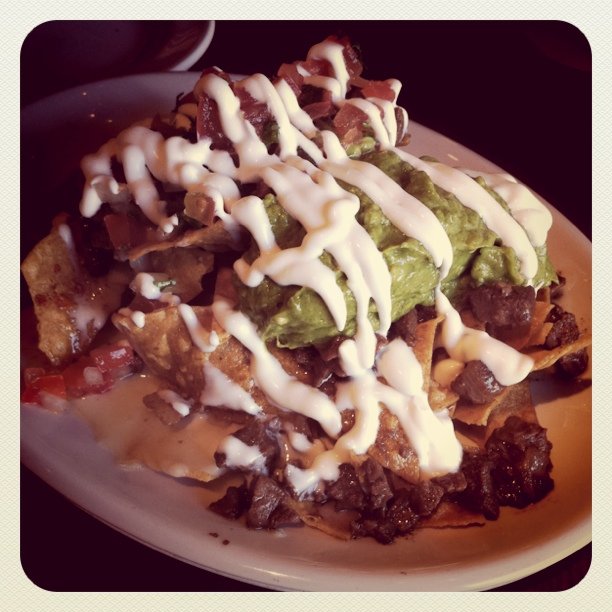
Crockpot Lasagna Soup

All the comfort of a tray of lasagna without layering anything. The slow cooker does the work; the noodles go in at the very end so they keep their bite. Serves 6 · Slow cooker 6–7 hrs low / 3–4 hrs high · Hands on about 15 minutes Ingredients 1 tbsp olive oil 1 cup onion, diced 2 tsp garlic, minced 1 lb Italian sausage 32 oz chicken stock 30 oz diced tomatoes 6 oz tomato paste 1 tsp oregano ½ tsp Italian seasoning 8 lasagna noodles, broken into pieces 3 tbsp basil, chopped ¼ cup Parmesan cheese, grated 1 cup mozzarella cheese, shredded Salt and pepper To finish Ricotta cheese Fresh basil Method Brown the sausage. Heat the olive oil in a skillet over medium-high. Break up the sausage and cook until no pink remains, about 6–8 minutes. Drain off the fat. Soften the aromatics. Add the onion to the same pan and cook 3–4 minutes until translucent, then the garlic for one minute more — just until it smells sweet, not browned. Into the crockpot. Tip in the sausage mixture with the stock, diced tomatoes, tomato paste, oregano and Italian seasoning. Stir until the paste has dissolved. Season with salt and pepper. Cook. Low for 6–7 hours, or high for 3–4. Noodles last. Break the lasagna sheets into rough pieces and stir them in for the final 20–30 minutes on high, until just tender. Adding them earlier turns them to mush and thickens the soup into a stew. Off the heat. Stir through the chopped basil, Parmesan and mozzarella until melted. Doing this with the cooker switched off keeps the cheese smooth instead of stringy or split. Serve. Ladle into bowls, add a spoonful of ricotta on top and scatter with fresh basil. Notes Hot Italian sausage gives it a proper kick; sweet keeps it family friendly. The soup thickens overnight — loosen leftovers with a splash of stock when reheating. Freezing? Leave the noodles out and add them fresh when you reheat.

Read more Crockpot Lasagna Soup

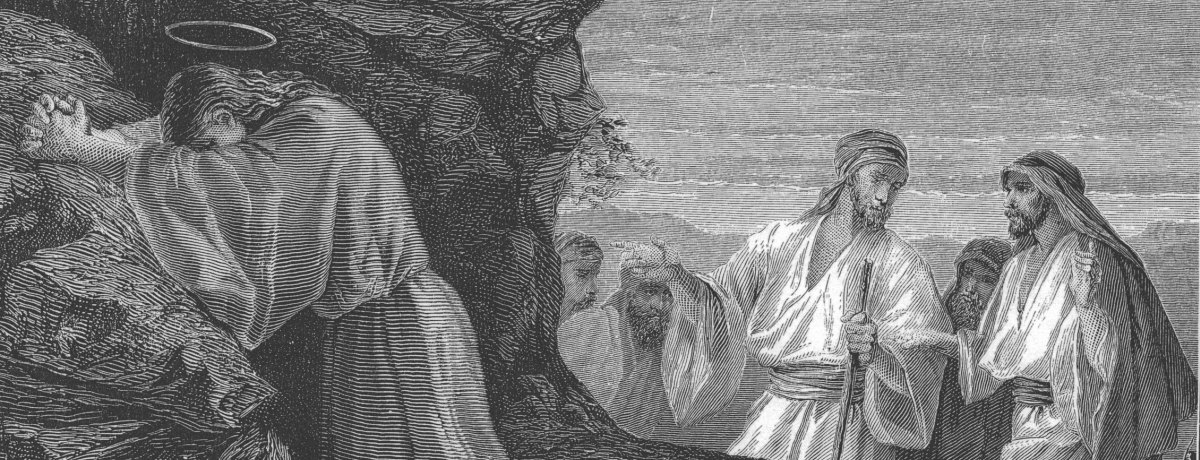
Prayer

Every request below is live from the prayer chain at Worldwide Prayer Chain. They are numbered in the order they came in, newest first, and this page updates as they do — nothing here is a copy. #1309 A people with no scripture Not one verse in the language they... #1308 My daughter drives to work at five in the morning An hour each way, dark both ends of... #1307 Another hearing postponed They have been waiting fourteen months... #1306 My son will not discuss it He is kind about it, which is somehow... #1305 Learning to walk on it Physio twice a week and it is... #1304 Nobody can tell me what it is Four appointments and no answer, and I... #1303 The assessment came back wrong Months of forms and they have refused... #1302 Twenty-five years next month Thank you for what we have had. Pray... #1301 A pastor arrested last week His wife has three children and no... #1300 The cafe on Fridays Twenty people, hot food, and nobody is... Worldwide Prayer Chain Every prayer above is live from the chain, newest first, and each one carries its own number. Get them by email — everything, or only the subjects you will pray for. Open it on Worldwide Prayer Chain → Subscribing happens on Worldwide Prayer Chain, so there is one list and one place to unsubscribe. :root{--wp-blue:#0345bf;--wp-gold:#9a6b00;--wp-rule:#e4ded1} /* ⚠ THE CLASSES ARE mod_feed's OWN, NOT A SUFFIX OF MINE. The module-class suffix is not rendered by these templates' module chrome, so a selector built on it styled nothing and the feed came out as a bare bulleted list. div.feed > ul.newsfeed > li is what mod_feed actually emits. */ .feed ul.newsfeed{list-style:none;margin:1.1rem 0 0;padding:0;display:grid;gap:.7rem} .feed ul.newsfeed li{background:#fff;border:1px solid var(--wp-rule);border-left:4px solid var(--wp-blue); border-radius:10px;padding:.85rem 1rem;transition:transform .15s ease,box-shadow .15s ease} .feed ul.newsfeed li:hover{transform:translateY(-1px);box-shadow:0 6px 18px rgba(16,20,30,.08)} .feed ul.newsfeed .feed-link a{colour:#1d2330;text-decoration:none;font-weight:650;font-size:1.04rem;line-height:1.35; display:inline-flex;align-items:baseline;gap:.5em} .feed ul.newsfeed .feed-link a:hover{colour:var(--wp-blue)} .feed .feed-item-description{colour:#5f6775;font-size:.9rem;line-height:1.55;margin:.4rem 0 0} /* the number, lifted out of the title text and given the same badge it wears on Worldwide Prayer */ .wwp-num{display:inline-flex;align-items:centre;justify-content:centre;min-width:2.6em;padding:.1em .5em; border-radius:6px;background:var(--wp-blue);colour:#fff;font-size:.72em;font-weight:700; font-variant-numeric:tabular-nums;flex:none} .wwp-intro{font-size:1rem;colour:#1d2330;margin:0 0 .2rem} /* ── the call to action ────────────────────────────────────────────────── */ .wwp-cta{margin:1.6rem 0 0;padding:1.3rem 1.4rem;border:1px solid #d9d4c8;border-radius:14px; background:linear-gradient(180deg,#eef3ff 0%,#fff 150px);box-shadow:0 2px 4px rgba(3,69,191,.07),0 14px 36px rgba(3,69,191,.10)} .wwp-cta__mark{font-weight:800;font-size:1.25rem;letter-spacing:-.01em;margin-bottom:.5rem} .wwp-cta__a{colour:var(--wp-blue)}.wwp-cta__b{colour:var(--wp-gold)} .wwp-cta__lead{margin:0 0 .4rem;font-size:1rem;colour:#1d2330} .wwp-cta__note{margin:0 0 .9rem;colour:#5f6775;font-size:.92rem} .wwp-cta__act{display:flex;flex-wrap:wrap;gap:.7rem;align-items:centre;margin:0 0 .6rem} .wwp-cta__btn{display:inline-block;padding:.65rem 1.15rem;border-radius:999px;background:var(--wp-blue); colour:#fff!important;text-decoration:none;font-weight:700;font-size:.95rem} .wwp-cta__btn:hover{background:#022f85} .wwp-cta__link{colour:var(--wp-gold);text-decoration:none;font-weight:600;font-size:.9rem} .wwp-cta__link:hover{text-decoration:underline} .wwp-cta__small{margin:.4rem 0 0;colour:#7a8190;font-size:.78rem} /* ⚠ A CROSS-ORIGIN FRAME CANNOT REPORT ITS OWN HEIGHT, so it is given a generous one and allowed to scroll rather than being cut off. */ .wwp-cta__frame{margin:.2rem 0 .8rem;border:1px solid #d9d4c8;border-radius:10px;overflow:hidden;background:#fff} .wwp-cta__frame iframe{display:block;width:100%;height:560px;border:0} @media (max-width:575.98px){.wwp-cta__frame iframe{height:640px}} /* The feed gives the number as part of the title string - there is no field for it - so it is lifted into a badge here, matching the parent site. Guarded, so a title without a number is simply left alone. */ (function(){ document.querySelectorAll('.feed ul.newsfeed .feed-link a').forEach(function(a){ var t=a.textContent.trim(), m=t.match(/^#(\d+)\s+(.*)$/); if(!m){ a.textContent=t; return; } a.textContent=''; var b=document.createElement('span'); b.className='wwp-num'; b.textContent=m[1]; a.appendChild(b); a.appendChild(document.createTextNode(m[2])); }); }());

Read more Prayer

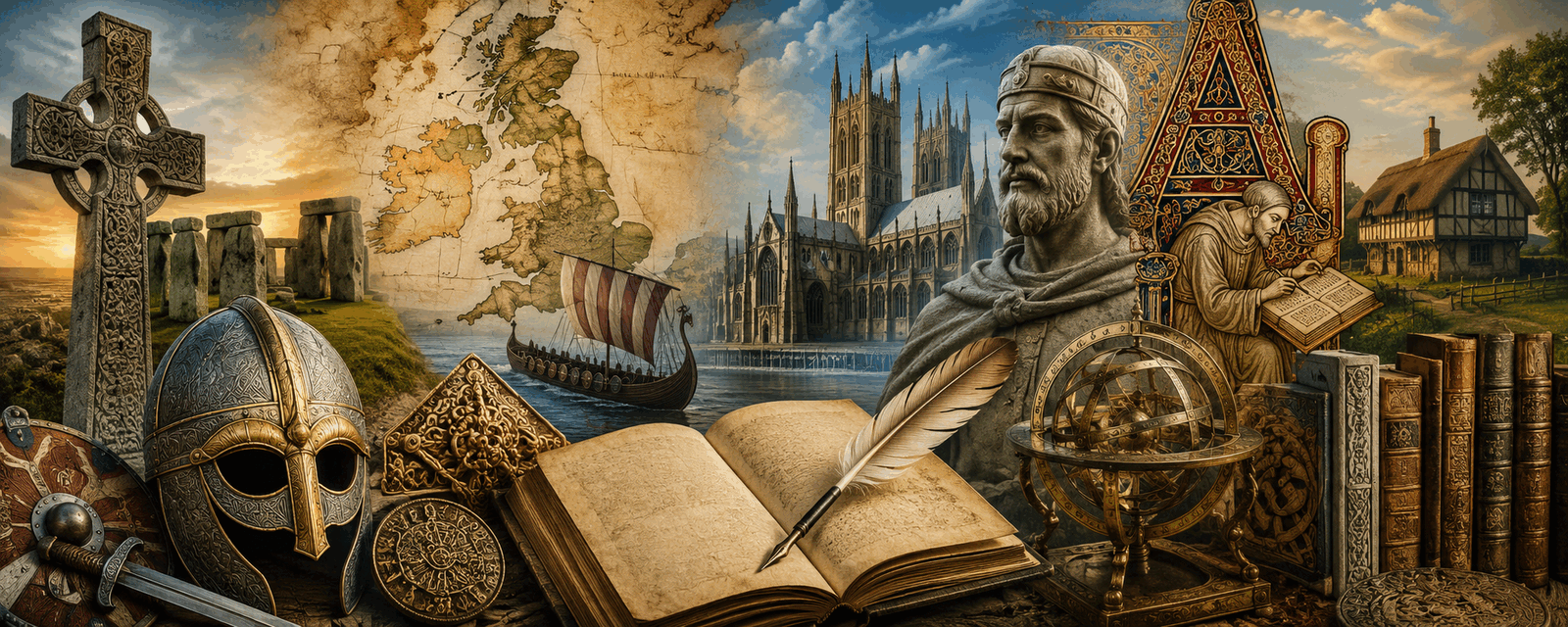
THE ORIGINS OF THE ENGLISH

From the Ancient Germanic World to England, the Vikings, the Normans, and a Language That Conquered the World The Hidden Origins of the EnglishAnglo-Saxons, Britons, Franks, Frisians, and the Making of a PeopleFew peoples in the history of the world have been as successful at spreading their language, institutions, and culture as the English.From a relatively small population occupying part of a single island in northwestern Europe, the English eventually became the people at the centre of one of the world’s most powerful global states during the eighteenth and nineteenth centuries.

Read more THE ORIGINS OF THE ENGLISH

🇭🇳 CULTURAL SURVIVAL — HONDURAS

🇭🇳 CULTURAL SURVIVAL — HONDURAS PART 1 — THE LAND OF HONDURAS, THE MAYA OF COPÁN, LENCA AND OTHER INDIGENOUS PEOPLES, CHRISTOPHER COLUMBUS, SPANISH CONQUEST, COLONIAL RULE, AND THE SURVIVAL OF INDIGENOUS CULTURE Ancient Times–1821 — How Honduras Became a Crossroads of Indigenous Civilizations, Spanish Conquest, African Heritage, and Central American Independence Before Honduras became a country, before Spanish ships crossed the Caribbean, and long before the modern borders of Central America existed, the territory we now call Honduras was home to numerous Indigenous peoples. The land contained: MOUNTAINS. TROPICAL FORESTS. RIVERS. CARIBBEAN COAST. PACIFIC COAST. VALLEYS. ISLANDS. And within this landscape developed societies with their own: LANGUAGES. RELIGIONS. AGRICULTURE. TRADE NETWORKS. POLITICAL SYSTEMS. ART. CEREMONIES. HISTORIES. One of the greatest civilisations to leave its mark on Honduras was: THE MAYA. But the Maya were not the only people of ancient Honduras. The region was a crossroads where Mesoamerican and Isthmo-Colombian cultures interacted. Among the peoples who would eventually become central to Honduran history were: MAYA. LENCA. MISKITO. PECH. TOLUPAN. TAWAHKA. CH'ORTI'. And later: GARIFUNA. The story of Honduras is therefore not simply the story of Spanish colonisation. It is the story of: INDIGENOUS CIVILIZATIONS. CONQUEST. RESISTANCE. AFRICAN HERITAGE. COLONIALISM. CULTURAL SURVIVAL. 🇭🇳 THE LAND Honduras occupies much of the northern portion of Central America. TO THE NORTH lies the: CARIBBEAN SEA. TO THE WEST is: GUATEMALA. TO THE SOUTHWEST is: EL SALVADOR. TO THE SOUTHEAST is: NICARAGUA. TO THE SOUTH Honduras also has access to the: GULF OF FONSECA. 🇭🇳 THIS GEOGRAPHY made Honduras an important crossroads. THE CARIBBEAN connected the region to: THE GREATER CARIBBEAN. CENTRAL AMERICA connected Honduras to: MESOAMERICA. THE PACIFIC connected the southern region to: OTHER CENTRAL AMERICAN TRADE NETWORKS. 🇭🇳 THE MOUNTAINS also shaped Honduran history. Much of the country is mountainous. VALLEYS provided agricultural opportunities. RIVERS provided transportation and water. FORESTS provided: FOOD. WOOD. MEDICINAL PLANTS. WILDLIFE. 🇭🇳 THE CARIBBEAN COAST provided access to maritime trade. THIS helped make Honduras a meeting place between different cultural worlds. 🌽 ANCIENT AGRICULTURE Long before European arrival, Indigenous communities developed sophisticated agricultural systems. MAIZE was central. BEANS were important. SQUASH was important. CHILI PEPPERS were cultivated. CACAO was also important in parts of the region. 🇭🇳 AGRICULTURE made permanent communities possible. FARMING allowed populations to grow. LARGER COMMUNITIES could support: ARTISANS. TRADERS. PRIESTS. RULERS. WARRIORS. 🇭🇳 THE MAYA The greatest ancient civilisation associated with Honduras was: THE MAYA. 🇭🇳 COPÁN In western Honduras lies: COPÁN. COPÁN became one of the most important Maya centres in the entire Maya world. 🇭🇳 THE CITY flourished particularly during the: CLASSIC PERIOD. APPROXIMATELY the fifth through ninth centuries CE. 🇭🇳 COPÁN was not merely a village. It was a major centre of: POLITICS. RELIGION. ASTRONOMY. WRITING. ART. ARCHITECTURE. 🏛️ MAYA ARCHITECTURE The Maya built: TEMPLES. PYRAMIDS. PLAZAS. PALACES. ALTARS. 🇭🇳 COPÁN became famous for its monumental sculpture. STELAE were carved with images of rulers. HIEROGLYPHS recorded: NAMES. DATES. EVENTS. ROYAL HISTORY. 🇭🇳 THE MAYA possessed a sophisticated writing system. MAYA WRITING could record complex information. CALENDARS were extremely sophisticated. ASTRONOMY was carefully observed. 🇭🇳 MAYA MATHEMATICS also included an important concept: ZERO. 🇭🇳 THIS was part of a broader mathematical system that allowed Maya scholars to make complex calendrical calculations. 🌌 THE MAYA AND THE SKY Maya civilisation placed great importance on: THE SUN. MOON. PLANETS. STARS. CELESTIAL CYCLES. 🇭🇳 ASTRONOMY was connected to: RELIGION. AGRICULTURE. POLITICAL AUTHORITY. RULERS could associate themselves with: COSMIC ORDER. 🇭🇳 COPÁN therefore represented more than political power. It represented a civilisation's understanding of: TIME. COSMOS. HUMANITY. DIVINITY. 👑 THE RULERS OF COPÁN Copán was ruled by a dynasty of kings. ONE OF THE MOST FAMOUS was: K'INICH YAX K'UK' MO'. HE is associated with the founding of the great Copán dynasty in the early fifth century. 🇭🇳 OTHER RULERS followed over generations. THEIR NAMES were recorded in: STONE. HIEROGLYPHS. MONUMENTS. 🇭🇳 18 RABBIT Another famous ruler was: 18 RABBIT. HIS MAYA NAME is often rendered: UAXACLJUUN UB'AHAWI K'AWIIL. HE ruled Copán during the eighth century. 🇭🇳 HIS REIGN produced extraordinary artistic achievements. BUT he also became involved in regional warfare. 🇭🇳 18 RABBIT was eventually captured by: QUIRIGUÁ. 🇬🇹 QUIRIGUÁ was a Maya centre located in what is now: GUATEMALA. 🇭🇳 THE RULER was sacrificed. THIS demonstrates that Maya politics involved: WAR. CAPTURE. RITUAL. POLITICAL RIVALRY. 🇭🇳 COPÁN'S GREAT ARTISTIC LEGACY One of the greatest treasures of Copán is: THE HIEROGLYPHIC STAIRWAY. THE STAIRWAY contains thousands of carved glyphs. IT records the history of Copán's rulers. 🇭🇳 IT is one of the longest known ancient Maya inscriptions. THIS makes Copán extraordinarily valuable to historians. WHY? Because the monuments did not merely depict gods. They recorded: HISTORY. 🇭🇳 THE MAYA therefore left behind their own historical record. THEY were not simply described by outsiders. THEY described themselves. 🇭🇳 THE MAYA CALENDAR Maya civilisation developed several calendrical systems. THE TZOLK'IN was a: 260-DAY SACRED CALENDAR. THE HAAB' was approximately: 365 DAYS. THESE could be combined into larger cycles. 🇭🇳 THE LONG COUNT provided a method for recording long periods of time. TIME was not simply something that passed. IT was part of: COSMIC ORDER. 🇭🇳 MAYA RELIGION Maya religious life involved numerous supernatural beings and sacred forces. GODS. ANCESTORS. SACRED PLACES. CELESTIAL BODIES. RITUAL could include: OFFERINGS. BLOODLETTING. CEREMONIES. PRAYER. 🇭🇳 RULERS were important religious figures. THEY could act as intermediaries between: HUMAN. and SUPERNATURAL WORLDS. 🇭🇳 THE MAYA also practiced human sacrifice in some contexts. THIS was part of a broader Mesoamerican religious world. 🇭🇳 COPÁN'S DECLINE By the ninth century, the political system at Copán began to decline. THE LAST KNOWN RULER was: Ukit Took. AFTER THE NINTH CENTURY, the great royal system of Copán collapsed. BUILDING declined. MONUMENTAL INSCRIPTIONS largely ceased. THE ROYAL COURT disappeared. 🇭🇳 BUT the Maya people did not disappear. THIS is extremely important. THE COLLAPSE OF COPÁN was not: THE END OF THE MAYA. MAYA COMMUNITIES continued throughout the region. LANGUAGES survived. RELIGIOUS TRADITIONS survived. AGRICULTURAL KNOWLEDGE survived. FAMILY STRUCTURES survived. 🇭🇳 THE CH'ORTI' MAYA One modern Maya people associated with the region are the: CH'ORTI'. THEY live primarily in: GUATEMALA. HONDURAS. EL SALVADOR. 🇭🇳 THE CH'ORTI' preserve a Maya language and cultural traditions. THIS connects modern Honduras to: THE ANCIENT MAYA WORLD. 🇭🇳 THE LENCA Another major Indigenous people of Honduras are: THE LENCA. THE LENCA have historically lived in parts of: WESTERN. and CENTRAL HONDURAS. THEY developed their own: CULTURAL TRADITIONS. AGRICULTURAL PRACTICES. COMMUNITIES. RELIGIOUS SYSTEMS. 🇭🇳 THE LENCA were one of the major Indigenous peoples encountered by the Spanish. AND they became famous for their resistance. 🇭🇳 LEMPIRA The most famous Indigenous resistance leader in Honduran history is: LEMPIRA. HE is traditionally remembered as a Lenca leader who resisted Spanish conquest. 🇭🇳 HIS NAME became so important to Honduran national identity that: THE NATIONAL CURRENCY is called the: LEMPIRA. 🇭🇳 THIS is a remarkable example of cultural memory. A RESISTANCE LEADER from the era of conquest became: THE NAME OF A MODERN NATION'S CURRENCY. 🇭🇳 THE SPANISH ARRIVE In: 1502, Christopher Columbus reached the Caribbean coast of Honduras during his: FOURTH VOYAGE. 🇪🇸 COLUMBUS did not immediately establish the Spanish colony that would eventually dominate the region. BUT his arrival began a new era. EUROPEAN CONTACT. ↓ CONQUEST. ↓ COLONIZATION. ↓ EPIDEMICS. ↓ CULTURAL TRANSFORMATION. 🇭🇳 COLUMBUS encountered Indigenous communities along the coast. 🇪🇸 THE SPANISH called the region: HONDURAS. THE ORIGIN OF THE NAME is traditionally connected to Columbus's description of the deep waters near the coast, although the precise historical explanation is debated. 🇭🇳 THE NAME eventually became: HONDURAS. 🇪🇸 SPANISH CONQUEST During the early sixteenth century, Spanish conquistadors entered Honduras. THEIR OBJECTIVES included: GOLD. LAND. LABOR. POLITICAL CONTROL. CHRISTIANIZATION. 🇭🇳 INDIGENOUS SOCIETIES were confronted by: STEEL WEAPONS. HORSES. FIREARMS. EUROPEAN DISEASES. SPANISH MILITARY ORGANIZATION. 🇪🇸 DISEASE was particularly devastating. INDIGENOUS POPULATIONS had no previous exposure to many Old World diseases. SMALLPOX. MEASLES. INFLUENZA. OTHER DISEASES. 🇭🇳 COMMUNITIES could be devastated before military conquest even reached them. 🇭🇳 THIS was one of the greatest demographic catastrophes in American history. 🇭🇳 RESISTANCE But Indigenous peoples did not simply surrender. THEY fought. THEY retreated. THEY formed alliances. THEY used the terrain. THEY attacked Spanish settlements. 🇭🇳 LEMPIRA became the most famous symbol of this resistance. 🇪🇸 SPANISH FORCES attempted to defeat Indigenous resistance. 🇭🇳 LEMPIRA organised opposition among Indigenous communities. HIS RESISTANCE became legendary. 🇭🇳 1537 is traditionally associated with the final defeat and death of Lempira. 🇭🇳 THE STORY has been preserved in Honduran historical memory. 🇭🇳 BUT the exact circumstances surrounding his death have been debated by historians. WHAT IS CLEAR is that Indigenous resistance continued throughout the conquest. 🇭🇳 THE SPANISH eventually established control over much of the territory. 🇪🇸 COLONIAL HONDURAS became part of the: SPANISH EMPIRE. ADMINISTRATIVELY the region became associated with the: KINGDOM OF GUATEMALA. 🇪🇸 THE COLONIAL SYSTEM was built around: LAND. MINING. AGRICULTURE. LABOR. RELIGION. 🇭🇳 SILVER became particularly important. MINING developed in areas such as: VALLE DE ANGELES. GUANAJA. OTHER MINING DISTRICTS. 🇭🇳 MINES required labour. INDIGENOUS PEOPLE were forced into colonial labour systems. 🇪🇸 ENCOMIENDA was one of the institutions through which Spanish authorities organised Indigenous labour and tribute. 🇭🇳 THE SYSTEM was exploitative. INDIGENOUS COMMUNITIES were required to provide: LABOR. TRIBUTE. 🇪🇸 THE SPANISH CROWN eventually introduced additional legal restrictions intended to regulate Indigenous treatment. BUT exploitation remained widespread. 🇭🇳 CHRISTIANIZATION The Spanish also brought: ROMAN CATHOLICISM. MISSIONARIES attempted to convert Indigenous communities. CHURCHES were built. CATHOLIC FESTIVALS were introduced. CHRISTIAN SYMBOLS became part of Honduran society. 🇭🇳 BUT Indigenous traditions did not simply disappear. THEY often blended with Catholic traditions. SACRED PLACES could retain Indigenous significance. AGRICULTURAL RITUALS could survive. FESTIVALS could incorporate older traditions. 🇭🇳 THIS created: RELIGIOUS SYNCHRETISM. 🇭🇳 AFRICAN ARRIVAL Spanish colonial society also brought another population to Honduras: AFRICANS. ENSLAVED AFRICANS were transported to Spanish America. THEY worked in: MINES. AGRICULTURE. DOMESTIC LABOR. OTHER COLONIAL INDUSTRIES. 🇭🇳 AFRICAN HERITAGE therefore became part of Honduran history from the colonial period onward. 🇭🇳 BUT African influence would become particularly important on the Caribbean coast. 🇭🇳 THE GARIFUNA The Garifuna would eventually become one of the most distinctive Afro-Indigenous cultures of Central America. THEIR STORY began on the island of: SAINT VINCENT. THERE Africans and Indigenous Carib and Arawak peoples developed a new society. 🇬🇭 / 🇦🇫 The Garifuna therefore have both: AFRICAN. and INDIGENOUS CARIBBEAN. heritage. 🇭🇳 THE GARIFUNA were later forcibly displaced from Saint Vincent by the British. 1797 thousands were deported to: ROATÁN. 🇭🇳 FROM ROATÁN Garifuna communities spread along the Caribbean coasts of: HONDURAS. GUATEMALA. BELIZE. NICARAGUA. 🇭🇳 THIS created one of the most remarkable cultural communities in Central America. GARIFUNA CULTURE preserves: LANGUAGE. MUSIC. DANCE. FOOD. ORAL HISTORY. SPIRITUAL TRADITIONS. 🇭🇳 GARIFUNA MUSIC is internationally recognised. DRUMMING is especially important. DANCE preserves community identity. 🇭🇳 GARIFUNA LANGUAGE is also a major cultural treasure. UNESCO has recognised Garifuna language, music, and dance as important intangible cultural heritage. 🇭🇳 THIS makes Honduras part of a much larger: CARIBBEAN CULTURAL WORLD. 🇭🇳 COLONIAL SOCIETY Spanish Honduras became a society divided by: RACE. CLASS. LEGAL STATUS. LAND. WEALTH. SPANIARDS occupied the highest positions. CRIOLLOS — people of Spanish ancestry born in the Americas — developed their own elite identity. MESTIZOS became an increasingly important population. INDIGENOUS COMMUNITIES remained numerous. AFRICAN AND AFRO-INDIGENOUS COMMUNITIES developed particularly along the Caribbean coast. 🇭🇳 HONDURAS therefore became culturally diverse. 🇭🇳 LANGUAGE Spanish became dominant. BUT Indigenous languages survived. LENCA. MISKITO. PECH. TOLUPAN. TAWAHKA. CH'ORTI'. GARIFUNA. 🇭🇳 THIS is one of the most important themes of Honduran history: COLONIZATION CHANGED THE COUNTRY. BUT it did not completely erase: INDIGENOUS CULTURE. 🇭🇳 INDEPENDENCE By the early nineteenth century, the Spanish Empire was weakening. NAPOLEON had invaded Spain. SPANISH POLITICAL AUTHORITY was destabilized. INDEPENDENCE MOVEMENTS spread across Latin America. 🇲🇽 MEXICO declared independence. 🇸🇻 EL SALVADOR. 🇬🇹 GUATEMALA. 🇳🇮 NICARAGUA. 🇭🇳 HONDURAS. 🇨🇷 COSTA RICA. ALL would eventually become independent from Spain. 🇭🇳 SEPTEMBER 15, 1821 Central America declared independence from Spain. 🇭🇳 HONDURAS therefore entered a new political era. THE SPANISH COLONIAL PERIOD was ending. BUT independence did not immediately create a fully independent Honduran state. 🇲🇽 CENTRAL AMERICA briefly became part of: THE MEXICAN EMPIRE. 🇭🇳 THIS did not last. 1823 the Central American provinces separated from Mexico. THEY formed: THE UNITED PROVINCES OF CENTRAL AMERICA. 🇭🇳 HONDURAS was now part of a larger Central American federation. BUT the federation would eventually collapse. 🇭🇳 THE COUNTRY was entering the difficult process of becoming: AN INDEPENDENT REPUBLIC. 🇭🇳 PART 1 — FINAL LESSON The history of Honduras begins long before: 1821. 🇭🇳 THE MAYA built extraordinary civilisation at: COPÁN. THEY developed: WRITING. MATHEMATICS. ASTRONOMY. CALENDARS. ARCHITECTURE. POLITICAL SYSTEMS. 🇭🇳 THE LENCA developed their own societies. LEMPIRA became the great symbol of Indigenous resistance. 🇪🇸 SPAIN arrived. COLONIZATION transformed the region. DISEASE devastated Indigenous populations. MINING became central to the colonial economy. CATHOLICISM spread. AFRICANS were brought to Honduras. AFRICAN AND INDIGENOUS HERITAGE eventually contributed to: GARIFUNA CULTURE. 🇭🇳 AND despite centuries of colonial pressure, Indigenous languages and traditions survived. 🇭🇳 1821 Honduras became independent from Spain as part of Central America's independence. BUT the new country had not yet found political stability. 🇭🇳 NEXT PART 2 — THE FEDERAL REPUBLIC OF CENTRAL AMERICA, FRANCISCO MORAZÁN, THE BREAKUP OF THE FEDERATION, THE BIRTH OF MODERN HONDURAS, LIBERAL REFORMS, FOREIGN INTERESTS, AND THE BEGINNING OF THE BANANA REPUBLIC ERA 1821–1900 — How Honduras Became an Independent Republic and Why Central American Unity Failed. 🇭🇳 CULTURAL SURVIVAL — HONDURAS PART 2 — THE FEDERAL REPUBLIC OF CENTRAL AMERICA, FRANCISCO MORAZÁN, THE BREAKUP OF THE FEDERATION, THE BIRTH OF MODERN HONDURAS, LIBERAL REFORMS, FOREIGN INTERESTS, AND THE BEGINNING OF THE BANANA REPUBLIC ERA 1821–1900 — How Honduras Became an Independent Republic and Why Central American Unity Failed When Honduras emerged from Spanish colonial rule in 1821, independence did not immediately produce the independent nation we recognise today. Instead, Honduras became part of a much larger political experiment: THE UNITED PROVINCES OF CENTRAL AMERICA. The dream was ambitious. Instead of creating five small and vulnerable countries, Central American leaders imagined a united republic stretching across the isthmus. It could have become a major political and economic power. But regional rivalries, political divisions, economic differences, and struggles between conservatives and liberals eventually destroyed the federation. One Honduran leader became particularly important in this struggle: FRANCISCO MORAZÁN. His life would become inseparable from the dream of Central American unity. 🇭🇳 1821 — INDEPENDENCE On: SEPTEMBER 15, 1821, Central America declared independence from Spain. 🇭🇳 HONDURAS was now formally free from: SPANISH COLONIAL RULE. BUT the political future remained uncertain. 🇲🇽 THE MEXICAN EMPIRE Central American leaders soon faced pressure from Mexico. 1822 Central America was incorporated into the: FIRST MEXICAN EMPIRE. 🇭🇳 THIS was short-lived. MEXICO was experiencing its own political turmoil. 1823 Central American provinces separated from Mexico. 🇭🇳 THE UNITED PROVINCES OF CENTRAL AMERICA was established. THE FEDERATION included: GUATEMALA. EL SALVADOR. HONDURAS. NICARAGUA. COSTA RICA. 🇭🇳 THIS was one of the most important political experiments in Central American history. ONE REGION. ONE FEDERATION. FIVE STATES. 🇭🇳 THE CAPITAL was initially based in: GUATEMALA CITY. 🇭🇳 BUT the federation was deeply divided. CONSERVATIVES generally favoured: TRADITION. CENTRALIZED AUTHORITY. THE CATHOLIC CHURCH. EXISTING SOCIAL STRUCTURES. LIBERALS generally favoured: SECULAR GOVERNMENT. FREE TRADE. EDUCATIONAL REFORM. REDUCING CHURCH PRIVILEGES. MODERNIZATION. 🇭🇳 THESE were not merely philosophical differences. They affected: LAND. TAXATION. EDUCATION. RELIGION. GOVERNMENT. ECONOMIC POLICY. 🇭🇳 THE CATHOLIC CHURCH possessed enormous influence. CHURCHES controlled property. RELIGIOUS ORDERS controlled institutions. EDUCATION was heavily influenced by the Church. LIBERALS wanted to reduce this power. CONSERVATIVES wanted to preserve much of it. 🇭🇳 THIS created intense political conflict. 🇭🇳 FRANCISCO MORAZÁN One of the greatest Honduran political figures of the nineteenth century was: FRANCISCO MORAZÁN. MORAZÁN was born in: TEGUCIGALPA. HE became a military and political leader. HIS CENTRAL IDEA was: CENTRAL AMERICAN UNITY. 🇭🇳 MORAZÁN believed the Central American states were stronger together. FIVE SMALL COUNTRIES could be vulnerable. ONE UNITED REPUBLIC could potentially become: STRONG. MODERN. PROSPEROUS. 🇭🇳 MORAZÁN became the leading figure of the liberal movement. HE fought against conservative forces. HIS ARMIES moved throughout Central America. 🇭🇳 MORAZÁN eventually became president of the federation. 🇭🇳 HIS GOVERNMENT attempted sweeping reforms. EDUCATION. SECULARIZATION. CHURCH REFORM. POLITICAL MODERNIZATION. FREE TRADE. 🇭🇳 MORAZÁN wanted to transform Central America into a modern liberal republic. 🇭🇳 BUT his reforms encountered powerful opposition. THE CHURCH was threatened by secularization. CONSERVATIVE ELITES were threatened by political reform. RURAL COMMUNITIES could be suspicious of rapid changes imposed from above. 🇭🇳 AND the federation itself was difficult to govern. MOUNTAINS. DISTANCE. POOR ROADS. REGIONAL RIVALRIES. LIMITED COMMUNICATION. 🇭🇳 CENTRAL AMERICA was geographically connected, but politically fragmented. 🇭🇳 THE CHOLERA EPIDEMIC During the 1830s, a cholera epidemic contributed to social unrest. FEAR. DEATH. ECONOMIC DISRUPTION. RUMORS spread rapidly. GOVERNMENTS were blamed. POLITICAL INSTABILITY increased. 🇭🇳 THE FEDERATION COLLAPSES By the late 1830s, the federation was falling apart. COSTA RICA withdrew. NICARAGUA withdrew. HONDURAS withdrew. EL SALVADOR withdrew. GUATEMALA became increasingly independent. 🇭🇳 THE UNITED PROVINCES was effectively finished. THE DREAM of a united Central America had failed. 🇭🇳 BUT Morazán refused to give up. HE continued fighting for unity. 🇭🇳 1842 Morazán was captured and executed in: COSTA RICA. HIS DEATH turned him into a political martyr. 🇭🇳 MORAZÁN became a symbol of: CENTRAL AMERICAN UNITY. 🇭🇳 HIS LEGACY would be especially powerful in: HONDURAS. HIS IMAGE appears in: MONUMENTS. STATUES. SCHOOLS. PUBLIC BUILDINGS. NATIONAL MEMORY. 🇭🇳 HONDURAS would continue to experience tension between: NATIONAL SOVEREIGNTY. and REGIONAL UNITY. 🇭🇳 THE REPUBLIC OF HONDURAS After the federation collapsed, Honduras increasingly operated as an independent republic. BUT independence did not immediately bring: STABILITY. POLITICAL LEADERS competed for power. MILITARY FIGURES became important. REGIONAL ELITES protected their interests. THE COUNTRY remained economically poor. 🇭🇳 GEOGRAPHY made development difficult. MOUNTAINS made transportation expensive. ROADS were limited. PORTS were underdeveloped. COMMUNICATION was slow. 🇭🇳 THIS made it difficult to create a unified national economy. TEGUCIGALPA became the political centre. COMAYAGUA remained historically important. SAN PEDRO SULA would eventually become increasingly important economically. 🇭🇳 MINING Mining remained one of Honduras's major economic activities. SILVER. GOLD. OTHER MINERALS. FOREIGN INVESTORS became increasingly interested. 🇺🇸 AMERICAN BUSINESSMEN began becoming involved in Honduran commerce. 🇬🇧 BRITAIN also maintained interests in the Caribbean region. 🇭🇳 THE CARIBBEAN COAST was especially important. WHY? Because it connected Honduras to: INTERNATIONAL SHIPPING. 🇭🇳 THE BAY ISLANDS The: BAY ISLANDS became strategically important. ROATÁN. UTILA. GUANAJA. 🇭🇳 THESE had long been influenced by competing European and Caribbean powers. BRITAIN had established influence over the Bay Islands and nearby Caribbean territories. 🇭🇳 HONDURAS eventually consolidated its sovereignty over the islands. 🇭🇳 THE CARIBBEAN COAST also contained communities with: AFRICAN. INDIGENOUS. EUROPEAN. CARIBBEAN. heritage. 🇭🇳 GARIFUNA COMMUNITIES continued to expand along the coast. GARIFUNA developed villages where they maintained: LANGUAGE. MUSIC. FISHING. FARMING. SPIRITUALITY. FAMILY. 🇭🇳 THIS was a major example of cultural survival. THE STATE could change. POLITICAL LEADERS could change. BUT Garifuna communities continued to preserve: THEIR IDENTITY. 🇭🇳 LIBERAL REFORM By the second half of the nineteenth century, liberal reform movements became increasingly important. LIBERALS wanted to modernise Honduras. THEIR GOALS included: EDUCATION. INFRASTRUCTURE. FOREIGN INVESTMENT. EXPORT AGRICULTURE. SECULAR GOVERNMENT. MODERN ADMINISTRATION. 🇭🇳 ONE IMPORTANT LEADER was: MARCO AURELIO SOTO. SOTO became president in: 1876. HIS GOVERNMENT introduced important liberal reforms. 🇭🇳 EDUCATION was expanded. THE STATE took a stronger role in public education. 🇭🇳 CHURCH POWER was reduced. CIVIL REGISTRATION was strengthened. 🇭🇳 GOVERNMENT became more secular. 🇭🇳 INFRASTRUCTURE also received attention. ROADS. TELEGRAPHS. PORTS. 🇭🇳 THE GOAL was to connect Honduras to the: MODERN WORLD ECONOMY. 🇭🇳 BUT modernisation required money. WHERE would Honduras get it? FOREIGN INVESTMENT. 🇺🇸 FOREIGN COMPANIES became increasingly interested in Honduras. 🇭🇳 THIS would eventually transform the country. 🍌 THE BANANA One fruit would become extraordinarily important: BANANAS. BANANAS grew well in the tropical climate. THE CARIBBEAN LOWLANDS were particularly suitable. 🇭🇳 BANANA PRODUCTION expanded rapidly toward the end of the nineteenth century. 🇺🇸 AMERICAN BUSINESSMEN recognised the opportunity. BANANAS could be shipped to: UNITED STATES MARKETS. 🇭🇳 RAILROADS became essential. BANANA PLANTATIONS needed transportation. RAILWAYS could move bananas from: PLANTATIONS to PORTS. 🇭🇳 FOREIGN COMPANIES therefore began receiving: LAND CONCESSIONS. TAX BREAKS. INFRASTRUCTURE RIGHTS. 🇭🇳 THIS created enormous economic influence. THE GOVERNMENT wanted: INVESTMENT. COMPANIES wanted: LAND. LOW TAXES. CONTROL OF TRANSPORTATION. 🇭🇳 THE RELATIONSHIP could be mutually beneficial. BUT it also created: DEPENDENCE. 🇭🇳 THE BANANA REPUBLIC Honduras would eventually become one of the countries most associated with the term: BANANA REPUBLIC. THE TERM refers to countries whose economies and politics become heavily influenced by foreign companies and agricultural exports. 🇭🇳 HONDURAS became a classic example. BANANAS became one of the country's major exports. FOREIGN COMPANIES became enormously powerful. POLITICAL LEADERS could depend upon foreign investment. GOVERNMENTS could grant concessions. COMPANIES could influence: RAILROADS. PORTS. LAND. LABOR. 🇭🇳 THIS created a new kind of colonial relationship. NOT DIRECT COLONIAL RULE. BUT: ECONOMIC DOMINANCE. 🇭🇳 THE UNITED FRUIT COMPANY One of the companies that would eventually dominate the Honduran banana industry was: UNITED FRUIT COMPANY. ITS POWER became enormous across Central America and the Caribbean. 🇭🇳 IN HONDURAS it acquired extensive: LAND. IT controlled or influenced: RAILROADS. SHIPPING. BANANA PRODUCTION. PORT OPERATIONS. 🇭🇳 THIS created a powerful private economic system. GOVERNMENTS could change. PRESIDENTS could change. BUT the company could remain. 🇭🇳 FOREIGN CAPITAL therefore became one of the defining features of modern Honduran history. 🇭🇳 LABOR Banana plantations required large numbers of workers. WORKERS were recruited from: HONDURAS. OTHER CENTRAL AMERICAN COUNTRIES. CARIBBEAN COMMUNITIES. 🇭🇳 THE CARIBBEAN COAST became increasingly diverse. MESTIZO. GARIFUNA. AFRICAN DESCENT. FOREIGN WORKERS. 🇭🇳 NEW TOWNS developed around: PLANTATIONS. RAILROADS. PORTS. SAN PEDRO SULA became increasingly important. PUERTO CORTÉS became a major port. 🇭🇳 THE BANANA ECONOMY therefore helped create: URBANIZATION. RAILWAYS. PORTS. EXPORT INDUSTRY. BUT it also created: LABOR CONFLICT. LAND CONCENTRATION. FOREIGN DEPENDENCE. 🇭🇳 WORKERS often had limited bargaining power. WAGES could be low. WORKING CONDITIONS could be difficult. COMPANIES possessed substantial economic leverage. 🇭🇳 THIS would eventually lead to some of the most important labour struggles in Honduran history. 🇭🇳 THE CULTURAL LANDSCAPE Despite economic modernisation, traditional communities continued. 🇭🇳 LENCA communities maintained: AGRICULTURAL TRADITIONS. COMMUNITY ORGANIZATION. CEREMONIES. CRAFTS. 🇭🇳 GARIFUNA maintained: LANGUAGE. DRUMMING. DANCE. FISHING. FOOD. 🇭🇳 MISKITO communities continued along the northeastern Caribbean region. 🇭🇳 PECH communities preserved their cultural identity. 🇭🇳 TAWAHKA communities continued their traditions. 🇭🇳 TOLUPAN communities maintained their identity despite centuries of pressure. 🇭🇳 CH'ORTI' communities preserved Maya heritage. 🇭🇳 THE SURVIVAL of these peoples demonstrates something important: INDEPENDENCE FROM SPAIN did not mean: THE END OF CULTURAL PRESSURE. ECONOMIC MODERNIZATION created new pressures. LAND DEVELOPMENT created new pressures. FOREIGN INVESTMENT created new pressures. BUT Indigenous communities continued adapting. 🇭🇳 RELIGIOUS SURVIVAL Catholicism remained dominant. BUT Indigenous spiritual traditions continued beneath and alongside Catholic practices. FESTIVALS could combine: CATHOLIC SAINTS. INDIGENOUS SYMBOLISM. LOCAL AGRICULTURAL TRADITIONS. 🇭🇳 THIS created distinctive regional traditions. 🇭🇳 THE GARIFUNA also maintained their own spiritual traditions. 🇭🇳 THEIR CEREMONIES could incorporate: ANCESTOR VENERATION. DRUMMING. DANCE. COMMUNITY RITUAL. 🇭🇳 CULTURE was therefore never completely controlled by: THE STATE. 🇭🇳 LANGUAGE remained another powerful form of survival. SPANISH became the national language. BUT Honduras remained multilingual. GARIFUNA. MISKITO. PECH. TAWAHKA. TOLUPAN. CH'ORTI'. 🇭🇳 THE LANGUAGE QUESTION became especially important as education expanded. SPANISH was the language of: GOVERNMENT. SCHOOLING. NATIONAL POLITICS. INDIGENOUS LANGUAGES were often associated with: COMMUNITY. FAMILY. TRADITION. 🇭🇳 THIS could create pressure on Indigenous languages. YOUNGER GENERATIONS could increasingly shift toward Spanish. BUT cultural revitalisation movements would later attempt to reverse language loss. 🇭🇳 THE END OF THE NINETEENTH CENTURY By: 1900, Honduras had changed dramatically. THE COUNTRY had moved from: SPANISH COLONY to: INDEPENDENT REPUBLIC. BUT the economy was increasingly tied to: FOREIGN CAPITAL. BANANAS were becoming a major export. RAILROADS were expanding. PORTS were developing. FOREIGN COMPANIES were gaining influence. 🇭🇳 HONDURAS was entering a new era. 🇭🇳 THE OLD COLONIAL SYSTEM had disappeared. A NEW FORM OF DEPENDENCE was emerging. 🇭🇳 INSTEAD OF: SPANISH COLONIAL RULE, the country increasingly faced: FOREIGN ECONOMIC POWER. 🇭🇳 THIS would define much of the twentieth century. 🇭🇳 PART 2 — FINAL LESSON The nineteenth century transformed Honduras. 🇭🇳 INDEPENDENCE came in: 1821. 🇭🇳 THE CENTRAL AMERICAN FEDERATION attempted to preserve regional unity. FRANCISCO MORAZÁN became its greatest Honduran champion. 🇭🇳 BUT the federation collapsed. MORAZÁN was executed in: 1842. 🇭🇳 HIS LEGACY became the dream of: CENTRAL AMERICAN UNITY. 🇭🇳 HONDURAS then developed as an independent republic. LIBERAL REFORMS modernised: EDUCATION. GOVERNMENT. INFRASTRUCTURE. BUT foreign investment became increasingly powerful. 🍌 BANANAS transformed the economy. 🇺🇸 FOREIGN COMPANIES acquired: LAND. RAILROADS. PORTS. EXPORT NETWORKS. 🇭🇳 THE "BANANA REPUBLIC" era was beginning. YET beneath this economic transformation, Honduras's Indigenous and Afro-Indigenous cultures survived. LENCA. MISKITO. PECH. TAWAHKA. TOLUPAN. CH'ORTI'. GARIFUNA. 🇭🇳 THEIR SURVIVAL would become increasingly important as Honduras entered the twentieth century. 🇭🇳 NEXT PART 3 — THE BANANA COMPANIES, UNITED FRUIT, FOREIGN INTERVENTION, LABOR STRUGGLES, THE 1954 BANANA WORKERS' STRIKE, MILITARY RULE, AND THE MAKING OF MODERN HONDURAS 1900–1982 — How Foreign Corporations, American Power, Labor Movements, and Military Governments Reshaped Honduras. 🇭🇳 CULTURAL SURVIVAL — HONDURAS PART 3 — THE BANANA COMPANIES, UNITED FRUIT, FOREIGN INTERVENTION, LABOR STRUGGLES, THE 1954 BANANA WORKERS' STRIKE, MILITARY RULE, AND THE MAKING OF MODERN HONDURAS 1900–1982 — How Foreign Corporations, American Power, Labor Movements, and Military Governments Reshaped Honduras By the beginning of the twentieth century, Honduras was entering a completely different era. The Spanish Empire was gone. The Central American Federation was gone. The nineteenth-century liberal reformers had attempted to modernise the country. But a new force was becoming increasingly powerful: FOREIGN CORPORATIONS. And in Honduras, no industry would become more influential than: BANANAS. The banana transformed the Honduran economy. It transformed the Caribbean coast. It transformed transportation. It transformed cities. It transformed labour. And eventually it transformed: POLITICS. The companies that controlled the banana trade became so powerful that Honduras became one of the classic examples of what came to be called: A "BANANA REPUBLIC." But this era was not only about corporations. It was also about: WORKERS. INDIGENOUS COMMUNITIES. GARIFUNA COMMUNITIES. NATIONALISTS. MILITARY OFFICERS. POLITICAL REFORMERS. And ordinary Hondurans who increasingly demanded control over their own country. 🍌 THE BANANA BOOM Bananas had been cultivated in tropical regions for centuries. But during the late nineteenth and early twentieth centuries, the fruit became a major international commodity. 🇺🇸 THE UNITED STATES was becoming one of the largest markets. BANANAS were relatively inexpensive to grow. BUT they were difficult to transport. THE FRUIT had to reach consumers before it spoiled. THIS created enormous demand for: RAILROADS. STEAMSHIPS. PORTS. REFRIGERATION. 🇭🇳 HONDURAS possessed something valuable: TROPICAL LAND. AND it possessed: CARIBBEAN PORTS. THE NORTHERN COAST therefore became the centre of the banana industry. 🇭🇳 LA CEIBA became one of the most important banana cities. 🇭🇳 PUERTO CORTÉS became increasingly important as a major Caribbean port. 🇭🇳 SAN PEDRO SULA grew rapidly as an economic centre. 🇭🇳 RAILROADS were constructed to connect: PLANTATIONS with: PORTS. 🇭🇳 THIS changed the geography of Honduras. BEFORE the mountainous interior was difficult to reach. NOW the Caribbean lowlands were connected to international markets. 🇭🇳 THE BANANA ECONOMY created: JOBS. TOWNS. RAILWAYS. PORTS. EXPORT REVENUE. BUT it also created: FOREIGN DEPENDENCE. 🍌 THE UNITED FRUIT COMPANY One of the most powerful corporations in Central American history was: UNITED FRUIT COMPANY. THE COMPANY became deeply involved in: HONDURAN AGRICULTURE. IT acquired enormous areas of land. IT developed: RAILWAYS. IT operated: SHIPPING. IT controlled major parts of the banana supply chain. 🇭🇳 THE COMPANY'S POWER came from vertical integration. IT could influence: LAND. ↓ PRODUCTION. ↓ RAIL TRANSPORT. ↓ PORTS. ↓ SHIPS. ↓ MARKETS. 🇭🇳 THIS gave large corporations extraordinary economic power. 🇭🇳 THE GOVERNMENT often depended upon foreign companies for: INVESTMENT. INFRASTRUCTURE. EXPORT REVENUE. COMPANIES therefore gained political influence. 🇭🇳 THIS is one of the reasons Honduras became associated with: "BANANA REPUBLIC." 🍌 WHAT DID "BANANA REPUBLIC" MEAN? The term came to describe countries where: A NARROW EXPORT ECONOMY was heavily controlled by: FOREIGN CORPORATIONS. THE POLITICAL SYSTEM could become dependent upon: FOREIGN INVESTMENT. LAND could become concentrated. INFRASTRUCTURE could be designed primarily around: EXPORTS. 🇭🇳 HONDURAS became one of the clearest examples of this system. 🇺🇸 AMERICAN INFLUENCE The banana industry also increased the influence of: THE UNITED STATES. AMERICAN COMPANIES were investing heavily. AMERICAN BANKS were involved in financing. AMERICAN MERCHANTS were involved in trade. AMERICAN SHIPPING carried Honduran bananas. 🇭🇳 HONDURAS therefore became increasingly integrated into: THE AMERICAN ECONOMIC SYSTEM. 🇭🇳 FOREIGN INTERVENTION Honduran political instability also provided opportunities for foreign intervention. DURING THE EARLY TWENTIETH CENTURY the United States intervened repeatedly in Central America and the Caribbean. 🇺🇸 THE UNITED STATES wanted to protect: TRADE. INVESTMENT. SHIPPING. REGIONAL SECURITY. 🇭🇳 HONDURAS was strategically important because of: ITS CARIBBEAN COAST. ITS PROXIMITY TO OTHER CENTRAL AMERICAN COUNTRIES. ITS COMMERCIAL CONNECTIONS. 🇺🇸 AMERICAN MILITARY FORCES intervened in Honduras several times during periods of political instability. 🇭🇳 THIS created a complicated relationship. FOREIGN INTERVENTION could sometimes prevent immediate political collapse. BUT it also weakened: NATIONAL SOVEREIGNTY. 🇭🇳 HONDURANS increasingly debated: WHO SHOULD CONTROL HONDURAS? THE GOVERNMENT? FOREIGN CORPORATIONS? FOREIGN POWERS? LANDOWNERS? WORKERS? 🇭🇳 THIS would become one of the central political questions of the twentieth century. 👷 THE WORKERS The banana economy depended upon: LABOR. PLANTATIONS required thousands of workers. THEY cleared land. THEY planted banana trees. THEY harvested fruit. THEY loaded railcars. THEY loaded ships. 🇭🇳 WORK was physically demanding. TROPICAL HEAT. MOSQUITOES. DISEASE. LONG HOURS. DANGEROUS MACHINERY. 🇭🇳 WORKERS often had limited political power. CORPORATIONS possessed much greater resources. 🇭🇳 BUT workers began organising. TRADE UNIONS became increasingly important. WORKERS demanded: HIGHER WAGES. SHORTER HOURS. BETTER WORKING CONDITIONS. JOB SECURITY. RECOGNITION. 🇭🇳 LABOR ORGANIZATION was not easy. EMPLOYERS could dismiss workers. GOVERNMENTS could suppress strikes. UNION LEADERS could be threatened. 🇭🇳 BUT labour organisation continued growing. 🇭🇳 THE 1954 STRIKE One of the most important events in modern Honduran history occurred in: 1954. THOUSANDS OF WORKERS went on strike. THE STRIKE began among workers connected to the banana industry. 🇭🇳 THE DEMANDS included: BETTER WAGES. PAID HOLIDAYS. SHORTER WORKING HOURS. IMPROVED CONDITIONS. UNION RECOGNITION. 🇭🇳 THE STRIKE spread rapidly. WORKERS from multiple industries joined. BANANA WORKERS. RAILROAD WORKERS. PORT WORKERS. OTHER LABORERS. 🇭🇳 THE COUNTRY was effectively paralysed in important economic areas. 🇭🇳 THIS was a major demonstration of: WORKING-CLASS POWER. 🍌 WHY WAS 1954 SO IMPORTANT? The strike demonstrated that: WORKERS could challenge even extremely powerful corporations. IT also forced Honduran elites to confront: LABOR RIGHTS. 🇭🇳 THE STRIKE lasted approximately: TWO MONTHS. 🇭🇳 EVENTUALLY negotiations produced important concessions. 🇭🇳 THE LABOR MOVEMENT had won significant gains. 🇭🇳 1954 therefore became one of the foundational moments of Honduran labour history. 🇭🇳 BUT 1954 was also an important year throughout Central America. 🇬🇹 GUATEMALA was experiencing a major political crisis. PRESIDENT: JACOBO ÁRBENZ. ÁRBENZ had attempted land reform. 🇬🇹 UNITED FRUIT COMPANY owned substantial land in Guatemala. 🇺🇸 THE UNITED STATES supported the overthrow of Árbенz. 🇬🇹 1954 a CIA-backed operation helped overthrow the Guatemalan government. 🇭🇳 THIS had major implications for Honduras. THE UNITED STATES became increasingly concerned about: COMMUNISM. LABOR MOVEMENTS could be interpreted through the lens of: COLD WAR POLITICS. 🇭🇳 HONDURAS therefore entered a political environment where: LABOR. SOCIALISM. COMMUNISM. NATIONALISM. could become intertwined. 🇭🇳 MILITARY POLITICS Honduras had a long history of military involvement in politics. DURING THE TWENTIETH CENTURY the armed forces became increasingly powerful. 🇭🇳 WHY? Because political institutions remained weak. THE MILITARY had: ORGANIZATION. WEAPONS. RESOURCES. HIERARCHY. POLITICAL PARTIES often had: FRAGMENTATION. INTERNAL DIVISIONS. 🇭🇳 THIS made military intervention easier. 🇭🇳 1950s–1970s Honduras experienced periods of: MILITARY RULE. MILITARY GOVERNMENTS promised: ORDER. STABILITY. MODERNIZATION. BUT political freedoms were often restricted. 🇭🇳 LAND REFORM became one of the major issues. A LARGE PART OF THE POPULATION worked in agriculture. LAND was unevenly distributed. LARGE LANDOWNERS controlled extensive properties. SMALL FARMERS often had limited land. LANDLESS WORKERS faced insecurity. 🇭🇳 REFORMERS wanted: LAND REFORM. LARGE LANDOWNERS often opposed it. FOREIGN COMPANIES also possessed large holdings. 🇭🇳 THIS created political tension. 🇭🇳 1960s Honduras increasingly experimented with land reform. THE GOVERNMENT recognised that rural poverty was creating: SOCIAL INSTABILITY. 🇭🇳 REFORM could reduce: LANDLESSNESS. BUT reform was limited. LARGE LANDOWNERS remained powerful. FOREIGN INTERESTS remained important. 🇭🇳 THE 1969 WAR WITH EL SALVADOR One of the strangest episodes in Honduran history was the: 1969 WAR WITH EL SALVADOR. 🇭🇳 THE CONFLICT became known popularly as: THE FOOTBALL WAR. ⚽ WHY was it called that? Because violent incidents surrounding football matches between Honduras and El Salvador received enormous international attention. BUT football did not actually cause the war. THE REAL CAUSES included: LAND. MIGRATION. BORDER DISPUTES. POLITICAL TENSIONS. 🇸🇻 SALVADORAN MIGRANTS had moved into Honduras over previous decades. LAND PRESSURE in El Salvador was severe. HONDURAS eventually began enforcing land laws affecting foreign settlers. 🇸🇻 THIS created conflict. 🇸🇻 EL SALVADOR invaded Honduras in: JULY 1969. 🇭🇳 HONDURAS resisted. THE WAR lasted only several days. BUT its consequences were significant. THOUSANDS were killed or displaced. CENTRAL AMERICAN INTEGRATION was damaged. 🇭🇳 THE WAR demonstrated that: LAND. MIGRATION. NATIONALISM. could create explosive conflict. 🇭🇳 THE BORDER would remain a sensitive issue. 🇭🇳 THE 1970s During the 1970s, Honduras continued to experience: MILITARY RULE. BUT the government also pursued reforms. LAND REFORM expanded. AGRICULTURAL COOPERATIVES were created. 🇭🇳 COOPERATIVES gave some rural workers greater control over land. THIS was especially important for: CAMPESINOS. 🇭🇳 RURAL ORGANIZATION became stronger. FARMERS organised to demand: LAND. CREDIT. SUPPORT. 🇭🇳 INDIGENOUS COMMUNITIES also faced pressure from: LAND DEVELOPMENT. COMMERCIAL AGRICULTURE. LOGGING. INFRASTRUCTURE. 🇭🇳 THE TOLUPAN. LENCA. MISKITO. PECH. TAWAHKA. CH'ORTI'. ALL faced different challenges. 🇭🇳 THE GARIFUNA also faced land pressure. CARIBBEAN COASTAL LAND became increasingly valuable. TOURISM. AGRICULTURE. DEVELOPMENT. ALL created competition. 🇭🇳 GARIFUNA COMMUNITIES often defended their traditional lands. THIS would become increasingly important in later decades. 🇭🇳 THE CARIBBEAN COAST continued to be one of Honduras's most culturally diverse regions. 🇭🇳 GARIFUNA. MESTIZO. MISKITO. ENGLISH-SPEAKING CARIBBEAN INFLUENCES. 🇭🇳 THIS created a distinctly Caribbean dimension to Honduran identity. 🇭🇳 THE 1980s APPROACH By the late 1970s, Honduras was approaching another major turning point. CENTRAL AMERICA was experiencing revolutionary conflict. 🇳🇮 NICARAGUA had undergone the: SANDINISTA REVOLUTION. 🇸🇻 EL SALVADOR was experiencing civil war. 🇬🇹 GUATEMALA was experiencing a prolonged internal conflict. 🇭🇳 HONDURAS became strategically important to: THE UNITED STATES. 🇺🇸 AMERICAN POLICY focused heavily on: CONTAINING COMMUNISM. 🇭🇳 HONDURAS became a major American military partner. US BASES. MILITARY TRAINING. SECURITY ASSISTANCE. 🇭🇳 THE COUNTRY became known as: THE "PENTAGON'S AIRCRAFT CARRIER" of Central America. WHY? Because Honduras was strategically positioned near: NICARAGUA. EL SALVADOR. GUATEMALA. 🇺🇸 THE UNITED STATES used Honduras as an important base for regional operations. 🇭🇳 THIS had enormous consequences. MILITARY POWER grew. SECURITY SERVICES expanded. FOREIGN INFLUENCE increased. 🇭🇳 HUMAN RIGHTS also became a major issue. POLITICAL ACTIVISTS. JOURNALISTS. UNION ORGANIZERS. STUDENT LEADERS. SOME were persecuted. SOME disappeared. SOME were killed. 🇭🇳 THE COLD WAR therefore created another difficult chapter in Honduran history. NATIONAL SECURITY was placed above: CIVIL LIBERTIES. 🇭🇳 BUT the political landscape was changing. DEMOCRATIC PRESSURE was growing. CIVILIAN POLITICAL PARTIES wanted greater control. THE MILITARY was increasingly criticised. 🇭🇳 1982 Honduras returned to civilian constitutional government. 🇭🇳 A NEW ERA was beginning. THE MILITARY would remain influential. BUT formal democratic government had returned. 🇭🇳 THIS was the beginning of modern Honduran democracy. 🇭🇳 CULTURAL SURVIVAL THROUGH THE TWENTIETH CENTURY While governments changed, Honduran communities continued preserving their cultures. 🇭🇳 LENCA continued: AGRICULTURAL TRADITIONS. CEREMONIES. CRAFTS. COMMUNITY ORGANIZATION. 🇭🇳 GARIFUNA continued: DRUMMING. DANCE. LANGUAGE. FISHING. FOOD. 🇭🇳 MISKITO communities maintained: LANGUAGE. COASTAL CULTURE. TRADITIONAL KNOWLEDGE. 🇭🇳 TAWAHKA continued preserving their cultural identity. 🇭🇳 PECH continued their traditions. 🇭🇳 CH'ORTI' continued their Maya heritage. 🇭🇳 THE MAYA therefore remained present in Honduras. NOT as an ancient civilisation that had vanished. BUT as living communities. 🇭🇳 THIS is one of the most important corrections to the popular story of Central America. THE MAYA DID NOT DISAPPEAR. THE LENCA DID NOT DISAPPEAR. THE GARIFUNA DID NOT DISAPPEAR. THE MISKITO DID NOT DISAPPEAR. 🇭🇳 THEY adapted. THEY changed. THEY survived. 🇭🇳 PART 3 — FINAL LESSON The twentieth century transformed Honduras. 🍌 BANANAS became one of the country's defining industries. 🇺🇸 UNITED FRUIT and other foreign companies acquired enormous economic influence. RAILROADS connected plantations to ports. CITIES expanded. FOREIGN CAPITAL increased. BUT foreign economic influence also created: DEPENDENCE. 👷 WORKERS organised. 1954 brought the great: BANANA WORKERS' STRIKE. WORKERS demanded: BETTER WAGES. BETTER CONDITIONS. UNION RIGHTS. 🇭🇳 THE STRIKE became one of the most important labour movements in Honduran history. 🇭🇳 MILITARY GOVERNMENTS then dominated much of the political system. LAND REFORM became a major issue. 🇭🇳 1969 Honduras fought: EL SALVADOR. 🇭🇳 1970s brought further: REFORM. MILITARY RULE. COLD WAR POLITICS. 🇺🇸 1980s brought major American military involvement. 🇭🇳 1982 civilian constitutional government returned. 🇭🇳 AND THROUGHOUT IT ALL the cultural survival story continued. LENCA. GARIFUNA. MISKITO. PECH. TAWAHKA. TOLUPAN. CH'ORTI'. 🇭🇳 THEIR LANGUAGES. THEIR MUSIC. THEIR FOOD. THEIR RELIGION. THEIR LAND. THEIR STORIES. SURVIVED. 🇭🇳 NEXT PART 4 — DEMOCRACY AFTER 1982, THE CONTRAS AND THE COLD WAR, ECONOMIC REFORMS, MIGRATION, HURRICANE MITCH, INDIGENOUS AND GARIFUNA LAND RIGHTS, BERTA CÁCERES, AND THE POLITICAL CRISIS OF 2009 1982–2014 — How Honduras Entered Democratic Rule, Became a Strategic Cold War State, Faced Natural Disaster and Political Crisis, and Saw Indigenous and Environmental Movements Rise. 🇭🇳 CULTURAL SURVIVAL — HONDURAS PART 4 — DEMOCRACY AFTER 1982, THE CONTRAS AND THE COLD WAR, ECONOMIC REFORMS, MIGRATION, HURRICANE MITCH, INDIGENOUS AND GARIFUNA LAND RIGHTS, BERTA CÁCERES, AND THE POLITICAL CRISIS OF 2009 1982–2014 — How Honduras Entered Democratic Rule, Became a Strategic Cold War State, Faced Natural Disaster and Political Crisis, and Saw Indigenous and Environmental Movements Rise When Honduras returned to civilian constitutional government in: 1982, the country entered a new era. After decades in which the military had exercised enormous political influence, Hondurans once again had a civilian government. But democracy did not mean that the military immediately disappeared from politics. Nor did it mean that Honduras suddenly became prosperous. The country was entering one of the most complicated periods in its history. It would become: A DEMOCRACY. A COLD WAR BATTLEGROUND. A MAJOR MIGRATION COUNTRY. A VULNERABLE ECONOMY. A COUNTRY HIT BY CATASTROPHIC NATURAL DISASTERS. And eventually: A COUNTRY DIVIDED BY A MAJOR POLITICAL CRISIS. At the same time, Indigenous and Afro-Indigenous peoples increasingly organised to defend: LAND. CULTURE. LANGUAGE. ENVIRONMENT. AUTONOMY. One woman would eventually become internationally known as a symbol of this struggle: BERTA CÁCERES. 🇭🇳 1982 — THE RETURN TO CIVILIAN GOVERNMENT Honduras adopted a new constitution in: 1982. ROBERTO SUAZO CÓRDOVA became president. 🇭🇳 THE TRANSITION was historically important. MILITARY RULE was being replaced by: CONSTITUTIONAL GOVERNMENT. ELECTIONS became the foundation of political legitimacy. CONGRESS returned to an important role. POLITICAL PARTIES competed for power. 🇭🇳 THE TWO MAJOR PARTIES were: LIBERAL PARTY. and NATIONAL PARTY. 🇭🇳 THESE would dominate Honduran politics for decades. BUT the military remained powerful. 🇭🇳 THE COLD WAR was now transforming Central America. 🇳🇮 NICARAGUA had undergone the: SANDINISTA REVOLUTION. 🇸🇻 EL SALVADOR was experiencing a brutal civil war. 🇬🇹 GUATEMALA was also experiencing armed conflict. 🇭🇳 HONDURAS was surrounded by revolutionary and counterrevolutionary conflicts. 🇺🇸 THE UNITED STATES therefore considered Honduras strategically vital. 🇺🇸 AMERICAN MILITARY ASSISTANCE expanded. MILITARY BASES. TRAINING. WEAPONS. INTELLIGENCE. JOINT EXERCISES. 🇭🇳 HONDURAS became one of Washington's most important allies in Central America. 🇭🇳 THE CONTRAS One of the most controversial aspects of this period involved: THE CONTRAS. 🇳🇮 THE CONTRAS were armed groups fighting the: SANDINISTA GOVERNMENT of Nicaragua. 🇺🇸 THE UNITED STATES supported the Contra movement. 🇭🇳 HONDURAS became a major staging ground. CONTRA CAMPS were established near the Nicaraguan border. MILITARY PERSONNEL moved through Honduran territory. WEAPONS. MONEY. TRAINING. INTELLIGENCE. ALL passed through the regional conflict. 🇭🇳 THIS created serious sovereignty questions. WAS HONDURAS an independent country? OR was it becoming: A PLATFORM FOR AMERICAN COLD WAR POLICY? 🇭🇳 THE QUESTION remains important to understanding the era. 🇺🇸 THE UNITED STATES provided Honduras with substantial military and economic assistance. 🇭🇳 THE HONDURAN MILITARY became one of the strongest institutions in the country. 🇭🇳 HUMAN RIGHTS But the Cold War also produced serious human-rights problems. POLITICAL ACTIVISTS. STUDENTS. UNION ORGANIZERS. LEFT-WING ORGANIZATIONS. JOURNALISTS. SOME were targeted by security forces. DISAPPEARANCES became one of the darkest aspects of the period. 🇭🇳 BATTALION 3-16 One of the most notorious military intelligence units was: BATTALION 3-16. IT became associated with: ABDUCTIONS. TORTURE. DISAPPEARANCES. POLITICAL REPRESSION. 🇭🇳 THE UNIT was connected to Honduran military intelligence and received training and support from foreign personnel, including U.S. intelligence and military contacts. 🇭🇳 THIS left a painful legacy. DEMOCRACY was formally returning. BUT the security apparatus still operated with: AUTHORITARIAN HABITS. 🇭🇳 THE COLD WAR therefore created a contradiction. HONDURAS was becoming: DEMOCRATIC. WHILE parts of the state remained: MILITARIZED. 🇭🇳 ECONOMIC REFORM The 1980s also brought economic problems. HONDURAS remained one of the poorer countries in the Western Hemisphere. PUBLIC DEBT was increasing. EXPORTS were vulnerable to international prices. AGRICULTURE remained important. BUT the government wanted to diversify. 🇭🇳 ECONOMIC REFORMS included greater emphasis on: PRIVATE INVESTMENT. EXPORTS. TRADE. MARKET REFORMS. 🇭🇳 MAQUILADORAS became increasingly important. MAQUILAS are factories producing goods, often garments, for export. 🇭🇳 NORTHERN HONDURAS became a major centre of: MANUFACTURING. 🇭🇳 SAN PEDRO SULA became an important industrial city. JOBS were created. BUT many jobs were: LOW-WAGE. WORKING CONDITIONS could be difficult. 🇭🇳 WOMEN became an especially important part of the maquila workforce. THIS changed the social structure of many communities. 🇭🇳 HONDURAS was becoming more urban. PEOPLE moved from rural areas toward: SAN PEDRO SULA. TEGUCIGALPA. LA CEIBA. OTHER CITIES. 🇭🇳 URBANIZATION created opportunities. BUT it also created: INFORMAL SETTLEMENTS. HOUSING SHORTAGES. UNEMPLOYMENT. INFRASTRUCTURE PRESSURES. 🇭🇳 MIGRATION Another major development was: EMIGRATION. HONDURANS increasingly left the country in search of: WORK. SECURITY. EDUCATION. OPPORTUNITY. 🇺🇸 THE UNITED STATES became the most important destination. HONDURAN COMMUNITIES grew in: FLORIDA. TEXAS. NEW YORK. NEW JERSEY. CALIFORNIA. and elsewhere. 🇭🇳 MIGRATION created a new Honduran reality: THE DIASPORA. HONDURAS was no longer simply a country within Central America. MILLIONS OF FAMILY CONNECTIONS increasingly stretched across: HONDURAS. and THE UNITED STATES. 🇭🇳 REMITTANCES Money sent home by Hondurans abroad became increasingly important. REMITTANCES helped families pay for: FOOD. HOUSING. EDUCATION. HEALTHCARE. SMALL BUSINESSES. 🇭🇳 THE DIASPORA therefore became part of the national economy. BUT migration also had costs. FAMILIES could be separated. CHILDREN could grow up without one or both parents. COMMUNITIES could lose working-age adults. 🇭🇳 MIGRATION therefore became both: AN ECONOMIC LIFELINE. and A SOCIAL CHALLENGE. 🇭🇳 THE 1990s The Cold War eventually ended. 1991 the Soviet Union collapsed. 🇺🇸 THE COLD WAR was over. 🇭🇳 HONDURAS no longer had the same strategic importance as a military platform. THE AMERICAN MILITARY PRESENCE declined. HONDURAN POLITICS became more focused on: DEMOCRATIC INSTITUTIONS. ECONOMIC DEVELOPMENT. POVERTY. CORRUPTION. CRIME. 🇭🇳 THE MILITARY also gradually withdrew from direct political control. BUT its historical influence remained. 🇭🇳 THE ECONOMY continued shifting toward: EXPORTS. MAQUILAS. AGRICULTURE. REMITTANCES. 🇭🇳 BANANAS remained important. COFFEE also became a major export. 🇭🇳 COFFEE would eventually become one of Honduras's most important agricultural products. 🇭🇳 SMALL FARMERS produced much of the country's coffee. BUT coffee prices could fluctuate dramatically. WORLD MARKET PRICES could determine whether rural families: PROSPERED. or STRUGGLED. 🇭🇳 THIS illustrated the vulnerability of export economies. 🇭🇳 HURRICANE MITCH Then, in: 1998, Honduras experienced one of the greatest natural disasters in its history. HURRICANE MITCH. THE HURRICANE struck Central America in late October 1998. HONDURAS was among the countries hit hardest. 🇭🇳 MASSIVE RAINFALL caused: FLOODS. LANDSLIDES. RIVER OVERFLOW. INFRASTRUCTURE DESTRUCTION. 🇭🇳 ENTIRE COMMUNITIES were devastated. ROADS were destroyed. BRIDGES collapsed. CROPS were destroyed. HOMES were swept away. 🇭🇳 THOUSANDS of people died or disappeared. MILLIONS were affected. 🇭🇳 THE ECONOMIC DAMAGE was enormous. AGRICULTURE was devastated. BANANA PLANTATIONS were particularly badly damaged. 🇭🇳 MITCH therefore struck directly at the country's export economy. 🇭🇳 THE DISASTER also exposed a deeper problem: POVERTY INCREASES VULNERABILITY. POOR COMMUNITIES often live in areas vulnerable to: FLOODING. LANDSLIDES. DISASTER. WEAK INFRASTRUCTURE makes recovery harder. 🇭🇳 HONDURAS needed years to recover. 🇭🇳 BUT the disaster also produced extraordinary international solidarity. AID arrived from around the world. HONDURANS helped one another. CHURCHES. COMMUNITY GROUPS. VOLUNTEERS. FAMILIES. ALL participated in recovery. 🇭🇳 ONCE AGAIN Honduran cultural survival was demonstrated through: COMMUNITY. 🇭🇳 INDIGENOUS AND AFRO-INDIGENOUS MOVEMENTS The 1990s also saw Indigenous and Afro-Indigenous organisations become increasingly visible. WHY? Because economic development was creating pressure on: LAND. FORESTS. RIVERS. COASTLINES. 🇭🇳 INDIGENOUS COMMUNITIES were increasingly demanding recognition of: LAND RIGHTS. CULTURAL RIGHTS. POLITICAL RIGHTS. ENVIRONMENTAL PROTECTION. 🇭🇳 THE LENCA organised around: LAND. WATER. COMMUNITY RIGHTS. 🇭🇳 THE GARIFUNA defended: COASTAL LAND. COMMUNITY TERRITORIES. CULTURAL HERITAGE. 🇭🇳 THE MISKITO continued defending: CARIBBEAN TERRITORIES. FORESTS. RIVERS. 🇭🇳 THE TAWAHKA defended: RAINFOREST. TRADITIONAL LAND. CULTURAL IDENTITY. 🇭🇳 THE PECH continued organising around: LAND. LANGUAGE. COMMUNITY. 🇭🇳 THE TOLUPAN also faced: LAND PRESSURE. LOGGING. MINING. 🇭🇳 THE CH'ORTI' continued preserving: MAYA IDENTITY. 🇭🇳 THIS created a new political movement. INDIGENOUS RIGHTS were increasingly connected to: ENVIRONMENTAL RIGHTS. WHY? Because for many Indigenous communities: LAND IS NOT JUST PROPERTY. LAND is: HISTORY. ANCESTRY. FOOD. WATER. SPIRITUALITY. IDENTITY. 🇭🇳 BERTA CÁCERES One of the most important figures in this movement was: BERTA CÁCERES. SHE was a Lenca activist. 🇭🇳 SHE helped establish: COPINH. THE COUNCIL OF POPULAR AND INDIGENOUS ORGANIZATIONS OF HONDURAS. 🇭🇳 COPINH became an important organisation defending: LENCA RIGHTS. LAND. WATER. INDIGENOUS AUTONOMY. 🇭🇳 BERTA CÁCERES became internationally known for opposing development projects that Indigenous communities believed threatened their lands and rivers. 🇭🇳 ONE OF THE MOST IMPORTANT was the: AGUA ZARCA DAM PROJECT. THE DAM was planned on the: GUALCARQUE RIVER. 🇭🇳 FOR LENCA COMMUNITIES the river had: CULTURAL. and SPIRITUAL. importance. 🇭🇳 CÁCERES argued that Indigenous communities had not been properly consulted. SHE organised: PROTESTS. CAMPAIGNS. INTERNATIONAL ADVOCACY. 🇭🇳 HER MOVEMENT eventually attracted global attention. BUT it also attracted threats. 🇭🇳 2016 Berta Cáceres was murdered. HER DEATH shocked Honduras. AND shocked the international community. 🇭🇳 SHE became a global symbol of: INDIGENOUS RIGHTS. ENVIRONMENTAL DEFENSE. WOMEN'S LEADERSHIP. RESISTANCE. 🇭🇳 HER STORY also demonstrated the risks faced by activists defending land and natural resources. 🇭🇳 THE GARIFUNA STRUGGLE The Garifuna faced another form of pressure. CARIBBEAN COASTAL LAND became increasingly valuable. TOURISM. RESORTS. REAL ESTATE. INFRASTRUCTURE. 🇭🇳 GARIFUNA COMMUNITIES often argued that their ancestral territories were being threatened. 🇭🇳 THEIR STRUGGLE was not simply about: LAND. IT was about: CULTURAL SURVIVAL. 🇭🇳 IF A COMMUNITY loses its traditional territory, it can also lose: LANGUAGE. FOODWAYS. CEREMONIES. COMMUNITY STRUCTURE. CONNECTION TO ANCESTORS. 🇭🇳 THIS is why land rights became cultural rights. 🇭🇳 THE POLITICAL CRISIS OF 2009 One of the most important events in modern Honduran history occurred in: 2009. PRESIDENT: MANUEL ZELAYA. ZELAYA had originally been elected as a member of the: LIBERAL PARTY. BUT during his presidency, he moved toward policies that increasingly aligned him with: LEFT-WING LATIN AMERICAN GOVERNMENTS. 🇻🇪 VENEZUELA under: HUGO CHÁVEZ became an important political influence. 🇭🇳 HONDURAS joined: ALBA, the Bolivarian Alliance for the Peoples of Our America. THIS alarmed Honduran political opponents. 🇭🇳 THE CONSTITUTIONAL CRISIS Zelaya proposed a public consultation concerning whether voters should consider a constitutional process. OPPONENTS argued that this violated constitutional restrictions. ZELAYA insisted the consultation was legal. THE SUPREME COURT opposed the plan. THE MILITARY was ordered to assist with the consultation. 🇭🇳 THE CRISIS escalated rapidly. JUNE 28, 2009 Honduran soldiers entered the presidential residence. ZELAYA was removed from the country. HE was flown to: COSTA RICA. 🇭🇳 THE EVENT became internationally known as: THE 2009 HONDURAN COUP. 🇭🇳 THE POLITICAL ARGUMENT was extraordinarily complicated. SUPPORTERS OF THE REMOVAL argued that: ZELAYA HAD VIOLATED THE CONSTITUTION. CRITICS argued that: THE MILITARY REMOVAL WAS AN UNCONSTITUTIONAL COUP. 🇭🇳 THE INTERNATIONAL COMMUNITY largely condemned the military removal. THE UNITED NATIONS. ORGANIZATION OF AMERICAN STATES. FOREIGN GOVERNMENTS. MANY called for: ZELAYA'S RETURN. 🇭🇳 HONDURAS became internationally isolated. POLITICAL PROTESTS erupted. SUPPORTERS OF ZELAYA demonstrated. OPPONENTS also demonstrated. 🇭🇳 POLITICAL DIVISION became extremely intense. THE CRISIS also exposed something deeper: HONDURAN DEMOCRACY REMAINED FRAGILE. 🇭🇳 THE MILITARY had once again become central to political change. EVEN AFTER: DECADES OF DEMOCRATIC GOVERNMENT. 🇭🇳 THE 2009 CRISIS therefore reopened an old question: HAD HONDURAS REALLY ESCAPED ITS MILITARY POLITICAL TRADITION? 🇭🇳 THE AFTERMATH A new government eventually took office. ELECTIONS were held. BUT Honduras remained deeply divided. POLITICAL TRUST declined. INTERNATIONAL REPUTATION was damaged. HUMAN RIGHTS CONCERNS increased. 🇭🇳 AND the crisis created conditions for another major political transformation. 🇭🇳 THE RISE OF JUAN ORLANDO HERNÁNDEZ In the following years, Honduran politics became increasingly dominated by: JUAN ORLANDO HERNÁNDEZ. HE became president in: 2014. HIS RISE would define the next major chapter of Honduran history. 🇭🇳 PART 4 — CULTURAL SURVIVAL While political institutions struggled, Honduran culture continued to evolve. 🇭🇳 LENCA CULTURE survived through: COMMUNITY. AGRICULTURE. RELIGION. CEREMONIES. ART. 🇭🇳 GARIFUNA CULTURE survived through: DRUMMING. DANCE. LANGUAGE. FISHING. FOOD. ORAL HISTORY. 🇭🇳 MISKITO CULTURE survived through: LANGUAGE. COASTAL LIFE. FOREST KNOWLEDGE. TRADITIONAL COMMUNITIES. 🇭🇳 MAYA HERITAGE survived through: CH'ORTI'. 🇭🇳 HONDURAN NATIONAL CULTURE also developed through: MUSIC. FOOTBALL. FOOD. RELIGION. FAMILY. ⚽ FOOTBALL became one of the most important forms of national identity. THE NATIONAL TEAM became a symbol of: HONDURAN PRIDE. 🇭🇳 THE SAME SPORT that had been associated with the 1969 conflict could also become: A SOURCE OF NATIONAL UNITY. 🇭🇳 THIS is another contradiction in Honduran history. FOOTBALL could symbolise conflict. BUT it could also symbolise: UNITY. 🇭🇳 PART 4 — FINAL LESSON Between: 1982 and 2014, Honduras experienced enormous changes. 🇭🇳 DEMOCRACY returned. 🇺🇸 THE UNITED STATES made Honduras a major Cold War ally. 🇳🇮 THE CONTRAS used Honduran territory. 🇭🇳 MILITARY POWER remained influential. 🇭🇳 HUMAN RIGHTS ABUSES occurred during the Cold War. 🇭🇳 THE ECONOMY shifted toward: MAQUILAS. EXPORTS. COFFEE. AGRICULTURE. REMITTANCES. 🇭🇳 MIGRATION created a large Honduran diaspora. 🌪️ 1998 Hurricane Mitch devastated the country. 🇭🇳 INDIGENOUS ORGANIZATIONS grew stronger. 🇭🇳 GARIFUNA COMMUNITIES defended their ancestral lands. 🇭🇳 BERTA CÁCERES became a global symbol of Indigenous and environmental resistance. 🇭🇳 2009 brought one of the greatest constitutional and political crises in modern Honduran history. 🇭🇳 THROUGHOUT IT ALL the central question remained: WHO OWNS HONDURAS? THE GOVERNMENT? FOREIGN CORPORATIONS? LARGE LANDOWNERS? POLITICAL ELITES? OR: THE PEOPLE WHO HAVE LIVED ON THE LAND FOR GENERATIONS? 🇭🇳 THAT QUESTION would become even more important in the next chapter. 🇭🇳 NEXT PART 5 — JUAN ORLANDO HERNÁNDEZ, THE 2017 ELECTION CRISIS, CORRUPTION AND DRUG TRAFFICKING, GANG VIOLENCE, MIGRATION, THE CARAVANS, THE 2021 ELECTION OF XIOMARA CASTRO, AND THE RETURN OF THE LEFT 2014–Present — How Honduras Confronted Corruption, Organized Crime, Political Polarization, Mass Migration, and a Historic Change of Government. 🇭🇳 CULTURAL SURVIVAL — HONDURAS PART 5 — JUAN ORLANDO HERNÁNDEZ, THE 2017 ELECTION CRISIS, CORRUPTION AND DRUG TRAFFICKING, GANG VIOLENCE, MIGRATION, THE CARAVANS, XIOMARA CASTRO, AND THE RETURN OF THE LEFT 2014–2026 — How Honduras Confronted Political Polarization, Organized Crime, Mass Migration, Corruption, and a Historic Change of Government By 2014, Honduras had formally been a democracy for more than three decades. But the country remained deeply divided. The legacy of the: 2009 POLITICAL CRISIS had not disappeared. Honduras still faced: POVERTY. CORRUPTION. ORGANIZED CRIME. GANG VIOLENCE. INEQUALITY. MIGRATION. WEAK INSTITUTIONS. And the political system was about to enter one of its most controversial periods. At the centre of it would be: JUAN ORLANDO HERNÁNDEZ. 🇭🇳 JUAN ORLANDO HERNÁNDEZ Juan Orlando Hernández, commonly known as: JOH, became president in: 2014. 🇭🇳 HE was a member of the: NATIONAL PARTY. HIS GOVERNMENT promised: SECURITY. ECONOMIC GROWTH. INVESTMENT. INFRASTRUCTURE. ANTI-DRUG EFFORTS. 🇭🇳 SECURITY was one of the biggest issues facing Honduras. WHY? Because Honduras had become a major transit country for: COCAINE. DRUG TRAFFICKING moved through Central America toward: MEXICO. and eventually: THE UNITED STATES. 🇭🇳 GANGS also controlled neighbourhoods in some urban areas. TWO OF THE MOST IMPORTANT were: MS-13. and BARRIO 18. 🇭🇳 GANGS were involved in: EXTORTION. DRUG TRAFFICKING. TERRITORIAL CONTROL. VIOLENCE. 🇭🇳 BUSINESSES could be forced to pay: "WAR TAXES." PUBLIC TRANSPORTATION workers could be threatened. SMALL BUSINESSES could be threatened. ORDINARY FAMILIES could become trapped between: GANGS. and SECURITY FORCES. 🇭🇳 THE HOMICIDE RATE Honduras became internationally known for extraordinarily high levels of homicide. AT ITS WORST, the country experienced one of the highest homicide rates in the world. 🇭🇳 THE GOVERNMENT responded with: POLICE OPERATIONS. MILITARY DEPLOYMENTS. SECURITY REFORMS. INTERNATIONAL COOPERATION. 🇭🇳 HERNÁNDEZ presented himself as a strong security leader. BUT his government also became increasingly controversial. 🇭🇳 THE MILITARY was given a greater role in domestic security. POLICE. MILITARY POLICE. SPECIAL SECURITY UNITS. 🇭🇳 THIS created an important debate. ONE SIDE argued: STRONG SECURITY IS NECESSARY TO DEFEAT GANGS. THE OTHER warned: MILITARIZATION CAN THREATEN HUMAN RIGHTS. 🇭🇳 BOTH were part of the Honduran political debate. 🇭🇳 THE CORRUPTION SCANDAL During Hernández's first years in office, a massive corruption scandal shocked Honduras. THE HONDURAN SOCIAL SECURITY INSTITUTE was found to have suffered enormous losses through: CORRUPTION. FRAUD. EMBEZZLEMENT. MONEY intended for: HEALTHCARE. was stolen. 🇭🇳 ORDINARY HONDURANS had already been struggling with: POOR HEALTHCARE. NOW they learned that money intended to help patients had been diverted. 🇭🇳 THIS produced enormous public anger. PROTESTERS took to the streets. TORCHLIGHT MARCHES became a major symbol of the protests. 🇭🇳 THE PROTESTS demanded: ACCOUNTABILITY. JUSTICE. TRANSPARENCY. 🇭🇳 THE SCANDAL also strengthened calls for international anti-corruption efforts. 🇭🇳 MACCIH The Organization of American States and Honduras established: MACCIH. THE MISSION was designed to help combat: CORRUPTION. IMPUNITY. 🇭🇳 INTERNATIONAL INVESTIGATORS worked with Honduran institutions. CASES were brought against: POLITICIANS. BUSINESS FIGURES. PUBLIC OFFICIALS. 🇭🇳 BUT anti-corruption efforts eventually collided with powerful political interests. 🇭🇳 THE 2017 ELECTION Honduras held presidential elections in: NOVEMBER 2017. JUAN ORLANDO HERNÁNDEZ was seeking another term. 🇭🇳 THIS was highly controversial. WHY? Because Honduras's constitution contained restrictions on presidential reelection. HERNÁNDEZ argued that a 2015 Supreme Court decision had removed the prohibition. OPPONENTS argued that the reelection itself was unconstitutional. 🇭🇳 THE ELECTION was therefore controversial before voting even began. 🇭🇳 SALVADOR NASRALLA became Hernández's principal challenger. NASRALLA was a television personality and political outsider. HE ran under an opposition coalition. 🇭🇳 EARLY RESULTS initially appeared favourable to: NASRALLA. THEN the vote-counting system experienced problems. RESULTS stopped updating. 🇭🇳 THE SYSTEM later resumed. HERNÁNDEZ moved into the lead. 🇭🇳 NASRALLA claimed: FRAUD. PROTESTS erupted. VIOLENCE followed in some areas. 🇭🇳 THE FINAL RESULT gave Hernández a narrow victory. BUT the election became one of the most disputed elections in Honduran history. 🇭🇳 INTERNATIONAL OBSERVERS raised concerns about: IRREGULARITIES. LACK OF TRANSPARENCY. LOSS OF PUBLIC TRUST. 🇭🇳 HERNÁNDEZ nevertheless began another term. 🇭🇳 THIS deepened political polarisation. 🇭🇳 MIGRATION At the same time, another crisis was becoming impossible to ignore: MASS MIGRATION. 🇭🇳 WHY WERE HONDURANS LEAVING? There was no single answer. POVERTY. UNEMPLOYMENT. GANG VIOLENCE. EXTORTION. POLITICAL INSTABILITY. CORRUPTION. LACK OF OPPORTUNITY. ALL contributed. 🇭🇳 PEOPLE left for: THE UNITED STATES. MEXICO. OTHER COUNTRIES. 🇭🇳 SOME travelled through Mexico in large groups. THE CARAVANS became internationally famous. 🇭🇳 2018 large migrant caravans began travelling north. MEN. WOMEN. CHILDREN. FAMILIES. THEY walked together. WHY? Travelling in groups could provide: SAFETY. VISIBILITY. MUTUAL SUPPORT. 🇭🇳 THE CARAVANS became a symbol of a much larger problem. PEOPLE were not simply seeking: MONEY. MANY were fleeing: INSECURITY. 🇭🇳 THE UNITED STATES responded with increasingly strict immigration policies. MEXICO also increased enforcement. 🇭🇳 THE MIGRANT CRISIS therefore became an international political issue. BUT behind the political arguments were: HUMAN BEINGS. FAMILIES. CHILDREN. PARENTS. WORKERS. 🇭🇳 THE DIASPORA continued expanding. 🇭🇳 MONEY sent home became an enormous source of income. REMITTANCES helped millions of Hondurans. BUT the fact that so many families depended on relatives abroad also demonstrated: THE WEAKNESS OF DOMESTIC ECONOMIC OPPORTUNITY. 🇭🇳 2020 — TWO HURRICANES Then Honduras suffered another devastating natural disaster. ETA. and IOTA. NOVEMBER 2020. THE STORMS hit Central America within a short period. 🇭🇳 HONDURAS was severely affected. FLOODS. LANDSLIDES. DISPLACEMENT. CROP DESTRUCTION. 🇭🇳 THE SAN PEDRO SULA VALLEY was heavily flooded. HOMES were destroyed. AGRICULTURE was damaged. INFRASTRUCTURE was damaged. 🇭🇳 THIS was especially devastating because Honduras was still recovering from: HURRICANE MITCH. 🇭🇳 CLIMATE VULNERABILITY was becoming a major national issue. HONDURAS is highly exposed to: HURRICANES. FLOODS. DROUGHT. LANDSLIDES. 🇭🇳 POOR COMMUNITIES are particularly vulnerable. 🇭🇳 THIS again demonstrated: POVERTY AND DISASTER ARE CONNECTED. 🇭🇳 XIOMARA CASTRO Then Honduran politics changed dramatically. 2021 Honduras held another presidential election. XIOMARA CASTRO became the candidate of: LIBRE. LIBRE was founded in the aftermath of the 2009 crisis. ITS ROOTS were connected to: MANUEL ZELAYA. 🇭🇳 CASTRO was Zelaya's wife. SHE promised to: FIGHT CORRUPTION. REDUCE POVERTY. STRENGTHEN SOCIAL PROGRAMS. REFORM GOVERNMENT. 🇭🇳 THE 2021 ELECTION was historic. XIOMARA CASTRO won decisively. 🇭🇳 SHE became: THE FIRST WOMAN PRESIDENT OF HONDURAS. 🇭🇳 THIS was a major milestone. IT also represented: THE END OF THE NATIONAL PARTY'S LONG PERIOD OF DOMINANCE. 🇭🇳 CASTRO took office in: JANUARY 2022. 🇭🇳 THE NEW GOVERNMENT promised a different political direction. SOCIAL PROGRAMS. ANTI-CORRUPTION. PUBLIC INVESTMENT. REFORM. 🇭🇳 CASTRO also attempted to strengthen relationships with: CHINA. 🇭🇳 2023 Honduras established diplomatic relations with: THE PEOPLE'S REPUBLIC OF CHINA. 🇹🇼 THIS ended Honduras's diplomatic relationship with: TAIWAN. 🇭🇳 THE DECISION was strategically important. CHINA offered: TRADE. INVESTMENT. DIPLOMATIC SUPPORT. 🇹🇼 TAIWAN lost another Central American diplomatic ally. 🇭🇳 THIS demonstrated that Honduras was increasingly balancing relationships between: UNITED STATES. CHINA. TAIWAN. LATIN AMERICA. 🇭🇳 ANTI-CORRUPTION Castro's government promised major anti-corruption reforms. ONE OF THE BIGGEST GOALS was establishing an international anti-corruption mechanism. 🇭🇳 THE GOVERNMENT worked toward creating: CICIH. THE IDEA was to establish an internationally supported commission against corruption and impunity. 🇭🇳 BUT political disagreements delayed the effort. THIS demonstrated another continuing problem: REFORM IS EASIER TO PROMISE THAN TO INSTITUTIONALIZE. 🇭🇳 SECURITY Castro's government also confronted: GANG VIOLENCE. HER GOVERNMENT declared a state of emergency in response to criminal violence. POLICE received expanded powers. THE MILITARY continued to play a security role. 🇭🇳 HOMICIDE RATES fell significantly during this period. BUT human-rights organisations criticised the continued use of emergency powers and militarised security. 🇭🇳 THIS created the same old Honduran debate: SECURITY. versus CIVIL LIBERTIES. 🇭🇳 THE HERNÁNDEZ DRUG-TRAFFICKING CASE Meanwhile, events outside Honduras were transforming the political legacy of the previous government. JUAN ORLANDO HERNÁNDEZ was arrested shortly after leaving office in: 2022. 🇺🇸 HE was extradited to the United States. THE U.S. JUSTICE DEPARTMENT charged him with participating in a large-scale drug-trafficking conspiracy involving cocaine shipments to the United States. 🇺🇸 2024 A federal jury in New York convicted Hernández. HE was sentenced to: 45 YEARS IN PRISON. THE CASE was extraordinary. A FORMER PRESIDENT of Honduras had been convicted in the United States of: DRUG-TRAFFICKING-RELATED OFFENSES. 🇭🇳 HERNÁNDEZ maintained his innocence. 🇺🇸 THE PROSECUTION argued that he had used political power to protect drug traffickers and facilitate cocaine shipments. 🇭🇳 THE CASE became a symbol of the enormous problems Honduras had faced with: DRUG TRAFFICKING. POLITICAL CORRUPTION. ORGANIZED CRIME. 🇺🇸 2025 The case took another extraordinary turn. PRESIDENT DONALD TRUMP announced that he would pardon Hernández. DECEMBER 2025 Hernández received a presidential pardon. The U.S. Department of Justice records the pardon and his prior 540-month sentence for cocaine-importation and firearms-related offences. 🇭🇳 2026 A U.S. appeals court dismissed Hernández's appeal as moot following the pardon and vacated the earlier district-court judgment. 🇭🇳 HERNÁNDEZ has continued to deny the allegations against him. AND as of 2026, he has sought to return to Honduras and challenge separate Honduran cases against him.   🇭🇳 THIS created an extraordinary political situation. A FORMER HONDURAN PRESIDENT convicted in the United States was: PARDONED. AND he could potentially return to: HONDURAS. 🇭🇳 THE 2025 ELECTION Honduras then entered another extraordinary election. NOVEMBER 30, 2025 Hondurans voted for a new president. THREE MAJOR CANDIDATES dominated the race. NASRY ASFURA of the: NATIONAL PARTY. SALVADOR NASRALLA of the: LIBERAL PARTY. RIXI MONCADA of: LIBRE. 🇭🇳 THE RESULT was extremely close. THE COUNT was plagued by: DELAYS. TECHNICAL PROBLEMS. TALLY-SHEET IRREGULARITIES. ACCUSATIONS OF FRAUD. 🇺🇸 DONALD TRUMP openly supported: NASRY ASFURA. 🇭🇳 THIS created accusations of: FOREIGN INTERFERENCE. 🇭🇳 THE COUNTING PROCESS continued for weeks. EVENTUALLY Asfura was declared the winner. FINAL RESULT: NASRY ASFURA — APPROXIMATELY 40.3% SALVADOR NASRALLA — APPROXIMATELY 39.5% A DIFFERENCE of only about: 26,000 VOTES.   🇭🇳 THIS was one of the closest presidential elections in Honduran history. 🇭🇳 THE RESULT was accepted by Honduran electoral authorities, but the election remained politically controversial. 🇭🇳 JANUARY 27, 2026 Nasry Asfura was inaugurated as: PRESIDENT OF HONDURAS.   🇭🇳 THE POLITICAL CYCLE had now come full circle in an unusual way. 2014 National Party government. 2022 LIBRE government. 2026 National Party government again. 🇭🇳 THE COUNTRY remained politically divided. 🇭🇳 PRESIDENT ASFURA entered office promising: JOBS. INVESTMENT. SECURITY. HEALTHCARE. AUSTERITY. 🇭🇳 HE also signalled an interest in restoring diplomatic relations with: TAIWAN. 🇭🇳 THIS could represent another major shift in Honduras's foreign policy. 🇨🇳 HONDURAS had established relations with China under Castro. 🇹🇼 ASFURA signalled a desire to restore relations with Taiwan. 🇺🇸 THE UNITED STATES also moved quickly to deepen economic ties with the new government. TRADE TALKS between the United States and Honduras were announced in early 2026. 🇭🇳 THE COUNTRY'S FUTURE remains uncertain. 🇭🇳 BUT the central challenges remain familiar. POVERTY. CORRUPTION. SECURITY. MIGRATION. ECONOMIC DEPENDENCE. INSTITUTIONAL TRUST. LAND RIGHTS. 🇭🇳 CULTURAL SURVIVAL And beneath the political changes, the deeper Honduran story continues. 🇭🇳 THE LENCA continue defending: LAND. WATER. CULTURE. 🇭🇳 THE GARIFUNA continue defending: COASTAL TERRITORIES. LANGUAGE. MUSIC. CULTURAL IDENTITY. 🇭🇳 THE MISKITO continue preserving: CARIBBEAN CULTURE. INDIGENOUS LANGUAGE. TRADITIONAL KNOWLEDGE. 🇭🇳 THE TAWAHKA continue protecting: RAINFOREST. COMMUNITY. HERITAGE. 🇭🇳 THE PECH continue preserving: LANGUAGE. HISTORY. TRADITION. 🇭🇳 THE CH'ORTI' continue carrying: MAYA HERITAGE. 🇭🇳 AND the Garifuna diaspora continues carrying Honduran Caribbean culture throughout: CENTRAL AMERICA. THE UNITED STATES. THE CARIBBEAN. 🇭🇳 LANGUAGE SURVIVAL Spanish remains the dominant national language. BUT Honduras remains culturally multilingual. GARIFUNA. MISKITO. PECH. TAWAHKA. TOLUPAN. CH'ORTI'. 🇭🇳 THIS is a reminder that: A NATION'S HISTORY cannot be measured only through its presidents. 🇭🇳 PRESIDENTS come and go. PARTIES rise and fall. GOVERNMENTS change. 🇭🇳 BUT communities can survive for: CENTURIES. 🇭🇳 THE GARIFUNA are a perfect example. THEY were displaced from Saint Vincent in: 1797. YET more than two centuries later, their: LANGUAGE. MUSIC. DANCE. FOOD. SPIRITUALITY. remain alive. 🇭🇳 THE LENCA are another example. THEY were present before Spanish conquest. THEY survived colonisation. THEY survived independence. THEY survived dictatorships. THEY survived economic modernisation. AND they continue defending their communities today. 🇭🇳 THIS is what: CULTURAL SURVIVAL really means. NOT remaining unchanged. BUT: ADAPTING WITHOUT DISAPPEARING. 🇭🇳 PART 5 — FINAL LESSON From: 2014 to: 2026, Honduras experienced extraordinary political changes. JUAN ORLANDO HERNÁNDEZ promised: SECURITY. HIS GOVERNMENT became increasingly controversial because of: CORRUPTION. HUMAN RIGHTS. DRUG-TRAFFICKING ALLEGATIONS. 🇭🇳 2017 brought: A DISPUTED ELECTION. 🇭🇳 2018 brought: MIGRANT CARAVANS. 🌪️ 2020 brought: ETA AND IOTA. 🇭🇳 2021 brought: XIOMARA CASTRO. 🇭🇳 SHE became the: FIRST WOMAN PRESIDENT OF HONDURAS. 🇨🇳 2023 brought: DIPLOMATIC RELATIONS WITH CHINA. 🇺🇸 2024 brought: THE CONVICTION OF A FORMER PRESIDENT IN THE UNITED STATES. 🇺🇸 2025 brought: A PRESIDENTIAL PARDON FOR HERNÁNDEZ. 🇭🇳 2025 also brought: AN EXTREMELY CLOSE PRESIDENTIAL ELECTION. 🇭🇳 2026 brought: NASRY ASFURA back into the presidency under the National Party.   🇭🇳 BUT through all of these political transformations, the deeper Honduran identity remained. MAYA HERITAGE. LENCA HERITAGE. GARIFUNA HERITAGE. MISKITO HERITAGE. PECH HERITAGE. TAWAHKA HERITAGE. TOLUPAN HERITAGE. 🇭🇳 MUSIC. FOOD. LANGUAGE. FAMILY. FAITH. LAND. MEMORY. ALL remain central to the Honduran story. 🇭🇳 HONDURAS has endured: COLONIZATION. FOREIGN ECONOMIC CONTROL. MILITARY RULE. COLD WAR INTERVENTION. DICTATORIAL PRACTICES. POLITICAL CRISES. NATURAL DISASTERS. ORGANIZED CRIME. MASS MIGRATION. CORRUPTION. AND YET the country continues. 🇭🇳 THE GREAT LESSON Honduras demonstrates that: POLITICAL INSTABILITY does not automatically destroy: NATIONAL IDENTITY. FOREIGN COMPANIES can control industries. FOREIGN POWERS can influence governments. PRESIDENTS can be removed. MILITARIES can seize power. PARTIES can rise and fall. BUT culture can remain. 🇭🇳 THE PEOPLE remain the continuity. 🇭🇳 THE LAND remains. 🇭🇳 THE LANGUAGES remain. 🇭🇳 THE STORIES remain. 🇭🇳 THE MUSIC remains. 🇭🇳 THE ANCESTORS remain in memory. 🇭🇳 HONDURAS is therefore not simply the story of: POVERTY. CRIME. CORRUPTION. IT is also the story of: COPÁN. LEMPIRA. MORAZÁN. THE GARIFUNA. THE LENCA. THE MISKITO. THE MAYA. THE CARIBBEAN. THE MOUNTAINS. THE FORESTS. THE PEOPLE. 🇭🇳 HONDURAS Capital: TegucigalpaOfficial language: SpanishCurrency: Honduran lempiraRegion: Central AmericaIndependence from Spain: September 15, 1821Current president: Nasry Asfura, inaugurated January 27, 2026 Major Indigenous peoples: Lenca, Miskito, Pech, Tawahka, Tolupan, Ch'orti'Major Afro-Indigenous people: GarifunaAncient civilisation: Maya, especially the great city of Copán 🇭🇳 HONDURAS A LAND OF MAYA CITIES, LENCA RESISTANCE, GARIFUNA CULTURE, POLITICAL STRUGGLE, AND A PEOPLE WHO HAVE CONTINUED TO SURVIVE EVERY CHANGE OF POWER.  

Read more 🇭🇳 CULTURAL SURVIVAL — HONDURAS

🇭🇹 CULTURAL SURVIVAL — HAITI

🇭🇹 CULTURAL SURVIVAL — HAITI PART 1 — THE TAÍNO OF AYITI, HISPANIOLA BEFORE COLUMBUS, CHRISTOPHER COLUMBUS, SPANISH COLONIZATION, INDIGENOUS DESTRUCTION, AND THE BEGINNING OF HAITI'S COLONIAL HISTORY Before 1492–1600s — From Indigenous Ayiti to the First European Colony The history of Haiti begins long before: HAITI. Before: SAINT-DOMINGUE. Before: FRANCE. Before: THE HAITIAN REVOLUTION. And before: THE FIRST BLACK REPUBLIC. The land that would eventually become Haiti was part of a much older Indigenous world. The western portion of the island now known as: HISPANIOLA was inhabited by Indigenous peoples whose societies had developed over centuries. The island itself was not empty. It was not an untouched wilderness. It was a populated, organised, cultivated world. There were: VILLAGES. FARMS. FISHING COMMUNITIES. POLITICAL LEADERS. RELIGIOUS TRADITIONS. TRADE NETWORKS. LANGUAGES. ART. MUSIC. And when Europeans arrived in 1492, they encountered a civilisation that already possessed its own history. 🇭🇹 AYITI The name: AYITI is traditionally associated with the Indigenous name for the mountainous island. The name later became: HAITI. 🇭🇹 TODAY Haiti occupies the western portion of: HISPANIOLA. 🇩🇴 THE EAST is occupied by: THE DOMINICAN REPUBLIC. 🇭🇹 THE WEST is occupied by: HAITI. ONE ISLAND. TWO COUNTRIES. But this political division is relatively recent compared with the thousands of years of human history that preceded it. 🌊 THE CARIBBEAN WORLD Before European colonisation, the Caribbean was already an interconnected region. PEOPLE travelled by canoe. COMMUNITIES traded with neighbouring islands. FAMILIES migrated. LANGUAGES spread. IDEAS moved across the sea. GOODS were exchanged. 🇭🇹 THE SEA was therefore not necessarily a barrier. IT could be: A HIGHWAY. 🇭🇹 THE TAÍNO By the time Columbus arrived, one of the most important Indigenous peoples in Hispaniola was the: TAÍNO. TAÍNO SOCIETY was not one perfectly unified political state. DIFFERENT COMMUNITIES were organised into political territories. LEADERS were known as: CACÍQUES. CACÍQUE was a title for an Indigenous political leader. 🇭🇹 THE CACÍQUE could exercise authority over: COMMUNITIES. LAND. AGRICULTURE. TRADE. WARFARE. 🇭🇹 POLITICAL ORGANIZATION Hispaniola was traditionally described by Spanish chroniclers as being divided into: FIVE MAJOR CACICAZGOS. These included: MARIEN. MAGUÁ. MAGUANA. JARAGUA. HIGÜEY. 🇭🇹 MARIEN occupied much of the northwestern portion of the island. ITS CACÍQUE was: GUACANAGARÍ. 🇭🇹 MAGUÁ was associated with the northern-central region. ITS LEADER was: GUARIÓNEX. 🇭🇹 MAGUANA was located in the interior. ITS CACÍQUE was: CAONABÓ. 🇭🇹 JARAGUA occupied much of the western and southwestern region. ITS LEADER was: BOHÉCHÍO. AFTER BOHÉCHÍO'S DEATH, his sister: ANACAONA became one of the most prominent Indigenous leaders on the island. 🇭🇹 HIGÜEY occupied the eastern part of Hispaniola. ITS LEADER was: CAYACOA. 🇭🇹 THESE CACICAZGOS were not modern countries. THEY were Indigenous political territories. THEY had: LEADERS. COMMUNITIES. AGRICULTURE. TRADE. POLITICAL RELATIONSHIPS. 🇭🇹 THE TAÍNO therefore possessed political organisation long before Europeans arrived. 🌱 AGRICULTURE Agriculture was fundamental to Taíno life. CASSAVA was one of the most important crops. CASSAVA could be processed into: BREAD. FLOUR. OTHER FOODS. 🇭🇹 FARMING also included crops such as: MAIZE. SWEET POTATOES. BEANS. PEPPERS. FRUITS. 🇭🇹 AGRICULTURE allowed communities to support: LARGER POPULATIONS. 🇭🇹 THE CONUCO Taíno agricultural plots were commonly associated with: CONUCOS. THESE were cultivated areas used to grow crops. 🇭🇹 FARMING was more than food production. IT supported: FAMILY. TRADE. POLITICAL POWER. COMMUNITY LIFE. 🐟 THE SEA The Caribbean Sea provided another enormous source of food. FISH. SHELLFISH. CRABS. TURTLES. OTHER MARINE LIFE. 🇭🇹 FISHING was an essential part of the economy. 🛶 CANOES were among the most important technologies in the Caribbean. CANOES allowed people to travel: ALONG THE COAST. BETWEEN COMMUNITIES. BETWEEN ISLANDS. 🇭🇹 THE CARIBBEAN was therefore a maritime civilisation. 🏘️ VILLAGES Taíno communities lived in villages. HOMES were constructed from locally available materials such as: WOOD. PALM. PLANT FIBERS. 🇭🇹 BOHÍOS were traditional Indigenous dwellings. THEY were often circular in design. 🇭🇹 LARGER STRUCTURES could be associated with political leaders. THE VILLAGE was the centre of: FAMILY. WORK. RELIGION. SOCIAL LIFE. 🇭🇹 RELIGION Taíno spirituality was deeply connected to: NATURE. ANCESTORS. SPIRITUAL POWER. 🇭🇹 ZEMÍS were among the most important spiritual concepts. ZEMÍS could represent spiritual beings, ancestors, or supernatural forces. THEY could be represented through: CARVINGS. FIGURES. OTHER SACRED OBJECTS. 🇭🇹 BOHÍQUES Religious specialists were commonly known as: BOHÍQUES. THEY could serve as: HEALERS. RITUAL SPECIALISTS. RELIGIOUS LEADERS. 🇭🇹 MEDICINAL KNOWLEDGE was extensive. PLANTS were used for: FOOD. MEDICINE. MATERIALS. 🇭🇹 THIS represented generations of knowledge about the natural environment. 🎶 AREÍTO One of the most important forms of Taíno cultural expression was the: AREÍTO. AREÍTO combined: SONG. DANCE. MUSIC. STORYTELLING. HISTORY. 🇭🇹 THIS allowed communities to preserve: MEMORY. BEFORE modern written history, people could preserve the past through: SONG. DANCE. ORAL TRADITION. 🇭🇹 A SONG could preserve: ANCESTRY. A STORY could preserve: HISTORY. A DANCE could preserve: COMMUNITY MEMORY. 🇭🇹 THIS is an early example of: CULTURAL SURVIVAL. 🗣️ THE TAÍNO LANGUAGE The Taíno language belonged to the broader: ARAWAKAN linguistic world. 🇭🇹 TAÍNO WORDS would eventually enter: SPANISH. ENGLISH. FRENCH. OTHER LANGUAGES. CANOA became: CANOE. HAMACA became: HAMMOCK. BARBACOA became: BARBECUE. HURACÁN became: HURRICANE. TABACO became: TOBACCO. 🇭🇹 THESE WORDS are among the surviving traces of Indigenous Caribbean languages. 🇭🇹 OCTOBER 1492 Then came the event that transformed the Caribbean forever. CHRISTOPHER COLUMBUS arrived in the Caribbean. 🇪🇸 COLUMBUS was sailing under the sponsorship of: FERDINAND. and ISABELLA. 🇪🇸 SPAIN wanted: TRADE. WEALTH. TERRITORY. PRESTIGE. RELIGIOUS EXPANSION. 🇭🇹 COLUMBUS eventually reached: HISPANIOLA. DECEMBER 1492 was therefore a turning point in the history of the island. 🇭🇹 COLUMBUS encountered Indigenous communities. THE FIRST CONTACTS included exchanges of: GOODS. FOOD. INFORMATION. BUT the relationship rapidly became more complicated. 🇪🇸 EUROPEANS were interested in: GOLD. 🇭🇹 HISPANIOLA contained gold-bearing areas. THIS increased Spanish interest in colonising the island. 🏚️ LA NAVIDAD After the ship: SANTA MARÍA was wrecked, Columbus's men established a settlement called: LA NAVIDAD. COLUMBUS left men behind when he returned to Spain. BUT when he returned, the settlement had been destroyed. 🇭🇹 THIS was one of the first signs that European colonisation would not be peaceful. 🇪🇸 THE SECOND VOYAGE Columbus returned in: 1493. THIS TIME he came with: SHIPS. COLONISTS. SOLDIERS. PRIESTS. ANIMALS. SUPPLIES. 🇭🇹 THIS was no longer simply: EXPLORATION. IT was: COLONIZATION. 🇪🇸 LA ISABELA The Spanish established: LA ISABELA on Hispaniola. IT became one of the earliest permanent European settlements in the Americas. 🇭🇹 THE COLONIAL SYSTEM The Spanish wanted: GOLD. LAND. LABOR. 🇭🇹 INDIGENOUS PEOPLE were increasingly forced into labour. ⛏️ MINING was one of the most important early colonial activities. AGRICULTURE was another. CONSTRUCTION was another. 🇭🇹 THE ENCOMIENDA The Spanish developed a system known as: ENCOMIENDA. UNDER THE SYSTEM Spanish colonists received rights to Indigenous tribute and labour. IN THEORY, they were also responsible for protecting Indigenous people and providing Christian instruction. IN PRACTICE, the system became deeply exploitative. 🇭🇹 INDIGENOUS PEOPLE could be forced to work: MINES. FARMS. CONSTRUCTION SITES. 🇭🇹 THIS placed enormous pressure on Indigenous society. 🦠 DISEASE Then came another devastating force. EUROPEAN DISEASES. SMALLPOX. MEASLES. INFLUENZA. and other infections spread through Indigenous communities. 🇭🇹 INDIGENOUS POPULATIONS had little previous exposure to many of these diseases. MORTALITY was catastrophic. 🇭🇹 DISEASE combined with: WAR. FORCED LABOR. DISPLACEMENT. MALNUTRITION. THE RESULT was demographic collapse. 🇭🇹 THIS is one of the greatest tragedies in Caribbean history. 🇭🇹 CAONABÓ Among the strongest Indigenous opponents of Spanish expansion was: CAONABÓ. HE was the cacíque associated with: MAGUANA. 🇭🇹 CAONABÓ resisted Spanish settlement. HE became one of the earliest symbols of Indigenous resistance to European colonialism in Hispaniola. 🇪🇸 THE SPANISH eventually captured him. HE was sent toward Spain. BUT he died during the voyage. 🇭🇹 HIS STORY became part of the history of Indigenous resistance. 🇭🇹 ANACAONA Another major Indigenous leader was: ANACAONA. SHE was associated with: JARAGUA. 🇭🇹 ANACAONA was also remembered as a: POET. CULTURAL LEADER. POLITICAL LEADER. 🇪🇸 NICOLÁS DE OVANDO The Spanish governor: NICOLÁS DE OVANDO pursued a more aggressive policy toward Indigenous resistance. 🇭🇹 JARAGUA was attacked. MANY Indigenous people were killed. ANACAONA was eventually captured and executed. 🇭🇹 THIS was a devastating blow to Indigenous political leadership. 🇭🇹 BUT the Indigenous population did not simply disappear overnight. THIS is an important point. MANY people died. MANY communities were destroyed. MANY people were displaced. MANY survivors were incorporated into colonial society. MANY intermarried. 🇭🇹 TAÍNO CULTURAL SURVIVAL continued through: FOOD. LANGUAGE. PLACE NAMES. AGRICULTURE. FAMILY. MEMORY. 🇭🇹 THIS is why describing Indigenous history simply as: "THEY DISAPPEARED" is misleading. PEOPLE were devastated. CULTURE was transformed. BUT cultural influence survived. 🌱 CASSAVA continued as an important Caribbean food. 🗣️ TAÍNO WORDS entered European languages. 🌴 PLACE NAMES survived. 🇭🇹 MEMORY survived. 🇭🇹 AFRICAN ARRIVAL As Indigenous populations collapsed, Spanish colonists increasingly turned toward: AFRICAN SLAVERY. AFRICANS were forcibly transported across the: ATLANTIC. ⛓️ THE ATLANTIC SLAVE TRADE would become one of the defining institutions of Caribbean history. PEOPLE were taken from many different African societies. THEY spoke: DIFFERENT LANGUAGES. THEY had different: RELIGIONS. THEY had different: CULTURES. THEY had different: HISTORIES. 🇭🇹 BUT they were brought together under the brutal system of: SLAVERY. 🇭🇹 AFRICAN CULTURE would nevertheless survive. MUSIC. FOOD. FAMILY. RELIGION. AGRICULTURAL KNOWLEDGE. 🇭🇹 THIS would eventually become one of the foundations of: HAITIAN CULTURE. 🇭🇹 THE SHIFT TOWARD FRANCE As Spain's attention shifted toward its enormous mainland possessions, Hispaniola became less central to the Spanish empire. 🇪🇸 MEXICO. 🇵🇪 PERU. CENTRAL AMERICA. SOUTH AMERICA. THESE became major centres of Spanish imperial wealth. 🇭🇹 HISPANIOLA was increasingly peripheral. THIS created opportunities for: OTHER EUROPEAN POWERS. 🇫🇷 FRANCE began expanding its presence in the Caribbean. 🏴‍☠️ FRENCH BUCCANEERS used parts of the western island. HUNTERS. SAILORS. RAIDERS. 🇫🇷 FRENCH SETTLERS eventually established a more permanent presence. 🇪🇸 SPAIN continued claiming the entire island. 🇫🇷 FRANCE continued expanding its influence. 🇭🇹 THE WESTERN REGION gradually became a frontier between: SPANISH. and FRENCH. power. 🇭🇹 TOBACCO. HIDES. LIVESTOCK. AGRICULTURAL PRODUCTS. TRADE. ALL became part of this developing colonial economy. 🇫🇷 SAINT-DOMINGUE Eventually the French colony became known as: SAINT-DOMINGUE. 🇪🇸 THE SPANISH SIDE continued to be known as: SANTO DOMINGO. ONE ISLAND. TWO COLONIAL WORLDS. 🇭🇹 THIS was the beginning of the historical division that eventually produced: HAITI. and THE DOMINICAN REPUBLIC. 🇭🇹 THE FRENCH COLONY Saint-Domingue would eventually become one of the wealthiest colonies in the entire world. BUT its wealth would be built upon: SLAVERY. SUGAR. COFFEE. INDIGO. COTTON. 🇭🇹 THESE would eventually become enormous export industries. AND behind them would stand: ENSLAVED AFRICAN LABOR. 🇭🇹 THE COLONY would become increasingly African in population. AFRICANS would become the overwhelming majority of the population. 🇭🇹 THIS would create a society unlike most European societies. EUROPEAN ELITES. FREE PEOPLE OF COLOR. ENSLAVED AFRICANS. MAROON COMMUNITIES. MIXED COMMUNITIES. 🇭🇹 THE SOCIAL STRUCTURE would become extraordinarily complicated. RACE. CLASS. LEGAL STATUS. WEALTH. BIRTH. ALL could determine a person's place in society. 🇭🇹 BUT the people at the bottom of this system would eventually challenge it. 🇭🇹 THE SEEDS OF REVOLUTION were already being planted. WHY? Because Saint-Domingue depended upon: ENSLAVED PEOPLE. WITHOUT THEM, the plantation economy could not function. 🇭🇹 THE COLONY'S WEALTH therefore depended upon the labour of people who had: NO FREEDOM. 🇭🇹 THIS created an enormous contradiction. A COLONY could become extraordinarily wealthy. WHILE the majority of its population was: ENSLAVED. 🇭🇹 AND enslaved people did not simply accept their condition. THEY resisted. THEY escaped. THEY formed communities. THEY preserved African traditions. THEY maintained family networks. THEY developed spiritual traditions. 🇭🇹 MAROONS Escaped enslaved people formed independent communities in remote areas. THESE became known as: MAROONS. 🇭🇹 MAROON COMMUNITIES were important centres of resistance. THEY demonstrated that: SLAVERY could never completely control human beings. 🇭🇹 AFRICAN SPIRITUALITY also survived. AFRICAN RELIGIOUS TRADITIONS interacted with: CATHOLICISM. THIS would eventually contribute to: HAITIAN VODou. 🇭🇹 VODOU would become one of the most recognizable elements of Haitian cultural identity. BUT its roots are much deeper than the revolutionary period. THEY extend into: AFRICAN RELIGIOUS TRADITIONS. INDIGENOUS MEMORY. CATHOLIC PRACTICE. CARIBBEAN CULTURE. 🇭🇹 CULTURAL SURVIVAL was already occurring centuries before Haitian independence. 🇭🇹 THE AFRICAN DIASPORA created a new culture from many different African traditions. PEOPLE from different regions had to communicate. THEY created new social networks. THEY created new forms of music. THEY created new religious practices. THEY created new foods. THEY created new identities. 🇭🇹 THIS is one of the foundations of: HAITIAN CREOLE CULTURE. 🇭🇹 CREOLE The word: CREOLE can describe cultures and languages that develop through prolonged interaction between different peoples. 🇭🇹 HAITIAN KREYÒL would eventually become one of the world's most important Creole languages. BUT its roots lie in the colonial period. FRENCH.   WEST AFRICAN LANGUAGES.   OTHER LINGUISTIC INFLUENCES. ↓ HAITIAN KREYÒL. 🇭🇹 LANGUAGE therefore became another form of cultural survival. 🇭🇹 PEOPLE who came from different backgrounds created: A NEW LANGUAGE. 🇭🇹 THIS was one of the most extraordinary cultural achievements of enslaved communities. 🇭🇹 THE COLONIAL WORLD By the eighteenth century, Saint-Domingue had become a major plantation colony. SUGAR. COFFEE. INDIGO. COTTON. SHIPS carried exports across the Atlantic. EUROPEAN MERCHANTS became wealthy. FRENCH PORTS profited. COLONIAL ELITES profited. 🇭🇹 BUT the system rested upon: ENSLAVED LABOR. 🇭🇹 THE POPULATION was overwhelmingly African. 🇭🇹 THIS created a fundamental problem for colonial rulers. HOW do you control a population that vastly outnumbers you? FORCE. PUNISHMENT. SURVEILLANCE. DIVISION. PROPAGANDA. BUT none of these can guarantee permanent obedience. 🇭🇹 RESISTANCE continued. MAROONS. INDIVIDUAL ESCAPES. WORKPLACE RESISTANCE. SABOTAGE. RELIGIOUS ORGANIZATION. SECRET NETWORKS. 🇭🇹 THE COLONY was therefore wealthy, but unstable. 🇭🇹 AND then something happened in: FRANCE. 🇫🇷 1789 The: FRENCH REVOLUTION began. LIBERTY. EQUALITY. CITIZENSHIP. 🇭🇹 THESE were revolutionary ideas. BUT what did they mean for: ENSLAVED PEOPLE? 🇭🇹 WHAT did: "ALL MEN ARE CREATED FREE" mean in a colony where hundreds of thousands were enslaved? 🇭🇹 THIS was the contradiction that would eventually explode. 🇭🇹 THE FREE PEOPLE OF COLOR Saint-Domingue also contained a significant population of: FREE PEOPLE OF COLOR. SOME were wealthy. SOME owned property. SOME owned slaves. BUT they still faced: RACIAL DISCRIMINATION. 🇭🇹 THEY began demanding: EQUALITY. 🇭🇹 THIS created another layer of conflict. PLANTERS. FREE PEOPLE OF COLOR. ENSLAVED PEOPLE. ROYALISTS. REVOLUTIONARIES. 🇭🇹 THE COLONY was becoming politically explosive. 🇭🇹 THE REVOLUTION was approaching. BUT the revolution itself belongs to: PART 2. 🇭🇹 PART 1 — FINAL LESSON The history of Haiti did not begin with: 1804. It began thousands of years earlier. 🇭🇹 THE INDIGENOUS WORLD of Ayiti developed: COMMUNITIES. AGRICULTURE. POLITICAL SYSTEMS. RELIGION. TRADE. ART. LANGUAGE. 🇪🇸 THEN Spain arrived. COLONIZATION brought: DISEASE. WAR. FORCED LABOR. DISPOSSESSION. 🇭🇹 THE INDIGENOUS POPULATION collapsed. BUT Indigenous culture did not completely disappear. WORDS survived. FOOD survived. PLACE NAMES survived. MEMORY survived. 🇭🇹 THEN Africans were forcibly brought to the island. SLAVERY attempted to destroy: FREEDOM. BUT African peoples preserved: MUSIC. RELIGION. FOOD. FAMILY. LANGUAGE. MEMORY. 🇭🇹 FROM THESE EXPERIENCES a new society emerged. SAINT-DOMINGUE. 🇫🇷 A FRENCH COLONY. 💰 ONE OF THE WEALTHIEST COLONIES in the world. ⛓️ BUILT ON: ENSLAVED LABOR. 🇭🇹 THE CONTRADICTION was becoming impossible to sustain. FRANCE was talking about: LIBERTY. SAINT-DOMINGUE was practicing: SLAVERY. 🇭🇹 THE PEOPLE who were enslaved would eventually force the world to confront that contradiction. 🇭🇹 NEXT PART 2 — THE RISE OF SAINT-DOMINGUE, AFRICAN SLAVERY, THE PLANTATION SYSTEM, VODOU, MAROON RESISTANCE, THE FRENCH REVOLUTION, TOUSSAINT LOUVERTURE, AND THE BEGINNING OF THE HAITIAN REVOLUTION 1600s–1791 — How the World's Wealthiest Colony Became the Center of the Greatest Successful Slave Revolution in History. 🇭🇹 CULTURAL SURVIVAL — HAITI PART 2 — THE RISE OF SAINT-DOMINGUE, AFRICAN SLAVERY, THE PLANTATION SYSTEM, VODOU, MAROON RESISTANCE, THE FRENCH REVOLUTION, TOUSSAINT LOUVERTURE, AND THE BEGINNING OF THE HAITIAN REVOLUTION 1600s–1791 — How the World's Wealthiest Colony Became the Center of the Greatest Successful Slave Revolution in History By the eighteenth century, the western portion of Hispaniola had been transformed into one of the richest colonies in the world. Its name was: SAINT-DOMINGUE. The wealth of Saint-Domingue was extraordinary. Ships carried: SUGAR. COFFEE. INDIGO. COTTON. CACAO. across the Atlantic. French merchants became wealthy. European consumers enjoyed cheap sugar and coffee. Plantation owners accumulated enormous fortunes. But beneath this wealth was a brutal reality: SLAVERY. The majority of the colony's population was enslaved Africans. And those enslaved people would eventually destroy the colonial system that had made Saint-Domingue wealthy. 🇫🇷 THE FRENCH TAKE CONTROL During the seventeenth century, France gradually established control over the western portion of Hispaniola. 🇪🇸 SPAIN continued to claim the island. 🇫🇷 FRANCE continued expanding its settlements. 🇫🇷 1697 The Treaty of Ryswick formally recognised French control over the western third of Hispaniola. 🇫🇷 THE COLONY became: SAINT-DOMINGUE. 🇭🇹 THIS was the beginning of the colonial territory that would eventually become: HAITI. 🇫🇷 THE PLANTATION ECONOMY French Saint-Domingue became extraordinarily productive. SUGAR was particularly important. COFFEE became another major export. INDIGO was used to produce: BLUE DYE. COTTON was also cultivated. 🇫🇷 THESE were valuable commodities in European markets. 🇭🇹 THE COLONY became one of the economic engines of: THE FRENCH ATLANTIC WORLD. 🇫🇷 FRENCH MERCHANTS imported: FOOD. CLOTHING. TOOLS. MACHINERY. MANUFACTURED GOODS. 🇭🇹 SAINT-DOMINGUE exported: PLANTATION PRODUCTS. 🇫🇷 THIS created a highly profitable economic system. BUT there was a terrible price. ⛓️ SLAVERY The plantation economy depended upon: ENSLAVED AFRICANS. PEOPLE were captured or purchased in Africa. THEY were transported across the: ATLANTIC. THE MIDDLE PASSAGE was extraordinarily brutal. PEOPLE were packed into ships. MANY died during the voyage. SURVIVORS were sold in the Americas. 🇭🇹 SAINT-DOMINGUE received enormous numbers of enslaved Africans. BY THE LATE EIGHTEENTH CENTURY, the enslaved population numbered in the: HUNDREDS OF THOUSANDS. 🇭🇹 THEY worked on: SUGAR PLANTATIONS. COFFEE PLANTATIONS. INDIGO PLANTATIONS. COTTON PLANTATIONS. 🇭🇹 THE WORK was physically exhausting. CUTTING CANE. PLANTING. HARVESTING. PROCESSING. TRANSPORTING. 🇭🇹 SUGAR PRODUCTION was particularly labour-intensive. CANE had to be harvested quickly. IT had to be processed rapidly after cutting. MILLS operated for long periods during harvest seasons. 🇭🇹 ENSLAVED WORKERS therefore worked under extremely harsh conditions. PUNISHMENT was common. VIOLENCE was built into the system. FAMILIES could be separated. CHILDREN could be sold. PEOPLE could be treated as: PROPERTY. 🇭🇹 THIS was the foundation of Saint-Domingue's wealth. 🇫🇷 THE CODE NOIR French colonial slavery was governed in part by a legal framework known as: CODE NOIR. THE CODE regulated slavery within French colonies. IT included provisions concerning: RELIGION. PUNISHMENT. PROPERTY. FAMILY. MANUMISSION. BUT legal regulation did not make slavery humane. ENSLAVED PEOPLE remained: UNFREE. THEIR LABOR was controlled by others. THEIR MOVEMENT was restricted. THEIR FAMILIES could be broken apart. THEIR BODIES were subject to violence. 🇭🇹 THE HUMAN COST was enormous. 🇭🇹 DEATH RATES among enslaved populations were high. PLANTATION OWNERS often had difficulty maintaining their labour force. WHY? Because the plantation system was: BRUTAL. 🇭🇹 THIS created a strange demographic reality. THE ENSLAVED POPULATION was continually replenished by: AFRICAN SLAVE TRADE. 🇭🇹 MANY ENSLAVED PEOPLE had been born in: AFRICA. THEY brought their memories with them. LANGUAGE. RELIGION. FOODWAYS. MUSIC. FAMILY TRADITIONS. SPIRITUAL BELIEFS. 🇭🇹 AFRICA therefore remained present in Saint-Domingue. 🇭🇹 CULTURAL SURVIVAL did not mean preserving every African society exactly as it had existed. PEOPLE from different African regions were brought together. THEY had different languages. THEY had different traditions. THEY had different religious practices. THEY had different political histories. 🇭🇹 OUT OF THIS a new culture developed. AFRICAN.   CARIBBEAN.   FRENCH.   INDIGENOUS INFLUENCES. ↓ CREOLE CULTURE. 🇭🇹 HAITIAN CREOLE would eventually emerge from this multilingual colonial environment. FRENCH provided much of its vocabulary. AFRICAN LANGUAGES contributed heavily to its grammatical and structural development. OTHER linguistic influences also appeared. 🇭🇹 LANGUAGE became one of the greatest examples of: CULTURAL CREATION UNDER OPPRESSION. 🇭🇹 VODOU Religion was another area of cultural survival. AFRICAN RELIGIOUS TRADITIONS continued despite slavery. PEOPLE preserved: RITUALS. SONGS. DANCES. SPIRITUAL CONCEPTS. SACRED PRACTICES. 🇫🇷 CATHOLICISM was imposed as the official religion of the French colony. BUT enslaved Africans incorporated Catholic symbols and practices into their own spiritual traditions. 🇭🇹 THIS eventually contributed to: VODOU. VODOU is not simply one African religion. IT developed from multiple African traditions. WEST AFRICAN. CENTRAL AFRICAN. CARIBBEAN. IT also incorporated elements of: CATHOLICISM. 🇭🇹 SPIRITUAL RESISTANCE could therefore occur beneath the authority of slavery. A RELIGIOUS CEREMONY could preserve: COMMUNITY. A SONG could preserve: MEMORY. A DANCE could preserve: IDENTITY. A SPIRITUAL TRADITION could preserve: AFRICAN HERITAGE. 🇭🇹 THIS was cultural resistance. 🏃 MAROONS Not everyone remained on plantations. SOME enslaved people escaped. THEY fled into: MOUNTAINS. FORESTS. REMOTE AREAS. THESE escaped communities became known as: MAROONS. 🇭🇹 MAROON COMMUNITIES created independent spaces outside direct plantation control. THEY could: FARM. HUNT. TRADE. RAID. DEFEND THEMSELVES. 🇭🇹 MAROONS were a constant challenge to colonial authority. THEY proved that: SLAVERY could not completely control the population. 🇭🇹 RESISTANCE also took many other forms. SLOWING WORK. BREAKING TOOLS. RUNNING AWAY. POISONING. SABOTAGE. SECRET ORGANIZATION. PRESERVING FAMILY. PRESERVING RELIGION. 🇭🇹 RESISTANCE was therefore not always a battlefield. SOMETIMES resistance meant: SURVIVING. 🇭🇹 THE FREE PEOPLE OF COLOR Saint-Domingue was not divided simply between: WHITE. and BLACK. THERE was also a substantial population of: FREE PEOPLE OF COLOR. SOME were of mixed European and African ancestry. SOME were wealthy. SOME owned property. SOME were educated. SOME owned enslaved people themselves. BUT they faced racial discrimination. 🇭🇹 THE COLONIAL SYSTEM created complicated legal categories. WHITE PLANTERS. PETITS BLANCS. FREE PEOPLE OF COLOR. ENSLAVED PEOPLE. MAROONS. 🇭🇹 SOCIAL STATUS could depend upon: RACE. WEALTH. BIRTH. LEGAL STATUS. PROPERTY. 🇭🇹 THE WHITE POPULATION itself was divided. 🇫🇷 GRANDS BLANCS were wealthy plantation owners and merchants. PETITS BLANCS included poorer white settlers. THEY could include: ARTISANS. SHOPKEEPERS. SOLDIERS. LABORERS. 🇭🇹 THESE GROUPS did not always agree politically. WEALTH. STATUS. RACE. POWER. ALL created conflicts. 🇫🇷 THE FRENCH REVOLUTION Then came: 1789. 🇫🇷 PARIS was experiencing revolution. THE OLD ORDER was being challenged. MONARCHY. ARISTOCRACY. PRIVILEGE. REVOLUTIONARIES spoke about: LIBERTY. EQUALITY. FRATERNITY. 🇭🇹 THESE WORDS reached Saint-Domingue. AND they created an explosive question. IF all citizens were equal, then what about: FREE PEOPLE OF COLOR? AND if liberty was universal, then what about: ENSLAVED PEOPLE? 🇭🇹 THE CONTRADICTION could no longer be ignored. 🇫🇷 WHITE COLONISTS wanted greater autonomy from France. FREE PEOPLE OF COLOR wanted: POLITICAL EQUALITY. ENSLAVED PEOPLE wanted: FREEDOM. 🇭🇹 THREE DIFFERENT STRUGGLES were beginning to overlap. 🇫🇷 THE PLANTERS wanted more control over their own affairs. FREE PEOPLE OF COLOR wanted equal rights. ENSLAVED PEOPLE wanted liberation. 🇭🇹 THIS created an extraordinarily unstable political environment. 🇭🇹 VINCENT OGÉ One important figure was: VINCENT OGÉ. OGÉ was a free man of colour. HE returned to Saint-Domingue in: 1790. HE demanded political rights for free people of colour. 🇭🇹 HIS MOVEMENT was suppressed. OGÉ was captured and executed. 🇭🇹 HIS DEATH became a symbol of the growing crisis. 🇭🇹 BUT the larger revolution was approaching. 🇭🇹 1791 The year: 1791 became the turning point. 🇭🇹 ENSLAVED PEOPLE began organising on an enormous scale. SECRET MEETINGS were held. COMMUNITIES prepared for revolt. 🇭🇹 BOIS CAÏMAN One of the most famous events associated with the beginning of the Haitian Revolution is: BOIS CAÏMAN. AUGUST 1791 A gathering is traditionally associated with: RELIGIOUS CEREMONY. POLITICAL ORGANIZATION. RESISTANCE. 🇭🇹 DUTY BOUKMAN A revolutionary leader associated with the uprising was: DUTY BOUKMAN. BOUKMAN was an enslaved man and religious leader. HE became associated with: REVOLUTIONARY ORGANIZATION. 🇭🇹 AUGUST 1791 The northern plantation region erupted. PLANTATIONS were attacked. SUGAR CANE was burned. PLANTATION BUILDINGS were destroyed. ENSLAVED PEOPLE rose in revolt. 🇭🇹 THIS was not a small rebellion. IT became: A REVOLUTION. 🇭🇹 WHY did the revolution happen? There was no single cause. SLAVERY. EXTREME VIOLENCE. RACIAL DISCRIMINATION. ECONOMIC EXPLOITATION. FRENCH REVOLUTIONARY IDEAS. AFRICAN RESISTANCE TRADITIONS. MAROON COMMUNITIES. POLITICAL INSTABILITY. ALL contributed. 🇭🇹 THE REVOLUTION therefore emerged from decades of pressure. IT was not simply: ONE MAN'S REVOLT. IT was a mass movement. 🇭🇹 THE COLONIAL GOVERNMENT was suddenly facing: HUNDREDS OF THOUSANDS of enslaved people. 🇭🇹 THE PLANTATION ECONOMY began collapsing. 🇫🇷 FRANCE now faced an enormous problem. HOW could it preserve its most valuable colony? 🇫🇷 MILITARY FORCE was sent. BUT the conflict quickly became international. 🇪🇸 SPAIN controlled the eastern side of Hispaniola. 🇬🇧 BRITAIN wanted to weaken France. 🇫🇷 FRANCE wanted to preserve Saint-Domingue. 🇭🇹 REVOLUTIONARIES wanted freedom. 🇭🇹 SAINT-DOMINGUE became a battlefield involving: FRANCE. SPAIN. BRITAIN. AFRICAN REVOLUTIONARIES. FREE PEOPLE OF COLOR. WHITE COLONISTS. 🇭🇹 TOUSSAINT LOUVERTURE Then emerged one of the most remarkable figures of the revolution: TOUSSAINT LOUVERTURE. TOUSSAINT had been born enslaved. HE became: SOLDIER. GENERAL. POLITICIAN. DIPLOMAT. STATESMAN. 🇭🇹 HIS RISE was extraordinary. A MAN born under slavery would eventually command armies. 🇭🇹 TOUSSAINT was highly intelligent. HE understood: POLITICS. MILITARY STRATEGY. DIPLOMACY. ECONOMICS. 🇭🇹 HE recognised that the revolution had to survive in an international environment. 🇪🇸 SPAIN could be an ally. 🇫🇷 FRANCE could be an ally. 🇬🇧 BRITAIN could be an enemy. OR circumstances could reverse those relationships. 🇭🇹 TOUSSAINT therefore shifted alliances when necessary. 🇭🇹 THE REVOLUTION was not simply a war against: WHITE PEOPLE. IT was also a struggle between: POLITICAL SYSTEMS. COLONIAL POWERS. REVOLUTIONARY GROUPS. COMPETING LEADERS. 🇭🇹 1793–1794 France faced an increasingly desperate situation. 🇫🇷 FRENCH COMMISSIONERS began considering emancipation. 🇫🇷 1793 French representatives in Saint-Domingue declared abolition of slavery in parts of the colony. 🇫🇷 1794 the French revolutionary government formally abolished slavery throughout French colonies. 🇭🇹 THIS changed everything. 🇭🇹 TOUSSAINT aligned himself with: FRANCE. 🇭🇹 HE helped defeat: SPANISH FORCES. 🇭🇹 HE also fought against: BRITISH FORCES. 🇭🇹 TOUSSAINT became increasingly powerful. 🇭🇹 BY THE END OF THE 1790s he controlled most of: SAINT-DOMINGUE. 🇭🇹 THE FORMERLY ENSLAVED MAN had become: THE DOMINANT POLITICAL LEADER of the colony. 🇭🇹 THIS was revolutionary. 🇭🇹 A SOCIETY built on slavery was now being governed by: A BLACK REVOLUTIONARY LEADER. 🇭🇹 THE ECONOMY But Toussaint faced a difficult problem. HOW do you rebuild an economy destroyed by revolution? PLANTATIONS had been damaged. WORKERS wanted freedom. EXPORTS had collapsed. FOREIGN POWERS were watching. 🇭🇹 TOUSSAINT attempted to restore plantation production. THIS created tension. WHY? Because former enslaved people wanted: LAND. FREEDOM. CONTROL OVER THEIR OWN LABOR. 🇭🇹 TOUSSAINT wanted: ECONOMIC RECOVERY. THESE goals did not always align. 🇭🇹 THIS became one of the central dilemmas of the revolution. FREEDOM versus ECONOMIC PRODUCTION. 🇭🇹 TOUSSAINT believed the colony needed export agriculture to survive internationally. BUT many former enslaved people did not want to return to plantation labour. 🇭🇹 THIS created resistance. 🇭🇹 THE 1801 CONSTITUTION Toussaint eventually created a constitution for Saint-Domingue. THE CONSTITUTION declared: SLAVERY ABOLISHED. 🇭🇹 TOUSSAINT was named: GOVERNOR FOR LIFE. 🇭🇹 THE CONSTITUTION also established significant autonomy from France. 🇫🇷 NAPOLEON BONAPARTE was now in power in France. NAPOLEON did not accept Toussaint's growing independence. 🇫🇷 HE wanted to restore French authority. AND he wanted to restore: SLAVERY. 🇭🇹 THIS would lead directly to the next stage of the revolution. 🇫🇷 NAPOLEON'S EXPEDITION In: 1802, Napoleon sent a massive military expedition to Saint-Domingue. 🇫🇷 THE GOAL was: RESTORE FRENCH CONTROL. AND eventually: RESTORE SLAVERY. 🇭🇹 TOUSSAINT attempted to negotiate. 🇫🇷 THE FRENCH promised him safety. BUT Toussaint was arrested. 🇭🇹 HE was deported to France. THERE he was imprisoned in: FORT DE JOUX. 🇭🇹 TOUSSAINT died in prison in: 1803. 🇭🇹 BUT the revolution did not die with him. 🇭🇹 JEAN-JACQUES DESSALINES another revolutionary leader rose to prominence: JEAN-JACQUES DESSALINES. DESSALINES had also experienced slavery. HE was determined that: FRANCE would never again control the colony. 🇭🇹 THE WAR became increasingly brutal. FRENCH FORCES attempted to regain control. REVOLUTIONARY FORCES fought back. 🇭🇹 DISEASE also devastated the French army. YELLOW FEVER was particularly deadly. 🇫🇷 FRENCH TROOPS suffered enormous losses. 🇭🇹 THE REVOLUTIONARIES continued fighting. 🇫🇷 NAPOLEON eventually abandoned his plans for maintaining the French colonial empire in North America. 🇭🇹 THE REVOLUTION was approaching its final victory. 1803 French forces were decisively defeated. 🇭🇹 THE BATTLE OF VERTIÈRES on: NOVEMBER 18, 1803 became one of the most important battles in Haitian history. 🇭🇹 REVOLUTIONARY FORCES defeated the French. 🇭🇹 THE ROAD to independence was now open. 🇭🇹 JANUARY 1, 1804 the colony declared: INDEPENDENCE. 🇭🇹 THE NAME returned to: HAITI. 🇭🇹 THE REVOLUTION had succeeded. 🇭🇹 A SOCIETY that had been built around slavery had destroyed slavery. 🇭🇹 A COLONY had become: AN INDEPENDENT COUNTRY. 🇭🇹 THE FIRST BLACK REPUBLIC Haiti became the world's first independent state created through a successful slave revolution. 🇭🇹 THIS was unprecedented. A COLONIAL POWER had been defeated. AN ENSLAVED POPULATION had won freedom. A NEW NATION had been created. 🇭🇹 HAITI therefore became a symbol to: ENSLAVED PEOPLE. ANTI-COLONIAL MOVEMENTS. ABOLITIONISTS. REVOLUTIONARIES. 🇭🇹 BUT independence came at enormous cost. THE COUNTRY was devastated. PLANTATIONS had been destroyed. INFRASTRUCTURE had been damaged. THE POPULATION had suffered years of warfare. 🇭🇹 AND the European powers did not simply forget what had happened. 🇫🇷 FRANCE would refuse to recognise Haitian independence for decades. 🇭🇹 HAITI would enter independence surrounded by hostile powers. 🇭🇹 THE NEW NATION therefore faced a terrifying question: HOW DO YOU SURVIVE AFTER REVOLUTION? 🇭🇹 PART 2 — FINAL LESSON Saint-Domingue became rich because of: SLAVERY. BUT slavery created: RESISTANCE. AFRICAN CULTURE survived. RELIGION survived. LANGUAGE developed. MAROON COMMUNITIES resisted. FREE PEOPLE OF COLOR demanded equality. ENSLAVED PEOPLE demanded freedom. 🇫🇷 THE FRENCH REVOLUTION provided revolutionary language: LIBERTY. EQUALITY. 🇭🇹 THE ENSLAVED turned those ideas into: REVOLUTION. DUTY BOUKMAN. TOUSSAINT LOUVERTURE. JEAN-JACQUES DESSALINES. THESE became central figures in the destruction of French colonial rule. 🇭🇹 1804 Haiti became independent. THE FIRST BLACK REPUBLIC. THE FIRST STATE born from a successful large-scale slave revolution. 🇭🇹 BUT victory did not mean peace. THE NEW COUNTRY would face: FOREIGN ISOLATION. ECONOMIC PRESSURE. POLITICAL DIVISION. INTERNAL CONFLICT. MILITARY THREATS. DEBT. 🇭🇹 THE REVOLUTION had won freedom. NOW Haiti had to learn: HOW TO SURVIVE AS A NATION. 🇭🇹 NEXT PART 3 — INDEPENDENCE IN 1804, JEAN-JACQUES DESSALINES, THE FIRST BLACK REPUBLIC, THE ASSASSINATION OF DESSALINES, HENRI CHRISTOPHE, ALEXANDRE PÉTION, THE DIVISION OF HAITI, AND THE STRUGGLE TO BUILD A NATION 1804–1822 — How Haiti Won Freedom but Immediately Faced Isolation, Political Division, and the Challenge of Building a State from the Ruins of Revolution.   🇭🇹 CULTURAL SURVIVAL — HAITI PART 3 — INDEPENDENCE IN 1804, JEAN-JACQUES DESSALINES, THE FIRST BLACK REPUBLIC, THE ASSASSINATION OF DESSALINES, HENRI CHRISTOPHE, ALEXANDRE PÉTION, THE DIVISION OF HAITI, AND THE STRUGGLE TO BUILD A NATION 1804–1822 — How Haiti Won Freedom but Immediately Faced Isolation, Political Division, and the Challenge of Building a State from the Ruins of Revolution On: JANUARY 1, 1804, a new nation entered world history. Its name was: HAITI. The former French colony of Saint-Domingue had defeated one of the most powerful military forces in the world. The enslaved had become free. The colony had become independent. And a new political reality had been created: THE FIRST INDEPENDENT BLACK REPUBLIC. But independence did not bring an easy beginning. Haiti inherited: WAR-DAMAGED CITIES. DESTROYED PLANTATIONS. WEAK INFRASTRUCTURE. POLITICAL DIVISIONS. FOREIGN HOSTILITY. ECONOMIC ISOLATION. And above all: THE FEAR OF THE COLONIAL POWERS. The new nation had to survive in a world where slavery still existed throughout much of the Americas. 🇭🇹 HAITI'S INDEPENDENCE The declaration of independence was revolutionary in every sense. A COLONY had become: A NATION. ENSLAVED PEOPLE had become: CITIZENS. A SLAVE SOCIETY had been destroyed. A EUROPEAN EMPIRE had been defeated. 🇭🇹 JEAN-JACQUES DESSALINES The most powerful figure at independence was: JEAN-JACQUES DESSALINES. DESSALINES had been: ENSLAVED. HE had risen through the revolutionary army. HE had fought the French. HE had helped lead the final campaign that destroyed French colonial power. 🇭🇹 NOW he had to govern the country. THE REVOLUTION had been about: FREEDOM. GOVERNMENT required: ORGANIZATION. THE NEW STATE needed: TAXES. SOLDIERS. COURTS. ADMINISTRATION. AGRICULTURE. TRADE. DIPLOMACY. 🇭🇹 DESSALINES therefore faced an enormous challenge. HOW could a country destroyed by years of war become: A FUNCTIONING STATE? 🇭🇹 THE CONSTITUTION OF 1805 In: 1805, Haiti adopted a constitution under Dessalines. THE DOCUMENT declared the country: FREE. SLAVERY was permanently abolished. 🇭🇹 THE CONSTITUTION also established a distinctive conception of Haitian citizenship. WHITE COLONIAL RULE would never again be allowed to dominate Haiti. 🇭🇹 THIS reflected the trauma of the revolutionary war. THE FRENCH had attempted to restore slavery. FRENCH FORCES had committed atrocities. HAITIANS therefore feared: RECOLONIZATION. 🇭🇹 DESSALINES was determined that France would never regain control. 🇭🇹 NATIONAL DEFENSE became a priority. THE ARMY remained enormous relative to the population. WHY? Because Haiti expected that: FOREIGN INVASION could happen at any time. 🇭🇹 THE UNITED STATES had not yet recognised Haitian independence. 🇫🇷 FRANCE certainly had not accepted it. 🇪🇸 SPAIN still controlled neighbouring territory. 🇬🇧 BRITAIN remained a major Caribbean power. 🇭🇹 HAITI was therefore surrounded by: EMPIRES. 🇭🇹 THE FEAR OF RECONQUEST was not imaginary. THE HAITIAN REVOLUTION had demonstrated that slavery could be overthrown. OTHER SLAVE SOCIETIES feared the example. 🇭🇹 HAITI therefore became both: INSPIRATION. and THREAT. 🇺🇸 THE UNITED STATES The United States had gained independence from Britain less than three decades before Haiti. BUT American society still permitted: SLAVERY. 🇺🇸 AMERICAN SLAVEHOLDERS had obvious reasons to fear the Haitian example. 🇭🇹 A SUCCESSFUL SLAVE REVOLUTION could inspire enslaved people elsewhere. THE UNITED STATES therefore did not immediately recognise Haiti. 🇭🇹 DIPLOMATIC ISOLATION became one of the country's greatest challenges. 🇭🇹 THE ECONOMIC PROBLEM The revolutionary war had devastated the plantation economy. MILLS had been destroyed. FIELDS had been damaged. ROADS were damaged. PORT FACILITIES were damaged. EXPORTS had collapsed. 🇭🇹 YET the government still needed: MONEY. THE ARMY needed: FOOD. WEAPONS. CLOTHING. PAY. 🇭🇹 THE GOVERNMENT therefore faced a dilemma. THE REVOLUTION had destroyed the old plantation system. BUT the new country needed economic production. 🇭🇹 DESSALINES wanted agriculture restored. BUT many former enslaved people had no desire to return to: PLANTATION LABOR. THEY had fought for freedom. THEY wanted: LAND. FAMILY. INDEPENDENCE. CONTROL OF THEIR LABOR. 🇭🇹 THIS created a fundamental tension. THE STATE needed: EXPORT PRODUCTION. FARMERS wanted: AUTONOMY. 🇭🇹 THIS problem would continue throughout Haitian history. 🇭🇹 THE RURAL MAJORITY Many Haitians moved toward: SMALL-SCALE FARMING. THEY cultivated: FOOD CROPS. COFFEE. FRUIT. ROOT VEGETABLES. 🇭🇹 THIS created a rural economy that was very different from the plantation system. THE STATE wanted: LARGE-SCALE EXPORT AGRICULTURE. MANY FARMERS wanted: FAMILY LAND. 🇭🇹 THIS was one of the most important social transformations produced by the revolution. SLAVERY had been destroyed. THE PLANTATION SYSTEM could not simply be restored without resistance. 🇭🇹 LAND became one of the most important foundations of: FREEDOM. 🇭🇹 THE ASSASSINATION OF DESSALINES Dessalines increasingly faced opposition. POLITICAL RIVALS disagreed with his policies. MILITARY LEADERS had their own ambitions. REGIONAL INTERESTS were different. 🇭🇹 OCTOBER 1806 Dessalines was assassinated. 🇭🇹 THE REVOLUTIONARY LEADER who had helped create independent Haiti was dead. 🇭🇹 HIS DEATH opened a new chapter. AND it revealed one of the central weaknesses of the new state: POLITICAL UNITY was fragile. 🇭🇹 THE COUNTRY DIVIDES After Dessalines's death, Haiti divided politically. 🇭🇹 HENRI CHRISTOPHE controlled much of the: NORTH. 🇭🇹 ALEXANDRE PÉTION became the dominant leader in the: SOUTH. 🇭🇹 THE COUNTRY was effectively divided between competing political systems. 🇭🇹 HENRI CHRISTOPHE Christophe had been an important revolutionary military leader. HE was a former enslaved person. HE had fought against the French. 🇭🇹 IN THE NORTH he established a powerful centralised regime. 🇭🇹 CHRISTOPHE believed Haiti needed: ORDER. DISCIPLINE. AGRICULTURAL PRODUCTION. MILITARY STRENGTH. 🇭🇹 HIS GOVERNMENT was highly authoritarian. BUT it also pursued ambitious development projects. 🇭🇹 THE CITADEL Christophe's most famous monument was: THE CITADELLE HENRI CHRISTOPHE. 🇭🇹 THE CITADEL was built high in the mountains. ITS PURPOSE was primarily military. IT was designed to defend northern Haiti against: POSSIBLE FOREIGN INVASION. 🇭🇹 THE CITADEL became one of Haiti's most important national symbols. IT represented: INDEPENDENCE. DEFENSE. NATIONAL POWER. REVOLUTIONARY MEMORY. 🇭🇹 THE CITADEL also demonstrated the enormous organizational effort required to build a state after revolution. 🇭🇹 CHRISTOPHE also constructed: SAN-SOUCI PALACE. THE PALACE represented another aspect of his government: STATE BUILDING. 🇭🇹 CHRISTOPHE created a monarchy in the north. HE became: KING HENRI I. 🇭🇹 THIS was an extraordinary transformation. A MAN born enslaved became: KING. 🇭🇹 BUT his kingdom was highly authoritarian. LABOR was heavily regulated. FARMERS were pressured to produce export crops. THE STATE maintained strict control. 🇭🇹 CHRISTOPHE believed that: DISCIPLINE was necessary to rebuild the country. 🇭🇹 HIS SYSTEM produced some economic recovery. BUT it also generated resentment. 🇭🇹 ALEXANDRE PÉTION In the south, the political system was different. PÉTION was a revolutionary military leader. HE supported a more republican political structure. 🇭🇹 THE SOUTHERN REPUBLIC was less centralised than Christophe's northern kingdom. PÉTION distributed land. 🇭🇹 THIS helped create a large class of: SMALL FARMERS. 🇭🇹 LAND became more widely distributed. BUT this also contributed to the long-term fragmentation of agricultural production. 🇭🇹 TWO MODELS Haiti therefore developed two competing approaches. NORTH: CENTRALIZATION. MILITARY DISCIPLINE. EXPORT AGRICULTURE. MONARCHY. SOUTH: REPUBLICANISM. LAND DISTRIBUTION. SMALL FARMING. 🇭🇹 BOTH were attempting to solve the same problem: HOW DO YOU BUILD A STATE AFTER SLAVERY? 🇭🇹 THE ANSWERS were different. 🇭🇹 CHRISTOPHE believed: ORDER FIRST. 🇭🇹 PÉTION believed: LAND AND POLITICAL PARTICIPATION. 🇭🇹 BOTH had strengths. BOTH had serious weaknesses. 🇭🇹 JEAN-PIERRE BOYER After Pétion's death, JEAN-PIERRE BOYER became increasingly powerful. BOYER eventually reunited the country. 🇭🇹 HAITI was once again under: ONE GOVERNMENT. 🇭🇹 BUT Boyer would soon look toward: THE EASTERN HALF OF HISPANIOLA. 🇩🇴 SANTO DOMINGO The eastern side of the island remained politically unstable. Spain's influence had weakened. Local leaders sought independence. 🇩🇴 1821 the eastern colony declared independence from Spain. THE NEW STATE was called: SPANISH HAITI. 🇭🇹 BOYER saw an opportunity. WHY? Because Haiti's leaders had long feared that: EUROPEAN POWERS could use the eastern side of the island as a base for intervention. 🇭🇹 BOYER wanted to unify: HISPANIOLA. 🇭🇹 1822 Haitian forces entered Santo Domingo. 🇩🇴 THE EASTERN GOVERNMENT collapsed. 🇭🇹 HAITI now controlled: THE ENTIRE ISLAND. ONE ISLAND. ONE GOVERNMENT. 🇭🇹 THIS would last: 22 YEARS. 🇭🇹 THE END OF SLAVERY IN THE EAST One of the most important consequences of Haitian rule in Santo Domingo was: ABOLITION OF SLAVERY. ENSLAVED PEOPLE were freed. 🇭🇹 HAITI therefore became a regional force against: SLAVERY. 🇩🇴 BUT Haitian rule also generated resentment among many eastern inhabitants. WHY? Because the government imposed: TAXES. MILITARY SERVICE. CENTRALIZED ADMINISTRATION. LAND POLICIES. 🇩🇴 LANGUAGE also created a major divide. THE EAST was overwhelmingly: SPANISH-SPEAKING. 🇭🇹 THE HAITIAN GOVERNMENT operated through: FRENCH. and KREYÒL. 🇩🇴 RELIGIOUS AND CULTURAL DIFFERENCES also mattered. CATHOLICISM remained deeply rooted in eastern society. 🇭🇹 HAITIAN SOCIETY had its own distinctive religious traditions. 🇩🇴 THE POLITICAL EXPERIENCE of Haitian rule would eventually become an important part of the development of: DOMINICAN NATIONAL IDENTITY. 🇭🇹 BUT the history cannot be reduced to: HAITIANS = OPPRESSORS. and DOMINICANS = VICTIMS. THE PERIOD also included: TRADE. MIGRATION. FAMILY CONNECTIONS. CULTURAL EXCHANGE. 🇭🇹 HISPANIOLA remained one interconnected island. 🇭🇹 THE HAITIAN STATE nevertheless exercised political control over the east. 🇭🇹 HAITI'S INTERNATIONAL PROBLEM While Haiti controlled Hispaniola, it still faced another enormous problem: INTERNATIONAL RECOGNITION. 🇫🇷 FRANCE continued refusing to fully accept Haiti's independence. 🇭🇹 WHY? Because recognising Haiti meant recognising the success of: A SLAVE REVOLUTION. 🇫🇷 FRANCE also wanted compensation for: LOST PROPERTY. 🇫🇷 1825 King: CHARLES X sent a fleet to Haiti. THE FRENCH demanded: INDEMNITY. 🇭🇹 HAITI was threatened with: MILITARY FORCE. THE FRENCH demanded a massive payment in exchange for recognition. 🇭🇹 HAITI accepted. 💰 THE INDEMNITY was initially set at: 150 MILLION FRANCS. 🇭🇹 THIS was an enormous burden. THE PAYMENT was later reduced to: 90 MILLION FRANCS. 🇭🇹 BUT the debt remained devastating. 🇭🇹 HAITI had to borrow money. FOREIGN BANKS profited from the financing. 🇭🇹 THE COUNTRY was forced to divert scarce resources toward: DEBT REPAYMENT. 🇭🇹 THIS became known as: THE HAITIAN INDEMNITY. 🇭🇹 THE DEBT would influence Haiti's economic development for generations. 🇫🇷 WHY was the indemnity so significant? Because Haiti was effectively being forced to pay for: ITS OWN FREEDOM. 🇭🇹 THE REVOLUTION had destroyed slavery. FRANCE had lost a wealthy colony. AND NOW Haiti was expected to compensate former colonial interests. 🇭🇹 THIS created a profound historical injustice. 🇭🇹 THE ECONOMIC CONSEQUENCES were enormous. MONEY that could have been used for: SCHOOLS. ROADS. HOSPITALS. INFRASTRUCTURE. AGRICULTURAL DEVELOPMENT. INSTEAD was used for: DEBT. 🇭🇹 THIS helped trap Haiti in: ECONOMIC WEAKNESS. 🇭🇹 INTERNATIONAL ISOLATION was therefore not merely diplomatic. IT was: ECONOMIC. 🇭🇹 THE UNITED STATES still did not immediately recognise Haiti. OTHER COUNTRIES were cautious. HAITI was surrounded by countries where slavery still existed. 🇨🇺 CUBA remained under Spanish rule. 🇵🇷 PUERTO RICO remained under Spanish rule. 🇺🇸 THE UNITED STATES still permitted slavery. 🇧🇷 BRAZIL would remain a slave society until: 1888. 🇭🇹 HAITI therefore existed as a revolutionary island in a hemisphere still dominated by: SLAVERY. 🇭🇹 THIS made Haitian independence extraordinarily significant. 🇭🇹 THE HAITIAN EXAMPLE was feared by slaveholders. BUT it was celebrated by abolitionists. 🇭🇹 HAITI became a symbol of: BLACK FREEDOM. ANTI-SLAVERY. ANTI-COLONIALISM. 🇭🇹 HAITI AND LATIN AMERICAN INDEPENDENCE Haiti would also assist revolutionary movements elsewhere. 🇻🇪 SIMÓN BOLÍVAR was one of the most important beneficiaries of Haitian support. 🇭🇹 PRESIDENT ALEXANDRE PÉTION provided: ARMS. SUPPLIES. SUPPORT. 🇻🇪 BOLÍVAR was fighting Spanish colonial rule in South America. 🇭🇹 PÉTION asked for one important condition: ABOLITION OF SLAVERY. 🇭🇹 HAITI therefore helped spread the cause of: INDEPENDENCE. and EMANCIPATION. 🇭🇹 THIS is an important part of Haiti's international legacy. THE NEW REPUBLIC was poor. IT was diplomatically isolated. IT was heavily indebted. BUT it still became a supporter of: LIBERATION MOVEMENTS. 🇭🇹 HAITIAN IDENTITY was also developing. HAITIANS were creating a new national identity based upon: REVOLUTION. FREEDOM. BLACK SOVEREIGNTY. INDEPENDENCE. 🇭🇹 THE FLAG became a national symbol. 🇭🇹 THE NAME "HAITI" itself was important. WHY return to an Indigenous-derived name? Because the new nation wanted to reject: COLONIAL IDENTITY. 🇭🇹 THE NAME connected the modern republic to: THE LAND. THE INDIGENOUS PAST. 🇭🇹 THIS was another form of cultural survival. 🇭🇹 AFRICAN HERITAGE was equally important. MUSIC. DANCE. RELIGION. FOOD. LANGUAGE. 🇭🇹 HAITIAN CREOLE continued developing. 🇫🇷 FRENCH remained important in government and elite education. 🇭🇹 KREYÒL remained the language of everyday life for the overwhelming majority. 🇭🇹 THIS created a linguistic divide that would continue throughout Haitian history. 🇭🇹 THE RURAL WORLD Most Haitians lived in rural communities. FARMING remained central. COFFEE. CASSAVA. BANANAS. CORN. BEANS. FRUIT. 🇭🇹 RURAL COMMUNITIES developed distinctive traditions. FAMILY. RELIGION. MUSIC. AGRICULTURE. 🇭🇹 VODOU continued as an important spiritual tradition. IT preserved connections to: AFRICAN ANCESTRY. 🇭🇹 BUT Vodou was frequently attacked by political and religious authorities. DESPITE THIS, it survived. 🇭🇹 THIS is perhaps one of the clearest examples of cultural survival in Haitian history. A RELIGION that developed under slavery survived: REVOLUTION. GOVERNMENT. POLITICAL REPRESSION. FOREIGN PRESSURE. 🇭🇹 THE STRUGGLE between elite culture and popular culture would continue. FRENCH represented: EDUCATION. GOVERNMENT. ELITE CULTURE. KREYÒL represented: EVERYDAY LIFE. FAMILY. COMMUNITY. POPULAR CULTURE. 🇭🇹 OVER TIME the distinction would become less rigid. MODERN HAITI would increasingly recognise both: KREYÒL. and FRENCH. as national languages. 🇭🇹 PART 3 — FINAL LESSON Haiti won independence in: 1804. BUT the revolution did not end Haiti's problems. DESSALINES attempted to build a strong state. HE was assassinated. CHRISTOPHE built a powerful northern kingdom. PÉTION built a southern republic. BOYER eventually reunified Haiti. 🇭🇹 HAITI then controlled the entire island of Hispaniola. BUT the country faced: INTERNATIONAL ISOLATION. ECONOMIC WEAKNESS. POLITICAL DIVISION. FOREIGN PRESSURE. 🇫🇷 1825 France forced Haiti to accept: A MASSIVE INDEMNITY. 🇭🇹 HAITI was forced to borrow money to pay it. THIS became one of the greatest economic burdens in Haitian history. 🇭🇹 YET the country continued to survive. 🇭🇹 HAITI supported: ANTI-COLONIAL MOVEMENTS. HAITI supported: LATIN AMERICAN INDEPENDENCE. HAITI preserved: AFRICAN CULTURE. HAITI preserved: KREYÒL. HAITI preserved: VODOU. HAITI preserved: THE MEMORY OF REVOLUTION. 🇭🇹 THE REVOLUTION had created something that could not easily be destroyed: A NATIONAL IDENTITY BUILT AROUND FREEDOM. 🇭🇹 NEXT PART 4 — HAITI UNDER BOYER, THE UNIFICATION OF HISPANIOLA, THE FALL OF BOYER, THE DOMINICAN INDEPENDENCE MOVEMENT, POLITICAL INSTABILITY, FOREIGN DEBT, AND THE LONG STRUGGLE AFTER 1844 1822–1915 — How Haiti's Political Unification of Hispaniola Ended, How the Dominican Republic Became Independent, and How Haiti Entered a Century of Political and Economic Turmoil. 🇭🇹 CULTURAL SURVIVAL — HAITI PART 4 — THE END OF BOYER'S RULE, THE DOMINICAN INDEPENDENCE MOVEMENT, POLITICAL INSTABILITY, FOREIGN DEBT, AND THE ROAD TO AMERICAN OCCUPATION 1822–1915 — How Haiti Lost Control of the Eastern Half of Hispaniola and Entered a Century of Political Turmoil By the 1820s, Haiti had accomplished something extraordinary. The revolution had defeated: FRANCE. Haiti had abolished: SLAVERY. The country had survived: INTERNATIONAL ISOLATION. And under Jean-Pierre Boyer, Haiti had temporarily united: THE ENTIRE ISLAND OF HISPANIOLA. But this apparent strength concealed enormous problems. Haiti was burdened by: FOREIGN DEBT. ECONOMIC WEAKNESS. POLITICAL CENTRALIZATION. REGIONAL DIVISIONS. RURAL POVERTY. And eventually: REVOLUTION. The period from 1822 to 1915 would transform Haiti again. 🇭🇹 BOYER'S UNIFICATION OF HISPANIOLA When Jean-Pierre Boyer entered Santo Domingo in: 1822, Haiti controlled the entire island. ONE ISLAND. ONE GOVERNMENT. 🇭🇹 BOYER believed unification strengthened Haiti's security. 🇭🇹 THE EASTERN SIDE could no longer be used by: FRANCE. SPAIN. OTHER FOREIGN POWERS. as a potential base against Haiti. 🇭🇹 BUT the eastern population had its own political and cultural identity. SPANISH was the dominant language. CATHOLICISM was deeply rooted. LOCAL ELITES had their own interests. LANDOWNERS had their own economic concerns. 🇭🇹 HAITIAN ADMINISTRATION therefore encountered resistance. TAXATION. CONSCRIPTION. LAND REFORMS. CENTRALIZATION. 🇩🇴 THESE became particularly controversial. 🇭🇹 THE CODE RURAL Boyer attempted to regulate agricultural production through laws commonly associated with the: CODE RURAL. THE GOAL was to keep agricultural production high. BUT many rural people wanted: INDEPENDENCE. FAMILY FARMING. CONTROL OVER THEIR LABOR. 🇭🇹 THIS created tension between: GOVERNMENT. and RURAL FARMERS. 🇭🇹 THE SAME PROBLEM had existed since the revolution. HOW could Haiti maintain an export economy without recreating: SLAVERY? 🇭🇹 THE ANSWER was never easy. 🇭🇹 LAND became increasingly divided into smaller holdings. THIS gave many Haitians greater control over their own lives. BUT it also made it harder for the government to generate large export revenues. 🇭🇹 THE ECONOMIC DILEMMA was therefore: FREEDOM. versus EXPORT PRODUCTION. 🇭🇹 THE FRENCH INDEMNITY Meanwhile, Haiti continued carrying the enormous financial burden imposed by France. 1825 France had demanded: 150 MILLION FRANCS. THE SUM was eventually reduced to: 90 MILLION FRANCS. 🇭🇹 HAITI still had to borrow money to make the payments. 🇫🇷 FOREIGN BANKS earned interest. 🇭🇹 HAITIAN REVENUE was diverted toward: DEBT SERVICE. MONEY that might otherwise have financed: SCHOOLS. ROADS. HOSPITALS. GOVERNMENT. INFRASTRUCTURE. was instead sent abroad. 🇭🇹 THIS had consequences for generations. 🇭🇹 HAITI entered the international economy from a position of: STRUCTURAL DISADVANTAGE. 🇭🇹 POLITICAL OPPOSITION By the 1830s, opposition to Boyer was growing. INTELLECTUALS. POLITICAL ELITES. MILITARY LEADERS. YOUNGER GENERATIONS. 🇭🇹 MANY wanted political reform. 🇭🇹 BOYER had ruled for: DECADES. HIS GOVERNMENT was increasingly seen as: AUTHORITARIAN. CENTRALIZED. UNRESPONSIVE. 🇭🇹 1843 A revolution finally forced: BOYER from power. 🇭🇹 BOYER went into exile. THE LONG BOYER ERA had ended. 🇭🇹 BUT the fall of Boyer did not solve Haiti's problems. POLITICAL INSTABILITY intensified. 🇩🇴 THE EASTERN REVOLUTION Meanwhile, the eastern side of Hispaniola was developing its own independence movement. 🇩🇴 JUAN PABLO DUARTE became the central intellectual figure. HE wanted an independent: DOMINICAN REPUBLIC. 🇩🇴 LA TRINITARIA organised opposition to Haitian rule. 🇩🇴 THE MOVEMENT wanted: NATIONAL SOVEREIGNTY. 🇭🇹 HAITIAN AUTHORITIES attempted to suppress the movement. DUARTE was forced into exile. BUT the movement continued. 🇩🇴 FEBRUARY 27, 1844 Dominican independence was declared. 🇭🇹 HAITI now faced: THE LOSS OF THE EASTERN TERRITORY. 🇭🇹 HAITIAN MILITARY CAMPAIGNS Haitian governments attempted to reverse Dominican independence. ARMIES crossed the border. 🇩🇴 DOMINICAN FORCES resisted. MAJOR BATTLES included: AZUA. SANTIAGO. 🇩🇴 THE DOMINICAN REPUBLIC survived. 🇭🇹 HAITI was unable to restore permanent control over the east. 🇭🇹 THIS ended the period when one government controlled the entire island. ONE ISLAND. TWO NATIONS. 🇭🇹 HAITI occupied the western portion. 🇩🇴 THE DOMINICAN REPUBLIC occupied the eastern portion. 🇭🇹 THE BORDER would become one of the most important political boundaries in the Caribbean. 🇭🇹 HAITI AFTER 1844 The loss of the east did not stabilise Haiti. PRESIDENTS came and went. COUPS. REVOLTS. CONSTITUTIONAL CRISES. MILITARY STRUGGLES. 🇭🇹 MILITARY POWER remained central to politics. WHY? Because Haiti lacked strong, stable political institutions. 🇭🇹 THE MILITARY often became the institution capable of determining: WHO RULED. 🇭🇹 THIS created the Haitian tradition of: POLITICAL CAUDILLOS. MILITARY LEADERS could become presidents. PRESIDENTS could be overthrown by military leaders. 🇭🇹 THE CYCLE continued. POWER. ↓ COUP. ↓ NEW GOVERNMENT. ↓ REVOLT. ↓ COUP. 🇭🇹 THIS made long-term development extremely difficult. 🇭🇹 ECONOMIC DEVELOPMENT also remained limited. MOST PEOPLE continued living in rural communities. AGRICULTURE remained central. COFFEE. CACAO. CASSAVA. BANANAS. MAIZE. FRUIT. 🇭🇹 COFFEE was particularly important as an export. BUT the economy remained vulnerable. LOW INFRASTRUCTURE. LIMITED CAPITAL. FOREIGN DEBT. POLITICAL INSTABILITY. 🇭🇹 THE RURAL MAJORITY developed a highly decentralized agricultural society. FAMILY FARMS became common. LOCAL MARKETS became important. RURAL COMMUNITIES developed their own: SOCIAL NETWORKS. RELIGIOUS TRADITIONS. CULTURAL PRACTICES. 🇭🇹 THIS helped Haitian culture survive despite political instability. 🇭🇹 KREYÒL continued as the language of everyday life. 🇭🇹 FRENCH remained dominant in: GOVERNMENT. EDUCATION. ELITE CULTURE. 🇭🇹 THIS created a major class divide. PEOPLE who spoke French fluently often had greater access to: EDUCATION. GOVERNMENT. PROFESSIONAL JOBS. 🇭🇹 KREYÒL-SPEAKING RURAL MAJORITY often had much less access. 🇭🇹 THE LANGUAGE DIVIDE therefore became connected to: CLASS. EDUCATION. POLITICAL POWER. 🇭🇹 VODOU Meanwhile, Vodou continued to thrive. RURAL COMMUNITIES preserved: CEREMONIES. SONGS. DANCES. SPIRITUAL TRADITIONS. 🇭🇹 VODOU was frequently attacked by: CHRISTIAN AUTHORITIES. GOVERNMENTS. ELITES. BUT it survived. 🇭🇹 CULTURAL SURVIVAL was happening outside the formal state. THE GOVERNMENT could change. THE PRESIDENT could change. THE CONSTITUTION could change. BUT the village could continue. THE FAMILY could continue. THE RELIGIOUS COMMUNITY could continue. THE LANGUAGE could continue. 🇭🇹 THIS was one of Haiti's greatest strengths. 🇭🇹 THE SECOND HALF OF THE NINETEENTH CENTURY Haiti continued struggling with: POLITICAL INSTABILITY. PRESIDENTS included: FAUSTIN SOULOUQUE. SOULOUQUE rose from military power. HE eventually declared himself: EMPEROR FAUSTIN I. 🇭🇹 HAITI briefly became an empire again. THE PERIOD was highly authoritarian. 🇭🇹 SOULOUQUE attempted to centralise the country. BUT his government eventually collapsed. 🇭🇹 OTHER LEADERS followed. NICOLAS GEFFRARD. SYLVAIN SALNAVE. MICHEL DOMINGUE. LYSIUS SALOMON. 🇭🇹 THE PATTERN remained familiar. POLITICAL CHANGE. ↓ REVOLUTION. ↓ NEW LEADER. ↓ OPPOSITION. ↓ NEW REVOLUTION. 🇭🇹 FOREIGN INTEREST European and American powers increasingly looked toward Haiti. WHY? Because the Caribbean was becoming strategically important. TRADE. SHIPPING. NAVAL POWER. INVESTMENT. 🇺🇸 THE UNITED STATES was expanding its influence. 🇫🇷 FRANCE remained interested. 🇬🇧 BRITAIN remained interested. 🇩🇪 GERMANY also became economically active in the Caribbean. 🇭🇹 FOREIGN MERCHANTS became involved in Haitian commerce. IMPORTS. EXPORTS. BANKING. CREDIT. 🇭🇹 HAITI became increasingly dependent upon foreign commercial networks. 🇭🇹 THE DEBT PROBLEM remained severe. 🇭🇹 FOREIGN LOANS could provide temporary relief. BUT they created: MORE DEBT. 🇭🇹 THE CYCLE was difficult to escape. BORROW. ↓ REPAY. ↓ BORROW AGAIN. 🇭🇹 POLITICAL INSTABILITY made international investors cautious. ECONOMIC WEAKNESS made governments desperate for loans. FOREIGN CREDITORS therefore gained influence. 🇭🇹 THIS was gradually creating the conditions for: FOREIGN INTERVENTION. 🇭🇹 THE TWENTIETH CENTURY By the beginning of the twentieth century, Haiti remained independent. BUT its sovereignty was increasingly fragile. POLITICAL INSTABILITY. FOREIGN DEBT. FOREIGN BANKS. INTERNATIONAL COMPETITION. 🇺🇸 UNITED STATES was becoming the dominant power in the Caribbean. 🇺🇸 AMERICAN INTEREST included: TRADE. INVESTMENT. NAVAL STRATEGY. REGIONAL SECURITY. 🇭🇹 HAITI was strategically located. PORT-AU-PRINCE. CAP-HAÏTIEN. OTHER PORTS. THE COUNTRY could potentially become important to: CARIBBEAN SHIPPING. 🇺🇸 THE PANAMA CANAL The construction of the Panama Canal greatly increased American strategic interest in the Caribbean. THE UNITED STATES wanted to prevent rival powers from establishing strategic bases in the region. 🇭🇹 HAITI therefore became more important to American planners. 🇭🇹 POLITICAL CRISIS By 1915, Haiti was again experiencing severe political instability. PRESIDENTS were changing rapidly. VIOLENCE was increasing. GOVERNMENT was weakening. 🇭🇹 VILBRUN GUILLAUME SAM became president in: 1915. HIS GOVERNMENT faced fierce opposition. POLITICAL VIOLENCE escalated. 🇭🇹 SAM was eventually killed by an angry crowd. 🇺🇸 THE UNITED STATES used the crisis as justification for military intervention. 🇺🇸 JULY 1915 U.S. Marines landed in Haiti. 🇭🇹 THE AMERICAN OCCUPATION had begun. 1915–1934 Haiti would remain under: U.S. OCCUPATION. 🇭🇹 THIS was another major turning point. 🇭🇹 HAITI had won independence from: FRANCE. NOW a century later, it faced: AMERICAN MILITARY CONTROL. 🇭🇹 THE OCCUPATION would transform: GOVERNMENT. MILITARY. FINANCES. INFRASTRUCTURE. LABOR. POLITICS. 🇭🇹 SOME American policies improved: ROADS. PUBLIC HEALTH. ADMINISTRATION. INFRASTRUCTURE. BUT the occupation also imposed: FOREIGN RULE. 🇭🇹 FOR MANY HAITIANS this was unacceptable. RESISTANCE began. 🇭🇹 THE CACO REBELLIONS Armed resistance emerged through movements associated with: CACOS. THESE were rural armed groups. THEY fought against: AMERICAN OCCUPATION. 🇭🇹 CHARLEMAGNE PÉRALTE became one of the most famous resistance leaders. HE became a symbol of: HAITIAN NATIONALISM. 🇭🇹 AMERICAN FORCES eventually killed him. BUT his image survived. 🇭🇹 PÉRALTE became a symbol of: RESISTANCE TO FOREIGN OCCUPATION. 🇭🇹 THE OCCUPATION also reorganised Haiti's military. THE GENDARMERIE was created as a centralised security force. 🇭🇹 THIS would have long-term consequences. A CENTRALIZED MILITARY could later become: A POLITICAL POWER. 🇭🇹 THIS was one of the unintended consequences of occupation. 🇭🇹 CULTURAL SURVIVAL DURING OCCUPATION The American occupation attempted to modernise parts of Haiti. BUT Haitian society did not simply become American. 🇭🇹 KREYÒL survived. 🇭🇹 VODOU survived. 🇭🇹 RURAL CULTURE survived. 🇭🇹 FAMILY NETWORKS survived. 🇭🇹 HAITIAN NATIONALISM survived. 🇭🇹 WRITERS began expressing increasingly powerful arguments about: HAITIAN IDENTITY. 🇭🇹 INDIGENISME A cultural and intellectual movement known as: INDIGÉNISME emerged. ITS PURPOSE was to rediscover: HAITIAN CULTURE. AFRICAN HERITAGE. RURAL CULTURE. KREYÒL. VODOU. 🇭🇹 THIS was another form of cultural resistance. FOREIGN OCCUPATION could control: GOVERNMENT. BUT it could not easily control: MEMORY. LANGUAGE. MUSIC. CULTURE. IDENTITY. 🇭🇹 THE OCCUPATION ENDS The United States eventually withdrew its forces in: 1934. 🇭🇹 HAITI once again had full formal control of its government. BUT the legacy of occupation remained. CENTRALIZED MILITARY. FOREIGN ECONOMIC INFLUENCE. POLITICAL FRAGMENTATION. 🇭🇹 AND the country was about to enter one of the most notorious periods in its modern history. 🇭🇹 THE RISE OF THE DUVALIERS. 🇭🇹 PART 4 — FINAL LESSON Between: 1822 and 1915, Haiti experienced extraordinary political change. 🇭🇹 BOYER unified Hispaniola. 🇩🇴 THE DOMINICAN REPUBLIC then won independence. 🇭🇹 HAITI entered decades of: POLITICAL INSTABILITY. 🇭🇹 THE FRENCH INDEMNITY created enormous economic pressure. 🇭🇹 FOREIGN CREDITORS gained influence. 🇭🇹 RURAL FARMERS developed their own systems of: AGRICULTURE. FAMILY. CULTURE. 🇭🇹 KREYÒL survived. 🇭🇹 VODOU survived. 🇭🇹 AFRICAN HERITAGE survived. 🇭🇹 HAITIAN NATIONAL IDENTITY survived. 🇺🇸 THEN in: 1915, the United States occupied Haiti. 🇭🇹 THE OCCUPATION brought: INFRASTRUCTURE. CENTRALIZATION. MILITARY REORGANIZATION. BUT also: FOREIGN CONTROL. RESISTANCE. NATIONALIST OPPOSITION. 🇭🇹 CHARLEMAGNE PÉRALTE became a symbol of resistance. 🇭🇹 INDIGÉNISME became a cultural response. 🇭🇹 HAITI continued to preserve its identity. 🇭🇹 BUT the next chapter would be one of the darkest. 🇭🇹 NEXT PART 5 — THE END OF THE AMERICAN OCCUPATION, THE RISE OF FRANÇOIS "PAPA DOC" DUVALIER, THE TONTONS MACOUTES, THE DUVALIER DICTATORSHIP, JEAN-CLAUDE "BABY DOC," POLITICAL REPRESSION, VODOU, AND HAITIAN RESISTANCE 1934–1986 — How Haiti Went from Foreign Occupation to One of the Caribbean's Most Notorious Dynastic Dictatorships. 🇭🇹 CULTURAL SURVIVAL — HAITI PART 5 — THE END OF THE AMERICAN OCCUPATION, THE RISE OF FRANÇOIS “PAPA DOC” DUVALIER, THE TONTONS MACOUTES, THE DUVALIER DYNASTY, POLITICAL REPRESSION, VODOU, AND HAITIAN RESISTANCE 1934–1986 — From Foreign Occupation to One of the Caribbean's Most Notorious Dynastic Dictatorships When the United States withdrew its forces from Haiti in: 1934, Haiti regained full control over its government. But the country did not suddenly become politically stable. The American occupation had left behind: A CENTRALIZED MILITARY. A STRONGER STATE APPARATUS. FOREIGN ECONOMIC INFLUENCE. POLITICAL DIVISIONS. And Haiti remained one of the poorest countries in the Caribbean. The next decades would bring: NATIONALISM. MILITARY COUPS. POLITICAL STRUGGLES. CULTURAL REVIVAL. And eventually: DICTATORSHIP. The name that would become synonymous with this era was: FRANÇOIS DUVALIER. 🇭🇹 THE END OF THE AMERICAN OCCUPATION The American military occupation ended in: 1934. 🇭🇹 HAITI was once again governed by Haitians. BUT the institutions created during the occupation remained. THE GENDARMERIE had developed into an important national security institution. THE MILITARY therefore became one of the most powerful institutions in Haitian politics. 🇭🇹 THIS would have enormous consequences. WHEN POLITICAL INSTITUTIONS ARE WEAK, the military can become the institution capable of deciding: WHO RULES. 🇭🇹 POLITICAL INSTABILITY continued. PRESIDENTS struggled to maintain power. OPPOSITION GROUPS competed for influence. THE MILITARY intervened in politics. 🇭🇹 HAITI entered the twentieth century's middle decades with a recurring pattern: ELECTION. ↓ POLITICAL CRISIS. ↓ MILITARY INTERVENTION. ↓ NEW GOVERNMENT. ↓ OPPOSITION. 🇭🇹 BUT another force was also growing: HAITIAN NATIONALISM. 🇭🇹 THE INDIGÉNISTE MOVEMENT Haitian intellectuals increasingly challenged the idea that Haitian culture should imitate Europe. THEY looked toward: AFRICAN HERITAGE. RURAL CULTURE. KREYÒL. VODOU. INDIGENOUS MEMORY. 🇭🇹 JEAN PRICE-MARS One of the most influential Haitian intellectuals was: JEAN PRICE-MARS. HIS WORK encouraged Haitians to recognise the value of their own popular culture. 🇭🇹 THE MESSAGE was powerful: HAITIAN CULTURE WAS NOT INFERIOR. 🇭🇹 AFRICAN HERITAGE was not something that had to be hidden. 🇭🇹 RURAL CULTURE was not simply backward. 🇭🇹 KREYÒL was not merely an inferior form of French. 🇭🇹 VODOU could be studied as an important part of Haitian cultural history. 🇭🇹 THIS helped create a new intellectual understanding of: HAITIAN IDENTITY. 🇭🇹 THE 1946 REVOLUTION In: 1946, Haiti experienced major political upheaval. PRESIDENT Élie Lescot was forced from power. MILITARY LEADERS became increasingly influential. 🇭🇹 THE PERIOD was marked by competing visions of Haitian society. ELITES. BLACK NATIONALISTS. MULATTO POLITICAL GROUPS. MILITARY OFFICERS. WORKERS. STUDENTS. 🇭🇹 RACE was intertwined with: CLASS. EDUCATION. POLITICAL POWER. ECONOMIC STATUS. 🇭🇹 THIS was not simply a conflict between two racial categories. HAITIAN SOCIETY had a complicated history of: AFRICAN DESCENT. EUROPEAN DESCENT. MIXED ANCESTRY. CLASS. COLORISM. 🇭🇹 POLITICAL MOVEMENTS often appealed to: BLACK MAJORITY. or MULATTO ELITE. 🇭🇹 FRANÇOIS DUVALIER It was within this environment that: FRANÇOIS DUVALIER rose to prominence. DUVALIER was a physician. HE had worked in: PUBLIC HEALTH. 🇭🇹 HE also became interested in: RURAL HAITI. VODOU. POPULAR CULTURE. BLACK NATIONALISM. 🇭🇹 DUVALIER presented himself as a champion of: BLACK HAITIANS. HE criticised the traditional political elite. 🇭🇹 HIS POLITICAL MESSAGE appealed to many people who believed the Haitian political system favoured: URBAN ELITES. 🇭🇹 1957 Duvalier became president. 🇭🇹 AT FIRST he presented himself as a: POPULIST. BUT his government rapidly became authoritarian. 🇭🇹 THE DUVALIER SYSTEM Duvalier understood the importance of: FEAR. POLITICAL OPPONENTS were targeted. JOURNALISTS were threatened. ACTIVISTS were imprisoned. OPPOSITION LEADERS were forced into exile. 🇭🇹 THE GOVERNMENT increasingly concentrated power around: DUVALIER. 🇭🇹 1964 Duvalier declared himself: PRESIDENT FOR LIFE. 🇭🇹 THIS removed any serious expectation of regular political transition. 🇭🇹 THE CONSTITUTION was manipulated to strengthen his power. 🇭🇹 PARLIAMENT became increasingly subordinate. 🇭🇹 THE JUDICIARY lost independence. 🇭🇹 THE STATE became increasingly personalised. 🇭🇹 BUT Duvalier needed more than laws. HE needed: ENFORCERS. 🕶️ THE TONTONS MACOUTES One of the most notorious instruments of the regime was: THE TONTONS MACOUTES. THEIR OFFICIAL NAME was associated with the: VOLUNTEER NATIONAL SECURITY MILITIA. THEY functioned as a political security force. 🇭🇹 THE TONTONS MACOUTES became associated with: INTIMIDATION. SURVEILLANCE. ARBITRARY ARREST. TORTURE. DISAPPEARANCE. POLITICAL MURDER. 🇭🇹 THEIR POWER came partly from uncertainty. PEOPLE often did not know: WHO WAS WATCHING. WHO might report them. WHO might arrest them. WHO might disappear them. 🇭🇹 FEAR therefore became a political instrument. 🇭🇹 A PERSON did not necessarily have to be arrested. THE POSSIBILITY could be enough. 🇭🇹 THIS is one of the characteristics of authoritarian rule: FEAR BECOMES SELF-ENFORCING. 🇭🇹 VODOU AND THE STATE Duvalier also understood the political power of Haitian religious culture. 🇭🇹 HE sometimes deliberately cultivated an image connected to: VODOU. HIS APPEARANCE. SYMBOLISM. PUBLIC IMAGE. ALL could reinforce the idea that he possessed extraordinary authority. 🇭🇹 DUVALIER sometimes presented himself as: A POWERFUL PATERNAL FIGURE. 🇭🇹 "PAPA DOC" became his famous nickname. THE NAME was originally connected to his medical background. BUT it eventually became part of his political identity. 🇭🇹 THE CULT OF PERSONALITY Portraits of Duvalier appeared throughout the country. HIS NAME was everywhere. PUBLIC CEREMONIES celebrated him. POLITICAL PROPAGANDA presented him as: THE DEFENDER OF THE NATION. 🇭🇹 THE SYSTEM was not merely a dictatorship. IT was becoming: A PERSONALIZED STATE. 🇭🇹 ECONOMIC CONSEQUENCES The Duvalier era did not produce broad prosperity. HAITI remained poor. INFRASTRUCTURE remained limited. RURAL COMMUNITIES remained economically vulnerable. EDUCATION remained inadequate for much of the population. HEALTHCARE remained weak. 🇭🇹 GOVERNMENT RESOURCES were often diverted toward: POLITICAL CONTROL. 🇭🇹 CORRUPTION became a major problem. GOVERNMENT POSITIONS could be used to reward: LOYALISTS. POLITICAL CONNECTIONS could determine access to: OPPORTUNITY. 🇭🇹 THIS reinforced the political system. LOYALTY could bring benefits. OPPOSITION could bring danger. 🇭🇹 THE DIASPORA As repression increased, many Haitians left the country. 🇺🇸 UNITED STATES. CANADA. FRANCE. OTHER CARIBBEAN COUNTRIES. 🇭🇹 HAITIAN COMMUNITIES grew abroad. THIS created one of the most important Haitian cultural institutions: THE DIASPORA. 🇭🇹 HAITIAN IDENTITY was no longer confined to Haiti. KREYÒL travelled. HAITIAN FOOD travelled. MUSIC travelled. RELIGION travelled. FAMILY NETWORKS travelled. 🇭🇹 MONEY also travelled. REMITTANCES became increasingly important to families back home. 🇭🇹 THIS created a transnational Haitian society. 🇭🇹 THE COLD WAR Duvalier also benefited from the international political environment. 🇺🇸 THE UNITED STATES was deeply concerned about: COMMUNISM. CUBA had undergone its revolution in: 1959. FIDEL CASTRO was establishing a communist government. 🇭🇹 THE UNITED STATES feared communist expansion throughout the Caribbean. 🇭🇹 DUVALIER presented himself as: ANTI-COMMUNIST. 🇺🇸 THIS helped protect his government internationally. 🇭🇹 THE UNITED STATES criticised some aspects of the dictatorship. BUT Washington also feared instability. 🇭🇹 THIS was a recurring Cold War pattern. AUTHORITARIAN GOVERNMENT could survive if it was perceived as: ANTI-COMMUNIST. 🇭🇹 OPPOSITION Despite repression, resistance never disappeared. STUDENTS. INTELLECTUALS. JOURNALISTS. POLITICAL ACTIVISTS. RELIGIOUS LEADERS. RURAL COMMUNITIES. ALL could oppose the regime in different ways. 🇭🇹 EXILE became one form of resistance. WRITING became another. UNDERGROUND ORGANIZATION became another. RELIGIOUS COMMUNITY could become another. 🇭🇹 CULTURE itself could become a form of resistance. 🇭🇹 JEAN-CLAUDE DUVALIER François Duvalier died in: 1971. HIS SON: JEAN-CLAUDE DUVALIER became president. HE was only: 19 YEARS OLD. 🇭🇹 HE became known as: "BABY DOC." 🇭🇹 THE DUVALIER DYNASTY continued. FATHER. ↓ SON. PRESIDENT. ↓ PRESIDENT. 🇭🇹 HAITI had effectively become: A DYNASTIC DICTATORSHIP. 🇭🇹 JEAN-CLAUDE initially presented a somewhat softer image. SOME political prisoners were released. FOREIGN INVESTMENT was encouraged. TOURISM was promoted. 🇭🇹 BUT the underlying political system remained authoritarian. THE TONTONS MACOUTES remained. POLITICAL OPPOSITION remained restricted. CORRUPTION remained widespread. 🇭🇹 THE REGIME became associated with: PATRONAGE. CORRUPTION. POLITICAL REPRESSION. 🇭🇹 ECONOMIC DEVELOPMENT Some manufacturing industries expanded. ASSEMBLY PLANTS produced goods for export. FOREIGN COMPANIES invested in low-wage manufacturing. 🇭🇹 BUT economic growth was uneven. MOST HAITIANS remained poor. RURAL AREAS remained especially vulnerable. 🇭🇹 ENVIRONMENTAL DEGRADATION also became increasingly serious. DEFORESTATION was accelerating. TREES were cut for: FUEL. CHARCOAL. AGRICULTURE. 🇭🇹 LOSS OF FORESTS contributed to: SOIL EROSION. FLOODING. AGRICULTURAL PROBLEMS. 🇭🇹 THE ENVIRONMENT became another long-term challenge. 🇭🇹 RELIGION AND CULTURE Meanwhile, Haitian cultural traditions remained strong. VODOU continued. KREYÒL continued. MUSIC continued. DANCE continued. FOOD continued. FAMILY continued. 🇭🇹 THE STATE could control: POLITICS. BUT it could not completely control: CULTURE. 🇭🇹 HAITIAN MUSIC continued developing. COMPAS became an important modern Haitian musical genre. 🇭🇹 MUSIC became a way to express: LOVE. SOCIAL LIFE. POLITICS. IDENTITY. 🇭🇹 LITERATURE also became important. HAITIAN WRITERS explored: COLONIALISM. RACISM. DICTATORSHIP. AFRICAN HERITAGE. EXILE. NATIONAL IDENTITY. 🇭🇹 THE DIASPORA gave Haitian writers another platform. PEOPLE could write from: PORT-AU-PRINCE. NEW YORK. MONTREAL. PARIS. 🇭🇹 HAITIAN CULTURE was becoming: TRANSNATIONAL. 🇭🇹 CATHOLICISM remained influential. 🇭🇹 PROTESTANTISM also expanded. 🇭🇹 VODOU continued despite decades of campaigns against it. 🇭🇹 RELIGIOUS LIFE therefore remained diverse. 🇭🇹 THE CATHOLIC CHURCH eventually became an important source of criticism of the Duvalier regime. 🇭🇹 YOUNG PRIESTS and religious activists increasingly spoke about: SOCIAL JUSTICE. POVERTY. HUMAN RIGHTS. 🇭🇹 THIS helped create a new political movement. 🇭🇹 JEAN-BERTRAND ARISTIDE One of the most important figures to emerge from this period was: JEAN-BERTRAND ARISTIDE. ARISTIDE was a Catholic priest. HE became known for speaking on behalf of: THE POOR. HIS MESSAGE emphasised: JUSTICE. DEMOCRACY. HUMAN RIGHTS. SOCIAL EQUALITY. 🇭🇹 HIS POPULARITY grew rapidly. 🇭🇹 THE DUVALIER REGIME was increasingly losing legitimacy. 🇭🇹 THE ECONOMY remained weak. CORRUPTION was widely criticised. OPPOSITION was growing. INTERNATIONAL PRESSURE was increasing. 🇭🇹 1986 Jean-Claude Duvalier finally fled Haiti. 🇭🇹 THE DUVALIER DYNASTY had ended. 29 YEARS of Duvalier family rule had come to an end. 🇭🇹 THE PEOPLE celebrated. STATUES were attacked. SYMBOLS OF THE REGIME were destroyed. THE COUNTRY entered another uncertain transition. 🇭🇹 BUT the end of a dictatorship does not automatically create democracy. HAITI still faced: MILITARY POWER. POVERTY. CORRUPTION. WEAK INSTITUTIONS. FOREIGN PRESSURE. 🇭🇹 THE NEXT CHAPTER would therefore be another struggle. DEMOCRACY would be attempted. MILITARY COUPS would return. ARISTIDE would rise. ARISTIDE would be overthrown. ARISTIDE would return. AND Haiti would face some of the greatest natural and political disasters in its modern history. 🇭🇹 PART 5 — FINAL LESSON The period from: 1934–1986 was one of enormous contradiction. 🇭🇹 HAITI regained independence from American occupation. BUT political instability continued. 🇭🇹 HAITIAN INTELLECTUALS rediscovered: AFRICAN HERITAGE. KREYÒL. VODOU. RURAL CULTURE. 🇭🇹 THEN François Duvalier seized power. 🇭🇹 "PAPA DOC" created a system based upon: FEAR. PERSONAL LOYALTY. POLITICAL REPRESSION. 🕶️ THE TONTONS MACOUTES became symbols of: DICTATORIAL VIOLENCE. 🇭🇹 DUVALIER declared himself: PRESIDENT FOR LIFE. 🇭🇹 AFTER HIS DEATH his son: JEAN-CLAUDE DUVALIER continued the dictatorship. 🇭🇹 "BABY DOC" ruled until: 1986. 🇭🇹 BUT Haitian culture survived. KREYÒL. VODOU. MUSIC. FOOD. FAMILY. LITERATURE. NATIONAL IDENTITY. 🇭🇹 THE DIASPORA carried Haitian culture around the world. 🇭🇹 AND a new generation of political activists began demanding: DEMOCRACY. 🇭🇹 THE DUVALIER ERA ended. BUT Haiti's struggle for stable democracy was only beginning. 🇭🇹 NEXT PART 6 — THE END OF DUVALIER, JEAN-BERTRAND ARISTIDE, MILITARY COUPS, DEMOCRACY, FOREIGN INTERVENTION, THE 2010 EARTHQUAKE, MODERN HAITI, HAITIAN CULTURE, THE DIASPORA, AND THE FUTURE OF THE NATION 1986–Present — How Haiti Survived Dictatorship, Political Crisis, Natural Disasters, and International Intervention While Preserving Its Identity.   🇭🇹 CULTURAL SURVIVAL — HAITI PART 6 — THE END OF DUVALIER, JEAN-BERTRAND ARISTIDE, MILITARY COUPS, DEMOCRACY, FOREIGN INTERVENTION, THE 2010 EARTHQUAKE, MODERN HAITI, HAITIAN CULTURE, THE DIASPORA, AND THE FUTURE OF THE NATION 1986–Present — How Haiti Survived Dictatorship, Political Crisis, Natural Disasters, and International Intervention While Preserving Its Identity In 1986, one of the longest political dynasties in modern Haitian history finally collapsed. JEAN-CLAUDE DUVALIER had fled the country. THE DUVALIER DYNASTY was over. BUT the end of dictatorship did not mean the beginning of stable democracy. Haiti now faced the enormous challenge of rebuilding political institutions after decades of: DICTATORSHIP. MILITARY RULE. POLITICAL VIOLENCE. FOREIGN INTERVENTION. ECONOMIC WEAKNESS. The Haitian people wanted something they had struggled toward for generations: DEMOCRACY. But getting there would prove extraordinarily difficult. 🇭🇹 1986 — THE FALL OF BABY DOC Jean-Claude Duvalier fled Haiti in: FEBRUARY 1986. CROWDS celebrated throughout the country. DUVALIER SYMBOLS were destroyed. POLITICAL PRISONERS were released. OPPOSITION became more open. 🇭🇹 HAITIANS began imagining a different country. A COUNTRY without: PRESIDENT-FOR-LIFE RULE. WITHOUT: TONTONS MACOUTES. WITHOUT: DYNASTIC DICTATORSHIP. WITHOUT: POLITICAL FEAR. 🇭🇹 THE QUESTION was: WHAT COMES NEXT? 🇭🇹 THE MILITARY REMAINS POWERFUL The Haitian military had been one of the country's most powerful institutions for decades. AFTER 1986 it remained politically influential. PRESIDENTS could be removed. GOVERNMENTS could be overthrown. POLITICAL PARTIES struggled to build stable institutions. 🇭🇹 THIS created a dangerous pattern. PEOPLE wanted democracy. BUT the military still possessed: WEAPONS. ORGANIZATION. POLITICAL POWER. 🇭🇹 THE CONSTITUTION OF 1987 A new constitution was adopted in: 1987. IT established democratic institutions. IT protected: CIVIL RIGHTS. POLITICAL PARTICIPATION. FREEDOM OF EXPRESSION. 🇭🇹 KREYÒL was given official recognition alongside: FRENCH. 🇭🇹 THIS was an enormous cultural development. FOR GENERATIONS, Kreyòl had been the language of the overwhelming majority. BUT French had dominated: GOVERNMENT. EDUCATION. ELITE CULTURE. 🇭🇹 THE CONSTITUTION therefore recognised an important reality: HAITI IS A BILINGUAL COUNTRY. 🇭🇹 1987 also demonstrated that: CULTURAL IDENTITY could become part of: CONSTITUTIONAL DEMOCRACY. 🇭🇹 ELECTIONS were attempted. BUT political violence continued. THE FIRST DEMOCRATIC EXPERIMENTS were repeatedly disrupted. 🇭🇹 JEAN-BERTRAND ARISTIDE Then came the rise of: JEAN-BERTRAND ARISTIDE. ARISTIDE was a Catholic priest. HE had become famous for advocating: THE POOR. DEMOCRACY. HUMAN RIGHTS. SOCIAL JUSTICE. 🇭🇹 HIS MOVEMENT became known as: LAVALAS. "LAVALAS" means approximately: FLOOD. THE NAME was symbolic. THE POOR were imagined as a political force capable of becoming: A FLOOD. 🇭🇹 1990 Haiti held a historic election. ARISTIDE won the presidency by a large margin. 🇭🇹 FOR MANY HAITIANS, this represented: DEMOCRACY. THE POOR had elected their own leader. THE OLD POLITICAL ORDER appeared to be weakening. 🇭🇹 BUT the transition was short-lived. 🇭🇹 1991 — THE COUP In: SEPTEMBER 1991, Aristide was overthrown by a military coup. 🇭🇹 THE DEMOCRATIC GOVERNMENT was removed. MILITARY RULE returned. 🇭🇹 POLITICAL VIOLENCE increased. HUMAN RIGHTS ABUSES were reported. MANY HAITIANS were: KILLED. ARRESTED. FORCED INTO HIDING. DRIVEN INTO EXILE. 🇭🇹 THOUSANDS fled Haiti by boat. THE UNITED STATES and other countries faced growing pressure to respond. 🇭🇹 INTERNATIONAL SANCTIONS were imposed. THE GOAL was to pressure the military government to restore: DEMOCRACY. 🇭🇹 THE ECONOMY suffered. TRADE was disrupted. ORDINARY HAITIANS often experienced the greatest hardship. 🇭🇹 THIS illustrated one of the recurring problems of Haitian history: POLITICAL CRISIS often produces: ECONOMIC CRISIS. 🇺🇸 1994 — ARISTIDE RETURNS In: 1994, the United States led an international intervention that restored Aristide to office. 🇺🇸 AMERICAN FORCES entered Haiti. THE MILITARY LEADERS agreed to leave. 🇭🇹 ARISTIDE returned. 🇭🇹 DEMOCRATIC GOVERNMENT was restored. 🇭🇹 BUT the intervention was controversial. SUPPORTERS argued that it restored: DEMOCRATIC GOVERNMENT. CRITICS argued that Haiti remained heavily dependent upon: FOREIGN POWER. 🇭🇹 THIS reflected a much older Haitian dilemma: HOW DO YOU PROTECT SOVEREIGNTY WHILE SEEKING INTERNATIONAL ASSISTANCE? 🇭🇹 THE ARMY IS DISBANDED One of the major changes under Aristide was the elimination of the Haitian military. THE ARMY had repeatedly intervened in politics. DISSOLVING IT was intended to prevent: FUTURE MILITARY COUPS. 🇭🇹 A NEW SECURITY SYSTEM would depend more heavily upon: NATIONAL POLICE. 🇭🇹 BUT removing the military also created challenges. HAITI needed: SECURITY. POLICE INSTITUTIONS were still developing. 🇭🇹 POLITICAL CONFLICT did not disappear. 🇭🇹 ARISTIDE completed his first term after returning. RENE PRÉVAL became president. 🇭🇹 PRÉVAL was another important figure in the development of Haitian democracy. HE served multiple presidential terms. HIS GOVERNMENTS faced: POLITICAL OPPOSITION. ECONOMIC PROBLEMS. INTERNATIONAL PRESSURE. 🇭🇹 DEMOCRACY was developing. BUT the institutions remained fragile. 🇭🇹 THE SECOND ARISTIDE PRESIDENCY Aristide returned to power in: 2001. BUT his second presidency was extremely controversial. OPPOSITION accused the government of: AUTHORITARIANISM. CORRUPTION. POLITICAL VIOLENCE. ARISTIDE'S SUPPORTERS argued that: ELITES. OPPOSITION GROUPS. FOREIGN POWERS were attempting to undermine a democratically elected government. 🇭🇹 THE POLITICAL CRISIS deepened. ARMED GROUPS began challenging the government. 🇭🇹 2004 The crisis reached a breaking point. ARISTIDE left Haiti. HIS DEPARTURE remains highly controversial. SUPPORTERS have described it as: A COUP. CRITICS have described it as: THE COLLAPSE OF AN INCREASINGLY AUTHORITARIAN GOVERNMENT. 🇭🇹 THE POLITICAL ARGUMENT continues to this day. 🇭🇹 HAITI again entered a period of: TRANSITION. 🇭🇹 UNITED NATIONS International peacekeeping forces became increasingly important. THE UNITED NATIONS established: MINUSTAH. THE MISSION was intended to help stabilise Haiti. IT provided: SECURITY. POLICE SUPPORT. INFRASTRUCTURE ASSISTANCE. INSTITUTIONAL SUPPORT. 🇭🇹 BUT the mission became controversial. CRITICS accused peacekeepers of: HUMAN RIGHTS ABUSES. THE UNITED NATIONS also became associated with a devastating: CHOLERA OUTBREAK. 🇭🇹 CHOLERA was introduced into Haiti in: 2010, following contamination associated with a UN peacekeeping base. THE OUTBREAK killed thousands of Haitians. 🇭🇹 THIS created enormous anger. MANY HAITIANS asked: HOW CAN AN ORGANIZATION SENT TO HELP HAITI become associated with another disaster? 🇭🇹 THE 2010 EARTHQUAKE Then came one of the greatest disasters in modern Haitian history. JANUARY 12, 2010. A MASSIVE EARTHQUAKE struck near: PORT-AU-PRINCE. MAGNITUDE: approximately: 7.0. 🇭🇹 THE CAPITAL was devastated. GOVERNMENT BUILDINGS collapsed. HOMES collapsed. SCHOOLS collapsed. HOSPITALS collapsed. ROADS were damaged. COMMUNICATIONS were disrupted. 🇭🇹 THE DEATH TOLL was enormous. HUNDREDS OF THOUSANDS of people died or were injured. MILLIONS were affected. 🇭🇹 THIS was not simply a natural disaster. IT was also a disaster of: POVERTY. WEAK INFRASTRUCTURE. URBAN DENSITY. LIMITED EMERGENCY CAPACITY. 🇭🇹 WHY were the consequences so severe? Because many buildings had not been constructed to withstand major earthquakes. 🇭🇹 GOVERNMENT was already weak. INFRASTRUCTURE was already limited. HEALTHCARE was already under-resourced. 🇭🇹 THE EARTHQUAKE therefore struck a society already vulnerable. 🇭🇹 BUT the response demonstrated another aspect of Haitian society: COMMUNITY. NEIGHBORS rescued neighbours. FAMILIES searched for relatives. CHURCHES became shelters. COMMUNITIES organised food distribution. PEOPLE dug through rubble with: THEIR BARE HANDS. 🇭🇹 CULTURAL SURVIVAL again appeared through: COMMUNITY SOLIDARITY. 🇭🇹 INTERNATIONAL AID arrived from around the world. UNITED STATES. CANADA. FRANCE. LATIN AMERICA. EUROPE. CARIBBEAN. INTERNATIONAL ORGANIZATIONS also arrived. BUT the aid effort had serious problems. COORDINATION was difficult. CORRUPTION was a concern. INFRASTRUCTURE was damaged. MANY PEOPLE remained displaced for years. 🇭🇹 THE EARTHQUAKE therefore did not simply disappear after the news cameras left. ITS CONSEQUENCES continued for: YEARS. 🇭🇹 HAITIAN CULTURE AFTER THE EARTHQUAKE Despite the destruction, Haitian culture remained remarkably resilient. MUSIC continued. ART continued. RELIGION continued. FAMILY continued. LANGUAGE continued. 🇭🇹 KREYÒL remained the primary language of everyday Haitian life. 🇭🇹 FRENCH remained important in: GOVERNMENT. EDUCATION. DIPLOMACY. 🇭🇹 HAITIAN ART became internationally famous. PAINTING. SCULPTURE. METALWORK. TEXTILES. 🇭🇹 HAITIAN ARTISTS often combine: AFRICAN HERITAGE. VODOU SYMBOLISM. CARIBBEAN LIFE. RELIGIOUS IMAGERY. EVERYDAY EXPERIENCE. 🇭🇹 MUSIC also remains central. COMPAS. RARA. GOSPEL. VODOU MUSIC. HIP-HOP. 🇭🇹 RARA is especially important. IT is associated with: PROCESSIONS. DRUMMING. DANCE. COMMUNITY. 🇭🇹 RARA has deep roots in Haitian popular culture. 🇭🇹 FOOD continues to preserve Haitian history. RICE. BEANS. PLANTAINS. CASSAVA. MEAT. SEAFOOD. SPICES. 🇭🇹 SOUP JOUMOU One of Haiti's most powerful cultural symbols is: SOUP JOUMOU. IT is traditionally associated with the country's independence. BEFORE INDEPENDENCE, enslaved people were not freely permitted to enjoy this soup in the same way as the colonial elite. AFTER: JANUARY 1, 1804, joumou became associated with: FREEDOM. 🇭🇹 TODAY Soup joumou represents: REVOLUTION. FREEDOM. NATIONAL IDENTITY. CULTURAL MEMORY. 🇭🇹 UNESCO recognised Haiti's soup joumou tradition as an important element of intangible cultural heritage. 🇭🇹 THIS shows how food can become: HISTORY. 🇭🇹 THE HAITIAN DIASPORA Perhaps one of Haiti's greatest sources of resilience is its: DIASPORA. LARGE HAITIAN COMMUNITIES exist in: UNITED STATES. CANADA. FRANCE. DOMINICAN REPUBLIC. BAHAMAS. OTHER CARIBBEAN COUNTRIES. 🇺🇸 MIAMI has one of the largest Haitian-American communities. 🇺🇸 NEW YORK also has a major Haitian community. 🇺🇸 BOSTON has a significant Haitian population. 🇨🇦 MONTREAL is another major centre. 🇫🇷 FRANCE has important Haitian communities as well. 🇭🇹 THE DIASPORA sends: REMITTANCES. MONEY supports: FAMILIES. EDUCATION. HOMES. BUSINESSES. HEALTHCARE. 🇭🇹 THE DIASPORA also sends: IDEAS. EDUCATION. PROFESSIONAL SKILLS. CULTURAL INFLUENCE. 🇭🇹 HAITI therefore exists beyond its borders. A HAITIAN can live in: MIAMI. SPEAK: KREYÒL. EAT: HAITIAN FOOD. LISTEN TO: HAITIAN MUSIC. PRACTICE: HAITIAN RELIGIOUS TRADITIONS. AND remain deeply connected to: HAITI. 🇭🇹 HAITIAN IDENTITY is therefore: TRANSNATIONAL. 🇭🇹 THE 2010s After the earthquake, Haiti continued facing: POLITICAL INSTABILITY. PRESIDENTIAL ELECTIONS remained controversial. GOVERNMENTS struggled with: CORRUPTION. ECONOMIC WEAKNESS. INFRASTRUCTURE. PUBLIC SECURITY. 🇭🇹 JOVENEL MOÏSE became president in: 2017. HIS GOVERNMENT faced growing political opposition. ECONOMIC CONDITIONS remained difficult. PROTESTS increased. 🇭🇹 2021 Moïse was assassinated. JULY 7, 2021. THE PRESIDENT was killed inside his residence. 🇭🇹 THE ASSASSINATION created another major political crisis. THE GOVERNMENT struggled to establish legitimacy. POLITICAL PARTIES disagreed. INSTITUTIONS were weak. 🇭🇹 GANGS Meanwhile, armed gangs became increasingly powerful. THEY controlled significant areas. ROADS could be blocked. PORTS could be disrupted. BUSINESSES could be threatened. COMMUNITIES could become isolated. 🇭🇹 THIS created a severe humanitarian and security crisis. 🇭🇹 THE PROBLEM was not simply crime. IT was a problem of: STATE CAPACITY. WHEN the government cannot reliably provide: SECURITY. JUSTICE. SERVICES. POLITICAL LEGITIMACY. NON-STATE GROUPS can fill the vacuum. 🇭🇹 HAITI entered the 2020s facing: POLITICAL INSTABILITY. GANG VIOLENCE. POVERTY. DISPLACEMENT. FOOD INSECURITY. WEAK GOVERNMENT INSTITUTIONS. 🇭🇹 BUT again, Haitian society did not simply collapse. COMMUNITIES continued functioning. CHURCHES continued operating. FAMILIES continued supporting one another. BUSINESSES continued operating where possible. ARTISTS continued creating. MUSICIANS continued performing. WRITERS continued writing. FARMERS continued farming. 🇭🇹 THIS is the deeper story of Haitian history. THE STATE has repeatedly failed. GOVERNMENTS have repeatedly collapsed. FOREIGN POWERS have repeatedly intervened. ECONOMIC SYSTEMS have repeatedly changed. NATURAL DISASTERS have repeatedly struck. BUT the people continue. 🇭🇹 CULTURAL SURVIVAL The Haitian experience demonstrates that: A NATION is not only: ITS GOVERNMENT. A NATION is also: ITS PEOPLE. ITS MEMORY. ITS LANGUAGE. ITS FAMILY. ITS FOOD. ITS MUSIC. ITS FAITH. ITS STORIES. ITS HISTORY. 🇭🇹 HAITI has lost governments. HAITI has lost leaders. HAITI has lost buildings. HAITI has lost infrastructure. HAITI has lost generations to violence, poverty, disease, and disaster. BUT Haiti has not lost: HAITIAN IDENTITY. 🇭🇹 THE TAÍNO MEMORY survived. 🇭🇹 AFRICAN HERITAGE survived. 🇭🇹 KREYÒL survived. 🇭🇹 VODOU survived. 🇭🇹 CATHOLICISM survived. 🇭🇹 MUSIC survived. 🇭🇹 FOOD survived. 🇭🇹 FAMILY survived. 🇭🇹 THE MEMORY OF THE REVOLUTION survived. 🇭🇹 JANUARY 1, 1804 still matters. WHY? Because Haiti's independence represented something extraordinary: ENSLAVED PEOPLE could overthrow: SLAVERY. A COLONY could overthrow: EMPIRE. A PEOPLE could create: THEIR OWN COUNTRY. 🇭🇹 THE HAITIAN REVOLUTION therefore remains one of the most important events in world history. IT changed the meaning of: FREEDOM. IT challenged the legitimacy of: SLAVERY. IT challenged: COLONIALISM. IT inspired: ABOLITIONISTS. REVOLUTIONARIES. ANTI-COLONIAL MOVEMENTS. 🇭🇹 HAITI'S LEGACY cannot be measured only by: GDP. OR: POLITICAL STABILITY. OR: INFRASTRUCTURE. 🇭🇹 ITS HISTORICAL SIGNIFICANCE is also measured by: WHAT IT PROVED WAS POSSIBLE. 🇭🇹 A PEOPLE who had been declared: PROPERTY declared themselves: FREE. 🇭🇹 A PEOPLE who had been denied political power created: A REPUBLIC. 🇭🇹 A PEOPLE whose ancestors had been brought across the Atlantic in chains created: A NATION. 🇭🇹 THE HAITIAN FLAG therefore carries enormous historical meaning. 🇭🇹 THE COLORS are associated with the break from: FRENCH COLONIAL RULE. 🇭🇹 THE NATIONAL EMBLEM contains: WEAPONS. FLAGS. A PALM TREE. A TROPHY. AND the national motto: "L'UNION FAIT LA FORCE." "UNITY MAKES STRENGTH." 🇭🇹 THAT may be one of the most appropriate lessons from Haitian history. BECAUSE Haiti's history has repeatedly demonstrated both: THE POWER OF UNITY and THE COST OF DIVISION. 🇭🇹 WHEN people united against slavery, they won independence. 🇭🇹 WHEN political factions divided, the country became vulnerable. 🇭🇹 WHEN foreign powers intervened, Haitian sovereignty suffered. 🇭🇹 WHEN communities supported one another, society survived. 🇭🇹 THE FUTURE The future of Haiti remains uncertain. BUT its history demonstrates something important. HAITI has survived: COLONIALISM. HAITI has survived: SLAVERY. HAITI has survived: WAR. HAITI has survived: DICTATORSHIP. HAITI has survived: FOREIGN OCCUPATION. HAITI has survived: POLITICAL COUPS. HAITI has survived: INTERNATIONAL ISOLATION. HAITI has survived: ECONOMIC CRISIS. HAITI has survived: EARTHQUAKE. HAITI has survived: EPIDEMICS. HAITI continues to struggle with: POLITICAL VIOLENCE. GANG CONTROL. POVERTY. INSTITUTIONAL WEAKNESS. BUT the story is not finished. 🇭🇹 HAITI still possesses: A DISTINCT LANGUAGE. A DISTINCT CULTURE. A DISTINCT NATIONAL MEMORY. A DISTINCT REVOLUTIONARY LEGACY. A GLOBAL DIASPORA. 🇭🇹 THE PEOPLE remain capable of: REBUILDING. ORGANIZING. CREATING. RESISTING. SURVIVING. 🇭🇹 PART 6 — FINAL SUMMARY The modern history of Haiti began in: 1986 with the fall of the Duvalier dictatorship. THEN came: DEMOCRATIC REFORM. JEAN-BERTRAND ARISTIDE rose as a representative of Haiti's poor. 1991 brought: MILITARY COUP. 1994 brought: INTERNATIONAL INTERVENTION. 2001 brought: ARISTIDE'S RETURN. 2004 brought: ANOTHER POLITICAL CRISIS. 2010 brought: THE EARTHQUAKE. 2010s brought: POLITICAL FRAGMENTATION. 2021 brought: THE ASSASSINATION OF JOVENEL MOÏSE. 2020s brought: SEVERE SECURITY AND GOVERNANCE CRISIS. YET through every era: KREYÒL SURVIVED. VODOU SURVIVED. MUSIC SURVIVED. FOOD SURVIVED. FAMILY SURVIVED. ART SURVIVED. FAITH SURVIVED. NATIONAL MEMORY SURVIVED. 🇭🇹 HAITI is therefore more than the story of political crisis. It is the story of a people who repeatedly rebuilt their identity after extraordinary disruption. FROM AYITI came: MEMORY. FROM AFRICA came: HERITAGE. FROM FRANCE came: LANGUAGE AND COLONIAL INSTITUTIONS. FROM THE REVOLUTION came: FREEDOM. FROM KREYÒL came: A NEW NATIONAL VOICE. FROM VODOU came: SPIRITUAL CONTINUITY. FROM MUSIC came: CULTURAL EXPRESSION. FROM THE DIASPORA came: GLOBAL CONNECTION. 🇭🇹 AND FROM ALL OF THESE came: HAITIAN IDENTITY. 🇭🇹 HAITI did not survive because its history was easy. IT SURVIVED because generation after generation continued to: REMEMBER. ADAPT. RESIST. CREATE. REBUILD. 🇭🇹 THE STORY OF HAITI is therefore ultimately a story of: FREEDOM. RESILIENCE. CULTURAL SURVIVAL. NATIONAL IDENTITY. 🇭🇹 HAITI Capital: Port-au-PrinceOfficial languages: Haitian Creole and FrenchCurrency: Haitian gourdeRegion: Caribbean / HispaniolaGovernment: RepublicIndependence: January 1, 1804National motto: L'Union fait la force — “Unity makes strength”Historical significance: First independent nation created through a successful large-scale slave revolution and the world's first Black republic. 🇭🇹 END OF THE HAITI SERIES PART 1 The Taíno of Ayiti, Columbus, Spanish Colonization, Indigenous Destruction, and the Beginning of Saint-Domingue PART 2 French Saint-Domingue, Slavery, Plantation Society, African Cultural Survival, Vodou, Maroons, Toussaint Louverture, and the Haitian Revolution PART 3 Independence, Dessalines, the First Black Republic, Christophe, Pétion, Boyer, and the Unification of Hispaniola PART 4 The End of Boyer, Dominican Independence, Political Instability, the French Indemnity, Foreign Influence, and the U.S. Occupation PART 5 The End of the Occupation, Papa Doc, the Tonton Macoutes, Baby Doc, the Duvalier Dynasty, and Resistance PART 6 Democracy, Aristide, Military Coups, Foreign Intervention, the 2010 Earthquake, Modern Haiti, the Diaspora, and Cultural Survival 🇭🇹 HAITI A NATION BORN FROM REVOLUTION — AND A CULTURE THAT REFUSED TO DIE.  

Read more 🇭🇹 CULTURAL SURVIVAL — HAITI

🇩🇴 CULTURAL SURVIVAL — DOMINICAN REPUBLIC

🇩🇴 CULTURAL SURVIVAL — DOMINICAN REPUBLIC PART 1 — THE TAÍNO, HISPANIOLA, CHRISTOPHER COLUMBUS, THE FIRST SPANISH COLONY, AND THE BEGINNING OF THE COLONIAL CARIBBEAN Before 1492–1500s — The Indigenous World of Hispaniola and the Birth of Spain's American Empire The history of the Dominican Republic begins long before there was a: DOMINICAN REPUBLIC. Before there was: SANTO DOMINGO. Before there was: SPAIN IN THE AMERICAS. Before there was even a European: CARIBBEAN COLONY. There was: HISPANIOLA. And long before Christopher Columbus arrived, Hispaniola was already home to complex Indigenous societies. The island had: VILLAGES. FARMS. FISHING COMMUNITIES. TRADE NETWORKS. RELIGIOUS TRADITIONS. POLITICAL LEADERS. LANGUAGES. ART. TECHNOLOGY. And one Indigenous people would become central to the island's history: THE TAÍNO. 🇩🇴 HISPANIOLA The island now divided between: DOMINICAN REPUBLIC and HAITI is called: HISPANIOLA in English. It is one of the largest islands in the Caribbean. 🇩🇴 TWO COUNTRIES Today the island contains: DOMINICAN REPUBLIC on the eastern and central portions, and: HAITI on the western portion. 🇩🇴 BUT there was no international border separating the two countries when the Indigenous peoples lived there. THE ISLAND was one interconnected geographical and cultural world. MOUNTAINS. VALLEYS. RIVERS. FORESTS. COASTLINES. BAYS. PLAINS. 🇩🇴 THIS made Hispaniola extraordinarily diverse. THE INTERIOR contained mountainous regions. THE NORTH opened toward the: ATLANTIC OCEAN. THE SOUTH opened toward the: CARIBBEAN SEA. 🇩🇴 THIS gave Indigenous communities access to: LAND. and SEA. 🇩🇴 THE FIRST PEOPLES People had lived in Hispaniola for thousands of years before Columbus. THEY were not one single civilisation. DIFFERENT COMMUNITIES developed at different times. ARCHAEOLOGY reveals evidence of: SETTLEMENTS. POTTERY. STONE TOOLS. SHELL ARTIFACTS. BURIALS. AGRICULTURAL SYSTEMS. 🇩🇴 THE CARIBBEAN was already a connected world. PEOPLE moved between islands. CANOES allowed travel across: THE SEA. GOODS were exchanged. IDEAS were exchanged. LANGUAGES interacted. PEOPLE migrated. 🇩🇴 THE CARIBBEAN was therefore not an isolated collection of islands. IT was a: NETWORK. 🇩🇴 THE TAÍNO By the time Europeans arrived, one of the most important Indigenous cultures on Hispaniola was the: TAÍNO. TAÍNO is the name commonly used today for the Indigenous people who inhabited much of the Greater Antilles at the time of European arrival. THEY were particularly important in: HISPANIOLA. PUERTO RICO. JAMAICA. CUBA. and other parts of the Greater Antilles. 🇩🇴 TAÍNO SOCIETY was organised into communities governed by leaders known as: CACiques. CACIQUE was a political leadership title used among Indigenous peoples of the Caribbean. 🇩🇴 THIS means Taíno society was not simply a collection of isolated villages. THERE were: POLITICAL HIERARCHIES. ALLIANCES. RIVALRIES. TRADE. TERRITORIAL RELATIONSHIPS. 🇩🇴 THE CACIQUE could exercise authority over: VILLAGES. LAND. AGRICULTURE. TRADE. WARFARE. 🇩🇴 HISPANIOLA was divided into several major Indigenous political territories, commonly described by Spanish chroniclers as: CACICAZGOS. 🇩🇴 FIVE MAJOR CACICAZGOS are traditionally identified in accounts of pre-Columbian Hispaniola. They were: MAGUÁ. MAGUANA. HIGÜEY. JARAGUA. MARIEN. 🇩🇴 THESE were not modern nation-states. THEY were Indigenous political territories with their own: LEADERS. COMMUNITIES. RELATIONSHIPS. 🇩🇴 MAGUÁ was associated with the northern-central part of the island. ITS CACIQUE was traditionally identified as: GUARIÓNEX. 🇩🇴 MAGUANA was centred in the interior. ITS LEADER was: CAONABÓ. 🇩🇴 CAONABÓ would become one of the most famous Indigenous leaders in the early history of European colonisation. 🇩🇴 JARAGUA was located largely in the western and southwestern part of Hispaniola. ITS FAMOUS LEADER was: BOHÉCHÍO. AFTER BOHÉCHÍO'S DEATH, his sister: ANACAONA became one of the most important political figures on the island. 🇩🇴 HIGÜEY was located toward the eastern part of Hispaniola. ITS TRADITIONAL LEADER was: CAYACOA. 🇩🇴 MARIEN occupied the northern and northwestern part of the island. ITS LEADER was: GUACANAGARÍ. 🇩🇴 THIS is important because it shows that Hispaniola already possessed: POLITICAL ORGANIZATION. 🇩🇴 AGRICULTURE Taíno communities depended heavily upon agriculture. ONE OF THE MOST IMPORTANT CROPS was: CASSAVA. CASSAVA could be processed into: BREAD. FLOUR. OTHER FOODS. 🇩🇴 THIS was a major agricultural achievement. CASSAVA is highly productive in tropical environments. IT could tolerate periods of difficult conditions. 🇩🇴 OTHER CROPS included: SWEET POTATOES. MAIZE. BEANS. PEPPERS. FRUIT. 🇩🇴 AGRICULTURE allowed communities to support: LARGER POPULATIONS. 🇩🇴 CONUCO Taíno agriculture included raised or managed cultivation areas often referred to as: CONUCOS. THESE were agricultural plots where crops could be cultivated efficiently. 🇩🇴 FARMING was therefore central to: FOOD. POLITICS. TRADE. COMMUNITY LIFE. 🇩🇴 FISHING The sea was equally important. FISH. SHELLFISH. CRABS. TURTLES. OTHER MARINE RESOURCES. 🇩🇴 THE COAST provided enormous quantities of food. 🇩🇴 CANOES allowed Taíno people to travel along: RIVERS. COASTLINES. and between: ISLANDS. 🇩🇴 THE CANOE was therefore one of the most important technologies in the Caribbean. A CANOE could serve as: TRANSPORTATION. FISHING VESSEL. TRADE VEHICLE. WARFARE TECHNOLOGY. 🇩🇴 THE SEA was not an obstacle. IT was a: HIGHWAY. 🇩🇴 VILLAGES Taíno communities built settlements around communal and family structures. HOMES were commonly constructed from: WOOD. PALM. OTHER PLANT MATERIALS. 🇩🇴 THE BOHÍO One type of traditional dwelling was the: BOHÍO. IT was generally circular. 🇩🇴 CACIQUE'S RESIDENCE A more elaborate structure was often associated with political leaders. THESE could be larger and more prominent than ordinary houses. 🇩🇴 THE VILLAGE was not merely a collection of houses. IT was a: COMMUNITY. PEOPLE worked together. PEOPLE celebrated together. PEOPLE participated in religious ceremonies together. 🇩🇴 RELIGION Taíno spirituality was deeply connected to: NATURE. ANCESTORS. SPIRITUAL BEINGS. 🇩🇴 ZEMÍ One of the most important spiritual concepts was the: ZEMÍ. ZEMÍS could represent spiritual beings or ancestral forces and could be represented through carved or crafted objects. 🇩🇴 THESE were associated with: RITUAL. POWER. ANCESTRY. PROTECTION. 🇩🇴 RELIGIOUS SPECIALISTS Taíno society included spiritual specialists often known as: BOHÍQUES. THEY could serve as: HEALERS. RITUAL SPECIALISTS. RELIGIOUS LEADERS. 🇩🇴 MEDICINE Taíno knowledge of plants was extensive. PLANTS could be used for: FOOD. MEDICINE. MATERIALS. 🇩🇴 THIS was a sophisticated form of: ENVIRONMENTAL KNOWLEDGE. 🇩🇴 AREÍTO One of the most important forms of Taíno cultural expression was the: AREÍTO. AREÍTO combined: MUSIC. DANCE. STORYTELLING. HISTORY. COMMUNITY. 🇩🇴 THIS was essentially a living archive. BEFORE written historical books, communities preserved history through: MEMORY. SONG. DANCE. ORAL TRADITION. 🇩🇴 A SONG could remember: ANCESTORS. A DANCE could preserve: HISTORY. A STORY could teach: VALUES. 🇩🇴 THIS is another form of: CULTURAL SURVIVAL. 🇩🇴 THE TAÍNO LANGUAGE The Taíno language belonged to the broader linguistic environment of the Caribbean and is generally associated with the Arawakan language family. 🇩🇴 MANY WORDS from Taíno languages entered Spanish and later other languages. CANOA became: CANOE. BARBACOA became: BARBECUE. HAMACA became: HAMMOCK. HURACÁN became: HURRICANE. TABACO became: TOBACCO. BATATA became: SWEET POTATO. 🇩🇴 THIS is one of the most extraordinary legacies. A LANGUAGE can disappear as a fully spoken community language, while: WORDS survive for centuries. 🇩🇴 TODAY people around the world use words with Taíno origins without necessarily realising it. 🇩🇴 THE ARRIVAL OF COLUMBUS Then came: 1492. CHRISTOPHER COLUMBUS sailed westward under the sponsorship of: FERDINAND. and ISABELLA. of Castile and Aragon. 🇪🇸 THE SPANISH MONARCHY was seeking: NEW TRADE ROUTES. WEALTH. TERRITORY. PRESTIGE. 🇩🇴 OCTOBER 1492 Columbus reached the Caribbean. HE encountered islands inhabited by Indigenous peoples. 🇩🇴 DECEMBER 1492 Columbus reached: HISPANIOLA. THIS was a turning point in world history. 🇩🇴 WHY? Because Hispaniola became one of the first major centres of permanent European colonisation in the Americas. 🇩🇴 THE FIRST ENCOUNTERS Columbus encountered Indigenous communities almost immediately. SOME were peaceful. SOME were cautious. SOME became interested in: EUROPEAN GOODS. EUROPEANS were interested in: GOLD. 🇩🇴 GOLD was especially important to Spanish ambitions. HISPANIOLA contained gold-bearing areas. THIS made the island even more valuable to Spain. 🇩🇴 LA NAVIDAD Columbus's first settlement on Hispaniola was: LA NAVIDAD. IT was established after the wreck of the: SANTA MARÍA. COLUMBUS left a group of men behind. 🇩🇴 BUT the settlement did not survive. WHEN COLUMBUS RETURNED, the settlement had been destroyed. 🇩🇴 THIS was an early warning that relations between: EUROPEANS and INDIGENOUS COMMUNITIES were already becoming violent and unstable. 🇩🇴 THE SECOND VOYAGE Columbus returned in: 1493. THIS time he came with: MANY SHIPS. COLONISTS. SOLDIERS. PRIESTS. ANIMALS. SUPPLIES. 🇪🇸 THIS was no longer simply: EXPLORATION. IT was: COLONIZATION. 🇩🇴 LA ISABELA The Spanish established: LA ISABELA on Hispaniola. IT became one of the earliest European settlements in the Americas. 🇩🇴 THE COLONIAL SYSTEM was fundamentally different from the Indigenous system that preceded it. SPAIN wanted: LAND. GOLD. LABOR. TAXES. 🇩🇴 INDIGENOUS COMMUNITIES were expected to provide: LABOR. 🇩🇴 ENCOMIENDA The Spanish developed the: ENCOMIENDA system. UNDER THIS SYSTEM, Spanish colonists received rights to Indigenous tribute and labour while theoretically carrying responsibilities toward the Indigenous population, including Christian instruction. 🇩🇴 IN PRACTICE the system became deeply exploitative. INDIGENOUS PEOPLE were forced into labour. MINES. AGRICULTURE. CONSTRUCTION. 🇩🇴 THIS placed enormous pressure on Indigenous communities. 🇩🇴 DISEASE European arrival also brought diseases to which Indigenous Caribbean populations had little or no previous exposure. SMALLPOX. MEASLES. INFLUENZA. and other diseases caused devastating mortality. 🇩🇴 THIS was one of the greatest demographic catastrophes in the history of the Americas. WARFARE also killed people. FORCED LABOR killed people. MALNUTRITION killed people. DISEASE killed enormous numbers. 🇩🇴 THE COMBINATION was devastating. 🇩🇴 CAONABÓ Among the strongest Indigenous opponents of Spanish expansion was: CAONABÓ. CAONABÓ was associated with: MAGUANA. HE resisted Spanish settlement. 🇩🇴 ONE OF THE EARLY CONFLICTS involved the Spanish fortification known as: FORT SANTO TOMÁS. THE FORT was established in the interior. CAONABÓ attacked Spanish interests. 🇩🇴 THE SPANISH eventually captured him. HE was sent toward Spain, but died during the voyage. 🇩🇴 HIS STORY became one of the earliest examples of Indigenous resistance to Spanish colonisation in the Americas. 🇩🇴 ANACAONA Another major Indigenous leader was: ANACAONA. SHE was associated with: JARAGUA. ANACAONA was also known for: POETRY. CULTURAL LEADERSHIP. POLITICAL INFLUENCE. 🇩🇴 SHE became one of the most famous Taíno figures in Caribbean history. 🇩🇴 BUT her story ended tragically. NICOLÁS DE OVANDO became governor of Hispaniola. 🇪🇸 OVANDO pursued a much more aggressive colonial policy. 🇩🇴 JARAGUA was attacked by Spanish forces. MANY INDIGENOUS PEOPLE were killed. ANACAONA was eventually captured and executed. 🇩🇴 HER DEATH became a symbol of the destruction of Indigenous political authority. 🇩🇴 BUT the Taíno people did not simply vanish overnight. THIS is important. 🇩🇴 "EXTINCTION" is often too simplistic a word to describe what happened. MANY PEOPLE died. MANY COMMUNITIES were destroyed. MANY PEOPLE were displaced. MANY intermarried. MANY were absorbed into colonial society. 🇩🇴 CULTURAL SURVIVAL continued through: FOOD. WORDS. FAMILY. PLACE NAMES. AGRICULTURAL PRACTICES. MATERIAL CULTURE. MEMORY. 🇩🇴 THE TAÍNO therefore became one of the foundational ancestral components of Dominican identity. 🇩🇴 SANTO DOMINGO The Spanish needed a permanent colonial capital. SANTO DOMINGO was established at the end of the fifteenth century. UNESCO identifies the colonial city as founded in: 1498. The settlement was initially established on the eastern bank of the Ozama River before its institutions were transferred to the western bank in 1502 under Nicolás de Ovando. 🇩🇴 THIS CITY would become: THE HEART OF SPANISH POWER in the Americas. 🇩🇴 THE GRID Santo Domingo was laid out according to a: GRID PATTERN. STREETS intersected in an organised arrangement. THIS became extremely influential. UNESCO describes the layout as a model for urban planning throughout the Americas. 🇩🇴 THE COLONIAL CITY became the centre of: GOVERNMENT. RELIGION. TRADE. MILITARY POWER. COLONIAL ADMINISTRATION. 🇩🇴 FIRST INSTITUTIONS Santo Domingo became home to many early European institutions in the Americas. CATHEDRAL. HOSPITAL. CUSTOMS HOUSE. UNIVERSITY. 🇩🇴 THE COLONIAL CITY became the headquarters of Spanish authority in the New World. UNESCO describes Santo Domingo as the first permanent European establishment and a major point from which Spanish expansion into the Americas proceeded. 🇩🇴 THE CATHEDRAL The: CATHEDRAL OF SANTA MARÍA LA MENOR became one of the most important religious buildings in the Americas. 🇩🇴 THE CITY also developed defensive structures. FORTIFICATIONS. WALLS. FORTS. 🇩🇴 THE OZAMA FORTRESS became one of the earliest major European military structures in the Americas. 🇩🇴 THIS was the beginning of a new urban world. 🇪🇸 SPANISH POWER From Santo Domingo, Spanish expeditions moved toward other parts of the Caribbean and mainland Americas. CONQUEST. EXPLORATION. EVANGELIZATION. COLONIZATION. 🇩🇴 EXPEDITIONS associated with the early Spanish Caribbean departed from Hispaniola. UNESCO specifically notes that expeditions involving figures such as: PONCE DE LEÓN. HERNÁN CORTÉS. VASCO NÚÑEZ DE BALBOA. and others were connected to Santo Domingo. 🇩🇴 THIS made Hispaniola one of the launch points of the Spanish conquest of the Americas. 🇩🇴 BUT the price paid by Indigenous peoples was enormous. THE COLONIAL ECONOMY was built upon: LAND. LABOR. EXTRACTION. 🇩🇴 GOLD MINING became especially important during the earliest period. INDIGENOUS WORKERS were forced into mines. 🇩🇴 THE ENVIRONMENT was transformed. FORESTS were cleared. MINING disturbed landscapes. AGRICULTURE was reorganised. LIVESTOCK introduced new animals. HORSES. CATTLE. PIGS. SHEEP. 🇩🇴 THIS changed the ecological system of the island. 🇩🇴 EUROPEAN PLANTS were also introduced. WHEAT. SUGAR. CITRUS. and many others. 🇩🇴 THE COLUMBIAN EXCHANGE Hispaniola became one of the earliest locations where the: OLD WORLD and NEW WORLD biological systems collided. FROM THE AMERICAS: MAIZE. CASSAVA. SWEET POTATOES. PEPPERS. FROM EUROPE, AFRICA, AND OTHER OLD WORLD REGIONS: WHEAT. SUGAR. CATTLE. HORSES. PIGS. 🇩🇴 THIS would eventually transform global food history. 🇩🇴 SUGAR One crop would become particularly important: SUGAR. SUGAR required: LAND. LABOR. PROCESSING. 🇩🇴 THE EARLY SUGAR INDUSTRY helped establish patterns that would later dominate Caribbean history. PLANTATIONS. MILLS. ENSLAVED LABOR. EXPORT ECONOMIES. 🇩🇴 AFRICANS As Indigenous populations declined, Spanish colonists increasingly turned to: ENSLAVED AFRICANS. AFRICANS were brought to Hispaniola through the Atlantic slave trade. THIS created a new demographic reality. INDIGENOUS.   EUROPEAN.   AFRICAN. 🇩🇴 THE THREE would eventually form the foundations of Dominican society. 🇩🇴 AFRICAN CULTURE Africans brought traditions from many different societies. LANGUAGES. MUSIC. FOOD. RELIGION. AGRICULTURAL KNOWLEDGE. METALWORKING. SOCIAL TRADITIONS. 🇩🇴 AFRICAN CULTURE would not remain separate from Dominican society. IT would become: DOMINICAN CULTURE. 🇩🇴 THE BEGINNING OF A CREOLE SOCIETY The colonial Caribbean produced societies in which: INDIGENOUS. AFRICAN. EUROPEAN. traditions interacted. SOMETIMES through violence. SOMETIMES through forced assimilation. SOMETIMES through intermarriage. SOMETIMES through cultural exchange. 🇩🇴 THE RESULT was a new Caribbean civilisation. NOT PURELY EUROPEAN. NOT PURELY AFRICAN. NOT PURELY INDIGENOUS. BUT: CREOLE. 🇩🇴 RELIGION Spanish colonisation was deeply connected to: CATHOLICISM. MISSIONARIES attempted to convert Indigenous peoples. CHURCHES were established. RELIGIOUS INSTITUTIONS became part of colonial society. 🇩🇴 BUT the religious encounter was complicated. INDIGENOUS SPIRITUALITY did not simply disappear. ELEMENTS survived in: MEMORY. SYMBOLS. FOLK PRACTICES. CULTURAL TRADITIONS. 🇩🇴 THE DEBATE OVER INDIGENOUS RIGHTS Not all Spaniards accepted the treatment of Indigenous people. ONE OF THE MOST IMPORTANT was: BARTOLOMÉ DE LAS CASAS. LAS CASAS was a Spanish Dominican friar who became a major critic of abuses against Indigenous peoples. 🇩🇴 HE argued that Indigenous peoples possessed: HUMAN DIGNITY. RIGHTS. HUMANITY. 🇩🇴 ANTONIO DE MONTESINOS Another important figure was: ANTONIO DE MONTESINOS. 🇩🇴 IN 1511 Montesinos delivered a famous sermon in Santo Domingo condemning the mistreatment of Indigenous people. HIS MESSAGE challenged the moral legitimacy of colonial exploitation. 🇩🇴 THIS was historically significant. THE COLONIAL SYSTEM was not universally accepted even by Europeans. 🇩🇴 SANTO DOMINGO therefore became an important centre in the early debate over: INDIGENOUS RIGHTS. UNESCO specifically identifies Montesinos's appeal for the natural rights of Indigenous peoples as an important event associated with the Colonial City of Santo Domingo. 🇩🇴 THIS would eventually influence broader debates about: HUMAN RIGHTS. 🇩🇴 THE LAWS OF BURGOS Spain eventually adopted laws intended to regulate the treatment of Indigenous peoples. BUT there was a major difference between: LAW and PRACTICE. 🇩🇴 COLONIAL ABUSE continued. 🇩🇴 THIS is a recurring pattern in colonial history. A GOVERNMENT can declare: RIGHTS. WHILE local authorities continue: EXPLOITATION. 🇩🇴 HISPANIOLA therefore became a laboratory for the colonial systems that Spain would later expand throughout: THE AMERICAS. 🇩🇴 THE ISLAND was one of the first places where Europeans established: PERMANENT COLONIAL ADMINISTRATION. AND one of the first places where Europeans confronted: INDIGENOUS RESISTANCE. AND one of the first places where: AFRICAN SLAVERY became integrated into the colonial economy. 🇩🇴 THIS makes the history of the Dominican Republic enormously important. IT is not simply: DOMINICAN HISTORY. IT is part of the beginning of: MODERN AMERICAN HISTORY. 🇩🇴 THE TAÍNO LEGACY The Indigenous population suffered catastrophic losses. BUT the Taíno legacy did not vanish. 🇩🇴 FOOD Cassava remains important. 🇩🇴 LANGUAGE Words remain. 🇩🇴 PLACE NAMES Indigenous names survive. 🇩🇴 ART Taíno imagery continues to influence Dominican art. 🇩🇴 IDENTITY Many Dominicans today recognise: TAÍNO ANCESTRY as part of their heritage. 🇩🇴 THIS is cultural survival. NOT survival as an unchanged pre-Columbian society. BUT survival through: MEMORY. ANCESTRY. LANGUAGE. FOOD. SYMBOLS. IDENTITY. 🇩🇴 THE FIRST CENTURY By the early sixteenth century, Hispaniola had been transformed. BEFORE 1492: TAÍNO HISPANIOLA. AFTER 1492: SPANISH HISPANIOLA. BUT the reality was much more complicated. INDIGENOUS. SPANISH. AFRICAN. ALL were now part of the island's story. 🇩🇴 SANTO DOMINGO had become the centre of Spanish power. GOLD had been extracted. AGRICULTURE had been transformed. SUGAR was emerging. AFRICANS were being brought to the island. INDIGENOUS POPULATIONS were collapsing. 🇩🇴 THE OLD WORLD had permanently changed: HISPANIOLA. AND Hispaniola would soon become one of the most important crossroads in the: ATLANTIC WORLD. 🇩🇴 PART 1 — FINAL LESSON The Dominican Republic's story begins with a civilisation that existed long before Spain. THE TAÍNO built: COMMUNITIES. THEY cultivated: CASSAVA. THEY fished: THE CARIBBEAN. THEY built: CANOES. THEY created: ART. THEY preserved: HISTORY THROUGH SONG AND DANCE. THEY developed: POLITICAL SYSTEMS. THEY maintained: RELIGIOUS TRADITIONS. 🇩🇴 THEN in: 1492, Christopher Columbus arrived. 🇪🇸 SPAIN began building: A COLONIAL EMPIRE. 🇩🇴 HISPANIOLA became the foundation. SANTO DOMINGO became the centre. 🇩🇴 BUT the colonial project came with: VIOLENCE. FORCED LABOR. DISEASE. DISPOSSESSION. SLAVERY. 🇩🇴 AND YET the story did not end there. TAÍNO CULTURE survived. AFRICAN CULTURE arrived. SPANISH CULTURE became established. 🇩🇴 AND FROM THE COLLISION of these worlds, a new society began to emerge. 🇩🇴 THE FUTURE would bring: SUGAR. AFRICAN SLAVERY. PIRATES. FRENCH COLONIAL EXPANSION. HAITI. WAR. REVOLUTION. INDEPENDENCE. 🇩🇴 AND EVENTUALLY: THE DOMINICAN REPUBLIC. 🇩🇴 BUT FIRST, the island would experience centuries of colonial transformation. NEXT PART 2 — AFRICAN SLAVERY, THE RISE OF THE SUGAR ECONOMY, SPANISH COLONIAL SOCIETY, PIRATES, THE FRENCH IN HISPANIOLA, THE DIVISION OF THE ISLAND, AND THE BIRTH OF SAINT-DOMINGUE 1500s–1700s — How Hispaniola Became a Multicultural Caribbean Society and Why the Island Eventually Became Divided Between Two Colonial Worlds. 🇩🇴 CULTURAL SURVIVAL — DOMINICAN REPUBLIC PART 2 — AFRICAN SLAVERY, THE SUGAR ECONOMY, SPANISH COLONIAL SOCIETY, PIRATES, THE FRENCH IN HISPANIOLA, AND THE DIVISION OF THE ISLAND 1500s–1700s — How Hispaniola Became a Multicultural Caribbean Society The first Spanish century transformed Hispaniola forever. The Indigenous world that had existed before 1492 was devastated. But the island did not become culturally empty. Instead, another society emerged. AFRICAN. SPANISH. INDIGENOUS. CREOLE. And as the sixteenth century progressed, Hispaniola became part of a much larger Atlantic system connecting: EUROPE. AFRICA. THE CARIBBEAN. THE AMERICAS. The island would also become one of the places where two competing European colonial systems eventually met. SPAIN. and FRANCE. That division would ultimately create the two countries that occupy Hispaniola today: 🇩🇴 DOMINICAN REPUBLIC. and 🇭🇹 HAITI. But that division was still centuries away. First came: SUGAR. 🇩🇴 THE END OF THE EARLY GOLD BOOM When Spain established its colony on Hispaniola, one of the first major economic priorities was: GOLD. GOLD MINING depended heavily upon Indigenous labour. BUT the Indigenous population declined catastrophically. DISEASE. WAR. FORCED LABOR. DISPLACEMENT. MALNUTRITION. ALL contributed to demographic collapse. 🇩🇴 THIS created an enormous problem for Spanish colonists. WHO would work the mines? WHO would work the farms? WHO would produce the colony's exports? 🇪🇸 THE ANSWER became increasingly: AFRICANS. ⛓️ THE ATLANTIC SLAVE TRADE The forced migration of Africans across the Atlantic became one of the defining processes of the colonial Caribbean. PEOPLE were captured or purchased in Africa through complex systems of warfare, trade, and enslavement. THEY were transported across the: ATLANTIC OCEAN. MANY died during the voyage. THOSE WHO SURVIVED were sold into: SLAVERY. 🇩🇴 HISPANIOLA became one of the earliest places in the Americas where African slavery was established on a large scale. THIS was not an accident. THE COLONIAL ECONOMY required: LABOR. EUROPEAN COLONISTS wanted: LAND. EXPORTS. WEALTH. 🇩🇴 AFRICANS were forced to provide much of the labour necessary to create that wealth. 🇩🇴 AFRICAN PEOPLES did not come from one culture. THEY came from many societies across West and West-Central Africa. DIFFERENT: LANGUAGES. RELIGIONS. FOODS. MUSICAL TRADITIONS. AGRICULTURAL KNOWLEDGE. SOCIAL SYSTEMS. 🇩🇴 THIS would become extremely important. COLONIAL SLAVERY tried to reduce people to: LABOR. BUT enslaved Africans remained: HUMAN BEINGS. THEY carried: MEMORY. CULTURE. FAMILY. KNOWLEDGE. 🇩🇴 AFRICAN CULTURAL SURVIVAL would become one of the foundations of Dominican civilisation. 🇩🇴 SUGAR The development of sugar production transformed the Caribbean. SUGAR was extremely profitable. EUROPE had a growing appetite for: SWEETENED FOODS. DRINKS. CONFECTIONS. 🇩🇴 PRODUCING SUGAR required: LAND. WATER. MILLS. BOILING HOUSES. LABOR. 🇩🇴 THIS favoured the development of: PLANTATIONS. A PLANTATION was not simply: A FARM. IT was an economic system. LAND. ↓ CROPS. ↓ LABOR. ↓ PROCESSING. ↓ EXPORT. 🇩🇴 SUGAR MILLS became central to this system. SUGARCANE had to be: HARVESTED. THEN: CRUSHED. THEN: BOILED. THEN: PROCESSED. THEN: EXPORTED. 🇩🇴 THIS required enormous amounts of labour. ENSLAVED PEOPLE were forced to perform much of it. 🇩🇴 THE PLANTATION therefore became one of the central institutions of Caribbean colonial society. 🇩🇴 BUT Hispaniola did not become as overwhelmingly dominated by sugar plantations as some later Caribbean colonies. WHY? Because: LAND. POLITICAL CONDITIONS. COMPETITION. GEOGRAPHY. CHANGING COLONIAL PRIORITIES. all affected the island's economic development. 🇩🇴 SPAIN'S ATTENTION SHIFTS Spain soon gained control of enormous territories on the mainland Americas. MEXICO. CENTRAL AMERICA. SOUTH AMERICA. 🇪🇸 THE MAINLAND contained: SILVER. GOLD. LARGE INDIGENOUS POPULATIONS. HUGE TERRITORIES. 🇩🇴 AS A RESULT, Hispaniola became less central to Spain's imperial economy. 🇩🇴 THIS was enormously important. SANTO DOMINGO had been one of the first centres of Spanish power. BUT the centre of gravity of the Spanish empire moved: WEST. 🇲🇽 MEXICO. 🇵🇪 PERU. 🇩🇴 HISPANIOLA was increasingly located on the: EDGE of Spain's empire. 🇩🇴 DECLINE The colony experienced periods of economic decline. POPULATION fell. TRADE was restricted. AGRICULTURE changed. SMUGGLING increased. 🇩🇴 WHY did smuggling become so important? SPAIN attempted to control colonial trade. BUT Spanish merchants could not always provide everything colonists needed. FOREIGN MERCHANTS therefore offered: GOODS. COLONISTS were willing to trade. 🇩🇴 THIS created a contradiction. OFFICIALLY: SPANISH MONOPOLY. IN PRACTICE: SMUGGLING. 🇩🇴 THE CARIBBEAN was too large to control completely. SHIPS moved between islands. SAILORS traded. PIRATES attacked. PRIVATEERS raided. COLONISTS smuggled. 🇩🇴 THE CARIBBEAN became a world of: COMPETITION. 🏴‍☠️ PIRATES AND PRIVATEERS As European powers competed for Caribbean wealth, piracy became increasingly important. FRENCH. ENGLISH. DUTCH. SPANISH. ALL wanted a share of Caribbean trade. 🇩🇴 PRIVATEERS were especially important. A PRIVATEER was essentially a privately operated ship authorised by a government to attack enemy shipping. PIRACY and privateering could sometimes look very similar. 🇩🇴 THE RESULT was a dangerous Caribbean. MERCHANT SHIPS could be attacked. PORTS could be raided. COASTAL COMMUNITIES could be attacked. 🇩🇴 SANTO DOMINGO therefore needed: FORTIFICATIONS. 🏰 THE OZAMA FORTRESS became an important defensive structure. CITY WALLS were expanded. FORTS protected: PORTS. GOVERNMENT. POPULATION. 🇩🇴 COLONIAL SOCIETY was becoming increasingly militarised. 🇩🇴 BUT the greatest threat to Spain would not always come from pirates. IT would come from: OTHER EUROPEAN EMPIRES. 🇫🇷 FRANCE France increasingly challenged Spanish control in the Caribbean. 🇬🇧 ENGLAND also became a major Caribbean power. 🇳🇱 THE NETHERLANDS developed an important commercial and naval presence. 🇩🇴 HISPANIOLA was strategically located. WHOEVER CONTROLLED THE ISLAND could influence: CARIBBEAN TRADE. 🇩🇴 THE WESTERN PART OF HISPANIOLA Spain gradually lost effective control over some remote western areas. WHY? Because the region was: DISTANT. FORESTED. SPARSELY SETTLED. 🇫🇷 FRENCH BUCCANEERS began using parts of the western island. BUCCANEERS were hunters and raiders who operated in the Caribbean. 🇫🇷 FRANCE eventually established a more permanent presence. 🇩🇴 THE WESTERN HALF increasingly became: FRENCH. 🇪🇸 THE EASTERN HALF remained: SPANISH. 🇩🇴 THIS was the beginning of the division that would eventually produce: HAITI. and THE DOMINICAN REPUBLIC. 🇩🇴 BUT the border did not appear overnight. IT developed gradually. 🇪🇸 SPAIN continued claiming: THE ENTIRE ISLAND. 🇫🇷 FRANCE continued expanding: ITS CONTROL. 🇩🇴 LOCAL PEOPLE lived in the middle of this imperial competition. 🇩🇴 THE TREATY OF RYSWICK In: 1697, Spain formally recognised French control over the western portion of Hispaniola through the: TREATY OF RYSWICK. 🇫🇷 THE FRENCH COLONY became known as: SAINT-DOMINGUE. 🇪🇸 THE SPANISH COLONY remained: SANTO DOMINGO. 🇩🇴 ONE ISLAND. TWO COLONIAL WORLDS. 🇩🇴 THIS was one of the most consequential developments in Caribbean history. 🇭🇹 SAINT-DOMINGUE The French colony would eventually become one of the richest plantation colonies in the world. SUGAR. COFFEE. INDIGO. COTTON. 🇫🇷 FRANCE built an enormously profitable colonial economy. BUT that wealth depended upon: ENSLAVED AFRICAN LABOR. 🇩🇴 THE WESTERN SIDE therefore developed a plantation system that became extraordinarily intense. HUGE NUMBERS of enslaved Africans were imported. 🇭🇹 SAINT-DOMINGUE eventually became overwhelmingly African in population. 🇩🇴 THE EASTERN SIDE developed differently. SANTO DOMINGO remained poorer. MORE RURAL. LESS DENSELY POPULATED. LESS DOMINATED BY LARGE PLANTATIONS. 🇩🇴 THIS would eventually contribute to important differences between: HAITI. and THE DOMINICAN REPUBLIC. 🇩🇴 DIFFERENT COLONIAL SYSTEMS The two halves of Hispaniola developed under different European powers. 🇪🇸 SPANISH SANTO DOMINGO was characterised by: CATTLE RANCHING. SMALL FARMING. URBAN COLONIAL INSTITUTIONS. MIXED COMMUNITIES. 🇫🇷 SAINT-DOMINGUE was characterised increasingly by: PLANTATIONS. EXPORT AGRICULTURE. ENSLAVED LABOR. MASSIVE SUGAR PRODUCTION. 🇩🇴 THIS does not mean the Spanish side had no slavery. IT DID. NOR does it mean the French side had no cultural diversity. IT DID. BUT the economic structures were different. 🇩🇴 CULTURAL MIXING Despite the division between European empires, people continued moving. AFRICANS. EUROPEANS. INDIGENOUS DESCENDANTS. MIXED-RACE COMMUNITIES. ALL contributed to the developing society. 🇩🇴 MESTIZAJE The Spanish Caribbean developed complex systems of: MIXED HERITAGE. EUROPEAN.   AFRICAN.   INDIGENOUS. 🇩🇴 THIS became part of Dominican identity. BUT racial categories under colonial rule were complicated. COLONIAL SOCIETY often ranked people according to: RACE. ORIGIN. LEGITIMACY. WEALTH. 🇩🇴 SPANISH COLONIAL SOCIETY was hierarchical. PENINSULARES were Spaniards born in Spain. CRIOLLOS were people of European ancestry born in the Americas. MESTIZOS. MULATOS. ZAMBOS. and many other categories appeared in colonial racial classification systems. 🇩🇴 THESE CATEGORIES did not simply describe ancestry. THEY could affect: STATUS. OPPORTUNITY. TAXATION. MARRIAGE. POLITICAL POWER. 🇩🇴 BUT real life was more complicated than the categories. PEOPLE formed families across racial lines. PEOPLE moved between social categories. PEOPLE built communities. 🇩🇴 THIS created a society that was culturally much more complex than the colonial legal system suggested. 🇩🇴 AFRICAN RESISTANCE Enslaved Africans did not accept slavery passively. PEOPLE escaped. PEOPLE resisted. PEOPLE formed communities. PEOPLE preserved traditions. 🇩🇴 MAROONS Escaped enslaved people could form independent communities in remote areas. THESE became known as: MAROON COMMUNITIES. 🇩🇴 MAROON LIFE could preserve: AFRICAN CULTURAL PRACTICES. FAMILY STRUCTURES. RELIGIOUS TRADITIONS. AGRICULTURAL KNOWLEDGE. 🇩🇴 THIS was another form of: CULTURAL SURVIVAL. 🇩🇴 SLAVERY attempted to control: THE BODY. BUT people struggled to preserve: THE MIND. MEMORY. CULTURE. 🇩🇴 AFRICAN RELIGIOUS CULTURE African spiritual traditions survived in different forms. SOME were blended with: CATHOLICISM. SOME remained within: COMMUNITY TRADITIONS. 🇩🇴 THIS would eventually contribute to the diverse religious traditions of the Caribbean. 🇩🇴 MUSIC African rhythmic traditions also survived. DRUMS. DANCE. CALL AND RESPONSE. 🇩🇴 FOOD African culinary traditions also survived. ROOT CROPS. STEWS. SPICES. COOKING METHODS. 🇩🇴 FAMILY Perhaps most importantly, African-descended people preserved: FAMILY. 🇩🇴 EVEN when families were separated by slavery, people continually rebuilt family networks. 🇩🇴 THIS would become central to Dominican culture. 🇩🇴 THE TAÍNO LEGACY CONTINUES The Indigenous population had been devastated. BUT Taíno influence continued. CASSAVA. FOOD PREPARATION. PLACE NAMES. AGRICULTURAL PRACTICES. MATERIAL CULTURE. 🇩🇴 THE DOMINICAN COUNTRYSIDE would eventually preserve some of these traditions. 🇩🇴 THE WORD "HAMACA" for example, came from Indigenous Caribbean language. 🇩🇴 THE WORD "BARBACOA" also entered global languages. 🇩🇴 THE WORD "HURACÁN" is another enduring Caribbean linguistic legacy. 🇩🇴 THESE WORDS are now used around the world. 🇩🇴 CULTURAL SURVIVAL can therefore be invisible. PEOPLE may not know where a word came from. BUT the word survives. 🇩🇴 SANTO DOMINGO continued to develop as a colonial city. CHURCHES. PLAZAS. HOUSES. FORTIFICATIONS. GOVERNMENT BUILDINGS. 🇩🇴 THE COLONIAL CITY became a centre of Spanish Caribbean culture. 🇩🇴 THE CATHOLIC CHURCH was one of the most powerful institutions. RELIGION was deeply integrated into: EDUCATION. POLITICS. FAMILY. COMMUNITY. 🇩🇴 BUT African and Indigenous traditions did not simply disappear. THEY interacted with Christianity. 🇩🇴 THIS produced forms of: RELIGIOUS SYNCHRETISM. 🇩🇴 A RELIGIOUS TRADITION could contain: EUROPEAN. AFRICAN. INDIGENOUS. elements. 🇩🇴 THIS would become a recurring characteristic of Caribbean culture. 🇩🇴 THE RISE OF THE CATTLE ECONOMY Because the eastern colony had less intensive plantation development than Saint-Domingue, CATTLE RANCHING became particularly important. LARGE HERDS could roam across: GRASSLANDS. SAVANNAS. 🇩🇴 RANCHING required fewer workers than intensive sugar plantations. THIS helped shape the rural society of Santo Domingo. 🇩🇴 THE VAQUERO The cattle-ranching tradition helped produce the: VAQUERO. HORSE. CATTLE. OPEN LAND. 🇩🇴 THIS became part of Dominican rural culture. 🇩🇴 THE COUNTRYSIDE developed a distinctive identity. RANCHING. FARMING. HORSES. MUSIC. FAMILY. 🇩🇴 THIS would eventually contribute to the culture of the Dominican countryside. 🇩🇴 THE ECONOMIC DIFFERENCE between the two sides of Hispaniola became increasingly important. WEST: SAINT-DOMINGUE. RICH. EXPORT-ORIENTED. PLANTATION-BASED. ENSLAVED-LABOR DEPENDENT. EAST: SANTO DOMINGO. POORER. RURAL. CATTLE-BASED. SMALLER POPULATION. 🇩🇴 BUT the eastern side was not culturally empty. IT was developing its own: CREOLE SOCIETY. 🇩🇴 DOMINICAN CULTURE would eventually emerge from: SPANISH. AFRICAN. TAÍNO. CARIBBEAN. influences. 🇩🇴 THE FRENCH REVOLUTION Then came another event that would transform the entire island: THE FRENCH REVOLUTION. 1789. FRANCE was transformed by revolutionary ideas about: LIBERTY. EQUALITY. CITIZENSHIP. 🇭🇹 SAINT-DOMINGUE was about to experience its own revolution. WHY? Because the French colony contained: HUNDREDS OF THOUSANDS OF ENSLAVED PEOPLE. 🇭🇹 THE COLONY was enormously wealthy. BUT its wealth depended upon: SLAVERY. 🇩🇴 THIS created a contradiction. FRANCE proclaimed: LIBERTY. SAINT-DOMINGUE contained: SLAVERY. 🇭🇹 ENSLAVED PEOPLE began demanding: FREEDOM. 🇭🇹 THE HAITIAN REVOLUTION would begin in: 1791. THIS would transform the entire Caribbean. 🇩🇴 WHY does this belong in the history of the Dominican Republic? Because Hispaniola is one island. EVENTS on the western side would dramatically affect: SANTO DOMINGO. 🇩🇴 SPAIN became involved in the conflict. FRANCE became involved. ENSLAVED PEOPLE rose in rebellion. BRITAIN became involved. 🇩🇴 THE ISLAND became a battlefield. 🇩🇴 THE OLD COLONIAL ORDER was beginning to collapse. 🇩🇴 THE FUTURE would bring: REVOLUTION. ABOLITION. WAR. FRENCH RULE. SPANISH RESTORATION. HAITIAN RULE. DOMINICAN INDEPENDENCE. 🇩🇴 BUT that story belongs to the next chapter. 🇩🇴 PART 2 — FINAL LESSON The sixteenth through eighteenth centuries transformed Hispaniola from an Indigenous world into a complex colonial society. THE TAÍNO suffered catastrophic population loss. BUT their cultural legacy survived. AFRICANS were forcibly brought to the island. BUT their cultures survived slavery. SPANISH CULTURE became dominant in the eastern colony. FRENCH CULTURE became dominant in the western colony. 🇩🇴 TWO COLONIAL WORLDS gradually emerged. 🇪🇸 SANTO DOMINGO in the east. 🇫🇷 SAINT-DOMINGUE in the west. ONE ISLAND. TWO COLONIAL SYSTEMS. 🇩🇴 THE EAST developed a more rural society shaped by: CATTLE. SMALL FARMING. MIXED COMMUNITIES. SPANISH CULTURE. 🇭🇹 THE WEST developed an enormous plantation economy based on: SUGAR. COFFEE. ENSLAVED LABOR. 🇩🇴 BUT both societies were deeply shaped by: AFRICAN CULTURE. 🇩🇴 BOTH also carried: INDIGENOUS LEGACIES. 🇩🇴 AND both were transformed by: EUROPEAN COLONIALISM. 🇩🇴 THEN the French Revolution arrived. 🇭🇹 ENSLAVED PEOPLE rose in revolt. 🇭🇹 SAINT-DOMINGUE entered a revolution that would eventually create: HAITI. 🇩🇴 AND the eastern side of Hispaniola would be pulled into the storm. 🇩🇴 NEXT PART 3 — THE HAITIAN REVOLUTION, TOUSSAINT LOUVERTURE, FRENCH AND HAITIAN RULE, THE REUNIFICATION OF HISPANIOLA, THE DOMINICAN RECONQUISTA, AND THE ROAD TO DOMINICAN INDEPENDENCE 1791–1844 — How Revolution, Abolition, French Imperialism, and Haitian Unification Reshaped the Eastern Half of Hispaniola.   🇩🇴 CULTURAL SURVIVAL — DOMINICAN REPUBLIC PART 3 — THE HAITIAN REVOLUTION, TOUSSAINT LOUVERTURE, FRENCH AND HAITIAN RULE, THE REUNIFICATION OF HISPANIOLA, THE DOMINICAN RECONQUISTA, AND THE ROAD TO DOMINICAN INDEPENDENCE 1791–1844 — How Revolution, Abolition, French Imperialism, and Haitian Unification Reshaped the Eastern Half of Hispaniola By the end of the eighteenth century, Hispaniola had become one of the most complicated societies in the Caribbean. The island was divided between: 🇪🇸 SPANISH SANTO DOMINGO and 🇫🇷 FRENCH SAINT-DOMINGUE. But beneath the European colonial division were millions of human stories involving: AFRICANS. AFRICAN-DESCENDED PEOPLE. MIXED-RACE COMMUNITIES. EUROPEANS. CREOLES. INDIGENOUS DESCENDANTS. The western side of the island was about to experience one of the most important revolutions in modern history. And that revolution would eventually transform: THE ENTIRE ISLAND. 🇭🇹 THE HAITIAN REVOLUTION The Haitian Revolution began in: 1791. THIS was not simply a political disagreement. IT was a massive uprising of enslaved people against: SLAVERY. 🇭🇹 SAINT-DOMINGUE was one of the wealthiest colonies in the world. SUGAR. COFFEE. INDIGO. COTTON. ITS WEALTH was built largely upon: ENSLAVED AFRICAN LABOR. 🇭🇹 THE CONTRADICTION France was proclaiming: LIBERTY. EQUALITY. HUMAN RIGHTS. WHILE hundreds of thousands of people in Saint-Domingue remained: ENSLAVED. 🇭🇹 THE ENSLAVED eventually decided: ENOUGH. 🇭🇹 THE REVOLT spread across the colony. PLANTATIONS were attacked. SUGAR FIELDS were burned. COLONIAL AUTHORITY collapsed in many areas. 🇫🇷 FRANCE attempted to restore control. 🇪🇸 SPAIN also became involved. 🇬🇧 BRITAIN entered the conflict. 🇩🇴 HISPANIOLA became part of a much larger international war. 🇩🇴 WHY THIS MATTERED TO SANTO DOMINGO The Spanish colony was directly next to the revolution. PEOPLE could cross the border. ARMIES could cross the border. REFUGEES could cross the border. NEWS could cross the border. IDEAS could cross the border. 🇩🇴 THE REVOLUTION therefore could not be contained on the western side. 🇫🇷 TOUSSAINT LOUVERTURE One of the most important leaders of the Haitian Revolution was: TOUSSAINT LOUVERTURE. TOUSSAINT was born enslaved. HE became: SOLDIER. POLITICAL LEADER. MILITARY STRATEGIST. STATESMAN. 🇭🇹 HIS RISE was extraordinary. A MAN born into slavery became one of the most powerful political leaders in the Caribbean. 🇭🇹 TOUSSAINT understood that defeating slavery required more than: BATTLE. IT required: POLITICAL CONTROL. ECONOMIC REORGANIZATION. DIPLOMACY. 🇭🇹 HE negotiated with: FRANCE. SPAIN. BRITAIN. 🇩🇴 SPAIN initially supported forces fighting against revolutionary Saint-Domingue. BUT the political situation changed rapidly. 🇫🇷 FRANCE abolished slavery in its colonies in: 1794. 🇭🇹 THIS changed the revolutionary situation. TOUSSAINT shifted toward the French side. 🇭🇹 THE REVOLUTION was no longer simply: A SLAVE REVOLT. IT was becoming: A REVOLUTIONARY GOVERNMENT. 🇭🇹 TOUSSAINT eventually gained control over most of: SAINT-DOMINGUE. 🇩🇴 THEN he turned his attention toward: THE EASTERN SIDE OF HISPANIOLA. 🇪🇸 SANTO DOMINGO was still under Spanish rule. 🇭🇹 TOUSSAINT wanted to unify the island. WHY? There were several reasons. SECURITY. ECONOMIC CONTROL. STRATEGIC DEPTH. AND the revolutionary government wanted to prevent European powers from using the eastern colony as a base against: SAINT-DOMINGUE. 🇩🇴 1801 Toussaint Louverture invaded: SANTO DOMINGO. 🇩🇴 THE SPANISH COLONIAL GOVERNMENT could not effectively resist. TOUSSAINT entered: SANTO DOMINGO CITY. 🇩🇴 THE ENTIRE ISLAND was temporarily brought under one government. 🇭🇹 THIS was a remarkable moment. ONE ISLAND. ONE GOVERNMENT. BUT it would not last. 🇫🇷 NAPOLEON BONAPARTE Meanwhile, France had a new leader: NAPOLEON BONAPARTE. NAPOLEON wanted to restore French power in the Caribbean. HE did not accept the loss of French authority. 🇭🇹 AND he had another goal. RESTORE: SLAVERY. 🇫🇷 NAPOLEON sent a large military expedition to Saint-Domingue. 🇭🇹 THE FRENCH initially captured Toussaint. HE was transported to France. THERE he died in prison in: 1803. 🇭🇹 BUT the revolution continued. 🇭🇹 JEAN-JACQUES DESSALINES emerged as one of the leading revolutionary commanders. 🇭🇹 THE FRENCH were eventually defeated. JANUARY 1, 1804 the revolutionary government declared: HAITI. 🇭🇹 HAITI became independent. THIS was one of the most revolutionary events in world history. 🇭🇹 A NATION had been created through a successful revolution against: COLONIALISM. SLAVERY. RACIAL DOMINATION. 🇩🇴 BUT the eastern side of Hispaniola was still contested. 🇪🇸 FRENCH CONTROL France regained control of Santo Domingo after Toussaint's departure. 🇩🇴 THE FRENCH attempted to hold the eastern colony. BUT French control was unstable. 🇭🇹 HAITI had become independent. 🇪🇸 SPAIN wanted Santo Domingo back. 🇫🇷 FRANCE wanted to retain it. 🇬🇧 BRITAIN was also involved in Caribbean power politics. 🇩🇴 THE EASTERN COLONY became a battlefield. 🇩🇴 THE DOMINICAN RECONQUISTA Dominican forces eventually fought to restore Spanish control. THIS PERIOD is often remembered as: THE RECONQUISTA. 🇩🇴 JUAN SÁNCHEZ RAMÍREZ became one of the major leaders of the movement. HE organised resistance against the French. 🇪🇸 1808 Spanish forces and Dominican insurgents defeated French forces at: PALO HINCADO. 🇩🇴 THIS was a major turning point. FRENCH CONTROL collapsed. 🇪🇸 SPAIN returned. 🇩🇴 BUT the story was far from finished. 🇩🇴 THE SPANISH RESTORATION Santo Domingo returned to Spanish authority. BUT the colony was economically weak. THE REGION had suffered: WAR. POLITICAL INSTABILITY. ECONOMIC DECLINE. 🇩🇴 SPAIN was also dealing with massive problems elsewhere. NAPOLEON had invaded Spain. THE SPANISH EMPIRE was beginning to fracture. 🇩🇴 SANTO DOMINGO was increasingly neglected. 🇩🇴 THIS PERIOD became known as: LA ESPAÑA BOBA. THE "FOOLISH SPAIN." WHY? Because Spain had limited resources and attention available for the colony. 🇩🇴 GOVERNMENT was weak. ECONOMIC DEVELOPMENT was limited. TRADE was restricted. POPULATION remained relatively small. 🇩🇴 THE COLONY was entering another crisis. 🇩🇴 THE HAITIAN CONNECTION Meanwhile, Haiti remained powerful. 🇭🇹 HAITI was now an independent country occupying the western side of Hispaniola. 🇩🇴 BUT the eastern side remained Spanish. ONE ISLAND. TWO STATES. 🇩🇴 THIS created permanent tension. 🇭🇹 HAITI feared: FRENCH OR EUROPEAN INTERVENTION. 🇩🇴 SANTO DOMINGO feared: HAITIAN INVASION. 🇩🇴 THE EAST was economically weak. 🇭🇹 THE WEST had a revolutionary state determined to protect its independence. 🇩🇴 THE RELATIONSHIP between the two sides would become one of the defining questions of Dominican history. 🇪🇸 1821 — SPANISH SANTO DOMINGO DECLARES INDEPENDENCE In: 1821, the eastern colony attempted to break away from Spain. JOSÉ NÚÑEZ DE CÁCERES became a leading figure. THE MOVEMENT declared independence from Spain. 🇩🇴 THE NEW STATE was called: SPANISH HAITI. 🇩🇴 BUT this independence was extremely short-lived. 🇭🇹 HAITI under: JEAN-PIERRE BOYER was watching. 🇭🇹 BOYER wanted to unify Hispaniola under Haitian rule. 🇭🇹 1822 Haitian forces entered: SANTO DOMINGO. 🇩🇴 THE EASTERN REPUBLIC collapsed almost immediately. 🇭🇹 HISPANIOLA was reunified. ONE ISLAND. ONE GOVERNMENT. 🇭🇹 HAITIAN RULE would last: 22 YEARS. 🇩🇴 THIS is one of the most important periods in Dominican history. 🇭🇹 WHY? Because modern Dominican national identity developed partly in opposition to Haitian political control. 🇩🇴 BUT the period must be understood carefully. IT was not simply: "HAITIANS VS. DOMINICANS." THE TWO populations had centuries of interaction. CULTURAL EXCHANGE continued. TRADE continued. MIGRATION continued. FAMILIES could have connections across the border. 🇩🇴 BUT political control was another matter. 🇭🇹 BOYER introduced a centralised administration. 🇩🇴 THE EASTERN SIDE was incorporated into the Haitian state. 🇭🇹 THE HAITIAN GOVERNMENT also abolished slavery in the east. 🇩🇴 THIS was historically significant. SLAVERY had existed under Spanish colonial rule. UNDER HAITIAN RULE: SLAVERY WAS ABOLISHED. 🇩🇴 FOR ENSLAVED PEOPLE this represented: FREEDOM. BUT other policies created resentment among sectors of the eastern population. 🇭🇹 LAND REFORMS were introduced. THE HAITIAN GOVERNMENT wanted to reorganise land ownership. 🇩🇴 LARGE ESTATES were affected. 🇭🇹 THE GOVERNMENT also imposed: TAXES. MILITARY SERVICE was required. 🇩🇴 MANY EASTERNERS resented: POLITICAL CENTRALIZATION. TAXATION. MILITARY CONSCRIPTION. LAND POLICIES. 🇩🇴 LANGUAGE was another difference. 🇭🇹 HAITIAN GOVERNMENT operated primarily through: FRENCH. and KREYÒL. 🇩🇴 THE EASTERN POPULATION was overwhelmingly: SPANISH-SPEAKING. 🇩🇴 RELIGION was also different. CATHOLICISM was deeply embedded in eastern society. 🇭🇹 HAITI had its own distinctive religious culture. 🇩🇴 THESE DIFFERENCES helped strengthen a separate eastern identity. 🇩🇴 BUT we should be careful. CULTURAL DIFFERENCE does not automatically mean: CULTURAL HATRED. THE HISTORY was much more complicated. 🇩🇴 DOMINICAN IDENTITY developed through a combination of: SPANISH HERITAGE. AFRICAN HERITAGE. TAÍNO MEMORY. CATHOLICISM. CARIBBEAN CULTURE. LOCAL EXPERIENCE. 🇭🇹 HAITIAN RULE became one of the historical experiences through which easterners increasingly defined: THEIR OWN NATIONAL IDENTITY. 🇩🇴 THE TRINITARIA By the 1830s, a new generation was growing up. THEY wanted: INDEPENDENCE. 🇩🇴 JUAN PABLO DUARTE became the most important figure in this movement. DUARTE was born in: SANTO DOMINGO. HE was educated abroad. HIS EXPERIENCES exposed him to: LIBERAL IDEAS. NATIONALISM. REPUBLICANISM. 🇩🇴 DUARTE believed the eastern side of Hispaniola should become: AN INDEPENDENT NATION. NOT: A SPANISH COLONY. NOT: A HAITIAN PROVINCE. BUT: A DOMINICAN REPUBLIC. 🇩🇴 LA TRINITARIA In: 1838, Duarte founded: LA TRINITARIA. THE ORGANIZATION was dedicated to: INDEPENDENCE. 🇩🇴 THE NAME came from: TRINITY. A SMALL GROUP worked secretly. THEY planned: NATIONAL INDEPENDENCE. 🇩🇴 DUARTE was not alone. FRANCISCO DEL ROSARIO SÁNCHEZ. MATÍAS RAMÓN MELLA. THESE became the three central founders associated with Dominican independence. 🇩🇴 THE THREE are remembered as: LOS PADRES DE LA PATRIA. THE FATHERS OF THE FATHERLAND. 🇩🇴 DUARTE represented: IDEOLOGY. 🇩🇴 SÁNCHEZ became a major organizer. 🇩🇴 MELLA became an important military figure. 🇩🇴 THEIR GOAL was: NATIONAL SOVEREIGNTY. 🇩🇴 THE SECRET MOVEMENT used: CODED COMMUNICATION. SECRET MEETINGS. ORGANIZATION. 🇩🇴 BUT the Haitian government eventually became aware of opposition. DUARTE was forced into exile. 🇩🇴 THE MOVEMENT continued. 🇩🇴 1843 Haiti itself entered political turmoil. BOYER was overthrown. 🇭🇹 THE CHANGE created an opening for Dominican independence activists. 🇩🇴 THE MOMENT was approaching. 🇩🇴 THE INDEPENDENCE DECLARATION On: FEBRUARY 27, 1844, Dominican revolutionaries launched the final movement for independence. 🇩🇴 SANTO DOMINGO became the centre of the uprising. 🇩🇴 FRANCISCO DEL ROSARIO SÁNCHEZ played a major role. 🇩🇴 MATÍAS RAMÓN MELLA is traditionally associated with the dramatic firing of the: TRABUCO. THE SHOT signalled: REVOLUTION. 🇩🇴 THE DOMINICAN REPUBLIC was declared independent. 🇩🇴 FEBRUARY 27, 1844 became: DOMINICAN INDEPENDENCE DAY. 🇩🇴 THE FLAG became a powerful symbol. BLUE. RED. WHITE. 🇩🇴 AT THE CENTER was: A WHITE CROSS. 🇩🇴 THE FLAG represented the new nation's identity. 🇩🇴 THE REPUBLIC was now born. BUT independence did not mean the struggle was over. 🇭🇹 HAITI did not immediately accept the loss of the eastern territory. 🇩🇴 THE NEW REPUBLIC had to defend: ITS EXISTENCE. 🇩🇴 THIS would lead to years of: WAR. MILITARY CAMPAIGNS. POLITICAL INSTABILITY. 🇩🇴 THE FIRST REPUBLIC would face enormous challenges. HOW do you build a state from: A COLONIAL SOCIETY? HOW do you defend: A SMALL COUNTRY? HOW do you create: NATIONAL UNITY? HOW do you balance: AFRICAN HERITAGE. SPANISH HERITAGE. TAÍNO HERITAGE. CARIBBEAN IDENTITY. 🇩🇴 THESE questions would define the next century. 🇩🇴 CULTURAL SURVIVAL The struggle for independence was therefore also a struggle over: IDENTITY. WHO were the people of the eastern side of Hispaniola? THEY were not simply: SPANISH. THEY were not simply: AFRICAN. THEY were not simply: TAÍNO. THEY were not simply: CARIBBEAN. 🇩🇴 THEY were becoming: DOMINICAN. 🇩🇴 THIS was a new identity. IT contained: SPANISH LANGUAGE. AFRICAN CULTURE. TAÍNO MEMORY. CATHOLIC TRADITIONS. CARIBBEAN MUSIC. RURAL LIFE. URBAN SANTO DOMINGO. 🇩🇴 NATIONAL IDENTITY was therefore created from many layers. 🇩🇴 THE TAÍNO had survived through: MEMORY. AFRICANS had survived through: CULTURE. SPANIARDS had established: LANGUAGE. RELIGION. INSTITUTIONS. AND the people of the nineteenth-century eastern island combined these histories into: A NEW NATION. 🇩🇴 PART 3 — FINAL LESSON Between 1791 and 1844, Hispaniola experienced extraordinary upheaval. 🇭🇹 THE HAITIAN REVOLUTION destroyed slavery in the French colony. TOUSSAINT LOUVERTURE briefly unified the island. NAPOLEON attempted to restore French control. HAITI became independent in: 1804. 🇪🇸 THE DOMINICAN RECONQUISTA returned the eastern colony to Spanish rule. 🇩🇴 SANTO DOMINGO then experienced: LA ESPAÑA BOBA. 🇩🇴 1821 brought a brief declaration of eastern independence. 🇭🇹 1822 brought Haitian unification of the island. 🇩🇴 22 YEARS of Haitian rule followed. 🇩🇴 THEN: DUARTE. SÁNCHEZ. MELLA. 🇩🇴 LA TRINITARIA. 🇩🇴 FEBRUARY 27, 1844. 🇩🇴 THE DOMINICAN REPUBLIC. 🇩🇴 THE NEW COUNTRY was born into danger. WAR. POLITICAL DIVISION. ECONOMIC WEAKNESS. FOREIGN PRESSURE. BUT it possessed something increasingly powerful: NATIONAL IDENTITY. 🇩🇴 THE DOMINICAN REPUBLIC was now an independent country. BUT the next question was: COULD IT SURVIVE? 🇩🇴 NEXT PART 4 — THE FIRST DOMINICAN REPUBLIC, WARS WITH HAITI, PEDRO SANTANA, BUENAVENTURA BÁEZ, POLITICAL INSTABILITY, THE RETURN TO SPAIN, AND THE RESTORATION WAR 1844–1865 — How the New Dominican Republic Fought to Survive, Lost Its Independence, and Won It Back.   🇩🇴 CULTURAL SURVIVAL — DOMINICAN REPUBLIC PART 4 — THE FIRST DOMINICAN REPUBLIC, WARS WITH HAITI, PEDRO SANTANA, BUENAVENTURA BÁEZ, THE ANNEXATION TO SPAIN, AND THE RESTORATION WAR 1844–1865 — How the New Dominican Republic Fought to Survive, Lost Its Independence, and Won It Back On: FEBRUARY 27, 1844, the Dominican Republic became independent. But independence was only the beginning. The new republic was: SMALL. POOR. POLITICALLY DIVIDED. MILITARILY VULNERABLE. And immediately after independence, the country faced its greatest question: COULD THE NEW REPUBLIC SURVIVE? The answer would not be simple. For the next two decades, Dominicans would fight: HAITIAN ARMIES. POLITICAL RIVALS. FOREIGN POWERS. INTERNAL REBELLIONS. And eventually: THEIR OWN POLITICAL LEADERS. The period from 1844 to 1865 would become one of the most turbulent chapters in Dominican history. 🇩🇴 THE NEW REPUBLIC The Dominican Republic inherited very little of the infrastructure of a modern nation-state. There was: LIMITED MONEY. LIMITED INDUSTRY. LIMITED MILITARY CAPACITY. LIMITED ROADS. LIMITED COMMUNICATIONS. Most of the population lived in: RURAL COMMUNITIES. Agriculture and cattle remained central to the economy. 🇩🇴 THE GOVERNMENT The new republic needed to create: A CONSTITUTION. A GOVERNMENT. AN ARMY. A TAX SYSTEM. DIPLOMATIC RELATIONS. NATIONAL INSTITUTIONS. 🇩🇴 THE CONSTITUTION A constitution was adopted in: 1844. It established a republican government. 🇩🇴 BUT the constitution could not magically solve the country's problems. THE REPUBLIC still had to defend itself. 🇭🇹 HAITI The Haitian government did not simply accept Dominican independence. HAITIAN LEADERS viewed the eastern part of Hispaniola as strategically important. 🇩🇴 THE NEW REPUBLIC therefore faced the possibility of: INVASION. 🇩🇴 THE FIRST WAR Haitian forces moved against the new Dominican state. 🇩🇴 DOMINICAN FORCES were commanded by several important military leaders. Among the most important were: PEDRO SANTANA. ANTONIO DUVERGÉ. JOSÉ MARÍA IMBERT. 🇩🇴 THE BATTLE OF AZUA On: MARCH 19, 1844, Dominican forces defeated a much larger Haitian army at: AZUA. 🇩🇴 THIS was one of the first major victories of the new republic. 🇩🇴 WHY was it important? Because the Dominican Republic was only weeks old. AND it had survived: ITS FIRST MAJOR INVASION. 🇩🇴 THE BATTLE OF SANTIAGO Only days later, Dominican forces won another major victory near: SANTIAGO DE LOS CABALLEROS. MARCH 30, 1844 became one of the most important dates in Dominican military history. 🇩🇴 DOMINICAN FORCES under: JOSÉ MARÍA IMBERT defeated Haitian forces. 🇩🇴 THESE VICTORIES helped establish the survival of the new republic. 🇩🇴 THE WAR did not end immediately. FIGHTING continued for years. 🇭🇹 HAITI continued to pose a military threat. 🇩🇴 DOMINICAN MILITARY CULTURE therefore became deeply connected to: NATIONAL SURVIVAL. 🇩🇴 THE ARMY was not simply a government institution. IT was viewed as: THE DEFENDER OF INDEPENDENCE. 🇩🇴 PEDRO SANTANA One of the most powerful men in the early republic was: PEDRO SANTANA. SANTANA was a wealthy landowner and military leader. HE had enormous influence. 🇩🇴 HIS POWER came from: LAND. WEALTH. MILITARY SUCCESS. POLITICAL CONNECTIONS. 🇩🇴 SANTANA became one of the dominant figures of the First Republic. 🇩🇴 JUAN PABLO DUARTE Meanwhile, the political vision of: JUAN PABLO DUARTE was different. DUARTE wanted: A SOVEREIGN REPUBLIC. A REPUBLIC not controlled by: FOREIGN POWERS. 🇩🇴 DUARTE believed independence should mean: TRUE NATIONAL SOVEREIGNTY. 🇩🇴 SANTANA was more pragmatic. HE believed the country might need: FOREIGN PROTECTION. THIS created one of the great political conflicts in Dominican history. 🇩🇴 WHAT DOES INDEPENDENCE MEAN? Is a country independent if: IT must depend upon another country for: MILITARY PROTECTION? 🇩🇴 OR is survival itself the first priority? THIS was not merely theoretical. HAITIAN INVASION remained a real threat. 🇩🇴 THE REPUBLIC was economically weak. 🇩🇴 SANTANA therefore increasingly favoured seeking foreign protection. 🇩🇴 DUARTE opposed surrendering sovereignty. 🇩🇴 THE RESULT was political conflict. 🇩🇴 DUARTE was eventually forced into exile. HE spent much of the early republican period outside the country. 🇩🇴 THIS was tragic. THE MAN who had dreamed of Dominican independence was not able to freely participate in the republic he helped create. 🇩🇴 THE FIRST REPUBLIC was therefore already divided. LIBERAL NATIONALISTS. versus CONSERVATIVE CAUDILLOS. 🇩🇴 CAUDILLO The word: CAUDILLO is important to understanding nineteenth-century Latin American politics. A CAUDILLO was a powerful political and military leader whose influence could rest heavily upon: PERSONAL LOYALTY. LAND. MILITARY POWER. LOCAL NETWORKS. 🇩🇴 DOMINICAN POLITICS would be strongly influenced by this system. PERSONAL POWER could matter more than: INSTITUTIONS. 🇩🇴 THIS would create recurring instability. 🇩🇴 BUENAVENTURA BÁEZ Another major political figure was: BUENAVENTURA BÁEZ. BÁEZ was wealthy, politically ambitious, and highly influential. HE would eventually become one of the most important presidents of nineteenth-century Dominican history. 🇩🇴 SANTANA and BÁEZ represented competing political networks. BOTH could dominate national politics. 🇩🇴 THE RESULT was repeated: POLITICAL INSTABILITY. COUPS. ELECTION DISPUTES. REVOLTS. EXILES. RETURN TO POWER. 🇩🇴 THE COUNTRY was independent, but its political institutions remained fragile. 🇩🇴 THE ECONOMY The Dominican Republic remained largely: AGRICULTURAL. CATTLE. TOBACCO. COFFEE. CACAO. SUGAR. 🇩🇴 TOBACCO was particularly important in the Cibao region. 🇩🇴 SANTIAGO became an important centre of: TOBACCO PRODUCTION. TOBACCO was exported internationally. 🇩🇴 THIS helped create a commercial class outside the traditional cattle-ranching elite. 🇩🇴 THE CIBAO became increasingly important economically. MOUNTAINS. VALLEYS. AGRICULTURE. TOBACCO. 🇩🇴 THIS created a regional difference. THE CIBAO had an increasingly commercial economy. THE SOUTH AND EAST remained heavily connected to: CATTLE. LARGE LANDHOLDINGS. 🇩🇴 REGIONAL DIFFERENCES would become politically important. 🇩🇴 THE QUESTION OF FOREIGN PROTECTION Because Haiti remained a military threat, Dominican leaders repeatedly looked toward: FOREIGN POWERS. 🇪🇸 SPAIN. 🇫🇷 FRANCE. 🇬🇧 BRITAIN. 🇺🇸 UNITED STATES. 🇩🇴 THE UNITED STATES was becoming increasingly important in the Caribbean. 🇩🇴 DOMINICAN LEADERS sometimes hoped for: DIPLOMATIC RECOGNITION. MILITARY SUPPORT. ECONOMIC INVESTMENT. 🇩🇴 BUT foreign protection came with a price. 🇩🇴 THE PRICE could be: POLITICAL INFLUENCE. ECONOMIC CONTROL. LOSS OF SOVEREIGNTY. 🇩🇴 THIS was the central dilemma. SURVIVAL versus SOVEREIGNTY. 🇩🇴 SANTANA increasingly favoured Spanish protection. 🇪🇸 SPAIN was interested in preserving influence in the Caribbean. WHY? Because Spain still controlled: CUBA. and PUERTO RICO. 🇩🇴 THE CARIBBEAN remained strategically important. 🇩🇴 SANTANA eventually pursued the idea of: ANNEXATION TO SPAIN. 🇩🇴 THIS was extremely controversial. AFTER ALL: THE COUNTRY had fought for independence from Spain. 🇩🇴 NOW some leaders wanted: SPAIN to return. WHY? Because they believed: SPAIN could protect the Dominican Republic from: HAITI. 🇩🇴 BUT others saw this as: BETRAYAL. 🇩🇴 DUARTE'S VISION was completely opposed to surrendering independence. 🇩🇴 THE ANNEXATION The Spanish government eventually accepted the Dominican Republic as a territory in: 1861. 🇩🇴 SANTANA announced the: ANNEXATION OF THE DOMINICAN REPUBLIC TO SPAIN. 🇪🇸 SPANISH RULE returned. 🇩🇴 THE FIRST REPUBLIC had lasted: 17 YEARS. 🇩🇴 AND NOW the country was no longer independent. 🇩🇴 THIS was one of the most controversial decisions in Dominican history. 🇩🇴 WHY did Santana do it? Supporters argued that: SPAIN could provide: SECURITY. MILITARY SUPPORT. INTERNATIONAL PROTECTION. OPPONENTS argued that: INDEPENDENCE had been sacrificed. 🇩🇴 THE RESULT was immediate controversy. 🇩🇴 SPANISH AUTHORITIES began reorganising: GOVERNMENT. MILITARY. TAXATION. ADMINISTRATION. 🇩🇴 DOMINICANS soon discovered that foreign rule had costs. TAXES. BUREAUCRACY. MILITARY SERVICE. POLITICAL CONTROL. 🇩🇴 RESISTANCE began developing. 🇩🇴 THE RESTORATION WAR In: 1863, a major uprising began against Spanish rule. THIS became: THE DOMINICAN RESTORATION WAR. 🇩🇴 THE RESTORATION meant: RESTORING DOMINICAN INDEPENDENCE. 🇩🇴 THIS was not simply a political rebellion. IT was a struggle over: NATIONAL SOVEREIGNTY. 🇩🇴 REBEL LEADERS included: GREGORIO LUPERÓN. SANTIAGO RODRÍGUEZ. BENIGNO FILOMENO ROJAS. and many others. 🇩🇴 GREGORIO LUPERÓN would become one of the most important figures of the Restoration. LUPERÓN was a: MILITARY LEADER. POLITICAL LEADER. NATIONALIST. 🇩🇴 HE became closely associated with: DOMINICAN SOVEREIGNTY. 🇩🇴 THE CIBAO became a major centre of resistance. WHY? The region had: COMMERCIAL NETWORKS. LOCAL LEADERS. STRONG COMMUNITIES. 🇩🇴 THE REVOLT spread. VILLAGES. TOWNS. RURAL COMMUNITIES. 🇩🇴 PEOPLE joined the struggle. 🇪🇸 SPAIN sent thousands of troops. BUT fighting in the Dominican Republic was extremely difficult. MOUNTAINS. FORESTS. TROPICAL DISEASE. GUERRILLA WARFARE. 🇩🇴 DOMINICAN FIGHTERS used: LOCAL KNOWLEDGE. THEY knew: THE TERRAIN. THE ROADS. THE RIVERS. THE MOUNTAINS. 🇪🇸 SPANISH TROOPS had to fight in difficult conditions. 🇩🇴 GUERRILLA WARFARE became central. HIT. WITHDRAW. REORGANIZE. ATTACK AGAIN. 🇩🇴 THIS made the war extremely expensive. 🇪🇸 SPAIN spent enormous amounts of money. SOLDIERS also died from: DISEASE. YELLOW FEVER. MALARIA. and other tropical illnesses. 🇩🇴 THE WAR became increasingly unpopular in Spain. 🇪🇸 WHY should Spain continue spending enormous resources defending a colony? 🇩🇴 THE QUESTION became unavoidable. 🇩🇴 DOMINICAN RESISTANCE continued. 🇩🇴 THE WAR lasted several years. 🇪🇸 SPAIN eventually decided to withdraw. 1865 Spanish rule ended. 🇩🇴 THE DOMINICAN REPUBLIC was independent again. 🇩🇴 THE RESTORATION was complete. 🇩🇴 THIS was a remarkable achievement. THE COUNTRY had: WON INDEPENDENCE IN 1844. LOST IT IN 1861. AND won it back in: 1865. 🇩🇴 THE RESTORATION REPUBLIC was therefore born from: WAR. 🇩🇴 NATIONAL IDENTITY had now been tested twice. FIRST: INDEPENDENCE FROM HAITI. SECOND: INDEPENDENCE FROM SPAIN. 🇩🇴 THIS created a powerful political principle: DOMINICAN SOVEREIGNTY. 🇩🇴 BUT the restoration did not solve the country's political problems. THE REPUBLIC remained: POOR. FRAGILE. POLITICALLY DIVIDED. 🇩🇴 CAUDILLOS continued to dominate politics. SANTANA was gone. BÁEZ remained powerful. LUPERÓN was rising. 🇩🇴 THESE men represented different visions for the country. 🇩🇴 THE FUTURE would be contested between: NATIONALISTS. CONSERVATIVES. LIBERALS. CAUDILLOS. 🇩🇴 THE RESTORATION also created a new generation of heroes. 🇩🇴 GREGORIO LUPERÓN became a symbol of: NATIONAL RESISTANCE. 🇩🇴 SANTIAGO RODRÍGUEZ became associated with: THE RESTORATION MOVEMENT. 🇩🇴 THESE MEN joined the pantheon of Dominican national figures alongside: DUARTE. SÁNCHEZ. MELLA. 🇩🇴 CULTURAL SURVIVAL The Restoration War demonstrated something fundamental. NATIONAL IDENTITY does not exist only in: FLAGS. CONSTITUTIONS. GOVERNMENT BUILDINGS. IT exists in: PEOPLE. PEOPLE who decide: "THIS IS OUR COUNTRY." 🇩🇴 THE RESTORATION was therefore a form of: CULTURAL SURVIVAL. 🇩🇴 WHY? Because Spanish colonial rule threatened to reverse the political independence achieved in 1844. 🇩🇴 THE RESTORATIONISTS argued: DOMINICANS should govern: DOMINICA. 🇩🇴 THEIR SUCCESS ensured that: DOMINICAN NATIONALITY would continue developing independently. 🇩🇴 LANGUAGE Spanish remained central. 🇩🇴 RELIGION Catholicism remained deeply influential. 🇩🇴 AFRICAN HERITAGE continued through: MUSIC. FOOD. FAMILY. RELIGIOUS PRACTICES. 🇩🇴 TAÍNO HERITAGE continued through: WORDS. FOOD. PLACE NAMES. MEMORY. 🇩🇴 RURAL CULTURE continued through: CATTLE. FARMING. TOBACCO. 🇩🇴 THESE were becoming increasingly recognizable as: DOMINICAN. 🇩🇴 THE NATIONAL FLAG became a particularly powerful symbol. THE CROSS remained central. BLUE. RED. WHITE. 🇩🇴 THE FLAG represented: THE REPUBLIC. 🇩🇴 NATIONAL MEMORY also preserved: FEBRUARY 27. INDEPENDENCE. 🇩🇴 AND: AUGUST 16. RESTORATION DAY. 🇩🇴 THESE became two foundational moments in national memory. 🇩🇴 FEBRUARY 27: INDEPENDENCE. 🇩🇴 AUGUST 16: RESTORATION. 🇩🇴 ONE created the country. 🇩🇴 THE OTHER saved its sovereignty. 🇩🇴 THE LESSON The period from 1844 to 1865 demonstrates a central problem faced by small nations. INDEPENDENCE does not guarantee: SECURITY. SECURITY does not guarantee: FREEDOM. FOREIGN PROTECTION can threaten: SOVEREIGNTY. POLITICAL INDEPENDENCE can be undermined by: INTERNAL DIVISION. 🇩🇴 THE DOMINICAN REPUBLIC experienced all of these problems. 🇩🇴 IT was invaded. 🇩🇴 IT fought. 🇩🇴 IT became independent. 🇩🇴 IT lost independence. 🇩🇴 IT fought again. 🇩🇴 IT won independence again. 🇩🇴 THAT is why the Restoration War is so important. 🇩🇴 IT proved that Dominican independence was not merely a declaration made in: 1844. IT was something Dominicans were willing to: FIGHT FOR. 🇩🇴 PART 4 — FINAL LESSON The first Dominican Republic was born in crisis. 1844: INDEPENDENCE. 1844–1850s: WARS WITH HAITI. 1850s: POLITICAL INSTABILITY. 1861: ANNEXATION TO SPAIN. 1863–1865: RESTORATION WAR. 1865: INDEPENDENCE RESTORED. 🇩🇴 THE COUNTRY was still struggling. BUT something fundamental had changed. DOMINICANS had developed a powerful understanding of: NATIONAL SOVEREIGNTY. 🇩🇴 THEY had learned: INDEPENDENCE CAN BE LOST. AND therefore: INDEPENDENCE MUST BE DEFENDED. 🇩🇴 THE NEXT CHAPTER would be even more complicated. The restored republic would face: CAUDILLO POLITICS. FOREIGN DEBT. AMERICAN INTERESTS. POLITICAL REVOLUTIONS. ECONOMIC TRANSFORMATION. SUGAR PLANTATIONS. UNITED STATES INTERVENTION. And eventually: THE RISE OF RAFAEL TRUJILLO. 🇩🇴 NEXT PART 5 — THE RESTORED REPUBLIC, CAUDILLOS, BUENAVENTURA BÁEZ, U.S. INTERESTS, THE RISE OF SUGAR, FOREIGN DEBT, AMERICAN OCCUPATION, AND THE ROAD TO TRUJILLO 1865–1930 — How the Dominican Republic's Fragile Democracy, Foreign Economic Interests, and Political Instability Created the Conditions for Dictatorship. 🇩🇴 CULTURAL SURVIVAL — DOMINICAN REPUBLIC PART 5 — THE RESTORED REPUBLIC, CAUDILLOS, BUENAVENTURA BÁEZ, U.S. INTERESTS, THE RISE OF SUGAR, FOREIGN DEBT, AMERICAN OCCUPATION, AND THE ROAD TO TRUJILLO 1865–1930 — How Political Instability, Foreign Economic Interests, and American Intervention Reshaped the Dominican Republic When the Dominican Republic restored its independence in 1865, the country had accomplished something extraordinary. It had: WON INDEPENDENCE IN 1844. LOST IT IN 1861. FOUGHT A RESTORATION WAR. DEFEATED SPANISH RULE. REGAINED SOVEREIGNTY IN 1865. But winning independence did not automatically create a stable republic. The Dominican Republic emerged from the Restoration War: POOR. DEEPLY DIVIDED. HEAVILY INDEBTED. POLITICALLY FRAGILE. And the nineteenth century still had one enormous problem to solve: WHO WOULD CONTROL THE COUNTRY? The answer would repeatedly shift between: CAUDILLOS. MILITARY LEADERS. POLITICAL PARTIES. FOREIGN POWERS. BUSINESS INTERESTS. And eventually: THE UNITED STATES. 🇩🇴 THE RESTORED REPUBLIC The restoration of independence in 1865 created a new political beginning. But the country had spent decades fighting: HAITI. SPAIN. INTERNAL RIVALS. ROADS were limited. GOVERNMENT REVENUE was weak. INDUSTRY was limited. EDUCATION was underdeveloped. COMMUNICATIONS were primitive by modern standards. 🇩🇴 THE ECONOMY remained overwhelmingly agricultural. CATTLE. TOBACCO. COFFEE. CACAO. SUGAR. 🇩🇴 BUT a new economic transformation was beginning. SUGAR. 🇩🇴 THE RISE OF MODERN SUGAR During the late nineteenth century, sugar production began expanding. WHY? Because international demand was increasing. EUROPE. NORTH AMERICA. BOTH had growing markets for: SUGAR. 🇩🇴 INVESTORS began seeing opportunities in the Dominican Republic. LAND was relatively abundant. LABOR could be recruited. PORTS could be developed. SUGAR MILLS could be built. 🇩🇴 THIS began changing the eastern and southeastern parts of the country. LARGE ESTATES expanded. SUGAR MILLS became increasingly sophisticated. RAILROADS were constructed to move: CANE. SUGAR. PEOPLE. 🇩🇴 THE SUGAR ECONOMY began connecting the Dominican Republic more closely to: GLOBAL CAPITAL. 🇩🇴 FOREIGN INVESTMENT Investment increasingly came from outside the country. CUBA. PUERTO RICO. UNITED STATES. EUROPE. 🇩🇴 FOREIGN CAPITAL could bring: MACHINERY. TECHNOLOGY. INFRASTRUCTURE. CAPITAL. BUT it also created: DEPENDENCE. 🇩🇴 THE QUESTION became: WHO OWNS THE LAND? WHO OWNS THE MILLS? WHO CONTROLS THE PORTS? WHO CONTROLS THE RAILROADS? WHO RECEIVES THE PROFITS? 🇩🇴 THESE would become central political questions. 🇩🇴 IMMIGRATION The growth of sugar created demand for labour. PEOPLE arrived from other Caribbean countries. ESPECIALLY: HAITI. 🇭🇹 HAITIAN WORKERS became increasingly important to Dominican agriculture, particularly sugar production. 🇩🇴 THIS would have enormous long-term consequences. THE DOMINICAN REPUBLIC was becoming increasingly: MULTICULTURAL. DOMINICAN. HAITIAN. CUBAN. PUERTO RICAN. OTHER CARIBBEAN. communities interacted. 🇩🇴 SUGAR therefore connected the Dominican Republic to a broader: CARIBBEAN LABOR MARKET. 🇩🇴 BUT migration also produced racial and political tensions. NATIONAL IDENTITY was becoming increasingly contested. WHO was considered: DOMINICAN? WHAT did Dominican identity mean? 🇩🇴 THESE QUESTIONS would become much more dangerous in the twentieth century. 🇩🇴 POLITICAL INSTABILITY Meanwhile, political institutions remained fragile. PRESIDENTS came and went. REVOLTS continued. MILITARY LEADERS continued to dominate politics. 🇩🇴 BUENAVENTURA BÁEZ remained one of the most powerful figures. BÁEZ served multiple terms as president. HIS POLITICAL CAREER was extraordinarily long. HE supported: FOREIGN PROTECTION. AND at times sought: ANNEXATION. 🇺🇸 THE UNITED STATES became increasingly important in his calculations. WHY? Because the United States was expanding its influence throughout: THE CARIBBEAN. 🇺🇸 U.S. INTEREST IN THE DOMINICAN REPUBLIC The Dominican Republic occupied a strategically important position. IT was located near: PUERTO RICO. CUBA. THE CARIBBEAN SEA. ATLANTIC SHIPPING ROUTES. 🇺🇸 AMERICAN LEADERS were increasingly interested in Caribbean naval power. PORTS. NAVAL BASES. TRADE. 🇩🇴 SAMANÁ BAY became particularly important. SAMANÁ BAY is one of the largest and most strategically significant bays in the Caribbean. 🇺🇸 AMERICAN INTEREST in the bay became substantial. BÁEZ supported the possibility of: U.S. CONTROL. 🇩🇴 THIS created intense political controversy. SOME believed American protection could strengthen: NATIONAL SECURITY. OTHERS believed it would destroy: SOVEREIGNTY. 🇩🇴 THIS was the same dilemma that had appeared earlier with: SPAIN. SECURITY versus INDEPENDENCE. 🇩🇴 THE ANNEXATION DEBATE Báez eventually pursued a treaty that would have resulted in annexation or a close relationship with the United States. 🇺🇸 PRESIDENT ULYSSES S. GRANT supported the idea. 🇩🇴 BUT the American Senate did not ratify the treaty. 🇺🇸 THE ANNEXATION therefore failed. 🇩🇴 THE DOMINICAN REPUBLIC remained independent. BUT American interest did not disappear. 🇩🇴 THE DEBT PROBLEM The Dominican government also faced a severe financial problem. FOREIGN DEBT. THE GOVERNMENT borrowed money. FOREIGN INVESTORS wanted repayment. 🇩🇴 BUT the government often lacked sufficient revenue. THIS created a dangerous cycle. BORROW. ↓ DEBT. ↓ REPAY. ↓ BORROW AGAIN. 🇩🇴 FOREIGN CREDITORS could therefore gain influence over: GOVERNMENT REVENUE. 🇩🇴 THIS became particularly important when customs revenue was involved. CUSTOMS was one of the government's most important sources of income. PORTS collected duties on imported and exported goods. 🇩🇴 IF foreign creditors controlled customs, they could control the money necessary to repay: DEBT. 🇩🇴 THIS created a direct connection between: DEBT and SOVEREIGNTY. 🇩🇴 THE UNITED STATES eventually became deeply involved in this issue. 🇺🇸 AMERICAN FINANCIAL CONTROL In the early twentieth century, the United States increasingly viewed Dominican financial instability as a threat to: REGIONAL STABILITY. 🇺🇸 THE ROOSEVELT COROLLARY President: THEODORE ROOSEVELT had announced an expanded interpretation of U.S. power in the Western Hemisphere. THE UNITED STATES claimed a special role in preventing European powers from intervening in Latin America and the Caribbean. 🇩🇴 THE DOMINICAN REPUBLIC became one of the first major examples of this policy. 🇺🇸 1905 The United States reached an arrangement with the Dominican government under which American officials would help manage customs revenues. 🇩🇴 WHY? To ensure: DEBT REPAYMENT. 🇺🇸 AMERICAN OFFICIALS began overseeing customs collection. THIS gave the United States enormous influence over Dominican finances. 🇩🇴 THE REPUBLIC was still formally: SOVEREIGN. BUT its financial sovereignty was increasingly constrained. 🇩🇴 THIS is a critical distinction. POLITICAL SOVEREIGNTY means: YOU GOVERN YOURSELF. FINANCIAL SOVEREIGNTY means: YOU CONTROL YOUR OWN REVENUE. 🇩🇴 THE DOMINICAN REPUBLIC was struggling with both. 🇺🇸 THE 1907 CONVENTION In: 1907, a formal treaty expanded American control over Dominican customs and finances. 🇺🇸 THE UNITED STATES became deeply involved in: DEBT MANAGEMENT. 🇩🇴 THIS reduced the risk of European intervention. BUT it also increased: AMERICAN INFLUENCE. 🇩🇴 THE COUNTRY was now increasingly tied to: U.S. CAPITAL. U.S. MARKETS. U.S. FOREIGN POLICY. 🇩🇴 THE SUGAR BOOM Meanwhile, sugar production continued expanding. 🇩🇴 SUGAR became one of the country's most important industries. LARGE COMPANIES acquired: LAND. THEY built: MILLS. THEY constructed: RAILROADS. THEY developed: PORTS. 🇩🇴 THIS modernised parts of the country. BUT it also concentrated economic power. 🇩🇴 LARGE SUGAR ESTATES could control: LAND. LABOR. TRANSPORT. HOUSING. STORES. 🇩🇴 WORKERS could become dependent upon: THE COMPANY. 🇩🇴 THIS created a plantation society with new industrial characteristics. 🇩🇴 THE BATEY The sugar industry developed communities known as: BATEYES. A BATEY was a settlement associated with sugar production. WORKERS could live there. FAMILIES could live there. WORK revolved around: THE SUGAR MILL. 🇩🇴 HAITIAN WORKERS became particularly important within this system. 🇭🇹 BRACEROS Haitian labourers were recruited to work in sugar production. 🇩🇴 THEIR LABOR became essential to the country's growing sugar economy. BUT their treatment was often extremely difficult. LOW WAGES. HARSH CONDITIONS. LIMITED MOBILITY. 🇩🇴 THIS created one of the long-term contradictions of Dominican economic development. SUGAR generated: WEALTH. BUT many workers remained: POOR. 🇩🇴 MODERNIZATION therefore did not automatically mean: EQUALITY. 🇩🇴 RAILROADS The sugar industry helped expand rail infrastructure. RAILROADS connected: FIELDS. MILLS. PORTS. 🇩🇴 THIS helped integrate regional economies. 🇩🇴 TELEGRAPH Telegraph systems also expanded. INFORMATION could move faster. 🇩🇴 THIS helped the state become more centralised. 🇩🇴 THE COUNTRY was entering the modern age. BUT politics remained unstable. 🇩🇴 REVOLUTIONS continued. REGIONAL REBELLIONS. MILITARY COUPS. PRESIDENTIAL RIVALRIES. 🇩🇴 THE UNITED STATES became increasingly concerned. 🇺🇸 AMERICAN POLICY was moving toward: DIRECT INTERVENTION. 🇩🇴 1916 Political instability eventually produced: U.S. MILITARY OCCUPATION. 🇺🇸 UNITED STATES MARINES landed in the Dominican Republic. 🇩🇴 THE OCCUPATION would last: 1916–1924. 🇺🇸 WHY did the United States occupy the country? American officials cited: POLITICAL INSTABILITY. FINANCIAL CONCERNS. SECURITY. PREVENTION OF FOREIGN INTERVENTION. 🇩🇴 BUT occupation meant: FOREIGN MILITARY RULE. 🇺🇸 THE UNITED STATES controlled the country's: GOVERNMENT. MILITARY. FINANCES. 🇩🇴 THIS was deeply controversial. SOME Dominicans saw the occupation as: FOREIGN DOMINATION. OTHERS believed American administration could create: ORDER. INFRASTRUCTURE. MODERNIZATION. 🇩🇴 BOTH perspectives existed. 🇺🇸 AMERICAN ADMINISTRATION built and improved infrastructure. ROADS. BRIDGES. TELECOMMUNICATIONS. PUBLIC HEALTH SYSTEMS. 🇩🇴 BUT the occupation also centralised power. 🇺🇸 THE DOMINICAN CONSTABULARY was reorganised. THIS would become extremely important. 🇩🇴 WHY? Because a centralised national security force would eventually provide the institutional foundation for: RAFAEL LEÓNIDAS TRUJILLO. 🇩🇴 TRUJILLO was a young Dominican military officer. HE joined the: DOMINICAN CONSTABULARY. 🇺🇸 AMERICAN TRAINING helped create a more professional centralised military organisation. 🇩🇴 TRUJILLO rose rapidly through its ranks. THIS would have enormous consequences. 🇩🇴 THE OCCUPATION therefore had an unintended historical consequence. THE UNITED STATES wanted: STABILITY. BUT the centralised military structure created a pathway toward: DICTATORSHIP. 🇩🇴 RESISTANCE The occupation faced Dominican resistance. 🇩🇴 GUERRILLA FIGHTERS known as: GAVILLEROS operated particularly in rural areas. THEY fought against American occupation. 🇩🇴 THE GAVILLEROS used: LOCAL KNOWLEDGE. RURAL NETWORKS. GUERRILLA TACTICS. 🇺🇸 AMERICAN FORCES conducted counterinsurgency operations. 🇩🇴 THE CONFLICT was particularly intense in parts of the east. 🇩🇴 THIS created another chapter in Dominican resistance to foreign control. FIRST: SPAIN. THEN: U.S. OCCUPATION. 🇩🇴 NATIONALISM therefore remained powerful. 🇩🇴 THE OCCUPATION ENDS The United States eventually withdrew its forces in: 1924. 🇩🇴 DOMINICAN POLITICAL CONTROL was restored. BUT the political system had changed. THE MILITARY was now stronger than before. THE STATE was more centralised. THE ECONOMY was increasingly connected to: AMERICAN CAPITAL. 🇩🇴 AND one military officer had risen dramatically. RAFAEL LEÓNIDAS TRUJILLO. 🇩🇴 TRUJILLO'S RISE Trujillo had become: COMMANDER OF THE DOMINICAN MILITARY. HE had something earlier caudillos did not possess to the same extent: A CENTRALIZED NATIONAL MILITARY MACHINE. 🇩🇴 THIS would change Dominican politics forever. 🇩🇴 1930 The Dominican Republic entered another political crisis. HORACIO VÁSQUEZ was president. TRUJILLO was increasingly powerful. 🇩🇴 POLITICAL INSTABILITY created an opportunity. TRUJILLO moved to take control. 🇩🇴 1930 Rafael Trujillo became: PRESIDENT. 🇩🇴 A NEW ERA had begun. 🇩🇴 THE FIRST REPUBLIC had been dominated by: CAUDILLOS. THE RESTORED REPUBLIC had been dominated by: POLITICAL INSTABILITY. THE EARLY TWENTIETH CENTURY had been dominated increasingly by: FOREIGN ECONOMIC INFLUENCE. NOW the country would experience: DICTATORSHIP. 🇩🇴 THE RISE OF TRUJILLO would become one of the darkest and most transformative periods in Dominican history. 🇩🇴 CULTURAL SURVIVAL The nineteenth and early twentieth centuries also transformed Dominican culture. 🇩🇴 MERENGUE began developing into one of the country's most important musical traditions. MUSIC combined influences from: AFRICA. EUROPE. CARIBBEAN CULTURE. 🇩🇴 MERENGUE would eventually become: A NATIONAL SYMBOL. 🇩🇴 RURAL DOMINICAN CULTURE also remained strong. HORSES. CATTLE. FARMING. TOBACCO. 🇩🇴 URBAN CULTURE was expanding. SANTO DOMINGO was becoming increasingly modern. ELECTRICITY. TELEGRAPH. RAILWAYS. MODERN INDUSTRY. 🇩🇴 THIS created a society experiencing: MODERNIZATION. while still retaining: TRADITION. 🇩🇴 RELIGION Catholicism remained deeply important. BUT popular religious traditions continued to contain: AFRICAN. INDIGENOUS. EUROPEAN. elements. 🇩🇴 FAMILY remained central. COMMUNITY remained central. MUSIC remained central. FOOD remained central. 🇩🇴 CULTURAL SURVIVAL was therefore continuing even while political systems changed dramatically. 🇩🇴 PART 5 — FINAL LESSON Between: 1865 and 1930, the Dominican Republic moved from: RESTORATION to MODERNIZATION. THE SUGAR INDUSTRY expanded. FOREIGN CAPITAL expanded. HAITIAN LABOR became increasingly important. RAILROADS expanded. TELEGRAPH expanded. CITIES expanded. 🇩🇴 BUT foreign economic influence also expanded. DEBT created vulnerability. CUSTOMS CONTROL created foreign influence. U.S. INTERVENTION eventually became: MILITARY OCCUPATION. 🇩🇴 THE OCCUPATION built infrastructure. BUT it also created the centralised military structure that helped: TRUJILLO rise to power. 🇩🇴 BY 1930 the Dominican Republic had entered another chapter. INDEPENDENCE had survived. RESTORATION had survived. BUT democratic institutions had not yet become strong enough to prevent: DICTATORSHIP. 🇩🇴 THE NEXT CHAPTER would examine one of the longest and most brutal dictatorships in Caribbean history. 🇩🇴 NEXT PART 6 — RAFAEL TRUJILLO, THE 1937 HAITIAN MASSACRE, DICTATORSHIP, PERSONALITY CULT, ECONOMIC CONTROL, RESISTANCE, THE MARCHA DE LAS MARIPOSAS, TRUJILLO'S ASSASSINATION, AND THE MODERN DOMINICAN REPUBLIC 1930–Present — How the Dominican Republic Survived Dictatorship, Political Repression, and the Struggle to Build a Modern Democracy.   🇩🇴 CULTURAL SURVIVAL — DOMINICAN REPUBLIC PART 6 — RAFAEL TRUJILLO, THE 1937 MASSACRE, DICTATORSHIP, RESISTANCE, ASSASSINATION, AND THE MODERN DOMINICAN REPUBLIC 1930–Present — How the Dominican Republic Survived Dictatorship and Built a Modern Nation By 1930, the Dominican Republic had already experienced: COLONIALISM. SLAVERY. FOREIGN OCCUPATION. INDEPENDENCE. ANNEXATION. RESTORATION. CIVIL WAR. POLITICAL INSTABILITY. And now another chapter was beginning. A military officer who had risen through the Dominican security forces was about to create one of the most powerful personal dictatorships in twentieth-century Latin America. His name was: RAFAEL LEÓNIDAS TRUJILLO MOLINA. For more than three decades, Trujillo would dominate Dominican political life. His government would bring: ORDER. INFRASTRUCTURE. ECONOMIC DEVELOPMENT. But also: REPRESSION. TORTURE. POLITICAL MURDER. CENSORSHIP. PERSONALITY CULT. MASS VIOLENCE. And one of the darkest episodes would be the: 1937 PARSLEY MASSACRE. Yet even under dictatorship, Dominican society continued to develop. Music. Religion. Family. Literature. Migration. Business. And resistance. Eventually, Trujillo himself would be assassinated. And the Dominican Republic would begin another difficult transition: DEMOCRACY. 🇩🇴 1930 — TRUJILLO TAKES POWER Rafael Trujillo became president in: 1930. He did not simply inherit the political system. He transformed it. 🇩🇴 TRUJILLO understood the importance of: THE MILITARY. POLICE. POLITICAL ORGANIZATION. PROPAGANDA. HIS REGIME quickly consolidated power. OPPOSITION was suppressed. POLITICAL RIVALS were: EXILED. IMPRISONED. INTIMIDATED. KILLED. 🇩🇴 THE PRESS was heavily controlled. PUBLIC LIFE was reorganised around: TRUJILLO. 🇩🇴 HIS NAME appeared everywhere. STATUES. PORTRAITS. SIGNS. PUBLIC CEREMONIES. 🇩🇴 THE CAPITAL itself was renamed: CIUDAD TRUJILLO. THIS was one of the clearest expressions of the personality cult. 🇩🇴 TRUJILLO was presented as: THE FATHER OF THE NATION. HIS GOVERNMENT portrayed him as the man who had brought: ORDER. PROGRESS. NATIONALISM. 🇩🇴 BUT beneath the propaganda was: FEAR. 🇩🇴 THE SECRET POLICE became one of the most feared instruments of the regime. POLITICAL OPPONENTS could disappear. FAMILIES could be watched. PEOPLE learned to be careful about: WHAT THEY SAID. 🇩🇴 THE DICTATORSHIP therefore controlled not only politics. IT attempted to control: PUBLIC LIFE. INFORMATION. EDUCATION. CULTURE. ECONOMY. 🇩🇴 THE ECONOMY Trujillo understood something important. Political power was much stronger when combined with: ECONOMIC POWER. HIS FAMILY acquired enormous economic influence. BUSINESSES. LAND. FACTORIES. BANKING. AGRICULTURE. 🇩🇴 THE TRUJILLO FAMILY became one of the most powerful economic forces in the country. 🇩🇴 THIS created a system in which: POLITICAL POWER and ECONOMIC POWER reinforced one another. 🇩🇴 THE STATE could reward supporters. BUSINESSES could benefit from political connections. OPPONENTS could lose their property. 🇩🇴 THE RESULT was a highly centralised authoritarian system. 🇩🇴 BUT Trujillo also invested in: INFRASTRUCTURE. ROADS. BRIDGES. PUBLIC BUILDINGS. SCHOOLS. MILITARY FACILITIES. 🇩🇴 THE COUNTRY became more centralised. GOVERNMENT could reach more parts of the territory. 🇩🇴 THIS created an important contradiction. TRUJILLO was: A DICTATOR. BUT his government also contributed to: STATE MODERNIZATION. 🇩🇴 THIS is why historical analysis must avoid reducing the period to a single sentence. DEVELOPMENT does not erase: REPRESSION. AND repression does not mean: NOTHING CHANGED. 🇩🇴 BOTH can be true simultaneously. 🇩🇴 THE 1937 MASSACRE The darkest expression of Trujillo's nationalism came in: 1937. 🇩🇴 THE BORDER between the Dominican Republic and Haiti had long been complicated. PEOPLE crossed it. WORKERS crossed it. FARMERS crossed it. FAMILIES could have connections across it. 🇩🇴 HAITIAN MIGRATION was especially important to the Dominican economy. HAITIAN WORKERS worked in: SUGAR. AGRICULTURE. RURAL COMMUNITIES. 🇩🇴 BUT Trujillo increasingly promoted a nationalist ideology emphasising the Dominican Republic as: HISPANIC. CATHOLIC. DOMINICAN. HAITIAN. AFRICAN. and BLACK identities were increasingly portrayed negatively by elements of the regime's propaganda. 🇩🇴 1937 Trujillo ordered a violent campaign against Haitians and people perceived as Haitian in the border region. THE MASSACRE became known as: EL CORTE. "THE CUT." 🇩🇴 WHY was it called that? Because soldiers reportedly used machetes as one means of killing victims. 🇭🇹 THOUSANDS of people were killed. THE EXACT NUMBER remains debated by historians. Estimates commonly range from: THOUSANDS to potentially: TENS OF THOUSANDS. 🇩🇴 WHAT made the massacre especially horrifying was that many victims were: CIVILIANS. FARMERS. WORKERS. FAMILIES. CHILDREN. 🇭🇹 SOME were Dominican citizens. 🇩🇴 SOME were people of mixed Dominican-Haitian background. 🇭🇹 SOME were Haitians who had lived in the Dominican Republic for years. 🇩🇴 LANGUAGE was reportedly used in some areas to distinguish victims. A PERSON might be asked to pronounce: "PEREJIL." "PARSLEY." THE PURPOSE was allegedly to distinguish Spanish-speaking Dominicans from Haitian Creole or French speakers. 🇩🇴 THE MASSACRE became an international scandal. 🇭🇹 HAITI protested. 🇺🇸 THE UNITED STATES became concerned about the diplomatic consequences. 🇩🇴 THE DOMINICAN GOVERNMENT eventually agreed to compensation for Haiti. BUT the victims could not be compensated for: THEIR LIVES. 🇩🇴 THE MASSACRE remains one of the most painful episodes in Dominican-Haitian history. 🇩🇴 IT also demonstrates how dangerous nationalism can become when political power combines: RACIAL IDEOLOGY. PROPAGANDA. MILITARY POWER. AUTHORITARIANISM. 🇩🇴 THE BORDER would remain one of the most politically sensitive issues in Dominican history. 🇭🇹 HAITI and 🇩🇴 THE DOMINICAN REPUBLIC would continue to share: ONE ISLAND. BUT with very different: HISTORIES. LANGUAGES. POLITICAL SYSTEMS. NATIONAL IDENTITIES. 🇩🇴 WORLD WAR II During World War II, the Dominican Republic remained aligned with the Allied side. TRUJILLO used international diplomacy to strengthen his position. 🇩🇴 THE WAR also affected trade. SUGAR became strategically important. 🇩🇴 THE DOMINICAN REPUBLIC benefited from demand for: AGRICULTURAL EXPORTS. 🇩🇴 THIS helped strengthen the economy. 🇩🇴 AFTER THE WAR the world changed. COLONIAL EMPIRES were beginning to collapse. NEW STATES were emerging. DEMOCRATIC IDEAS were becoming increasingly powerful. 🇩🇴 BUT Trujillo remained in power. 🇩🇴 THE COLD WAR created another opportunity for the regime. 🇺🇸 THE UNITED STATES was increasingly concerned about: COMMUNISM. TRUJILLO presented himself as: ANTI-COMMUNIST. 🇺🇸 THIS helped him maintain relations with the United States for much of his rule. BUT the relationship became increasingly complicated. 🇩🇴 OPPOSITION was growing. STUDENTS. INTELLECTUALS. PROFESSIONALS. POLITICAL ACTIVISTS. CLERGY. MORE PEOPLE were becoming willing to challenge the dictatorship. 🇩🇴 THE MIRABAL SISTERS Among the most famous opponents of Trujillo were: THE MIRABAL SISTERS. PATRIA. MINERVA. MARÍA TERESA. and their sister: DEDÉ. THREE became directly involved in opposition activity. 🇩🇴 MINERVA MIRABAL became particularly famous as a political opponent. SHE helped organise resistance against: TRUJILLO. 🇩🇴 THE SISTERS became known by a symbolic name: LAS MARIPOSAS. "THE BUTTERFLIES." 🇩🇴 THE NAME became associated with: RESISTANCE. COURAGE. FREEDOM. 🇩🇴 TRUJILLO viewed the opposition as a threat. 🇩🇴 NOVEMBER 25, 1960 Patria, Minerva, and María Teresa were murdered. THEIR DRIVER was also killed. 🇩🇴 THE MURDERS shocked Dominican society. EVEN PEOPLE who had been afraid to oppose Trujillo began questioning: HOW LONG CAN THIS CONTINUE? 🇩🇴 THE MIRABAL SISTERS became martyrs. THEIR STORY would eventually become internationally famous. 🇩🇴 NOVEMBER 25 is now recognised internationally as: INTERNATIONAL DAY FOR THE ELIMINATION OF VIOLENCE AGAINST WOMEN. 🇩🇴 THE MIRABALS therefore became symbols far beyond the Dominican Republic. 🇩🇴 THEIR LEGACY represents: COURAGE. RESISTANCE. WOMEN'S POLITICAL PARTICIPATION. HUMAN RIGHTS. 🇩🇴 TRUJILLO'S INTERNATIONAL ISOLATION By the end of the 1950s, Trujillo's relationship with the United States had deteriorated. WHY? Because the dictatorship had become increasingly violent and unpredictable. 🇩🇴 TRUJILLO was also accused of involvement in attempts to destabilize neighbouring governments. 🇻🇪 VENEZUELA became a major point of conflict. 1960 Venezuelan President: RÓMULO BETANCOURT survived an assassination attempt. THE ATTACK was linked to the Trujillo regime. 🇺🇸 THIS helped convince the United States that Trujillo had become: A LIABILITY. 🇩🇴 THE REGIME was losing international support. 🇩🇴 DOMESTIC OPPOSITION was increasing. 🇩🇴 THE MIRABAL MURDERS had intensified public anger. 🇩🇴 TRUJILLO had ruled for: MORE THAN 30 YEARS. BUT his regime was beginning to crack. 🇩🇴 MAY 30, 1961 Trujillo travelled outside Santo Domingo. A GROUP OF CONSPIRATORS ambushed his car. RAFAEL TRUJILLO was assassinated. 🇩🇴 THE DICTATOR who had dominated the Dominican Republic for three decades was dead. 🇩🇴 BUT the dictatorship did not disappear instantly. THE TRUJILLO FAMILY still possessed enormous power. THE MILITARY remained influential. THE STATE remained authoritarian. 🇩🇴 THE COUNTRY now faced a difficult question: WHAT COMES AFTER A DICTATOR? 🇩🇴 THE TRANSITION The years after 1961 were chaotic. POLITICAL PARTIES returned. EXILES returned. STUDENTS protested. WORKERS organised. THE PRESS became more open. 🇩🇴 DEMOCRACY began developing. 🇩🇴 JUAN BOSCH One of the most important figures in the transition was: JUAN BOSCH. BOSCH was a writer, intellectual, and politician. HE became president in: 1963. 🇩🇴 HIS GOVERNMENT attempted to establish a more democratic political system. THE CONSTITUTION contained strong protections for: CIVIL RIGHTS. SOCIAL RIGHTS. POLITICAL FREEDOM. 🇩🇴 BUT Bosch's government faced powerful opposition. CONSERVATIVES. MILITARY OFFICERS. ECONOMIC ELITES. FOREIGN CONCERNS. 🇩🇴 1963 Bosch was overthrown by a military coup. 🇩🇴 DEMOCRACY had lasted only months. 🇩🇴 THIS created another crisis. 🇩🇴 1965 a major uprising began. THE GOAL was to restore: CONSTITUTIONAL GOVERNMENT. 🇩🇴 THE CONFLICT became a civil war. 🇺🇸 THE UNITED STATES intervened militarily. AMERICAN TROOPS landed in the Dominican Republic. 🇺🇸 THE UNITED STATES claimed the intervention was necessary to prevent: COMMUNIST TAKEOVER. 🇩🇴 CRITICS argued that the intervention violated: DOMINICAN SOVEREIGNTY. 🇩🇴 THE 1965 WAR was another painful reminder of the country's history. FOREIGN POWER. ↓ DOMINICAN POLITICAL CRISIS. ↓ MILITARY INTERVENTION. 🇩🇴 BUT the country eventually returned to electoral politics. 🇩🇴 JOAQUÍN BALAGUER One of the most influential political figures after the civil war was: JOAQUÍN BALAGUER. BALAGUER had been associated with the Trujillo regime. BUT he reinvented himself as a post-Trujillo political leader. 🇩🇴 HE served multiple terms as president. HIS GOVERNMENTS emphasised: ORDER. INFRASTRUCTURE. ECONOMIC DEVELOPMENT. BUT his political system was also criticised for: REPRESSION. HUMAN RIGHTS ABUSES. POLITICAL VIOLENCE. 🇩🇴 THE COUNTRY continued struggling between: DEMOCRACY. and AUTHORITARIANISM. 🇩🇴 ECONOMIC TRANSFORMATION Over the second half of the twentieth century, the Dominican Republic changed dramatically. SUGAR remained important. BUT other sectors expanded. TOURISM. MANUFACTURING. SERVICES. REMITTANCES. CONSTRUCTION. 🇩🇴 TOURISM became especially important. BEACHES. RESORTS. CARIBBEAN CLIMATE. HISTORIC SANTO DOMINGO. 🇩🇴 THE DOMINICAN REPUBLIC became one of the Caribbean's major tourist destinations. 🇩🇴 SANTO DOMINGO expanded into a major modern city. 🇩🇴 SANTIAGO also grew. 🇩🇴 OTHER CITIES expanded rapidly. 🇩🇴 URBANIZATION transformed Dominican society. RURAL FAMILIES moved to cities. PEOPLE moved abroad. 🇩🇴 THE DOMINICAN DIASPORA became enormous. UNITED STATES. PUERTO RICO. SPAIN. OTHER CARIBBEAN COUNTRIES. EUROPE. 🇩🇴 NEW YORK CITY became especially important to Dominican migration. 🇩🇴 DOMINICAN COMMUNITIES developed throughout: THE BRONX. MANHATTAN. BROOKLYN. QUEENS. 🇩🇴 THE DIASPORA did not necessarily mean cultural disappearance. IT created: TRANSNATIONAL CULTURE. PEOPLE could live in: NEW YORK. while maintaining: DOMINICAN IDENTITY. 🇩🇴 MUSIC travelled. FOOD travelled. LANGUAGE travelled. FAMILY travelled. 🇩🇴 REMITTANCES also became an important part of the economy. DOMINICANS ABROAD sent money back to: FAMILIES. 🇩🇴 THIS helped support: HOMES. EDUCATION. BUSINESSES. DAILY LIFE. 🇩🇴 MERENGUE became internationally famous. JOHNNY VENTURA. JUAN LUIS GUERRA. MILLY QUEZADA. and many others helped carry Dominican music around the world. 🇩🇴 BACHATA also became one of the country's most important musical traditions. BACHATA began as a marginalized popular music associated with poorer communities. BUT it eventually became: INTERNATIONAL. 🇩🇴 ROMEO SANTOS and other major performers helped make bachata globally recognised. 🇩🇴 THIS is another example of: CULTURAL SURVIVAL. A MUSIC that began in marginalized communities became: GLOBAL CULTURE. 🇩🇴 BASEBALL Baseball became another major component of Dominican identity. 🇩🇴 THE COUNTRY produced enormous numbers of professional baseball players. MLB became an important pathway for Dominican athletes. 🇩🇴 BASEBALL ACADEMIES developed throughout the country. 🇩🇴 DOMINICAN PLAYERS became international stars. PEDRO MARTÍNEZ. DAVID ORTIZ. VLADIMIR GUERRERO. ALBERT PUJOLS. ROBINSON CANÓ. and many others. 🇩🇴 BASEBALL became more than a sport. IT became: NATIONAL CULTURE. 🇩🇴 FOOD Dominican cuisine reflects centuries of cultural interaction. RICE. BEANS. PLANTAINS. CASSAVA. MEAT. SEAFOOD. 🇩🇴 SANCOCHO became one of the country's best-known traditional dishes. 🇩🇴 LA BANDERA DOMINICANA is another iconic meal. RICE. BEANS. MEAT. 🇩🇴 THE FOOD reflects the same cultural history as the nation. TAÍNO. AFRICAN. SPANISH. CARIBBEAN. 🇩🇴 RELIGION Catholicism remains historically important. BUT Dominican religious culture is diverse. POPULAR CATHOLICISM. PENTECOSTALISM. EVANGELICAL CHRISTIANITY. AFRICAN-DERIVED PRACTICES. SPIRITUAL TRADITIONS. 🇩🇴 RELIGION continues to reflect centuries of cultural interaction. 🇩🇴 THE MODERN REPUBLIC The Dominican Republic today is a constitutional democracy. ELECTIONS regularly determine political leadership. POLITICAL PARTIES compete for power. THE PRESS is substantially freer than during the dictatorship era. CIVIL SOCIETY is active. 🇩🇴 BUT the country continues to face challenges. CORRUPTION. INEQUALITY. CRIME. ENVIRONMENTAL PRESSURES. POLITICAL POLARIZATION. MIGRATION. LABOR CONDITIONS. 🇩🇴 HAITI remains one of the most important foreign-policy issues. THE TWO COUNTRIES share: ONE ISLAND. 🇭🇹 HAITI has experienced severe political and economic crises. 🇩🇴 THE DOMINICAN REPUBLIC has developed a substantially stronger economy and state. BUT the relationship remains complicated. BORDER SECURITY. MIGRATION. TRADE. LABOR. HUMAN RIGHTS. 🇩🇴 THE BORDER continues to be one of the most politically sensitive places in the Caribbean. 🇩🇴 CULTURAL SURVIVAL And yet, through everything, Dominican culture has continued. TAÍNO MEMORY survived. AFRICAN HERITAGE survived. SPANISH LANGUAGE survived. CATHOLIC TRADITIONS survived. MERENGUE survived. BACHATA survived. DOMINICAN FOOD survived. FAMILY survived. BASEBALL became a national passion. 🇩🇴 THE DIASPORA carried Dominican identity across the world. 🇩🇴 NEW YORK. MADRID. SAN JUAN. BOSTON. MIAMI. 🇩🇴 THE DOMINICAN REPUBLIC is therefore no longer only located geographically on: HISPANIOLA. IT exists wherever Dominicans preserve: LANGUAGE. FAMILY. FOOD. MUSIC. MEMORY. 🇩🇴 THE GREAT HISTORICAL LESSON The history of the Dominican Republic is a story of repeated disruption. INDIGENOUS CIVILIZATION was disrupted by: COLONIZATION. COLONIAL SOCIETY was transformed by: AFRICAN SLAVERY. SPANISH RULE was challenged by: REVOLUTION. INDEPENDENCE was threatened by: FOREIGN POWERS. THE REPUBLIC was weakened by: POLITICAL INSTABILITY. DEMOCRACY was destroyed by: DICTATORSHIP. DICTATORSHIP was challenged by: RESISTANCE. THE TRUJILLO REGIME ended with: ASSASSINATION. DEMOCRACY then faced: COUP. CIVIL WAR. FOREIGN INTERVENTION. AND YET the country continued. 🇩🇴 THAT is the central theme of: CULTURAL SURVIVAL. 🇩🇴 A NATION does not survive because nothing happens to it. A NATION survives because its people: ADAPT. REMEMBER. REBUILD. CREATE. RESIST. 🇩🇴 THE DOMINICAN PEOPLE have repeatedly done all five. 🇩🇴 FROM THE TAÍNO came: WORDS. FOOD. MEMORY. FROM AFRICA came: MUSIC. RHYTHM. FOODWAYS. SPIRITUAL TRADITIONS. FROM SPAIN came: LANGUAGE. CATHOLICISM. LEGAL TRADITIONS. ARCHITECTURE. FROM THE CARIBBEAN came: EXCHANGE. MIGRATION. MUSIC. TRADE. 🇩🇴 FROM ALL OF THESE emerged: DOMINICAN CULTURE. 🇩🇴 PART 6 — FINAL SUMMARY The Dominican Republic's modern history cannot be understood through one identity alone. IT IS: TAÍNO. IT IS: AFRICAN. IT IS: SPANISH. IT IS: CARIBBEAN. IT IS: DOMINICAN. 🇩🇴 ITS HISTORY contains both: TRAGEDY. and RESILIENCE. THE TRAGEDY includes: COLONIALISM. SLAVERY. MASSACRE. DICTATORSHIP. POLITICAL VIOLENCE. FOREIGN OCCUPATION. THE RESILIENCE includes: INDEPENDENCE. RESTORATION. RESISTANCE. MUSIC. FAMILY. MIGRATION. DEMOCRACY. 🇩🇴 THE MIRABAL SISTERS remain symbols of resistance. 🇩🇴 DUARTE. SÁNCHEZ. MELLA. LUPERÓN. THESE remain symbols of national sovereignty. 🇩🇴 THE TAÍNO remain part of the country's ancestral memory. 🇩🇴 AFRICAN DESCENDANTS remain central to Dominican culture. 🇩🇴 THE DIASPORA has expanded Dominican identity far beyond the island. 🇩🇴 AND THE COUNTRY continues to change. 🇩🇴 THE DOMINICAN REPUBLIC entered the twenty-first century as one of the most economically important and internationally connected countries in the Caribbean. 🇩🇴 BUT its history remains visible everywhere. IN: SANTO DOMINGO'S COLONIAL CITY. IN: TAÍNO SYMBOLS. IN: DOMINICAN MUSIC. IN: BACHATA. IN: MERENGUE. IN: BASEBALL. IN: FOOD. IN: FAMILY. IN: THE SPANISH LANGUAGE. AND IN: THE MEMORY OF THOSE WHO FOUGHT FOR FREEDOM. 🇩🇴 THE DOMINICAN REPUBLIC therefore offers one of the clearest examples of how a society can be repeatedly transformed without losing its ability to create a distinctive identity. FROM HISPANIOLA to: SANTO DOMINGO. FROM THE TAÍNO to: THE MODERN DOMINICAN. FROM COLONY to: REPUBLIC. FROM DICTATORSHIP to: DEMOCRACY. 🇩🇴 THE STORY is ultimately one of: SURVIVAL. RESISTANCE. ADAPTATION. IDENTITY. 🇩🇴 DOMINICAN REPUBLIC Capital: Santo DomingoOfficial language: SpanishCurrency: Dominican pesoRegion: Caribbean / HispaniolaGovernment: Presidential republicIndependence: February 27, 1844Restoration of independence: August 16, 1865National identity: A complex Caribbean identity shaped by Taíno, African, Spanish, and broader regional influences. 🇩🇴 END OF THE DOMINICAN REPUBLIC 6-PART SERIES PART 1 The Taíno, Columbus, Hispaniola, and the Beginning of Spanish Colonization PART 2 African Slavery, Sugar, Colonial Society, Pirates, France, and the Division of Hispaniola PART 3 The Haitian Revolution, Toussaint Louverture, Haitian Rule, Duarte, and Independence PART 4 The First Republic, Wars with Haiti, Spanish Annexation, and the Restoration War PART 5 Caudillos, Sugar, U.S. Influence, the American Occupation, and the Road to Trujillo PART 6 Trujillo, the 1937 Massacre, the Mirabal Sisters, Democracy, Culture, and the Modern Dominican Republic    

Read more 🇩🇴 CULTURAL SURVIVAL — DOMINICAN REPUBLIC

🇩🇲 CULTURAL SURVIVAL — DOMINICA

🇩🇲 CULTURAL SURVIVAL — DOMINICA PART 1 — THE KALINAGO, THE FIRST PEOPLES, THE CARIBBEAN, EUROPEAN CONTACT, AND THE SURVIVAL OF DOMINICAN CULTURE From the First Peoples of the Island Through the Arrival of Europeans Dominica is one of the most extraordinary islands in the Caribbean. It is relatively small. But its landscape is enormous in character. MOUNTAINS. RAINFOREST. RIVERS. VOLCANOES. HOT SPRINGS. WATERFALLS. COASTLINE. And long before Dominica became an independent country, the island was home to Indigenous peoples who developed ways of life adapted to its rugged volcanic environment. Among the most important were the: KALINAGO. Their history is central to understanding Dominica. Because unlike many Indigenous peoples of the Caribbean, the Kalinago community survived the centuries of European colonisation and remains a living Indigenous population today. That makes Dominica unusual. Its history is not simply: "THE INDIGENOUS PEOPLE DISAPPEARED." Instead, it is a story of: SURVIVAL. ADAPTATION. RESISTANCE. CULTURAL MEMORY. And ultimately: CULTURAL CONTINUITY. 🇩🇲 THE ISLAND Dominica lies in the: EASTERN CARIBBEAN. It is part of the: LESSER ANTILLES. 🇩🇲 ITS NEIGHBORS To the north is: GUADELOUPE. To the south is: MARTINIQUE. Both are French overseas territories. 🇩🇲 DOMINICA therefore sits between two islands with strong French historical connections. THE ISLAND is located between the: CARIBBEAN SEA and the: ATLANTIC OCEAN. 🇩🇲 A VOLCANIC ISLAND Dominica is part of the volcanic arc of the Lesser Antilles. Its landscape was shaped by: VOLCANIC ACTIVITY. THE RESULT is one of the most mountainous landscapes in the Caribbean. PEAKS. VALLEYS. RAVINES. RIVERS. WATERFALLS. 🇩🇲 MORNE DIABLOTINS The highest mountain on the island is: MORNE DIABLOTINS. It rises to approximately: 1,447 METERS. 🇩🇲 THE MORNE TROIS PITONS Another major volcanic area is: MORNE TROIS PITONS NATIONAL PARK. It is recognised as a: UNESCO WORLD HERITAGE SITE. 🇩🇲 BOILING LAKE One of Dominica's most famous natural features is: BOILING LAKE. It is one of the world's largest hot lakes. 🇩🇲 WHY DOES THIS MATTER TO HISTORY? Because the island's environment shaped the people who lived there. THE MOUNTAINS provided: PROTECTION. THE FOREST provided: FOOD. MEDICINE. MATERIALS. THE RIVERS provided: WATER. THE COAST provided: FISH. SHELLFISH. MARINE RESOURCES. 🇩🇲 THE FIRST PEOPLES Human settlement in Dominica predates European arrival by many centuries. PEOPLE moved through the Caribbean island chain over long periods. THE CARIBBEAN was not an empty region waiting for Europeans. IT was already a connected world. ISLANDS were linked by: CANOES. TRADE. FAMILY. MIGRATION. WARFARE. CULTURAL EXCHANGE. 🇩🇲 THE CARIBBEAN SEA was therefore not simply a barrier. IT was a: HIGHWAY. 🇩🇲 CANOE TRAVEL Indigenous peoples developed sophisticated knowledge of: OCEAN CURRENTS. WIND. WEATHER. NAVIGATION. SMALL CANOES could connect communities across considerable distances. 🇩🇲 THIS allowed ideas and goods to travel between islands. FOOD. TOOLS. POTTERY. STONE. SHELL. KNOWLEDGE. 🇩🇲 EARLY CULTURES Archaeological evidence shows that different Indigenous cultural traditions existed in the Caribbean long before the arrival of Europeans. THESE included communities associated with: ORTOIROID. SALADOID. OSTIONOID. and other archaeological traditions. 🇩🇲 THESE NAMES are modern archaeological classifications. They describe: MATERIAL CULTURES. POTTERY. SETTLEMENT PATTERNS. TECHNOLOGY. THEY should not be treated as simple equivalents of modern ethnic identities. 🇩🇲 THE CARIBBEAN was a constantly changing cultural environment. PEOPLE migrated. COMMUNITIES intermarried. LANGUAGES changed. TRADITIONS were adapted. 🇩🇲 THE KALINAGO By the time Europeans arrived, one of the most important Indigenous peoples associated with Dominica were the: KALINAGO. KALINAGO is the preferred Indigenous name used today. Historically, Europeans often called them: CARIBS. 🇩🇲 THE WORD "CARIB" became one of the names European writers used to describe Indigenous peoples in the Lesser Antilles. BUT European terminology often simplified complex Indigenous societies. THE KALINAGO had their own: LANGUAGE. COMMUNITIES. SOCIAL ORGANIZATION. RELIGIOUS PRACTICES. TRADE NETWORKS. AGRICULTURAL KNOWLEDGE. 🇩🇲 KALINAGO TERRITORY The Kalinago were not confined to Dominica. Their cultural world extended across parts of the: LESSER ANTILLES. DOMINICA however became one of their most important strongholds. 🇩🇲 WHY DOMINICA? Its geography was ideal for resistance. MOUNTAINS. DENSE FORESTS. RIVERS. RUGGED COASTLINES. AN INVADING FORCE could have enormous difficulty controlling the interior. 🇩🇲 THE FOREST could provide: FOOD. WATER. SHELTER. KNOWLEDGE. 🇩🇲 THIS would become extremely important after European arrival. AGRICULTURE The Kalinago practiced agriculture suited to the tropical environment. CASSAVA was particularly important. 🇩🇲 CASSAVA is a root crop that became one of the major staples of Indigenous Caribbean agriculture. IT could be processed into: FLOUR. BREAD. OTHER FOODS. 🇩🇲 OTHER CROPS included: SWEET POTATOES. YAMS. MAIZE. PEPPERS. FRUITS. 🇩🇲 FISHING The sea was equally important. FISH. SHELLFISH. TURTLES. OTHER MARINE RESOURCES. 🇩🇲 THE COAST provided a second food system alongside: AGRICULTURE. 🇩🇲 HUNTING The forests also provided: GAME. BIRDS. SMALL ANIMALS. OTHER FOREST RESOURCES. 🇩🇲 BOTANICAL KNOWLEDGE The tropical environment contained hundreds of useful plants. MEDICINE. FOOD. FIBER. WOOD. RESIN. THE PEOPLE needed detailed knowledge of the environment. 🇩🇲 THIS is one of the great forms of Indigenous knowledge. A FOREST is not simply: TREES. TO THE PEOPLE WHO KNOW IT, it can be: A PHARMACY. A SUPERMARKET. A HARDWARE STORE. A SOURCE OF BUILDING MATERIAL. A MAP. 🇩🇲 KALINAGO HOMES Traditional communities used locally available materials to construct houses and other structures. WOOD. PALM. LEAVES. FIBER. 🇩🇲 CANOES Canoe construction was also highly important. LARGE TREES could be transformed into: DUGOUT CANOES. THESE allowed people to travel between: COASTAL COMMUNITIES. 🇩🇲 THE SEA was therefore part of everyday life. NOT: AN OCEAN BETWEEN ISLANDS. BUT: A NETWORK CONNECTING ISLANDS. 🇩🇲 TRADE The Indigenous peoples of the Caribbean participated in extensive exchange networks. GOODS could travel between islands. OBSIDIAN. STONE. SHELL. POTTERY. FOOD. OTHER MATERIALS. 🇩🇲 DOMINICA occupied an important position in these networks. ITS LOCATION between the northern and southern Lesser Antilles made it strategically important. 🇩🇲 EUROPEAN ARRIVAL Then came: CHRISTOPHER COLUMBUS. NOVEMBER 3, 1493. COLUMBUS encountered the island during his second voyage. HE named it: DOMINICA. WHY? Because the island was encountered on: SUNDAY. "DOMINGO" is Spanish for: SUNDAY. 🇩🇲 THE NAME therefore came from: THE DAY OF THE WEEK. BUT the island already had a name among its Indigenous inhabitants. EUROPEAN NAMING was part of a much larger colonial process. EUROPEANS began renaming: ISLANDS. RIVERS. MOUNTAINS. PLACES. 🇩🇲 THIS created a new geography of power. A PLACE could have one name to its original inhabitants and another name on European maps. 🇩🇲 EUROPEAN CLAIMS Columbus's voyage was followed by European claims over Caribbean territories. SPAIN initially dominated much of the Caribbean. BUT other European powers soon became interested. FRANCE. BRITAIN. NETHERLANDS. 🇩🇲 THE CARIBBEAN became one of the most contested regions in the world. 🇩🇲 WHY? Because of: LAND. SUGAR. TRADE. PORTS. SHIPPING. AND: EMPIRE. 🇩🇲 THE KALINAGO RESIST European colonisation did not proceed peacefully. THE KALINAGO resisted European attempts to establish permanent settlements. WHY? Because European settlement threatened: LAND. INDEPENDENCE. FOOD SYSTEMS. COMMUNITY. CULTURE. 🇩🇲 DOMINICA became one of the islands where Indigenous resistance remained particularly strong. THE MOUNTAINS provided refuge. THE FORESTS provided protection. THE RUGGED TERRAIN made conquest difficult. 🇩🇲 THE KALINAGO therefore maintained a stronger presence in Dominica than many Indigenous peoples elsewhere in the Caribbean. 🇩🇲 THE COLONIAL STRUGGLE The European powers fought among themselves as well. FRANCE sought control. BRITAIN sought control. THE KALINAGO were trying to preserve their own: LAND. 🇩🇲 THIS created a complicated three-way struggle. EUROPEAN EMPIRE. EUROPEAN EMPIRE. INDIGENOUS PEOPLE. 🇩🇲 THE FRENCH CONNECTION French settlers eventually established a significant presence on Dominica. FRENCH became an important colonial language. CATHOLICISM also became important. AGRICULTURE was reorganised around European colonial interests. 🇩🇲 PLANTATIONS European colonisation increasingly introduced: PLANTATION AGRICULTURE. COFFEE. SUGAR. TOBACCO. OTHER CASH CROPS. 🇩🇲 THIS transformed the island's economy. LAND that had previously supported Indigenous communities was increasingly incorporated into: COLONIAL AGRICULTURE. 🇩🇲 ENSLAVEMENT European plantation economies depended heavily upon: AFRICAN ENSLAVEMENT. AFRICANS were forcibly transported across the Atlantic. THEY were made to work on plantations throughout the Caribbean. 🇩🇲 THIS created another major population transformation. THE ISLAND became home to people of: AFRICAN. EUROPEAN. INDIGENOUS. MIXED. heritage. 🇩🇲 AFRICAN CULTURE Africans brought with them: LANGUAGES. MUSIC. RELIGIOUS TRADITIONS. FOODWAYS. AGRICULTURAL KNOWLEDGE. SOCIAL CUSTOMS. EVEN UNDER ENSLAVEMENT, culture survived. 🇩🇲 THIS is another form of: CULTURAL SURVIVAL. PEOPLE could lose their political freedom without losing: MEMORY. MUSIC. FOOD. LANGUAGE. RELIGION. FAMILY. 🇩🇲 DOMINICA'S CULTURE therefore became increasingly: CREOLE. MULTILAYERED. MULTILINGUAL. MULTICULTURAL. 🇩🇲 THE KALINAGO Despite European colonisation and demographic pressure, the Kalinago did not disappear. SOME were killed. SOME were displaced. SOME intermarried. SOME retreated into areas where colonial control was weaker. SOME adapted to new political circumstances. 🇩🇲 SURVIVAL did not necessarily mean remaining unchanged. IT often meant: ADAPTING. 🇩🇲 THIS is one of the most important lessons in the history of Indigenous peoples. CULTURE can survive even when: POLITICAL POWER is lost. 🇩🇲 KALINAGO TERRITORY Today, the Kalinago have a legally recognised territory on the eastern side of Dominica. KALINAGO TERRITORY contains communities where Indigenous identity remains an important part of everyday life. 🇩🇲 THIS makes Dominica exceptional within the Caribbean. THE KALINAGO are not merely: AN ARCHAEOLOGICAL CULTURE. THEY are a: LIVING PEOPLE. 🇩🇲 CULTURAL CONTINUITY can be seen through: CRAFT. CANOE BUILDING. FOOD. STORIES. LANGUAGE. COMMUNITY. TRADITIONAL KNOWLEDGE. 🇩🇲 BASKETRY Traditional basket-making is one important example. NATURAL FIBERS can be transformed into: BASKETS. MATS. OTHER OBJECTS. 🇩🇲 THIS connects modern people with: ANCIENT MATERIAL KNOWLEDGE. 🇩🇲 CANOE BUILDING Traditional canoe construction has also remained culturally significant. A CANOE is more than: A BOAT. IT represents: SEA KNOWLEDGE. FOREST KNOWLEDGE. CRAFT. TRANSMISSION BETWEEN GENERATIONS. 🇩🇲 THE KALINAGO LANGUAGE The original Kalinago language was profoundly affected by centuries of colonial transformation. BUT linguistic elements and cultural memory survived in the region. LANGUAGE can survive through: PLACE NAMES. PERSONAL NAMES. FOOD TERMS. STORIES. CULTURAL REVIVAL. 🇩🇲 CULTURAL REVIVAL Modern Indigenous communities increasingly have opportunities to: DOCUMENT. TEACH. REVIVE. their heritage. 🇩🇲 THIS is especially important for younger generations. A YOUNG KALINAGO PERSON should not have to choose between: MODERN LIFE and INDIGENOUS IDENTITY. BOTH can exist together. 🇩🇲 THE ENVIRONMENT Dominica's forests are central to this cultural story. THE ISLAND is often called: THE NATURE ISLAND. WHY? Because of its extraordinary: RAINFOREST. RIVERS. WATERFALLS. MOUNTAINS. 🇩🇲 THE FOREST is part of the island's national identity. BUT it is also part of its Indigenous heritage. 🇩🇲 TRADITIONAL KNOWLEDGE includes understanding: PLANTS. ANIMALS. WATER. WEATHER. LAND. 🇩🇲 THIS is becoming increasingly valuable in the modern era. CLIMATE CHANGE is affecting Caribbean islands. HURRICANES. RISING SEA LEVELS. EXTREME WEATHER. CHANGING RAINFALL. 🇩🇲 DOMINICA is especially vulnerable. BUT its forests also provide: NATURAL PROTECTION. FORESTS can reduce: EROSION. FLOODING. THEY also protect: WATER SYSTEMS. 🇩🇲 THE INDIGENOUS LANDSCAPE therefore remains relevant to: MODERN CLIMATE RESILIENCE. 🇩🇲 EUROPEAN COMPETITION During the seventeenth and eighteenth centuries, Dominica became contested between: FRANCE. and BRITAIN. 🇫🇷 FRENCH SETTLEMENT became increasingly important. 🇬🇧 BRITISH POWER also expanded across the Caribbean. 🇩🇲 THE ISLAND changed hands through the broader struggles of European imperial warfare. 🇩🇲 THE SEVEN YEARS' WAR The global: SEVEN YEARS' WAR was fought across multiple continents. THE CARIBBEAN was one of its theatres. DOMINICA eventually came under: BRITISH CONTROL. 🇬🇧 BRITISH DOMINICA British rule increasingly shaped: LAW. ADMINISTRATION. EDUCATION. LANGUAGE. ECONOMY. ENGLISH became increasingly important. 🇩🇲 BUT French influence did not disappear. 🇩🇲 CREOLE CULTURE developed from the interaction of: AFRICAN. FRENCH. BRITISH. INDIGENOUS. influences. 🇩🇲 KWÉYÒL French-based Creole became an important part of Dominica's cultural heritage. KWÉYÒL is also known as: DOMINICAN CREOLE FRENCH. 🇩🇲 THIS is an extraordinary example of cultural survival. A LANGUAGE can emerge from: COLONIALISM. AFRICAN CULTURE. INDIGENOUS CULTURE. EUROPEAN LANGUAGES. AND THEN become: A LOCAL IDENTITY. 🇩🇲 CULTURE is rarely pure. IT is often: CREATED. RECREATED. ADAPTED. SHARED. 🇩🇲 DOMINICA is a perfect example. INDIGENOUS.   AFRICAN.   FRENCH.   BRITISH.   CARIBBEAN. = DOMINICAN CULTURE. 🇩🇲 THE ABOLITION OF SLAVERY The plantation system eventually faced growing opposition. BRITAIN abolished slavery throughout most of its empire in: 1834. FULL EMANCIPATION followed after an apprenticeship period. 🇩🇲 EMANCIPATION changed Dominican society. FORMERLY ENSLAVED PEOPLE could build: FAMILIES. COMMUNITIES. FARMS. BUSINESSES. CHURCHES. 🇩🇲 AFRICAN CULTURE could develop more freely. MUSIC. DANCE. FOOD. RELIGION. COMMUNITY ORGANIZATION. 🇩🇲 THIS became another foundation of modern Dominican identity. 🇩🇲 THE KALINAGO AND EMANCIPATION The end of slavery did not solve the Indigenous question. THE KALINAGO still faced: LAND PRESSURES. ECONOMIC MARGINALIZATION. CULTURAL PRESSURES. BUT their survival continued. 🇩🇲 A UNIQUE CARIBBEAN STORY In many Caribbean islands, Indigenous populations suffered catastrophic demographic collapse after European contact. DOMINICA was different. ITS: MOUNTAINS. FORESTS. DISTANCE FROM MAJOR COLONIAL CENTERS. KALINAGO RESISTANCE. all helped Indigenous communities survive. 🇩🇲 THE KALINAGO TERRITORY The area now recognised as the Kalinago Territory became an important centre of Indigenous continuity. COMMUNITY could survive there. TRADITION could survive there. MEMORY could survive there. 🇩🇲 CULTURAL SURVIVAL therefore became geographic. A PLACE could preserve: IDENTITY. 🇩🇲 THE IMPORTANCE OF LAND For Indigenous peoples, land is not merely: REAL ESTATE. IT can be: ANCESTRY. HISTORY. FOOD. SPIRITUALITY. IDENTITY. 🇩🇲 THIS makes Indigenous land rights fundamentally important. 🇩🇲 DOMINICA TODAY still carries the consequences of all these historical layers. KALINAGO. AFRICAN DESCENDANT. CREOLE. EUROPEAN. CARIBBEAN. ALL form part of the national story. 🇩🇲 THE COUNTRY does not have to erase one history to celebrate another. IT can recognise: ALL OF THEM. 🇩🇲 THE DEEPEST LESSON Dominica demonstrates that cultural survival is not always about preserving a society exactly as it existed centuries ago. IT is about preserving: CONTINUITY. THE KALINAGO have changed. DOMINICA has changed. THE CARIBBEAN has changed. BUT Indigenous identity remains. 🇩🇲 A CANOE built today can still connect to: ANCIENT KNOWLEDGE. A BASKET made today can still connect to: ANCESTRAL CRAFT. A STORY told today can still carry: HISTORICAL MEMORY. A CHILD learning about their ancestors can still continue: CULTURAL TRANSMISSION. 🇩🇲 THAT is survival. 🇩🇲 PART 1 — FINAL LESSON Before there was: DOMINICA. Before there was: BRITISH DOMINICA. Before there was: FRENCH DOMINICA. Before European maps, there were: THE KALINAGO. They knew the: MOUNTAINS. They knew the: FORESTS. They knew the: RIVERS. They knew the: SEA. They knew how to: FARM. They knew how to: FISH. They knew how to: BUILD CANOES. They knew how to: NAVIGATE. They knew how to: SURVIVE. 🇩🇲 THEN CAME EUROPEAN COLONIZATION. LAND WAS TAKEN. POPULATIONS WERE DISPLACED. AFRICANS WERE ENSLAVED. PLANTATIONS WERE CREATED. LANGUAGES CHANGED. POLITICAL SYSTEMS CHANGED. BUT: CULTURE SURVIVED. 🇩🇲 AFRICAN CULTURES survived. 🇩🇲 KALINAGO CULTURE survived. 🇩🇲 CREOLE CULTURE emerged. 🇩🇲 DOMINICAN IDENTITY eventually developed. AND the island itself remained: GREEN. MOUNTAINOUS. VOLCANIC. ALIVE. 🇩🇲 NEXT PART 2 — SLAVERY, PLANTATIONS, AFRICAN CULTURAL SURVIVAL, FRENCH AND BRITISH RULE, EMANCIPATION, CREOLE SOCIETY, AND THE DEVELOPMENT OF A DISTINCT DOMINICAN IDENTITY 1700s–1800s — How Africans, Europeans, and Indigenous survivors reshaped Dominica, how slavery transformed the island, and how new cultures emerged from one of the Caribbean's most turbulent colonial societies. 🇩🇲 CULTURAL SURVIVAL — DOMINICA PART 2 — SLAVERY, PLANTATIONS, AFRICAN CULTURAL SURVIVAL, FRENCH AND BRITISH RULE, EMANCIPATION, CREOLE SOCIETY, AND THE DEVELOPMENT OF A DISTINCT DOMINICAN IDENTITY 1700s–1800s — How Africans, Europeans, and Indigenous Survivors Reshaped Dominica Dominica's colonial history entered a much darker period during the eighteenth century. The island's forests and mountains had protected Indigenous communities from complete European control. But European powers continued competing for the island. And eventually: COLONIAL RULE. PLANTATION AGRICULTURE. AFRICAN SLAVERY. would transform Dominica forever. The people who emerged from this period would create a society unlike the one that existed before European arrival. It would be: AFRICAN. KALINAGO. FRENCH. BRITISH. CREOLE. CARIBBEAN. And eventually: DOMINICAN. 🇩🇲 THE COLONIAL STRUGGLE Dominica's location made it valuable to competing European empires. It was positioned between: GUADELOUPE and MARTINIQUE. Both were strongly associated with France. 🇫🇷 FRANCE French settlers established communities on Dominica. 🇬🇧 BRITAIN Britain also wanted control of the island. 🇩🇲 THE KALINAGO continued resisting attempts to permanently dominate their territory. THIS made Dominica different from many islands where colonial settlement became firmly established much earlier. 🇩🇲 THE MOUNTAINS continued to matter. EUROPEAN SETTLERS could establish themselves along: COASTAL AREAS. BUT the interior remained much more difficult to control. 🇩🇲 THE FOREST remained: A REFUGE. 🇩🇲 THE PLANTATION ECONOMY As European control expanded, agriculture became increasingly organised around: CASH CROPS. COFFEE. SUGAR. TOBACCO. COTTON. OTHER TROPICAL PRODUCTS. 🇩🇲 THESE CROPS were not primarily produced for local consumption. THEY were produced for: EXPORT. 🇪🇺 EUROPE wanted Caribbean commodities. SUGAR was particularly valuable. EUROPEAN CONSUMERS increasingly consumed: SUGAR. TEA. COFFEE. CHOCOLATE. 🇩🇲 THE CARIBBEAN became deeply integrated into: THE ATLANTIC ECONOMY. 🇩🇲 BUT this economy depended upon an enormous human tragedy: AFRICAN SLAVERY. ⛓️ THE ATLANTIC SLAVE TRADE Millions of Africans were forcibly transported across the Atlantic. THEY were taken from: WEST AFRICA. CENTRAL AFRICA. and other regions. THEY were transported in brutal conditions aboard: SLAVE SHIPS. MANY died during the journey. THOSE WHO SURVIVED were sold as: ENSLAVED PEOPLE. 🇩🇲 DOMINICA became part of this Atlantic system. ENSLAVED AFRICANS were forced to work in: PLANTATIONS. FIELDS. MILLS. HOUSEHOLDS. PORTS. OTHER COLONIAL LABOR SYSTEMS. 🇩🇲 THIS transformed the population. THE AFRICAN POPULATION eventually became the overwhelming majority. 🇩🇲 BUT Africans did not arrive as a single culture. THEY came from many different societies. DIFFERENT LANGUAGES. DIFFERENT RELIGIOUS TRADITIONS. DIFFERENT FOODS. DIFFERENT MUSICAL SYSTEMS. DIFFERENT SOCIAL STRUCTURES. 🇩🇲 COLONIAL SLAVERY attempted to break those identities. ENSLAVED PEOPLE were often deliberately separated from: FAMILY. LANGUAGE. COMMUNITY. THE PURPOSE was control. 🇩🇲 BUT culture proved difficult to destroy. PEOPLE created new communities. PEOPLE shared stories. PEOPLE shared songs. PEOPLE shared food. PEOPLE shared religious traditions. PEOPLE created families. 🇩🇲 THIS was cultural resistance. CULTURE could survive even when: FREEDOM was denied. 🇩🇲 AFRICAN FOODWAYS African influence became deeply embedded in Dominican food. ROOT CROPS. BANANAS. PLANTAINS. YAMS. CASSAVA. FISH. SPICES. 🇩🇲 COOKING became a place where different traditions met. AFRICAN.   INDIGENOUS.   EUROPEAN. = CREOLE FOOD CULTURE. 🇩🇲 THIS is one of the most visible forms of cultural survival. A RECIPE can carry: HISTORY. A COOKING METHOD can carry: MEMORY. A FOOD can carry: ANCESTRY. 🇩🇲 MUSIC Music was another powerful form of cultural survival. AFRICAN RHYTHMS and traditions influenced Caribbean musical culture. DRUMS. DANCE. CALL AND RESPONSE. RHYTHMIC PATTERNS. 🇩🇲 EVEN UNDER COLONIAL CONTROL people found ways to preserve musical traditions. MUSIC could be: ENTERTAINMENT. BUT IT could also be: COMMUNITY. MEMORY. SPIRITUALITY. RESISTANCE. 🇩🇲 RELIGION Christianity was imposed and promoted through colonial society. BUT Africans did not simply abandon all previous cultural understandings. RELIGIOUS PRACTICES could merge. AFRICAN. EUROPEAN. CARIBBEAN. 🇩🇲 THIS created forms of: CREOLE RELIGIOUS CULTURE. 🇩🇲 LANGUAGE Language underwent a similar transformation. ENGLISH became increasingly important under British rule. FRENCH remained deeply influential. AFRICAN LANGUAGES were largely suppressed or lost over generations. BUT African linguistic influence remained embedded in: VOCABULARY. SPEECH PATTERNS. NAMES. ORAL TRADITIONS. 🇩🇲 KWÉYÒL French-based Creole became an important part of Dominican identity. IT developed through generations of contact between: FRENCH. AFRICAN LANGUAGES. ENGLISH. INDIGENOUS LANGUAGES. 🇩🇲 A CREOLE LANGUAGE is not simply: "BAD FRENCH." IT is a: LANGUAGE. A LANGUAGE with: GRAMMAR. VOCABULARY. HISTORY. IDENTITY. 🇩🇲 KWÉYÒL became a marker of: DOMINICAN CULTURAL IDENTITY. 🇩🇲 THE FRENCH PERIOD During the eighteenth century, France remained heavily involved in Dominica. FRENCH SETTLERS developed plantations. FRENCH CULTURE became embedded in: LANGUAGE. FOOD. RELIGION. PLACE NAMES. 🇫🇷 CATHOLICISM became especially important. 🇩🇲 BUT British power was growing. 🇬🇧 THE BRITISH EMPIRE Britain increasingly viewed Dominica as strategically valuable. THE CARIBBEAN was a major theatre of imperial competition. FRANCE and BRITAIN fought repeatedly for control of Caribbean territories. 🇩🇲 DOMINICA changed hands as part of these larger imperial struggles. 🇬🇧 BRITISH RULE Eventually Britain secured control of Dominica. THIS changed the island's political system. ENGLISH became increasingly important. BRITISH LAW was introduced. BRITISH ADMINISTRATION became dominant. BUT the French cultural layer did not disappear. 🇩🇲 THIS created an unusual situation. POLITICALLY: BRITISH. CULTURALLY: BRITISH + FRENCH + AFRICAN + INDIGENOUS. 🇩🇲 THAT combination would become central to Dominica's identity. ⛓️ LIFE UNDER SLAVERY For enslaved people, life was extraordinarily difficult. WORK could be physically exhausting. PUNISHMENT could be brutal. FAMILIES could be separated. LEGAL RIGHTS were severely restricted. ENSLAVED PEOPLE were treated under colonial law as property. 🇩🇲 BUT they were never simply: PASSIVE VICTIMS. PEOPLE resisted slavery in many ways. WORK SLOWDOWNS. ESCAPE. SABOTAGE. REFUSAL. COMMUNITY BUILDING. CULTURAL PRESERVATION. AND SOMETIMES: ARMED RESISTANCE. 🇩🇲 MAROONS Escaped enslaved people in the Caribbean often formed: MAROON COMMUNITIES. THESE were communities of people who escaped slavery and sought independence beyond plantation control. 🇩🇲 DOMINICA'S mountainous terrain made such resistance possible. THE FOREST could hide: RUNAWAYS. MOUNTAINS could provide: REFUGE. RIVERS could provide: WATER. KNOWLEDGE OF THE LAND could provide: SURVIVAL. 🇩🇲 THE KALINAGO also continued to occupy parts of the island. THIS created opportunities for cultural interaction. AFRICAN.   KALINAGO.   EUROPEAN. 🇩🇲 THE RESULT was not a simple three-way division. PEOPLE intermarried. PEOPLE traded. PEOPLE learned from one another. PEOPLE adopted each other's practices. 🇩🇲 CULTURE therefore became: CREOLE. 🇩🇲 THE WORD "CREOLE" can have different meanings depending on context. In the Caribbean, it can refer to: LANGUAGE. CULTURE. FOOD. PEOPLE. SOCIAL IDENTITY. 🇩🇲 DOMINICA'S CREOLE CULTURE developed from centuries of interaction. AFRICAN ROOTS. FRENCH INFLUENCE. BRITISH INSTITUTIONS. KALINAGO SURVIVAL. 🇩🇲 THE PLANTATION SYSTEM also transformed the landscape. FORESTS were cleared. LAND was reorganised. ROADS were constructed. PORTS were developed. AGRICULTURAL AREAS expanded. 🇩🇲 THIS had environmental consequences. SOIL. FORESTS. WATER. ALL were affected by colonial agriculture. 🇩🇲 BUT DOMINICA never became as completely plantation-dominated as some other Caribbean islands. ITS: MOUNTAINS. STEEP TERRAIN. HEAVY RAINFALL. DENSE FORESTS. made large-scale plantation agriculture more difficult in many areas. 🇩🇲 THIS helped preserve: FOREST. AND helped preserve: INDIGENOUS PRESENCE. 🇩🇲 EMANCIPATION The nineteenth century brought one of the most important transformations in Caribbean history: THE ABOLITION OF SLAVERY. BRITAIN abolished slavery in most of its empire in: 1834. FULL EMANCIPATION followed after the apprenticeship system ended. 🇩🇲 FORMERLY ENSLAVED PEOPLE were now legally free. THIS was revolutionary. BUT freedom did not immediately mean: EQUALITY. 🇩🇲 WHY? Because former enslavers retained: LAND. WEALTH. POLITICAL POWER. FORMERLY ENSLAVED PEOPLE often had: LITTLE LAND. LITTLE CAPITAL. LIMITED ACCESS TO EDUCATION. 🇩🇲 SO emancipation created: FREEDOM. BUT the struggle for: ECONOMIC INDEPENDENCE continued. 🇩🇲 SMALL FARMING became particularly important. FORMERLY ENSLAVED FAMILIES could establish: SMALL FARMS. THEY grew: FOOD. ROOT CROPS. FRUIT. BANANAS. OTHER PRODUCE. 🇩🇲 THIS created a different agricultural landscape. LARGE PLANTATION ↓ SMALL FARM. ENSLAVED LABOR ↓ FAMILY LABOR. COLONIAL PRODUCTION ↓ LOCAL SURVIVAL. 🇩🇲 THIS was another form of independence. 🇩🇲 THE RISE OF PEASANT SOCIETY A substantial small-farming population developed. FAMILIES worked their own land. PRODUCE could be sold in: LOCAL MARKETS. PEOPLE could maintain: FAMILY NETWORKS. 🇩🇲 THIS helped create a distinctive Dominican rural culture. 🇩🇲 THE VILLAGE became important. CHURCH. MARKET. FAMILY. FARM. COMMUNITY. ALL became interconnected. 🇩🇲 WOMEN Women played an especially important role in family and economic survival. MARKET TRADING. FARMING. FOOD PRODUCTION. CHILDCARE. COMMUNITY ORGANIZATION. 🇩🇲 WOMEN often became central economic actors. THIS is another important but sometimes overlooked aspect of Caribbean history. 🇩🇲 EDUCATION Education expanded gradually during the nineteenth century. CHURCHES played an important role. SCHOOLS expanded. LITERACY increased. 🇩🇲 BUT access remained unequal. WEALTHIER FAMILIES generally had more opportunities. RURAL COMMUNITIES often had fewer resources. 🇩🇲 POLITICAL CHANGE Freedom eventually led to greater demands for: REPRESENTATION. PEOPLE wanted: POLITICAL VOICE. PROPERTY RIGHTS. EDUCATION. ECONOMIC OPPORTUNITY. 🇩🇲 THIS laid the foundations for later Dominican nationalism. 🇩🇲 THE AFRICAN MAJORITY By the nineteenth century, African-descended Dominicans formed the overwhelming majority of the population. THIS meant that African culture was no longer simply an influence. IT was becoming: THE FOUNDATION OF DOMINICAN SOCIETY. 🇩🇲 MUSIC. FOOD. LANGUAGE. RELIGION. FAMILY. COMMUNITY. ALL were deeply shaped by African heritage. 🇩🇲 YET Dominica did not become simply: AFRICAN. IT became: CREOLE. 🇩🇲 CREOLE IDENTITY could incorporate: AFRICAN HERITAGE. FRENCH HERITAGE. BRITISH POLITICAL INSTITUTIONS. KALINAGO HERITAGE. 🇩🇲 THIS would eventually become part of: DOMINICAN NATIONAL IDENTITY. 🇩🇲 THE KALINAGO AFTER EMANCIPATION The end of slavery did not erase Indigenous marginalization. THE KALINAGO continued to face pressure from: LAND DEVELOPMENT. COLONIAL ADMINISTRATION. ECONOMIC CHANGE. BUT their community survived. 🇩🇲 THE EASTERN COAST remained especially important to Indigenous continuity. COMMUNITY. LAND. FAMILY. CULTURE. all helped preserve identity. 🇩🇲 THIS would eventually become the foundation for modern recognition of: KALINAGO TERRITORY. 🇩🇲 CREOLE LANGUAGE One of the most remarkable cultural developments was the survival of: KWÉYÒL. Even as English became dominant under British administration, French-based Creole remained an important community language. 🇩🇲 WHY DID IT SURVIVE? Because language is not maintained only by governments. IT is maintained by: FAMILIES. GRANDPARENTS. PARENTS. CHILDREN. NEIGHBORS. MARKETS. MUSIC. STORIES. 🇩🇲 A LANGUAGE can survive without: OFFICIAL STATUS. IF people continue: SPEAKING IT. 🇩🇲 THIS is a powerful lesson in cultural survival. 🇩🇲 THE CHURCH Christianity became deeply embedded in Dominican life. CATHOLICISM was particularly influential because of the island's French history. PROTESTANT DENOMINATIONS also became important under British rule. 🇩🇲 TODAY Dominica's Christian landscape reflects these historical layers. 🇩🇲 RELIGION became intertwined with: COMMUNITY. EDUCATION. FAMILY. SOCIAL LIFE. 🇩🇲 THE MARKET Markets also became centres of cultural exchange. FARMERS brought produce. FAMILIES bought food. TRADERS exchanged goods. STORIES were shared. LANGUAGES mixed. 🇩🇲 THE MARKET was therefore more than an economic institution. IT was: A CULTURAL INSTITUTION. 🇩🇲 DOMINICAN FOOD Food became one of the strongest expressions of this blended history. CASSAVA carried Indigenous heritage. ROOT VEGETABLES reflected both Indigenous and African agricultural traditions. BANANAS became increasingly important in the colonial economy. SPICES reflected Caribbean and international influences. FISH connected the population to: THE SEA. 🇩🇲 A MEAL could therefore contain: INDIGENOUS. AFRICAN. EUROPEAN. CARIBBEAN. influences. 🇩🇲 THIS is what cultural survival often looks like. NOT one culture defeating another. BUT cultures: MIXING. ADAPTING. SURVIVING. 🇩🇲 THE NINETEENTH CENTURY By the late nineteenth century, Dominica had developed a society substantially different from the one Europeans encountered centuries earlier. THE KALINAGO remained. AFRICAN DESCENDANTS formed the overwhelming majority. EUROPEAN DESCENDANTS remained. CREOLE CULTURE was flourishing. ENGLISH was dominant politically. FRENCH CREOLE remained culturally important. CHRISTIANITY was central. SMALL FARMING was widespread. 🇩🇲 AND a distinct sense of: DOMINICAN IDENTITY was beginning to develop. 🇩🇲 BUT Dominica was still: A BRITISH COLONY. THE PEOPLE did not yet control their own state. 🇩🇲 THE NEXT QUESTION would therefore become: WHO SHOULD GOVERN DOMINICA? 🇩🇲 THAT would lead to the rise of: POLITICAL CONSCIOUSNESS. LABOR ORGANIZATION. NATIONALISM. SELF-GOVERNMENT. 🇩🇲 PART 2 — FINAL LESSON The colonial period fundamentally transformed Dominica. THE KALINAGO lost much of their political power, but: SURVIVED. AFRICANS were brought to the island through slavery, but: CREATED A CULTURE. SLAVERY attempted to destroy family and identity, but: FAMILY AND IDENTITY SURVIVED. FRENCH RULE left: LANGUAGE. FOOD. RELIGION. CULTURE. BRITISH RULE left: ENGLISH. LAW. POLITICAL INSTITUTIONS. EMANCIPATION created: FREEDOM. SMALL FARMING created: ECONOMIC INDEPENDENCE FOR MANY FAMILIES. AND FROM ALL THESE LAYERS emerged: CREOLE DOMINICA. 🇩🇲 THE DEEPEST LESSON The people of Dominica did not simply inherit a culture. THEY built one. AFRICAN. KALINAGO. FRENCH. BRITISH. CARIBBEAN. ALL became part of the story. 🇩🇲 CULTURAL SURVIVAL was not about keeping the island frozen in the past. IT was about taking what survived: LANGUAGE. FOOD. MUSIC. MEMORY. FAMILY. LAND. FAITH. AND passing it forward. 🇩🇲 NEXT PART 3 — THE RISE OF DOMINICAN POLITICAL CONSCIOUSNESS, LABOR MOVEMENTS, THE 1930s, UNIVERSAL SUFFRAGE, SELF-GOVERNMENT, THE WEST INDIES FEDERATION, AND THE LONG ROAD TOWARD INDEPENDENCE 1900s–1978 — How Dominicans transformed cultural identity into political identity and eventually achieved independence. 🇩🇲 CULTURAL SURVIVAL — DOMINICA PART 3 — THE RISE OF DOMINICAN POLITICAL CONSCIOUSNESS, LABOR MOVEMENTS, UNIVERSAL SUFFRAGE, SELF-GOVERNMENT, THE WEST INDIES FEDERATION, AND THE ROAD TO INDEPENDENCE 1900s–1978 — How Cultural Identity Became Political Identity By the beginning of the twentieth century, Dominica had developed a society that was increasingly confident in its own identity. The island was still a British colony. But the people living there were no longer simply thinking about: SURVIVAL. They were increasingly thinking about: RIGHTS. REPRESENTATION. LAND. EDUCATION. WORK. SELF-GOVERNMENT. And eventually: INDEPENDENCE. The transformation would take decades. It would involve farmers, workers, teachers, merchants, religious leaders, politicians, women, young people, and community organisations. And it would eventually produce an independent country. 🇩🇲 THE TWENTIETH CENTURY BEGINS At the beginning of the 1900s, Dominica remained part of the: BRITISH EMPIRE. KING. COLONIAL GOVERNOR. BRITISH ADMINISTRATION. THE PEOPLE had limited control over the government. 🇩🇲 MOST PEOPLE were descended from: AFRICANS. with smaller populations of: EUROPEANS. MIXED COMMUNITIES. and the surviving: KALINAGO. 🇩🇲 THE ECONOMY remained heavily agricultural. SMALL FARMERS grew: BANANAS. CITRUS. ROOT CROPS. COCOA. COFFEE. OTHER PRODUCE. 🇩🇲 AGRICULTURE was the foundation of ordinary life. THE FARM was not merely: A BUSINESS. IT was: FOOD. FAMILY. LAND. IDENTITY. 🇩🇲 THE SMALL FARMER therefore became an important part of Dominican society. 🇩🇲 BUT small farmers faced major economic problems. LOW PRICES. LIMITED ACCESS TO CREDIT. DIFFICULT TRANSPORT. LIMITED INFRASTRUCTURE. COLONIAL ECONOMIC CONTROL. 🇩🇲 THIS created political frustration. PEOPLE began demanding greater control over: THEIR ECONOMIC FUTURE. 🇩🇲 LABOR The growth of export agriculture also created a larger labour force. FARM WORKERS. DOCK WORKERS. PUBLIC WORKERS. SERVICE WORKERS. 🇩🇲 WORKERS began organising. WHY? Because individual workers often had little power. ORGANIZATION could provide: COLLECTIVE POWER. 🇩🇲 LABOR MOVEMENTS would become one of the major forces behind political change throughout the Caribbean. DOMINICA was part of this broader regional transformation. 🇩🇲 THE CARIBBEAN was experiencing: LABOR UNREST. POLITICAL REFORM. NATIONALISM. 🇩🇲 THE GREAT DEPRESSION The: 1930s brought severe economic hardship. THE GLOBAL ECONOMIC CRISIS reduced demand for many agricultural products. PRICES fell. FARMERS suffered. WORKERS suffered. UNEMPLOYMENT increased. 🇩🇲 POVERTY became even more visible. 🇩🇲 THIS helped produce greater political activism. PEOPLE began asking: WHY ARE WE POOR? WHY does the colonial government control so much? WHY do ordinary people have so little political power? 🇩🇲 THESE were no longer simply economic questions. THEY were becoming: POLITICAL QUESTIONS. 🇩🇲 THE 1930s LABOR REVOLTS Across the British Caribbean, workers began protesting colonial economic conditions. STRIKES. DEMONSTRATIONS. RIOTS. LABOR ORGANIZATION. 🇩🇲 DOMINICA was affected by the same regional forces. PEOPLE demanded: BETTER WAGES. BETTER WORKING CONDITIONS. GREATER REPRESENTATION. 🇩🇲 THE COLONIAL STATE could no longer assume that people would simply accept: COLONIAL AUTHORITY. 🇩🇲 POLITICAL REFORM Britain gradually responded to pressure. REPRESENTATIVE INSTITUTIONS expanded. POLITICAL PARTICIPATION increased. BUT the process was slow. 🇩🇲 THE CENTRAL QUESTION was: WHO GETS TO VOTE? 🇩🇲 UNIVERSAL SUFFRAGE The expansion of voting rights became a major milestone. MORE PEOPLE could participate in elections. THIS changed political life. POLITICIANS could no longer focus exclusively on: ELITES. THEY had to appeal to: FARMERS. WORKERS. WOMEN. ORDINARY FAMILIES. 🇩🇲 WOMEN The political participation of women became increasingly important. WOMEN had always played major roles in: FAMILY. AGRICULTURE. MARKETS. COMMUNITY. NOW their political voice increasingly became recognised. 🇩🇲 THIS was a major transformation. THE WOMAN who had helped feed the family could increasingly become: A VOTER. THE MARKET WOMAN could become: A POLITICAL CONSTITUENT. THE MOTHER could become: A POLITICAL ACTOR. 🇩🇲 POLITICS was becoming: MASS POLITICS. 🇩🇲 WORLD WAR II The Second World War transformed the wider Caribbean. BRITAIN mobilised resources throughout its empire. CARIBBEAN PEOPLE served in military and support roles. THE WAR also disrupted: TRADE. SHIPPING. FOOD SUPPLIES. 🇩🇲 DOMINICA felt the effects. 🇩🇲 BUT the war also accelerated the decline of traditional European imperialism. EUROPE was devastated. COLONIAL PEOPLES increasingly questioned: WHY SHOULD EUROPE RULE THE WORLD? 🇩🇲 AFTER 1945 the international political environment changed dramatically. THE UNITED NATIONS was created. SELF-DETERMINATION became an increasingly powerful political principle. COLONIALISM was increasingly challenged. 🇩🇲 DOMINICA was part of that global transformation. 🇩🇲 THE WEST INDIES FEDERATION One of the most ambitious political ideas of the period was: WEST INDIAN FEDERATION. THE IDEA was that British Caribbean territories could unite into: ONE FEDERATION. WHY? Because individually, many Caribbean islands were: SMALL. LIMITED IN RESOURCES. DEPENDENT UPON FOREIGN TRADE. A FEDERATION could potentially create: GREATER ECONOMIC POWER. GREATER POLITICAL POWER. REGIONAL COOPERATION. 🇩🇲 DOMINICA became part of this experiment. 🇩🇲 1958 The: WEST INDIES FEDERATION was established. MEMBERS included territories such as: JAMAICA. TRINIDAD AND TOBAGO. BARBADOS. DOMINICA. GRENADA. SAINT LUCIA. ST VINCENT. and others. 🇩🇲 THE IDEA was bold. ONE CARIBBEAN POLITICAL ENTITY. 🇩🇲 BUT the federation struggled. WHY? Because the islands had: DIFFERENT ECONOMIES. DIFFERENT POLITICAL INTERESTS. DIFFERENT POPULATION SIZES. DIFFERENT NATIONAL IDENTITIES. 🇩🇲 JAMAICA was much larger than Dominica. TRINIDAD AND TOBAGO had a different economic structure. THE SMALLER ISLANDS feared being dominated by the larger ones. 🇩🇲 THIS created an important lesson. REGIONAL UNITY was attractive. BUT people also wanted: LOCAL CONTROL. 🇩🇲 JAMAICA left the federation following a referendum in: 1961. 🇹🇹 TRINIDAD AND TOBAGO followed in: 1962. THE FEDERATION eventually collapsed. 🇩🇲 BUT the dream of Caribbean cooperation did not disappear. TODAY Caribbean countries continue cooperating through: CARICOM. 🇩🇲 THE ASSOCIATED STATEHOOD PERIOD After the federation failed, the British Caribbean territories pursued another model. ASSOCIATED STATEHOOD. THIS provided greater internal self-government while Britain retained responsibility for certain external matters. 🇩🇲 DOMINICA became an associated state in: 1967. THIS was a major step. THE COUNTRY could increasingly govern: ITSELF. 🇩🇲 BUT Britain still remained responsible for: CERTAIN EXTERNAL AFFAIRS. 🇩🇲 THIS created an intermediate stage between: COLONIALISM and INDEPENDENCE. 🇩🇲 POLITICAL PARTIES Political parties became increasingly important. THE DOMINICA LABOUR PARTY became one of the major forces in Dominican politics. 🇩🇲 EDWARD OLIVER LEBLANC One of the most important political figures of the period was: EDWARD OLIVER LEBLANC. LEBLANC became closely associated with: LABOR. SMALL FARMERS. DOMINICAN NATIONALISM. 🇩🇲 HE served as: CHIEF MINISTER. and later: PREMIER. HIS POLITICS helped move Dominica toward greater self-government. 🇩🇲 THE POLITICAL MESSAGE was increasingly: DOMINICA SHOULD CONTROL ITS OWN FUTURE. 🇩🇲 BUT independence was not universally embraced at the same pace. SOME wanted: FULL INDEPENDENCE. OTHERS preferred: ASSOCIATED STATEHOOD. OTHERS were concerned about: ECONOMIC SURVIVAL. 🇩🇲 THIS was understandable. DOMINICA was small. IT had limited: INDUSTRY. CAPITAL. INFRASTRUCTURE. 🇩🇲 INDEPENDENCE would mean taking responsibility for: EVERYTHING. EDUCATION. HEALTH. ROADS. SECURITY. FOREIGN AFFAIRS. ECONOMIC POLICY. 🇩🇲 THE QUESTION was not simply: "DO WE WANT FREEDOM?" IT was: "CAN WE SUPPORT OURSELVES?" 🇩🇲 THE ANSWER eventually became: YES. 🇩🇲 NATIONAL IDENTITY By the 1960s and 1970s, Dominican identity had become increasingly distinct. PEOPLE could identify simultaneously as: CARIBBEAN. WEST INDIAN. AFRICAN DESCENDANT. CREOLE. KALINAGO. DOMINICAN. 🇩🇲 THIS was not contradictory. IDENTITY could have: MANY LAYERS. 🇩🇲 CULTURAL NATIONALISM Music, food, language, religion, and local traditions became increasingly important in defining: WHO DOMINICANS WERE. 🇩🇲 KWÉYÒL remained an important marker of French Creole heritage. 🇬🇧 ENGLISH remained the official language. 🇩🇲 KALINAGO HERITAGE remained part of the island's history. AFRICAN HERITAGE remained dominant in the population and culture. 🇩🇲 CHRISTIANITY remained deeply embedded. 🇩🇲 THE RESULT was a national identity that could not be reduced to: ONE ANCESTRY. 🇩🇲 DOMINICA was becoming: DOMINICAN. 🇩🇲 THE 1970s The final years before independence were politically complicated. ECONOMIC PROBLEMS continued. POLITICAL COMPETITION increased. QUESTIONS ABOUT: LAND. DEVELOPMENT. GOVERNMENT. ECONOMIC POLICY. ALL became central. 🇩🇲 PATRICK JOHN The Dominica Labour Party remained a major political force. PATRICK JOHN became an important political leader. 🇩🇲 BUT political divisions were growing. THE COUNTRY was entering a new era. 🇩🇲 1978 The decisive year arrived. NOVEMBER 3, 1978. DOMINICA became: INDEPENDENT. 🇩🇲 THE BRITISH FLAG was replaced by: THE FLAG OF DOMINICA. 🇩🇲 A NEW REPUBLIC? Not immediately. Dominica became an: INDEPENDENT STATE within the Commonwealth. 🇩🇲 THE FIRST PRIME MINISTER was: PATRICK JOHN. 🇩🇲 THE FIRST PRESIDENT was: SIR LOUIS COUVILLE. 🇩🇲 INDEPENDENCE was an enormous moment. AFTER CENTURIES of: INDIGENOUS RESISTANCE. EUROPEAN COLONIALISM. AFRICAN SLAVERY. BRITISH RULE. DOMINICA now controlled: ITS OWN GOVERNMENT. 🇩🇲 THE FLAG The Dominican flag contains: GREEN. RED. BLACK. WHITE. YELLOW. 🇩🇲 THE SISserou PARROT At the centre is the: SISEROU PARROT. THIS is one of Dominica's national symbols. 🇩🇲 THE PARROT represents the island's unique natural environment. GREEN reflects: THE LUSH LANDSCAPE. BLACK has been associated with: THE RICH SOIL and the African heritage of the population. YELLOW can symbolise: SUNSHINE. CITRUS. THE INDIGENOUS AND CARIBBEAN HERITAGE. WHITE can represent: WATER. PURITY. 🇩🇲 THE FLAG therefore expresses multiple layers of national identity. NATURE. AFRICAN HERITAGE. INDIGENOUS HERITAGE. NATIONAL UNITY. 🇩🇲 THE NAME The country's name remained: DOMINICA. NOT: DOMINICAN REPUBLIC. 🇩🇲 THIS distinction is important. Dominica is a separate Caribbean island nation. 🇩🇲 INDEPENDENCE DAY November 3 became: INDEPENDENCE DAY. 🇩🇲 THE CELEBRATIONS included: MUSIC. DANCE. FOOD. CULTURAL EVENTS. NATIONAL CEREMONIES. 🇩🇲 CULTURE was no longer simply something preserved under colonial rule. IT was now part of: THE NATIONAL PROJECT. 🇩🇲 KALINAGO The Indigenous population had survived into the independent era. AFRICAN DESCENDANTS formed the majority. CREOLE CULTURE remained important. ENGLISH remained official. KWÉYÒL remained culturally important. CHRISTIANITY remained dominant. 🇩🇲 THE NEW COUNTRY therefore inherited: MANY HISTORIES. THE CHALLENGE was to turn those histories into: ONE COUNTRY. 🇩🇲 THIS is where national identity becomes especially important. CULTURAL IDENTITY says: "THIS IS WHO WE ARE." NATIONAL IDENTITY says: "THIS IS THE COUNTRY WE SHARE." 🇩🇲 DOMINICA needed both. 🇩🇲 THE ROAD TO INDEPENDENCE was therefore not simply a political story. IT was the final stage of a much longer transformation. INDIGENOUS COMMUNITY ↓ COLONIAL SOCIETY ↓ AFRICAN-CREOLE SOCIETY ↓ SELF-GOVERNMENT ↓ NATIONAL IDENTITY ↓ INDEPENDENT STATE. 🇩🇲 THE CULTURAL SURVIVAL STORY continued through every stage. THE KALINAGO survived colonisation. AFRICAN CULTURES survived slavery. CREOLE LANGUAGES survived linguistic pressure. SMALL FARMERS preserved traditional relationships with the land. FAMILIES preserved food and oral traditions. COMMUNITIES preserved music and religion. 🇩🇲 AND THEN all of these surviving traditions became part of: AN INDEPENDENT DOMINICA. 🇩🇲 PART 3 — FINAL LESSON Political independence did not appear suddenly in 1978. IT was built over generations. FARMERS demanded economic fairness. WORKERS organised. WOMEN expanded their political participation. POLITICIANS demanded self-government. COMMUNITIES developed a shared national identity. 🇩🇲 THE KALINAGO continued defending their identity. AFRICAN DESCENDANTS continued building their own communities. CREOLE CULTURE continued developing. 🇩🇲 ALL OF THIS created the foundation for: INDEPENDENCE. 🇩🇲 NOVEMBER 3, 1978 was therefore more than a change in government. IT was the moment when: DOMINICA became responsible for: ITS OWN DESTINY. 🇩🇲 BUT independence created a new question. HOW would this tiny island survive as an independent nation? HOW would it build an economy? HOW would it protect its forests? HOW would it protect the Kalinago? HOW would it preserve Creole culture? HOW would it survive hurricanes? HOW would it develop without destroying the environment? 🇩🇲 THE NEXT CHAPTER would answer some of those questions. 🇩🇲 NEXT PART 4 — INDEPENDENCE, PATRICK JOHN, THE 1979 HURRICANE DAVID DISASTER, POLITICAL TURMOIL, MARY EUGENIA CHARLES, DEMOCRATIC REFORM, AND THE TRANSFORMATION OF MODERN DOMINICA 1978–1995 — How a New Nation Survived Political Crisis, Natural Disaster, and Economic Hardship.     🇩🇲 CULTURAL SURVIVAL — DOMINICA PART 4 — INDEPENDENCE, HURRICANE DAVID, POLITICAL TURMOIL, MARY EUGENIA CHARLES, DEMOCRATIC REFORM, AND THE TRANSFORMATION OF MODERN DOMINICA 1978–1995 — How a New Nation Survived Political Crisis, Natural Disaster, and Economic Hardship When Dominica became independent on: NOVEMBER 3, 1978, the people of the island entered a completely new chapter. For the first time, Dominica was responsible for its own: GOVERNMENT. FOREIGN POLICY. NATIONAL DEVELOPMENT. ECONOMIC POLICY. SECURITY. FUTURE. But independence did not magically solve the problems inherited from colonialism. The new country was: SMALL. POOR. AGRICULTURAL. ECONOMICALLY VULNERABLE. And only months after independence, Dominica would experience one of the most devastating natural disasters in its modern history. Then came political turmoil. Then a change of government. Then a woman who would become one of the most important political leaders in Caribbean history. Her name was: MARY EUGENIA CHARLES. 🇩🇲 A COUNTRY IS BORN Dominica became independent on November 3, 1978. The country retained membership in the: COMMONWEALTH. THE NEW GOVERNMENT inherited institutions that had developed under British colonial rule. PARLIAMENT. COURTS. CIVIL SERVICE. POLICE. SCHOOLS. PUBLIC ADMINISTRATION. BUT these institutions now belonged to: AN INDEPENDENT COUNTRY. 🇩🇲 THE FIRST GOVERNMENT The first prime minister of independent Dominica was: PATRICK JOHN. JOHN had already been an important political figure during the transition toward independence. HIS GOVERNMENT faced enormous challenges. ECONOMIC DEVELOPMENT. INFRASTRUCTURE. UNEMPLOYMENT. HOUSING. AGRICULTURE. EDUCATION. 🇩🇲 THE COUNTRY had very limited financial resources. THERE WAS: NO LARGE OIL INDUSTRY. NO MASSIVE MINERAL WEALTH. NO HUGE DOMESTIC MARKET. DOMINICA had to build its future largely through: AGRICULTURE. TOURISM. INTERNATIONAL TRADE. SERVICES. 🇩🇲 BANANAS Agriculture remained central. BANANAS became particularly important. SMALL FARMERS could grow bananas for export. 🇩🇲 THE BANANA ECONOMY provided: INCOME. EMPLOYMENT. FOREIGN EXCHANGE. BUT it also created vulnerability. IF banana prices fell, farmers suffered. IF a hurricane destroyed crops, farmers suffered. IF international trade rules changed, farmers suffered. 🇩🇲 DOMINICA was therefore dependent upon forces it could not completely control. 🇩🇲 THEN CAME 1979. 🌪️ HURRICANE DAVID On: AUGUST 29, 1979, Hurricane David struck Dominica. IT was catastrophic. 🇩🇲 THE HURRICANE brought: EXTREME WINDS. TORRENTIAL RAIN. FLOODING. LANDSLIDES. HOMES were destroyed. ROADS were damaged. BRIDGES were destroyed. ELECTRICITY was disrupted. TELECOMMUNICATIONS were damaged. AGRICULTURE was devastated. 🇩🇲 BANANA PLANTATIONS were especially vulnerable. CROPS were flattened. TREES were destroyed. FARMERS lost their livelihoods. 🇩🇲 THE COUNTRY was only months old as an independent state. AND now it had to rebuild. 🇩🇲 HURRICANE DAVID became one of the defining events of modern Dominican history. WHY? Because it demonstrated immediately: HOW VULNERABLE A SMALL ISLAND STATE CAN BE. 🇩🇲 A LARGE COUNTRY may have: MANY CITIES. MANY ROADS. MANY POWER PLANTS. MANY PORTS. MANY ECONOMIC CENTERS. DOMINICA had far fewer. ONE MAJOR DISASTER could affect: ALMOST EVERYTHING. 🇩🇲 THE HUMAN COST Thousands of people were left: HOMELESS. FAMILIES lost: HOMES. FARMS. LIVELIHOODS. POSSESSIONS. 🇩🇲 THE GOVERNMENT had to respond under extraordinarily difficult circumstances. FOOD. WATER. MEDICINE. SHELTER. RECONSTRUCTION. 🇩🇲 INTERNATIONAL ASSISTANCE Foreign governments and international organisations provided assistance. THIS was critical. 🇩🇲 BUT the disaster also produced something else: NATIONAL SOLIDARITY. NEIGHBORS helped neighbours. FAMILIES helped families. COMMUNITIES worked together. 🇩🇲 CULTURAL SURVIVAL again became visible. WHEN formal infrastructure collapsed, community networks became: INFRASTRUCTURE. PEOPLE who knew: WHO NEEDED HELP could respond faster than bureaucracy. 🇩🇲 TRADITIONAL COMMUNITY STRUCTURES therefore had practical value. FAMILY. CHURCH. VILLAGE. NEIGHBORHOOD. ALL became part of the recovery. 🇩🇲 THE ENVIRONMENT Hurricane David also demonstrated the power of Dominica's natural environment. RIVERS flooded. MOUNTAIN SLOPES experienced landslides. FORESTS were damaged. COASTAL AREAS were battered. 🇩🇲 BUT Dominica's forests proved remarkably resilient. TROPICAL FORESTS can regenerate after major storms. THIS would become an important lesson for the future: PROTECT THE FOREST. 🇩🇲 WHY? Because forests help protect: WATER. SOIL. BIODIVERSITY. COMMUNITIES. 🇩🇲 POLITICAL CRISIS Hurricane David created enormous pressure on the government. THE ECONOMY was struggling. INFRASTRUCTURE needed rebuilding. PEOPLE were angry and frustrated. POLITICAL OPPOSITION grew. 🇩🇲 THE POLITICAL ENVIRONMENT became increasingly unstable. DEMONSTRATIONS. STRIKES. POLITICAL CONFLICT. 🇩🇲 1979 became a year of extraordinary turmoil. THE HURRICANE had destroyed physical infrastructure. POLITICAL CONFLICT was threatening to destroy institutional stability. 🇩🇲 THE COMMITTEE OF NATIONAL SALVATION Opposition forces formed the: COMMITTEE OF NATIONAL SALVATION. ITS PURPOSE was to pressure the government and demand political change. 🇩🇲 THE MOVEMENT included political and civil society forces opposed to Patrick John's government. 🇩🇲 THE SITUATION eventually became severe enough that: PATRICK JOHN left office. 🇩🇲 AN INTERIM GOVERNMENT was established. THIS was an extraordinary moment. THE COUNTRY had been independent for: LESS THAN ONE YEAR. AND its first government had already collapsed. 🇩🇲 BUT the democratic system survived. THIS is important. POLITICAL CRISIS did not become: PERMANENT DICTATORSHIP. NOR: CIVIL WAR. THE COUNTRY eventually returned to: ELECTORAL POLITICS. 🇩🇲 MARY EUGENIA CHARLES A new political figure was rising. MARY EUGENIA CHARLES. 🇩🇲 SHE was a lawyer. SHE was also a politician. AND she would become: DOMINICA'S FIRST FEMALE PRIME MINISTER. 🇩🇲 1980 The Dominica Freedom Party won the general election. MARY EUGENIA CHARLES became: PRIME MINISTER. 🇩🇲 THIS was historic. SHE was not merely: DOMINICA'S FIRST FEMALE PRIME MINISTER. SHE became one of the first women to lead a government in the Caribbean. 🇩🇲 THE SYMBOLISM was enormous. A SOCIETY that had been governed for centuries by: MEN. A COLONIAL SYSTEM dominated by: MEN. NOW a woman was leading: AN INDEPENDENT STATE. 🇩🇲 CHARLES would remain prime minister for: 15 YEARS. 1980–1995. 🇩🇲 THAT made her one of the longest-serving democratic leaders in Caribbean history. 🇩🇲 HER POLITICAL STYLE was often described as: FIRM. DISCIPLINED. ANTI-CORRUPTION. STRONGLY DEMOCRATIC. 🇩🇲 SHE emphasised: RULE OF LAW. GOVERNMENT INSTITUTIONS. FINANCIAL DISCIPLINE. NATIONAL SOVEREIGNTY. 🇩🇲 HER GOVERNMENT also faced enormous external challenges. 🇩🇲 THE COLD WAR The world of the 1980s was dominated by: UNITED STATES. and SOVIET UNION. THE CARIBBEAN became strategically important. CUBA was aligned with the Soviet Union. GRENADA experienced a revolution in: 1979. 🇬🇩 THE GRENADA REVOLUTION The New Jewel Movement took power in Grenada. 🇩🇲 THIS deeply concerned the United States. 🇺🇸 THE UNITED STATES feared the spread of: SOVIET-CUBAN INFLUENCE. 🇩🇲 DOMINICA was now part of this geopolitical environment. 🇩🇲 CHARLES strongly opposed revolutionary Marxist governments in the Caribbean. 🇬🇩 1983 Grenada descended into internal political crisis. PRIME MINISTER: MAURICE BISHOP was killed. 🇺🇸 UNITED STATES and Caribbean partners subsequently invaded Grenada. 🇩🇲 DOMINICA supported the intervention. THIS was controversial. BUT it demonstrated the geopolitical position of Dominica during the Cold War. 🇩🇲 A TINY COUNTRY was participating in major regional security decisions. 🇩🇲 DEMOCRACY Mary Eugenia Charles became known internationally as a defender of democratic government. SHE argued that Caribbean countries should not become: DICTATORSHIPS. 🇩🇲 THIS was especially significant because the region had experienced: COUPS. AUTHORITARIAN GOVERNMENTS. REVOLUTIONS. MILITARY RULE. 🇩🇲 DOMINICA instead developed a reputation for: ELECTORAL DEMOCRACY. 🇩🇲 THE CONSTITUTION The Constitution of Dominica established a framework based upon: PARLIAMENTARY GOVERNMENT. RULE OF LAW. FUNDAMENTAL RIGHTS. 🇩🇲 THIS provided an institutional framework for the new country. 🇩🇲 POLITICAL POWER could change through: ELECTIONS. 🇩🇲 THAT was one of the most important achievements of the post-independence era. 🇩🇲 CULTURAL SURVIVAL requires more than: MUSIC. FOOD. LANGUAGE. IT also requires: INSTITUTIONS. IF a country cannot govern itself, its cultural future can be determined by: OTHERS. 🇩🇲 INDEPENDENT INSTITUTIONS therefore became part of cultural survival. 🇩🇲 ECONOMIC RECONSTRUCTION The 1980s also involved rebuilding the economy. BANANAS remained central. BUT the government increasingly recognised the importance of: DIVERSIFICATION. TOURISM. MANUFACTURING. SERVICES. INTERNATIONAL BUSINESS. 🇩🇲 TOURISM Dominica had a major advantage. NATURE. THE ISLAND was dramatically different from the: FLAT BEACH RESORTS that attracted mass tourism elsewhere in the Caribbean. DOMINICA offered: RAINFOREST. HIKING. WATERFALLS. HOT SPRINGS. VOLCANIC LANDSCAPES. DIVING. 🇩🇲 THIS helped establish a different tourism model: NATURE TOURISM. 🇩🇲 THE NATURE ISLAND The phrase: "THE NATURE ISLAND" became closely associated with Dominica. THIS was more than marketing. NATURE became part of: NATIONAL IDENTITY. 🇩🇲 FOREST was no longer merely: UNUSED LAND. IT could be: ECONOMIC ASSET. TOURISM ASSET. WATER RESOURCE. CLIMATE PROTECTION. CULTURAL HERITAGE. 🇩🇲 MORNE TROIS PITONS The island's natural environment received international recognition. MORNE TROIS PITONS NATIONAL PARK was designated a: UNESCO WORLD HERITAGE SITE in: 1997. THIS would happen after Charles left office, but the conservation philosophy developed during the preceding decades helped establish the broader framework. 🇩🇲 THE KALINAGO The post-independence period also brought increasing attention to Indigenous identity. THE KALINAGO continued to live in their eastern territory. BUT they faced economic challenges. LIMITED INFRASTRUCTURE. LIMITED EMPLOYMENT. REMOTE COMMUNITIES. 🇩🇲 CULTURAL REVIVAL became increasingly important. TRADITIONAL CRAFTS. CANOE BUILDING. BASKETRY. FOOD. STORYTELLING. 🇩🇲 THESE could become: CULTURAL EDUCATION. AND also: ECONOMIC OPPORTUNITY. 🇩🇲 TOURISTS could purchase: TRADITIONAL CRAFTS. VISIT: KALINAGO COMMUNITIES. LEARN: INDIGENOUS HISTORY. 🇩🇲 THIS could create a positive cycle: CULTURE ↓ EDUCATION ↓ TOURISM ↓ INCOME ↓ PRESERVATION. 🇩🇲 BUT there is also a danger. CULTURE must not become merely: A TOURIST PERFORMANCE. 🇩🇲 AUTHENTICITY matters. CULTURAL PRACTICES should continue to exist because: THE COMMUNITY VALUES THEM. NOT ONLY: BECAUSE TOURISTS PAY FOR THEM. 🇩🇲 THIS is an important principle of cultural survival. 🇩🇲 RELIGION Christianity remained central to Dominican society. CATHOLIC. PROTESTANT. EVANGELICAL. OTHER CHRISTIAN COMMUNITIES. 🇩🇲 CHURCHES served as: PLACES OF WORSHIP. BUT ALSO: SCHOOLS. COMMUNITY CENTERS. SOCIAL NETWORKS. SOURCES OF ASSISTANCE. 🇩🇲 AFTER HURRICANES church networks often helped communities recover. 🇩🇲 THIS demonstrates another form of resilience. FORMAL GOVERNMENT and INFORMAL COMMUNITY can work together. 🇩🇲 FAMILY remained equally important. EXTENDED FAMILY helped people survive: ECONOMIC HARDSHIP. NATURAL DISASTERS. UNEMPLOYMENT. 🇩🇲 THE FAMILY was therefore one of the most important institutions of Dominican life. 🇩🇲 MUSIC AND CULTURE The 1980s also saw continuing development of Dominican musical culture. CALYPSO. REGGAE. SOCA. CREOLE MUSIC. 🇩🇲 MUSIC became a way to express: POLITICS. HUMOR. SOCIAL CRITICISM. IDENTITY. 🇩🇲 CARNIVAL became increasingly important as a national cultural celebration. COSTUMES. MUSIC. DANCE. PARADE. FOOD. 🇩🇲 CARNIVAL brought together: AFRICAN HERITAGE. EUROPEAN HERITAGE. CREOLE CULTURE. MODERN CARIBBEAN CULTURE. 🇩🇲 CULTURE therefore remained dynamic. 🇩🇲 IT was not frozen in: 1800. IT was evolving. 🇩🇲 THE 1990s By the beginning of the 1990s, Dominica had survived: COLONIALISM. INDEPENDENCE. HURRICANE DAVID. POLITICAL CRISIS. ECONOMIC DIFFICULTY. COLD WAR GEOPOLITICS. 🇩🇲 MARY EUGENIA CHARLES remained prime minister. BUT political change was approaching. 🇩🇲 1995 After 15 years in office, Mary Eugenia Charles left the position of prime minister. HER ERA had profoundly shaped modern Dominica. 🇩🇲 HER LEGACY is complicated. SUPPORTERS credit her with: STABILITY. DEMOCRATIC GOVERNMENT. FINANCIAL DISCIPLINE. STRONG INSTITUTIONS. CRITICS argued that her government could be: AUTHORITARIAN IN STYLE. POLITICALLY DOMINANT. 🇩🇲 BUT one fact is difficult to dispute: SHE TRANSFORMED DOMINICAN POLITICS. A WOMAN had governed the country for: 15 YEARS. 🇩🇲 THIS changed expectations about: WOMEN IN POLITICS. GIRLS could now see: A WOMAN LEADING THE COUNTRY. 🇩🇲 SYMBOLS matter. WHEN a young girl sees a woman become: PRIME MINISTER, the boundaries of what she believes possible can change. 🇩🇲 CULTURAL SURVIVAL therefore includes: REPRESENTATION. PEOPLE need to see themselves: IN THEIR HISTORY. IN THEIR GOVERNMENT. IN THEIR FUTURE. 🇩🇲 PART 4 — FINAL LESSON Dominica's first decades of independence were extraordinarily difficult. 1978: INDEPENDENCE. 1979: HURRICANE DAVID. 1979: POLITICAL CRISIS. 1980: MARY EUGENIA CHARLES. 1980s: DEMOCRATIC CONSOLIDATION. 1990s: ECONOMIC AND POLITICAL TRANSITION. 🇩🇲 THROUGH ALL OF THIS the country remained: INDEPENDENT. THAT was an achievement. 🇩🇲 THE PEOPLE rebuilt after disaster. FARMERS replanted. FAMILIES rebuilt homes. COMMUNITIES rebuilt churches. GOVERNMENT rebuilt infrastructure. 🇩🇲 THE FOREST regrew. 🇩🇲 THE CULTURE continued. 🇩🇲 THE KALINAGO continued preserving their identity. 🇩🇲 AFRICAN-CARIBBEAN CULTURE continued developing. 🇩🇲 CREOLE continued being spoken. 🇩🇲 MUSIC continued evolving. 🇩🇲 CARNIVAL continued celebrating identity. 🇩🇲 THIS is what independence ultimately means. NOT that a country will never experience crisis. BUT that the people have: THE RIGHT TO RECOVER. 🇩🇲 DOMINICA had been struck by: COLONIALISM. SLAVERY. POLITICAL TURMOIL. HURRICANES. ECONOMIC CRISIS. AND YET: IT SURVIVED. 🇩🇲 THE NEXT CHALLENGE would be even more profound. HOW does a small island develop economically without destroying its environment? HOW does it preserve Indigenous culture while entering the modern economy? HOW does it protect its people from increasingly powerful hurricanes? HOW does it preserve its agricultural traditions while moving toward: TOURISM. SERVICES. TECHNOLOGY. 🇩🇲 THESE would define the next generation. 🇩🇲 NEXT PART 5 — THE KALINAGO TERRITORY, TOURISM, BANANA AGRICULTURE, THE RISE OF THE SERVICE ECONOMY, HURRICANE MARIA, CLIMATE RESILIENCE, AND DOMINICA'S "NATURE ISLAND" VISION 1995–2017 — How Dominica Rebuilt Its Economy and Then Faced One of the Most Devastating Hurricanes in Caribbean History. 🇩🇲 CULTURAL SURVIVAL — DOMINICA PART 5 — THE KALINAGO TERRITORY, TOURISM, BANANA AGRICULTURE, THE SERVICE ECONOMY, HURRICANE MARIA, CLIMATE RESILIENCE, AND THE “NATURE ISLAND” VISION 1995–2017 — How Dominica Built a New Economic Identity and Then Faced One of the Most Devastating Disasters in Its History By the middle of the 1990s, Dominica had already survived the difficult first generation of independence. The country had established: DEMOCRATIC INSTITUTIONS. NATIONAL IDENTITY. ITS OWN GOVERNMENT. ITS OWN FOREIGN POLICY. But another challenge was becoming increasingly important: ECONOMIC SURVIVAL. Dominica could not depend forever upon the same agricultural economy inherited from colonial times. The island needed: NEW INDUSTRIES. NEW JOBS. NEW INFRASTRUCTURE. NEW SOURCES OF FOREIGN CURRENCY. At the same time, Dominica possessed something few Caribbean countries could match: AN EXTRAORDINARY NATURAL ENVIRONMENT. Its mountains, rainforests, rivers, volcanic features, and marine ecosystems could become the foundation of a new economic model. The vision was increasingly clear: DOMINICA AS THE NATURE ISLAND. But before that vision could fully develop, Dominica would face one of the greatest catastrophes in its history. HURRICANE MARIA. 🇩🇲 THE POST-CHARLES ERA Mary Eugenia Charles left office in: 1995. A new political era began. 🇩🇲 EDISON JAMES The: UNITED WORKERS' PARTY won the 1995 election. EDISON JAMES became: PRIME MINISTER. 🇩🇲 THE CHANGE was significant. For the first time in fifteen years, the Dominica Freedom Party was no longer governing the country. DEMOCRATIC TRANSITION occurred through: ELECTIONS. 🇩🇲 THIS was one of the strongest signs that Dominica's democratic institutions had matured. GOVERNMENTS could lose power. OPPOSITION could win. POWER could change hands without: COUP. CIVIL WAR. MILITARY RULE. 🇩🇲 THIS was important for a small country that had experienced political turmoil during its first year of independence. 🇩🇲 THE ECONOMIC CHALLENGE The new government inherited a difficult economy. AGRICULTURE remained important. BUT the world was changing. GLOBALIZATION was increasing. INTERNATIONAL TRADE RULES were changing. CARIBBEAN COUNTRIES could no longer assume that traditional preferential access to European markets would remain unchanged forever. 🇩🇲 BANANAS were at the centre of this problem. 🍌 THE BANANA ECONOMY Bananas had become one of Dominica's most important export crops. SMALL FARMERS could participate in the industry. A FAMILY could cultivate a relatively small farm and sell its bananas for export. 🇩🇲 THIS was important because Dominica had developed a different agricultural structure from large plantation economies. SMALL FARM. ↓ FAMILY LABOR. ↓ EXPORT MARKET. 🇩🇲 THE BANANA TRADE therefore supported: THOUSANDS OF FAMILIES. BUT it also created vulnerability. IF international banana prices changed: FARMERS SUFFERED. IF trade preferences changed: FARMERS SUFFERED. IF a hurricane destroyed banana trees: FARMERS SUFFERED. 🇩🇲 THE BANANA INDUSTRY was therefore both: A STRENGTH and A VULNERABILITY. 🇩🇲 THE EUROPEAN MARKET For decades, Caribbean banana producers benefited from preferential access to European markets. SMALL CARIBBEAN PRODUCERS could compete against much larger producers partly because of these arrangements. BUT international trade disputes increasingly challenged those preferences. 🇩🇲 DOMINICA therefore faced a difficult question: WHAT COMES AFTER BANANAS? 🇩🇲 ECONOMIC DIVERSIFICATION The answer increasingly involved: TOURISM. FINANCIAL SERVICES. SMALL BUSINESS. CONSTRUCTION. INTERNATIONAL SERVICES. AGRICULTURAL DIVERSIFICATION. 🇩🇲 TOURISM Dominica had a different tourism opportunity from many Caribbean islands. OTHER ISLANDS had built large-scale tourism around: BEACHES. RESORTS. CRUISE SHIPS. DOMINICA had something different. RAINFOREST. MOUNTAINS. VOLCANOES. HOT SPRINGS. WATERFALLS. HIKING. DIVING. 🇩🇲 THE "NATURE ISLAND" The national brand increasingly emphasised: NATURE. THIS was a strategic decision. INSTEAD OF COMPETING with larger islands on: MASS TOURISM, Dominica could specialise in: ECO-TOURISM. 🇩🇲 ECO-TOURISM could bring visitors interested in: HIKING. BIRD WATCHING. DIVING. WHALE WATCHING. HOT SPRINGS. RAINFOREST. VOLCANIC LANDSCAPES. 🇩🇲 THIS could generate income while providing an economic reason to protect: THE ENVIRONMENT. 🇩🇲 THE FOREST The rainforest became one of Dominica's greatest national assets. WATER. BIODIVERSITY. TOURISM. CLIMATE PROTECTION. LANDSCAPE. ALL depended upon: HEALTHY FORESTS. 🇩🇲 MORNE TROIS PITONS NATIONAL PARK Dominica's volcanic and forest environment received international recognition. 1997 Morne Trois Pitons National Park became a: UNESCO WORLD HERITAGE SITE. 🇩🇲 THIS strengthened the idea that Dominica's natural environment was not simply: LAND. IT was: NATIONAL HERITAGE. 🇩🇲 THE KALINAGO TERRITORY During this same period, Indigenous identity received increasing recognition. 🇩🇲 THE KALINAGO continued living primarily along the island's eastern side. THEIR TERRITORY contained multiple communities. THE LAND was essential to: COMMUNITY. CULTURE. IDENTITY. 🇩🇲 KALINAGO CULTURAL REVIVAL The late twentieth and early twenty-first centuries saw increasing efforts to preserve and promote: KALINAGO CULTURE. TRADITIONAL CRAFTS. BASKETRY. CANOE BUILDING. FOOD. STORYTELLING. TRADITIONAL KNOWLEDGE. 🇩🇲 THIS was not simply about preserving the past. IT was about creating: A FUTURE FOR KALINAGO IDENTITY. 🇩🇲 THE KALINAGO CHALLENGE Modernisation creates opportunities. BUT it also creates pressure. YOUNG PEOPLE may leave rural communities to seek: EDUCATION. JOBS. HIGHER INCOMES. THEY may move to: ROSEAU. OR leave Dominica entirely. 🇩🇲 MIGRATION has therefore been a major feature of Dominican life. UNITED KINGDOM. UNITED STATES. CANADA. OTHER CARIBBEAN COUNTRIES. 🇩🇲 THE DIASPORA became an important part of the Dominican nation. A DOMINICAN could live: IN LONDON. IN NEW YORK. IN TORONTO. WHILE STILL maintaining connections with: DOMINICA. 🇩🇲 MONEY SENT HOME remittances can support: FAMILIES. HOMES. EDUCATION. SMALL BUSINESSES. 🇩🇲 THE DIASPORA therefore became an economic and cultural extension of Dominica. 🇩🇲 BUT migration also creates cultural challenges. IF young people leave, who will remain to: FARM. SPEAK KWÉYÒL. MAINTAIN TRADITIONS. PRESERVE LOCAL KNOWLEDGE? 🇩🇲 CULTURAL SURVIVAL therefore requires maintaining connections between: THE ISLAND and THE DIASPORA. 🇩🇲 DIGITAL TECHNOLOGY would eventually make this easier. VIDEO CALLS. SOCIAL MEDIA. ONLINE ARCHIVES. DIGITAL MUSIC. ONLINE EDUCATION. 🇩🇲 THE GLOBAL DOMINICAN could remain connected to home. 🇩🇲 THE TOURISM ECONOMY By the 2000s, tourism was increasingly important. CRUISE SHIPS brought visitors to: ROSEAU. HIKERS visited the mountains. DIVERS visited the reefs. TOURISTS visited: HOT SPRINGS. WATERFALLS. RAINFOREST. 🇩🇲 THE COUNTRY was increasingly marketed as: THE NATURE ISLAND OF THE CARIBBEAN. 🇩🇲 THIS created a powerful economic idea. PROTECT: NATURE. AND you can create: JOBS. 🇩🇲 BUT there is a danger. TOURISM can also damage: NATURE. TOO MANY VISITORS can produce: WASTE. POLLUTION. EROSION. PRESSURE ON WATER. 🇩🇲 THEREFORE eco-tourism must actually be: ECOLOGICAL. 🇩🇲 THE SAME applies to cruise tourism. A CRUISE SHIP can bring thousands of visitors. BUT if visitors spend little money locally, the economic benefit may be limited. 🇩🇲 DOMINICA therefore needed to encourage: LOCAL SPENDING. LOCAL GUIDES. LOCAL RESTAURANTS. LOCAL CRAFTS. LOCAL TRANSPORT. LOCAL FARMERS. 🇩🇲 THIS creates a stronger connection between: TOURISM and LOCAL COMMUNITIES. 🇩🇲 KALINAGO TOURISM Indigenous tourism can also provide opportunities. VISITORS can learn about: KALINAGO HISTORY. CULTURE. CRAFTS. FOOD. CANOE BUILDING. 🇩🇲 BUT the Kalinago community must remain in control of its own cultural presentation. CULTURE should not become: A COMMODITY CONTROLLED BY OUTSIDERS. 🇩🇲 CULTURAL TOURISM works best when: COMMUNITIES BENEFIT. 🇩🇲 CLIMATE CHANGE Another challenge was becoming increasingly obvious. THE CLIMATE was changing. CARIBBEAN ISLANDS are highly vulnerable to: HURRICANES. SEA-LEVEL RISE. EXTREME RAINFALL. DROUGHT. 🇩🇲 DOMINICA was especially vulnerable because of: MOUNTAINS. STEEP SLOPES. RIVERS. COASTAL COMMUNITIES. 🇩🇲 BUT the country also possessed a major advantage: EXPERIENCE. DOMINICA had already experienced: HURRICANE DAVID. 🇩🇲 THE MEMORY of 1979 remained. PEOPLE knew what a major hurricane could do. BUT nothing would prepare them completely for: 2017. 🌪️ HURRICANE MARIA In September 2017, a powerful hurricane approached Dominica. HURRICANE MARIA rapidly intensified before striking the island. SEPTEMBER 18, 2017 the storm made a devastating impact. 🇩🇲 MARIA was catastrophic. EXTREME WINDS. TORRENTIAL RAIN. FLOODING. LANDSLIDES. ROOFS were ripped away. TREES were stripped bare. POWER LINES were destroyed. COMMUNICATIONS collapsed. ROADS were blocked. 🇩🇲 THE COUNTRY was effectively cut apart. 🇩🇲 ROSEAU was badly affected. RURAL COMMUNITIES were devastated. 🇩🇲 THE KALINAGO TERRITORY was also severely affected. HOMES were destroyed. FARMS were destroyed. FORESTS were stripped. AGRICULTURE was devastated. 🇩🇲 BANANAS were particularly vulnerable. BANANA TREES were destroyed across the island. 🇩🇲 FARMERS lost: CROPS. INCOME. EQUIPMENT. HOMES. 🇩🇲 THE ECONOMIC DAMAGE was enormous relative to the size of Dominica's economy. WHY? Because the storm did not destroy: ONE INDUSTRY. IT damaged: MANY INDUSTRIES. AGRICULTURE. TOURISM. INFRASTRUCTURE. HOUSING. ELECTRICITY. WATER. COMMUNICATIONS. 🇩🇲 THIS was a national catastrophe. 🇩🇲 THE COMMUNICATIONS BLACKOUT One of the most frightening aspects of Maria was the loss of communication. PHONE NETWORKS went down. INTERNET went down. ELECTRICITY went down. PEOPLE could not easily contact: FAMILY. 🇩🇲 THIS was especially frightening for the diaspora. DOMINICANS ABROAD were desperately trying to find out: ARE OUR FAMILIES ALIVE? 🇩🇲 COMMUNICATION became a matter of: LIFE. 🇩🇲 COMMUNITY SURVIVAL Again, the same thing that had happened after Hurricane David became visible. FORMAL SYSTEMS had collapsed. COMMUNITY became essential. NEIGHBORS helped neighbours. FAMILIES shared: FOOD. WATER. SHELTER. PEOPLE cleared: ROADS. COMMUNITIES helped restore: HOMES. 🇩🇲 THE CHURCH again played a role. 🇩🇲 THE DIASPORA also mobilised. MONEY. FOOD. MEDICINE. GENERATORS. BUILDING MATERIALS. 🇩🇲 HELP came from: AROUND THE WORLD. 🇩🇲 BUT the scale of destruction was extraordinary. 🇩🇲 THE COUNTRY had to rethink: EVERYTHING. 🇩🇲 THE QUESTION became: HOW DO WE REBUILD? NOT: HOW DO WE REPLACE WHAT WE HAD? BUT: HOW DO WE BUILD SOMETHING STRONGER? 🇩🇲 CLIMATE-RESILIENT DOMINICA The government increasingly embraced a vision of: CLIMATE RESILIENCE. ROADS must be stronger. BUILDINGS must be stronger. HOSPITALS must be stronger. SCHOOLS must be stronger. POWER SYSTEMS must be stronger. WATER SYSTEMS must be stronger. TELECOMMUNICATIONS must be stronger. 🇩🇲 THIS eventually became part of a national goal: THE WORLD'S FIRST CLIMATE-RESILIENT NATION. 🇩🇲 THE IDEA was ambitious. CLIMATE CHANGE could not be stopped by Dominica alone. BUT Dominica could: PREPARE. 🇩🇲 RESILIENCE means: EXPECT THE STORM. BUILD FOR THE STORM. RECOVER FROM THE STORM. LEARN FROM THE STORM. 🇩🇲 ENERGY One major area of transformation was: ELECTRICITY. DOMINICA has enormous potential for: GEOTHERMAL ENERGY. WHY? Because the island is: VOLCANIC. UNDERGROUND there is enormous geothermal potential. 🇩🇲 GEOTHERMAL ENERGY could eventually provide: RELIABLE. LOW-CARBON. DOMESTIC. electricity. 🇩🇲 SOLAR ENERGY could also become important. SOLAR PANELS can provide: DECENTRALIZED POWER. 🇩🇲 WHY IS THAT IMPORTANT? Because after a hurricane, a centralised power grid can fail. SMALL SOLAR SYSTEMS with batteries can keep: HOMES. CLINICS. COMMUNITY CENTERS. operating. 🇩🇲 RESILIENCE therefore means: DECENTRALIZATION. 🇩🇲 WATER Water systems also became increasingly important. DOMINICA receives abundant rainfall. BUT during disasters, water infrastructure can become contaminated or damaged. 🇩🇲 RESILIENT WATER SYSTEMS need: STORAGE. PROTECTION. BACKUP. 🇩🇲 AGRICULTURE The banana economy could not simply be restored exactly as it had existed before Maria. THE QUESTION became: WHAT CROPS CAN SURVIVE THE FUTURE? 🇩🇲 DIVERSIFICATION became even more important. ROOT CROPS. FRUIT. VEGETABLES. COCOA. COFFEE. SPICES. 🇩🇲 FOOD SECURITY became a national issue. IF the island imports too much food, a disaster can disrupt: SUPPLY. 🇩🇲 LOCAL AGRICULTURE can provide: RESILIENCE. 🇩🇲 THE FOREST AFTER MARIA The hurricane stripped much of Dominica's vegetation. FROM THE AIR, parts of the island looked: BROWN. THE GREEN ISLAND had temporarily lost its green appearance. BUT the forest began recovering. 🇩🇲 THIS was extraordinary. TROPICAL ECOSYSTEMS can recover from catastrophic storms. NEW GROWTH. NEW LEAVES. NEW SHOOTS. LIFE returned. 🇩🇲 THIS became a symbol. THE FOREST was saying: WE ARE STILL HERE. 🇩🇲 CULTURAL SURVIVAL and environmental survival were once again connected. PEOPLE survive because: THE ENVIRONMENT SUPPORTS THEM. THE ENVIRONMENT survives because: PEOPLE PROTECT IT. 🇩🇲 THE KALINAGO For the Kalinago, Maria was especially painful. THE COMMUNITY lost: HOMES. FARMS. TREES. CULTURAL INFRASTRUCTURE. BUT rebuilding also created an opportunity. TRADITIONAL KNOWLEDGE could be combined with: MODERN ENGINEERING. TRADITIONAL FOOD CROPS could be combined with: MODERN AGRICULTURE. TRADITIONAL CRAFTS could be combined with: TOURISM. 🇩🇲 THIS is what a resilient culture does. IT does not reject: MODERNITY. IT does not abandon: TRADITION. IT combines: BOTH. 🇩🇲 THE DIASPORA After Maria, Dominicans living overseas played a major role in recovery. UNITED STATES. CANADA. UNITED KINGDOM. OTHER CARIBBEAN COUNTRIES. MONEY flowed back. SUPPLIES were sent. PEOPLE returned to help rebuild. 🇩🇲 THE DIASPORA was therefore not simply: PEOPLE WHO LEFT. IT was: PART OF THE NATIONAL COMMUNITY. 🇩🇲 THIS is increasingly important in the modern world. A COUNTRY can exist beyond its geographic borders. 🇩🇲 THE DOMINICAN NATION exists: ON THE ISLAND. AND in: ITS DIASPORA. 🇩🇲 PART 5 — FINAL LESSON From the mid-1990s to 2017, Dominica attempted to transform itself. BANANAS remained important. BUT the country increasingly pursued: TOURISM. SERVICES. ECO-TOURISM. CULTURAL TOURISM. THE KALINAGO received increasing recognition. THE FOREST became an economic and cultural asset. THE COUNTRY developed a national identity around: NATURE. THEN: HURRICANE MARIA. 🇩🇲 SEPTEMBER 2017 The storm devastated the island. HOMES. FARMS. ROADS. POWER. COMMUNICATIONS. FORESTS. EVERYTHING was affected. BUT the country did not disappear. PEOPLE remained. COMMUNITIES remained. CULTURE remained. THE KALINAGO remained. THE FOREST began to recover. 🇩🇲 AND Dominica began rebuilding around a new principle: RESILIENCE. NOT JUST: REBUILD. BUT: REBUILD BETTER. 🇩🇲 THAT would become the central theme of the next chapter. 🇩🇲 NEXT PART 6 — MODERN DOMINICA AFTER HURRICANE MARIA, CLIMATE RESILIENCE, ROOSEVELT SKERRIT, KALINAGO RIGHTS, CREOLE CULTURE, TOURISM, THE BLUE ECONOMY, AND THE FUTURE OF DOMINICAN IDENTITY 2017–Present — How Dominica Rebuilt After Catastrophe and Turned Climate Survival Into a National Mission. 🇩🇲 CULTURAL SURVIVAL — DOMINICA PART 6 — MODERN DOMINICA AFTER HURRICANE MARIA, CLIMATE RESILIENCE, ROOSEVELT SKERRIT, KALINAGO RIGHTS, CREOLE CULTURE, TOURISM, THE BLUE ECONOMY, AND THE FUTURE OF DOMINICAN IDENTITY 2017–Present — How Dominica Rebuilt After Catastrophe and Turned Climate Survival Into a National Mission When Hurricane Maria struck Dominica in September 2017, the country was forced to confront a question it had faced before. HOW DO WE SURVIVE? Dominica had already answered that question after: HURRICANE DAVID. But Maria was another level of catastrophe. The destruction affected virtually every part of national life. HOMES. ROADS. ELECTRICITY. COMMUNICATIONS. AGRICULTURE. TOURISM. WATER. FORESTS. PUBLIC BUILDINGS. Yet the people of Dominica remained. And from the devastation emerged one of the most ambitious visions in the country's history: BUILD A CLIMATE-RESILIENT NATION. 🇩🇲 ROOSEVELT SKERRIT At the time Hurricane Maria struck, Dominica was led by: ROOSEVELT SKERRIT. Skerrit had become prime minister in: 2004. 🇩🇲 HE had therefore already been in office for more than a decade when Maria arrived. THE DISASTER immediately transformed the government's priorities. BEFORE MARIA: DEVELOPMENT. ECONOMIC GROWTH. TOURISM. INFRASTRUCTURE. AFTER MARIA: SURVIVAL. RECOVERY. RESILIENCE. 🇩🇲 THE FIRST DAYS After the hurricane, Dominica faced an almost complete breakdown of normal infrastructure. POWER was largely unavailable. COMMUNICATIONS were severely disrupted. ROADS were blocked by: TREES. ROCKS. DEBRIS. WATER SYSTEMS were damaged. ROOFS were missing from thousands of buildings. 🇩🇲 PEOPLE had to depend heavily upon: FAMILY. NEIGHBORS. COMMUNITY. THIS was familiar from the country's earlier history. WHEN formal systems failed, COMMUNITY became the first line of survival. 🇩🇲 THE DIASPORA Dominicans abroad immediately began searching for relatives. NEW YORK. LONDON. TORONTO. OTHER CITIES. PEOPLE were desperate for information. WHO SURVIVED? WHO LOST THEIR HOME? WHO NEEDS MEDICINE? WHO NEEDS FOOD? 🇩🇲 THE DIASPORA mobilised enormous support. MONEY. FOOD. CLOTHING. MEDICINE. BUILDING MATERIALS. 🇩🇲 THIS demonstrated that the Dominican nation extends beyond the island itself. 🇩🇲 A GLOBAL DOMINICAN COMMUNITY can support: THE HOME COUNTRY. 🇩🇲 THE REBUILDING Recovery would take years. ROADS had to be cleared. HOMES had to be rebuilt. SCHOOLS had to reopen. HOSPITALS had to function. ELECTRICITY had to return. WATER had to be restored. AGRICULTURE had to be restarted. 🇩🇲 BUT the government increasingly argued that rebuilding should not simply reproduce the same vulnerabilities. THE GOAL was: BUILD BACK BETTER. 🇩🇲 CLIMATE RESILIENCE Dominica adopted a national vision of becoming: THE WORLD'S FIRST CLIMATE-RESILIENT NATION. THIS was an ambitious goal. BUT the logic was straightforward. DOMINICA cannot prevent every hurricane. IT cannot stop global sea-level rise. IT cannot control the world's climate. BUT it can make its: BUILDINGS. ROADS. POWER SYSTEMS. WATER SYSTEMS. AGRICULTURE. HEALTHCARE. more resilient. 🇩🇲 RESILIENCE means designing for: THE NEXT STORM. NOT: THE LAST STORM. 🇩🇲 BUILDING CODES One part of resilience involves stronger construction. ROOFS must be able to withstand stronger winds. HOSPITALS must remain operational during disasters. SCHOOLS must function as: COMMUNITY SHELTERS. POWER SYSTEMS need: BACKUP. COMMUNICATIONS need: REDUNDANCY. 🇩🇲 THIS changes how a country thinks about infrastructure. A ROAD is no longer simply: A ROAD. IT is: AN EVACUATION ROUTE. A SUPPLY ROUTE. AN ECONOMIC CONNECTION. 🇩🇲 A HOSPITAL is no longer simply: A HOSPITAL. IT is: A DISASTER-RESPONSE CENTER. 🇩🇲 A SCHOOL can become: A SHELTER. 🇩🇲 THIS is what climate resilience means in practice. 🇩🇲 RENEWABLE ENERGY Energy became another major issue. AFTER MARIA, the vulnerability of a centralised electricity system became painfully obvious. 🇩🇲 DOMINICA therefore has strong incentives to develop: RENEWABLE ENERGY. 🇩🇲 GEOTHERMAL POWER The island's volcanic geology provides enormous geothermal potential. UNDERGROUND there is: HEAT. THAT HEAT can potentially be used to generate: ELECTRICITY. 🇩🇲 GEOTHERMAL ENERGY could help reduce dependence upon: IMPORTED FOSSIL FUELS. 🇩🇲 SOLAR Solar power can provide another layer of resilience. SOLAR PANELS combined with: BATTERY STORAGE can allow individual facilities to continue operating when the main grid fails. 🇩🇲 IMAGINE: A hurricane strikes. THE MAIN GRID goes down. BUT: HOSPITALS. EMERGENCY CENTERS. WATER FACILITIES. COMMUNICATIONS. can continue operating. 🇩🇲 THAT is not simply: GREEN ENERGY. IT is: NATIONAL SECURITY. 🇩🇲 WATER SECURITY Dominica receives substantial rainfall. BUT a hurricane can contaminate or destroy water infrastructure. RESILIENCE therefore requires: STORAGE. PROTECTION. BACKUP SYSTEMS. 🇩🇲 WATER is especially important for: HEALTH. AGRICULTURE. COMMUNITIES. 🇩🇲 AGRICULTURE AFTER MARIA The agricultural sector suffered enormously. BANANAS were devastated. FARMERS lost: CROPS. EQUIPMENT. INCOME. 🇩🇲 THIS accelerated an existing conversation: DIVERSIFICATION. DOMINICA could not depend entirely upon: ONE EXPORT CROP. 🇩🇲 OTHER AGRICULTURAL PRODUCTS could include: ROOT CROPS. FRUIT. COCOA. COFFEE. HERBS. SPICES. VEGETABLES. 🇩🇲 FOOD SECURITY became increasingly important. A COUNTRY that can grow more of its own food is less vulnerable when: SHIPPING. ROADS. IMPORTS. are disrupted. 🇩🇲 TRADITIONAL AGRICULTURE also has cultural importance. FARMING connects generations. GRANDPARENTS teach: CHILDREN. CHILDREN learn: WHICH CROPS GROW WHERE. THEY learn: WHEN TO PLANT. THEY learn: HOW TO PREPARE FOOD. 🇩🇲 THIS is cultural knowledge. 🇩🇲 THE KALINAGO The Kalinago community faced a particularly difficult recovery. HOMES were damaged. FARMS were damaged. FORESTS were damaged. ROADS were damaged. 🇩🇲 BUT the community began rebuilding. 🇩🇲 KALINAGO CULTURAL PRESERVATION continues to involve: BASKETRY. CANOE BUILDING. TRADITIONAL FOODS. STORYTELLING. COMMUNITY HISTORY. 🇩🇲 THESE are not merely souvenirs. THEY are: KNOWLEDGE SYSTEMS. 🇩🇲 BASKETRY requires knowledge of: PLANTS. FIBERS. HARVESTING. PROCESSING. DESIGN. 🇩🇲 CANOE BUILDING requires knowledge of: TREES. WOOD. SHAPING. BALANCE. WATER. 🇩🇲 THIS means traditional crafts can preserve: ENVIRONMENTAL KNOWLEDGE. 🇩🇲 CULTURAL EDUCATION The next generation must know: WHERE THEY CAME FROM. 🇩🇲 KALINAGO CHILDREN should learn: KALINAGO HISTORY. DOMINICAN CHILDREN should learn: INDIGENOUS HISTORY. THEY should understand: COLONIALISM. SLAVERY. EMANCIPATION. INDEPENDENCE. HURRICANE DAVID. HURRICANE MARIA. 🇩🇲 WHY? Because a nation without historical memory is vulnerable to: FORGETTING. 🇩🇲 HISTORY is not merely: THE PAST. IT explains: WHO WE ARE. 🇩🇲 CREOLE CULTURE Dominica's Creole heritage remains one of its defining characteristics. KWÉYÒL remains an important cultural language. ENGLISH remains the official language. 🇩🇲 THE TWO reflect two different layers of history. ENGLISH: BRITISH COLONIAL LEGACY. KWÉYÒL: FRENCH-CARIBBEAN AND CREOLE HERITAGE. 🇩🇲 BUT language is more than colonial history. IT is: IDENTITY. 🇩🇲 CREOLE DAY Dominica's celebration of Creole culture has become an important part of national life. MUSIC. FOOD. CLOTHING. LANGUAGE. DANCE. TRADITION. 🇩🇲 WORLD CREOLE MUSIC FESTIVAL The annual: WORLD CREOLE MUSIC FESTIVAL has become another major expression of Dominica's cultural identity. 🇩🇲 MUSIC brings together: DOMINICAN. CARIBBEAN. AFRICAN. CREOLE. influences. 🇩🇲 CULTURE therefore becomes a form of: DIPLOMACY. MUSIC can introduce Dominica to: THE WORLD. 🇩🇲 CARNIVAL Dominica's Carnival remains another important national celebration. COSTUMES. MUSIC. DANCE. PARADES. 🇩🇲 CARNIVAL demonstrates that Caribbean culture is: ALIVE. 🇩🇲 THE YOUTH Young Dominicans face a very different world from their grandparents. INTERNET. SMARTPHONES. SOCIAL MEDIA. GLOBAL MUSIC. ONLINE EDUCATION. 🇩🇲 THIS creates tremendous opportunities. BUT it can also weaken local cultural transmission. 🇩🇲 A CHILD can spend hours consuming: GLOBAL CULTURE. BUT may spend little time learning: LOCAL HISTORY. 🇩🇲 THE SOLUTION is not to reject technology. IT is to use technology to preserve culture. 🇩🇲 DIGITAL DOMINICA Imagine: ONLINE KALINAGO LANGUAGE RESOURCES. DIGITAL ARCHIVES. VIDEO INTERVIEWS WITH ELDERS. ONLINE CREOLE DICTIONARIES. DIGITAL COOKBOOKS. RECORDED SONGS. DOCUMENTARIES. VIRTUAL MUSEUMS. 🇩🇲 THIS could make cultural preservation accessible to: THE DIASPORA. 🇩🇲 A DOMINICAN living in: LONDON could still learn: KWÉYÒL. A DOMINICAN living in: TORONTO could watch: KALINAGO CULTURAL VIDEOS. A CHILD living abroad could learn: DOMINICAN HISTORY. 🇩🇲 TECHNOLOGY therefore does not have to destroy culture. IT can become: THE ARCHIVE. 🇩🇲 THE DIASPORA The Dominican diaspora remains crucial. PEOPLE have migrated for: EDUCATION. EMPLOYMENT. FAMILY. OPPORTUNITY. 🇩🇲 BUT many continue sending: REMITTANCES. THEY also return for: HOLIDAYS. CARNIVAL. FAMILY EVENTS. CULTURAL CELEBRATIONS. 🇩🇲 THIS keeps connections alive. 🇩🇲 THE BLUE ECONOMY Dominica's future is not only on land. IT is also: IN THE SEA. 🇩🇲 MARINE RESOURCES include: FISH. CORAL REEFS. MARINE ECOSYSTEMS. TOURISM. 🇩🇲 WHALE WATCHING has become an important tourism opportunity. THE WATERS around Dominica are known for their marine biodiversity. 🇩🇲 MARINE TOURISM can generate income while encouraging: CONSERVATION. BUT again, there is a balance. TOO MUCH EXPLOITATION can destroy: THE RESOURCE. 🇩🇲 THE BLUE ECONOMY therefore means: USE THE OCEAN. BUT: PROTECT THE OCEAN. 🇩🇲 TOURISM Tourism remains one of Dominica's major development opportunities. BUT the country should avoid becoming simply: ANOTHER MASS-MARKET CARIBBEAN RESORT. 🇩🇲 ITS STRENGTH is its uniqueness. RAINFOREST. VOLCANOES. RIVERS. HIKING. HOT SPRINGS. MARINE LIFE. CULTURE. KALINAGO HERITAGE. 🇩🇲 THE PRODUCT is: EXPERIENCE. 🇩🇲 A VISITOR should not simply say: "I WENT TO A BEACH." THEY should say: "I EXPERIENCED DOMINICA." 🇩🇲 THE NATURE ISLAND The phrase remains powerful because it connects: ECONOMY. ENVIRONMENT. IDENTITY. PROTECTING NATURE can create: TOURISM. TOURISM can create: JOBS. JOBS can create: INCENTIVES TO PROTECT NATURE. 🇩🇲 THIS is the ideal cycle. 🇩🇲 BUT development must be carefully managed. ROADS. HOTELS. CRUISE FACILITIES. CONSTRUCTION. ALL can damage: ECOSYSTEMS. 🇩🇲 THEREFORE the country needs: SUSTAINABLE DEVELOPMENT. 🇩🇲 THE CLIMATE FUTURE Dominica faces a future in which climate change is likely to remain one of its greatest challenges. HURRICANES. HEAVY RAIN. FLOODS. LANDSLIDES. COASTAL CHANGE. 🇩🇲 BUT Dominica also has extraordinary natural defences. FORESTS. MOUNTAINS. WETLANDS. HEALTHY MARINE ECOSYSTEMS. 🇩🇲 NATURE can itself be: INFRASTRUCTURE. A FOREST can protect: WATER. A MANGROVE can protect: COASTLINES. A HEALTHY REEF can reduce: WAVE ENERGY. 🇩🇲 THIS is sometimes called: NATURE-BASED RESILIENCE. 🇩🇲 THE FUTURE may therefore require combining: ENGINEERING with ECOLOGY. 🇩🇲 BUILD: STRONGER BUILDINGS. PROTECT: STRONGER ECOSYSTEMS. 🇩🇲 THE TWO can work together. 🇩🇲 NATIONAL IDENTITY Modern Dominica has developed a remarkable national identity. IT is: AFRICAN. IT is: KALINAGO. IT is: CREOLE. IT is: BRITISH-INSTITUTIONAL. IT is: FRENCH-INFLUENCED. IT is: CARIBBEAN. IT is: DOMINICAN. 🇩🇲 NONE of these identities necessarily has to eliminate the others. 🇩🇲 THAT is one of Dominica's greatest cultural strengths. 🇩🇲 NATIONAL UNITY does not require: CULTURAL UNIFORMITY. IT requires: SHARED BELONGING. 🇩🇲 A KALINAGO PERSON can be: KALINAGO and DOMINICAN. A CREOLE-SPEAKING DOMINICAN can be: CREOLE and DOMINICAN. A DOMINICAN OF AFRICAN DESCENT can preserve: AFRICAN HERITAGE while being: DOMINICAN. 🇩🇲 THIS is how plural societies survive. 🇩🇲 THE POLITICAL FUTURE Dominica has remained a parliamentary democracy. ELECTIONS continue to determine governments. POLITICAL PARTIES compete. POWER changes through constitutional mechanisms. 🇩🇲 THIS is an important achievement for a country that experienced severe political instability shortly after independence. 🇩🇲 BUT democracy requires constant maintenance. TRANSPARENCY. ACCOUNTABILITY. RULE OF LAW. FREE POLITICAL PARTICIPATION. 🇩🇲 THESE are never permanently guaranteed. 🇩🇲 THE ECONOMIC FUTURE Dominica needs continued diversification. TOURISM. AGRICULTURE. DIGITAL SERVICES. RENEWABLE ENERGY. MARINE ECONOMY. SMALL BUSINESS. 🇩🇲 THE COUNTRY cannot depend upon: ONE INDUSTRY. NOR can it depend upon: ONE FOREIGN MARKET. NOR can it depend upon: ONE SOURCE OF ENERGY. 🇩🇲 RESILIENCE means: DIVERSITY. 🇩🇲 THE SAME is true culturally. ONE LANGUAGE is not enough. ONE TRADITION is not enough. ONE GENERATION is not enough. 🇩🇲 CULTURE must be transmitted: GENERATION TO GENERATION. 🇩🇲 THE ELDERS carry: MEMORY. THE ADULTS carry: RESPONSIBILITY. THE CHILDREN carry: THE FUTURE. 🇩🇲 THE FUTURE OF KALINAGO CULTURE The Kalinago community faces many of the same challenges experienced by Indigenous peoples elsewhere. ECONOMIC PRESSURE. MIGRATION. GLOBALIZATION. LANGUAGE LOSS. CULTURAL COMMERCIALIZATION. BUT there are also enormous opportunities. EDUCATION. CULTURAL TOURISM. DIGITAL MEDIA. LAND RIGHTS. COMMUNITY DEVELOPMENT. 🇩🇲 THE GOAL should not be: PRESERVE KALINAGO CULTURE IN A MUSEUM. IT should be: KEEP KALINAGO CULTURE LIVING. 🇩🇲 THAT MEANS: CHILDREN LEARNING IT. FAMILIES PRACTICING IT. COMMUNITIES TEACHING IT. ARTISTS USING IT. BUSINESSES SUPPORTING IT. SCHOOLS DOCUMENTING IT. 🇩🇲 CULTURE survives when: PEOPLE LIVE IT. 🇩🇲 THE SAME applies to Creole culture. KWÉYÒL must remain more than: A SYMBOL. IT must remain: A LANGUAGE PEOPLE CAN USE. 🇩🇲 THIS requires: SPEAKING. TEACHING. WRITING. RECORDING. DIGITIZING. 🇩🇲 THE FUTURE could therefore produce a new form of Dominican identity. MODERN. DIGITAL. GLOBAL. BUT ALSO: HISTORICAL. INDIGENOUS. AFRICAN. CREOLE. CARIBBEAN. 🇩🇲 THE GREAT LESSON OF MARIA Hurricane Maria destroyed an enormous amount of physical infrastructure. BUT it did not destroy: DOMINICAN IDENTITY. IT did not destroy: FAMILY. IT did not destroy: COMMUNITY. IT did not destroy: CULTURE. IT did not destroy: NATIONAL MEMORY. 🇩🇲 THE FOREST began growing again. FARMERS returned to their fields. COMMUNITIES rebuilt their homes. CHILDREN returned to school. MUSIC returned. CARNIVAL returned. 🇩🇲 LIFE returned. 🇩🇲 THIS may be the most important definition of: RESILIENCE. RESILIENCE does not mean: NEVER BEING HURT. IT means: GETTING BACK UP. 🇩🇲 DOMINICA has repeatedly gotten back up. COLONIALISM. ↓ EMANCIPATION. ↓ INDEPENDENCE. ↓ HURRICANE DAVID. ↓ POLITICAL CRISIS. ↓ ECONOMIC TRANSFORMATION. ↓ HURRICANE MARIA. ↓ CLIMATE RESILIENCE. 🇩🇲 THE STORY continues. 🇩🇲 FINAL LESSON — CULTURAL SURVIVAL Dominica's cultural survival story is extraordinary because the island has endured repeated attempts by history and nature to overwhelm it. THE KALINAGO survived European colonisation. AFRICAN CULTURES survived slavery. CREOLE LANGUAGE survived colonial linguistic pressure. SMALL FARMERS survived economic transformation. DEMOCRACY survived political crisis. COMMUNITIES survived Hurricane David. THE NATION survived Hurricane Maria. 🇩🇲 AND NOW the country is attempting something even more ambitious: TO SURVIVE THE FUTURE. 🇩🇲 THE FUTURE WILL REQUIRE: CLIMATE RESILIENCE. ECONOMIC DIVERSIFICATION. STRONG DEMOCRATIC INSTITUTIONS. KALINAGO CULTURAL PRESERVATION. CREOLE LANGUAGE PRESERVATION. ENVIRONMENTAL PROTECTION. EDUCATION. TECHNOLOGY. DIASPORA CONNECTIONS. 🇩🇲 THE MOST IMPORTANT RESOURCE is not: BANANAS. NOT: TOURISM. NOT: GEOTHERMAL ENERGY. NOT: THE RAINFOREST. THE MOST IMPORTANT RESOURCE is: THE PEOPLE. 🇩🇲 PEOPLE carry: MEMORY. PEOPLE carry: LANGUAGE. PEOPLE carry: TRADITION. PEOPLE carry: KNOWLEDGE. PEOPLE carry: IDENTITY. 🇩🇲 AS LONG AS those things continue to be passed from: ONE GENERATION to THE NEXT, Dominica's cultural survival story will continue. 🇩🇲 DOMINICA is a small island. BUT its story is enormous. IT IS: THE ISLAND OF THE KALINAGO. THE ISLAND OF: AFRICAN-CARIBBEAN CULTURE. THE ISLAND OF: CREOLE HERITAGE. THE ISLAND OF: RAINFORESTS. THE ISLAND OF: VOLCANOES. THE ISLAND OF: HURRICANES. THE ISLAND OF: RESILIENCE. 🇩🇲 FROM THE KALINAGO to the: MODERN DOMINICAN. FROM THE CANOE to: THE INTERNET. FROM THE FOREST TRAIL to: THE GLOBAL ECONOMY. FROM COLONIAL RULE to: INDEPENDENCE. FROM HURRICANE DAVID to: HURRICANE MARIA. THE PEOPLE have continued forward. 🇩🇲 AND THAT IS THE ESSENCE OF CULTURAL SURVIVAL: CHANGE WITHOUT DISAPPEARANCE. MODERNIZATION WITHOUT FORGETTING. GLOBALIZATION WITHOUT ERASING IDENTITY. RECOVERY WITHOUT SURRENDER. MEMORY WITHOUT LIVING ONLY IN THE PAST. 🇩🇲 DOMINICA SURVIVES. DOMINICA REMEMBERS. DOMINICA REBUILDS. DOMINICA ADAPTS. DOMINICA MOVES FORWARD. 🇩🇲 THE STORY OF DOMINICA is ultimately not a story about a small island trying to remain unchanged. It is a story about a people learning how to change while carrying their history with them. The Kalinago survived. African traditions survived. Creole culture survived. The forest survived. The nation survived. And after Hurricane Maria, Dominica made a decision that may define its future: NOT JUST TO REBUILD. BUT TO BUILD A STRONGER NATION. A nation that protects its forests. A nation that values its Indigenous heritage. A nation that preserves its Creole culture. A nation that prepares for stronger storms. A nation that develops new industries. A nation that remains connected to its diaspora. A nation that teaches its children where they came from. And above all: A NATION THAT REMEMBERS. 🇩🇲 DOMINICA THE NATURE ISLAND. THE ISLAND OF THE KALINAGO. THE LAND OF CREOLE CULTURE. A CARIBBEAN NATION FORGED BY COLONIALISM, SLAVERY, EMANCIPATION, INDEPENDENCE, HURRICANES, AND RESILIENCE. A PEOPLE WHO HAVE LEARNED THAT SURVIVAL IS NOT THE END OF THE STORY. SURVIVAL IS THE BEGINNING OF THE NEXT CHAPTER.

Read more 🇩🇲 CULTURAL SURVIVAL — DOMINICA

🇩🇯 CULTURAL SURVIVAL — DJIBOUTI

🇩🇯 CULTURAL SURVIVAL — DJIBOUTI PART 1 — ANCIENT LANDS, THE HORN OF AFRICA, AFAR AND ISSA PEOPLES, RED SEA TRADE, ISLAM, AND THE RISE OF THE PORT OF DJIBOUTI From prehistoric settlement and ancient trade routes through the medieval Islamic world and the arrival of European powers Djibouti is one of the smallest countries in Africa. But its geographic importance is enormous. It sits at one of the most strategically important points on Earth: THE HORN OF AFRICA. THE RED SEA. THE GULF OF ADEN. THE BAB-EL-MANDEB STRAIT. This tiny country sits between Africa and the Arabian Peninsula. And because of that location, people have been moving through this region for thousands of years. Traders. Pastoralists. Fishermen. Sailors. Merchants. Scholars. Soldiers. Empires. Colonial powers. Today, Djibouti is known for its: PORT. DESERT. MILITARY BASES. STRATEGIC LOCATION. AFAR AND SOMALI CULTURES. ISLAM. But the modern republic is only the latest chapter in a much older story. 🇩🇯 THE LAND Djibouti occupies the northeastern corner of the Horn of Africa. It borders: ERITREA to the north, ETHIOPIA to the west and southwest, and SOMALIA to the southeast. To the east is: THE GULF OF ADEN. And beyond the Gulf of Aden lies: YEMEN. 🇩🇯 A CROSSROADS OF CONTINENTS Djibouti is positioned between: AFRICA and ARABIA. Its waters connect the: INDIAN OCEAN with the: RED SEA. 🇩🇯 THE BAB-EL-MANDEB One of the most important geographical features is the: BAB-EL-MANDEB STRAIT. The strait connects the Gulf of Aden with the Red Sea. SHIPS travelling between the Indian Ocean and the Mediterranean must pass through this general corridor. THIS gives Djibouti extraordinary strategic importance. 🇩🇯 THE COUNTRY IS SMALL But its geography is enormous in historical importance. DESERT. VOLCANOES. SALT LAKES. MOUNTAINS. COASTLINE. CORAL REEFS. MANGROVES. 🇩🇯 LAKE ASSAL One of the country's most spectacular natural features is: LAKE ASSAL. It lies in a deep depression and is famous for its extremely high salinity. THE LANDSCAPE around the lake demonstrates how unusual Djibouti's geology is. 🇩🇯 THE GREAT RIFT Djibouti lies within the geological system associated with: THE EAST AFRICAN RIFT. THE EARTH is literally being pulled apart in this region. VOLCANIC ACTIVITY. EARTHQUAKES. DEEP BASINS. SALT DEPOSITS. ALL are part of the geological story. 🇩🇯 THIS IS A LAND OF EXTREMES Djibouti can appear almost completely barren. BUT the country also contains: CORAL REEFS. MANGROVES. MOUNTAIN FORESTS. MARINE LIFE. 🇩🇯 THE FOREST OF DAY One of the most remarkable ecosystems is the: DAY FOREST. It lies in the Goda Mountains. UNESCO describes it as the remnant of an ancient primary forest and notes that it is the country's only remaining forest. 🇩🇯 WHY IS THIS IMPORTANT? Because Djibouti is usually imagined as: DESERT. BUT the country contains a surprising ecological diversity. MOUNTAIN. DESERT. COAST. MARINE. FOREST. 🇩🇯 THE EARLIEST HUMAN HISTORY Human history in this part of Africa stretches deep into prehistory. THE HORN OF AFRICA has been one of the world's great corridors of human movement. PEOPLE have moved through the region between: AFRICA. THE RED SEA. ARABIA. THE COAST provided access to: FISH. SHELLFISH. MARINE RESOURCES. THE INTERIOR provided opportunities for: PASTORALISM. HUNTING. GATHERING. 🇩🇯 PASTORALISM For thousands of years, mobile pastoralism became an important way of life throughout the Horn of Africa. CAMELS. GOATS. SHEEP. CATTLE. LIVESTOCK could be moved between: WATER. PASTURE. SEASONAL CAMPS. 🇩🇯 WATER was the great challenge. In an arid country, water determines: MOVEMENT. SETTLEMENT. TRADE. SURVIVAL. 🇩🇯 NOMADIC LIFE Pastoral communities developed detailed knowledge of: WELLS. PASTURES. SEASONAL WEATHER. ANIMAL ROUTES. THIS knowledge was transmitted across generations. 🇩🇯 THE AFAR One of the major peoples of Djibouti is the: AFAR. THE AFAR are also found across neighbouring areas of: ERITREA. ETHIOPIA. THEIR LANGUAGE is: AFAR. AFAR belongs to the: CUSHITIC branch of the Afroasiatic language family. 🇩🇯 AFAR CULTURE Traditional Afar society developed around: PASTORALISM. CLANS. CUSTOMARY LAW. ORAL TRADITION. ISLAM. 🇩🇯 CUSTOMARY LAW Traditional law has been extremely important. COMMUNITY could be governed not only through formal government institutions, but also through: CUSTOM. ELDERS. AGREEMENTS. MEDIATION. 🇩🇯 MADQA UNESCO currently lists the: MADQA as an Afar system of oral customary law under ongoing nomination for intangible cultural heritage. 🇩🇯 THIS is an extraordinary example of cultural survival. A LEGAL SYSTEM does not always need to be written in a government code to have: AUTHORITY. ORAL LAW can preserve: RIGHTS. OBLIGATIONS. SOCIAL RULES. CONFLICT-RESOLUTION METHODS. 🇩🇯 THE ISSA Another major cultural community is the: ISSA. The Issa are a Somali-speaking community associated with the broader Somali cultural world. The Library of Congress notes that the Issa are Somali speakers and have historical communities extending across Djibouti, northern Somalia, and parts of Ethiopia. 🇩🇯 SOMALI CULTURE The Issa are therefore part of a much larger: SOMALI CULTURAL WORLD. LANGUAGE. POETRY. PASTORALISM. CLAN ORGANIZATION. ISLAM. ORAL TRADITION. ALL connect Djibouti to neighbouring societies. 🇩🇯 DJIBOUTI WAS NEVER AN ISOLATED ISLAND Modern borders can make it appear that: DJIBOUTI. SOMALIA. ETHIOPIA. ERITREA. are completely separate cultural worlds. HISTORICALLY, they were deeply interconnected. PEOPLE moved across them. LANGUAGES crossed them. FAMILIES crossed them. HERDS crossed them. TRADE crossed them. 🇩🇯 THE RED SEA The Red Sea was one of the great highways of the ancient world. AFRICA and ARABIA were separated by water, but they were connected by: SHIPS. TRADE. FISHING. MIGRATION. 🇩🇯 ANCIENT TRADE The Horn of Africa was connected to ancient commercial networks reaching toward: EGYPT. ARABIA. INDIA. GOODS moved across the region. FRANKINCENSE. MYRRH. SPICES. ANIMAL PRODUCTS. IVORY. GOLD. 🇩🇯 FRANKINCENSE AND MYRRH The Horn of Africa has long been connected with the trade in aromatic products. THESE were highly valuable in ancient religious and commercial systems. TEMPLES. PALACES. FUNERALS. RITUALS. ALL used aromatic substances. 🇩🇯 THE RED SEA NETWORK The region therefore connected: AFRICAN INTERIOR with RED SEA PORTS. FROM THERE, goods could travel toward: ARABIA. EGYPT. MEDITERRANEAN. 🇩🇯 ADEN Across the Gulf of Aden lies: ADEN. Aden became one of the great ports of the Indian Ocean world. DJIBOUTI would eventually develop in relation to this same maritime system. 🇩🇯 THE ANCIENT WORLD The region was never simply a blank desert between civilisations. IT was a: CROSSROADS. 🇩🇯 THE KINGDOM OF A|||| Ancient sources describe a powerful trading civilisation in the wider Horn of Africa known as: THE KINGDOM OF Aksum. AKSUM was centred farther west in present-day Ethiopia and Eritrea. BUT its economic world extended toward: THE RED SEA. TRADE connected the Horn to: ARABIA. EGYPT. MEDITERRANEAN MARKETS. 🇩🇯 THE COASTAL CORRIDOR Djibouti's location placed it near these major commercial routes. PORTS. ANCHORAGES. WATER SOURCES. ALL could become strategically valuable. 🇩🇯 ISLAM ARRIVES From the early centuries of Islam onward, the Horn of Africa became increasingly connected to the Islamic world. ARABIAN MERCHANTS. SAILORS. SCHOLARS. TRADERS. ALL crossed the Red Sea and Gulf of Aden. 🇩🇯 ISLAM eventually became the dominant religion of the peoples living in what is now Djibouti. TODAY Djibouti is overwhelmingly: MUSLIM. BUT Islamic culture developed alongside older: AFRICAN. AFAR. SOMALI. ARAB. traditions. 🇩🇯 ISLAMIC TRADE Muslim merchants connected the region to a vast commercial network. EAST AFRICA. ARABIA. PERSIA. INDIA. GOODS could travel across enormous distances. 🇩🇯 THE INDIAN OCEAN WORLD Djibouti's historical position therefore belongs not only to: AFRICA. IT also belongs to: THE INDIAN OCEAN WORLD. 🇩🇯 MEDIEVAL TRADE During the medieval period, ports along the Horn of Africa participated in commerce involving: LIVESTOCK. HIDES. IVORY. FRAGRANCES. FOODSTUFFS. ENSLAVED PEOPLE. SLAVE TRADE was also part of the history of the Red Sea and Indian Ocean. PEOPLE were trafficked through regional networks. THIS was a painful part of the economic history of the region. 🇩🇯 TADJOURAH One of the historic centres of Djibouti is: TADJOURAH. THE GULF OF TADJOURAH penetrates deeply into the country. ITS LOCATION made it an important maritime corridor. 🇩🇯 TADJOURAH became associated with: TRADE. ISLAM. FISHING. PASTORAL COMMUNITIES. REGIONAL COMMERCE. 🇩🇯 OBOCK Another historic coastal settlement is: OBOCK. OBOCK lies along the Gulf of Aden near the Bab-el-Mandeb. IT became extremely important during the nineteenth century. BUT its history goes back further. 🇩🇯 THE COAST AND YEMEN Obock's maritime connections with Yemen were especially important. UNESCO describes Obock as a historic city whose inhabitants have long had connections with the sea, fishing, and Yemen. 🇩🇯 YEMENI CONNECTIONS Arab communities became part of the social and commercial life of the region. MERCHANTS. SAILORS. TRADERS. FAMILIES. ALL could cross the Gulf of Aden. 🇩🇯 THE ARAB PRESENCE The relationship between the Horn and Arabia was therefore not simply: AFRICA versus ARABIA. IT was a: SHARED MARITIME WORLD. 🇩🇯 LANGUAGE Djibouti's modern linguistic situation reflects this history. FRENCH became important through colonialism. ARABIC has deep religious and historical significance. SOMALI is central to the country's Somali-speaking communities. AFAR is central to Afar communities. 🇩🇯 FOUR WORLDS Modern Djibouti therefore sits at the intersection of: AFRICAN LANGUAGES. ARABIC. FRENCH. ISLAMIC CULTURE. 🇩🇯 ORAL TRADITION One of the most important forms of cultural survival in the Horn has been: POETRY. SOMALI CULTURE has a particularly powerful oral poetic tradition. POETRY could preserve: HISTORY. GENEALOGY. POLITICAL COMMENTARY. RELIGION. PERSONAL MEMORY. 🇩🇯 WHY ORAL TRADITION MATTERED For pastoral communities, written libraries were not always accessible. A POEM could travel with: THE PEOPLE. A SONG could cross: THE DESERT. A STORY could cross: GENERATIONS. 🇩🇯 CULTURAL MEMORY could therefore survive without: BOOKS. 🇩🇯 AFAR ORAL TRADITION The same principle applies to Afar society. CUSTOMARY LAW. HISTORY. GENEALOGY. MORAL TEACHING. ALL could be transmitted orally. 🇩🇯 THE DESERT The desert itself shaped culture. PEOPLE had to know: WHERE WATER WAS. WHERE: PASTURE could be found. WHERE: SALT could be collected. WHERE: TRADE ROUTES passed. 🇩🇯 CAMELS became essential. A CAMEL could carry: PEOPLE. WATER. FOOD. GOODS. ACROSS: ARID LAND. 🇩🇯 SALT Salt was one of the region's important resources. LAKE ASSAL contains enormous salt deposits. SALT could be transported toward: ETHIOPIA. TRADE connected the coast to the interior. 🇩🇯 THE ETHIOPIAN CONNECTION The region that is now Djibouti became increasingly connected to the Ethiopian highlands. WHY? Because the highlands needed access to: THE SEA. AND the coast needed access to: THE INTERIOR. 🇩🇯 THIS created a powerful economic relationship. COAST: PORTS. INTERIOR: MARKETS. BETWEEN THEM: TRADE ROUTES. 🇩🇯 THE GREAT TRADE CORRIDOR The future importance of Djibouti would ultimately depend on this relationship. ETHIOPIA is landlocked today. ITS most important maritime trade routes pass through: DJIBOUTI. BUT that relationship has much deeper roots. 🇩🇯 THE ARRIVAL OF EUROPEAN POWERS By the nineteenth century, European imperial powers became increasingly interested in the Horn of Africa. WHY? Because of: THE RED SEA. THE SUEZ CANAL. THE INDIAN OCEAN. 🇪🇬 THE SUEZ CANAL The opening of the Suez Canal in: 1869 transformed global trade. EUROPEAN SHIPS could now travel much more directly between: EUROPE. THE MEDITERRANEAN. THE RED SEA. THE INDIAN OCEAN. 🇩🇯 THIS made the Horn dramatically more important. THE BAB-EL-MANDEB became one of the world's critical maritime chokepoints. 🇫🇷 FRANCE France became interested in establishing a presence in the region. 🇬🇧 BRITAIN was already deeply interested in: ADEN. 🇮🇹 ITALY was also expanding its influence around the Red Sea. 🇪🇹 ETHIOPIA was defending its independence and expanding its own regional influence. 🇩🇯 THE SCRAMBLE FOR THE HORN The region became part of the broader: SCRAMBLE FOR AFRICA. 🇫🇷 FRANCE wanted a strategic position along the Gulf of Aden. 🇬🇧 BRITAIN wanted to protect its route to: INDIA. 🇮🇹 ITALY wanted colonial territory in: ERITREA. SOMALIA. 🇪🇹 ETHIOPIA wanted to maintain and expand access to: THE SEA. 🇩🇯 THE COAST BECAME STRATEGIC The French began negotiating with local rulers. 1862 France acquired territory around: OBOCK through a treaty with local leaders. UNESCO identifies 1862 as the point when France entered the Obock region through such an agreement. 🇫🇷 THE FRENCH PRESENCE At first, the French presence was relatively small. OBOCK served as an early French base. BUT the French soon realised that another location offered greater potential. 🇩🇯 DJIBOUTI The site of modern Djibouti City had enormous advantages. IT opened onto: THE GULF OF ADEN. IT was close to: THE BAB-EL-MANDEB. IT could become: A PORT. 🇫🇷 LÉONCE LAGARDE French administrator: LÉONCE LAGARDE played an important role in developing the new settlement. 🇩🇯 1890 The French administration transferred its centre from Obock toward: CAP DJIBOUTI. UNESCO's historical description places this transfer around 1890. 🇩🇯 THE BIRTH OF DJIBOUTI CITY The modern city began growing around this strategic coastal location. AT FIRST it was difficult terrain. MARSHLAND. HEAT. WATER SHORTAGES. BUT the location was extraordinary. 🇩🇯 TRADE European merchants arrived. YEMENI MERCHANTS arrived. AFRICAN TRADERS arrived. THE CITY began developing into a: MULTICULTURAL PORT. 🇩🇯 1896 The French established Djibouti City as the capital of their new colonial territory, then known as: FRENCH SOMALILAND. UNESCO records 1896 as the year Djibouti became the capital of the colony known as Côte Française des Somalis. 🇩🇯 THE RAILWAY The next great transformation came through: RAIL. FRANCE wanted to connect the port of Djibouti with: ETHIOPIA. WHY? Because Ethiopia had: PEOPLE. MARKETS. AGRICULTURE. LIVESTOCK. TRADE. AND Djibouti had: THE SEA. 🇩🇯 THE DJIBOUTI–ETHIOPIA RAILWAY Construction of the railway created a powerful economic corridor. GOODS could move: FROM THE ETHIOPIAN INTERIOR to DJIBOUTI PORT. IMPORTS could travel: FROM THE PORT to ETHIOPIA. 🇩🇯 THIS would ultimately transform Djibouti's destiny. THE COUNTRY was no longer simply a coastal pastoral society. IT was becoming: A PORT ECONOMY. 🇩🇯 THE PORT would eventually become the foundation of modern Djibouti's economy. 🇩🇯 BUT COLONIALISM CHANGED MORE THAN TRADE The French colonial government imposed: ADMINISTRATION. TAXATION. BORDERS. POLITICAL HIERARCHIES. LOCAL COMMUNITIES were increasingly incorporated into: A COLONIAL STATE. 🇩🇯 THE TWO MAJOR COMMUNITIES The French administration governed a territory containing large: AFAR and ISSA populations. THIS would become politically significant. 🇩🇯 COLONIAL IDENTITY The French eventually renamed the territory: FRENCH TERRITORY OF THE AFARS AND ISSAS. THIS was more than a name. IT reflected the importance of the two major communities in colonial political organisation. 🇩🇯 BUT the population was not simply divided into two categories. THERE WERE ALSO: ARAB COMMUNITIES. OTHER SOMALI GROUPS. ETHIOPIANS. EUROPEANS. MERCHANT COMMUNITIES. 🇩🇯 THE PORT made Djibouti increasingly cosmopolitan. 🇩🇯 CULTURAL SURVIVAL Despite colonial rule, the core traditions of the region remained. AFAR PASTORALISM. ISSA/SOMALI CULTURE. ISLAM. ORAL LAW. POETRY. FAMILY. CLAN. THESE survived the transformation of: THE STATE. 🇩🇯 THE CITY CHANGED but the people did not simply abandon their older identities. THEY adapted. 🇩🇯 THIS is the central theme of Djibouti's history. A NOMADIC WORLD met: A PORT CITY. AN AFRICAN CULTURE met: ARABIAN COMMERCE. ISLAMIC TRADITION met: FRENCH COLONIALISM. PASTORALISM met: INDUSTRIAL TRANSPORTATION. 🇩🇯 AND FROM THAT the modern nation of Djibouti would eventually emerge. 🇩🇯 PART 1 — FINAL LESSON Djibouti may look small on the map. BUT its history is enormous. IT is a land where: AFRICA meets ARABIA. WHERE: THE RED SEA meets THE INDIAN OCEAN. WHERE: DESERT meets OCEAN. WHERE: PASTORALISTS meet MERCHANTS. WHERE: ORAL TRADITION meets WRITTEN EMPIRES. 🇩🇯 THE AFAR preserved their: LANGUAGE. CUSTOMARY LAW. PASTORAL CULTURE. ORAL TRADITIONS. 🇩🇯 THE ISSA preserved: SOMALI LANGUAGE. POETRY. CLAN TRADITIONS. PASTORAL CULTURE. 🇩🇯 ISLAM connected the region to: ARABIA. AFRICA. THE INDIAN OCEAN. 🇩🇯 TRADE connected: THE INTERIOR to THE SEA. 🇫🇷 THEN France arrived. THE PORT began to grow. THE RAILWAY connected Djibouti to Ethiopia. AND a small coastal settlement began becoming one of the most strategically important cities in the Horn of Africa. 🇩🇯 NEXT PART 2 — FRENCH SOMALILAND, THE RAILWAY TO ETHIOPIA, COLONIAL RULE, WORLD WARS, AFAR AND ISSA POLITICS, THE RISE OF NATIONALISM, AND THE ROAD TO INDEPENDENCE The transformation of Djibouti from a French colonial port into a modern political territory, the impact of World War II, the 1967 referendum, the changing relationship between Afar and Issa communities, and the struggle for independence in 1977. 🇩🇯 CULTURAL SURVIVAL — DJIBOUTI PART 2 — FRENCH SOMALILAND, THE RAILWAY TO ETHIOPIA, COLONIAL RULE, WORLD WAR II, AFAR AND ISSA POLITICS, THE RISE OF NATIONALISM, AND THE ROAD TO INDEPENDENCE 1896–1977 — From Colonial Port to Independent Republic The creation of Djibouti as a French colonial territory transformed a region that had long been connected through pastoralism, trade, Islam, and Red Sea commerce. The French did not create the region's history. But they created: A COLONIAL STATE. They built: A MODERN PORT. They built: A RAILWAY. They imposed: COLONIAL ADMINISTRATION. And they drew the territory into the increasingly competitive politics of the Horn of Africa. For the people living there, colonialism meant both: DISRUPTION and OPPORTUNITY. It created new cities and economic possibilities. But it also introduced new political divisions and systems of control. The story of Djibouti's road to independence therefore cannot be understood simply as: FRANCE VS DJIBOUTI. It was also a story of: AFAR AND ISSA. CITY AND COUNTRYSIDE. PASTORALISM AND MODERNITY. COLONIAL POWER AND LOCAL AUTHORITY. SOMALI IDENTITY AND DJIBOUTIAN IDENTITY. 🇫🇷 FRENCH SOMALILAND In: 1896, Djibouti became the capital of the French colony known as: CÔTE FRANÇAISE DES SOMALIS or: FRENCH SOMALILAND. The new colonial capital was positioned at one of the most strategically valuable points in the Horn of Africa. 🇩🇯 DJIBOUTI CITY The city grew around: THE PORT. THE PORT was the reason the French were interested in the territory. THE RAILWAY would make the port even more important. THE COLONIAL GOVERNMENT therefore concentrated enormous resources in the city. 🇩🇯 A NEW KIND OF CITY Djibouti City became a place where different worlds met. AFAR. ISSA. ARAB. ETHIOPIAN. FRENCH. OTHER AFRICAN. MERCHANT COMMUNITIES. MOSQUES stood near: COLONIAL BUILDINGS. MARKETS stood near: EUROPEAN COMMERCIAL DISTRICTS. CAMELS could be seen alongside: RAILWAY TRAINS. 🇩🇯 THE RAILWAY The greatest economic transformation came through the: DJIBOUTI–ETHIOPIA RAILWAY. WHY BUILD A RAILWAY? Because Ethiopia had: NO DIRECT ACCESS TO THE SEA. DJIBOUTI had: A NATURAL PORT. ETHIOPIA had: A LARGE INTERIOR MARKET. THE SOLUTION was to connect them. 🇩🇯 THE RAILWAY Construction began in the late nineteenth century. The line eventually connected Djibouti with: ADDIS ABABA. 🇪🇹 ADDIS ABABA was the capital of the Ethiopian Empire. THE RAILWAY created a direct economic relationship between: THE HORN'S INTERIOR and THE RED SEA. 🇩🇯 GOODS could move toward the coast. 🇪🇹 ETHIOPIAN PRODUCTS could reach: DJIBOUTI. IMPORTED GOODS could move inland. 🇩🇯 THIS transformed Djibouti into a major commercial gateway. THE PORT grew. THE CITY grew. THE RAILWAY grew. THE ECONOMY grew. 🇩🇯 BUT THE RAILWAY HAD ANOTHER EFFECT It changed: TIME. BEFORE trade depended heavily on: CAMELS. CARAVANS. SEASONAL ROUTES. NOW goods could move by: TRAIN. THIS was the beginning of a new economic era. 🇩🇯 THE RAILWAY AND LABOR Railway construction required: WORKERS. LARGE NUMBERS of workers were recruited. PEOPLE came from different parts of the region. THIS increased the population of settlements along the railway. 🇩🇯 URBANIZATION People who had previously lived primarily through: PASTORALISM increasingly encountered: WAGE LABOR. SHOPS. PORT JOBS. RAILWAY JOBS. ADMINISTRATIVE JOBS. 🇩🇯 A NEW SOCIAL CLASS A small but growing: URBAN WORKING CLASS emerged. THIS would eventually become important in: NATIONALISM. 🇩🇯 COLONIAL ADMINISTRATION The French introduced a centralised colonial bureaucracy. TAXATION. POLICE. COURTS. CUSTOMS. PERMITS. ADMINISTRATIVE DISTRICTS. 🇩🇯 THIS changed the relationship between people and political authority. BEFORE COLONIAL RULE authority often operated through: CLANS. ELDERS. CUSTOMARY LAW. RELIGIOUS LEADERS. LOCAL RULERS. UNDER COLONIALISM people increasingly had to deal with: THE COLONIAL STATE. 🇩🇯 TWO SYSTEMS For decades, two systems existed alongside one another. CUSTOMARY AUTHORITY and COLONIAL ADMINISTRATION. THIS created both cooperation and conflict. 🇩🇯 ISLAM Islam remained central to everyday life. MOSQUES continued operating. RELIGIOUS SCHOLARS continued teaching. FAMILIES continued following: ISLAMIC CUSTOMS. THE FRENCH were therefore governing a society with a strong religious identity. 🇩🇯 FRENCH CULTURAL INFLUENCE The colonial government expanded: FRENCH EDUCATION. FRENCH became the language of: ADMINISTRATION. OFFICIAL DOCUMENTS. GOVERNMENT. FORMAL EDUCATION. COMMERCIAL DEALINGS. 🇩🇯 BUT French did not replace: SOMALI. or AFAR. INSTEAD, Djibouti became increasingly: MULTILINGUAL. 🇩🇯 LANGUAGE This multilingual character would eventually become one of the defining features of the independent republic. FRENCH. ARABIC. SOMALI. AFAR. 🇩🇯 THE COLONIAL ECONOMY The colonial economy was centred around: THE PORT. SHIPPING. CUSTOMS. RAILWAY. TRADE. DJIBOUTI was not a plantation colony like some other African territories. ITS VALUE came primarily from: LOCATION. 🇩🇯 GEOGRAPHY was its greatest natural resource. THE FRENCH could control a strategically important maritime corridor without needing vast agricultural estates. 🇩🇯 THE ETHIOPIAN CONNECTION The railway made Djibouti economically dependent upon: ETHIOPIAN TRADE. THIS relationship continues today. 🇩🇯 THE PORT became the maritime outlet for Ethiopia. 🇪🇹 ETHIOPIA became Djibouti's most important economic partner. 🇩🇯 THIS would become even more important after Ethiopia lost direct access to the sea following the independence of Eritrea. 🇩🇯 WORLD WAR I The First World War affected the wider colonial world. THE HORN OF AFRICA was strategically important because of: SHIPPING. THE RED SEA. THE SUEZ ROUTE. BUT the most dramatic wartime transformation would come during: WORLD WAR II. 🇩🇯 WORLD WAR II When World War II began, Djibouti became strategically important to competing powers. FRANCE controlled the territory. BUT France itself became divided after the German occupation of much of France in: 1940. 🇫🇷 VICHY FRANCE The colonial administration initially remained loyal to: VICHY FRANCE. 🇬🇧 BRITAIN considered the French territory strategically important. WHY? Because it sat next to: BRITISH-CONTROLLED ADEN. 🇬🇧 ADEN was a crucial British naval and commercial base. 🇩🇯 DJIBOUTI therefore became caught between: BRITISH. FRENCH. ITALIAN. ETHIOPIAN. interests. 🇮🇹 ITALIAN EAST AFRICA Italy controlled: ERITREA. ETHIOPIA. ITALIAN SOMALILAND. THIS placed Djibouti near a major theatre of the war. 🇩🇯 THE BLOCKADE British forces blockaded French Somaliland during the war. FOOD became scarce. FUEL became scarce. MEDICINE became scarce. THE POPULATION suffered. 🇩🇯 STARVATION The wartime blockade became one of the most painful experiences in Djibouti's colonial history. PEOPLE had to survive under severe shortages. TRADE collapsed. THE RAILWAY was disrupted. THE PORT was restricted. 🇩🇯 THE LESSON The war demonstrated something that would remain true throughout Djibouti's history: ITS LOCATION WAS BOTH ITS GREATEST ASSET and ITS GREATEST VULNERABILITY. WHEN GLOBAL TRADE WAS STRONG, Djibouti prospered. WHEN REGIONAL CONFLICT DISRUPTED TRADE, Djibouti suffered. 🇩🇯 1942 The Vichy administration eventually surrendered control of the territory. ALLIED CONTROL was established. THE WAR had transformed political expectations throughout Africa. 🇩🇯 AFTER WORLD WAR II The colonial system began changing. AFRICAN NATIONALISM was spreading. PEOPLE were increasingly asking: WHY SHOULD EUROPEAN POWERS RULE AFRICAN TERRITORIES? 🇩🇯 POLITICAL PARTICIPATION France gradually expanded limited political representation. AFRICANS could increasingly participate in: LOCAL POLITICS. BUT full independence remained far away. 🇩🇯 THE RISE OF POLITICAL ORGANIZATION Political movements began emerging. URBAN ELITES. MERCHANTS. RELIGIOUS LEADERS. WORKERS. COMMUNITY LEADERS. ALL became increasingly involved in politics. 🇩🇯 MAHMOUD HARBI One of the most important early nationalist politicians was: MAHMOUD HARBI. HARBI became a major advocate for greater autonomy and political rights. HE was associated with Somali nationalism and with political movements seeking greater self-government. 🇩🇯 HIS POLITICS were especially influential among: ISSA. BUT politics in Djibouti were increasingly shaped by competition between: ISSA. and AFAR. 🇩🇯 WHY DID THIS MATTER? Because the colonial government had to balance: DIFFERENT COMMUNITIES. THE AFAR had strong connections to: NORTHERN DJIBOUTI. ERITREA. ETHIOPIA. THE ISSA had strong connections to: SOUTHERN DJIBOUTI. SOMALIA. ETHIOPIA. 🇩🇯 THE BORDER PROBLEM Modern national borders did not correspond neatly to cultural boundaries. ISSA were connected across borders. AFAR were connected across borders. FAMILIES could live on both sides of: INTERNATIONAL BORDERS. THIS made nationalism complicated. 🇩🇯 TWO POSSIBLE FUTURES Some people imagined a future connected to: SOMALIA. OTHERS favoured: A SEPARATE DJIBOUTIAN STATE. OTHERS favoured continued association with: FRANCE. 🇩🇯 THE QUESTION was therefore not simply: "INDEPENDENCE OR COLONIALISM?" IT was: "WHAT KIND OF INDEPENDENCE?" 🇩🇯 1958 REFERENDUM A major referendum was held in: 1958. THE QUESTION concerned whether the territory would remain within the: FRENCH COMMUNITY. THE RESULT favoured remaining associated with France. 🇩🇯 BUT the political struggle continued. THE POPULATION was changing. URBANIZATION was increasing. EDUCATION was expanding. NATIONALISM was growing. 🇩🇯 THE 1960s Across Africa, European colonial rule was collapsing. 1960 became known as: THE YEAR OF AFRICA. MANY African countries became independent. SOMALIA became independent in: 1960. 🇩🇯 SOMALIA The creation of the Somali Republic intensified questions about the future of French Somaliland. SOMALI NATIONALISTS wanted to unite Somali-speaking populations. THIS included communities in: DJIBOUTI. ETHIOPIA. KENYA. SOMALIA. 🇩🇯 THE IDEA became known as: GREATER SOMALIA. BUT not everyone in Djibouti supported that vision. AFAR COMMUNITIES had their own political interests. SOME feared domination by a Somali state. 🇩🇯 THIS made independence politics extremely complicated. THE QUESTION was not only: "DO WE WANT INDEPENDENCE?" IT was: "WHAT HAPPENS TO OUR COMMUNITY AFTER INDEPENDENCE?" 🇩🇯 1966 French President: CHARLES DE GAULLE visited the territory. NATIONALIST PROTESTS occurred. THE FRENCH responded forcefully. POLITICAL TENSIONS continued. 🇩🇯 1967 REFERENDUM Another referendum was held in: 1967. THE TERRITORY voted to remain associated with France. ITS NAME was changed to: FRENCH TERRITORY OF THE AFARS AND ISSAS. 🇩🇯 THIS NAME reflected the French government's attempt to recognise the two major communities explicitly. BUT it did not resolve the political problem. NATIONALISTS continued demanding: INDEPENDENCE. 🇩🇯 THE 1970s The pressure became increasingly difficult for France to ignore. SOMALIA supported the idea of independence. ETHIOPIA was concerned about regional instability. FRANCE wanted to preserve its strategic interests. LOCAL POLITICIANS wanted greater control over their own future. 🇩🇯 THE PORT made Djibouti too strategically important for France to simply abandon without careful consideration. 🇩🇯 WHY DID FRANCE CARE? Because Djibouti provided: MILITARY ACCESS. NAVAL ACCESS. AIR ACCESS. COMMERCIAL ACCESS. IT sat directly beside: THE BAB-EL-MANDEB. 🇩🇯 THE STRATEGIC VALUE was enormous. EVEN TODAY, the location remains one of the greatest geopolitical assets in Africa. 🇩🇯 THE FINAL ROAD TO INDEPENDENCE By the mid-1970s, the political situation had changed dramatically. AFRICAN INDEPENDENCE had become the norm. COLONIALISM was rapidly disappearing. NATIONALISM was stronger. DJIBOUTI was increasingly difficult to govern as a permanent French territory. 🇩🇯 HASSAN GOULED APTIDON One of the central figures of the independence movement was: HASSAN GOULED APTIDON. HE would become the first president of independent Djibouti. HIS political movement increasingly advocated: INDEPENDENCE. 🇩🇯 THE POLITICAL BALANCE The challenge was creating a state that could include: ISSA. AFAR. ARAB. OTHER COMMUNITIES. THE NEW COUNTRY could not afford to become simply: A SOMALI STATE. NOR could it become simply: AN AFAR STATE. IT needed to become: DJIBOUTIAN. 🇩🇯 1977 The decisive year arrived. A REFERENDUM was held on independence. THE RESULT was overwhelmingly: YES. 🇩🇯 JUNE 27, 1977 Djibouti became: INDEPENDENT. 🇩🇯 THE FLAG The new national flag contained: LIGHT BLUE. GREEN. WHITE. A RED STAR. 🇩🇯 THE SYMBOLISM The colours represented the country's major communities and political aspirations. BLUE was associated with: THE SEA. GREEN with: THE LAND. WHITE with: PEACE. RED STAR with: UNITY. 🇩🇯 THE NEW REPUBLIC After nearly a century of French colonial rule, Djibouti was finally: SOVEREIGN. THE FRENCH FLAG came down. THE DJIBOUTIAN FLAG went up. 🇩🇯 HASSAN GOULED APTIDON became the first president. 🇩🇯 BUT INDEPENDENCE DID NOT MEAN STARTING FROM ZERO The new republic inherited: A PORT. A RAILWAY. A CITY. A MULTILINGUAL POPULATION. A STRATEGIC LOCATION. A FRENCH-BASED ADMINISTRATIVE SYSTEM. IT also inherited: COMMUNITY TENSIONS. THE AFAR QUESTION. THE ISSA QUESTION. THE SOMALIA QUESTION. THE ETHIOPIA QUESTION. THE FRANCE QUESTION. 🇩🇯 THE NEW STATE had to answer: HOW DO WE BUILD ONE NATION? 🇩🇯 CULTURAL SURVIVAL The people had survived colonial rule without abandoning their core cultural identities. AFAR remained: AFAR. ISSA remained: SOMALI. ISLAM remained: CENTRAL. ORAL TRADITIONS remained: ALIVE. PASTORALISM remained: IMPORTANT. BUT the new country now had another identity: DJIBOUTIAN. 🇩🇯 THAT was the beginning of a new historical experiment. PART 2 — FINAL LESSON The colonial period transformed Djibouti permanently. THE RAILWAY connected: DJIBOUTI to ETHIOPIA. THE PORT connected: AFRICA to THE RED SEA. COLONIALISM created: A MODERN STATE. BUT it also created: POLITICAL DIVISIONS. NATIONALISM eventually transformed those divisions into a struggle for: INDEPENDENCE. 🇩🇯 JUNE 27, 1977 The struggle succeeded. DJIBOUTI became: A REPUBLIC. BUT the hardest part was still ahead. HOW would this tiny country survive between: SOMALIA. ETHIOPIA. ERITREA. YEMEN. FRANCE. and the great powers of the: RED SEA? 🇩🇯 NEXT PART 3 — HASSAN GOULED APTIDON, INDEPENDENCE, THE ETHIOPIA-SOMALIA CONFLICT, DJIBOUTI'S STRATEGIC SURVIVAL, THE 1991 CIVIL WAR, AFAR REBELLION, AND THE CREATION OF A FRAGILE BUT INDEPENDENT STATE 1977–1999 — Independence, Regional Wars, Refugees, Internal Rebellion, Political Consolidation, and the Struggle to Keep Djibouti From Being Pulled Apart by Its Larger Neighbors. 🇩🇯 CULTURAL SURVIVAL — DJIBOUTI PART 3 — INDEPENDENCE, HASSAN GOULED APTIDON, REGIONAL WARS, THE AFAR REBELLION, THE 1991 CIVIL WAR, AND THE STRUGGLE TO KEEP DJIBOUTI UNITED 1977–1999 — Building a Nation Between Ethiopia, Somalia, Eritrea, and the Red Sea When Djibouti became independent on: JUNE 27, 1977, it became one of Africa's newest states. But independence did not mean that the country suddenly became secure. Djibouti was surrounded by countries with: LARGE POPULATIONS. POWERFUL ARMIES. TERRITORIAL AMBITIONS. INTERNAL CONFLICTS. To the west was: ETHIOPIA. To the southeast: SOMALIA. To the north: ERITREA, which at that time remained part of Ethiopia. Across the Gulf of Aden: YEMEN. And behind Djibouti's new government stood the former colonial power: FRANCE. The new republic therefore faced an extraordinary challenge. It had to remain independent without becoming dominated by any of its larger neighbours. 🇩🇯 THE FIRST PRESIDENT The first president of independent Djibouti was: HASSAN GOULED APTIDON. He had been one of the leading figures in the independence movement. HIS TASK was enormous. He had to transform: A COLONIAL TERRITORY into: A NATIONAL STATE. 🇩🇯 WHAT DID THE NEW GOVERNMENT INHERIT? Djibouti inherited: A PORT. A RAILWAY. A CAPITAL CITY. A SMALL ECONOMY. A STRATEGIC LOCATION. A MULTILINGUAL POPULATION. A MULTIETHNIC SOCIETY. BUT IT ALSO INHERITED: REGIONAL TENSIONS. WEAK INSTITUTIONS. LIMITED NATURAL RESOURCES. HIGH UNEMPLOYMENT. DEPENDENCE ON FOREIGN TRADE. 🇩🇯 THE BIGGEST PROBLEM Djibouti was extremely small. Its neighbours were enormous by comparison. ETHIOPIA had a huge population. SOMALIA had a much larger territory. DJIBOUTI had only a tiny amount of land and very few natural resources. 🇩🇯 SO WHAT DID DJIBOUTI HAVE? Its greatest asset was: LOCATION. THE PORT. THE RAILWAY. THE GULF OF ADEN. THE BAB-EL-MANDEB. 🇩🇯 GEOGRAPHY was the country's natural wealth. 🇩🇯 THE ETHIOPIAN CONNECTION The relationship with Ethiopia became especially important. ETHIOPIA was: LANDLOCKED. DJIBOUTI had: A PORT. THE RAILWAY connected the two. 🇪🇹 ETHIOPIA therefore depended heavily upon Djibouti for access to international commerce. 🇩🇯 DJIBOUTI in turn depended heavily upon Ethiopian trade. THIS created a relationship of mutual dependence. 🇩🇯 THE STRATEGIC BALANCE Djibouti had to maintain good relations with Ethiopia. AT THE SAME TIME, it had to maintain relations with: SOMALIA. 🇸🇴 SOMALIA shared deep cultural connections with Djibouti's Somali-speaking population. LANGUAGE. RELIGION. CLAN. FAMILY. HISTORY. 🇩🇯 THE ISSA had relatives and cultural connections across the border. 🇩🇯 THIS created a difficult question: HOW CAN DJIBOUTI BE A DISTINCT COUNTRY WHILE SHARING SO MUCH CULTURE WITH SOMALIA? 🇩🇯 THE ANSWER was: DJIBOUTIAN NATIONALISM. NOT: ETHIOPIAN. NOT: SOMALI. NOT: FRENCH. BUT: DJIBOUTIAN. 🇩🇯 THIS became one of the central political ideas of the republic. 🇩🇯 THE ETHIOPIA-SOMALIA WAR Djibouti's independence came at a dangerous moment in Horn of Africa history. 1977 was also the year Somalia invaded the Ethiopian Ogaden region. 🇸🇴 SOMALIA wanted to incorporate Somali-inhabited areas of Ethiopia into a larger Somali state. 🇪🇹 ETHIOPIA fought to maintain its territorial integrity. THE RESULT was: WAR. 🇩🇯 DJIBOUTI was caught between two sides. IT had strong cultural connections with Somalia. BUT its economic survival depended heavily upon Ethiopia. 🇩🇯 DJIBOUTI COULD NOT AFFORD TO CHOOSE ONE SIDE If Djibouti openly aligned with Somalia, it risked: ETHIOPIAN HOSTILITY. If it aligned with Ethiopia, it risked: SOMALI HOSTILITY. THE SOLUTION was to remain: DIPLOMATICALLY BALANCED. 🇩🇯 THIS became a recurring principle of Djiboutian foreign policy. GOOD RELATIONS with: ETHIOPIA. SOMALIA. FRANCE. ARAB STATES. INTERNATIONAL POWERS. 🇩🇯 THE REFUGEE CRISIS Regional wars created another challenge. PEOPLE fleeing conflict in: ETHIOPIA. SOMALIA. ERITREA. could enter Djibouti. THE COUNTRY had to absorb populations much larger than its own resources could comfortably support. 🇩🇯 THIS became a recurring pattern. Djibouti's location made it: A REFUGE. BUT being a refuge came at enormous economic cost. 🇩🇯 THE COLD WAR The Horn of Africa became one of the most strategically important regions of the: COLD WAR. THE UNITED STATES supported Ethiopia at different points. THE SOVIET UNION supported Somalia for a period. CUBA also became involved on the Ethiopian side. 🇩🇯 DJIBOUTI had to navigate the competition between: EAST. and WEST. 🇫🇷 FRANCE remained particularly important. THE FRENCH maintained a military presence. WHY? Because Djibouti remained strategically valuable. 🇩🇯 FRENCH SUPPORT The continued French presence provided: SECURITY. MILITARY TRAINING. ECONOMIC SUPPORT. BUT it also meant that Djibouti's independence existed alongside: A CONTINUING FRENCH PRESENCE. 🇩🇯 THE QUESTION was whether this represented: PROTECTION or DEPENDENCE. 🇩🇯 THE GOVERNMENT generally viewed France as an important security partner. 🇩🇯 OPPONENTS could view the relationship as: NEO-COLONIAL. THIS debate would continue for decades. 🇩🇯 ONE-PARTY POLITICS Hassan Gouled's government became increasingly dominated by: RPP. The: RASSEMBLEMENT POPULAIRE POUR LE PROGRÈS became the ruling political organisation. POLITICAL POWER became increasingly concentrated. 🇩🇯 WHY? The government argued that national unity was necessary because Djibouti was: SMALL. VULNERABLE. SURROUNDED BY CONFLICT. POLITICAL DIVISION was presented as a potential threat to: NATIONAL SURVIVAL. 🇩🇯 BUT the result was limited political competition. OPPOSITION had little room to operate. 🇩🇯 THE CENTRAL POLITICAL QUESTION Once again, Djibouti faced a familiar problem: STABILITY versus POLITICAL PLURALISM. 🇩🇯 AFAR POLITICS The Afar community became increasingly concerned about its political position. THE GOVERNMENT was increasingly dominated by Issa political networks. MANY AFAR felt: EXCLUDED. 🇩🇯 WHY DID THIS MATTER? Because the Afar were not simply a minority without political organisation. THEY had: CLANS. LEADERS. CUSTOMARY LAW. REGIONAL CONNECTIONS. THEY also had connections across: ETHIOPIA. ERITREA. 🇩🇯 THE AFAR therefore had their own political identity. 🇩🇯 THE FRONT FOR THE RESTORATION OF UNITY AND DEMOCRACY In the late 1980s, an armed movement emerged: FRUD. The: FRONT FOR THE RESTORATION OF UNITY AND DEMOCRACY. 🇩🇯 FRUD was primarily associated with: AFAR. ITS GRIEVANCES included: POLITICAL EXCLUSION. REGIONAL MARGINALIZATION. ECONOMIC DISPARITY. 🇩🇯 1991 The situation became dramatically worse. ETHIOPIA was experiencing enormous political change. THE DERG was collapsing. ERITREAN REBELS were advancing. SOMALIA was entering its own catastrophic collapse. AND Djibouti itself entered: CIVIL WAR. 🇩🇯 THE DJIBOUTIAN CIVIL WAR FRUD forces launched attacks against government positions. THE FIGHTING was concentrated particularly in: NORTHERN DJIBOUTI. GOVERNMENT FORCES responded militarily. 🇩🇯 WHY WAS THIS SO DANGEROUS? Because Djibouti's political divisions were connected to: ETHNIC IDENTITY. THE GOVERNMENT was strongly associated with: ISSA. FRUD was strongly associated with: AFAR. THIS created the risk that political conflict could become: ETHNIC CONFLICT. 🇩🇯 THE GOVERNMENT'S RESPONSE The army launched operations against FRUD. PEOPLE were displaced. VILLAGES were affected. COMMUNITIES were divided. 🇩🇯 BUT DJIBOUTI WAS DIFFERENT FROM MANY OTHER CIVIL WARS The government retained: THE CAPITAL. THE PORT. THE MAIN INTERNATIONAL CONNECTIONS. FRANCE remained an important ally. THIS made it difficult for the rebellion to overthrow the state. 🇩🇯 FRENCH PRESENCE France helped stabilise the government through: MILITARY SUPPORT. SECURITY COOPERATION. BUT France also encouraged: NEGOTIATION. 🇩🇯 WHY? Because prolonged civil war threatened French interests. IT could destabilize: THE PORT. THE RAILWAY. THE RED SEA. 🇩🇯 THE PEACE PROCESS Eventually, the government and FRUD began negotiating. 1994 a major peace agreement was reached between the government and a significant faction of FRUD. FRUD was brought into the political process. 🇩🇯 THIS was an important turning point. THE GOVERNMENT had realised: MILITARY VICTORY was not enough. IT needed: POLITICAL INCLUSION. 🇩🇯 FRUD POLITICIANS entered government. THIS helped reduce the risk of continued armed conflict. 🇩🇯 BUT not all FRUD members accepted the settlement immediately. A HARDLINE FACTION continued resistance for several years. EVENTUALLY, another peace agreement was reached in: 2001. 🇩🇯 THE LONG-TERM RESULT Djibouti avoided becoming another: SOMALIA. It avoided the complete collapse of: THE STATE. THAT was an extraordinary achievement. 🇩🇯 LOOK AT THE REGION At the same time, Somalia was experiencing: STATE COLLAPSE. ETHIOPIA was experiencing: REGIME CHANGE. ERITREA was emerging as a new state. YEMEN was experiencing: POLITICAL INSTABILITY. 🇩🇯 DJIBOUTI remained: INDEPENDENT. ITS GOVERNMENT survived. ITS PORT continued operating. ITS STATE did not collapse. 🇩🇯 WHY? Several factors mattered. 1. GEOGRAPHY The country's location made it strategically important. 2. FRANCE France provided security support. 3. ETHIOPIA Djibouti's relationship with Ethiopia provided an economic lifeline. 4. POLITICAL COMPROMISE The government eventually negotiated with significant elements of the opposition. 5. NATIONAL IDENTITY A distinct: DJIBOUTIAN identity increasingly developed. 🇩🇯 NATIONAL IDENTITY This was particularly important. THE COUNTRY could have been swallowed politically by: SOMALI NATIONALISM. OR it could have been destabilized by: ETHIOPIAN REGIONAL POLITICS. INSTEAD, Djibouti developed its own: NATIONAL STATE. 🇩🇯 DJIBOUTIAN IDENTITY could contain: SOMALI CULTURE. AFAR CULTURE. ISLAM. ARAB CONNECTIONS. FRENCH LANGUAGE. THESE did not have to be mutually exclusive. 🇩🇯 CULTURAL SURVIVAL The civil war did not erase the traditions of the country's peoples. AFAR continued maintaining: LANGUAGE. PASTORALISM. CUSTOMARY LAW. ISSA continued maintaining: SOMALI. POETRY. CLAN NETWORKS. PASTORALISM. ISLAM remained: CENTRAL TO SOCIETY. 🇩🇯 PASTORALISM Even as Djibouti became increasingly urban, pastoralism remained important. LIVESTOCK continued providing: FOOD. INCOME. SOCIAL STATUS. CAMELS remained an important cultural symbol. 🇩🇯 THE NOMADIC WORLD was not simply destroyed by: URBANIZATION. IT adapted. PEOPLE could have: URBAN HOMES and RURAL LIVESTOCK. 🇩🇯 DJIBOUTI CITY became the centre of political and economic life. BUT the countryside remained culturally important. 🇩🇯 THE CITY was increasingly connected to: GLOBALIZATION. SATELLITE TELEVISION. RADIO. FRENCH EDUCATION. ARAB MEDIA. INTERNATIONAL TRADE. THE COUNTRYSIDE remained connected to: PASTORALISM. CUSTOMARY LAW. FAMILY. CLAN. 🇩🇯 TWO WORLDS were increasingly existing together. MODERN. and TRADITIONAL. 🇩🇯 BUT this was not necessarily a contradiction. A DJIBOUTIAN could be: MODERN and TRADITIONAL. MUSLIM and URBAN. SOMALI and DJIBOUTIAN. AFAR and DJIBOUTIAN. 🇩🇯 LANGUAGE Language became another tool of national identity. FRENCH remained important in government. ARABIC remained important in religion and international relationships. SOMALI remained central to Somali-speaking communities. AFAR remained central to Afar communities. 🇩🇯 THIS created a unique linguistic environment. 🇩🇯 THE RED SEA Djibouti also increasingly developed relationships with: ARAB STATES. YEMEN. SAUDI ARABIA. UNITED ARAB EMIRATES. OTHER GULF COUNTRIES. TRADE across the Gulf of Aden continued. 🇩🇯 THE PORT remained the centre. 🇩🇯 THE PORT ECONOMY By the 1990s, Djibouti's economy remained heavily dependent upon: SERVICES. PORTS. TRANSPORT. FOREIGN MILITARY PRESENCE. THE COUNTRY did not have large: OIL RESERVES. It did not have enormous: AGRICULTURAL LAND. It did not have: LARGE FORESTS. 🇩🇯 THEREFORE the country had to monetize: LOCATION. 🇩🇯 THIS would become the foundation of the modern economy. 🇩🇯 THE RAILWAY The old railway remained crucial. IT connected: DJIBOUTI to ETHIOPIA. BUT by the 1990s, the railway was aging. INFRASTRUCTURE needed investment. 🇩🇯 THE FUTURE would require: MODERN PORTS. MODERN ROADS. MODERN RAIL. 🇩🇯 THE STRATEGIC COUNTRY By the end of the 1990s, Djibouti had survived its most dangerous early decades. IT had survived: COLONIALISM. IT had survived: REGIONAL WAR. IT had survived: REFUGEE CRISES. IT had survived: CIVIL WAR. IT had survived: ETHNIC POLITICAL TENSION. AND the republic remained intact. 🇩🇯 BUT the next chapter would transform Djibouti even more dramatically. SOMALIA would collapse. ETHIOPIA would become an increasingly important economic partner. ERITREA would become independent. THE UNITED STATES would establish a major military presence. FRANCE would remain. JAPAN would arrive. CHINA would arrive. ITALY. SPAIN. OTHER INTERNATIONAL POWERS. 🇩🇯 THE TINY COUNTRY would become one of the most militarised and strategically important places on Earth. 🇩🇯 PART 3 — FINAL LESSON Djibouti survived its first decades of independence because its leaders understood one basic reality: THE COUNTRY COULD NOT AFFORD TO BE DOMINATED BY ANY ONE OUTSIDE POWER. IT needed: ETHIOPIA. IT needed: SOMALIA. IT needed: FRANCE. AND EVENTUALLY, it would need relationships with: THE UNITED STATES. CHINA. JAPAN. THE GULF STATES. 🇩🇯 BUT foreign relationships could not replace: NATIONAL UNITY. The civil war demonstrated that Djibouti's greatest vulnerability was not necessarily an invading army. IT was: INTERNAL DIVISION. 🇩🇯 THE AFAR–ISSA QUESTION remained one of the country's most important political questions. THE PEACE PROCESS showed that: INCLUSION could prevent: PERMANENT CONFLICT. 🇩🇯 CULTURAL SURVIVAL also depended on the ability of the country to preserve: AFAR. SOMALI. ISLAMIC. ARAB. DJIBOUTIAN. identities simultaneously. 🇩🇯 BY 1999 Djibouti had survived. BUT its most extraordinary transformation was still ahead. 🇩🇯 NEXT PART 4 — ISMAIL OMAR GUELLEH, THE WAR ON TERROR, THE AMERICAN BASE AT CAMP LEMONNIER, FRANCE, JAPAN, CHINA, ETHIOPIA'S PORT DEPENDENCE, NEW PORTS, AND DJIBOUTI'S RISE AS ONE OF THE WORLD'S MOST STRATEGIC COUNTRIES 1999–2015 — How a Tiny Desert Republic Became a Global Military and Maritime Hub at the Entrance to the Red Sea. 🇩🇯 CULTURAL SURVIVAL — DJIBOUTI PART 4 — ISMAIL OMAR GUELLEH, THE WAR ON TERROR, CAMP LEMONNIER, FRANCE, JAPAN, CHINA, ETHIOPIA'S PORT DEPENDENCE, AND THE RISE OF DJIBOUTI AS A GLOBAL STRATEGIC HUB 1999–2015 — How a Tiny Desert Republic Became One of the Most Militarily and Economically Strategic Countries on Earth By the end of the 1990s, Djibouti had survived the most dangerous years of its early independence. The civil war had largely been brought under control. The state had survived. The port was still operating. And the country remained independent despite being surrounded by much larger and more turbulent neighbours. Then, in: 1999, Djibouti entered another era. A new president came to power: ISMAIL OMAR GUELLEH. He would become one of the longest-serving leaders in the country's history. Under Guelleh, Djibouti would transform from a small postcolonial republic into something much larger than its physical size suggested: A GLOBAL STRATEGIC HUB. 🇩🇯 ISMAIL OMAR GUELLEH Ismail Omar Guelleh had already been an important political figure before becoming president. He had served as: CHIEF OF STAFF to President Hassan Gouled Aptidon. HE had therefore been deeply involved in the country's political system for years. 🇩🇯 1999 Guelleh succeeded: HASSAN GOULED APTIDON. THE TRANSITION was relatively peaceful. THIS was significant. Djibouti had successfully transferred presidential power without: COUP. CIVIL WAR. STATE COLLAPSE. 🇩🇯 THE NEW PRESIDENT inherited a country with major challenges. HIGH UNEMPLOYMENT. LIMITED NATURAL RESOURCES. WATER SCARCITY. POVERTY. REGIONAL INSTABILITY. BUT he also inherited something incredibly valuable: GEOGRAPHY. 🇩🇯 THE BAB-EL-MANDEB Djibouti sits beside one of the world's most important maritime chokepoints. SHIPS travelling between: THE INDIAN OCEAN and THE SUEZ CANAL must pass through the wider Bab-el-Mandeb corridor. 🇩🇯 THIS became increasingly important as global trade expanded. 🇩🇯 ETHIOPIA Djibouti's most important economic relationship remained: ETHIOPIA. ETHIOPIA had become: LANDLOCKED. ERITREA had become independent in: 1993. ETHIOPIA therefore lost its former coastline. 🇩🇯 DJIBOUTI became Ethiopia's primary maritime gateway. THIS was one of the most important geopolitical developments in Djibouti's modern history. 🇪🇹 ETHIOPIAN TRADE Large quantities of goods moving into and out of Ethiopia passed through: DJIBOUTI. FUEL. FOOD. MACHINERY. CONSUMER GOODS. CONSTRUCTION MATERIALS. ALL could pass through Djibouti's port system. 🇩🇯 THE PORT therefore became more than a national economic asset. IT became: ETHIOPIA'S LIFELINE TO THE SEA. 🇩🇯 BUT SOMETHING ELSE WAS ABOUT TO HAPPEN The world changed dramatically on: SEPTEMBER 11, 2001. 🇺🇸 SEPTEMBER 11 The terrorist attacks in the United States transformed American foreign policy. THE UNITED STATES began the: GLOBAL WAR ON TERROR. 🇩🇯 THE HORN OF AFRICA became strategically important. WHY? Because the region sits near: YEMEN. SOMALIA. THE RED SEA. THE GULF OF ADEN. 🇩🇯 SOMALIA had been without an effective central government since: 1991. THE REGION was increasingly viewed by international governments as vulnerable to: TERRORISM. PIRACY. ARMS TRAFFICKING. SMUGGLING. 🇩🇯 DJIBOUTI offered something extremely valuable: STABILITY. THE GOVERNMENT was internationally recognised. THE PORT was operational. THE AIRPORT could support military aircraft. THE COUNTRY had existing French military infrastructure. 🇺🇸 THE UNITED STATES therefore became increasingly interested in Djibouti. 🇺🇸 CAMP LEMONNIER The United States established a major military base at: CAMP LEMONNIER. THE BASE was located near: DJIBOUTI–AMBULI INTERNATIONAL AIRPORT. 🇺🇸 ITS IMPORTANCE grew dramatically after 9/11. THE UNITED STATES used Djibouti as a base for operations related to: COUNTERTERRORISM. MARITIME SECURITY. REGIONAL SURVEILLANCE. HUMANITARIAN OPERATIONS. 🇩🇯 THE GEOGRAPHY made it ideal. FROM DJIBOUTI, aircraft and naval forces could operate around: SOMALIA. YEMEN. THE GULF OF ADEN. THE RED SEA. 🇩🇯 THIS gave Djibouti an extraordinary geopolitical importance. A COUNTRY with a relatively small population could suddenly host military forces from: THE UNITED STATES. 🇫🇷 FRANCE France also maintained a major military presence. 🇯🇵 JAPAN Japan eventually established its first overseas military base since World War II in Djibouti. 🇮🇹 ITALY also established a military presence. 🇪🇸 SPAIN maintained military cooperation. 🇨🇳 CHINA would later establish an important military base. 🇩🇯 DJIBOUTI was becoming something almost unique: A COUNTRY FULL OF FOREIGN MILITARY BASES. 🇩🇯 WHY WOULD COUNTRIES WANT BASES HERE? Because Djibouti offers: LOCATION. LOCATION. LOCATION. LOCATION. 🇩🇯 THE RED SEA is one of the world's most important shipping corridors. EUROPE. ASIA. AFRICA. GLOBAL TRADE passes through this region. 🇩🇯 THE GULF OF ADEN connects the: INDIAN OCEAN to: THE RED SEA. 🇩🇯 THE SUEZ CANAL connects the Red Sea to: THE MEDITERRANEAN. THIS creates a maritime corridor connecting: ASIA to EUROPE. 🇩🇯 DJIBOUTI sits beside the entrance. 🇩🇯 PIRACY Then another regional security problem emerged: SOMALI PIRACY. 🇸🇴 SOMALIA had experienced state collapse. SOMALI COASTAL WATERS became associated with: PIRACY. COMMERCIAL SHIPS were attacked and seized. CREWS were taken hostage. SHIPPING COMPANIES faced enormous risks. 🇩🇯 DJIBOUTI became an important base for: ANTI-PIRACY OPERATIONS. INTERNATIONAL NAVIES began patrolling the Gulf of Aden. 🇺🇸 UNITED STATES. 🇫🇷 FRANCE. 🇪🇺 EUROPEAN UNION. 🇨🇳 CHINA. 🇯🇵 JAPAN. MANY used Djibouti as a logistical hub. 🇩🇯 THE PORT therefore benefited from: MILITARY DEMAND. COMMERCIAL DEMAND. ETHIOPIAN DEMAND. 🇩🇯 A NEW BUSINESS MODEL Djibouti had discovered a way to monetize its geography. RENT THE LOCATION. PROVIDE: PORT SERVICES. LOGISTICS. FUEL. TRANSPORT. SECURITY. MILITARY FACILITIES. 🇩🇯 THIS became the foundation of the modern economy. 🇩🇯 BUT THERE WAS A PRICE The country became increasingly dependent upon: FOREIGN POWERS. 🇺🇸 AMERICA. 🇫🇷 FRANCE. 🇨🇳 CHINA. 🇯🇵 JAPAN. EACH had different: INTERESTS. 🇺🇸 UNITED STATES wanted: SECURITY. 🇨🇳 CHINA wanted: TRADE. INFRASTRUCTURE. NAVAL ACCESS. 🇫🇷 FRANCE wanted: REGIONAL SECURITY. STRATEGIC ACCESS. 🇯🇵 JAPAN wanted: MARITIME SECURITY. 🇩🇯 DJIBOUTI had to balance them all. 🇩🇯 THE CHINESE ARRIVAL China's relationship with Djibouti expanded dramatically during the 2010s. CHINA became heavily involved in: INFRASTRUCTURE. PORTS. RAILWAYS. INDUSTRIAL ZONES. 🇨🇳 CHINA also became: A MAJOR LENDER. 🇩🇯 THE DJIBOUTI INTERNATIONAL FREE TRADE ZONE China-backed investment helped develop large-scale commercial infrastructure. THE IDEA was to turn Djibouti into: A REGIONAL LOGISTICS HUB. 🇩🇯 THE NEW RAILWAY One of the most important projects was the modern: ADDIS ABABA–DJIBOUTI RAILWAY. IT replaced the aging colonial-era railway system. ELECTRIC TRAINS could move goods between: ETHIOPIA and DJIBOUTI. 🇪🇹 ETHIOPIA could move cargo to the coast more efficiently. 🇩🇯 DJIBOUTI could increase: PORT TRADE. 🇩🇯 THIS was one of the greatest infrastructure transformations in the country's history. 🇩🇯 THE OLD CAMEL ROUTES had once connected: INTERIOR to COAST. THEN: RAILWAY. NOW: MODERN ELECTRIFIED RAIL. 🇩🇯 HISTORY was repeating itself. THE SAME GEOGRAPHY was producing: A NEW FORM OF TRADE. 🇩🇯 THE PORT EXPANSION Djibouti began developing multiple modern port facilities. DORALÉH. DORALÉH CONTAINER TERMINAL. DORALÉH MULTIPURPOSE PORT. DORALÉH OIL TERMINAL. 🇩🇯 WHY DORALÉH? Because the government wanted to transform Djibouti into: A GLOBAL LOGISTICS CENTER. NOT JUST: A NATIONAL PORT. BUT: A REGIONAL PORT. 🇩🇯 ETHIOPIA was the key customer. 🇪🇹 ETHIOPIAN TRADE provided enormous cargo volumes. 🇩🇯 THE RESULT Djibouti became increasingly dependent upon: ETHIOPIAN ECONOMIC GROWTH. 🇪🇹 WHEN ETHIOPIA GROWS, Djibouti benefits. 🇪🇹 WHEN ETHIOPIA EXPERIENCES: CONFLICT. ECONOMIC DOWNTURN. TRADE DISRUPTION. DJIBOUTI can suffer. 🇩🇯 THIS is another historical paradox. DJIBOUTI is politically independent. BUT its economy is deeply connected to: ITS LARGER NEIGHBOR. 🇩🇯 THE PORT ECONOMY created jobs. BUT not everyone benefited equally. UNEMPLOYMENT remained high. POVERTY remained significant. WATER remained scarce. ELECTRICITY could be expensive. 🇩🇯 THIS created another contradiction. FOREIGN MILITARIES could spend: MILLIONS. PORTS could handle: BILLIONS. BUT ordinary households could still struggle. 🇩🇯 DEVELOPMENT therefore remained one of the government's central challenges. 🇩🇯 WATER Djibouti is one of the world's driest countries. RAINFALL is extremely limited. MOST WATER must come from: GROUNDWATER. DESALINATION. IMPORTED SOURCES. 🇩🇯 CLIMATE CHANGE makes this more difficult. DROUGHT. EXTREME HEAT. WATER SCARCITY. ALL threaten: LIVELIHOODS. 🇩🇯 PASTORALISTS are particularly vulnerable. WHEN: PASTURE disappears, livestock suffer. WHEN: WATER disappears, families may be forced to: MOVE. 🇩🇯 CLIMATE therefore affects: CULTURE. PASTORALISM cannot survive without: PASTURE. 🇩🇯 CULTURAL SURVIVAL requires environmental survival. 🇩🇯 THE AFAR continue to face these pressures. TRADITIONAL PASTORALISM must adapt to: CLIMATE CHANGE. URBANIZATION. ECONOMIC CHANGE. 🇩🇯 THE ISSA face similar pressures. PASTORALISM is increasingly combined with: URBAN LIFE. WAGE LABOR. TRADE. 🇩🇯 DJIBOUTI CITY has become the dominant urban centre. PEOPLE continue moving toward the capital. WHY? Because the capital offers: JOBS. EDUCATION. HEALTHCARE. GOVERNMENT SERVICES. PORT WORK. 🇩🇯 URBANIZATION creates opportunities. BUT it also creates: INFORMAL SETTLEMENTS. HOUSING SHORTAGES. UNEMPLOYMENT. INFRASTRUCTURE PRESSURE. 🇩🇯 THE CITY is increasingly modern. HOTELS. OFFICES. PORT FACILITIES. GOVERNMENT BUILDINGS. MILITARY FACILITIES. BUT behind the modern skyline are neighbourhoods where: POVERTY remains visible. 🇩🇯 THIS is the central development contradiction of modern Djibouti. GLOBAL STRATEGIC IMPORTANCE does not automatically produce: UNIVERSAL PROSPERITY. 🇩🇯 THE MILITARY ECONOMY Foreign military bases generate: RENT. EMPLOYMENT. CONTRACTS. SERVICES. BUT they can also create: DEPENDENCE. IF foreign governments change their strategic priorities, Djibouti could lose: REVENUE. 🇩🇯 THIS is why diversification matters. PORTS. LOGISTICS. TOURISM. FISHERIES. RENEWABLE ENERGY. DIGITAL SERVICES. ALL could become part of a more diversified economy. 🇩🇯 RENEWABLE ENERGY Djibouti has enormous potential for: GEOTHERMAL ENERGY. WHY? Because of: VOLCANIC GEOLOGY. THE SAME GEOLOGY that creates: EARTHQUAKES. VOLCANOES. RIFT VALLEYS. CAN ALSO PROVIDE: GEOTHERMAL POWER. 🇩🇯 SOLAR ENERGY is another obvious opportunity. DJIBOUTI receives enormous amounts of: SUNLIGHT. SOLAR POWER could help reduce dependence upon: IMPORTED FUEL. 🇩🇯 WIND also has potential in selected regions. THE FUTURE could therefore involve: CLEAN ENERGY. 🇩🇯 THE RED SEA also offers marine resources. FISHING. TOURISM. DIVING. COASTAL ECOSYSTEMS. BUT these must be developed carefully. 🇩🇯 MARINE CONSERVATION is important because: CORAL REEFS. MANGROVES. FISH. MARINE LIFE. ALL are vulnerable to: CLIMATE CHANGE. POLLUTION. OVERFISHING. 🇩🇯 THE 2000s AND 2010s therefore transformed Djibouti from a small strategic port into: A GLOBAL CROSSROADS. 🇩🇯 LOOK AT THE MAP Within a relatively small area, you can find: AMERICAN FORCES. FRENCH FORCES. CHINESE FORCES. JAPANESE FORCES. ITALIAN FORCES. OTHER INTERNATIONAL MILITARY PERSONNEL. 🇩🇯 FEW PLACES ON EARTH contain such a concentration of foreign military powers. 🇩🇯 WHY? Because whoever has access to Djibouti has access to: THE RED SEA. THE GULF OF ADEN. EAST AFRICA. THE SUEZ CORRIDOR. 🇩🇯 THIS makes Djibouti one of the most strategically valuable countries in Africa. 🇩🇯 BUT STRATEGIC IMPORTANCE IS NOT NEW The French knew it. THE BRITISH KNEW IT. THE ETHIOPIANS KNEW IT. THE SOMALIS KNEW IT. THE AMERICANS KNOW IT. THE CHINESE KNOW IT. THE JAPANESE KNOW IT. 🇩🇯 THE GEOGRAPHY has remained the same. WHAT CHANGED was the: TECHNOLOGY. CAMEL CARAVANS became: RAILWAYS. RAILWAYS became: CONTAINER SHIPS. CONTAINER SHIPS became: GLOBAL LOGISTICS NETWORKS. 🇩🇯 AND the same tiny piece of coastline remained at the centre. 🇩🇯 CULTURAL SURVIVAL IN THE GLOBAL ERA The danger now is not colonial conquest. IT is: CULTURAL HOMOGENIZATION. GLOBAL MEDIA can overwhelm local cultures. FRENCH. ARABIC. ENGLISH. GLOBAL POP CULTURE. 🇩🇯 YOUNG DJIBOUTIANS can now access: AMERICAN MUSIC. ARAB MUSIC. FRENCH MUSIC. AFRICAN MUSIC. THIS creates opportunities. BUT local traditions can be pushed aside. 🇩🇯 LANGUAGE PRESERVATION is therefore essential. AFAR must be documented. SOMALI must be documented. ORAL HISTORY must be recorded. CUSTOMARY LAW must be preserved. 🇩🇯 THE MADQA Traditional Afar customary law is an especially important example. IF young people no longer learn: CUSTOMARY LAW, a major part of Afar cultural identity could disappear. 🇩🇯 CULTURAL SURVIVAL therefore requires: RECORDING. TEACHING. DIGITIZING. PRACTICING. 🇩🇯 THE SAME IS TRUE OF POETRY Poetry should not simply be treated as: OLD TRADITION. IT can become: DIGITAL CONTENT. PODCASTS. VIDEOS. AUDIO ARCHIVES. SCHOOL MATERIALS. 🇩🇯 CULTURE can enter the digital world without disappearing into it. 🇩🇯 PART 4 — FINAL LESSON The presidency of Ismail Omar Guelleh coincided with one of the greatest transformations in Djibouti's modern history. BEFORE: SMALL POSTCOLONIAL STATE. AFTER: GLOBAL STRATEGIC HUB. BEFORE: ONE MAJOR FOREIGN PARTNER. AFTER: MULTIPLE GLOBAL POWERS. BEFORE: AGING RAILWAY. AFTER: MODERN RAIL CONNECTION. BEFORE: LOCAL PORT. AFTER: REGIONAL LOGISTICS SYSTEM. BEFORE: LIMITED INTERNATIONAL MILITARY ROLE. AFTER: MULTIPLE FOREIGN MILITARY BASES. 🇩🇯 BUT the transformation created a new challenge. HOW does a small country maintain: SOVEREIGNTY while hosting some of the world's most powerful militaries? HOW does it maintain: CULTURAL IDENTITY while becoming increasingly global? HOW does it create: PROSPERITY when its economy depends heavily upon: FOREIGN TRADE? HOW does it protect: PASTORAL CULTURE when: CLIMATE CHANGE is reducing traditional livelihoods? 🇩🇯 THESE are the questions of modern Djibouti. AND the next stage of the story will show just how important Djibouti became in the twenty-first century. 🇩🇯 NEXT PART 5 — CHINA'S MILITARY BASE, THE BELT AND ROAD INITIATIVE, ETHIOPIA'S ECONOMIC RISE, PORT COMPETITION, THE RED SEA CRISIS, SOMALIA, YEMEN, CLIMATE CHANGE, AND DJIBOUTI'S STRUGGLE TO BALANCE THE WORLD'S GREAT POWERS 2015–2024 — How China, the United States, France, Japan, Ethiopia, and Gulf powers transformed Djibouti into one of the most contested strategic spaces on Earth. 🇩🇯 CULTURAL SURVIVAL — DJIBOUTI PART 5 — CHINA, THE BELT AND ROAD INITIATIVE, FOREIGN MILITARY POWERS, ETHIOPIA, PORT COMPETITION, THE RED SEA CRISIS, AND THE STRUGGLE FOR SOVEREIGNTY 2015–2024 — How a Tiny Country Became One of the Most Contested Strategic Spaces on Earth By the middle of the 2010s, Djibouti had become something extraordinary. It was one of Africa's smallest countries. Yet within its borders were military forces representing: THE UNITED STATES. FRANCE. JAPAN. ITALY. And increasingly: CHINA. At the same time, the country was becoming the principal maritime gateway for: ETHIOPIA. And the waters surrounding Djibouti were becoming increasingly important because of: SOMALIA. YEMEN. THE RED SEA. THE GULF OF ADEN. This was no longer simply the story of a small African republic. It had become a story about: GLOBAL POWER. 🇩🇯 2015 — A NEW ERA The year: 2015 marked an important period in Djibouti's transformation. China's economic involvement was expanding rapidly. 🇨🇳 CHINA was looking for: PORTS. RAILWAYS. TRADE ROUTES. LOGISTICS. STRATEGIC ACCESS. 🇨🇳 BELT AND ROAD China's: BELT AND ROAD INITIATIVE was beginning to reshape infrastructure across Africa and Asia. DJIBOUTI was perfectly positioned for this strategy. WHY? Because the country sits at the entrance to: THE RED SEA. 🇨🇳 CHINA'S INTEREST was initially presented primarily in economic terms. PORTS. TRADE. INFRASTRUCTURE. INDUSTRIAL DEVELOPMENT. BUT Djibouti also had another feature that made it extraordinarily valuable: MILITARY ACCESS. 🇨🇳 2017 China opened its first overseas military support base in: DJIBOUTI. 🇨🇳 THE CHINESE BASE was located near: DORALÉH. ITS LOCATION placed Chinese military forces close to: THE RED SEA. THE GULF OF ADEN. EAST AFRICA. 🇨🇳 WHY DJIBOUTI? Because the country provides access to one of the world's most important maritime corridors. CHINA is heavily dependent upon international maritime trade. CHINESE GOODS travel through: THE INDIAN OCEAN. RED SEA. SUEZ CANAL. MEDITERRANEAN. 🇨🇳 THEREFORE the security of the Red Sea corridor matters directly to China. 🇩🇯 THE CHINESE BASE could support: ANTI-PIRACY OPERATIONS. EVACUATION OPERATIONS. LOGISTICS. NAVAL DEPLOYMENTS. BUT its existence also demonstrated something much larger. 🇨🇳 CHINA had become: A GLOBAL MILITARY POWER. 🇩🇯 AND Djibouti was now part of China's: GLOBAL STRATEGIC NETWORK. 🇩🇯 THE AMERICAN RESPONSE The United States was already operating: CAMP LEMONNIER. 🇺🇸 CAMP LEMONNIER had become one of America's most important bases in Africa. FROM DJIBOUTI the United States could conduct operations involving: SOMALIA. YEMEN. THE RED SEA. EAST AFRICA. 🇺🇸 THIS gave Djibouti an unusual distinction. AMERICA and CHINA were now operating military facilities: IN THE SAME SMALL COUNTRY. 🇩🇯 THIS would have been almost unimaginable only a few decades earlier. 🇫🇷 FRANCE also remained. 🇯🇵 JAPAN remained. 🇮🇹 ITALY remained. 🇩🇯 DJIBOUTI had become: A MILITARY CROSSROADS. 🇩🇯 THE COUNTRY'S STRATEGY Djibouti's leadership understood something very important. NEVER DEPEND ENTIRELY ON ONE POWER. 🇫🇷 FRANCE could provide: SECURITY. 🇺🇸 UNITED STATES could provide: MILITARY COOPERATION. 🇨🇳 CHINA could provide: INFRASTRUCTURE. 🇯🇵 JAPAN could provide: DEVELOPMENT AND MARITIME SECURITY COOPERATION. 🇪🇹 ETHIOPIA could provide: TRADE. 🇸🇦 GULF STATES could provide: INVESTMENT. 🇩🇯 THIS was a diplomatic balancing act. 🇩🇯 THE RISK was that the great powers might eventually compete so intensely that Djibouti would be forced to choose sides. 🇩🇯 THE OPPORTUNITY was that Djibouti could extract benefits from all of them. 🇩🇯 THE PORT ECONOMY The central question remained: WHAT DOES DJIBOUTI SELL? OIL? No. GOLD? No. COCOA? No. LARGE AGRICULTURAL EXPORTS? No. 🇩🇯 IT SELLS: ACCESS. ACCESS TO: THE SEA. THE PORT. THE RAILWAY. THE REGION. THE MILITARY CORRIDOR. 🇩🇯 LOCATION became: THE NATIONAL BUSINESS MODEL. 🇩🇯 DORALÉH The Doraléh area became increasingly important. CONTAINERS. BULK CARGO. FUEL. VEHICLES. INDUSTRIAL GOODS. ALL could pass through Djibouti. 🇪🇹 ETHIOPIA remained the largest reason. 🇪🇹 ETHIOPIA had a population of more than: 100 MILLION PEOPLE. 🇩🇯 DJIBOUTI had only a fraction of that population. 🇪🇹 ETHIOPIA therefore represented an enormous market. 🇩🇯 THE RELATIONSHIP could be summarised simply: ETHIOPIA NEEDS THE SEA. DJIBOUTI NEEDS ETHIOPIAN TRADE. 🇩🇯 THIS made the two countries economically intertwined. 🇩🇯 THE NEW RAILWAY The modern: ADDIS ABABA–DJIBOUTI RAILWAY became one of the most important infrastructure projects in the region. 🇪🇹 ADDIS ABABA could now be connected to: DJIBOUTI PORT by modern rail. 🇩🇯 THIS reduced dependence on: LONG-DISTANCE ROAD TRANSPORT. TRAINS could carry: CONTAINERS. FUEL. INDUSTRIAL GOODS. FOOD. 🇩🇯 HISTORY HAD COME FULL CIRCLE. 1890s: FRENCH RAILWAY. 2010s: MODERN ELECTRIFIED RAILWAY. SAME GEOGRAPHY. NEW TECHNOLOGY. 🇩🇯 THE ETHIOPIAN ECONOMY As Ethiopia developed into one of Africa's largest economies, Djibouti's importance increased. ETHIOPIA'S GROWTH created: MORE IMPORTS. MORE EXPORTS. MORE CONTAINERS. MORE FUEL. 🇩🇯 MORE BUSINESS for Djibouti. 🇩🇯 BUT ETHIOPIA also wanted alternatives. WHY? Because dependence upon one port creates: VULNERABILITY. 🇪🇹 ETHIOPIA began exploring other maritime routes. BERBERA. PORT SUDAN. KENYAN PORTS. 🇩🇯 THIS created competition. 🇩🇯 DJIBOUTI could not assume that Ethiopian trade would remain permanently guaranteed. THEREFORE: PORT COMPETITION. 🇸🇴 SOMALILAND The development of: BERBERA PORT became especially significant. BERBERA is located across the Gulf of Aden in: SOMALILAND. 🇦🇪 UAE became heavily involved in the development of Berbera. 🇪🇹 ETHIOPIA also developed an interest in access to Berbera. 🇩🇯 THIS created a strategic challenge for Djibouti. THE COUNTRY had spent decades building itself into: ETHIOPIA'S GATEWAY TO THE SEA. NOW another gateway was emerging. 🇩🇯 THE RESPONSE was to continue investing in: PORT QUALITY. LOGISTICS. RAIL. FREE TRADE. INDUSTRIAL ZONES. 🇩🇯 COMPETITION could therefore push Djibouti to become: MORE EFFICIENT. 🇩🇯 THE GULF POWERS Another major group entered the picture: THE GULF STATES. 🇦🇪 UNITED ARAB EMIRATES became deeply involved in Red Sea infrastructure. 🇸🇦 SAUDI ARABIA also had strategic interests. 🇶🇦 QATAR had its own regional relationships. 🇩🇯 WHY? Because the Red Sea connects: GULF. AFRICA. EUROPE. 🇩🇯 RED SEA POLITICS became increasingly complex. YEMEN was experiencing civil war. SOMALIA was struggling with: AL-SHABAAB. ETHIOPIA was dealing with: INTERNAL POLITICAL CONFLICT. ERITREA was emerging from decades of isolation. SUDAN was experiencing instability. 🇩🇯 DJIBOUTI was located in the middle of all of it. 🇩🇯 YEMEN Across the Gulf of Aden, Yemen descended into a devastating war. 2014–2015 the Yemeni conflict escalated dramatically. 🇸🇦 SAUDI ARABIA and its allies intervened militarily. 🇮🇷 IRAN was accused by its opponents of supporting the Houthi movement. 🇾🇪 THE HOUTHIS controlled large parts of Yemen, including: SANAA. 🇩🇯 DJIBOUTI was only a short distance across the water. 🇩🇯 THIS made Yemen's instability a direct security concern. REFUGEES also crossed the Gulf. PEOPLE fleeing Yemen reached: DJIBOUTI. 🇩🇯 THE COUNTRY again became: A REFUGE. 🇩🇯 BUT this time the refugee crisis was arriving from across the sea. 🇩🇯 RED SEA SECURITY The Yemeni war also increased the importance of: MARITIME SECURITY. SHIPPING had to pass through dangerous waters. NAVIES increased patrols. DJIBOUTI became even more valuable as a: LOGISTICS HUB. 🇩🇯 THE 2020s Then came another major transformation. 🇩🇯 RED SEA SHIPPING again became a major international security issue. 2023–2024 attacks on commercial shipping in the Red Sea and Gulf of Aden dramatically increased the strategic importance of the Bab-el-Mandeb corridor. 🇾🇪 HOUTHI ATTACKS Commercial vessels were targeted amid the regional conflict. 🇺🇸 UNITED STATES. 🇬🇧 UNITED KINGDOM. 🇪🇺 EUROPEAN COUNTRIES. ALL became increasingly involved in protecting shipping. 🇩🇯 DJIBOUTI was again positioned at: THE CENTER. 🇩🇯 THIS demonstrated a fundamental truth about Djibouti. WHEN THE RED SEA IS PEACEFUL, Djibouti is important. WHEN THE RED SEA IS IN CRISIS, Djibouti becomes: EVEN MORE IMPORTANT. 🇩🇯 THE ECONOMIC COST But regional conflict can also hurt Djibouti. SHIPPING COMPANIES may reroute vessels around: THE CAPE OF GOOD HOPE. THIS can reduce traffic through: THE RED SEA. 🇩🇯 THAT MEANS a security crisis thousands of miles away can directly affect: DJIBOUTI'S ECONOMY. 🇩🇯 THIS shows the vulnerability of a country whose economic model depends heavily upon: GLOBAL TRADE. 🇩🇯 THE COVID-19 PANDEMIC Then came: 2020. THE COVID-19 PANDEMIC disrupted: GLOBAL TRADE. TRAVEL. PORT OPERATIONS. TOURISM. SUPPLY CHAINS. 🇩🇯 DJIBOUTI was affected like the rest of the world. BUT the country's strategic position remained. PORTS continued to be important. LOGISTICS continued to matter. 🇩🇯 THE PANDEMIC demonstrated another lesson: GLOBALIZATION IS POWERFUL. BUT it is also: VULNERABLE. 🇩🇯 THE DEBT QUESTION Chinese infrastructure investment brought major opportunities. BUT it also generated debate about: DEBT. 🇨🇳 CHINESE LOANS helped finance: RAILWAYS. PORTS. INDUSTRIAL INFRASTRUCTURE. 🇩🇯 CRITICS warned that Djibouti could become overly dependent upon: CHINA. 🇨🇳 SUPPORTERS argued that infrastructure investment could transform the country's economy. 🇩🇯 THE REALITY was more complicated. CHINA was not Djibouti's only major partner. 🇺🇸 UNITED STATES. 🇫🇷 FRANCE. 🇯🇵 JAPAN. 🇪🇺 EUROPE. GULF STATES. ETHIOPIA. ALL had important relationships with Djibouti. 🇩🇯 THE COUNTRY therefore possessed something valuable: CHOICE. BUT choice requires: DIPLOMATIC SKILL. 🇩🇯 BALANCING CHINA AND AMERICA This became one of the most interesting geopolitical features of Djibouti. 🇺🇸 AMERICA saw China's growing military presence as strategically significant. 🇨🇳 CHINA saw American military presence as part of a broader global security architecture. 🇩🇯 DJIBOUTI had to work with: BOTH. 🇩🇯 THIS is not easy. IF Djibouti becomes too close to one side, the other may become concerned. IF Djibouti maintains good relations with everyone, it can maximise: INVESTMENT. SECURITY. TRADE. 🇩🇯 DIPLOMACY therefore becomes one of Djibouti's most valuable national resources. 🇩🇯 THE UNITED STATES America's military presence remained substantial. CAMP LEMONNIER became a major platform for American operations in Africa and the Middle East. DRONES. AIRCRAFT. SPECIAL OPERATIONS. LOGISTICS. 🇩🇯 THIS made Djibouti deeply connected to American national security policy. 🇨🇳 CHINA China's base created a similar connection. NAVAL VESSELS. LOGISTICS. EVACUATION OPERATIONS. ANTI-PIRACY MISSIONS. 🇨🇳 CHINA could project maritime power farther into: THE INDIAN OCEAN. 🇯🇵 JAPAN Japan's presence was also significant. JAPAN had become deeply concerned about: PIRACY. SHIPPING SECURITY. ITS BASE supported maritime patrols. 🇫🇷 FRANCE France remained an especially important partner. THE FRENCH MILITARY had historical relationships with Djibouti. 🇩🇯 THE FRENCH PRESENCE therefore represented continuity between: COLONIAL HISTORY and MODERN STRATEGIC PARTNERSHIP. 🇩🇯 THIS raises an important historical question: WHEN DOES A FORMER COLONIAL RELATIONSHIP BECOME A MODERN ALLIANCE? THE ANSWER is complicated. FRANCE is no longer Djibouti's colonial ruler. DJIBOUTI is a sovereign state. BUT the two countries remain: DEEPLY CONNECTED. 🇩🇯 CULTURAL SURVIVAL The political transformation has been enormous. BUT ordinary cultural life continues. 🇩🇯 ISLAM remains central. MOSQUES remain major community institutions. RAMADAN remains important. FAMILY remains important. CLAN. COMMUNITY. ORAL TRADITION. ALL remain part of social life. 🇩🇯 SOMALI CULTURE Poetry continues to matter. MUSIC continues to evolve. WEDDINGS continue combining: ISLAMIC. SOMALI. DJIBOUTIAN. traditions. 🇩🇯 AFAR CULTURE Afar traditions also continue. CUSTOMARY LAW. PASTORALISM. ORAL HISTORY. COMMUNITY STRUCTURES. 🇩🇯 BUT CULTURE IS CHANGING Young Djiboutians increasingly live: DIGITAL LIVES. SMARTPHONES. SOCIAL MEDIA. ONLINE VIDEO. MUSIC STREAMING. THE GLOBAL WORLD is now available: IN YOUR POCKET. 🇩🇯 THIS creates a new form of cultural competition. WHO will tell the stories of Djibouti? INTERNATIONAL MEDIA? OR DJIBOUTIANS THEMSELVES? 🇩🇯 THE ANSWER should be: DJIBOUTIANS. 🇩🇯 DIGITAL CULTURAL PRESERVATION The country has an opportunity to build: DIGITAL ARCHIVES. RECORD: AFAR LANGUAGE. RECORD: SOMALI POETRY. RECORD: TRADITIONAL MUSIC. RECORD: GENEALOGIES. RECORD: CUSTOMARY LAW. RECORD: ORAL HISTORY. 🇩🇯 THIS could ensure that modernisation does not become: CULTURAL AMNESIA. 🇩🇯 THE ENVIRONMENT Another challenge is: CLIMATE CHANGE. DJIBOUTI is extremely vulnerable. EXTREME HEAT. DROUGHT. WATER SCARCITY. DESERTIFICATION. COASTAL PRESSURES. 🇩🇯 PASTORALISTS can be particularly vulnerable. LIVESTOCK need: WATER. GRASS. WHEN BOTH DISAPPEAR, traditional livelihoods become increasingly difficult. 🇩🇯 URBANIZATION can therefore accelerate. PEOPLE move toward: DJIBOUTI CITY. 🇩🇯 BUT the city must then provide: HOUSING. WATER. EDUCATION. HEALTHCARE. JOBS. 🇩🇯 THE FUTURE therefore depends upon balancing: ECONOMIC DEVELOPMENT with ENVIRONMENTAL RESILIENCE. 🇩🇯 THE BLUE ECONOMY Djibouti also has an opportunity to develop its: OCEAN ECONOMY. FISHERIES. MARITIME SERVICES. TOURISM. PORT SERVICES. MARINE RESEARCH. 🇩🇯 TOURISM could focus on: LAKE ASSAL. DAY FOREST. GULF OF TADJOURAH. CORAL REEFS. MOUNTAIN LANDSCAPES. 🇩🇯 BUT tourism must be carefully managed. OTHERWISE the same fragile environments that attract visitors could be damaged. 🇩🇯 THE FUTURE OF DJIBOUTI By the end of the 2010s and beginning of the 2020s, Djibouti had become: WEALTHIER. MORE CONNECTED. MORE STRATEGIC. MORE GLOBAL. BUT it remained: VULNERABLE. DEPENDENCE ON ETHIOPIA. DEPENDENCE ON FOREIGN MILITARY RENT. DEPENDENCE ON GLOBAL SHIPPING. DEPENDENCE ON IMPORTED FOOD. WATER SCARCITY. 🇩🇯 THE CENTRAL QUESTION is therefore: CAN DJIBOUTI TURN GEOGRAPHY INTO LASTING NATIONAL DEVELOPMENT? NOT JUST: RENT THE LOCATION. BUT: BUILD A KNOWLEDGE ECONOMY. NOT JUST: HOST FOREIGN BASES. BUT: EDUCATE ITS PEOPLE. NOT JUST: MOVE OTHER COUNTRIES' GOODS. BUT: BUILD DJIBOUTIAN BUSINESSES. NOT JUST: PRESERVE TRADITIONS IN MUSEUMS. BUT: TEACH THEM TO THE NEXT GENERATION. 🇩🇯 PART 5 — FINAL LESSON Djibouti's greatest asset is still: LOCATION. BUT LOCATION ALONE does not guarantee survival. THE COUNTRY has survived because it has repeatedly adapted. CARAVANS became: RAILWAYS. RAILWAYS became: CONTAINER PORTS. COLONIAL MILITARY PRESENCE became: MULTINATIONAL SECURITY PARTNERSHIPS. REGIONAL TRADE became: GLOBAL LOGISTICS. 🇩🇯 THE NEXT TRANSFORMATION must be: HUMAN DEVELOPMENT. EDUCATION. HEALTHCARE. JOBS. TECHNOLOGY. CULTURAL PRESERVATION. ENVIRONMENTAL RESILIENCE. 🇩🇯 THE COUNTRY cannot change its geography. AND it does not need to. THE SAME GEOGRAPHY that made Djibouti vulnerable for centuries is also what gives it: POWER. 🇩🇯 THE QUESTION is how that power will be used. 🇩🇯 NEXT PART 6 — MODERN DJIBOUTI, PRESIDENT GUELLEH, DEMOCRACY, THE 2021 ELECTION, THE RED SEA CRISIS, ETHIOPIA, SOMALIA, CHINA AND AMERICA, CLIMATE CHANGE, CULTURAL PRESERVATION, YOUTH, AND THE FUTURE OF DJIBOUTIAN IDENTITY 2020–Present — The Final Chapter in Djibouti's Cultural Survival Story and the Question of Whether a Tiny Nation Can Remain Sovereign, Prosperous, and Culturally Distinct in a Rapidly Changing World. 🇩🇯 CULTURAL SURVIVAL — DJIBOUTI PART 6 — MODERN DJIBOUTI, PRESIDENT GUELLEH, DEMOCRACY, THE RED SEA CRISIS, ETHIOPIA, CHINA AND AMERICA, CLIMATE CHANGE, CULTURAL PRESERVATION, YOUTH, AND THE FUTURE OF DJIBOUTIAN IDENTITY 2020–Present — Can a Tiny Nation Remain Sovereign, Prosperous, and Culturally Distinct in a Changing World? Djibouti entered the 2020s with a position that would have seemed almost impossible when the country became independent in 1977. It was still: SMALL. DRY. RESOURCE-POOR. VULNERABLE. But it was also: STRATEGICALLY POWERFUL. Its ports connected Ethiopia to the sea. Its territory hosted foreign military forces. Its coastline faced the Gulf of Aden. And its position beside the Bab-el-Mandeb placed it next to one of the world's most important maritime corridors. Yet the central question of the twenty-first century is no longer simply whether Djibouti can survive. It is: CAN DJIBOUTI PROSPER? And beyond prosperity: CAN DJIBOUTI REMAIN DJIBOUTI? 🇩🇯 THE 2020s The decade began under enormous global pressure. COVID-19. REGIONAL CONFLICT. CLIMATE CHANGE. FOOD SECURITY. RISING GLOBAL TENSIONS. RED SEA INSTABILITY. 🇩🇯 DJIBOUTI was affected by all of them. 🇩🇯 THE PANDEMIC The COVID-19 pandemic disrupted the international economy. For Djibouti, this was especially important because the country's economy is deeply connected to: TRADE. TRANSPORT. LOGISTICS. INTERNATIONAL SERVICES. WHEN GLOBAL TRADE SLOWS, Djibouti feels the effects. WHEN SHIPPING IS DISRUPTED, Djibouti feels the effects. WHEN ETHIOPIAN TRADE CHANGES, Djibouti feels the effects. 🇩🇯 BUT the country's strategic importance remained. PORTS continued operating. MILITARY PARTNERSHIPS continued. ETHIOPIAN TRADE continued to make the country economically significant. 🇩🇯 GUELLEH'S FIFTH TERM In: APRIL 2021, Djibouti held a presidential election. ISMAIL OMAR GUELLEH won reelection. THIS extended his presidency into another term. 🇩🇯 THE POLITICAL SYSTEM Djibouti has remained relatively stable compared with many neighbouring states. THERE HAVE BEEN: NO RECENT COUPS. NO RETURN TO CIVIL WAR. NO STATE COLLAPSE. THAT is significant in the context of the Horn of Africa. 🇩🇯 BUT political stability does not automatically mean: POLITICAL PLURALISM. THE GOVERNING SYSTEM has remained dominated by: GUELLEH. RPP. UNION FOR THE PRESIDENTIAL MAJORITY. OPPOSITION PARTIES have faced significant challenges in competing on equal terms. 🇩🇯 THIS creates an important tension. DJIBOUTI HAS: STABILITY. BUT the continuing challenge is: HOW MUCH POLITICAL COMPETITION? 🇩🇯 THE LESSON OF HISTORY The government has repeatedly argued that stability is essential because Djibouti is surrounded by: CONFLICT. SOMALIA. ETHIOPIA. ERITREA. YEMEN. 🇩🇯 THAT ARGUMENT has considerable historical weight. DJIBOUTI has watched neighbouring states experience: WAR. REVOLUTION. INSURGENCY. STATE COLLAPSE. 🇩🇯 BUT a strong state must eventually balance: SECURITY with ACCOUNTABILITY. 🇩🇯 THE ETHIOPIAN RELATIONSHIP The relationship with Ethiopia remains the foundation of Djibouti's economic importance. ETHIOPIA has no coastline. DJIBOUTI has one of the best-developed port systems in the region. 🇪🇹 THEREFORE Ethiopia continues to rely heavily upon Djibouti for: IMPORTS. EXPORTS. FUEL. CONSUMER GOODS. INDUSTRIAL EQUIPMENT. 🇩🇯 THIS creates enormous economic opportunities. BUT it also creates dependence. 🇩🇯 WHAT HAPPENS IF ETHIOPIA FINDS OTHER ROUTES? That question has become increasingly important. BERBERA. PORT SUDAN. KENYA. OTHER REGIONAL CORRIDORS. 🇩🇯 COMPETITION forces Djibouti to keep improving. BETTER PORTS. BETTER RAILWAYS. BETTER CUSTOMS. BETTER LOGISTICS. BETTER DIGITAL SERVICES. 🇩🇯 THE GOAL is to become so efficient that customers choose Djibouti because: IT WORKS. 🇩🇯 THE RED SEA CRISIS Then the strategic importance of Djibouti once again increased dramatically. LATE 2023 and into: 2024, attacks on commercial shipping in the Red Sea and Gulf of Aden created a major international security crisis. COMMERCIAL SHIPS were increasingly threatened. SHIPPING COMPANIES began rerouting vessels. NAVIES increased their presence. 🇺🇸 UNITED STATES. 🇬🇧 UNITED KINGDOM. 🇪🇺 EUROPEAN STATES. OTHER INTERNATIONAL FORCES. ALL became more involved in protecting maritime traffic. 🇩🇯 DJIBOUTI was again sitting at: THE CENTER OF THE MAP. 🇩🇯 THE BAB-EL-MANDEB became a household name in international shipping and geopolitical discussions. WHY? Because a narrow maritime corridor could affect: GLOBAL TRADE. ENERGY. FOOD PRICES. SUPPLY CHAINS. 🇩🇯 THIS demonstrated once again why Djibouti's geography is so valuable. 🇩🇯 BUT the crisis also exposed its vulnerability. IF SHIPPING AVOIDS THE RED SEA, then: LESS SHIPPING can mean: LESS BUSINESS. 🇩🇯 A STRATEGIC COUNTRY can therefore be both: MORE IMPORTANT and MORE VULNERABLE at the same time. 🇩🇯 CHINA AND AMERICA Djibouti's balancing act became increasingly complicated. 🇺🇸 AMERICA has a major military presence. 🇨🇳 CHINA has a major military presence. 🇫🇷 FRANCE has a long-standing military relationship. 🇯🇵 JAPAN has a military facility. 🇮🇹 ITALY also maintains a military presence. 🇩🇯 FEW COUNTRIES have hosted such a collection of competing international powers. 🇩🇯 THE GREAT POWER QUESTION Djibouti has effectively developed a strategy of: MULTI-ALIGNMENT. IT does not need to choose: AMERICA or CHINA. IT can work with: BOTH. 🇩🇯 BUT this becomes harder when relations between Washington and Beijing deteriorate. 🇺🇸 AMERICA views China as its principal strategic competitor. 🇨🇳 CHINA views American military power as a major component of the existing global order. 🇩🇯 DJIBOUTI must therefore ensure that its territory does not become a battlefield for: GREAT-POWER COMPETITION. 🇩🇯 SOVEREIGNTY For Djibouti, sovereignty means more than simply having: A FLAG. IT means having the ability to decide: WHO ENTERS. WHO INVESTS. WHO BUILDS. WHO TRAINS. WHO USES THE PORT. 🇩🇯 THIS is why diplomatic skill is so important. THE COUNTRY has to cooperate without becoming controlled. 🇩🇯 THIS is perhaps the greatest geopolitical challenge facing the republic. 🇩🇯 THE ECONOMY The government has continued pursuing a strategy centred on: LOGISTICS. PORTS. INFRASTRUCTURE. TRADE. SERVICES. 🇩🇯 BUT economic growth has not eliminated: POVERTY. UNEMPLOYMENT remains a serious challenge. INEQUALITY remains visible. MANY PEOPLE still live with limited access to: WATER. HOUSING. HIGH-QUALITY HEALTHCARE. EMPLOYMENT. 🇩🇯 THIS creates a critical question: WHO BENEFITS FROM DJIBOUTI'S STRATEGIC IMPORTANCE? FOREIGN MILITARIES pay rent. PORTS generate revenue. TRADE generates revenue. INFRASTRUCTURE creates opportunities. BUT national development ultimately has to reach: ORDINARY FAMILIES. 🇩🇯 THE HUMAN DEVELOPMENT QUESTION A country cannot measure success only by: PORT THROUGHPUT. IT must also measure: LITERACY. EDUCATION. HEALTH. JOBS. HOUSEHOLD INCOME. LIFE EXPECTANCY. 🇩🇯 EDUCATION Education is one of the most important investments Djibouti can make. WHY? Because the country's greatest long-term resource is not: OIL. NOT: GOLD. NOT: FOREST. ITS GREATEST RESOURCE IS: ITS PEOPLE. 🇩🇯 A PORT ECONOMY needs: ENGINEERS. LOGISTICS SPECIALISTS. ACCOUNTANTS. COMPUTER SCIENTISTS. MECHANICS. ELECTRICIANS. MARITIME EXPERTS. ENTREPRENEURS. 🇩🇯 THE DIGITAL ECONOMY could create opportunities that do not depend entirely upon: PHYSICAL LAND. SOFTWARE. ONLINE SERVICES. DIGITAL EDUCATION. TELECOMMUNICATIONS. FINTECH. 🇩🇯 THIS could be especially valuable for a country where: LAND is scarce. 🇩🇯 YOUTH Djibouti has a young population. THIS is both: AN OPPORTUNITY and A CHALLENGE. YOUNG PEOPLE need: JOBS. THEY need: EDUCATION. THEY need: HOPE. 🇩🇯 OTHERWISE economic frustration can become: POLITICAL FRUSTRATION. 🇩🇯 YOUNG DJIBOUTIANS are also increasingly connected to the outside world. SMARTPHONES. SOCIAL MEDIA. YOUTUBE. MUSIC. GLOBAL NEWS. 🇩🇯 THIS changes how young people understand: IDENTITY. A YOUNG DJIBOUTIAN can simultaneously identify with: DJIBOUTI. SOMALI CULTURE. AFAR CULTURE. ISLAM. AFRICA. THE ARAB WORLD. FRANCO­PHONE CULTURE. GLOBAL DIGITAL CULTURE. 🇩🇯 IDENTITY is no longer confined to geography. 🇩🇯 BUT that makes cultural preservation more important. CULTURAL SURVIVAL does not mean rejecting modernity. IT means: CARRYING CULTURE INTO MODERNITY. 🇩🇯 SOMALI CULTURE must continue to preserve: POETRY. LANGUAGE. ORAL HISTORY. FAMILY TRADITIONS. MUSIC. 🇩🇯 AFAR CULTURE must continue to preserve: LANGUAGE. CUSTOMARY LAW. PASTORAL KNOWLEDGE. ORAL HISTORY. COMMUNITY TRADITIONS. 🇩🇯 ISLAM will remain a major component of: NATIONAL CULTURE. 🇩🇯 ARABIC will remain important for: RELIGION. REGIONAL CONNECTIONS. EDUCATION. 🇫🇷 FRENCH will continue to play an important role in: GOVERNMENT. EDUCATION. INTERNATIONAL DIPLOMACY. 🇩🇯 SOMALI AND AFAR must not become: LANGUAGES OF THE PAST. THEY must also become: LANGUAGES OF THE FUTURE. 🇩🇯 WHAT DOES THAT MEAN? It means creating: DIGITAL DICTIONARIES. ONLINE COURSES. KEYBOARDS. SPELLCHECKERS. AUDIO ARCHIVES. CHILDREN'S BOOKS. DIGITAL BIBLES AND QUR'ANIC RESOURCES WHERE APPROPRIATE. EDUCATIONAL VIDEOS. 🇩🇯 LANGUAGE survives when people: USE IT. 🇩🇯 NOT JUST when museums: DISPLAY IT. 🇩🇯 TRADITIONAL KNOWLEDGE The same principle applies to pastoral knowledge. WHERE IS WATER? WHEN SHOULD ANIMALS MOVE? WHICH PLANTS ARE EDIBLE? HOW DOES WEATHER CHANGE? HOW DO COMMUNITIES RESOLVE CONFLICT? THESE are forms of: KNOWLEDGE. 🇩🇯 MODERN SCIENCE does not have to destroy traditional knowledge. IT can document it. TEST IT. COMBINE IT. IMPROVE IT. PRESERVE IT. 🇩🇯 THE ENVIRONMENT Climate change is one of Djibouti's greatest long-term threats. EXTREME HEAT is becoming increasingly dangerous. DROUGHT threatens: PASTORALISM. WATER SCARCITY threatens: EVERYONE. COASTAL CHANGE threatens: COASTAL COMMUNITIES. 🇩🇯 WATER may ultimately be the country's most important resource. DESALINATION could become increasingly important. SOLAR ENERGY could help power desalination. GEOTHERMAL ENERGY could provide additional electricity. 🇩🇯 THIS could create an important cycle: SUN. ↓ ENERGY. ↓ DESALINATION. ↓ WATER. ↓ HUMAN DEVELOPMENT. 🇩🇯 RENEWABLE ENERGY could therefore be much more than an environmental policy. IT could become: NATIONAL SECURITY. WHY? Because a country dependent upon imported fuel and scarce water remains vulnerable. 🇩🇯 ENERGY INDEPENDENCE could strengthen: ECONOMIC INDEPENDENCE. WATER SECURITY could strengthen: SOCIAL STABILITY. 🇩🇯 THE SEA The ocean is another major opportunity. FISHING. MARITIME SERVICES. TOURISM. RESEARCH. CONSERVATION. 🇩🇯 DJIBOUTI has some extraordinary marine environments. CORAL REEFS. MANGROVES. GULF OF TADJOURAH. RED SEA MARINE LIFE. 🇩🇯 TOURISM could become a larger economic sector. VISITORS could come to see: LAKE ASSAL. DAY FOREST. GODA MOUNTAINS. GULF OF TADJOURAH. VOLCANIC LANDSCAPES. MARINE LIFE. 🇩🇯 BUT tourism must not destroy the very places people come to see. CONSERVATION must therefore accompany: DEVELOPMENT. 🇩🇯 CULTURAL TOURISM could also help communities. VISITORS could learn about: AFAR CULTURE. ISSA/SOMALI CULTURE. ISLAMIC HISTORY. PASTORALISM. RED SEA TRADE. 🇩🇯 THIS would transform tourism from: "LOOK AT THE DESERT" into: "UNDERSTAND THE PEOPLE." 🇩🇯 DJIBOUTI AND SOMALIA Djibouti's relationship with Somalia remains deeply important. LANGUAGE. CULTURE. FAMILY. RELIGION. ALL connect the two societies. BUT Djibouti has also maintained its own: NATIONAL IDENTITY. 🇩🇯 THIS is one of the great achievements of the republic. IT did not become: SOMALIA. IT did not become: ETHIOPIA. IT did not remain: FRANCE. IT became: DJIBOUTI. 🇩🇯 THIS is cultural survival at the national level. 🇩🇯 DJIBOUTI AND ETHIOPIA The relationship with Ethiopia will probably remain the country's most important economic relationship. ETHIOPIA needs: DJIBOUTI'S PORTS. DJIBOUTI needs: ETHIOPIAN TRADE. THE TWO are therefore linked. 🇩🇯 BUT the future may involve greater competition between: DJIBOUTI. BERBERA. PORT SUDAN. KENYA. 🇩🇯 COMPETITION could ultimately benefit the region. BETTER PORTS. BETTER RAILWAYS. LOWER COSTS. FASTER TRADE. 🇩🇯 BUT Djibouti must continue investing. 🇩🇯 THE GREAT-POWER BALANCE The future may be even more complicated. AMERICA. CHINA. FRANCE. JAPAN. GULF STATES. INDIA. EUROPE. ALL have interests in the Red Sea and Indian Ocean. 🇩🇯 DJIBOUTI will remain valuable to all of them. 🇩🇯 THE CHALLENGE is to make sure: DJIBOUTI BENEFITS. NOT: DJIBOUTI BECOMES A PAWN. 🇩🇯 A PAWN is controlled by others. A SOVEREIGN STATE uses relationships to: ADVANCE ITS OWN INTERESTS. 🇩🇯 THAT is the diplomatic challenge of the twenty-first century. 🇩🇯 CULTURAL SURVIVAL AND NATIONAL SURVIVAL The two are connected. IF a country loses: LANGUAGE. HISTORY. TRADITIONS. MEMORY. IT can lose part of its: IDENTITY. IF a country loses: SOVEREIGNTY. IT loses the ability to determine its own: FUTURE. 🇩🇯 DJIBOUTI therefore has two kinds of survival to protect. NATIONAL SURVIVAL. and CULTURAL SURVIVAL. 🇩🇯 NATIONAL SURVIVAL requires: SECURITY. DIPLOMACY. ECONOMIC DIVERSIFICATION. WATER. FOOD. ENERGY. 🇩🇯 CULTURAL SURVIVAL requires: LANGUAGE. FAMILY. RELIGION. HISTORY. ORAL TRADITION. COMMUNITY. 🇩🇯 THE TWO must work together. 🇩🇯 THE FUTURE OF DJIBOUTI Imagine Djibouti several decades from now. THE PORTS could be among the most sophisticated in Africa. THE RAILWAYS could connect: THE HORN OF AFRICA. SOLAR AND GEOTHERMAL ENERGY could provide much more electricity. DESALINATION could improve water security. DIGITAL BUSINESSES could create new employment. TOURISM could become more important. EDUCATION could create a skilled workforce. 🇩🇯 BUT the country could still preserve: AFAR. SOMALI. ISLAM. ORAL HISTORY. POETRY. PASTORAL KNOWLEDGE. 🇩🇯 THAT would be the ideal future. NOT: MODERNITY OR TRADITION. BUT: MODERNITY WITH MEMORY. 🇩🇯 THE GREAT LESSON OF DJIBOUTI Djibouti's history demonstrates something remarkable. SIZE does not determine: IMPORTANCE. RESOURCES do not determine: POWER. LOCATION can become: STRATEGIC CAPITAL. CULTURE can survive: COLONIALISM. NATIONAL IDENTITY can emerge from: DIVERSITY. DIPLOMACY can allow a small country to work with: GREAT POWERS. 🇩🇯 BUT there is one lesson above all others. GEOGRAPHY can give a country an opportunity. PEOPLE must turn that opportunity into: A FUTURE. 🇩🇯 DJIBOUTI began as a land of: PASTORALISTS. FISHERMEN. TRADERS. CLANS. CARAVANS. THEN CAME: ISLAM. THEN: EUROPEAN COLONIALISM. THEN: THE RAILWAY. THEN: INDEPENDENCE. THEN: CIVIL WAR. THEN: PEACE. THEN: FOREIGN MILITARY BASES. THEN: GLOBAL LOGISTICS. NOW: THE DIGITAL AGE. 🇩🇯 THROUGH ALL OF IT the people remained. THE AFAR remained Afar. THE ISSA remained Somali. THE MUSLIM remained Muslim. THE PASTORALIST continued to understand the desert. THE POET continued to preserve memory. THE FAMILY continued transmitting tradition. 🇩🇯 THAT is the deepest meaning of: CULTURAL SURVIVAL. 🇩🇯 FINAL REFLECTION Djibouti is easy to overlook on a map. IT is tiny compared with: ETHIOPIA. IT is tiny compared with: SOMALIA. IT is tiny compared with: AFRICA. BUT few places have played such an important role in connecting: AFRICA. ARABIA. THE INDIAN OCEAN. THE RED SEA. EUROPE. ASIA. 🇩🇯 THE SAME LAND that once carried: CAMEL CARAVANS now carries: CONTAINER SHIPS. THE SAME COAST that once received: ARAB MERCHANTS now receives: GLOBAL SHIPPING. THE SAME STRATEGIC LOCATION that attracted: FRENCH COLONIALISTS now attracts: AMERICAN. CHINESE. FRENCH. JAPANESE. ITALIAN. and other international forces. 🇩🇯 BUT the most important story is not about the foreign powers. IT is about the people who remained. PEOPLE who adapted to the desert. PEOPLE who crossed the Red Sea. PEOPLE who built communities. PEOPLE who preserved languages. PEOPLE who created poetry. PEOPLE who practiced Islam. PEOPLE who survived colonial rule. PEOPLE who built a republic. PEOPLE who survived civil conflict. PEOPLE who entered the modern global economy. 🇩🇯 DJIBOUTI'S FUTURE will depend upon whether that same resilience can carry the country through the next generation. WATER. CLIMATE. JOBS. DEMOCRACY. EDUCATION. SOVEREIGNTY. CULTURE. SECURITY. THESE are the great challenges ahead. 🇩🇯 BUT THE STORY OF DJIBOUTI has always been a story of adaptation. DESERT became: HOME. THE COAST became: A PORT. THE PORT became: A GATEWAY. THE GATEWAY became: A GLOBAL STRATEGIC HUB. AND THE PEOPLE turned all of those changes into: A NATION. 🇩🇯 CULTURAL SURVIVAL does not mean refusing to change. IT means changing without: FORGETTING WHO YOU ARE. 🇩🇯 DJIBOUTI has changed enormously. BUT its deepest identity remains rooted in: THE HORN OF AFRICA. THE RED SEA. ISLAM. AFAR CULTURE. SOMALI CULTURE. FAMILY. COMMUNITY. MEMORY. 🇩🇯 FROM THE DESERT to the: DIGITAL AGE. FROM THE CARAVAN to the: CONTAINER SHIP. FROM THE COLONIAL TERRITORY to the: INDEPENDENT REPUBLIC. FROM A SMALL AFRICAN PORT to: ONE OF THE WORLD'S GREAT STRATEGIC CROSSROADS. 🇩🇯 DJIBOUTI is proof that: A SMALL NATION can possess: ENORMOUS STRATEGIC IMPORTANCE. But its greatest achievement will not be measured by how many foreign ships pass through its waters, how many military bases operate on its soil, or how much cargo moves through its ports. It will be measured by whether the people of Djibouti can build a future in which: PROSPERITY. PEACE. SOVEREIGNTY. CULTURE. AND HUMAN DIGNITY all survive together. 🇩🇯 DJIBOUTI A LAND BETWEEN CONTINENTS. A GATEWAY BETWEEN SEAS. A HOME OF THE AFAR AND ISSA. A MUSLIM NATION OF THE HORN OF AFRICA. A CROSSROADS OF EMPIRES. A SURVIVOR OF REGIONAL CONFLICT. A GLOBAL PORT. AND A NATION STILL WRITING ITS STORY. 🇩🇯 CULTURAL SURVIVAL The desert did not erase the people.Colonialism did not erase the culture.War did not erase the nation.Globalization does not have to erase the identity. DJIBOUTI SURVIVES. DJIBOUTI ADAPTS. DJIBOUTI REMEMBERS. DJIBOUTI MOVES FORWARD.    

Read more 🇩🇯 CULTURAL SURVIVAL — DJIBOUTI

🇨🇮 CULTURAL SURVIVAL — CÔTE D’IVOIRE

🇨🇮 CULTURAL SURVIVAL — CÔTE D’IVOIRE PART 1 — ANCIENT PEOPLES, KINGDOMS, MIGRATIONS, ISLAM, TRADE, AND THE RISE OF IVORY COAST From the earliest societies through the precolonial kingdoms and the arrival of European traders Côte d’Ivoire, commonly known in English as: IVORY COAST is one of the most culturally diverse countries in West Africa. Today it is known for: ABIDJAN. COCOA. COFFEE. FOOTBALL. MUSIC. CHRISTIANITY. ISLAM. FRENCH. But the history of Côte d’Ivoire goes back thousands of years before the modern country existed. Its territory became a meeting place for peoples moving across: THE FOREST. THE SAVANNA. THE SAHEL. THE ATLANTIC COAST. And through those movements came: LANGUAGES. RELIGIONS. KINGDOMS. TRADE NETWORKS. AGRICULTURAL SYSTEMS. ART. MUSIC. ORAL TRADITIONS. The modern Ivorian nation was created relatively recently. The cultures that inhabit it are much older. 🇨🇮 THE LAND Côte d’Ivoire occupies a strategic position on the southern coast of West Africa. It borders: LIBERIA to the southwest, GUINEA to the northwest, MALI to the north, BURKINA FASO to the northeast, and GHANA to the east. To the south is: THE GULF OF GUINEA. 🇨🇮 THREE GREAT ENVIRONMENTS The territory can broadly be understood through several ecological zones. THE SOUTH is dominated by: TROPICAL FORESTS. THE CENTER contains: FOREST–SAVANNA TRANSITION ZONES. THE NORTH becomes increasingly: SAVANNA. THIS created different ways of life. 🇨🇮 FOREST COMMUNITIES In the humid south, people developed agricultural societies adapted to: HEAVY RAINFALL. FORESTS. RIVERS. TROPICAL CROPS. 🇨🇮 SAVANNA COMMUNITIES Farther north, people lived in environments more closely connected to: WEST AFRICAN SAVANNA. LIVESTOCK. GRAIN FARMING. LONG-DISTANCE TRADE. became increasingly important. 🇨🇮 THE LAND CONNECTED DIFFERENT WORLDS Côte d’Ivoire was never isolated. Its northern regions were connected to trade networks stretching toward: THE SAHEL. Its southern coast connected communities to: THE ATLANTIC. BETWEEN THEM were forests and savannas containing their own: COMMUNITIES. LANGUAGES. POLITICAL SYSTEMS. 🇨🇮 THE EARLIEST PEOPLE Human occupation of the region stretches deep into prehistory. Archaeological evidence demonstrates that people lived in what is now Côte d’Ivoire long before written records. THEY hunted. THEY gathered. THEY fished. THEY used stone tools. THEY gradually developed more intensive forms of agriculture. 🇨🇮 AGRICULTURE CHANGES SOCIETY The development and expansion of agriculture transformed communities. FARMING allowed populations to become more settled. SETTLEMENTS could grow. FOOD SURPLUS could support: CRAFT SPECIALISTS. TRADERS. RELIGIOUS LEADERS. POLITICAL LEADERS. 🇨🇮 THE RISE OF VILLAGES As communities became more settled, social organisation became increasingly complex. FAMILIES. CLANS. LINEAGES. VILLAGES. THESE became important units of social organisation. 🇨🇮 ORAL TRADITION Long before European writers recorded Ivorian history, communities preserved knowledge through: ORAL HISTORY. ELDERS passed down: GENEALOGIES. MIGRATION STORIES. HEROES. WARS. LAND RIGHTS. RELIGIOUS TRADITIONS. 🇨🇮 MEMORY was therefore a form of: ARCHIVE. A GRIOT OR TRADITIONAL HISTORIAN could preserve information that might otherwise have disappeared. THIS remains important today. 🇨🇮 LANGUAGE Côte d’Ivoire became home to a remarkable number of languages. They belong primarily to several major branches of the Niger-Congo language family. AKAN LANGUAGES became particularly important in the southeast. MANDE LANGUAGES became important in the north and northwest. GUR LANGUAGES are also represented in the northern regions. KRU LANGUAGES are especially associated with parts of the southwest and west. 🇨🇮 THIS CREATED A LINGUISTIC MOSAIC There was never one single: "IVORIAN LANGUAGE" before the modern nation-state. INSTEAD, there were numerous linguistic communities. 🇨🇮 AKAN PEOPLES Akan-speaking peoples became especially important in eastern and southeastern Côte d’Ivoire. AMONG THEM were communities later known as: BAOULÉ. AGNI. AKYE. and others. 🇨🇮 THE BAOULÉ The Baoulé would eventually become one of the country's largest and most influential cultural groups. Their historical traditions connect them to: THE ASHANTI WORLD across the modern border in Ghana. 🇨🇮 THE AGNI The Agni peoples also maintained strong historical connections with Akan states farther east. THIS demonstrates something important: MODERN BORDERS DID NOT CREATE THESE CULTURES. 🇨🇮 THE BORDER WITH GHANA Today Côte d’Ivoire and Ghana are two different countries. BUT Akan cultural networks existed long before the border. FAMILIES. LANGUAGES. RELIGION. ROYAL TRADITIONS. TRADE. ALL could cross what is now an international boundary. 🇨🇮 THE MANDE WORLD Northern and northwestern Côte d’Ivoire became connected to the wider: MANDE. cultural world. THIS connected the region to historic centres farther north and west. LONG-DISTANCE TRADE brought: SALT. GOLD. TEXTILES. METAL GOODS. LIVESTOCK. 🇨🇮 GOLD Gold was especially important in West African history. WEST AFRICA contained enormous gold resources. GOLD could move northward through trade routes. MERCHANTS connected: FOREST. SAVANNA. SAHEL. 🇨🇮 THE TRANS-SAHARAN TRADE By the medieval period, West Africa was deeply connected to trans-Saharan trade. CARAVANS crossed the Sahara. CAMELS carried goods. MERCHANTS moved between: NORTH AFRICA and WEST AFRICA. 🇨🇮 WHAT MOVED SOUTH? Among the important imports were: SALT. CLOTH. METAL GOODS. HORSES. 🇨🇮 WHAT MOVED NORTH? Important exports included: GOLD. IVORY. OTHER GOODS. ENSLAVED PEOPLE were also trafficked through these networks. 🇨🇮 ISLAM Islam spread through West Africa largely through: TRADE. SCHOLARSHIP. POLITICAL CONTACT. MIGRATION. IT did not arrive everywhere simultaneously. NORTHERN CÔTE D’IVOIRE was more strongly influenced by Islamic networks than many southern forest societies. 🇨🇮 ISLAMIC SCHOLARS Muslim scholars helped spread: LITERACY. RELIGIOUS EDUCATION. LAW. ARABIC. MOSQUES became centres of: WORSHIP. EDUCATION. COMMUNITY. 🇨🇮 BUT ISLAM DID NOT ERASE LOCAL CULTURE In many parts of West Africa, Islam interacted with existing traditions. LOCAL LANGUAGES continued. FAMILY SYSTEMS continued. LOCAL CUSTOMS continued. THIS created distinct West African Islamic cultures. 🇨🇮 INDIGENOUS RELIGIONS Before Christianity and Islam became major religions, communities practiced diverse indigenous religious systems. SPIRITS. ANCESTORS. SACRED FORESTS. SACRED RIVERS. RITUAL OBJECTS. CEREMONIES. 🇨🇮 THE NATURAL WORLD was often understood as spiritually significant. FORESTS could contain sacred spaces. RIVERS could have spiritual importance. ANCESTORS could remain part of community identity. 🇨🇮 SACRED GROVES Some sacred forests and groves survived into the modern era. THESE are more than: TREES. THEY can represent: HISTORY. RELIGION. IDENTITY. MEMORY. 🇨🇮 POLITICAL ORGANIZATION As populations grew, larger political systems developed. CHIEFDOMS. KINGDOMS. CONFEDERATIONS. DIFFERENT REGIONS developed different political traditions. 🇨🇮 THE AKAN KINGDOMS The Akan world produced sophisticated political systems. ROYAL FAMILIES held authority. CHIEFS governed communities. COURTS could contain: ADVISERS. MILITARY LEADERS. RELIGIOUS AUTHORITIES. TREASURERS. 🇨🇮 ROYAL SYMBOLS Akan political culture placed enormous importance on: GOLD. GOLD represented: WEALTH. AUTHORITY. ROYALTY. GOLDEN OBJECTS could be used as symbols of political power. 🇨🇮 THE GOLDEN STOOL TRADITION Across the Akan cultural world, the stool became a powerful symbol of: POLITICAL AUTHORITY. THE STOOL was not simply furniture. IT could represent: THE SOUL OF THE COMMUNITY. 🇨🇮 THE BAOULÉ MIGRATION One of the most important traditions concerning the origins of the Baoulé involves: QUEEN ABA. According to Baoulé oral traditions, Queen Abla Pokou led a migration westward from the Akan world. THE STORY is one of the most famous migration traditions in Côte d’Ivoire. 🇨🇮 ABA POKOU The traditional story tells of a royal woman forced to flee with her followers. THEY reached a major river. THE RIVER blocked their escape. ACCORDING TO THE TRADITION, a sacrifice was made to allow the people to cross. THE CHILD of the queen was sacrificed. AFTER THE CROSSING, the queen reportedly cried: "BAOULÉ." THE WORD is traditionally interpreted as: "THE CHILD IS DEAD." FROM THIS comes the traditional explanation for the name: BAOULÉ. 🇨🇮 HISTORY AND LEGEND Whether every detail occurred exactly as told is impossible to establish. BUT the story is historically important because it expresses: IDENTITY. MIGRATION. SACRIFICE. ROYAL AUTHORITY. ORAL TRADITION does not need to function exactly like a modern textbook to preserve cultural truth. 🇨🇮 THE BAOULÉ KINGDOM The Baoulé established communities in central Côte d’Ivoire. THEY developed: AGRICULTURAL SYSTEMS. POLITICAL STRUCTURES. TRADE. ART. 🇨🇮 THE ASHANTI CONNECTION The Baoulé's historical traditions connect them to the: ASHANTI. world of present-day Ghana. THIS is another example of how West African history crossed modern borders. 🇨🇮 THE KINGDOM OF SANWI In southeastern Côte d’Ivoire, the: SANWI KINGDOM became an important Akan political system. SANWI was connected culturally and historically to neighbouring Akan societies. ITS royal traditions survived the arrival of colonialism. 🇨🇮 KINGDOM OF INDENIÉ Another important Akan polity was: INDENIÉ. THESE political systems demonstrated that precolonial Côte d’Ivoire was not politically empty. IT contained: KINGS. QUEENS. CHIEFS. COURTS. ARMIES. TRADERS. 🇨🇮 NORTHERN KINGDOMS The north developed political systems influenced by the wider: SAVANNA. and SAHEL. world. SENOUFO communities became particularly important. 🇨🇮 THE SENOUFO The Senoufo are one of the major cultural peoples of northern Côte d’Ivoire. THEIR CULTURE has historically emphasised: AGRICULTURE. COMMUNITY. INITIATION. CRAFT. RELIGION. 🇨🇮 PORO One of the best-known Senoufo institutions is: PORO. PORO is an initiation and educational system. IT traditionally transmitted: KNOWLEDGE. MORAL VALUES. SOCIAL RESPONSIBILITY. CULTURAL MEMORY. 🇨🇮 INITIATION Young people could be taught: COMMUNITY HISTORY. SOCIAL DUTIES. PRACTICAL SKILLS. RELIGIOUS KNOWLEDGE. THIS was a form of: CULTURAL EDUCATION. 🇨🇮 CULTURE WAS NOT WRITTEN IN BOOKS Much knowledge was transmitted through: SONG. DANCE. STORY. RITUAL. CRAFT. THIS made community institutions extremely important. 🇨🇮 MASKS Côte d’Ivoire became famous for its mask traditions. MASKS could represent: ANCESTORS. SPIRITS. ANIMALS. SOCIAL FORCES. THEY were used in: CEREMONIES. FUNERALS. INITIATIONS. FESTIVALS. 🇨🇮 DAN MASKS In western Côte d’Ivoire, Dan artistic traditions became particularly famous. DAN MASKS are internationally recognised for their: EXPRESSIVE FEATURES. STYLIZED FORMS. SPIRITUAL SIGNIFICANCE. 🇨🇮 BAOULÉ ART Baoulé artists also developed sophisticated traditions of: WOOD SCULPTURE. MASKS. FIGURES. TEXTILES. ART was not merely decoration. IT could communicate: STATUS. SPIRITUAL POWER. HISTORY. IDENTITY. 🇨🇮 THE COAST The southern coast created another historical connection: THE ATLANTIC WORLD. European ships began arriving along the West African coast during the: FIFTEENTH CENTURY. PORTUGUESE. SPANISH. DUTCH. ENGLISH. FRENCH. ALL would eventually become involved in West African trade. 🇨🇮 WHY THE COAST? Because ships could exchange: GOODS. METALS. TEXTILES. WEAPONS. AND eventually: ENSLAVED PEOPLE. 🇨🇮 THE ATLANTIC SLAVE TRADE The transatlantic slave trade profoundly affected West Africa. PEOPLE were captured. PEOPLE were sold. PEOPLE were transported to: THE AMERICAS. THIS was one of the greatest human catastrophes in African history. 🇨🇮 BUT the history was complicated. EUROPEAN SLAVERS depended upon: AFRICAN POLITICAL AND TRADING NETWORKS. SOME AFRICAN RULERS participated. SOME COMMUNITIES resisted. SOME were victims. SOME were both: TRADERS and TARGETS. 🇨🇮 THE IMPACT The slave trade affected: POPULATION. POLITICS. WARFARE. TRADE. FAMILY. COMMUNITIES could be destabilized by raids. POLITICAL POWER could become connected to slave trading. EUROPEAN DEMAND increased incentives for warfare and capture. 🇨🇮 THE COASTAL TRADE But enslaved people were not the only commodities. IVORY was also extremely important. ELEPHANT TUSKS were exported. EUROPEAN MARKETS valued ivory for: CARVINGS. DECORATIVE OBJECTS. PIANO KEYS. COMBS. OTHER LUXURY GOODS. 🇨🇮 THE NAME "IVORY COAST" The region eventually became known to Europeans as: THE IVORY COAST. WHY? Because of the importance of: IVORY TRADE. 🇨🇮 THE NAME was therefore not originally a name chosen by the people living there. IT was a European geographic label connected to: TRADE. THIS is common throughout African history. MANY MODERN PLACE NAMES originated from: EUROPEAN MAPMAKING. COLONIAL ADMINISTRATION. TRADE. 🇨🇮 EUROPEAN FORTS European powers established coastal trading posts and forts in West Africa. THESE were used for: TRADE. MILITARY PROTECTION. STORAGE. BUT European influence remained limited in the interior for a long time. 🇨🇮 WHY? The interior was difficult to penetrate. DISEASE. DISTANCE. RIVERS. FORESTS. LOCAL RESISTANCE. EUROPEAN POWER was initially strongest along: THE COAST. 🇨🇮 LOCAL SOVEREIGNTY The existence of European traders did not mean Europeans controlled the interior. LOCAL KINGDOMS continued governing their territories. LOCAL RULERS controlled: LAND. TRADE. PEOPLE. MILITARY FORCES. 🇨🇮 THE ARRIVAL OF FRENCH INTEREST By the nineteenth century, France became increasingly interested in expanding its influence along the West African coast. FRENCH TRADERS. MISSIONARIES. MILITARY OFFICERS. ADMINISTRATORS. ALL would eventually become involved. 🇨🇮 THE SCRAMBLE FOR AFRICA During the late nineteenth century, European powers accelerated their conquest of Africa. BRITAIN. FRANCE. GERMANY. BELGIUM. PORTUGAL. ALL sought: TERRITORY. RESOURCES. TRADE. STRATEGIC POWER. 🇨🇮 FRANCE France wanted to create a large connected empire in West Africa. SENEGAL was already a major French base. FROM THERE, French influence expanded toward: THE INTERIOR. 🇨🇮 CÔTE D’IVOIRE became increasingly important to French expansion. THE FRENCH wanted access to: AGRICULTURAL LAND. FOREST PRODUCTS. GOLD. IVORY. LABOR. TRADE ROUTES. 🇨🇮 RESISTANCE Local rulers did not simply surrender. THEY negotiated. THEY fought. THEY formed alliances. THEY attempted to preserve: SOVEREIGNTY. 🇨🇮 SAMORY TOURÉ One of the most important resistance leaders in the region was: SAMORY TOURÉ. HE built a powerful state across parts of: GUINEA. MALI. CÔTE D’IVOIRE. SAMORY was an extraordinarily capable military and political leader. HIS state was based partly on: MILITARY ORGANIZATION. ISLAMIC LEGITIMACY. TRADE. CENTRALIZED AUTHORITY. 🇨🇮 THE FRENCH AND SAMORY France regarded Samory as a major obstacle to its expansion. FRENCH FORCES fought his armies repeatedly. SAMORY moved his forces eastward as French pressure increased. 🇨🇮 THE RESISTANCE demonstrated that African rulers were not passive observers of European conquest. THEY made strategic decisions. THEY negotiated treaties. THEY built armies. THEY moved populations. THEY adapted to new weapons. 🇨🇮 SAMORY'S FALL Eventually, French forces captured Samory Touré in: 1898. HE was exiled. HIS state collapsed. 🇨🇮 FRENCH COLONIAL RULE France increasingly consolidated control over the territory. BY THE EARLY TWENTIETH CENTURY, Côte d’Ivoire had become part of the: FRENCH COLONIAL EMPIRE. 🇨🇮 THE COLONIAL TRANSFORMATION This marked the beginning of a completely new era. LAND would increasingly be reorganised around: CASH-CROP AGRICULTURE. LABOR would be mobilised for: COLONIAL PROJECTS. TAXES would be imposed. FRENCH would become increasingly important in: ADMINISTRATION. CHRISTIAN MISSIONARIES would establish: SCHOOLS. AND the old political systems would be subordinated to: COLONIAL RULE. 🇨🇮 BUT CULTURE DID NOT DISAPPEAR This is the central theme of: CULTURAL SURVIVAL. COLONIALISM could change: GOVERNMENT. IT could change: ECONOMICS. IT could change: LANGUAGE POLICY. BUT it could not instantly erase: FAMILY. MEMORY. MUSIC. RELIGION. LANGUAGE. ART. 🇨🇮 THE PEOPLE ADAPTED Some communities adopted: CHRISTIANITY. Some adopted or expanded: ISLAM. Some maintained: INDIGENOUS RELIGIONS. Many combined elements of: OLD and NEW. 🇨🇮 THIS would become one of the defining characteristics of modern Côte d’Ivoire. 🇨🇮 PART 1 — FINAL LESSON Before Côte d’Ivoire became a republic, before it became a French colony, before Europeans gave the region the name: IVORY COAST, there were already: FARMERS. FISHERS. TRADERS. HUNTERS. KINGS. QUEENS. CHIEFS. SCHOLARS. ARTISTS. WARRIORS. THERE WERE Akan kingdoms. Senoufo communities. Mande-speaking societies. Kru-speaking peoples. Gur-speaking peoples. And many others. 🇨🇮 THEY CREATED LANGUAGES. RELIGIONS. KINGDOMS. ART. MUSIC. AGRICULTURE. TRADE. ORAL HISTORY. 🇨🇮 THEN European powers arrived. TRADE became: COLONIALISM. AND the struggle for control of Côte d’Ivoire entered a new phase. 🇨🇮 NEXT PART 2 — FRENCH CONQUEST, COLONIAL RULE, FORCED LABOR, CASH CROPS, CHRISTIANITY, ISLAM, EDUCATION, AND THE TRANSFORMATION OF IVORIAN SOCIETY The Defeat of Samory Touré, the Establishment of French Colonial Rule, Colonial Administration, Forced Labor, Cocoa and Coffee, Migration, Missionary Education, Resistance, World War I, World War II, and the Emergence of the First Ivorian Nationalists.   🇨🇮 CULTURAL SURVIVAL — CÔTE D’IVOIRE PART 2 — FRENCH CONQUEST, COLONIAL RULE, FORCED LABOR, CASH CROPS, CHRISTIANITY, ISLAM, EDUCATION, AND THE TRANSFORMATION OF IVORIAN SOCIETY The Defeat of Samory Touré, the Establishment of French Colonial Rule, Colonial Administration, Forced Labor, Cocoa and Coffee, Migration, Missionary Education, Resistance, World War I, World War II, and the Emergence of Ivorian Nationalism The nineteenth century ended with a dramatic transformation of the region that would become Côte d’Ivoire. For centuries, African kingdoms and communities had controlled their own: LAND. TRADE. POLITICS. RELIGION. CULTURE. Then European imperial powers began pushing rapidly into West Africa. France wanted to create a vast territorial empire. And Côte d’Ivoire became one of the territories caught directly in the expansion of: FRENCH COLONIALISM. But French conquest did not mean that Ivorian societies simply disappeared. They resisted. They negotiated. They adapted. They preserved their traditions. And they gradually created a new political generation that would eventually demand: INDEPENDENCE. 🇨🇮 THE DEFEAT OF SAMORY TOURÉ One of the greatest obstacles to French expansion in the region was: SAMORY TOURÉ. Samory had created a powerful military state extending across parts of modern: GUINEA. MALI. CÔTE D’IVOIRE. His forces were highly organised. 🇨🇮 SAMORY'S MILITARY STATE Samory understood that European expansion represented an entirely new threat. EUROPEANS possessed: MODERN FIREARMS. ARTILLERY. MILITARY ORGANIZATION. INDUSTRIAL SUPPLY NETWORKS. SAMORY therefore attempted to modernise his military forces. He acquired firearms through trade. He organised armies. He developed fortified positions. He moved populations when necessary. 🇨🇮 THE FRENCH ADVANCE France was expanding from multiple directions. SENEGAL. GUINEA. IVORY COAST. BURKINA REGION. FRENCH OFFICERS wanted to connect these territories into a larger colonial system. SAMORY stood directly in the way. 🇨🇮 WAR French forces and Samory's forces fought repeatedly. SAMORY used mobility. HE moved his armies. HE relocated populations. HE attempted to avoid being destroyed by overwhelming French military pressure. 🇨🇮 BUT THE FRENCH HAD GREATER RESOURCES France could draw upon: COLONIAL TROOPS. EUROPEAN OFFICERS. MODERN WEAPONS. INDUSTRIAL SUPPLY. SAMORY'S STATE was eventually worn down. 🇨🇮 1898 French forces captured Samory Touré. HE was taken into captivity and later exiled to: GABON. SAMORY died in: 1900. 🇨🇮 THE FALL OF SAMORY was a major turning point. ONE OF THE REGION'S most powerful African states had been defeated. BUT the conquest of the region was not finished. 🇨🇮 LOCAL RESISTANCE French forces still faced resistance from many communities. LOCAL RULERS did not automatically accept French authority. SOME signed treaties. SOME attempted to negotiate. SOME fought. SOME retreated. SOME accepted French authority temporarily and later rebelled. 🇨🇮 COLONIAL CONQUEST WAS NOT ONE SINGLE BATTLE It was a process. MILITARY CAMPAIGNS. TREATIES. PUNISHMENT. TAXATION. ADMINISTRATION. POLITICAL MANIPULATION. ALL helped France establish control. 🇨🇮 THE CREATION OF THE COLONY France formally consolidated its control over Côte d’Ivoire during the late nineteenth and early twentieth centuries. THE COLONY became part of: FRENCH WEST AFRICA. FRENCH WEST AFRICA was an enormous colonial federation. IT included territories that eventually became: SENEGAL. MALI. BURKINA FASO. NIGER. BENIN. TOGO. GUINEA. CÔTE D’IVOIRE. MAURITANIA. 🇨🇮 ABIDJAN The coastal settlement of Abidjan gradually became increasingly important. ITS location provided access to: THE LAGOON. THE ATLANTIC. TRADE. 🇨🇮 COLONIAL ADMINISTRATION France imposed a centralised administrative system. GOVERNORS. COMMANDANTS. DISTRICT OFFICIALS. LOCAL CHIEFS. THE COLONIAL GOVERNMENT created new administrative boundaries. THESE did not necessarily correspond to: HISTORICAL KINGDOMS. ETHNIC TERRITORIES. LANGUAGE BOUNDARIES. 🇨🇮 A NEW POLITICAL MAP Communities that had never previously been governed by a single political authority were increasingly incorporated into: ONE COLONY. THIS would have enormous consequences after independence. 🇨🇮 THE FRENCH LANGUAGE French became the language of: COLONIAL ADMINISTRATION. GOVERNMENT DOCUMENTS. OFFICIAL COMMUNICATION. COLONIAL EDUCATION. BUT most ordinary people continued speaking: THEIR OWN LANGUAGES. 🇨🇮 MULTILINGUALISM The colonial period therefore created a new linguistic hierarchy. FRENCH was associated with: GOVERNMENT. EDUCATION. POWER. LOCAL LANGUAGES remained associated with: FAMILY. COMMUNITY. TRADITION. EVERYDAY LIFE. 🇨🇮 THIS DIVISION would survive independence. TODAY French is the official language of Côte d’Ivoire. BUT the country remains home to a remarkable diversity of local languages. 🇨🇮 TAXATION One of the first major changes imposed by colonial rule was: TAXATION. THE COLONIAL GOVERNMENT needed money. ROADS. ADMINISTRATION. MILITARY CAMPAIGNS. GOVERNMENT OFFICES. ALL required resources. THE COLONIAL STATE therefore imposed taxes on local populations. 🇨🇮 THE CASH PROBLEM Many communities had traditionally operated through: SUBSISTENCE AGRICULTURE. LOCAL TRADE. LIVESTOCK. COMMUNITY EXCHANGE. CASH TAXES forced people to participate more heavily in: MONEY ECONOMIES. A FARMER who did not previously need much cash now needed money to pay: THE COLONIAL GOVERNMENT. THIS encouraged people to: SELL CROPS. WORK FOR WAGES. TRADE. 🇨🇮 FORCED LABOR One of the most controversial aspects of French colonial rule was: FORCED LABOR. AFRICANS could be compelled to work on: ROADS. RAILWAYS. GOVERNMENT PROJECTS. PORTS. PLANTATIONS. THIS could separate people from: THEIR FAMILIES. THEIR FARMS. THEIR COMMUNITIES. 🇨🇮 THE COLONIAL ECONOMY France wanted Côte d’Ivoire to produce: RAW MATERIALS. THE COLONY was not designed primarily to become an industrial competitor to France. INSTEAD, it was expected to provide: AGRICULTURAL PRODUCTS. FOREST PRODUCTS. MINERALS. LABOR. 🇨🇮 COCOA One of the most important transformations was the expansion of: COCOA. COCOA thrived in the humid southern regions. EUROPEAN DEMAND for chocolate increased. THIS created enormous demand for: COCOA BEANS. 🇨🇮 COFFEE Coffee also became an important export crop. FARMERS increasingly planted: COCOA. COFFEE. THESE were: CASH CROPS. 🇨🇮 CASH CROP AGRICULTURE Cash crops changed the economy. BEFORE: Farm production was primarily oriented toward: FOOD. LOCAL TRADE. AFTER: Agriculture increasingly served: INTERNATIONAL MARKETS. 🇨🇮 THE COCOA BELT Southern Côte d’Ivoire eventually became one of the world's major cocoa-producing regions. FOREST was cleared. FARMS were established. ROADS were constructed to transport: COCOA. PORTS were developed to export: AGRICULTURAL PRODUCTS. 🇨🇮 ABIDJAN'S RISE The growth of export agriculture helped accelerate the development of: ABIDJAN. COCOA. COFFEE. TIMBER. ALL moved toward the coast. ABIDJAN became increasingly connected to: INTERNATIONAL COMMERCE. 🇨🇮 MIGRATION The growing plantation economy required enormous amounts of labour. WORKERS moved into the southern agricultural regions. PEOPLE came from: NORTHERN CÔTE D’IVOIRE. BURKINA. MALI. GUINEA. OTHER NEIGHBORING REGIONS. 🇨🇮 MIGRATION TRANSFORMS SOCIETY This migration became one of the most important forces shaping modern Côte d’Ivoire. FARMERS. LABORERS. TRADERS. HERDERS. ALL moved across colonial borders. 🇨🇮 THE BORDER WITH BURKINA The modern border between Côte d’Ivoire and Burkina Faso became politically significant. BUT people continued crossing it. FAMILIES could have relatives in both countries. LANGUAGES could be spoken on both sides. TRADE could cross the border. 🇨🇮 MIGRATION WAS NOT ALWAYS PEACEFUL Competition over: LAND. LABOR. POLITICAL POWER. could create tensions. THESE would become particularly important decades later. 🇨🇮 CHRISTIAN MISSIONARIES Catholic and Protestant missionaries expanded their presence. THEY established: CHURCHES. SCHOOLS. MEDICAL MISSIONS. 🇨🇮 EDUCATION Missionary schools introduced: READING. WRITING. FRENCH. RELIGIOUS EDUCATION. BUT access to education remained limited. MOST children did not attend formal schools. 🇨🇮 EDUCATION AND POWER Those who received French education gained access to new opportunities. THEY could become: TEACHERS. CLERKS. INTERPRETERS. GOVERNMENT WORKERS. THIS created a new: EDUCATED ELITE. 🇨🇮 THE COLONIAL ELITE The educated elite occupied an unusual position. THEY understood: AFRICAN CULTURE. AND they understood: FRENCH POLITICAL SYSTEMS. THIS would later make them central to: NATIONALISM. 🇨🇮 CHRISTIANITY Christianity expanded particularly strongly in parts of southern Côte d’Ivoire. BUT conversion was not simply the replacement of one culture with another. IVORIANS often incorporated Christian practices into existing: FAMILY. COMMUNITY. CULTURAL. structures. 🇨🇮 INDIGENOUS RELIGION Traditional religious practices continued. ANCESTRAL HONOR. SACRED GROVES. RITUALS. SPIRITUAL TRADITIONS. MANY communities maintained these practices even while adopting: CHRISTIANITY. 🇨🇮 ISLAM Islam remained particularly important in: NORTHERN CÔTE D’IVOIRE. TRADE. MIGRATION. SCHOLARSHIP. FAMILY NETWORKS. ALL helped maintain Islamic influence. 🇨🇮 THREE GREAT RELIGIOUS WORLDS Colonial Côte d’Ivoire increasingly contained: ISLAM. CHRISTIANITY. INDIGENOUS RELIGIONS. AND these traditions frequently interacted. 🇨🇮 RELIGIOUS IDENTITY was not always identical to: ETHNIC IDENTITY. A COMMUNITY could contain: DIFFERENT RELIGIOUS TRADITIONS. THIS would become important in modern Ivorian politics. 🇨🇮 COLONIAL AGRICULTURE The expansion of cocoa and coffee created wealth. BUT the wealth was unevenly distributed. EUROPEAN COMPANIES controlled much of the export economy. AFRICAN FARMERS produced the crops. THE COLONIAL STATE collected taxes. EUROPEAN MARKETS consumed the products. 🇨🇮 THE BASIC PATTERN AFRICAN LAND ↓ AFRICAN LABOR ↓ CASH CROPS ↓ EXPORT ↓ EUROPEAN MARKETS. THIS was the structure of colonial economic integration. 🇨🇮 ROADS The colonial government expanded transportation infrastructure. ROADS connected: FARMS. TOWNS. PORTS. RAILWAYS were particularly important. THEY allowed: COCOA. COFFEE. TIMBER. to move toward the coast. 🇨🇮 INFRASTRUCTURE Again, the colonial legacy was complicated. ROADS could benefit ordinary people. RAILWAYS could improve transportation. PORTS could create economic opportunities. BUT these systems were primarily designed around: COLONIAL ECONOMIC INTERESTS. 🇨🇮 ABIDJAN The development of transportation infrastructure helped transform Abidjan into a major urban centre. PEOPLE arrived seeking: WORK. TRADE. EDUCATION. THE CITY became increasingly: MULTICULTURAL. 🇨🇮 URBANIZATION Urban life created new social identities. PEOPLE from different ethnic and linguistic backgrounds began living alongside one another. THIS helped create something new: IVORIAN URBAN CULTURE. 🇨🇮 MUSIC Music became an important way people crossed cultural boundaries. DIFFERENT TRADITIONS mixed. DRUMMING. DANCE. SONG. RELIGIOUS MUSIC. ALL contributed to a growing cultural exchange. 🇨🇮 WORLD WAR I When World War I began in: 1914, France called upon its African colonies for soldiers and labour. IVORIANS were recruited into the French war effort. THEY served as: SOLDIERS. PORTERS. LABORERS. 🇨🇮 AFRICAN SOLDIERS IN EUROPE Some Africans were transported thousands of miles from home. THEY encountered: EUROPE. MODERN WARFARE. INDUSTRIAL SOCIETY. THEY also witnessed the contradictions of colonial ideology. FRANCE claimed to represent civilisation. AFRICAN SOLDIERS were risking their lives for France. THIS would eventually raise questions about: EQUALITY. 🇨🇮 AFTER WORLD WAR I The colonial system continued. BUT the political consciousness of educated Africans was growing. PEOPLE began asking: "If we can fight for France, why can we not have political rights?" 🇨🇮 WORLD WAR II The Second World War created another major turning point. FRANCE was defeated by Germany in: 1940. THE FRENCH EMPIRE became divided between: VICHY FRANCE and FREE FRANCE. AFRICA became strategically important. 🇨🇮 FREE FRANCE Charles de Gaulle's movement eventually gained control over much of French Equatorial and West African territory. AFRICAN TROOPS again became important. 🇨🇮 FELIX HOUPHOUËT-BOIGNY A major figure in Ivorian political history emerged: FÉLIX HOUPHOUËT-BOIGNY. HE was born in: 1905. HE came from an Akan background. He later became: A DOCTOR. A POLITICIAN. A FARMER. A NATIONALIST LEADER. 🇨🇮 HOUPHOUËT-BOIGNY Initially, he did not necessarily advocate immediate independence. HIS political movement focused heavily on: AFRICAN RIGHTS. LABOR RIGHTS. ENDING FORCED LABOR. 🇨🇮 THE PDCI In: 1946, Houphouët-Boigny helped establish the: DEMOCRATIC PARTY OF CÔTE D’IVOIRE. PDCI. IT became the country's dominant political movement. 🇨🇮 THE RDA The PDCI became associated with the: AFRICAN DEMOCRATIC RALLY. THIS was a broader political movement across French Africa. 🇨🇮 THE FIGHT AGAINST FORCED LABOR Houphouët-Boigny became especially important in the campaign against: FORCED LABOR. THIS was a major issue for African workers and farmers. 🇨🇮 1946 French legislation abolished forced labour in the colonies. THIS was one of the major political victories of the postwar period. 🇨🇮 WHY WAS THIS IMPORTANT? Because it demonstrated that African political organisation could produce: REAL REFORMS. PEOPLE did not have to remain passive subjects. THEY could organise. THEY could petition. THEY could negotiate. THEY could enter: POLITICS. 🇨🇮 HOUPHOUËT-BOIGNY ENTERS FRENCH POLITICS Houphouët-Boigny became a member of the French parliament. THIS was historically significant. AN IVORIAN was now participating directly in: FRENCH NATIONAL POLITICS. 🇨🇮 THE COLONIAL CONTRADICTION An African politician could now sit inside the French political system while representing: AFRICAN INTERESTS. THIS created opportunities for reform. 🇨🇮 EDUCATION The postwar period also brought expansion of education. MORE Africans gained access to: SCHOOLS. A SMALLER NUMBER gained access to: HIGHER EDUCATION. THIS created a new generation of: TEACHERS. LAWYERS. DOCTORS. POLITICIANS. 🇨🇮 THE NEW GENERATION These educated Africans increasingly understood: NATIONALISM. DEMOCRACY. SOCIALISM. PAN-AFRICANISM. HUMAN RIGHTS. 🇨🇮 PAN-AFRICANISM The idea that African peoples shared a broader historical destiny became increasingly powerful. GHANA became independent in: 1957. KWAME NKRUMAH became one of the most influential African nationalist leaders. HIS message inspired nationalist movements across the continent. 🇨🇮 INDEPENDENCE WAS SPREADING One African country after another began breaking away from: COLONIAL RULE. GUINEA became independent in: 1958. 1960 became known as: THE YEAR OF AFRICAN INDEPENDENCE. 🇨🇮 CÔTE D’IVOIRE was approaching its own transition. 🇨🇮 THE END OF COLONIAL RULE France began restructuring its relationship with its African territories. THE COLONIES received greater autonomy. AFRICAN LEADERS gained more political authority. BUT the final question remained: WHEN WILL CÔTE D’IVOIRE BECOME FULLY INDEPENDENT? 🇨🇮 HOUPHOUËT-BOIGNY'S STRATEGY Houphouët-Boigny maintained close relations with France. HE believed cooperation could provide: ECONOMIC DEVELOPMENT. POLITICAL STABILITY. FRENCH INVESTMENT. OTHER AFRICAN NATIONALISTS were more sceptical of continued French influence. 🇨🇮 THIS would become one of the defining political choices of independent Côte d’Ivoire. 🇨🇮 INDEPENDENCE On: AUGUST 7, 1960, Côte d’Ivoire became independent. FÉLIX HOUPHOUËT-BOIGNY became: THE FIRST PRESIDENT. 🇨🇮 A NEW ERA The French colonial period had ended. BUT the French influence did not disappear. FRENCH remained important. FRENCH COMPANIES remained important. FRENCH INVESTMENT remained important. DIPLOMATIC RELATIONS remained extremely close. 🇨🇮 THE POSTCOLONIAL QUESTION Côte d’Ivoire now had to answer: WHAT DOES INDEPENDENCE ACTUALLY MEAN? IS independence simply: A NEW FLAG? A NEW: PRESIDENT? OR does genuine independence require: ECONOMIC INDEPENDENCE? CULTURAL CONFIDENCE? POLITICAL SOVEREIGNTY? 🇨🇮 PART 2 — FINAL LESSON French colonialism fundamentally changed Côte d’Ivoire. IT created: NEW BORDERS. IT introduced: FRENCH ADMINISTRATION. IT expanded: CASH-CROP AGRICULTURE. IT created: ROADS. RAILWAYS. PORTS. IT expanded: CHRISTIANITY. IT strengthened: ISLAMIC TRADE NETWORKS. IT created: SCHOOLS. BUT it also brought: FORCED LABOR. TAXATION. POLITICAL REPRESSION. ECONOMIC EXPLOITATION. LOSS OF SOVEREIGNTY. 🇨🇮 IVORIANS responded in different ways. SOME resisted militarily. SOME negotiated. SOME entered colonial institutions. SOME became Christians. SOME strengthened Islamic institutions. SOME preserved indigenous religious traditions. SOME became farmers producing: COCOA. COFFEE. 🇨🇮 AND A NEW SOCIETY EMERGED Migration brought different peoples together. Abidjan became increasingly cosmopolitan. French became a common official language. Local languages survived. Christianity expanded. Islam remained powerful. Indigenous traditions continued. And an educated political class emerged. 🇨🇮 THAT GENERATION would lead Côte d’Ivoire into: INDEPENDENCE. 🇨🇮 NEXT PART 3 — FÉLIX HOUPHOUËT-BOIGNY, INDEPENDENCE, THE IVORIAN ECONOMIC MIRACLE, COCOA, MIGRATION, ONE-PARTY RULE, FRANCE, AND THE CREATION OF MODERN CÔTE D’IVOIRE 1960–1993 — Independence, Houphouët-Boigny, the Economic Miracle, Abidjan's Rise, Foreign Workers, Political Stability, Authoritarianism, Christianity and Islam, the Ivorian National Identity, and the Foundations of the Crisis That Would Come Later. 🇨🇮 CULTURAL SURVIVAL — CÔTE D’IVOIRE PART 3 — FÉLIX HOUPHOUËT-BOIGNY, INDEPENDENCE, THE IVORIAN ECONOMIC MIRACLE, COCOA, MIGRATION, ONE-PARTY RULE, FRANCE, AND THE CREATION OF MODERN CÔTE D’IVOIRE 1960–1993 — Independence, Houphouët-Boigny, the Economic Miracle, Abidjan's Rise, Foreign Workers, Political Stability, Authoritarianism, Christianity and Islam, Ivorian National Identity, and the Foundations of the Crisis That Came Later When Côte d’Ivoire became independent on: AUGUST 7, 1960, it entered independence under very different circumstances from many other newly independent African countries. Its first president was: FÉLIX HOUPHOUËT-BOIGNY. He would remain in power for more than: THREE DECADES. His rule would become one of the most consequential periods in Ivorian history. Under Houphouët-Boigny, Côte d’Ivoire experienced: RAPID ECONOMIC GROWTH. POLITICAL STABILITY. MASSIVE MIGRATION. URBANIZATION. COCOA EXPANSION. INTERNATIONAL INVESTMENT. ABIDJAN'S RISE. But his system also created: ONE-PARTY DOMINANCE. POLITICAL REPRESSION. DEPENDENCE ON FRANCE. REGIONAL INEQUALITY. And eventually, some of the unresolved questions of his era would contribute to one of the most devastating political crises in modern Ivorian history. 🇨🇮 AUGUST 7, 1960 The French colonial flag was replaced by the flag of an independent Côte d’Ivoire. The country now possessed: SOVEREIGNTY. A GOVERNMENT. A PRESIDENT. A NATIONAL FLAG. A NATIONAL ARMY. INTERNATIONAL RECOGNITION. 🇨🇮 THE FIRST PRESIDENT Félix Houphouët-Boigny became the central figure of the new republic. He was already an experienced politician. He had served in: FRENCH POLITICS. He had fought against: FORCED LABOR. And he had developed extensive relationships with French political leaders. 🇨🇮 HIS VISION Houphouët-Boigny did not believe independence required cutting all ties with France. Instead, he pursued: CLOSE COOPERATION. FRANCE would remain an important: INVESTOR. TRADING PARTNER. MILITARY PARTNER. DIPLOMATIC PARTNER. 🇨🇮 THIS became one of the defining characteristics of early independent Côte d’Ivoire. INDEPENDENCE did not mean: ISOLATION. IT meant: POLITICAL SOVEREIGNTY combined with: ECONOMIC COOPERATION. 🇨🇮 FRANÇAFRIQUE The broader French system of close postcolonial relationships became associated with the term: FRANÇAFRIQUE. CÔTE D’IVOIRE became one of France's most important African partners. FRENCH COMPANIES continued operating in the country. FRENCH EXPERTS continued working with the government. FRENCH OFFICIALS maintained close diplomatic relations. 🇨🇮 THE ARGUMENT FOR THE SYSTEM Supporters argued that close relations with France brought: INVESTMENT. TECHNOLOGY. EDUCATION. INFRASTRUCTURE. SECURITY. CRITICS argued that it preserved: NEO-COLONIAL DEPENDENCE. 🇨🇮 BOTH parts of the debate would remain important. 🇨🇮 THE ECONOMIC MIRACLE The early decades of independence were extraordinarily successful economically. COCOA. COFFEE. TIMBER. AGRICULTURE. ALL contributed to rapid growth. 🇨🇮 COCOA Côte d’Ivoire became one of the world's major cocoa producers. FARMERS cleared forest. PLANTED: COCOA TREES. INTERNATIONAL DEMAND created enormous markets. COCOA became the foundation of: IVORIAN EXPORTS. 🇨🇮 COFFEE Coffee production also expanded. TOGETHER, cocoa and coffee helped generate: FOREIGN CURRENCY. THE GOVERNMENT used revenues to invest in: INFRASTRUCTURE. ROADS. PORTS. SCHOOLS. HOSPITALS. GOVERNMENT BUILDINGS. 🇨🇮 ABIDJAN The greatest symbol of the economic transformation was: ABIDJAN. THE CITY grew rapidly. HIGHWAYS. OFFICE BUILDINGS. HOTELS. UNIVERSITIES. INDUSTRIAL FACILITIES. ABIDJAN became one of the most important cities in: WEST AFRICA. 🇨🇮 THE LAGOS OF WEST AFRICA Abidjan's lagoons and coastline provided opportunities for: SHIPPING. INDUSTRY. TRADE. THE PORT became a major economic gateway. GOODS entered. COCOA left. COFFEE left. TIMBER left. IMPORTED PRODUCTS entered the country. 🇨🇮 THE IVORIAN ECONOMIC MODEL Houphouët-Boigny encouraged: PRIVATE INVESTMENT. FOREIGN INVESTMENT. AGRICULTURAL EXPANSION. HE wanted Côte d’Ivoire to become one of the most prosperous countries in Africa. FOR A TIME, it worked. 🇨🇮 "THE IVORIAN MIRACLE" The period became known as the: IVORIAN MIRACLE. ECONOMIC GROWTH was exceptionally strong during the first decades after independence. PEOPLE from neighbouring countries noticed. THEY came to Côte d’Ivoire looking for: WORK. LAND. OPPORTUNITY. 🇨🇮 MIGRATION Large numbers of migrants arrived from: BURKINA FASO. MALI. GUINEA. NIGER. OTHER WEST AFRICAN COUNTRIES. THIS was not entirely new. Migration had already existed during colonial times. BUT the scale increased dramatically. 🇨🇮 WHY DID PEOPLE COME? Because Côte d’Ivoire had something many neighbouring countries lacked: LAND. JOBS. COCOA. COFFEE. RAPIDLY GROWING CITIES. 🇨🇮 LAND The government encouraged agricultural expansion. FOREST was converted into: FARMLAND. COCOA. COFFEE. RUBBER. OTHER CROPS. FARMERS could become relatively prosperous. 🇨🇮 HOUPHOUËT-BOIGNY'S LAND POLICY One of the most important ideas was: "THE LAND BELONGS TO THE PERSON WHO DEVELOPS IT." THIS encouraged agricultural investment. A FARMER who cleared forest and established productive farmland could gain economic benefits. 🇨🇮 BUT the system also created long-term problems. MORE FARMERS meant: MORE LAND CLEARING. MORE MIGRATION meant: GREATER PRESSURE ON LAND. OVER TIME, land became increasingly valuable. 🇨🇮 THE LAND QUESTION Eventually, people began asking: WHO OWNS THE LAND? IS it owned by: THE FAMILY? THE VILLAGE? THE CHIEF? THE PERSON WHO CLEARED IT? THE STATE? THE MIGRANT FARMER? THESE QUESTIONS would become extremely important later. 🇨🇮 IVORIAN AND MIGRANT FARMERS Many migrants from neighbouring countries became deeply rooted in Côte d’Ivoire. THEY raised children there. THEY built farms. THEY built homes. THEY created businesses. THEY married locally. THEIR CHILDREN were often born in Côte d’Ivoire. 🇨🇮 A NEW SOCIAL REALITY After several decades, the distinction between: "IMMIGRANT" and "IVORIAN" became increasingly complicated. A PERSON could have: BURKINABÈ PARENTS and IVORIAN BIRTH. ANOTHER could have: MALIAN ANCESTRY and IVORIAN CITIZENSHIP. ANOTHER could have: GUINEAN ROOTS and DECADES OF IVORIAN RESIDENCE. 🇨🇮 THIS created one of the most important demographic characteristics of modern Côte d’Ivoire: EXTREME DIVERSITY. 🇨🇮 RELIGION The country's religious landscape also evolved. CHRISTIANITY expanded significantly. ISLAM remained deeply rooted. INDIGENOUS RELIGIOUS TRADITIONS continued. 🇨🇮 REGIONAL PATTERNS Christianity became especially influential in many southern areas. ISLAM was particularly influential in the north. BUT the divisions were never perfectly geographic. MANY COMMUNITIES contained: MUSLIMS. CHRISTIANS. TRADITIONAL BELIEVERS. 🇨🇮 ABIDJAN became especially diverse. A PERSON could encounter: MOSQUES. CATHEDRALS. PENTECOSTAL CHURCHES. TRADITIONAL RELIGIOUS PRACTICES. ALL within the same city. 🇨🇮 HOUPHOUËT-BOIGNY AND RELIGION Houphouët-Boigny was Catholic. HE supported the construction of enormous religious monuments. 🇨🇮 BASILICA OF OUR LADY OF PEACE In Yamoussoukro, Houphouët-Boigny constructed: THE BASILICA OF OUR LADY OF PEACE. IT became one of the most recognizable buildings in Africa. THE STRUCTURE was inspired in part by: ST. PETER'S BASILICA in Rome. 🇨🇮 YAMOUSSOUKRO Houphouët-Boigny transformed his hometown: YAMOUSSOUKRO into the political capital. ABIDJAN remained the economic capital. YAMOUSSOUKRO became: THE POLITICAL CAPITAL. 🇨🇮 WHY YAMOUSSOUKRO? It was Houphouët-Boigny's hometown. HE wanted to develop it into a major national centre. GOVERNMENT BUILDINGS. ROADS. MONUMENTS. THE BASILICA. ALL contributed to its transformation. 🇨🇮 THE BASILICA The Basilica of Our Lady of Peace became a symbol of: HOUPHOUËT-BOIGNY'S AMBITION. IT also became controversial. WHY? Because critics questioned the enormous cost of such a monumental project in a developing country. 🇨🇮 THE CONTRADICTION Côte d’Ivoire was becoming wealthier. BUT many rural communities remained poor. A MASSIVE BASILICA stood in a country where many villages lacked: BASIC SERVICES. THIS captured a larger debate about Houphouët-Boigny's rule. 🇨🇮 DEVELOPMENT He clearly transformed the country. BUT he also built: A PERSONALIZED POLITICAL SYSTEM. 🇨🇮 ONE-PARTY RULE The: PDCI dominated political life. FOR YEARS, there was effectively no meaningful competition for national power. OPPOSITION was restricted. POLITICAL DISSENT could be dangerous. 🇨🇮 HOUPHOUËT-BOIGNY presented himself as: THE FATHER OF THE NATION. HE emphasised: UNITY. STABILITY. DEVELOPMENT. HIS ARGUMENT was essentially: "Political stability comes first." 🇨🇮 THE RESULT Côte d’Ivoire avoided the military coups that affected many neighbouring countries. NO MAJOR MILITARY COUP overthrew Houphouët-Boigny during his long presidency. THAT was remarkable in the context of postcolonial West Africa. 🇨🇮 BUT political stability came with: AUTHORITARIANISM. 🇨🇮 POLITICAL OPPOSITION Opposition parties existed only under significant restrictions for much of the period. CRITICS could face: ARREST. SURVEILLANCE. INTIMIDATION. STUDENT ACTIVISTS could face pressure. LABOR ORGANIZERS could face pressure. JOURNALISTS could face restrictions. 🇨🇮 THE STATE The government became deeply intertwined with: THE PDCI. PARTY. GOVERNMENT. STATE. THESE often overlapped. 🇨🇮 THE PRESIDENTIAL SYSTEM Houphouët-Boigny held enormous power. HE could influence: MINISTERS. PARLIAMENT. REGIONAL LEADERS. BUSINESS. POLITICAL ORGANIZATIONS. 🇨🇮 BUT his political system also relied on: PATRONAGE. POLITICAL LOYALTY could be rewarded with: GOVERNMENT POSITIONS. CONTRACTS. RESOURCES. THIS created a political network centred around: THE PRESIDENT. 🇨🇮 THE COCOA STATE The economy reinforced this system. COCOA generated enormous export revenue. THE STATE could distribute some of that wealth through: INFRASTRUCTURE. PUBLIC JOBS. DEVELOPMENT. POLITICAL PATRONAGE. 🇨🇮 THE PROBLEM As long as the economy grew, the political system appeared stable. BUT what happens when: COCOA PRICES FALL? 🇨🇮 THE 1980s The economic miracle eventually began to weaken. WORLD COMMODITY PRICES fell. COCOA became less profitable. COFFEE also suffered. GOVERNMENT REVENUE declined. 🇨🇮 THE DEBT PROBLEM The government had accumulated significant debt. DEVELOPMENT had been financed partly through: BORROWING. WHEN export revenues fell, debt became harder to service. 🇨🇮 A NEW ERA The economic miracle was ending. THE GOVERNMENT could no longer promise: ENDLESS GROWTH. THIS began undermining the political bargain. 🇨🇮 THE BARGAIN For decades, the basic political bargain had been: POLITICAL STABILITY in exchange for: ECONOMIC GROWTH. BUT if growth disappeared, people increasingly questioned: WHY SHOULD POLITICAL OPPOSITION REMAIN RESTRICTED? 🇨🇮 SOCIAL PRESSURE Unemployment increased. STUDENTS became more politically active. WORKERS demanded reforms. OPPOSITION became more organised. 🇨🇮 THE 1980s The political atmosphere gradually changed. PEOPLE wanted: DEMOCRACY. THEY wanted: MULTIPARTY POLITICS. THEY wanted: ACCOUNTABILITY. 🇨🇮 HOUPHOUËT-BOIGNY remained firmly in control. BUT the political system was beginning to crack. 🇨🇮 THE QUESTION OF SUCCESSION Another problem was: WHO COMES AFTER HOUPHOUËT-BOIGNY? HE had ruled for decades. AN ENTIRE GENERATION had grown up under one president. 🇨🇮 HENRI KONAN BÉDIÉ One of the most important political figures in the later Houphouët era was: HENRI KONAN BÉDIÉ. BÉDIÉ became president of the National Assembly. HE was one of the leading figures in the PDCI. 🇨🇮 ALAIN? The political succession question remained sensitive. BUT another important figure was emerging: ALASSANE OUATTARA. OUATTARA was an economist. HE had worked at: THE INTERNATIONAL MONETARY FUND. HE later became prime minister. 🇨🇮 THE POLITICAL COMPETITION By the final years of Houphouët-Boigny's presidency, several potential political centres existed. BÉDIÉ. OUATTARA. LAURENT GBAGBO. 🇨🇮 LAURENT GBAGBO Laurent Gbagbo had been an opposition activist and historian. HE became associated with: SOCIALIST. NATIONALIST. DEMOCRATIC. politics. HIS political movement would eventually become: FPI. 🇨🇮 MULTIPARTY POLITICS In: 1990, Côte d’Ivoire finally moved toward genuine multiparty competition. HOUPHOUËT-BOIGNY won the presidential election. BUT Laurent Gbagbo's opposition party became a significant political force. 🇨🇮 THIS marked the beginning of a new political era. THE ONE-PARTY SYSTEM was weakening. THE ECONOMY was struggling. THE SUCCESSION QUESTION was becoming unavoidable. 🇨🇮 1993 Félix Houphouët-Boigny died. HE had ruled Côte d’Ivoire for: 33 YEARS. 🇨🇮 HIS LEGACY was enormous. HE had helped create: POLITICAL STABILITY. HE had overseen: RAPID ECONOMIC DEVELOPMENT. HE had transformed: ABIDJAN. HE had encouraged: INTERNATIONAL INVESTMENT. HE had built: CLOSE RELATIONS WITH FRANCE. BUT he also left behind: ONE-PARTY DOMINANCE. POLITICAL DEPENDENCE. ECONOMIC DEBT. LAND DISPUTES. MIGRATION QUESTIONS. AN UNRESOLVED SUCCESSION. 🇨🇮 THE MOST IMPORTANT LEGACY Perhaps the greatest legacy was demographic. MILLIONS OF PEOPLE had moved into Côte d’Ivoire during the economic boom. THEY had built: FARMS. BUSINESSES. HOMES. FAMILIES. MANY considered Côte d’Ivoire their home. BUT questions remained about: CITIZENSHIP. LAND. NATIONAL IDENTITY. 🇨🇮 "IVOIRITÉ" After Houphouët-Boigny's death, the concept of: IVOIRITÉ would become increasingly important. IVOIRITÉ literally refers to: IVORIANNESS. BUT the political meaning became much more complicated. WHO is truly: IVORIAN? 🇨🇮 THIS would become one of the most explosive political questions in the country's history. 🇨🇮 THE DANGER OF DEFINING NATIONAL IDENTITY TOO NARROWLY A country built through decades of migration faced a contradiction. ITS ECONOMY had depended heavily upon immigrants. ITS AGRICULTURE had depended heavily upon immigrant labour. ITS CITIES had become multicultural. BUT politicians could still mobilise fears about: FOREIGNERS. 🇨🇮 THIS would eventually contribute to: POLITICAL EXCLUSION. AND political exclusion would eventually contribute to: CONFLICT. 🇨🇮 CULTURAL SURVIVAL Despite the political changes, Ivorian cultures continued to flourish. BAOULÉ. AGNI. SENOUFO. DAN. BETÉ. DIDA. GUÉRÉ. MALINKÉ. AND MANY OTHERS. EACH maintained: LANGUAGE. FOOD. MUSIC. CLOTHING. RELIGIOUS PRACTICES. FAMILY TRADITIONS. 🇨🇮 MUSIC The post-independence era produced extraordinary musical creativity. COUPÉ-DÉCALÉ would eventually become internationally famous. BUT before that, Ivorian musicians developed: AFROBEAT. REGGAE. HIGHLIFE. LOCAL RHYTHMS. 🇨🇮 ALPHA BLONDY Although closely associated with Côte d’Ivoire, Alpha Blondy became internationally famous for: REGGAE. HIS music crossed: AFRICA. EUROPE. THE CARIBBEAN. 🇨🇮 MUSIC AS NATIONAL IDENTITY Music helped create something politics could not always create: SHARED CULTURE. A BAOULÉ. A MALINKÉ. A SENOUFO. A BURKINABÈ MIGRANT. A GUINEAN. ALL could listen to: IVORIAN MUSIC. 🇨🇮 FOOTBALL Football also became a major national unifier. THE: ELEPHANTS. CÔTE D’IVOIRE'S NATIONAL TEAM became a source of: NATIONAL PRIDE. PLAYERS from different backgrounds could represent: ONE COUNTRY. 🇨🇮 THIS was culturally significant. SPORT created a national identity beyond: ETHNICITY. REGION. RELIGION. 🇨🇮 THE DEEPER STORY Côte d’Ivoire's independence generation created a remarkably successful state. BUT the success depended heavily on: COCOA. FOREIGN INVESTMENT. MIGRANT LABOR. FRENCH CONNECTIONS. WHEN economic conditions changed, the weaknesses became more visible. 🇨🇮 THE NEXT GENERATION would inherit: A RICH COUNTRY. A DIVERSE COUNTRY. A DEVELOPED COUNTRY. BUT ALSO: A DIVIDED POLITICAL SYSTEM. LAND DISPUTES. CITIZENSHIP QUESTIONS. ECONOMIC INEQUALITY. REGIONAL TENSIONS. 🇨🇮 PART 3 — FINAL LESSON Houphouët-Boigny built: MODERN CÔTE D’IVOIRE. HE created stability. HE created growth. HE attracted investment. HE transformed agriculture. HE helped build Abidjan into a major African metropolis. BUT the same system created problems that would emerge after his death. 🇨🇮 THE CENTRAL CONTRADICTION Côte d’Ivoire was built as: A COUNTRY OF MIGRATION. YET political identity increasingly became: A QUESTION OF WHO BELONGS. IT was built on: AGRICULTURAL WEALTH. YET its economy became vulnerable to: COMMODITY PRICES. IT was built on: POLITICAL STABILITY. YET political competition remained suppressed. IT was built on: CLOSE RELATIONS WITH FRANCE. YET questions about sovereignty and dependence remained. 🇨🇮 WHEN HOUPHOUËT-BOIGNY DIED the man who had held all these contradictions together was gone. 🇨🇮 NEXT PART 4 — IVOIRITÉ, THE BÉDIÉ ERA, ALASSANE OUATTARA, LAURENT GBAGBO, THE 1999 COUP, THE 2002 CIVIL WAR, REBELLION, FRANCE, AND THE DIVISION OF CÔTE D’IVOIRE 1993–2007 — The Struggle Over Who Is Ivorian, the Rise of Nationalism, Political Exclusion, the Military Coup, the Forces Nouvelles Rebellion, the Partition of the Country, French Intervention, and the Long Road Toward Reconciliation.   🇨🇮 CULTURAL SURVIVAL — CÔTE D’IVOIRE PART 4 — IVOIRITÉ, THE BÉDIÉ ERA, ALASSANE OUATTARA, LAURENT GBAGBO, THE 1999 COUP, THE 2002 CIVIL WAR, REBELLION, FRANCE, AND THE DIVISION OF CÔTE D’IVOIRE 1993–2007 — The Struggle Over Who Is Ivorian, Political Exclusion, the Military Coup, Civil War, the Forces Nouvelles Rebellion, French Intervention, and the Long Road Toward Reconciliation The death of Félix Houphouët-Boigny in: 1993 ended the political era that had defined Côte d’Ivoire since independence. For more than three decades, one man had held together a remarkably diverse country. He had managed relationships among: SOUTH AND NORTH. CHRISTIANS AND MUSLIMS. IVORIANS AND IMMIGRANTS. FARMERS AND URBAN WORKERS. FRANCE AND AFRICAN NATIONALISM. But once Houphouët-Boigny disappeared, the political system he had created began to fracture. The central question became: WHO SHOULD RULE CÔTE D’IVOIRE? And beneath that question was another: WHO COUNTS AS IVORIAN? That second question would become one of the most destructive political issues in the country's history. 🇨🇮 HENRI KONAN BÉDIÉ After Houphouët-Boigny's death, the presidency passed to: HENRI KONAN BÉDIÉ. Bédié had been president of the National Assembly. 🇨🇮 THE TRANSITION At first, the transfer of power appeared relatively orderly. BUT the political competition that had been suppressed during Houphouët-Boigny's long presidency was now becoming increasingly intense. 🇨🇮 THREE MAJOR FIGURES Three names became particularly important: HENRI KONAN BÉDIÉ. ALASSANE OUATTARA. LAURENT GBAGBO. 🇨🇮 BÉDIÉ Bédié represented continuity with the: PDCI. 🇨🇮 OUATTARA Alassane Ouattara had served as prime minister under Houphouët-Boigny. HE was an internationally respected economist. HIS background and political base were particularly significant in northern Côte d’Ivoire. 🇨🇮 GBAGBO Laurent Gbagbo represented the opposition. HE had spent years challenging one-party rule. HIS political movement represented a different vision of Côte d’Ivoire. 🇨🇮 THE COMPETITION The political system was no longer dominated by one uncontested leader. NOW the country had: COMPETING PARTIES. COMPETING REGIONS. COMPETING ELITES. 🇨🇮 AND THEN CAME "IVOIRITÉ" The concept of: IVOIRITÉ became increasingly central to politics. WHAT DOES "IVOIRIANNESS" MEAN? At its most basic level, the word referred to: IVORIAN IDENTITY. BUT political leaders increasingly used the concept to distinguish between: "TRUE IVORIANS" and people considered: "FOREIGN." 🇨🇮 WHY WAS THIS DANGEROUS? Because Côte d’Ivoire had spent decades encouraging immigration. THE ECONOMIC MIRACLE had depended heavily upon workers and farmers from: BURKINA FASO. MALI. GUINEA. OTHER WEST AFRICAN COUNTRIES. MILLIONS of people had built lives in Côte d’Ivoire. NOW politics increasingly asked: WHO REALLY BELONGS? 🇨🇮 NORTHERN CÔTE D’IVOIRE Many northern Ivorians are Muslim. MANY also have cultural and family connections with: BURKINA FASO. MALI. GUINEA. THIS made questions of citizenship particularly sensitive. 🇨🇮 THE OUATTARA QUESTION Alassane Ouattara's political opponents questioned his eligibility to run for president. THE ARGUMENT centred on: NATIONALITY. OUATTARA had northern Ivorian roots. BUT his opponents raised questions about his family's origins. 🇨🇮 THIS became a political weapon. A QUESTION OF: CITIZENSHIP became a question of: POLITICAL POWER. 🇨🇮 THE CONCEPT OF "IVOIRITY" The political use of Ivoirité increasingly excluded some people from the full political definition of being: IVORIAN. THIS affected: IMMIGRANTS. NORTHERNERS. MUSLIMS. PEOPLE WITH CROSS-BORDER FAMILY BACKGROUNDS. 🇨🇮 THE DANGER OF IDENTITY POLITICS Once politicians define citizenship narrowly, politics can become: US versus THEM. 🇨🇮 THE RESULT Regional divisions became sharper. NORTH versus SOUTH. MUSLIM versus CHRISTIAN. "INDIGENOUS" versus "IMMIGRANT." 🇨🇮 BUT REAL LIFE WAS MORE COMPLICATED Millions of families crossed these categories. A FAMILY could include: MUSLIMS. CHRISTIANS. A FARMER could have: BURKINABÈ ANCESTRY and IVORIAN CITIZENSHIP. A CHILD could be born in Côte d’Ivoire while their parents came from another West African country. 🇨🇮 IDENTITY could not easily be placed into: ONE BOX. 🇨🇮 THE 1995 ELECTION Bédié won the 1995 presidential election. OUATTARA was unable to run. LAURENT GBAGBO also challenged the political system. THE OPPOSITION boycotted the election. 🇨🇮 POLITICAL LEGITIMACY The election strengthened Bédié's hold on power. BUT it did not resolve the deeper divisions. 🇨🇮 THE ECONOMY The economy remained under pressure. COCOA PRICES were volatile. GOVERNMENT DEBT remained significant. SOCIAL PRESSURES were increasing. UNEMPLOYMENT was a growing concern. 🇨🇮 THE POLITICAL SYSTEM Bédié continued to rely heavily on: PDCI. THE GOVERNMENT attempted to maintain political control. OPPOSITION continued organising. 🇨🇮 THE MILITARY Then another major problem emerged: THE ARMY. MILITARY GRIEVANCES had been building. SOLDIERS complained about: PAY. CONDITIONS. PROMOTIONS. POLITICAL TREATMENT. 🇨🇮 DECEMBER 1999 A military mutiny began. SOLDIERS took control of parts of: ABIDJAN. PRESIDENT BÉDIÉ was overthrown. 🇨🇮 THE FIRST COUP Côte d’Ivoire had long been regarded as unusually stable. NOW the country had experienced: A MILITARY COUP. BÉDIÉ fled the country. 🇨🇮 ROBERT GUÉÏ General: ROBERT GUÉÏ became the leading figure. HE promised to restore order. BUT military rule created a new political crisis. 🇨🇮 THE 2000 ELECTION Presidential elections were held in: 2000. THE MAIN CONTEST was between: LAURENT GBAGBO and ROBERT GUÉÏ. 🇨🇮 THE RESULTS Gbagbo was declared the winner. GUÉÏ initially attempted to reject the result. BUT mass protests erupted. 🇨🇮 THE PEOPLE came into the streets. PROTESTERS demanded: DEMOCRACY. GUÉÏ eventually left office. 🇨🇮 LAURENT GBAGBO became president. 🇨🇮 A NEW ERA Gbagbo came to power promising: DEMOCRACY. NATIONAL SOVEREIGNTY. SOCIAL JUSTICE. BUT the problems surrounding citizenship and political exclusion remained. 🇨🇮 2002 The country entered its darkest period since independence. SEPTEMBER 2002 armed rebels launched attacks against the government. THEY attempted to seize control of: ABIDJAN. BOUAKÉ. KORHOGO. 🇨🇮 THE REBELLION The rebels became known as: MPCI. MOVEMENT: PATRIOTIC MOVEMENT OF CÔTE D’IVOIRE. 🇨🇮 THE COUNTRY SPLITS Government forces maintained control of much of the: SOUTH. REBELS controlled much of the: NORTH. CÔTE D’IVOIRE was effectively divided. 🇨🇮 THE NORTH The rebel-held north was dominated by: FORCES NOUVELLES. THE REBELLION eventually became a coalition known as: NEW FORCES. 🇨🇮 GUILLAUME SORO One of the most important rebel leaders was: GUILLAUME SORO. HE became the political leader of the rebellion. 🇨🇮 THE CORE ISSUE The rebels argued that northern populations had been: POLITICALLY EXCLUDED. THEY opposed: IVOIRITÉ. THEY wanted greater: POLITICAL REPRESENTATION. THEY also opposed restrictions on: CITIZENSHIP. 🇨🇮 THE GOVERNMENT'S POSITION The government argued that: NATIONAL SOVEREIGNTY was being threatened by: ARMED REBELLION. BOTH SIDES claimed to be defending: CÔTE D’IVOIRE. 🇨🇮 THIS made the conflict particularly dangerous. IT was not simply: NORTH VS SOUTH. IT was also: WHO GETS TO DEFINE THE NATION? 🇨🇮 FRANCE France became directly involved in the crisis. FRENCH TROOPS were deployed. THEIR INITIAL ROLE included protecting French citizens and helping separate the combatants. 🇨🇮 OPÉRATION LICORNE French forces conducted: OPERATION LICORNE. THEIR PRESENCE became highly controversial. GOVERNMENT SUPPORTERS accused France of: INTERFERENCE. FRANCE argued that its forces were helping prevent: WIDER WAR. 🇨🇮 THE UNITED NATIONS The United Nations also became involved. A UN PEACEKEEPING MISSION was eventually established: UNOCI. ITS PURPOSE included: MONITORING THE CEASEFIRE. SUPPORTING THE PEACE PROCESS. PROTECTING CIVILIANS. 🇨🇮 THE BUFFER ZONE A dividing line developed between: GOVERNMENT-CONTROLLED SOUTH and REBEL-CONTROLLED NORTH. THIS became known as: THE ZONE OF CONFIDENCE. 🇨🇮 THE HUMAN COST Civil war transformed ordinary life. PEOPLE fled their homes. FAMILIES were separated. FARMS were abandoned. BUSINESSES closed. SCHOOLS were disrupted. 🇨🇮 DISPLACEMENT Hundreds of thousands of people were displaced during the conflict. SOME moved south. SOME moved north. SOME crossed international borders. 🇨🇮 BURKINA FASO Many people with family connections to Burkina Faso were caught in the political crisis. SOME were attacked or expelled. LAND became particularly contentious. 🇨🇮 LAND AND IDENTITY The political conflict intersected with: AGRICULTURAL LAND. COCOA FARMS were extremely valuable. WHO owned a farm? WHO could inherit it? WHO could claim citizenship? WHO had the right to vote? THESE QUESTIONS became connected. 🇨🇮 THE COCOA ECONOMY The civil war threatened one of the country's most important industries. CÔTE D’IVOIRE remained one of the world's leading cocoa producers. BUT conflict disrupted: TRANSPORT. TRADE. FARMING. 🇨🇮 SMUGGLING The division of the country also encouraged: INFORMAL TRADE. COCOA could move through different territories. REBEL AREAS developed their own: TAXATION. CHECKPOINTS. ADMINISTRATION. 🇨🇮 THE REBEL NORTH The Forces Nouvelles effectively created a parallel political system. THEY collected taxes. THEY maintained security. THEY controlled territory. THEY issued orders. THIS meant Côte d’Ivoire was not simply experiencing a rebellion. IT was experiencing: A PARTIAL STATE COLLAPSE. 🇨🇮 RELIGION The conflict was sometimes portrayed as: CHRISTIAN SOUTH versus MUSLIM NORTH. BUT that description is too simplistic. THE WAR was primarily political and territorial. MUSLIMS lived in the south. CHRISTIANS lived in the north. MANY communities contained both. 🇨🇮 THE DANGER OF RELIGIOUS LABELS Political leaders could exploit religious identity. THIS made the conflict more dangerous. RELIGION could become a marker of: POLITICAL BELONGING. 🇨🇮 NATIONAL IDENTITY The war forced Ivorians to confront: WHAT DOES IT MEAN TO BE IVORIAN? IS being born in Côte d’Ivoire enough? IS having Ivorian parents necessary? Does: ANCESTRY matter? Does: CITIZENSHIP matter? Does: CULTURAL PARTICIPATION matter? 🇨🇮 THESE QUESTIONS remain important far beyond Côte d’Ivoire. MANY AFRICAN COUNTRIES contain populations whose families have crossed borders for: GENERATIONS. MODERN BORDERS often divide: OLDER CULTURAL WORLDS. 🇨🇮 THE PEACE PROCESS Numerous agreements attempted to end the conflict. MARCoussis. ACCRA. PRETORIA. OUAGADOUGOU. EACH attempted to create: POLITICAL COMPROMISE. 🇨🇮 MARCoussis AGREEMENT The 2003 Marcoussis Agreement attempted to establish a political settlement. REBEL LEADERS would participate in government. POLITICAL REFORMS would address some of the underlying disputes. BUT implementation was difficult. 🇨🇮 WHY? Because trust was extremely low. THE GOVERNMENT did not fully trust: THE REBELS. THE REBELS did not fully trust: THE GOVERNMENT. FRANCE was distrusted by some government supporters. THE UNITED NATIONS had limited ability to impose a permanent settlement. 🇨🇮 THE OUAGADOUGOU AGREEMENT In: 2007, another major peace agreement was reached. IT was negotiated under the leadership of: LAURENT GBAGBO and GUILLAUME SORO. SORO became: PRIME MINISTER. 🇨🇮 THIS was a remarkable development. A FORMER REBEL LEADER was now: PART OF THE GOVERNMENT. 🇨🇮 THE IDEA was simple: TURN THE REBELLION INTO POLITICS. INSTEAD OF: GUNS. USE: ELECTIONS. INSTEAD OF: TERRITORY. USE: INSTITUTIONS. 🇨🇮 DISARMAMENT A major challenge remained: DISARMING THE REBELS. REBEL FIGHTERS needed to: SURRENDER WEAPONS. AND be integrated into: THE NATIONAL ARMY. 🇨🇮 THIS was extremely difficult. A REBEL COMMANDER who had spent years fighting the government could not automatically trust the government with his: WEAPON. 🇨🇮 SECURITY SECTOR REFORM The army needed to become: ONE NATIONAL MILITARY. NOT: SOUTHERN ARMY. NOT: NORTHERN ARMY. BUT: IVORIAN ARMY. 🇨🇮 RECONCILIATION Reconciliation therefore required more than: SIGNING A PEACE AGREEMENT. IT required rebuilding: TRUST. TRUST between: COMMUNITIES. TRUST between: REGIONS. TRUST between: RELIGIONS. TRUST between: POLITICAL PARTIES. 🇨🇮 CULTURAL SURVIVAL DURING WAR Even during the civil war, Ivorian culture continued. MUSIC continued. RELIGION continued. FAMILY continued. FOOD continued. LANGUAGE continued. 🇨🇮 MUSIC BECAME POLITICAL Artists responded to the crisis. MUSIC could call for: PEACE. MUSIC could express: NATIONAL PRIDE. MUSIC could criticise: POLITICIANS. MUSIC could speak for: YOUTH. 🇨🇮 COUPÉ-DÉCALÉ The rise of: COUPÉ-DÉCALÉ was especially important. THE GENRE developed in the early 2000s among Ivorian communities in: PARIS. IT then became enormously popular in: CÔTE D’IVOIRE. 🇨🇮 THE MUSIC combined: DANCE. ELECTRONIC PRODUCTION. IVORIAN RHYTHMS. AFRICAN POP. IT became a symbol of: YOUTH CULTURE. 🇨🇮 THE YOUTH Young Ivorians had grown up amid: ECONOMIC CRISIS. POLITICAL DIVISION. WAR. MUSIC gave them another identity. NOT: NORTH. NOT: SOUTH. NOT: CHRISTIAN. NOT: MUSLIM. BUT: IVORIAN YOUTH. 🇨🇮 FOOTBALL Football also remained a major source of national identity. THE IVORY COAST NATIONAL TEAM brought together players from different communities. THE: ELEPHANTS. DIDIER DROGBA became one of the most important cultural figures of the period. 🇨🇮 DROGBA Drogba was more than a football player. HE became: A NATIONAL SYMBOL. DURING THE CIVIL WAR, he publicly appealed for peace. HIS influence reached millions of Ivorians. 🇨🇮 THE FOOTBALL TEAM could represent something politicians struggled to create: A COMMON NATIONAL IDENTITY. PLAYERS from different backgrounds could wear: ONE JERSEY. 🇨🇮 THE LESSON Culture can sometimes accomplish what politics cannot. MUSIC. SPORT. FOOD. LANGUAGE. THESE can cross boundaries. 🇨🇮 THE COUNTRY REMAINS DIVIDED By the middle of the 2000s, the civil war had not completely disappeared. BUT the major political factions were increasingly moving toward: NEGOTIATION. THE 2007 AGREEMENT created the basis for: REUNIFICATION. CHECKPOINTS were gradually dismantled. ADMINISTRATIVE SYSTEMS were gradually restored. THE COUNTRY began preparing for: NATIONAL ELECTIONS. 🇨🇮 BUT the deepest questions remained. WHO would be allowed to vote? WHO would receive citizenship? WHO owned the land? WHO would control the army? WHO would win the presidency? 🇨🇮 THESE QUESTIONS would explode again during: THE 2010 PRESIDENTIAL ELECTION. 🇨🇮 PART 4 — FINAL LESSON The crisis of 1993–2007 was not simply a story about: NORTH VS SOUTH. IT was a struggle over: IDENTITY. CITIZENSHIP. LAND. POWER. DEMOCRACY. NATIONAL SOVEREIGNTY. 🇨🇮 IVOIRITÉ showed how a concept intended to define national identity could become a tool of: EXCLUSION. 🇨🇮 MIGRATION showed how economic success based on immigration could later create political tensions over: BELONGING. 🇨🇮 THE COUP showed how political institutions can collapse when: TRUST disappears. 🇨🇮 THE CIVIL WAR showed that political exclusion can eventually become: ARMED CONFLICT. 🇨🇮 THE PEACE PROCESS showed that former enemies can eventually become: POLITICAL PARTNERS. 🇨🇮 AND CULTURE showed something even more important. THROUGH THE WAR, people continued: SINGING. DANCING. WORSHIPING. FARMING. COOKING. RAISING CHILDREN. 🇨🇮 THEY continued being: IVORIAN. NEXT PART 5 — THE 2010 ELECTION CRISIS, LAURENT GBAGBO AND ALASSANE OUATTARA, THE BATTLE OF ABIDJAN, INTERNATIONAL INTERVENTION, RECONCILIATION, THE ECONOMIC RECOVERY, AND THE RETURN OF CÔTE D’IVOIRE AS A REGIONAL POWER 2010–2020 — The Disputed Election, Two Presidents, Civil War Returns, Gbagbo's Arrest, Ouattara's Presidency, the International Criminal Court, Reconstruction, Economic Growth, the Cocoa Economy, and the Difficult Road Toward National Reconciliation.   🇨🇮 CULTURAL SURVIVAL — CÔTE D’IVOIRE PART 5 — THE 2010 ELECTION CRISIS, LAURENT GBAGBO, ALASSANE OUATTARA, THE BATTLE FOR ABIDJAN, INTERNATIONAL INTERVENTION, RECONCILIATION, AND THE RETURN OF CÔTE D’IVOIRE 2010–2020 — Two Presidents, Renewed Civil War, the Fall of Gbagbo, Ouattara's Presidency, Economic Recovery, Cocoa, Reconstruction, and the Difficult Road Toward National Reconciliation The peace process of the late 2000s had created hope. Côte d’Ivoire had survived: COUP. CIVIL WAR. PARTITION. REBELLION. POLITICAL CRISIS. The country was preparing for something that had been delayed for years: A PRESIDENTIAL ELECTION. The election was supposed to answer the question that had divided the country since the death of Félix Houphouët-Boigny: WHO SHOULD LEAD CÔTE D’IVOIRE? Instead, the election produced another war. 🇨🇮 THE 2010 ELECTION Presidential elections were finally held in: OCTOBER 2010. The leading candidates included: LAURENT GBAGBO. ALASSANE OUATTARA. HENRI KONAN BÉDIÉ. 🇨🇮 THE FIRST ROUND No candidate won an outright majority. THE two candidates advancing to the second round were: LAURENT GBAGBO and ALASSANE OUATTARA. 🇨🇮 THE SECOND ROUND The runoff was held in: NOVEMBER 2010. Millions of Ivorians voted. THE EXPECTATION was that the election would finally restore: DEMOCRATIC LEGITIMACY. INSTEAD, the country received: TWO PRESIDENTS. 🇨🇮 TWO SETS OF RESULTS The: INDEPENDENT ELECTORAL COMMISSION announced: ALASSANE OUATTARA as the winner. THE UNITED NATIONS and many international governments recognised Ouattara as the elected president. BUT the: CONSTITUTIONAL COUNCIL declared: LAURENT GBAGBO the winner. 🇨🇮 THE CRISIS Suddenly, two men claimed the presidency. GBAGBO: "I AM PRESIDENT." OUATTARA: "I AM PRESIDENT." 🇨🇮 THE STATE was now divided politically. GOVERNMENT INSTITUTIONS were divided. SECURITY FORCES were divided. THE COUNTRY was once again approaching: WAR. 🇨🇮 WHY WAS THE ELECTION SO DANGEROUS? Because the election did not take place in a political vacuum. THE COUNTRY was already divided by: YEARS OF CIVIL WAR. THE NORTH was still heavily influenced by former rebel forces. THE SOUTH contained many of Gbagbo's strongest supporters. POLITICAL IDENTITY remained deeply connected to: REGION. RELIGION. CITIZENSHIP. HISTORY. 🇨🇮 THE DISPUTE became much larger than: WHO WON AN ELECTION? IT became: WHO CONTROLS THE STATE? 🇨🇮 GBAGBO'S POSITION Laurent Gbagbo refused to leave office. HE argued that the Constitutional Council was the legally authorised body for determining the final result. 🇨🇮 OUATTARA'S POSITION Ouattara argued that the electoral commission's results reflected the actual vote. THE UNITED NATIONS recognised Ouattara as the winner. 🇨🇮 INTERNATIONAL RECOGNITION Ouattara received recognition from: UNITED NATIONS. AFRICAN UNION. ECOWAS. FRANCE. UNITED STATES. and other governments. 🇨🇮 GBAGBO continued occupying the presidential residence. THIS created a constitutional standoff. TWO PRESIDENTS. TWO POWER CENTERS. ONE COUNTRY. 🇨🇮 VIOLENCE Political violence erupted. PEOPLE were attacked because of: POLITICAL AFFILIATION. COMMUNITIES became divided. HUMAN RIGHTS organisations documented: KILLINGS. TORTURE. SEXUAL VIOLENCE. DISAPPEARANCES. 🇨🇮 THE CRISIS eventually became an armed conflict. OUATTARA'S FORCES advanced southward. FORCES LOYAL TO GBAGBO attempted to defend: ABIDJAN. 🇨🇮 THE BATTLE FOR ABIDJAN The capital became the centre of the conflict. ABIDJAN was a city of millions. CIVILIANS were trapped between: GOVERNMENT FORCES. REBEL-ALIGNED FORCES. PRO-GBAGBO FORCES. GUNFIRE could be heard throughout parts of the city. CHECKPOINTS appeared. ROADS were blocked. BUSINESSES closed. PEOPLE stayed inside their homes. 🇨🇮 THE HUMAN COST Ordinary Ivorians again paid the highest price. FAMILIES fled. NEIGHBORS became suspicious of one another. POLITICAL IDENTITY could become a question of: LIFE OR DEATH. 🇨🇮 WESTERN CÔTE D’IVOIRE The western region experienced particularly serious violence. COMMUNITIES were caught in fighting between: DIFFERENT ARMED GROUPS. LAND remained a major underlying issue. MIGRATION remained another. POLITICAL LOYALTY was another. 🇨🇮 THE DISPLACED Hundreds of thousands of people were displaced during the post-election crisis. SOME fled within Côte d’Ivoire. OTHERS crossed into: LIBERIA. 🇱🇷 LIBERIA The Ivorian crisis therefore affected another country that had itself experienced devastating civil wars. REFUGEES crossed the border. COMMUNITIES in Liberia were placed under additional pressure. 🇨🇮 THE INTERNATIONAL COMMUNITY The international community increasingly demanded that Gbagbo leave office. ECONOMIC SANCTIONS were imposed. DIPLOMATIC PRESSURE increased. REGIONAL ORGANIZATIONS demanded recognition of Ouattara. 🇨🇮 BUT Gbagbo refused to surrender power. 🇨🇮 THE FINAL BATTLE By early: 2011, Ouattara's forces had captured much of the country. THE FOCUS became: ABIDJAN. 🇨🇮 FRENCH FORCES French military forces were already present in Côte d’Ivoire. THEIR MISSION had originally been associated with protecting civilians and supporting international peacekeeping. BUT during the final battle, French forces became directly involved. 🇺🇳 UN FORCES United Nations peacekeepers were also present. THE INTERNATIONAL COMMUNITY argued that forces loyal to Gbagbo were attacking civilians. 🇨🇮 AIR STRIKES International forces conducted strikes against military targets associated with Gbagbo's forces. THE OBJECTIVE was to prevent: FURTHER ATTACKS ON CIVILIANS. 🇨🇮 APRIL 2011 Gbagbo was eventually captured. HE was arrested in: ABIDJAN. 🇨🇮 THE WAR was effectively over. ALASSANE OUATTARA became the internationally recognised president. 🇨🇮 BUT the end of fighting did not mean: THE END OF THE TRAUMA. 🇨🇮 THE DEAD could not be brought back. THE DISPLACED had to return home. COMMUNITIES had to rebuild. FAMILIES had to recover. 🇨🇮 RECONCILIATION The new government faced a huge challenge: HOW DO YOU RECONCILE A COUNTRY THAT HAS JUST FOUGHT A CIVIL WAR? 🇨🇮 THE ANSWER could not simply be: "FORGET." PEOPLE had lost: PARENTS. CHILDREN. HOMES. FARMS. BUSINESSES. 🇨🇮 JUSTICE The government created institutions intended to address: TRUTH. JUSTICE. RECONCILIATION. BUT the process remained controversial. 🇨🇮 THE INTERNATIONAL CRIMINAL COURT Laurent Gbagbo was transferred to the: INTERNATIONAL CRIMINAL COURT. HE was accused of crimes against humanity. 🇨🇮 THE CASE became one of the most significant international criminal proceedings involving a former African head of state. Gbagbo spent years in detention. BUT in: 2019, the ICC trial chamber acquitted him and Charles Blé Goudé. THE PROSECUTION appealed. EVENTUALLY, the acquittals became final. 🇨🇮 GBAGBO RETURNS Laurent Gbagbo eventually returned to Côte d’Ivoire. THIS was politically significant. THE FORMER PRESIDENT who had been at the centre of the 2010–2011 crisis was once again: IN CÔTE D’IVOIRE. 🇨🇮 RECONCILIATION REMAINED INCOMPLETE Many Ivorians continued to have different interpretations of the crisis. SOME saw Gbagbo as: A NATIONALIST. SOME saw him as: A POLITICAL LEADER WHO REFUSED TO ACCEPT DEFEAT. SOME saw Ouattara as: THE LEGITIMATE PRESIDENT. OTHERS remained suspicious of: INTERNATIONAL INTERVENTION. 🇨🇮 MEMORY Civil wars do not end when the guns stop. THEY continue inside: MEMORY. FAMILY STORIES. COMMUNITY STORIES. POLITICAL SPEECHES. MUSIC. BOOKS. SOCIAL MEDIA. 🇨🇮 THE OUATTARA ERA Alassane Ouattara took office with an enormous task: REBUILD THE COUNTRY. 🇨🇮 INFRASTRUCTURE Roads were repaired. BRIDGES were rebuilt. PORTS were expanded. ELECTRICITY capacity increased. URBAN DEVELOPMENT accelerated. 🇨🇮 ABIDJAN experienced another major transformation. HIGH-RISE BUILDINGS. MODERN ROADS. BUSINESS CENTERS. SHOPPING CENTERS. ABIDJAN re-emerged as one of West Africa's most important economic cities. 🇨🇮 THE ECONOMIC RECOVERY Côte d’Ivoire experienced strong economic growth after the crisis. COCOA remained central. COFFEE remained important. CASHEWS. RUBBER. PALM OIL. COTTON. ALL contributed to the economy. 🇨🇮 FOREIGN INVESTMENT International investors returned. FRENCH COMPANIES remained important. OTHER INTERNATIONAL COMPANIES also expanded their presence. 🇨🇮 CÔTE D’IVOIRE once again became one of the major economic powers of: WEST AFRICA. 🇨🇮 THE PORT OF ABIDJAN The port became a major commercial gateway. CARGO moves through: ABIDJAN. GOODS are distributed throughout: WEST AFRICA. 🇨🇮 THE PORT also supports: LANDLOCKED NEIGHBORS. BURKINA FASO. MALI. Their economies depend heavily upon access to coastal transportation networks. 🇨🇮 COCOA Côte d’Ivoire remains the world's largest cocoa producer. THIS gives the country enormous importance in the global chocolate industry. BUT cocoa farmers do not automatically receive the wealth generated by: CHOCOLATE. 🇨🇮 THE COCOA CHAIN Consider the process: FARMER. ↓ COCOA BEANS. ↓ TRADER. ↓ EXPORTER. ↓ PROCESSOR. ↓ CHOCOLATE COMPANY. ↓ RETAILER. ↓ CONSUMER. THE FINAL PRODUCT can be worth far more than: RAW COCOA. 🇨🇮 THE CHALLENGE Côte d’Ivoire has increasingly sought to capture more value by developing: LOCAL PROCESSING. INSTEAD OF simply exporting: RAW BEANS, the country can produce: COCOA BUTTER. COCOA POWDER. CHOCOLATE. 🇨🇮 VALUE ADDITION This creates: JOBS. INDUSTRY. TAX REVENUE. SKILLS. 🇨🇮 BUT COCOA HAS AN ENVIRONMENTAL COST Cocoa expansion historically contributed to: DEFORESTATION. FORESTS were cleared to create farms. THIS threatened: BIODIVERSITY. 🇨🇮 THE IVORIAN FORESTS Côte d’Ivoire once possessed enormous areas of tropical forest. TODAY much of the original forest has disappeared. 🇨🇮 THE ENVIRONMENTAL CHALLENGE The country must find a way to produce: COCOA without destroying: FOREST. THIS requires: AGROFORESTRY. REFORESTATION. SUSTAINABLE FARMING. BETTER LAND MANAGEMENT. 🇨🇮 CLIMATE CHANGE Climate change creates another threat. CHANGING RAINFALL. HIGHER TEMPERATURES. EXTREME WEATHER. ALL can affect: COCOA. 🇨🇮 THE FARMER A cocoa farmer may face: DISEASE. WEATHER. LOW PRICES. LAND DEGRADATION. THIS makes sustainable agricultural policy essential. 🇨🇮 MIGRATION CONTINUES Côte d’Ivoire remains one of the major destinations for migrants in West Africa. PEOPLE continue arriving from: BURKINA FASO. MALI. GUINEA. OTHER COUNTRIES. 🇨🇮 WHY? Because Côte d’Ivoire continues to provide: JOBS. MARKETS. CITIES. AGRICULTURAL OPPORTUNITY. 🇨🇮 THE CITIZENSHIP QUESTION The country has made progress toward addressing citizenship and documentation. BUT the legacy of: IVOIRITÉ has not completely disappeared. 🇨🇮 NATIONAL IDENTITY The challenge is to build a definition of citizenship based on: LAW. RIGHTS. RESPONSIBILITIES. NOT: ETHNICITY. NOT: RELIGION. NOT: FAMILY ORIGIN. 🇨🇮 THIS is essential for long-term peace. 🇨🇮 RELIGIOUS COEXISTENCE Côte d’Ivoire remains religiously diverse. CHRISTIANITY. ISLAM. TRADITIONAL RELIGIONS. MOSQUES stand alongside: CHURCHES. CHRISTIAN. MUSLIM. INDIGENOUS. THESE communities often live together peacefully. 🇨🇮 INTERFAITH RELATIONSHIPS Religious leaders have played important roles in: PEACEBUILDING. IMAMS. PRIESTS. PASTORS. ALL can encourage: RECONCILIATION. 🇨🇮 CULTURAL SURVIVAL The postwar generation inherited a country that was: DIVERSE. URBAN. YOUNG. CONNECTED. MUSIC became one of the strongest expressions of modern identity. COUPÉ-DÉCALÉ. ZOUGLOU. REGGAE. HIP-HOP. 🇨🇮 ZOUGLOU Zouglou emerged from Ivorian youth culture. IT combined: MUSIC. SOCIAL COMMENTARY. HUMOR. POLITICAL CRITICISM. MUSIC became a way of describing everyday life. 🇨🇮 COUPÉ-DÉCALÉ Coupé-décalé became a major international cultural export. IT spread through: AFRICA. EUROPE. DIASPORA COMMUNITIES. 🇨🇮 CULTURE was once again crossing borders. 🇨🇮 FOOTBALL The national football team remained central to national identity. DIDIER DROGBA remained one of the most famous Ivorian athletes in history. OTHER GENERATIONS of players followed. THE ELEPHANTS became a symbol of: NATIONAL PRIDE. 🇨🇮 2015 Côte d’Ivoire won the: AFRICA CUP OF NATIONS. THIS was a major moment for a country still recovering from years of political division. 🇨🇮 FOOTBALL provided a rare moment when millions could celebrate: TOGETHER. 🇨🇮 THE 2010s Côte d’Ivoire became increasingly prosperous. ABIDJAN continued expanding. YAMOUSSOUKRO remained the political capital. PORTS expanded. ROADS improved. INDUSTRY grew. TELECOMMUNICATIONS expanded. 🇨🇮 BUT DEVELOPMENT REMAINED UNEVEN Urban Côte d’Ivoire developed rapidly. SOME RURAL AREAS continued struggling with: POVERTY. EDUCATION. HEALTHCARE. ELECTRICITY. WATER. 🇨🇮 THE NORTH Economic development in northern regions remained an important political issue. MANY northern communities had historically felt excluded. DEVELOPMENT therefore became part of: NATIONAL RECONCILIATION. 🇨🇮 RECONCILIATION IS NOT ONLY POLITICAL If a government tells people: "WE ARE ONE COUNTRY," but one region remains dramatically poorer, national unity becomes difficult. REAL RECONCILIATION requires: OPPORTUNITY. 🇨🇮 EDUCATION Education expanded significantly. BUT rapid population growth created challenges. MORE CHILDREN required: MORE SCHOOLS. MORE TEACHERS. MORE BOOKS. MORE UNIVERSITIES. 🇨🇮 YOUTH Young Ivorians increasingly became connected through: MOBILE PHONES. SOCIAL MEDIA. MUSIC. VIDEO. THIS created an entirely new form of cultural exchange. 🇨🇮 DIGITAL IVORY COAST A young person in: KORHOGO can now watch the same music video as someone in: ABIDJAN. A STUDENT can communicate with someone in: PARIS. A BUSINESS can sell products online. 🇨🇮 CULTURAL SURVIVAL Technology creates a new opportunity: PRESERVE THE PAST while: BUILDING THE FUTURE. 🇨🇮 LOCAL LANGUAGES can be: RECORDED. DIGITIZED. DOCUMENTED. STORIES can be: FILMED. TRADITIONAL MUSIC can be: ARCHIVED. MASK-MAKING can be: DOCUMENTED. 🇨🇮 THE CULTURE DOES NOT HAVE TO DISAPPEAR Modernisation does not necessarily mean: WESTERNIZATION. A MODERN IVORIAN can use: SMARTPHONE. SPEAK: FRENCH. AND STILL SPEAK: A LOCAL LANGUAGE. STILL ATTEND: TRADITIONAL CEREMONIES. STILL EAT: TRADITIONAL FOOD. STILL HONOR: FAMILY. 🇨🇮 THE DEEPER LESSON The 2010–2020 period demonstrated that Côte d’Ivoire could recover from extraordinary political violence. THE COUNTRY rebuilt. THE ECONOMY recovered. ABIDJAN grew. INVESTMENT returned. BUT reconciliation remained incomplete. 🇨🇮 THE MEMORY OF WAR still exists. SOME families remember: GBAGBO. SOME remember: OUATTARA. SOME remember: THE REBELLION. SOME remember: THE VIOLENCE. SOME simply remember: LOSING FAMILY. 🇨🇮 HISTORY is rarely one story. IT is millions of stories. 🇨🇮 PART 5 — FINAL LESSON The 2010 election crisis demonstrated how fragile peace can be. A COUNTRY can hold an election and still fall into: WAR. A PEACE AGREEMENT can stop fighting without resolving: IDENTITY. LAND. CITIZENSHIP. POLITICAL TRUST. 🇨🇮 BUT Côte d’Ivoire also demonstrated the possibility of: RECOVERY. A COUNTRY that had once been divided could reunify. A CITY that had experienced fighting could rebuild. A FARMER who had abandoned a field could return. A CHILD who grew up during war could attend school. 🇨🇮 THIS is another form of: CULTURAL SURVIVAL. NOT SIMPLY: SURVIVING THE WAR. BUT: REBUILDING AFTER THE WAR. 🇨🇮 NEXT PART 6 — MODERN CÔTE D’IVOIRE, DEMOCRACY, THE RETURN OF GBAGBO, OUATTARA'S THIRD TERM, POLITICAL SUCCESSION, THE 2020S, CULTURAL PRESERVATION, ECONOMIC FUTURE, COCOA, CLIMATE CHANGE, YOUTH, AND THE FUTURE OF THE IVORIAN NATION 2020–Present — Political Transition, Constitutional Controversy, Reconciliation, Economic Growth, Regional Leadership, Immigration, Democracy, Cultural Diversity, Environmental Challenges, and the Long-Term Future of Côte d’Ivoire. 🇨🇮 CULTURAL SURVIVAL — CÔTE D’IVOIRE PART 6 — MODERN CÔTE D’IVOIRE, DEMOCRACY, POLITICAL SUCCESSION, ECONOMIC TRANSFORMATION, COCOA, CLIMATE CHANGE, CULTURAL PRESERVATION, YOUTH, AND THE FUTURE OF THE IVORIAN NATION 2020–Present — From the 2020 Political Crisis to the 2025 Election, Economic Growth, National Reconciliation, Environmental Challenges, and the Future of Côte d’Ivoire The story of Côte d’Ivoire does not end with the civil war. It does not end with the election crisis of 2010. It does not end with the reconstruction of Abidjan. And it certainly does not end with the generation of Félix Houphouët-Boigny. Côte d’Ivoire has entered a new era. It is now one of the most important economic powers in: WEST AFRICA. It is a country of more than: 30 MILLION PEOPLE. It possesses one of the world's most important: COCOA INDUSTRIES. It has one of West Africa's great cities: ABIDJAN. And it remains one of the most culturally diverse countries on the continent. But Côte d’Ivoire still faces major questions: CAN DEMOCRACY BECOME FULLY INSTITUTIONALIZED? CAN POLITICAL SUCCESSION OCCUR PEACEFULLY? CAN THE COUNTRY REMAIN UNITED? CAN COCOA FARMERS BECOME MORE PROSPEROUS? CAN THE FORESTS BE SAVED? CAN ECONOMIC GROWTH BENEFIT ORDINARY PEOPLE? CAN IVORIAN CULTURES SURVIVE RAPID MODERNIZATION? These questions define the modern era. 🇨🇮 THE 2020 ELECTION After a decade of relative political stabilisation, Côte d’Ivoire again approached a presidential election. The election took place in: OCTOBER 2020. ALASSANE OUATTARA was seeking another term. 🇨🇮 THE CONTROVERSY The major political controversy concerned whether Ouattara could legally seek another term under the country's constitutional framework. The government argued that the adoption of the: 2016 CONSTITUTION had created a new constitutional order. Opposition figures argued that the president was effectively seeking: A THIRD TERM. 🇨🇮 THIS reopened memories of Côte d’Ivoire's long history of political disputes over: CONSTITUTIONS. ELECTIONS. TERM LIMITS. LEGITIMACY. 🇨🇮 POLITICAL TENSION The election period was accompanied by violence and political unrest. COMMUNITIES were again reminded of the danger of allowing political competition to become: COMMUNITY CONFLICT. BUT the country did not return to the full-scale civil war experienced in: 2002–2007. 🇨🇮 WHY? One important reason was that the state institutions were considerably stronger than they had been during the earlier crisis. THE ARMY was more unified. THE ECONOMY was stronger. INTERNATIONAL MEDIATION was available. CIVIL SOCIETY was more developed. 🇨🇮 POLITICAL MEMORY also mattered. Many Ivorians remembered what happened when political disputes became: WAR. THE LESSON was painful: POLITICAL VICTORY IS NOT WORTH DESTROYING THE COUNTRY. 🇨🇮 OUATTARA'S CONTINUED RULE Ouattara remained president after the 2020 election. HIS GOVERNMENT continued emphasising: ECONOMIC DEVELOPMENT. INFRASTRUCTURE. INVESTMENT. INDUSTRIALIZATION. 🇨🇮 THE ECONOMIC TRANSFORMATION The country continued to experience relatively strong economic growth. The IMF reported that Côte d’Ivoire's economy averaged about: 6.4% ANNUAL GDP GROWTH over the decade leading into 2025. 🇨🇮 THIS is extraordinary when placed against the country's recent history. 2002: CIVIL WAR. 2010: ELECTORAL CRISIS. 2011: RENEWED WAR. AFTER 2011: RECONSTRUCTION. 2020s: ECONOMIC EXPANSION. 🇨🇮 ABIDJAN is at the centre of this transformation. THE CITY has become a major: FINANCIAL CENTER. COMMERCIAL CENTER. TRANSPORTATION CENTER. CULTURAL CENTER. HIGH-RISE BUILDINGS continue changing the skyline. NEW ROADS connect expanding neighbourhoods. PORT FACILITIES support international trade. BUSINESSES continue moving into the city. 🇨🇮 ABIDJAN'S POPULATION The city has become one of the great metropolitan areas of Africa. PEOPLE arrive from across: CÔTE D’IVOIRE. AND from across: WEST AFRICA. BURKINA FASO. MALI. GUINEA. TOGO. BENIN. NIGER. GHANA. 🇨🇮 THIS continues the centuries-old pattern of Côte d’Ivoire as: A MEETING PLACE. 🇨🇮 THE COUNTRY OF MIGRANTS One of the great historical ironies of Côte d’Ivoire is that migration has been both: A SOURCE OF WEALTH and A SOURCE OF POLITICAL TENSION. MIGRANTS helped build the: COCOA INDUSTRY. MIGRANTS helped build: CITIES. MIGRANTS helped create: BUSINESSES. MIGRANTS helped connect Côte d’Ivoire to: REGIONAL MARKETS. BUT migration also became entangled with: CITIZENSHIP. LAND. POLITICAL POWER. 🇨🇮 THE MODERN CHALLENGE Côte d’Ivoire must continue moving away from the old question: "WHO IS REALLY IVORIAN?" toward: "HOW CAN EVERY CITIZEN PARTICIPATE IN THE NATION?" 🇨🇮 CITIZENSHIP A stable modern state requires clear rules for: NATIONALITY. VOTING. LAND OWNERSHIP. INHERITANCE. RESIDENCY. THESE RULES must apply consistently. 🇨🇮 WHY? Because uncertainty creates: FEAR. FEAR creates: POLITICAL MOBILIZATION. POLITICAL MOBILIZATION can create: DIVISION. DIVISION can create: VIOLENCE. 🇨🇮 THE LESSON OF IVOIRITÉ The history of Côte d’Ivoire demonstrates that national identity becomes dangerous when it is transformed into: A POLITICAL WEAPON. 🇨🇮 NATIONAL UNITY does not require everyone to have: THE SAME ETHNICITY. IT does not require everyone to have: THE SAME RELIGION. IT does not require everyone to speak: THE SAME FIRST LANGUAGE. IT requires: A SHARED CIVIC IDENTITY. 🇨🇮 RELIGIOUS DIVERSITY Modern Côte d’Ivoire remains home to: CHRISTIANS. MUSLIMS. FOLLOWERS OF INDIGENOUS RELIGIONS. RELIGIOUS COEXISTENCE remains one of the country's important social strengths. MOSQUES continue serving communities. CATHOLIC CHURCHES continue serving communities. PROTESTANT CHURCHES. EVANGELICAL CHURCHES. PENTECOSTAL CHURCHES. ALL form part of the modern religious landscape. 🇨🇮 INDIGENOUS SPIRITUALITY Traditional religious beliefs did not simply vanish. ANCESTRAL TRADITIONS. SACRED FORESTS. RITUALS. CEREMONIES. MASKS. THESE continue to exist in different forms. SOMETIMES traditional and Christian or Muslim identities coexist within the same family. 🇨🇮 CULTURAL SURVIVAL This is one of the most important themes of Ivorian history. CULTURE does not always survive by remaining unchanged. IT survives by: ADAPTING. 🇨🇮 BAOULÉ CULTURE Baoulé traditions remain important. ROYAL HERITAGE. MASKS. SCULPTURE. TEXTILES. MUSIC. ORAL HISTORY. 🇨🇮 SENOUFO CULTURE Senoufo cultural traditions remain equally important. PORO. INITIATION. MASKS. AGRICULTURE. COMMUNITY. 🇨🇮 DAN CULTURE Western Côte d’Ivoire is famous for: MASKS. DANCE. SPIRITUAL PERFORMANCE. 🇨🇮 AKAN CULTURES Akan traditions remain visible in: ROYAL CEREMONIES. GOLD SYMBOLISM. FAMILY STRUCTURES. FESTIVALS. 🇨🇮 THE MASK Perhaps nothing symbolises Ivorian cultural survival more powerfully than: THE MASK. A MASK can carry: HISTORY. RELIGION. ANCESTRY. SOCIAL AUTHORITY. ARTISTIC KNOWLEDGE. A MODERN MUSEUM can preserve the object. BUT the object alone is not enough. THE STORY behind the object must also survive. 🇨🇮 ORAL HISTORY Elders continue to transmit: GENEALOGIES. MIGRATION STORIES. FAMILY HISTORY. COMMUNITY MEMORY. MODERN TECHNOLOGY now offers another opportunity. THESE STORIES can be: RECORDED. FILMED. DIGITIZED. TRANSLATED. 🇨🇮 DIGITAL CULTURAL PRESERVATION A future Ivorian cultural archive could contain: EVERY LANGUAGE. EVERY SONG. EVERY MASK TRADITION. EVERY ORAL HISTORY. EVERY TRADITIONAL RECIPE. EVERY HISTORIC KINGDOM. THIS would transform cultural preservation. 🇨🇮 LOCAL LANGUAGES Côte d’Ivoire's linguistic diversity is one of its greatest cultural treasures. FRENCH serves as the official national language. BUT local languages remain central to: FAMILY. COMMUNITY. IDENTITY. 🇨🇮 THE DIGITAL AGE creates both: A THREAT and AN OPPORTUNITY. THE THREAT is language loss. CHILDREN may increasingly use: FRENCH. OR global digital languages. LOCAL LANGUAGES could become less common among younger generations. 🇨🇮 THE OPPORTUNITY is digital documentation. A LANGUAGE can now have: AUDIO. VIDEO. DICTIONARIES. CORPORA. KEYBOARDS. DIGITAL FONTS. TRANSLATION TOOLS. THIS can help preserve languages for: FUTURE GENERATIONS. 🇨🇮 FOOD Culture also survives through food. ATTIEKÉ is one of Côte d’Ivoire's most famous foods. IT is made from: CASSAVA. It is often served with: FISH. MEAT. VEGETABLES. 🇨🇮 FUFU Cassava, plantain, and other staples remain important. 🇨🇮 ALLOCO Fried plantains are another popular food. 🇨🇮 PEANUTS. YAMS. RICE. CASSAVA. PLANTAINS. THESE connect modern Ivorians to: AGRICULTURAL HISTORY. 🇨🇮 MUSIC Music remains one of the strongest expressions of modern Ivorian identity. ZOUGLOU. COUPÉ-DÉCALÉ. REGGAE. HIP-HOP. THESE are not simply entertainment. THEY can document: POLITICS. LOVE. POVERTY. YOUTH. HUMOR. NATIONAL IDENTITY. 🇨🇮 COUPÉ-DÉCALÉ Coupé-décalé became one of the country's great cultural exports. IT spread across: AFRICA. EUROPE. NORTH AMERICA. THE IVORIAN DIASPORA helped carry it around the world. 🇨🇮 THE DIASPORA Ivorian culture is no longer contained within Côte d’Ivoire. IVORIANS live in: FRANCE. UNITED STATES. CANADA. BELGIUM. UNITED KINGDOM. OTHER AFRICAN COUNTRIES. THEY carry: LANGUAGE. MUSIC. FOOD. RELIGION. FAMILY TRADITIONS. 🇨🇮 THE DIASPORA therefore becomes another form of: CULTURAL SURVIVAL. 🇨🇮 FOOTBALL Football remains one of the strongest national unifiers. THE ELEPHANTS represent: CÔTE D’IVOIRE. NOT: NORTH. NOT: SOUTH. NOT: CHRISTIAN. NOT: MUSLIM. BUT: IVORIAN. 🇨🇮 AFRICA CUP OF NATIONS Côte d’Ivoire hosted the: 2023 AFRICA CUP OF NATIONS, which was played in: 2024. THE IVORIAN TEAM went on to win the tournament. 🇨🇮 THIS was an extraordinary national moment. THE COUNTRY had hosted the competition. THE TEAM had overcome difficult circumstances during the tournament. AND Côte d’Ivoire became: AFRICAN CHAMPIONS. 🇨🇮 SPORT once again provided an example of how: NATIONAL IDENTITY can overcome: POLITICAL DIVISION. 🇨🇮 THE ECONOMIC FUTURE The next stage of Côte d’Ivoire's development is not simply: PRODUCING MORE. IT is: PRODUCING MORE VALUE. 🇨🇮 COCOA is the clearest example. Côte d’Ivoire remains the world's largest cocoa producer. BUT producing raw cocoa beans is only one part of the global chocolate economy. THE MOST PROFITABLE STAGES often include: PROCESSING. BRANDING. MANUFACTURING. MARKETING. RETAIL. 🇨🇮 THE GOAL is therefore: "FROM COCOA TO CHOCOLATE." NOT JUST: "COCOA TO EXPORT." 🇨🇮 VALUE ADDITION More domestic processing can create: JOBS. FACTORIES. TECHNICAL SKILLS. TAX REVENUE. ENTREPRENEURSHIP. 🇨🇮 THE GOVERNMENT has been increasing efforts to develop local processing. THE 2025–2026 COCOA CAMPAIGN illustrated the continued importance of the sector. The government announced a farmgate cocoa price of: 2,800 CFA FRANCS PER KILOGRAM for the 2025–2026 main campaign. 🇨🇮 THE FARMER must remain at the centre of this transformation. WITHOUT THE FARMER, there is: NO COCOA. WITHOUT COCOA, there is: NO CHOCOLATE INDUSTRY. 🇨🇮 BUT farmers face serious challenges. AGING TREES. DISEASE. WEATHER. LAND DEGRADATION. CLIMATE CHANGE. 🇨🇮 COCOA AND CLIMATE Côte d’Ivoire is particularly vulnerable to climate change. The IMF has highlighted: RISING TEMPERATURES. CHANGING RAINFALL. SEA-LEVEL RISE. FLOODING. COASTAL EROSION. as significant risks. 🇨🇮 THIS is particularly important because: AGRICULTURE remains central to the economy. COCOA depends on: RAIN. TEMPERATURE. SOIL. SHADE. CHANGE ONE and the entire production system can be affected. 🇨🇮 THE FORESTS Perhaps the greatest environmental challenge is: DEFORESTATION. Cocoa expansion historically contributed significantly to forest loss. Recent analysis has also highlighted continuing problems with: TRACEABILITY. and DEFORESTATION. Only a portion of Ivorian cocoa exports can currently be traced all the way back to their farming origins, complicating efforts to ensure that cocoa is not linked to recently deforested land. 🇨🇮 THE QUESTION is no longer simply: HOW MUCH COCOA CAN WE PRODUCE? IT IS: HOW MUCH COCOA CAN WE PRODUCE WITHOUT DESTROYING THE ECOLOGY THAT MAKES PRODUCTION POSSIBLE? 🇨🇮 AGROFORESTRY One possible answer is: AGROFORESTRY. COCOA can be grown with: SHADE TREES. FRUIT TREES. NATIVE VEGETATION. THIS can help preserve: BIODIVERSITY. IT can also improve: SOIL. FARM RESILIENCE. 🇨🇮 THE FOREST The country must also continue protecting remaining forest ecosystems. NATIONAL PARKS. FOREST RESERVES. COMMUNITY FORESTS. ALL can play a role. 🇨🇮 THE COAST Côte d’Ivoire faces another environmental challenge: COASTAL EROSION. ABIDJAN is built beside: THE ATLANTIC OCEAN. RISING SEA LEVELS threaten coastal communities. FLOODING can become more severe. 🇨🇮 URBAN DEVELOPMENT therefore needs to become: CLIMATE RESILIENT. DRAINAGE. FLOOD CONTROL. COASTAL MANAGEMENT. GREEN INFRASTRUCTURE. THESE will increasingly matter. 🇨🇮 THE YOUTH Perhaps the greatest resource of Côte d’Ivoire is: ITS YOUNG POPULATION. YOUNG IVORIANS are entering adulthood in a completely different country from the one their grandparents knew. THEIR WORLD contains: SMARTPHONES. INTERNET. SOCIAL MEDIA. ONLINE BUSINESS. DIGITAL BANKING. GLOBAL MUSIC. 🇨🇮 ENTREPRENEURSHIP Young people are creating: STARTUPS. SMALL BUSINESSES. DIGITAL SERVICES. MUSIC COMPANIES. CREATIVE BRANDS. 🇨🇮 THE CREATIVE ECONOMY could become increasingly important. FILM. MUSIC. FASHION. DESIGN. DIGITAL MEDIA. GAMING. CULTURE can become: ECONOMIC VALUE. 🇨🇮 IVORIAN FASHION Traditional textiles and modern fashion increasingly interact. AFRICAN DESIGN can be sold to: AFRICAN. EUROPEAN. AMERICAN. markets. 🇨🇮 THE FUTURE could therefore combine: TRADITION with TECHNOLOGY. 🇨🇮 EDUCATION Education will determine whether the next generation can fully participate in the new economy. THE COUNTRY needs: ENGINEERS. DOCTORS. TEACHERS. SCIENTISTS. FARMERS. PROGRAMMERS. ENTREPRENEURS. ARTISTS. 🇨🇮 CULTURAL EDUCATION must also remain important. A CHILD should know: WHERE THEIR FAMILY CAME FROM. WHO THEIR ANCESTORS WERE. WHAT LANGUAGE THEIR GRANDPARENTS SPOKE. WHAT TRADITIONS THEIR COMMUNITY PRESERVED. 🇨🇮 MODERNITY does not require: FORGETTING. THE FUTURE should be built on: MEMORY. 🇨🇮 POLITICAL SUCCESSION One of the most important questions entering the future is: SUCCESSION. CÔTE D’IVOIRE was once dominated by: HOUPHOUËT-BOIGNY. THEN: BÉDIÉ. THEN: GUÉÏ. THEN: GBAGBO. THEN: OUATTARA. 🇨🇮 THE GOAL should be a political system in which the country does not depend upon: ONE MAN. INSTEAD, institutions should be strong enough to survive: EVERY PRESIDENT. 🇨🇮 THE 2025 PRESIDENTIAL ELECTION The country held another presidential election on: OCTOBER 25, 2025. The Constitutional Council confirmed: ALASSANE OUATTARA as the winner with: 89.77% of the votes cast, with official turnout reported at: 50.10%.   🇨🇮 THE SIGNIFICANCE Ouattara's reelection means that Côte d’Ivoire remains under the same president who has dominated the country's politics since the post-2010 reconstruction period. BUT the larger historical question is not simply: WHO WON? IT is: CAN THE COUNTRY DEVELOP A PEACEFUL AND CREDIBLE SYSTEM OF SUCCESSION? 🇨🇮 DEMOCRACY A mature democracy is not simply a country that holds elections. IT requires: COMPETITIVE ELECTIONS. INDEPENDENT INSTITUTIONS. RULE OF LAW. FREEDOM OF EXPRESSION. PEACEFUL TRANSITIONS. POLITICAL PARTICIPATION. 🇨🇮 CÔTE D’IVOIRE has made substantial progress since the civil wars. BUT its democratic institutions continue to face questions concerning: POLITICAL COMPETITION. OPPOSITION PARTICIPATION. TERM LIMITS. ELECTORAL TRUST. 🇨🇮 THE GOAL is not merely: STABILITY. IT is: STABLE DEMOCRACY. 🇨🇮 REGIONAL LEADERSHIP Côte d’Ivoire has also become an important regional power. ABIDJAN is an economic centre for: WEST AFRICA. CÔTE D’IVOIRE is a major member of: ECOWAS. ITS ECONOMY affects neighbouring countries. ITS PORTS support landlocked countries. ITS MARKETS attract regional traders. ITS CITIES attract migrants. 🇨🇮 THE COUNTRY therefore has responsibilities beyond its borders. 🇨🇮 WEST AFRICAN SECURITY Côte d’Ivoire sits relatively close to countries affected by instability and extremist violence in the Sahel. BURKINA FASO. MALI. NIGER. INSTABILITY in those countries can affect: TRADE. MIGRATION. SECURITY. 🇨🇮 BORDER SECURITY therefore matters. BUT security cannot rely entirely on: MILITARY FORCE. DEVELOPMENT. EDUCATION. JOBS. LOCAL GOVERNANCE. ALL contribute to long-term stability. 🇨🇮 THE GREAT IVORIAN CHALLENGE The country has already demonstrated that it can rebuild after war. NOW it must demonstrate that it can: PREVENT WAR. THAT requires: POLITICAL INCLUSION. ECONOMIC OPPORTUNITY. FAIR CITIZENSHIP. RESPONSIBLE LEADERSHIP. NATIONAL RECONCILIATION. 🇨🇮 CULTURAL SURVIVAL And this brings us back to the central theme. A NATION is not merely: A GOVERNMENT. A NATION is not merely: A PRESIDENT. A NATION is not merely: A BORDER. A NATION is: PEOPLE. 🇨🇮 THE BAOULÉ survive through: LANGUAGE. FAMILY. ART. MEMORY. 🇨🇮 THE SENOUFO survive through: PORO. COMMUNITY. MUSIC. TRADITION. 🇨🇮 THE DAN survive through: MASKS. DANCE. SPIRITUAL TRADITIONS. 🇨🇮 THE AKAN survive through: ROYAL TRADITIONS. FAMILY. GOLD SYMBOLISM. ORAL HISTORY. 🇨🇮 THE MALINKÉ survive through: LANGUAGE. MUSIC. HISTORY. COMMUNITY. 🇨🇮 THE KRU PEOPLES preserve their: LANGUAGES. MUSIC. SOCIAL TRADITIONS. 🇨🇮 AND MILLIONS OF OTHER IVORIANS continue creating culture every day. 🇨🇮 THE MODERN IVORIAN can be: AFRICAN. IVORIAN. BAOULÉ. SENOUFO. MALINKÉ. AKAN. CHRISTIAN. MUSLIM. TRADITIONAL. FRENCH-SPEAKING. MULTILINGUAL. URBAN. RURAL. MODERN. TRADITIONAL. THESE IDENTITIES do not necessarily contradict one another. THEY can exist together. 🇨🇮 THAT may be the greatest lesson of Côte d’Ivoire. UNITY DOES NOT REQUIRE UNIFORMITY. 🇨🇮 A COUNTRY can contain: MANY PEOPLES. MANY LANGUAGES. MANY RELIGIONS. MANY HISTORIES. AND STILL BECOME: ONE NATION. 🇨🇮 THE FUTURE OF CÔTE D’IVOIRE The future will likely depend on whether the country can accomplish several things simultaneously. 1. PROTECT THE PEACE Never return to: CIVIL WAR. 2. STRENGTHEN DEMOCRACY Build institutions stronger than: INDIVIDUAL POLITICIANS. 3. PROTECT CITIZENSHIP RIGHTS Ensure that national identity does not become: ETHNIC EXCLUSION. 4. DEVELOP THE ECONOMY Move beyond dependence on: RAW COMMODITIES. 5. SUPPORT FARMERS Especially: COCOA FARMERS. 6. PROTECT THE FORESTS Economic development must not destroy: THE ENVIRONMENT. 7. INVEST IN YOUTH The next generation must have: EDUCATION. JOBS. OPPORTUNITY. 8. PRESERVE CULTURE Document: LANGUAGES. MUSIC. STORIES. ART. TRADITIONS. 9. DEVELOP INDUSTRY Turn: COCOA into: CHOCOLATE. Turn: RAW MATERIALS into: FINISHED PRODUCTS. 10. BUILD A SHARED IVORIAN IDENTITY One that includes: EVERY REGION. EVERY COMMUNITY. EVERY RELIGION. 🇨🇮 THE COCOA LESSON Côte d’Ivoire's history can almost be told through cocoa. FIRST: FOREST. THEN: FARM. THEN: EXPORT. THEN: WEALTH. THEN: ECONOMIC DEPENDENCE. NOW: TRANSFORMATION. THE NEXT STEP is to move from: RAW MATERIAL to: KNOWLEDGE. FROM: FARMER to: FARMER + PROCESSOR + ENTREPRENEUR. FROM: EXPORTER to: MANUFACTURER. FROM: CONSUMER to: CREATOR. 🇨🇮 THE CULTURAL LESSON The same principle applies to culture. DO NOT SIMPLY: DISPLAY THE MASK. TEACH THE STORY. DO NOT SIMPLY: RECORD THE SONG. TEACH THE LANGUAGE. DO NOT SIMPLY: PRESERVE THE ARTIFACT. PRESERVE THE KNOWLEDGE. 🇨🇮 THIS is genuine: CULTURAL SURVIVAL. 🇨🇮 FINAL REFLECTION Côte d’Ivoire began long before: 1960. It began before: FRANCE. It began before: EUROPEAN TRADE. It began before: THE NAME "IVORY COAST." It began with: PEOPLE. PEOPLE who farmed. PEOPLE who hunted. PEOPLE who traded. PEOPLE who built villages. PEOPLE who created kingdoms. PEOPLE who told stories. PEOPLE who created masks. PEOPLE who worshiped. PEOPLE who migrated. PEOPLE who fought. PEOPLE who survived. 🇨🇮 THEN CAME COLONIALISM. THEN: INDEPENDENCE. THEN: THE IVORIAN MIRACLE. THEN: POLITICAL CRISIS. THEN: CIVIL WAR. THEN: RECONSTRUCTION. NOW: A NEW GENERATION. 🇨🇮 THE STORY IS NOT FINISHED Côte d’Ivoire is still becoming what it will ultimately be. ITS FUTURE will not be determined only in: ABIDJAN. IT will also be determined in: VILLAGES. FARMS. SCHOOLS. MOSQUES. CHURCHES. MARKETS. UNIVERSITIES. FORESTS. IT will be determined by: FARMERS. STUDENTS. TEACHERS. ENTREPRENEURS. ARTISTS. MUSICIANS. ATHLETES. PARENTS. COMMUNITY LEADERS. 🇨🇮 AND ABOVE ALL the future will depend upon whether Ivorians can remember the lessons of their own history. POLITICAL EXCLUSION can destroy unity. ECONOMIC GROWTH can transform a nation. MIGRATION can enrich a society. IDENTITY can unite people—or divide them. CULTURE can survive enormous political change. AND PEACE must never be taken for granted. 🇨🇮 CÔTE D’IVOIRE is therefore more than: THE IVORY COAST. IT IS: A LAND OF KINGDOMS. A LAND OF MIGRATIONS. A LAND OF COCOA. A LAND OF MUSIC. A LAND OF MASKS. A LAND OF MOSQUES. A LAND OF CHURCHES. A LAND OF FORESTS. A LAND OF CITIES. A LAND OF FARMERS. A LAND OF YOUTH. A LAND OF SURVIVORS. 🇨🇮 CULTURAL SURVIVAL means that despite: COLONIALISM. WAR. POLITICAL CRISIS. ECONOMIC CHANGE. GLOBALIZATION. THE PEOPLE still carry their history forward. 🇨🇮 FROM THE ANCIENT VILLAGE to: THE MODERN CITY. FROM THE KINGDOM to: THE REPUBLIC. FROM THE COCOA FARM to: THE GLOBAL MARKET. FROM ORAL TRADITION to: THE DIGITAL AGE. THE STORY OF CÔTE D’IVOIRE is ultimately the story of a people who have repeatedly: ADAPTED. SURVIVED. REBUILT. REMEMBERED. CREATED. 🇨🇮 AND THAT IS CULTURAL SURVIVAL. Côte d’Ivoire's future will depend not on choosing between its past and its future, but on carrying the wisdom of its past into the future. The country has already survived colonialism, political authoritarianism, coups, rebellion, civil war, and electoral crisis. Its next great challenge is to turn economic growth into broad prosperity while protecting its forests, strengthening democratic institutions, preserving its extraordinary cultural diversity, and creating a national identity large enough to include everyone who calls Côte d’Ivoire home. That is the unfinished story of the: 🇨🇮 IVORY COAST.

Read more 🇨🇮 CULTURAL SURVIVAL — CÔTE D’IVOIRE

🇹🇩 CULTURAL SURVIVAL — CHAD

🇹🇩 CULTURAL SURVIVAL — CHAD PART 1 — THE SAHARA, SAHEL, LAKE CHAD, ANCIENT CIVILIZATIONS, KANEM-BORNU, NOMADIC PEOPLES, SULTANATES, TRANS-SAHARAN TRADE, ISLAM, AND THE DEEP CULTURAL ROOTS OF CHAD Before Colonialism — Ancient Peoples, Desert Kingdoms, Lake Chad Civilizations, Nomadic Societies, Trade Routes, Slavery, Traditional Authority, Religion, and the Foundations of Chadian Identity Before there was a country called: CHAD, there were already civilisations, kingdoms, communities, languages, trading networks, and cultures across the enormous territory surrounding: LAKE CHAD. The modern country inherited a landscape that had been shaped by thousands of years of human history. This was a world of: DESERT. SAHEL. SAVANNA. MOUNTAINS. RIVERS. OASES. LAKE. And throughout these environments lived: FARMERS. HERDERS. FISHERS. HUNTERS. TRADERS. WARRIORS. SCHOLARS. KINGS. SULTANS. 🇹🇩 A COUNTRY BETWEEN WORLDS Chad occupies a remarkable geographic position. It stretches from the: SAHARA in the north to the: SAHEL in the centre and toward: SAVANNA and more humid regions in the south. TO THE NORTH: LIBYA. TO THE EAST: SUDAN. TO THE SOUTH: CENTRAL AFRICAN REPUBLIC. TO THE WEST: CAMEROON. NIGERIA. NIGER. THIS LOCATION made Chad a meeting place between: NORTH AFRICA. WEST AFRICA. CENTRAL AFRICA. THE NILE VALLEY. 🇹🇩 THE SAHARA Northern Chad is dominated by the: SAHARA DESERT. BUT the Sahara is not simply an empty wasteland. IT contains: OASES. MOUNTAINS. ROCK FORMATIONS. ANCIENT LAKES. PASTURELANDS. TRADE ROUTES. PEOPLE learned how to survive there through extraordinary knowledge of: WATER. WEATHER. ANIMALS. STARS. LANDSCAPES. 🇹🇩 THE TIBESTI In the far north lies the: TIBESTI MOUNTAINS. THIS is one of the most dramatic landscapes in the Sahara. VOLCANIC MOUNTAINS. DEEP VALLEYS. OASES. ROCKY PLATEAUS. THE HIGHEST MOUNTAIN is: EMI KOUSSI. IT rises thousands of meters above the surrounding desert. 🇹🇩 THE TIBESTI PEOPLE The: TEDA are traditionally associated with the Tibesti region. THEIR culture developed around: NOMADIC PASTORALISM. CAMEL HERDING. TRADE. OASIS AGRICULTURE. THE DESERT requires mobility. A COMMUNITY cannot depend upon one fixed agricultural area when rainfall is extremely limited. INSTEAD, people move with: WATER. PASTURE. ANIMALS. 🇹🇩 CAMELS The camel transformed life across the Sahara. CAMELS can survive long periods with limited water. THEY can carry: PEOPLE. FOOD. GOODS. CAMELS therefore made long-distance desert travel possible. 🇹🇩 TRANS-SAHARAN TRADE Chad became connected to enormous trade networks stretching across the Sahara. GOODS moved between: NORTH AFRICA. SAHEL. LAKE CHAD. NILE VALLEY. TRADE could involve: SALT. GOLD. IVORY. LIVESTOCK. LEATHER. CLOTH. DATES. METAL GOODS. AND tragically: ENSLAVED PEOPLE. 🇹🇩 THE DESERT WAS A HIGHWAY Modern people sometimes imagine deserts as barriers. HISTORICALLY, the Sahara could also function as: A HIGHWAY. CARAVANS crossed enormous distances. CAMELS carried the cargo. MERCHANTS carried: LANGUAGES. RELIGIONS. IDEAS. TECHNOLOGY. 🇹🇩 OASES Oases were essential. WATER made settlement possible. PALM TREES provided: DATES. WELLS provided: DRINKING WATER. GARDENS could produce: FOOD. OASES therefore became: STOPS ON THE DESERT TRADE ROUTES. 🇹🇩 THE SAHEL South of the Sahara lies the: SAHEL. THE SAHEL is a transition zone between: DESERT and SAVANNA. IT has more rainfall than the Sahara, but rainfall remains unpredictable. PEOPLE therefore developed flexible economic systems. FARMING. HERDING. TRADE. FISHING. 🇹🇩 LAKE CHAD At the centre of this world lies: LAKE CHAD. THE LAKE has historically been one of Africa's most important inland waters. IT supported: FISHING. FARMING. LIVESTOCK. TRADE. TRANSPORT. 🇹🇩 THE LAKE WAS LARGER IN THE PAST Lake Chad has changed dramatically over thousands of years. ANCIENT PERIODS saw much larger bodies of water in the region. THIS created environments capable of supporting: LARGE HUMAN POPULATIONS. 🇹🇩 ANCIENT SETTLEMENT Archaeological evidence demonstrates that people lived around the Lake Chad region thousands of years ago. THEY hunted. FISHED. FARMED. MADE TOOLS. TRADED. THE REGION therefore has a very long history of human settlement. 🇹🇩 THE SAO One of the most famous ancient cultural traditions around Lake Chad is associated with the: SAO. THE SAO are known primarily through archaeological evidence and historical traditions. THEY are associated with ancient communities around: LAKE CHAD. SAO sites have produced: POTTERY. METAL OBJECTS. FIGURINES. BURIALS. OTHER ARTIFACTS. 🇹🇩 SAO ART Sao terracotta figures are particularly famous. THEY provide evidence of sophisticated artistic traditions. HUMAN FIGURES. ANIMAL FIGURES. CEREMONIAL OBJECTS. THESE artefacts demonstrate that ancient Central African societies developed: ARTISTIC. RELIGIOUS. TECHNOLOGICAL. traditions. 🇹🇩 IRONWORKING Iron technology transformed the region. IRON could be made into: KNIVES. SPEARS. FARMING TOOLS. WEAPONS. BLACKSMITHS therefore became important specialists. 🇹🇩 AGRICULTURE As societies developed, agriculture became increasingly important. MILLET. SORGHUM. RICE. BEANS. OTHER CROPS. IN THE SOUTH, more humid conditions supported additional crops. COTTON. PEANUTS. ROOT CROPS. 🇹🇩 LIVESTOCK Pastoralism became especially important across the Sahel. CATTLE. SHEEP. GOATS. CAMELS. HERDING provided: FOOD. MILK. MEAT. WEALTH. TRANSPORT. LIVESTOCK could also serve as: SOCIAL STATUS. 🇹🇩 NOMADIC CULTURES Nomadic communities developed sophisticated systems of movement. THEY tracked: RAIN. PASTURE. WATER. THEY knew where to move during: DRY SEASONS. THEY knew where pasture appeared after: RAINS. THIS was not random wandering. IT was a highly organised environmental adaptation. 🇹🇩 THE TUAREG The broader Sahara and Sahel were also home to: TUAREG communities. TUAREG trade and pastoral networks extended across several modern countries. CHAD was part of this wider Saharan world, although Tuareg populations are more strongly associated with regions farther west. THIS illustrates the importance of regional networks. MODERN BORDERS did not exist. PEOPLE could travel across enormous territories without crossing an international frontier. 🇹🇩 THE TUBU The: TUBU are among the most important peoples of northern Chad. THE TWO MAJOR GROUPINGS are often described as: TEDA and DAZA. THEIR traditional territories extend across parts of: CHAD. LIBYA. NIGER. 🇹🇩 TUBU LIFE Tubu societies developed around: PASTORALISM. OASIS AGRICULTURE. TRADE. CAMEL HERDING. THE DESERT shaped their social organisation. MOBILITY was essential. 🇹🇩 THE DAZA The Daza are particularly associated with the central Saharan and Sahelian regions. THEY have historically practiced: PASTORALISM. FARMING. TRADE. THEIR communities are diverse, and their social organisation reflects the difficult environments in which they live. 🇹🇩 KANEM One of the greatest civilisations in the history of Chad was: KANEM. THE KANEM EMPIRE emerged around the region east and northeast of: LAKE CHAD. BY THE MIDDLE AGES, Kanem had become a major political power. 🇹🇩 WHY DID KANEM BECOME POWERFUL? Its location was extraordinary. IT sat near: TRANS-SAHARAN TRADE ROUTES. MERCHANTS could move goods between: NORTH AFRICA and CENTRAL AFRICA. KANEM could therefore benefit from: TRADE. TAXATION. POLITICAL CONTROL. 🇹🇩 THE KANEM RULER The ruler of Kanem was known as the: MAI. THE MAI held enormous political authority. THE STATE developed: ROYAL ADMINISTRATION. MILITARY POWER. TAXATION. DIPLOMACY. 🇹🇩 ISLAM Islam became increasingly influential among the rulers of Kanem. THE CONVERSION of Kanem's ruling elite occurred gradually. ISLAM connected the kingdom to the broader: MUSLIM WORLD. 🇹🇩 WHY DID ISLAM MATTER? It brought access to: SCHOLARS. WRITING. LAW. DIPLOMACY. TRANS-SAHARAN NETWORKS. ARABIC became important for: SCHOLARSHIP. RELIGIOUS EDUCATION. ADMINISTRATION. 🇹🇩 KANEM'S INTERNATIONAL CONNECTIONS Kanem became connected to North African political and religious centres. SCHOLARS travelled. MERCHANTS travelled. RULERS exchanged: LETTERS. GIFTS. DIPLOMATIC MISSIONS. CHAD was therefore connected to the wider: ISLAMIC WORLD. 🇹🇩 KANEM-BORNU Eventually, political power shifted westward toward the region known as: BORNU. THE RESULT was the: KANEM-BORNU EMPIRE. THIS became one of the longest-lasting political traditions in the Lake Chad region. 🇹🇩 THE KANEM-BORNU EMPIRE The empire lasted for centuries. ITS political history stretched across: MODERN CHAD. NIGERIA. NIGER. CAMEROON. THIS demonstrates how misleading modern borders can be when studying African history. 🇹🇩 THE MAI OF BORNU The rulers of Bornu continued to use the title: MAI. THE MAI was not simply a king. HE was the centre of: POLITICAL. MILITARY. RELIGIOUS. ECONOMIC. authority. 🇹🇩 IDRIS ALOOMA One of the most famous rulers of Kanem-Bornu was: IDRIS ALOOMA. HE ruled in the late sixteenth century. HIS reign is remembered for: MILITARY REFORMS. ADMINISTRATION. ISLAMIC SCHOLARSHIP. DIPLOMACY. 🇹🇩 ALOOMA developed stronger military organisation. HE used: FIREARMS. CAVALRY. FORTIFICATIONS. THIS helped Bornu maintain regional power. 🇹🇩 DIPLOMACY Alooma also maintained diplomatic relationships with: NORTH AFRICA. THE OTTOMAN WORLD and broader Islamic networks were part of the geopolitical environment. THIS demonstrates again that Central Africa was connected to global political systems long before European colonialism. 🇹🇩 EDUCATION Islamic scholarship expanded in the Lake Chad region. QUR'ANIC SCHOOLS taught: READING. WRITING. RELIGION. SCHOLARS studied: ISLAMIC LAW. THEOLOGY. HISTORY. LANGUAGE. 🇹🇩 ARABIC Arabic became an important scholarly language. LOCAL LANGUAGES continued to be spoken in: HOMES. MARKETS. COMMUNITIES. THIS created a multilingual society. 🇹🇩 HAUSA Hausa became an important trade language across the wider region. MERCHANTS could communicate across ethnic boundaries. TRADE therefore encouraged: MULTILINGUALISM. 🇹🇩 THE MARKET Markets were places where cultures met. A MERCHANT could encounter: NOMADS. FARMERS. FISHERS. SCHOLARS. SOLDIERS. GOODS could travel enormous distances. SO COULD: STORIES. MUSIC. RELIGION. TECHNOLOGY. 🇹🇩 SLAVE TRADE Unfortunately, the same networks also supported: SLAVE TRADING. WARFARE could produce captives. RAIDING could produce captives. ENSLAVED PEOPLE could be transported through: SAHEL. SAHARA. NILE. CENTRAL AFRICA. 🇹🇩 THIS WAS A REGIONAL SYSTEM Slavery in the region existed before European colonialism. BUT European demand later intensified some African slave-trading networks. THE HUMAN COST was enormous. FAMILIES were separated. COMMUNITIES were attacked. PEOPLE were transported far from their homes. 🇹🇩 WARFARE Political power often depended upon military strength. KINGDOMS fought over: TRADE ROUTES. PASTURE. WATER. TERRITORY. TRIBUTE. CAVALRY became particularly important across the Sahel. HORSES provided mobility. CAMELS dominated the desert. TOGETHER, they created powerful military systems. 🇹🇩 THE SULTANATES As political systems developed, numerous sultanates and local kingdoms emerged. BAGIRMI was one of the most important. THE BAGIRMI KINGDOM developed south of Lake Chad. IT became an important political and commercial power. 🇹🇩 BAGIRMI was connected to: KANEM-BORNU. CENTRAL AFRICA. SAHEL. TRADE provided wealth. AGRICULTURE provided food. WARFARE provided political power. 🇹🇩 WADDAI To the east, the: WADDAI EMPIRE became another major power. WADDAI was centred farther east, near the modern borderlands between Chad and Sudan. IT controlled important: TRADE ROUTES. CAMELS. HORSES. CARAVANS. ALL supported the economy. 🇹🇩 THE WADDAI SULTAN The ruler exercised considerable authority. ISLAM was central to the political culture. SCHOLARS and religious leaders could hold significant influence. 🇹🇩 DARFUR Waddai was also connected to: DARFUR. TRADE. WAR. DIPLOMACY. RELIGION. ALL crossed the modern border between: CHAD and SUDAN. 🇹🇩 THE BORDER DID NOT EXIST This is an important point. A PERSON living in the eastern Sahel centuries ago would not have thought: "I AM CROSSING FROM CHAD INTO SUDAN." THEY might have thought: "I AM TRAVELING TO ANOTHER MARKET." OR: "I AM FOLLOWING MY HERD." OR: "I AM VISITING FAMILY." CULTURAL NETWORKS were more important than modern national borders. 🇹🇩 THE SOUTH Southern Chad had a different ecological and cultural environment. MORE RAIN. MORE VEGETATION. MORE AGRICULTURE. PEOPLE could grow: SORGHUM. MILLET. PEANUTS. COTTON. 🇹🇩 SARA PEOPLES One of the major cultural groupings of southern Chad is associated with: SARA. SARA is a broad designation covering multiple related communities. THEIR cultures developed primarily around: AGRICULTURE. VILLAGE LIFE. FAMILY. RITUAL. 🇹🇩 AGRICULTURAL SOCIETIES In the south, settled farming communities became particularly important. FARMING depended upon: RAINFALL. THE: RAINY SEASON was therefore essential. 🇹🇩 THE CYCLE OF THE SEASONS Farmers had to understand: WHEN TO PLANT. WHEN TO HARVEST. WHEN TO MOVE LIVESTOCK. AGRICULTURAL KNOWLEDGE was transmitted through: FAMILY. COMMUNITY. EXPERIENCE. 🇹🇩 COTTON Cotton eventually became extremely important. BUT before colonialism, cotton was already used locally for: TEXTILES. CLOTHING. TRADE. WEAVING was an important craft. 🇹🇩 TEXTILES Clothing could communicate: STATUS. AGE. RELIGION. COMMUNITY. COLORS. PATTERNS. MATERIALS. ALL could carry cultural meaning. 🇹🇩 MUSIC Music was central to social life. DRUMS. FLUTES. STRINGED INSTRUMENTS. VOICES. MUSIC could accompany: DANCES. CEREMONIES. WEDDINGS. HARVESTS. RITUALS. 🇹🇩 DANCE Dance was more than entertainment. IT could communicate: IDENTITY. HISTORY. RELIGION. COMMUNITY. 🇹🇩 ORAL HISTORY Much of Chadian history was preserved orally. GRIOTS. ELDERS. STORYTELLERS. THEY preserved: GENEALOGIES. STORIES. WARS. KINGS. HEROES. 🇹🇩 MEMORY WITHOUT BOOKS A society does not need printed books to preserve history. A STORY can survive: HUNDREDS OF YEARS. A SONG can preserve: A MEMORY. A NAME can preserve: A FAMILY. A CEREMONY can preserve: A TRADITION. 🇹🇩 TRADITIONAL AUTHORITY Across Chad, political leadership historically existed at multiple levels. KINGS. SULTANS. CHIEFS. CLAN LEADERS. VILLAGE ELDERS. AUTHORITY was often connected to: FAMILY. LAND. RELIGION. MILITARY POWER. 🇹🇩 THE SULTAN In Islamic states, the sultan could exercise: POLITICAL. JUDICIAL. MILITARY. authority. BUT local communities often retained their own: LEADERS. CUSTOMS. FAMILY SYSTEMS. THIS created layers of authority. 🇹🇩 ISLAM Islam eventually became one of the dominant religious traditions across northern and central Chad. MOSQUES. QUR'ANIC SCHOOLS. SCHOLARS. PILGRIMAGE. ISLAM connected Chadians to: NORTH AFRICA. WEST AFRICA. SUDAN. THE WIDER MUSLIM WORLD. 🇹🇩 THE HAJJ Muslim rulers and wealthy individuals could participate in the pilgrimage to: MECCA. THIS created another form of international connection. PEOPLE returned with: BOOKS. IDEAS. RELIGIOUS KNOWLEDGE. CULTURAL INFLUENCES. 🇹🇩 CHRISTIANITY Christianity was much less established in northern Chad before colonialism. IN THE SOUTH, traditional religions remained dominant for much longer. LATER, Christian missionaries would become extremely influential. THAT would happen during the colonial era. 🇹🇩 TRADITIONAL RELIGIONS Southern communities maintained diverse spiritual traditions. ANCESTORS. SPIRITS. SACRED PLACES. RITUAL SPECIALISTS. THESE traditions differed among communities. THERE WAS NO SINGLE: "TRADITIONAL CHADIAN RELIGION." 🇹🇩 THE LAND AS SACRED In many traditional systems, land was more than property. IT was connected to: ANCESTORS. FAMILY. COMMUNITY. SPIRITUALITY. THIS made land loss especially traumatic. 🇹🇩 FAMILY The family was one of the strongest social institutions. PARENTS. CHILDREN. GRANDPARENTS. COUSINS. CLANS. FAMILY provided: IDENTITY. PROTECTION. ECONOMIC SUPPORT. SOCIAL EDUCATION. 🇹🇩 MARRIAGE Marriage often connected: FAMILIES. NOT JUST: INDIVIDUALS. IT could create alliances between: CLANS. VILLAGES. COMMUNITIES. 🇹🇩 CHILDREN Children learned culture through: OBSERVATION. PARTICIPATION. STORIES. WORK. A CHILD could learn farming by: FARMING. A CHILD could learn herding by: HERDING. A CHILD could learn a language by: LISTENING. THIS was cultural education. 🇹🇩 THE CHADIAN MOSAIC There was never one single Chadian culture. THERE were: SAHARAN CULTURES. SAHELIAN CULTURES. SOUTHERN AGRICULTURAL CULTURES. NOMADIC CULTURES. ISLAMIC CULTURES. CHRISTIAN CULTURES. TRADITIONAL RELIGIOUS CULTURES. THE COUNTRY that would eventually be called Chad would inherit all of them. 🇹🇩 THE GREAT TRADE NETWORK The region's greatest unifying force before colonialism was perhaps: TRADE. TRADE connected: DESERT. LAKE. SAVANNA. FOREST. A MERCHANT could begin in: NORTH AFRICA. TRAVEL SOUTH. REACH: LAKE CHAD. AND continue toward: CENTRAL AFRICA. GOODS were exchanged. SO WERE: LANGUAGES. RELIGIONS. TECHNOLOGIES. IDEAS. 🇹🇩 CHAD WAS NEVER ISOLATED This is one of the most important lessons of Chadian history. THE REGION was part of: AFRICA'S INTERNATIONAL SYSTEM. LONG BEFORE: EUROPEAN COLONIALISM. 🇹🇩 THE SAHARA WAS CONNECTED TO THE WORLD Through: CARAVANS. CAMELS. MERCHANTS. SCHOLARS. CHAD was connected to: CAIRO. TRIPOLI. FEZZAN. KANO. DARFUR. BORNOU. THIS was a vast network. 🇹🇩 POLITICAL POWER AND TRADE Kingdoms that controlled trade routes could become wealthy. THEY could collect: TAXES. THEY could protect: CARAVANS. THEY could control: MARKETS. THEY could expand: MILITARILY. TRADE therefore created: POLITICAL POWER. 🇹🇩 BUT TRADE ALSO CREATED CONFLICT Everyone wanted control over: TRADE ROUTES. KINGDOMS fought. RAIDERS attacked caravans. COMMUNITIES competed over: WATER. PASTURE. LAND. THE REGION was therefore both: CONNECTED and CONFLICTED. 🇹🇩 THE RISE OF THE GREAT SULTANATES By the eighteenth and nineteenth centuries, political power in the region was increasingly divided among: KANEM-BORNU. BAGIRMI. WADDAI. LOCAL CHIEFDOMS. NOMADIC CONFEDERATIONS. EACH had its own political interests. 🇹🇩 THE ARRIVAL OF NEW WEAPONS Firearms increasingly entered the region through trade. GUNS changed warfare. RULERS who could obtain firearms gained advantages. THIS could shift regional balances of power. 🇹🇩 THE NINETEENTH CENTURY By the nineteenth century, the political environment was becoming increasingly turbulent. SLAVE RAIDS. WARS. EXPANDING KINGDOMS. ISLAMIC REFORM. TRADE COMPETITION. ALL reshaped the region. 🇹🇩 RABIH AZ-ZUBAYR Then one of the most powerful military figures in Central Africa emerged: RABIH AZ-ZUBAYR. RABIH was a Sudanese warlord who expanded westward. HE eventually conquered: BAGIRMI. HE then threatened: KANEM-BORNU. 🇹🇩 RABIH'S EMPIRE Rabih established a powerful military state around: LAKE CHAD. HIS forces relied heavily upon: FIREARMS. CAVALRY. MILITARY DISCIPLINE. HE became one of the most powerful figures in the region. 🇹🇩 THE FRENCH ARRIVE But at almost exactly the same time, France was expanding across: CENTRAL AFRICA. RABIH would eventually confront: FRENCH COLONIAL POWER. 🇹🇩 THE BATTLE OF KOUNO In: 1899, French forces confronted Rabih's army. RABIH was defeated and killed. HIS political system collapsed. 🇹🇩 THIS opened the way for: FRENCH COLONIAL RULE. BUT the people and cultures of Chad did not disappear. 🇹🇩 THE OLD WORLD ENDS The nineteenth century therefore ended one major historical era. FOR CENTURIES, Chad had been shaped primarily by: AFRICAN KINGDOMS. SULTANATES. TRADE NETWORKS. NOMADIC SOCIETIES. LOCAL COMMUNITIES. NOW a new force was arriving. 🇫🇷 FRANCE. 🇹🇩 THE COLONIAL ERA France would redraw the political map. IT would impose: NEW BORDERS. NEW ADMINISTRATION. NEW TAXES. NEW LABOR SYSTEMS. NEW ECONOMIC PRIORITIES. AND the next chapter of Chadian history would begin. 🇹🇩 PART 1 — FINAL LESSON Chad's history did not begin with colonialism. IT began thousands of years earlier. PEOPLE built lives around: LAKE CHAD. PEOPLE crossed: THE SAHARA. KINGDOMS rose around: TRADE. ISLAM connected: CHAD to the wider world. NOMADS mastered: THE DESERT. FARMERS mastered: THE SAHEL. FISHERS mastered: THE LAKE. SOUTHERN COMMUNITIES mastered: AGRICULTURE. 🇹🇩 KANEM-BORNU became one of Africa's great civilisations. BAGIRMI became a major regional kingdom. WADDAI became a powerful eastern empire. SAO left behind an archaeological record of ancient creativity. TUBU communities developed sophisticated desert survival systems. SARA communities built agricultural societies in the south. 🇹🇩 ALL OF THESE would eventually become part of one modern country. CHAD. BUT THE MODERN BORDER would bring together peoples who had not historically belonged to one centralised state. THAT would become one of the greatest challenges of the modern republic. 🇹🇩 THE NEXT CHAPTER France would enter. THE COLONIAL STATE would attempt to control: THE DESERT. THE SAHEL. THE LAKE. THE SOUTH. BUT the people would resist. 🇹🇩 NEXT PART 2 — FRENCH CONQUEST, COLONIAL CHAD, RESISTANCE, FORCED LABOR, TAXATION, COTTON, MILITARY RULE, AND THE DESTRUCTION OF THE OLD POLITICAL ORDER Rabih's Defeat, French Military Expansion, the Conquest of Kanem and Wadai, Resistance in the North and South, Colonial Administration, Forced Labor, the Cotton Economy, Missionaries, French Rule, and the Transformation of Chadian Society.     🇹🇩 CULTURAL SURVIVAL — CHAD PART 2 — FRENCH CONQUEST, COLONIAL CHAD, RESISTANCE, FORCED LABOR, TAXATION, COTTON, MISSIONARIES, AND THE TRANSFORMATION OF CHADIAN SOCIETY The Fall of Rabih, French Expansion, the Conquest of Kanem and Wadai, Resistance in the North and South, Colonial Administration, the Military State, Economic Exploitation, Christianity, Education, and the Survival of Chadian Culture The nineteenth century had ended with a dramatic confrontation. The armies of: FRANCE were moving into Central Africa. The forces of: RABIH AZ-ZUBAYR had been defeated. And the political systems that had governed the Lake Chad region for centuries were beginning to collapse. But defeating one ruler did not mean conquering an entire country. France still had to overcome: KINGDOMS. SULTANATES. NOMADIC CONFEDERATIONS. LOCAL CHIEFS. FARMING COMMUNITIES. RELIGIOUS LEADERS. And ordinary people who did not want foreign rule. 🇹🇩 THE FRENCH ARRIVAL French expansion into the region was part of a much larger European competition for Africa. During the late nineteenth century, European powers were rapidly expanding their territorial claims across the continent. FRANCE wanted to create a huge connected colonial zone across Africa. FROM: THE ATLANTIC to: CENTRAL AFRICA. AND France wanted to connect its territories in North and West Africa with territories farther south and east. 🇫🇷 THE "FRENCH AFRICA" VISION French imperial planners imagined an enormous chain of territories. ALGERIA. SENEGAL. NIGER. CHAD. CENTRAL AFRICAN TERRITORIES. THE GOAL was not simply economic. IT was also: STRATEGIC. MILITARY. POLITICAL. PRESTIGE. 🇹🇩 CHAD'S LOCATION made it particularly important. TO THE NORTH: LIBYA. TO THE EAST: SUDAN. TO THE WEST: NIGER. TO THE SOUTH: CENTRAL AFRICA. CONTROL CHAD and France gained an enormous strategic position in the heart of Africa. 🇹🇩 THE CONQUEST OF RABIH As discussed in Part 1, French forces confronted Rabih az-Zubayr in: 1899. THE BATTLE resulted in: RABIH'S DEATH. HIS state collapsed. BUT France still had to establish permanent control. 🇹🇩 THE LAKE CHAD REGION French forces moved into areas previously controlled by: KANEM-BORNU. THE OLD POLITICAL SYSTEM was weakened. EUROPEAN OFFICIALS began replacing or subordinating: LOCAL RULERS. THIS represented a fundamental transformation. 🇹🇩 FROM SULTANATE TO COLONY For centuries, political legitimacy had come from: DYNASTIES. RELIGION. MILITARY POWER. LOCAL CUSTOM. NOW authority increasingly came from: FRENCH ADMINISTRATION. 🇹🇩 THE FRENCH FLAG became a symbol of a new political order. BUT the conquest was not peaceful. 🇹🇩 RESISTANCE Across the territory, people resisted French expansion. SOME resistance was organised by: SULTANS. SOME came from: LOCAL CHIEFS. SOME came from: NOMADIC GROUPS. SOME was simply: COMMUNITY RESISTANCE. 🇹🇩 WHY RESIST? The reasons varied. FOREIGN RULE. TAXATION. LOSS OF POLITICAL POWER. LOSS OF LAND. FORCED LABOR. MILITARY RECRUITMENT. RELIGIOUS CONCERNS. ECONOMIC EXPLOITATION. 🇹🇩 THE COLONIAL STATE France gradually divided the territory into administrative units. COMMANDERS. DISTRICTS. CANTONS. LOCAL ADMINISTRATIONS. FRENCH OFFICIALS were placed above local authorities. BUT France did not have enough Europeans to govern every village directly. SO it relied heavily on: LOCAL CHIEFS. 🇹🇩 INDIRECT RULE The French often governed through existing structures. LOCAL LEADERS could remain in place, but their authority became dependent upon: FRENCH RECOGNITION. THIS created a new political relationship. A CHIEF could retain power as long as he cooperated with: THE COLONIAL STATE. 🇹🇩 THE TRANSFORMATION OF TRADITIONAL AUTHORITY Traditional leaders therefore faced a difficult choice. COOPERATE. OR: RESIST. THOSE who cooperated could retain influence. THOSE who resisted could be: REMOVED. IMPRISONED. EXILED. 🇹🇩 TAXATION One of the most important changes under colonial rule was: TAXATION. THE COLONIAL GOVERNMENT needed revenue. IT wanted local populations to contribute money to the colonial administration. BUT many rural communities had traditionally operated largely through: SUBSISTENCE. LOCAL TRADE. LIVESTOCK. AGRICULTURE. CASH TAXES created pressure to participate in: MONEY ECONOMIES. 🇹🇩 THE CASH ECONOMY A farmer who needed cash for taxes had to find a way to obtain it. SELL CROPS. SELL LIVESTOCK. WORK FOR WAGES. TRADE. THIS changed the economic structure of society. 🇹🇩 FORCED LABOR One of the darkest aspects of colonial rule was: FORCED LABOR. PEOPLE could be compelled to work on: ROADS. GOVERNMENT PROJECTS. TRANSPORT. AGRICULTURAL PROJECTS. THE COLONIAL STATE needed labour because it lacked enough: MACHINERY. CAPITAL. INFRASTRUCTURE. AFRICAN LABOR became one of the main resources of the colonial system. 🇹🇩 CARRYING In many parts of French Africa, people were forced to carry supplies for colonial military expeditions. BEFORE: TRUCKS. MODERN ROADS. RAILWAYS. PEOPLE could be used as: HUMAN TRANSPORT. THIS was exhausting. IT could cause: INJURY. ILLNESS. DEATH. 🇹🇩 THE CONSTRUCTION OF ROADS Colonial governments built roads. AT FIRST, that may appear to be purely developmental. BUT we must ask: WHO BUILT THEM? AND: WHY WERE THEY BUILT? MANY colonial roads were designed to move: TROOPS. ADMINISTRATORS. RAW MATERIALS. EXPORT GOODS. DEVELOPMENT and EXPLOITATION could therefore occur simultaneously. 🇹🇩 THE COTTON ECONOMY One of the most important colonial transformations occurred in agriculture. COTTON. France wanted to develop cotton production in its Central African territories. CHAD was particularly suited to cotton in parts of the south. 🇹🇩 WHY COTTON? Because cotton could be exported. EUROPEAN TEXTILE INDUSTRIES needed: RAW COTTON. COLONIAL CHAD could provide it. FARMERS were increasingly encouraged—and in some periods compelled—to produce: CASH CROPS. 🇹🇩 CASH CROP VS. FOOD CROP This created a fundamental tension. A FARMER has limited: LAND. LABOR. TIME. IF more land is devoted to cotton, less may be available for: FOOD. THIS could create hardship. 🇹🇩 COTTON AND COLONIAL CONTROL Cotton production became deeply connected to the colonial economy. FARMERS were integrated into: MARKETS. BUT they often had limited control over: PRICES. EXPORT SYSTEMS. TRANSPORT. THE COLONIAL ECONOMY was designed primarily around: EXPORT. NOT: LOCAL INDUSTRIALIZATION. 🇹🇩 THE COLONIAL PATTERN The basic pattern was: RAW MATERIALS ↓ EXPORT ↓ EUROPEAN PROCESSING ↓ MANUFACTURED PRODUCTS ↓ RETURN TO AFRICA. THIS created long-term economic dependency. 🇹🇩 COTTON TODAY The importance of cotton would continue long after independence. THIS shows how colonial economic structures can survive: POLITICAL COLONIALISM. 🇹🇩 THE SOUTH The southern regions became particularly important to the colonial economy. WHY? Because: RAINFALL. AGRICULTURAL LAND. COTTON. THIS created a geographic imbalance. SOUTHERN CHAD became more deeply integrated into: AGRICULTURAL EXPORT PRODUCTION. NORTHERN CHAD remained more strongly associated with: PASTORALISM. TRADE. NOMADIC ECONOMIES. 🇹🇩 THE NORTH-SOUTH DIVIDE Colonial rule therefore reinforced existing ecological differences. NORTH: DESERT. NOMADIC. MUSLIM. SOUTH: AGRICULTURAL. MORE HUMID. CHRISTIANITY LATER EXPANDED. THIS would become one of the most important political divisions in modern Chad. 🇹🇩 RELIGION French colonial rule also transformed the religious landscape. NORTHERN AND CENTRAL CHAD already had deep Islamic traditions. SOUTHERN CHAD had diverse indigenous religious traditions. THEN Christian missionaries arrived. 🇹🇩 CHRISTIAN MISSIONARIES Missionaries established: SCHOOLS. CHURCHES. MEDICAL CENTERS. THEY translated religious texts. THEY taught: READING. WRITING. FRENCH. 🇹🇩 EDUCATION Colonial education was one of the most complicated legacies of French rule. ON ONE HAND, schools created opportunities. PEOPLE could learn: LITERACY. NUMERACY. FRENCH. THEY could become: TEACHERS. CLERKS. INTERPRETERS. ADMINISTRATORS. BUT education was limited. THE COLONIAL SYSTEM did not intend to provide universal high-quality education for everyone. 🇹🇩 THE COLONIAL SCHOOL Schools often existed primarily to create: LOW-LEVEL ADMINISTRATORS. THE COLONIAL STATE needed people who could: READ DOCUMENTS. COLLECT TAXES. TRANSLATE. MANAGE RECORDS. THIS created a small educated elite. 🇹🇩 THE NEW ELITE A new generation of Chadians emerged who understood: FRENCH. COLONIAL LAW. MODERN POLITICS. INTERNATIONAL IDEAS. THIS would eventually become the generation that demanded: INDEPENDENCE. 🇹🇩 CULTURAL TRANSFORMATION French rule therefore created contradictions. IT weakened traditional institutions. BUT it also created new political tools. EDUCATION could become a weapon against colonialism. FRENCH could become a language used to demand: EQUALITY. MODERN POLITICAL IDEAS could be used against: IMPERIAL RULE. 🇹🇩 LANGUAGE French became increasingly important in: ADMINISTRATION. EDUCATION. GOVERNMENT. BUT local languages did not disappear. ARABIC remained important in northern and Muslim communities. CHADIAN ARABIC became an especially important lingua franca across parts of the country. LOCAL LANGUAGES continued in: HOMES. VILLAGES. MARKETS. CEREMONIES. 🇹🇩 MULTILINGUAL CHAD The colonial period therefore produced a society in which people might know: A LOCAL LANGUAGE. CHADIAN ARABIC. FRENCH. SOMETIMES several languages. THIS would become one of Chad's defining characteristics. 🇹🇩 THE MILITARY French rule also militarised parts of Chadian society. CHADIANS were recruited into the: FRENCH ARMY. SOME served in: WORLD WAR I. OTHERS served in: WORLD WAR II. 🇹🇩 AFRICAN SOLDIERS France relied heavily on African troops. THEY fought in European and African theatres. THEY experienced: MILITARY TRAINING. TRAVEL. POLITICAL IDEAS. THIS would later influence postcolonial politics. 🇹🇩 WORLD WAR II World War II was particularly important. FRANCE was defeated by Nazi Germany in: 1940. CHARLES DE GAULLE created the: FREE FRENCH. FRENCH EQUATORIAL AFRICA became an important base for the Free French. CHAD played a significant role. 🇹🇩 FELIX ÉBOUÉ One of the most important figures in Free French Africa was: FÉLIX ÉBOUÉ. HE was governor-general of French Equatorial Africa. HE supported: DE GAULLE. FRENCH EQUATORIAL AFRICA became one of the earliest major territories to support the Free French. 🇹🇩 CHAD'S MILITARY ROLE Chadian troops participated in the Allied war effort. THEY fought in: AFRICA. AND some participated in campaigns far beyond Chad. 🇹🇩 THE WAR CHANGED EVERYTHING World War II weakened European imperial prestige. EUROPE claimed to be fighting for: FREEDOM. DEMOCRACY. NATIONAL SELF-DETERMINATION. AFRICANS could now ask: "WHY NOT US?" 🇹🇩 THE UNITED NATIONS was created in: 1945. THE IDEA of: SELF-DETERMINATION became increasingly powerful. COLONIAL PEOPLES around the world began demanding independence. 🇹🇩 CHADIAN POLITICAL AWARENESS A new generation of Chadians became increasingly politically conscious. THEY were exposed to: NATIONALISM. PAN-AFRICANISM. ANTI-COLONIALISM. 🇹🇩 AFRICAN NATIONALISM Political organisations emerged. EDUCATED CHADIANS began demanding: REPRESENTATION. EQUALITY. REFORMS. THIS was the beginning of the end of French colonial rule. 🇹🇩 THE COLONIAL CONTRADICTION France had transformed Chad. ROADS. SCHOOLS. ADMINISTRATION. MODERN MEDICINE. BUT these developments came within a system designed to benefit: THE COLONIAL STATE. THE ROAD could move cotton. THE SCHOOL could produce clerks. THE TAX could finance administration. THE MILITARY could suppress rebellion. 🇹🇩 THIS IS WHY COLONIALISM IS COMPLICATED Colonialism cannot be understood simply by saying: "NOTHING CHANGED." EVERYTHING CHANGED. BUT the question is: WHO CONTROLLED THE CHANGE? 🇹🇩 CHADIAN PEOPLE did not simply passively accept colonialism. THEY adapted. THEY negotiated. THEY resisted. THEY used colonial institutions when useful. THEY preserved their own traditions. 🇹🇩 CULTURAL SURVIVAL A farmer could grow: COTTON for the colonial economy while still maintaining: TRADITIONAL FAMILY SYSTEMS. A CHILD could attend a: MISSION SCHOOL while still learning: LOCAL STORIES. A MUSLIM could interact with: FRENCH ADMINISTRATION while maintaining: ISLAMIC IDENTITY. A NOMAD could trade with colonial merchants while continuing: PASTORAL LIFE. 🇹🇩 CULTURE ADAPTS Cultures rarely survive by remaining completely unchanged. THEY survive through: ADAPTATION. CHADIAN CULTURE adapted to: COLONIALISM. BUT it did not disappear. 🇹🇩 RESISTANCE IN THE NORTH Northern communities often resisted French attempts to impose direct control. THE DESERT made colonial administration difficult. NOMADS could move. CAMELS could travel where colonial vehicles struggled. LOCAL KNOWLEDGE gave communities advantages. 🇹🇩 RESISTANCE IN THE EAST The Wadai region was particularly difficult for France to control. WADDAI had a long tradition of: POLITICAL ORGANIZATION. MILITARY POWER. ISLAMIC SCHOLARSHIP. THE FRENCH eventually conquered the sultanate. BUT resistance continued. 🇹🇩 THE SOUTH Southern communities also resisted colonial demands. TAXATION. LABOR. COTTON. ALL could create resentment. COLONIAL ADMINISTRATORS often had to rely upon: LOCAL CHIEFS. 🇹🇩 CHIEFS UNDER PRESSURE Local leaders were caught between: THEIR PEOPLE and THE COLONIAL GOVERNMENT. IF they refused colonial demands, they could be punished. IF they enforced colonial demands, their own communities could resent them. THIS created enormous pressure. 🇹🇩 THE COLONIAL STATE The French administration therefore depended upon a combination of: FORCE. TAXATION. LOCAL COLLABORATION. MILITARY POWER. ADMINISTRATION. 🇹🇩 THE MAP OF CHAD The modern borders of Chad emerged through European territorial negotiations. THEY did not perfectly follow: ETHNIC. LINGUISTIC. RELIGIOUS. ECONOMIC. boundaries. ONE COLONIAL BORDER could place communities with shared traditions into: DIFFERENT COUNTRIES. OTHER BORDERS could place communities with very different histories into: ONE COLONY. 🇹🇩 THIS WOULD MATTER AFTER INDEPENDENCE The future country would contain: NORTH. CENTER. SOUTH. DESERT. SAHEL. SAVANNA. MUSLIMS. CHRISTIANS. TRADITIONAL RELIGIOUS COMMUNITIES. NOMADS. FARMERS. URBAN COMMUNITIES. ARABIC SPEAKERS. FRENCH SPEAKERS. HUNDREDS OF LOCAL LANGUAGES. 🇹🇩 THE CHALLENGE How could all of these communities become: ONE NATION? THAT would become one of the central questions of independence. 🇹🇩 WORLD WAR II AND THE PATH TO SELF-GOVERNMENT After 1945, French colonial policy began changing. AFRICAN REPRESENTATION increased. POLITICAL PARTIES became possible. AFRICANS gained greater political rights. BUT full independence was still not immediately offered. 🇹🇩 FRENCH UNION France reorganised its empire into the: FRENCH UNION. THE IDEA was to create a new relationship between: FRANCE and ITS COLONIES. BUT nationalists wanted more. NOT: LIMITED REFORM. BUT: SELF-GOVERNMENT. 🇹🇩 THE RISE OF POLITICAL LEADERS Chadian political leaders emerged. GABRIEL LISSETTE became one of the important political figures. FRANÇOIS TOMBAALBAYE would later become the country's first president. POLITICAL ORGANIZATIONS began competing over: THE FUTURE OF CHAD. 🇹🇩 REGIONAL POLITICS The north and south often had different political priorities. SOUTHERN POLITICIANS were more likely to have benefited from: FRENCH EDUCATION. NORTHERN COMMUNITIES had deeper ties to: ISLAMIC. and ARABIC-SPEAKING networks. THIS created political tensions. 🇹🇩 THE COLONIAL LEGACY French colonial policy had not created these differences from nothing. BUT it often: MAGNIFIED. INSTITUTIONALIZED. POLITICIZED. them. 🇹🇩 THE ROAD TO INDEPENDENCE By the late 1950s, the colonial system was weakening rapidly. GHANA became independent in: 1957. GUINEA became independent in: 1958. OTHER AFRICAN TERRITORIES were preparing for independence. 🇹🇩 1958 France created the: FRENCH COMMUNITY. CHAD became an autonomous republic within that framework. THIS was the final stage before: INDEPENDENCE. 🇹🇩 THE END OF FRENCH RULE After decades of colonial control, Chad was approaching sovereignty. BUT the country was inheriting enormous unresolved problems. REGIONAL DIVISION. ECONOMIC DEPENDENCE. WEAK INFRASTRUCTURE. LIMITED EDUCATION. POLITICAL COMPETITION. RELIGIOUS DIFFERENCES. 🇹🇩 INDEPENDENCE WOULD NOT BE SIMPLE The French could leave. BUT they would leave behind: BORDERS. INSTITUTIONS. ECONOMIC STRUCTURES. LANGUAGE. MILITARY RELATIONSHIPS. 🇹🇩 PART 2 — FINAL LESSON French colonialism transformed Chad profoundly. IT created a centralised colonial state. IT introduced new: TAX SYSTEMS. ROADS. SCHOOLS. ADMINISTRATION. CASH-CROP AGRICULTURE. BUT these changes came with: FORCED LABOR. EXPLOITATION. POLITICAL REPRESSION. LOSS OF SOVEREIGNTY. 🇹🇩 CHADIANS did not simply disappear into French culture. THEY adapted French institutions to their own purposes. THEY preserved: LANGUAGES. RELIGIONS. FAMILY. MUSIC. ORAL HISTORY. TRADITION. 🇹🇩 AND a new generation learned something extremely important: EDUCATION CAN CREATE POLITICAL POWER. THE CHILD who learned French in a colonial school could become: A NATIONALIST. THE CLERK who learned colonial administration could become: A POLITICIAN. THE SOLDIER who served France could eventually serve: AN INDEPENDENT CHAD. 🇹🇩 THE COLONIAL STATE had unintentionally created some of the people who would eventually demand: ITS END. 🇹🇩 NEXT PART 3 — INDEPENDENCE, FRANÇOIS TOMBAALBAYE, THE FIRST REPUBLIC, NORTH-SOUTH CONFLICT, THE FROLINAT REBELLION, LIBYA, AND THE BEGINNING OF CHAD'S LONG CIVIL WAR Independence in 1960, the Creation of the Republic of Chad, Tombalbaye's Government, Regional and Religious Tensions, Repression, the FROLINAT Insurgency, Muammar Gaddafi's Libya, Foreign Intervention, and the Collapse of the First Republic.   🇹🇩 CULTURAL SURVIVAL — CHAD PART 3 — INDEPENDENCE, FRANÇOIS TOMBAALBAYE, THE FIRST REPUBLIC, NORTH–SOUTH CONFLICT, FROLINAT, LIBYA, AND THE BEGINNING OF CHAD'S LONG CIVIL WAR Independence in 1960, the Rise of Tombalbaye, Political Centralization, Regional and Religious Divisions, Rebellion, Foreign Intervention, and the Collapse of the First Republic Chad entered independence carrying an enormous burden. The French colonial system had created a single territory out of regions that had historically been connected to different political, religious, economic, and cultural worlds. To the north were: SAHARAN NOMADS. To the centre were: SAHELIAN PASTORALISTS. To the south were: AGRICULTURAL COMMUNITIES. There were: MUSLIMS. CHRISTIANS. FOLLOWERS OF TRADITIONAL RELIGIONS. There were hundreds of languages and numerous ethnic communities. And now all of them were expected to become citizens of: ONE REPUBLIC. 🇹🇩 INDEPENDENCE Chad became fully independent from France on: AUGUST 11, 1960. THE NEW COUNTRY was officially: THE REPUBLIC OF CHAD. FRANÇOIS TOMBAALBAYE became the country's first president. 🇹🇩 TOMBAALBAYE François Tombalbaye came from southern Chad. He belonged to the: SARA cultural grouping. HIS political base was therefore strongest in the south. THIS immediately created a difficult political problem. THE NORTH had different: RELIGIOUS. CULTURAL. POLITICAL. traditions. 🇹🇩 THE NEW GOVERNMENT Tombalbaye inherited institutions that had been designed by France. GOVERNMENT. POLICE. ARMY. COURTS. TAXATION. EDUCATION. BUT the new government had very limited resources. CHAD was one of the poorest countries in the world. MOST PEOPLE lived in rural communities. INFRASTRUCTURE was extremely limited. ROADS were poor. SCHOOLS were scarce. HEALTHCARE was limited. THE STATE had very little presence outside major towns. 🇹🇩 THE NORTH–SOUTH DIVIDE One of the most important features of early independent Chad was the division between: NORTH and SOUTH. THE SOUTH had received more missionary activity and French-style education during the colonial period. THIS produced a larger southern educated elite. THE NORTH had deeper traditions of: ISLAMIC EDUCATION. ARABIC. PASTORALISM. TRANS-SAHARAN TRADE. 🇹🇩 POLITICAL REPRESENTATION The new government therefore faced accusations that political power was concentrated in southern hands. NORTHERN COMMUNITIES often felt: MARGINALIZED. SOUTHERN COMMUNITIES feared: NORTHERN DOMINATION. THIS created a dangerous political divide. 🇹🇩 A COUNTRY WITH TWO POLITICAL WORLDS The problem was deeper than geography. DIFFERENT REGIONS had different experiences of: COLONIALISM. DIFFERENT RELIGIONS. DIFFERENT ECONOMIC SYSTEMS. DIFFERENT LANGUAGES. DIFFERENT HISTORIES. THE NEW STATE had to bring all of them together. 🇹🇩 BUT THE GOVERNMENT CENTRALIZED POWER Tombalbaye increasingly concentrated authority. OPPOSITION was restricted. POLITICAL PARTIES were weakened. THE PRESIDENCY became increasingly powerful. 🇹🇩 THE PROBLEM WITH CENTRALIZATION A strong central government can create unity. BUT if communities already feel excluded, centralisation can instead create: RESENTMENT. PEOPLE may begin to believe: "THE GOVERNMENT DOES NOT REPRESENT US." 🇹🇩 TAXATION The government needed revenue. TAXES were imposed across the country. BUT tax collection could be particularly unpopular in rural areas. WHY? Because many people lived primarily through: SUBSISTENCE FARMING. PASTORALISM. THEY did not necessarily have large amounts of: CASH. 🇹🇩 TAX RESISTANCE In some communities, tax collection became associated with: STATE OPPRESSION. THE GOVERNMENT sometimes responded with force. THIS deepened resentment. 🇹🇩 THE 1962 CRISIS Tombalbaye increasingly moved toward one-party rule. HIS political movement became dominant. THE OPPOSITION was increasingly suppressed. THIS reduced the possibility of peaceful political competition. 🇹🇩 THE FIRST REPUBLIC The early Chadian state therefore developed as a: CENTRALIZED PRESIDENTIAL SYSTEM. BUT the government's ability to control the entire country remained weak. THIS created a dangerous contradiction: STRONG POLITICAL AUTHORITY at the centre, but WEAK STATE CAPACITY in the countryside. 🇹🇩 THE COUNTRYSIDE Outside N'Djamena, government authority could be limited. LOCAL COMMUNITIES often depended upon: TRADITIONAL LEADERS. CLANS. RELIGIOUS AUTHORITIES. FAMILY NETWORKS. THE STATE was therefore only one source of authority. 🇹🇩 FRENCH MILITARY SUPPORT France remained closely involved in Chad. FRENCH TROOPS could be used to support the government. THIS gave Tombalbaye additional security. BUT it also created another problem. OPPOSITION could portray the government as: DEPENDENT ON FRANCE. 🇹🇩 THE QUESTION OF TRUE INDEPENDENCE Chad had become politically independent. BUT French military influence remained. FRENCH economic and diplomatic influence also remained. THIS was part of the broader postcolonial relationship known as: FRANÇAFRIQUE. 🇹🇩 THE FROLINAT In: 1966, a major armed movement emerged. FROLINAT. THE: NATIONAL LIBERATION FRONT OF CHAD was founded in the northeastern town of: NYALA, in Sudan. ITS members opposed Tombalbaye's government. 🇹🇩 WHY DID FROLINAT EMERGE? Several factors contributed. POLITICAL EXCLUSION. REGIONAL MARGINALIZATION. TAXATION. RELIGIOUS TENSIONS. AUTHORITARIAN GOVERNMENT. ECONOMIC GRIEVANCES. THE FROLINAT therefore represented more than one single grievance. 🇹🇩 THE NORTH FROLINAT drew substantial support from northern and central Muslim communities. THE GOVERNMENT was increasingly seen by many opponents as: SOUTHERN-DOMINATED. THIS gave the conflict a strong regional dimension. BUT it is important not to reduce the conflict to: "NORTH VS. SOUTH." THE MOVEMENT contained different factions. ITS goals and leadership changed over time. DIFFERENT COMMUNITIES joined for different reasons. 🇹🇩 THE SAHEL The rebellion was also shaped by the geography of the region. NORTHERN CHAD is enormous. THE SAHARA provides: DISTANCE. MOBILITY. HIDING PLACES. NOMADIC EXPERIENCE also provided knowledge of: WATER. ROUTES. TERRAIN. THIS made it difficult for a centralised government to eliminate the rebellion. 🇹🇩 SUDAN FROLINAT forces operated from or through neighbouring: SUDAN. THIS gave rebels access to: BASES. SUPPLIES. RECRUITS. 🇹🇩 LIBYA Then another major regional power became involved: LIBYA. MUAMMAR GADDAFI had seized power in Libya in: 1969. GADDAFI wanted Libya to become a major regional power. CHAD was strategically important to him. 🇹🇩 THE AOUZOU STRIP One of the major territorial disputes concerned the: AOUZOU STRIP. THIS is a narrow area along the northern border of Chad and Libya. LIBYA claimed the territory. CHAD claimed the territory. THE DISPUTE would become one of the major sources of tension between the two countries. 🇹🇩 WHY WAS THE AOUZOU STRIP IMPORTANT? The region was strategically located. IT was also associated with potential: MINERAL RESOURCES. BUT its importance was also political. CONTROL of territory meant: REGIONAL POWER. 🇹🇩 GADDAFI'S CHAD POLICY Gaddafi increasingly supported Chadian factions. LIBYA provided: WEAPONS. TRAINING. MONEY. MILITARY SUPPORT. THIS transformed Chad's internal rebellion into an international conflict. 🇹🇩 CHAD BECOMES A BATTLEGROUND The country was now affected by competing interests involving: CHAD. LIBYA. FRANCE. SUDAN. AND other regional and international actors. THIS made Chad one of the major conflict zones of Central and North Africa. 🇹🇩 THE DESERT WAR Northern Chad's enormous geography made conventional warfare difficult. ARMIES could move across huge distances. SUPPLY LINES were difficult. WATER was critical. CAMELS remained useful. TRUCKS became increasingly important. LIGHTLY ARMED MOBILE FORCES could sometimes outmaneuver larger conventional armies. 🇹🇩 TOYOTA WAR The later phase of the Chad-Libya conflict became famous for the use of: TOYOTA PICKUP TRUCKS. MOBILE FIGHTING FORCES mounted: MACHINE GUNS. ROCKETS. ANTI-TANK WEAPONS. THESE vehicles could move quickly across desert terrain. THIS helped Chadian forces defeat larger Libyan formations in later stages of the conflict. 🇹🇩 BUT THAT WAS STILL IN THE FUTURE During the Tombalbaye years, the rebellion was gradually expanding. 🇹🇩 THE GOVERNMENT RESPONDS Tombalbaye increasingly relied upon: MILITARY FORCE. THE ARMY was expanded. FRENCH SUPPORT remained important. BUT military repression often increased resentment. 🇹🇩 THE CYCLE Government repression ↓ more resentment ↓ more rebellion ↓ more government repression ↓ more rebellion. 🇹🇩 RELIGION Religion became increasingly important in the conflict. NORTHERN CHAD was overwhelmingly Muslim. SOUTHERN CHAD contained large Christian and traditional religious populations. BUT the division was not absolute. CHAD was never simply divided into two religious blocs. MANY COMMUNITIES had mixed identities. 🇹🇩 ISLAMIC IDENTITY For many northern communities, Islam was deeply connected to: FAMILY. EDUCATION. LAW. COMMUNITY. IDENTITY. WHEN the central government was associated with southern Christian elites, some northern Muslims saw the state as culturally foreign. 🇹🇩 CHRISTIAN IDENTITY Christianity was growing rapidly in southern Chad. MISSION SCHOOLS had created educated communities. CHURCHES provided: EDUCATION. HEALTHCARE. COMMUNITY. THIS also influenced southern political identity. 🇹🇩 TRADITIONAL RELIGION Traditional beliefs remained important too. MANY communities incorporated: ANCESTRAL. SPIRITUAL. RITUAL. traditions. CHRISTIANITY did not simply erase them overnight. 🇹🇩 CULTURAL ADAPTATION Chadians frequently adapted new religious traditions to local culture. CHRISTIAN WORSHIP could include: LOCAL MUSIC. LOCAL LANGUAGES. LOCAL COMMUNITY STRUCTURES. ISLAM also developed within: CHADIAN CULTURAL CONTEXTS. 🇹🇩 LANGUAGE Language remained another important dividing line. ARABIC was widely used across northern and central regions. FRENCH was the language of: GOVERNMENT. EDUCATION. INTERNATIONAL DIPLOMACY. LOCAL LANGUAGES remained the language of: FAMILY. VILLAGE. CULTURE. 🇹🇩 THIS CREATED A MULTILINGUAL STATE A Chadian citizen might speak: A LOCAL LANGUAGE at home, CHADIAN ARABIC in the market, and FRENCH in government. THIS was not unusual. IT was part of Chad's cultural complexity. 🇹🇩 TOMBAALBAYE'S CULTURAL POLICIES Tombalbaye increasingly promoted policies designed to create a national identity. BUT some of these policies became controversial. THE GOVERNMENT promoted southern cultural practices more heavily. THIS increased northern resentment. 🇹🇩 AFRICANIZATION Tombalbaye also promoted a process of: AFRICANIZATION. THE GOAL was to reduce dependence on French colonial culture. THAT could be understandable. BUT some government programs were imposed from above. 🇹🇩 YONDON One controversial program involved traditional initiation practices known as: YONDON. THE GOVERNMENT promoted them as part of cultural nationalism. BUT the programs were particularly controversial among Muslim populations. WHY? Because they were perceived as: SOUTHERN. NON-MUSLIM. STATE-IMPOSED. 🇹🇩 THE RESULT Instead of creating unity, some cultural policies deepened: DIVISION. THIS is an important lesson. NATIONAL CULTURE cannot simply be imposed by government decree. 🇹🇩 CULTURAL UNITY must allow: DIFFERENCE. A NORTHERNER should not have to abandon his cultural identity to become: CHADIAN. A SOUTHERNER should not have to abandon his culture either. 🇹🇩 THE ECONOMY The government continued relying heavily on: AGRICULTURE. COTTON remained important. LIVESTOCK remained important. TRADE remained important. BUT the rebellion damaged economic development. ROADS were unsafe. MARKETS could be disrupted. FARMERS could lose livestock. COMMUNITIES could be displaced. 🇹🇩 THE WAR AND THE FARMER Conflict affects farmers differently from soldiers. A SOLDIER may fight for months. A FARMER may lose: AN ENTIRE HARVEST. IF a village is attacked, people may abandon: FIELDS. IF they cannot plant, they cannot harvest. IF they cannot harvest, they face: HUNGER. 🇹🇩 NOMADS Pastoralists also suffered. HERDS could be: STOLEN. KILLED. DISPLACED. WATER SOURCES could become dangerous. TRADITIONAL MIGRATION ROUTES could be interrupted. THIS could destroy a family's economic base. 🇹🇩 DISPLACEMENT Civil war therefore produced: INTERNAL DISPLACEMENT. PEOPLE moved toward: CITIES. REFUGES. NEIGHBORING COUNTRIES. THIS changed the social structure of the country. 🇹🇩 N'DJAMENA The capital became increasingly important. PEOPLE from rural communities moved toward the city. THEY looked for: SAFETY. WORK. FOOD. EDUCATION. THE CITY became a refuge for some. BUT it also became a centre of: POLITICAL POWER. 🇹🇩 THE CITY–COUNTRYSIDE DIVIDE Government power was strongest in: N'DJAMENA. BUT the rebellion was strongest in many: RURAL. NORTHERN. CENTRAL. areas. THIS made national reconciliation extremely difficult. 🇹🇩 FRANCE RETURNS France remained deeply involved. FRENCH military forces supported the Chadian government at different points. THIS prevented the government from collapsing during several crises. BUT it also reinforced the perception that: CHAD'S GOVERNMENT depended on: FRANCE. 🇹🇩 THE POSTCOLONIAL PARADOX France had granted independence. BUT France continued to intervene militarily. THIS created the question: "WHERE DOES INDEPENDENCE END AND FOREIGN DEPENDENCE BEGIN?" 🇹🇩 THE 1970s APPROACH By the early 1970s, Tombalbaye's government was under enormous pressure. FROLINAT was growing. LIBYA was increasingly involved. THE ECONOMY was weak. POLITICAL OPPOSITION was suppressed. REGIONAL TENSIONS were intensifying. 🇹🇩 THE SAHEL DROUGHT Then the region experienced devastating drought. THE SAHEL suffered severe environmental stress during the early 1970s. RAINFALL declined. PASTURE disappeared. LIVESTOCK died. CROPS failed. 🇹🇩 THE GREAT SAHEL CRISIS For pastoral communities, this was catastrophic. CAMELS. CATTLE. GOATS. SHEEP. ALL depended upon: WATER. GRASS. WHEN those disappeared, the entire economy collapsed. 🇹🇩 DROUGHT AND POLITICS The drought did not cause the civil war. BUT it made everything worse. FOOD SHORTAGES. ECONOMIC COLLAPSE. MIGRATION. COMPETITION FOR RESOURCES. ALL increased instability. 🇹🇩 THE HUMAN COST Ordinary Chadians faced: HUNGER. DISEASE. DISPLACEMENT. WAR. AND the government struggled to respond. 🇹🇩 TOMBAALBAYE'S FINAL YEARS By the mid-1970s, Tombalbaye had become increasingly authoritarian. HIS government was increasingly isolated. THE MILITARY became frustrated. POLITICAL ELITES became divided. THE COUNTRY was approaching another political rupture. 🇹🇩 APRIL 1975 On: APRIL 13, 1975, Tombalbaye was killed during a military coup. THE FIRST REPUBLIC collapsed. 🇹🇩 FELIX MALLOUM General: FÉLIX MALLOUM became the leading figure of the new military government. BUT the civil war did not end. IT was about to become even more internationalized. 🇹🇩 THE COLLAPSE OF THE FIRST REPUBLIC The first independent government had lasted fifteen years. 1960. ↓ INDEPENDENCE. 1966. ↓ FROLINAT. 1970s. ↓ CIVIL WAR. 1975. ↓ TOMBAALBAYE OVERTHROWN AND KILLED. 🇹🇩 THE GREATER PROBLEM The collapse of Tombalbaye did not solve: NORTH–SOUTH DIVISION. IT did not solve: REGIONAL MARGINALIZATION. IT did not solve: RELIGIOUS TENSION. IT did not solve: FOREIGN INTERVENTION. IT did not solve: ECONOMIC UNDERDEVELOPMENT. 🇹🇩 IN FACT the country was entering an even more dangerous phase. LIBYA would become increasingly involved. FROLINAT would fragment into competing factions. FRANCE would continue intervening. AND the capital would eventually fall into the hands of competing armed movements. 🇹🇩 CULTURAL SURVIVAL Yet through all of this, Chadian culture remained alive. FAMILIES continued speaking: ARABIC. SARA LANGUAGES. KANEMBU. TEDA. DAZA. AND MANY OTHER LANGUAGES. FARMERS continued planting. HERDERS continued moving their animals. MUSLIMS continued praying. CHRISTIANS continued worshiping. TRADITIONAL COMMUNITIES continued practicing their customs. 🇹🇩 MUSIC Music remained part of: WEDDINGS. RELIGIOUS EVENTS. COMMUNITY LIFE. 🇹🇩 ORAL HISTORY Elders continued telling: STORIES. CHILDREN continued learning: FAMILY HISTORY. 🇹🇩 THIS MATTERED Because war can destroy: BUILDINGS. BUT it is much harder to destroy: MEMORY. 🇹🇩 PART 3 — FINAL LESSON Independence did not instantly unite Chad. INSTEAD, it exposed the enormous challenges created by: COLONIAL BORDERS. REGIONAL DIFFERENCES. POLITICAL EXCLUSION. ECONOMIC INEQUALITY. FRANÇOIS TOMBAALBAYE attempted to create a strong centralised state. BUT his government increasingly became: AUTHORITARIAN. FROLINAT emerged in opposition. LIBYA became involved. FRANCE intervened. DROUGHT devastated the Sahel. AND the country's first republic collapsed. 🇹🇩 BUT THE PEOPLE SURVIVED The most important story is not simply: TOMBAALBAYE. NOT: FROLINAT. NOT: GADDAFI. NOT: FRANCE. IT is the millions of ordinary people who continued living through the crisis. 🇹🇩 THE FARMER. THE HERDER. THE FISHER. THE TRADER. THE MOTHER. THE CHILD. THE ELDER. THEY carried Chad's culture through one of the most violent periods in its history. 🇹🇩 NEXT PART 4 — THE CHADIAN CIVIL WAR, HISSÈNE HABRÉ, GOUKOUNI OEDDEI, LIBYA, FRANCE, THE BATTLE FOR N'DJAMENA, AND THE "TOYOTA WAR" The Collapse of the Military Government, FROLINAT Factions, Hissène Habré and Goukouni Oueddei, Libya's Occupation, the Aouzou Strip, French Intervention, the Battle for the Capital, the Rise of Habré, and the Extraordinary Desert Warfare That Would Transform Chad's History.   🇹🇩 CULTURAL SURVIVAL — CHAD PART 4 — THE CHADIAN CIVIL WAR, HISSÈNE HABRÉ, GOUKOUNI OUEDEI, LIBYA, FRANCE, THE BATTLE FOR N'DJAMENA, AND THE “TOYOTA WAR” The Collapse of the Military Government, FROLINAT Factions, Libya's Intervention, the Aouzou Strip, French Intervention, the Battle for the Capital, the Rise of Hissène Habré, and the Desert War That Transformed Chad The death of François Tombalbaye in 1975 did not end Chad's civil war. Instead, the country entered its most chaotic period yet. The central government was weakening. FROLINAT had fragmented into competing factions. Libya was expanding its influence. France was determined to prevent a hostile power from dominating Chad. And different Chadian commanders were fighting for control of: THE CAPITAL. THE GOVERNMENT. THE ARMY. THE NORTH. THE SOUTH. THE FUTURE OF THE COUNTRY. The result was one of the most complicated wars in modern African history. 🇹🇩 FELIX MALLOUM After Tombalbaye was overthrown and killed in: 1975, General: FÉLIX MALLOUM became the country's leading political figure. MALLOUM headed a military government. HIS immediate challenge was enormous. THE COUNTRY was already fighting a civil war. FROLINAT was operating across large parts of the north and centre. LIBYA was becoming increasingly involved. FRANCE remained deeply interested in Chad. 🇹🇩 THE MILITARY GOVERNMENT Malloum attempted to restore order. BUT there was a fundamental problem. NO SINGLE FORCE controlled the entire country. N'DJAMENA was controlled by the central government. LARGE AREAS were controlled by: REBELS. THE NORTH was increasingly connected to: LIBYA. 🇹🇩 FROLINAT The National Liberation Front of Chad was not one unified organisation. IT had fragmented into competing factions. TWO of the most important leaders were: GOUKOUNI OUEDEI and HISSÈNE HABRÉ. 🇹🇩 GOUKOUNI OUEDEI Goukouni Oueddei came from northern Chad. HE was associated with the: TEDA. HIS political and military movement had strong support among northern communities. GOUKOUNI also developed a close relationship with: LIBYA. 🇹🇩 HISSÈNE HABRÉ Hissène Habré was another major northern Chadian leader. HE was from the: DAZA. Habré was a formidable military commander. HE wanted a unified Chadian state. BUT he did not want Chad to become subordinate to: LIBYA. THIS would become the central strategic disagreement between: HABRÉ and GOUKOUNI. 🇹🇩 TWO VISIONS Goukouni's forces increasingly cooperated with: GADDAFI'S LIBYA. Habré wanted greater Chadian independence from Libya. BOTH opposed the old southern-dominated political order. BUT they had very different visions for the country's future. 🇹🇩 THE LIBYAN FACTOR Muammar Gaddafi viewed Chad as strategically important. LIBYA wanted influence south of its border. THE AOUZOU STRIP was particularly important. 🇹🇩 THE AOUZOU STRIP The Aouzou Strip is a narrow region along the northern border of Chad. LIBYA claimed sovereignty over it. CHAD rejected the claim. THE DISPUTE became intertwined with: LIBYAN REGIONAL AMBITIONS. 🇹🇩 GADDAFI'S VISION Gaddafi wanted Libya to play a major role in: AFRICA. THE ARAB WORLD. THE SAHEL. CHAD was strategically positioned between: NORTH AFRICA and CENTRAL AFRICA. CONTROL OR INFLUENCE in Chad could therefore expand Libya's regional power. 🇹🇩 LIBYAN SUPPORT Libya provided support to Goukouni's forces. WEAPONS. VEHICLES. TRAINING. LOGISTICS. THIS gave the northern rebels considerable military strength. 🇹🇩 FRANCE France viewed the situation very differently. A LIBYAN-DOMINATED CHAD was unacceptable to French strategic planners. WHY? Because Chad bordered several territories and regions of importance to French interests. FRANCE also wanted to maintain its influence in its former Central African colonies. 🇹🇩 FRANÇAFRIQUE The French government maintained close relationships with leaders across former colonies. CHAD was one of the most strategically important. FRANCE therefore continued to intervene. 🇹🇩 THE BATTLE FOR THE CAPITAL By the late 1970s, the political crisis had reached: N'DJAMENA. THE CAPITAL became the prize. WHOEVER CONTROLLED N'DJAMENA could claim control of: THE GOVERNMENT. BUT controlling the capital did not mean controlling the country. THIS was the central problem. 🇹🇩 THE 1978 KANO AGREEMENT International mediation attempted to bring the factions together. THE KANO AGREEMENTS sought to establish a broader political government. THE IDEA was to create a: NATIONAL UNITY GOVERNMENT. REPRESENTATIVES from different political and military factions would participate. 🇹🇩 NATIONAL UNITY The idea sounded simple: BRING EVERYONE INTO GOVERNMENT. BUT the problem was: WHO CONTROLS THE ARMY? WHO CONTROLS THE CAPITAL? WHO CONTROLS THE NORTH? WHO CONTROLS THE SOUTH? WHO CONTROLS THE TREASURY? WHO CONTROLS THE BORDER? 🇹🇩 THE FRAGILITY OF PEACE A peace agreement can end political negotiations. BUT if armed forces remain separate, peace can collapse quickly. THAT is what happened in Chad. 🇹🇩 HABRÉ ENTERS THE GOVERNMENT Hissène Habré eventually entered the national unity government. HE became an extremely powerful figure. GOUKOUNI also held major authority. BUT their rivalry remained. 🇹🇩 THE TWO MEN represented different political networks. GOUKOUNI: LIBYAN-BACKED. HABRÉ: ANTI-LIBYAN. THIS made coexistence extremely difficult. 🇹🇩 1979 The situation deteriorated rapidly. FIGHTING erupted in N'Djamena. GOVERNMENT FORCES. HABRÉ'S FORCES. GOUKOUNI'S FORCES. ALL were involved in the struggle. 🇹🇩 N'DJAMENA BECOMES A BATTLEFIELD Civilians were trapped. HOMES were destroyed. MARKETS closed. PEOPLE fled. FOOD became difficult to obtain. 🇹🇩 CIVILIAN SURVIVAL During civil wars, ordinary people develop survival strategies. FAMILIES may hide in: CELLARS. COMPOUNDS. RELIGIOUS BUILDINGS. RURAL AREAS. PEOPLE may leave cities for: VILLAGES. OTHERS may cross borders. 🇹🇩 REFUGEES Large numbers of Chadians were displaced. SOME went to: CAMEROON. NIGER. SUDAN. CENTRAL AFRICAN REPUBLIC. THIS created a regional refugee crisis. 🇹🇩 THE LARGER SAHEL Chad was not fighting in isolation. SUDAN was unstable. LIBYA was deeply involved. CENTRAL AFRICAN REPUBLIC was also politically fragile. NIGER had its own instability. CAMEROON was relatively more stable but still affected by refugees. 🇹🇩 THE REGION was therefore connected by: REFUGEES. TRADE. ARMS. PASTORAL MIGRATION. FAMILY. 🇹🇩 GOUKOUNI TAKES POWER By the end of the 1970s, Goukouni Oueddei emerged as the leading figure in the national unity government. HE became: HEAD OF STATE. BUT his government depended heavily upon: LIBYAN SUPPORT. 🇹🇩 LIBYAN TROOPS Libyan forces became increasingly present in Chad. THIS was deeply controversial. HABRÉ opposed the Libyan presence. HE believed Chad was being transformed into: A LIBYAN CLIENT STATE. 🇹🇩 HABRÉ'S RESISTANCE Habré withdrew from the government. HE reorganised his forces. AND the war resumed. 🇹🇩 FRANCE INTERVENES France again became directly involved. FRENCH military forces supported the Chadian government against the rebels. BUT the situation was extremely complicated. FRANCE wanted to prevent Libya from taking control. BUT France also wanted to avoid becoming permanently trapped in Chad. 🇹🇩 OPERATION BARRACUDA France eventually intervened militarily in a major way. FRENCH forces helped stabilise the capital. BUT the war continued. 🇹🇩 THE UNITED STATES The United States also became involved diplomatically and strategically. WHY? Because Libya under Gaddafi was increasingly viewed by Washington as: A MAJOR REGIONAL THREAT. THE COLD WAR was still underway. THE UNITED STATES wanted to limit Soviet and Libyan influence. 🇹🇩 CHAD BECOMES A COLD WAR BATTLEFIELD The war therefore involved more than: CHAD. IT became connected to: FRANCE. LIBYA. UNITED STATES. SUDAN. REGIONAL AFRICAN STATES. 🇹🇩 BUT THE CHADIANS WERE STILL THE MAIN ACTORS It is important not to portray the war as merely a foreign-power conflict. CHADIAN leaders had their own: POLITICAL GOALS. REGIONAL INTERESTS. PERSONAL AMBITIONS. COMMUNITY SUPPORT. FOREIGN POWERS provided resources. BUT Chadians fought the war. 🇹🇩 THE DESERT Northern Chad's geography shaped the war. THE SAHARA is enormous. A CONVENTIONAL ARMY requires: SUPPLY LINES. FUEL. ROADS. WATER. IN THE DESERT, these are difficult to maintain. MOBILE FORCES therefore had advantages. 🇹🇩 CHADIAN MOBILITY Northern fighters had generations of experience moving across: DESERT. SAHEL. THEY understood: WATER SOURCES. TRACKS. OASES. WEATHER. TERRAIN. THIS became a major military advantage. 🇹🇩 LIBYAN POWER Libya possessed: MODERN TANKS. AIRCRAFT. ARTILLERY. ARMORED VEHICLES. ON PAPER, Libya had enormous military advantages. BUT technology did not eliminate: GEOGRAPHY. 🇹🇩 THE "TOYOTA WAR" The most famous phase of the conflict came in: 1986–1987. CHADIAN FORCES used highly mobile: TOYOTA PICKUP TRUCKS. THESE vehicles carried: MACHINE GUNS. ROCKET LAUNCHERS. ANTI-TANK WEAPONS. THEIR ADVANTAGE was: SPEED. MOBILITY. FLEXIBILITY. 🇹🇩 THE DESERT RAID Chadian fighters could: ATTACK. WITHDRAW. MOVE AROUND. ATTACK AGAIN. THEY could avoid direct confrontation with heavier Libyan forces. 🇹🇩 LIBYAN TANKS Heavy armoured forces were powerful. BUT they could be difficult to move across enormous desert distances. SUPPLY became a major challenge. 🇹🇩 FRENCH SUPPORT France provided important military assistance to Habré's government. THIS included: INTELLIGENCE. EQUIPMENT. AIR SUPPORT. MILITARY ASSISTANCE. 🇹🇩 AMERICAN SUPPORT The United States also supported Habré's government. THE OBJECTIVE was to counter: LIBYA. THIS made Chad an important Cold War battlefield. 🇹🇩 THE 1987 OFFENSIVE Chadian forces launched a series of successful attacks against Libyan positions. THEY recaptured large areas. LIBYAN FORCES suffered major defeats. 🇹🇩 THE AOUZOU STRIP The fighting eventually reached the disputed: AOUZOU STRIP. CHADIAN FORCES advanced into areas previously controlled by Libya. THIS was a major symbolic victory. 🇹🇩 THE "TOYOTA WAR" BECOMES FAMOUS The conflict demonstrated that: MOBILITY could defeat: SUPERIOR FIREPOWER. IT became a famous military case study. SMALLER FORCES using: SPEED. LOCAL KNOWLEDGE. FLEXIBILITY. could defeat much larger mechanized forces. 🇹🇩 LIBYA'S DEFEAT By 1987, Libya's military position in Chad had deteriorated dramatically. THE WAR eventually moved toward: NEGOTIATIONS. 🇹🇩 THE INTERNATIONAL COURT The dispute over the Aouzou Strip eventually went before the: INTERNATIONAL COURT OF JUSTICE. IN: 1994, the court ruled in favour of: CHAD. LIBYA accepted the decision. THIS finally settled one of the most important territorial disputes between the two countries. 🇹🇩 HISSÈNE HABRÉ The victory over Libya strengthened Habré's position. HE could present himself as: THE DEFENDER OF CHADIAN SOVEREIGNTY. HIS government became internationally recognised. BUT another story was unfolding inside Chad. 🇹🇩 Habré's government was extremely authoritarian. POLITICAL OPPOSITION was suppressed. SECURITY SERVICES became powerful. DETENTION. TORTURE. EXECUTIONS. DISAPPEARANCES. ALL became associated with his regime. 🇹🇩 THE DDS Habré's intelligence service, the: DIRECTORATE OF DOCUMENTATION AND SECURITY, became notorious. IT was used to monitor: POLITICAL OPPONENTS. SUSPECTED ENEMIES. COMMUNITIES. 🇹🇩 THE HUMAN COST Thousands of people were killed or imprisoned during Habré's rule. THE EXACT historical accounting has been extensively documented through later investigations. THE VICTIMS included people from different: REGIONS. ETHNIC GROUPS. POLITICAL MOVEMENTS. 🇹🇩 THE IRONY Habré had fought to defend Chad's sovereignty. HE successfully resisted: LIBYAN DOMINATION. BUT he simultaneously created: A HIGHLY REPRESSIVE STATE. 🇹🇩 THIS is one of the most complicated lessons of Chadian history. NATIONAL SOVEREIGNTY does not automatically mean: HUMAN FREEDOM. A COUNTRY can defend itself against a foreign power while its own government abuses: ITS CITIZENS. 🇹🇩 CULTURAL SURVIVAL DURING WAR Despite decades of conflict, Chadian culture continued. NOMADS continued moving their herds. FARMERS continued growing crops. FAMILIES continued raising children. RELIGIOUS COMMUNITIES continued worshiping. MERCHANTS continued trading whenever possible. 🇹🇩 THE MARKET The market remained a crucial social institution. EVEN DURING WAR, people needed: FOOD. CLOTHING. WATER. LIVESTOCK. TRADERS therefore created networks that crossed political boundaries. 🇹🇩 FAMILY NETWORKS When government institutions collapsed, families became even more important. RELATIVES could provide: SHELTER. FOOD. MONEY. INFORMATION. 🇹🇩 ORAL HISTORY War also created a new generation of stories. STORIES about: FLIGHT. SURVIVAL. LOSS. HEROISM. DISPLACEMENT. THESE became part of the historical memory of communities. 🇹🇩 MUSIC Music remained a form of: IDENTITY. SONGS could express: GRIEF. PATRIOTISM. LOVE. FAITH. MUSIC could also communicate political messages. 🇹🇩 RELIGION Islam and Christianity continued to provide: COMMUNITY. MOSQUES provided: WORSHIP. EDUCATION. SOCIAL NETWORKS. CHURCHES provided: WORSHIP. EDUCATION. CHARITY. 🇹🇩 TRADITIONAL CULTURE Traditional ceremonies continued where conditions allowed. MARRIAGE. INITIATION. BURIAL. HARVEST. EVEN WAR could not completely erase: CULTURAL MEMORY. 🇹🇩 THE REFUGEE EXPERIENCE Millions of people across the broader Chadian conflict zone experienced displacement over time. SOME crossed into: CAMEROON. SOME into: SUDAN. SOME into: NIGER. SOME into: CENTRAL AFRICAN REPUBLIC. REFUGEES carried culture with them. LANGUAGE. FOOD. RELIGION. MUSIC. STORIES. 🇹🇩 CULTURE CROSSES BORDERS A Chadian refugee does not stop being: CHADIAN. because he crosses a border. THE BORDER changes. THE MEMORY does not. 🇹🇩 THE NEXT TRANSITION By the late 1980s, Habré had defeated most of his major military opponents. BUT a new challenger was emerging. HIS NAME: IDRISS DÉBY. 🇹🇩 IDRISS DÉBY Déby was a military commander from northern Chad. HE had previously served under: HISSÈNE HABRÉ. BUT the two men eventually became enemies. 🇹🇩 THE RISE OF DÉBY Déby organised an armed movement against Habré. HIS forces advanced toward: N'DJAMENA. Habré lost support. THE ARMY began collapsing. 🇹🇩 1990 In: DECEMBER 1990, Idriss Déby seized power. HISSÈNE HABRÉ fled the country. HE eventually went into exile in: SENEGAL. 🇹🇩 THE END OF HABRÉ'S RULE The man who had defeated Libya had now been defeated by: ANOTHER CHADIAN MILITARY COMMANDER. THE CYCLE continued. MILITARY POWER remained central to Chadian politics. 🇹🇩 BUT SOMETHING HAD CHANGED The major foreign threat from Libya had been reduced. THE AOUZOU DISPUTE would eventually be settled. THE "TOYOTA WAR" had demonstrated the military effectiveness of Chadian forces. BUT the country still had: POLITICAL FRAGILITY. REGIONAL DIVISIONS. POVERTY. AUTHORITARIANISM. 🇹🇩 PART 4 — FINAL LESSON The civil war transformed Chad. IT destroyed communities. IT displaced families. IT internationalized politics. IT turned the Sahara into a battlefield. IT made Chad a Cold War frontline. BUT it also created a powerful national narrative. 🇹🇩 CHADIAN SOVEREIGNTY The defeat of Libya became an important symbol. CHAD had survived pressure from a much larger neighbouring state. THE AOUZOU STRIP would eventually be recognised as Chadian territory. 🇹🇩 BUT military victory did not automatically create: DEMOCRACY. HISSÈNE HABRÉ demonstrated the contradiction. HE defended national sovereignty. BUT he ruled through: REPRESSION. 🇹🇩 THE DEEPER LESSON A nation needs both: SOVEREIGNTY and HUMAN RIGHTS. BOTH matter. 🇹🇩 AND CULTURE? Culture survived. NOMADS continued crossing the desert. FARMERS continued planting. MUSLIMS continued praying. CHRISTIANS continued worshiping. FAMILIES continued passing traditions to their children. LANGUAGES survived. MUSIC survived. MEMORY survived. 🇹🇩 CHAD had survived: COLONIALISM. INDEPENDENCE. COUP. CIVIL WAR. FOREIGN INTERVENTION. LIBYAN OCCUPATION. DICTATORSHIP. BUT the country was entering another political era. 🇹🇩 NEXT PART 5 — IDRISS DÉBY, THE PETROLEUM ERA, AUTHORITARIAN RULE, SUDAN'S WAR, DARFUR, REBELLIONS, DEMOCRACY, AND THE LONG RULE OF DÉBY The Rise of Idriss Déby in 1990, Constitutional Government, Elections, the Discovery of Oil, the Chad-Cameroon Pipeline, Relations With Sudan, Darfur, Rebel Attacks, the 2006 and 2008 Crises, and the Transformation of Chad Into an Oil-Producing State.   🇹🇩 CULTURAL SURVIVAL — CHAD PART 5 — IDRISS DÉBY, OIL, DARFUR, REBELLIONS, AUTHORITARIAN RULE, AND THE TRANSFORMATION OF MODERN CHAD 1990–2021 — The Rise of Idriss Déby, Constitutional Government, Elections, the Petroleum Era, Relations With Sudan, Rebel Attacks, International Diplomacy, and the Long Rule of Déby The fall of Hissène Habré in: 1990 opened another chapter in Chad's turbulent history. For the first time in decades, the country had an opportunity to move away from the cycle of: COUP. REBELLION. CIVIL WAR. FOREIGN INTERVENTION. But the man who seized power would remain in control for more than: THREE DECADES. His name was: IDRISS DÉBY. 🇹🇩 IDRISS DÉBY Idriss Déby was a military commander from northern Chad. He had served under: HISSÈNE HABRÉ. BUT Déby eventually turned against Habré. HE formed the: PATRIOTIC SALVATION MOVEMENT, often known by its French acronym: MPS. 🇹🇩 1990 Déby's forces advanced toward: N'DJAMENA. HISSÈNE HABRÉ lost control of the capital. HE fled into exile. IDRISS DÉBY became president. 🇹🇩 THE NEW GOVERNMENT Déby promised to restore: PEACE. NATIONAL UNITY. DEMOCRACY. THIS was a moment of enormous hope. AFTER DECADES OF WAR, Chadians wanted something remarkably simple: NORMAL LIFE. FARMERS wanted to farm. HERDERS wanted to move their livestock safely. MERCHANTS wanted open markets. PARENTS wanted their children to attend school. COMMUNITIES wanted security. 🇹🇩 THE 1990s Déby initially moved toward political reform. A NATIONAL CONFERENCE was organised. POLITICAL PARTIES were permitted. A NEW CONSTITUTION was adopted. MULTIPARTY POLITICS was formally established. 🇹🇩 1996 Chad held its first presidential election under the new constitutional system. IDRISS DÉBY won. BUT opposition groups questioned: THE FAIRNESS. THE POLITICAL ENVIRONMENT. THE ELECTORAL PROCESS. 🇹🇩 THE PROBLEM Chad had introduced the institutions of democracy. BUT the institutions remained weak. THE PRESIDENCY was extremely powerful. THE MILITARY remained politically important. THE OPPOSITION had limited resources. AND the country remained poor. 🇹🇩 REBELLIONS CONTINUE Déby's rise did not end armed rebellion. DIFFERENT GROUPS continued challenging the government. WHY? Because many of the old problems remained. REGIONAL MARGINALIZATION. POLITICAL EXCLUSION. ECONOMIC INEQUALITY. CONTROL OF THE STATE. 🇹🇩 THE NORTH Northern military networks remained extremely important. BUT other northern and eastern communities could also oppose Déby. 🇹🇩 THE EAST The eastern part of Chad became particularly important because of its relationship with: SUDAN. 🇹🇩 SUDAN To understand modern Chad, you must understand its eastern neighbour. SUDAN has been one of the most important external influences on Chadian politics. THE BORDER between Chad and Sudan stretches across enormous: DESERT. SAHEL. COMMUNITIES live on both sides. FAMILY. LANGUAGE. TRIBAL. RELIGIOUS. and PASTORAL connections cross the border. 🇹🇩 THE BORDER IS POROUS A conflict in Sudan can therefore quickly affect Chad. REFUGEES can cross into Chad. ARMED GROUPS can cross in the opposite direction. WEAPONS can move. LIVESTOCK can move. FAMILY MEMBERS can move. 🇹🇩 DARFUR Then came one of the most important crises in modern Sudan: DARFUR. THE DARFUR CONFLICT erupted in: 2003. REBELS rose against the Sudanese government. THE SUDANESE GOVERNMENT responded with military operations and support for: JANJAWEED militias. THE RESULT was catastrophic. VILLAGES were attacked. CIVILIANS were killed. MILLIONS were displaced. 🇹🇩 CHAD'S PROBLEM Darfur sits directly next to: EASTERN CHAD. REFUGEES began crossing into Chad. HUNDREDS OF THOUSANDS of Sudanese refugees eventually sought safety in eastern Chad. 🇹🇩 REFUGEE CAMPS Large camps were established. THESE became temporary homes for people who had lost: VILLAGES. FARMS. LIVESTOCK. FAMILY MEMBERS. 🇹🇩 CHADIAN COMMUNITIES also suffered. WHY? Because the same ethnic and family networks sometimes existed: ON BOTH SIDES OF THE BORDER. A WAR that began in Sudan could therefore destabilize: CHAD. 🇹🇩 CHAD AND SUDAN The relationship between the governments became increasingly hostile. EACH accused the other of supporting rebel groups. THIS created a proxy conflict. CHAD supported some Sudanese opposition movements. SUDAN supported some Chadian rebel groups. 🇹🇩 THE CYCLE Sudan supports Chadian rebels. ↓ Chad supports Sudanese rebels. ↓ Both governments accuse each other. ↓ The border becomes militarised. ↓ Communities suffer. 🇹🇩 2006 A major rebel offensive threatened: N'DJAMENA. CHADIAN REBELS advanced toward the capital. THEY nearly overthrew Déby. BUT government forces held the capital. 🇹🇩 2008 Another major attack occurred. REBEL FORCES again reached: N'DJAMENA. FIGHTING occurred inside the capital. GOVERNMENT FORCES eventually pushed the rebels back. 🇹🇩 THE CITY experienced: GUNFIRE. SHELLING. DESTRUCTION. DISPLACEMENT. CIVILIANS again paid the price. 🇹🇩 WHY DID REBELS KEEP REACHING THE CAPITAL? Because Chad's political system remained highly centralised. CONTROL: N'DJAMENA meant control of: THE GOVERNMENT. THE TREASURY. THE MILITARY. INTERNATIONAL DIPLOMACY. THEREFORE rebel groups did not necessarily need to control the whole country. THEY needed to reach: THE CAPITAL. 🇹🇩 THE PETROLEUM ERA Then Chad experienced one of the biggest economic transformations in its history: OIL. OIL had been discovered in southern Chad decades earlier, but developing commercial production required enormous investment. THE CHAD-CAMEROON PIPELINE An international project was developed to transport crude oil from Chad through: CAMEROON. THE PIPELINE allowed landlocked Chad to export oil to international markets. 🇹🇩 OIL PRODUCTION Commercial oil production began in the early: 2000s. THIS transformed government finances. FOR THE FIRST TIME, the government had access to: BILLIONS OF DOLLARS in petroleum revenue over time. 🇹🇩 THE GREAT EXPECTATION Oil created enormous hopes. NEW ROADS. SCHOOLS. HOSPITALS. ELECTRICITY. WATER SYSTEMS. DEVELOPMENT. PEOPLE expected oil wealth to transform: CHAD. 🇹🇩 BUT OIL ALSO CREATED DANGER Oil can strengthen a state. BUT oil can also strengthen: AUTHORITARIANISM. WHY? Because a government that receives large revenues from natural resources may become less dependent upon: TAXPAYERS. IF the state receives money from citizens, citizens can demand: REPRESENTATION. IF the state receives money from oil, the government may become less dependent on: ORDINARY CITIZENS. 🇹🇩 THE RESOURCE CURSE This phenomenon is sometimes called: THE RESOURCE CURSE. NATURAL WEALTH does not automatically create: HUMAN DEVELOPMENT. IT can instead produce: CORRUPTION. POLITICAL PATRONAGE. INEQUALITY. CONFLICT. 🇹🇩 CHAD'S OIL The government used oil revenue to strengthen: THE MILITARY. THIS made sense from the government's perspective. CHAD was facing: REBELLIONS. SUDAN. REGIONAL INSTABILITY. SO oil money helped purchase: WEAPONS. VEHICLES. AIRCRAFT. MILITARY EQUIPMENT. 🇹🇩 THE RESULT The government became much harder for rebel groups to overthrow. THIS changed the political balance. BEFORE OIL: REBELS could sometimes threaten N'Djamena. AFTER OIL: THE GOVERNMENT had greater resources to defend the capital. 🇹🇩 OIL AND DEVELOPMENT Oil revenues also financed major infrastructure projects. ROADS were built. GOVERNMENT BUILDINGS were constructed. AIRPORTS were improved. N'DJAMENA expanded. BUT development was uneven. 🇹🇩 RURAL CHAD Large parts of the country remained: POOR. ELECTRICITY remained limited. HEALTHCARE remained inadequate. EDUCATION remained difficult to access. CLEAN WATER remained a major challenge. 🇹🇩 THE QUESTION became: "WHERE DID THE OIL MONEY GO?" THIS became one of the central political questions of Déby's rule. 🇹🇩 THE WORLD BANK International institutions were involved in the oil project. THE ORIGINAL Chad-Cameroon petroleum project included mechanisms intended to direct petroleum revenue toward: DEVELOPMENT. BUT the government eventually changed spending priorities. SECURITY became more important. THIS created tension with international partners. 🇹🇩 THE PETROLEUM ECONOMY Oil also changed Chad's international importance. CHAD was no longer simply: A POOR SAHELIAN STATE. IT became: AN OIL-PRODUCING COUNTRY. THIS attracted: INTERNATIONAL COMPANIES. FOREIGN INVESTMENT. DIPLOMATIC INTEREST. 🇹🇩 BUT OIL DID NOT SOLVE POVERTY This is one of the most important lessons. A COUNTRY can export millions of barrels of oil and still have: EXTREME POVERTY. WHY? Because economic development depends on: EDUCATION. HEALTHCARE. INSTITUTIONS. INFRASTRUCTURE. GOOD GOVERNANCE. OIL is only one resource. 🇹🇩 THE SAHEL CLIMATE Chad also remained vulnerable to: DROUGHT. DESERTIFICATION. FLOODS. CLIMATE VARIABILITY. FARMERS depend heavily upon: RAINFALL. HERDERS depend upon: PASTURE. LAKE CHAD depends upon: WATER FLOWS. 🇹🇩 LAKE CHAD The lake remains central to millions of people across the wider basin. FISHING. FARMING. LIVESTOCK. ALL depend upon the lake and its surrounding wetlands. BUT the Lake Chad Basin has experienced enormous environmental changes. WATER LEVELS have fluctuated dramatically. CLIMATE CHANGE. POPULATION GROWTH. WATER USE. DROUGHT. ALL affect the basin. 🇹🇩 ENVIRONMENTAL PRESSURE When water becomes scarce, competition increases. FARMERS need water. HERDERS need water. FISHERS need water. CITIES need water. THIS can create tension. 🇹🇩 BOKO HARAM Then another major regional security threat emerged. BOKO HARAM. The group became a major insurgent force around: NIGERIA. NIGER. CAMEROON. CHAD. 🇹🇩 THE LAKE CHAD BASIN became one of the major theatres of the insurgency. CHADIAN SOLDIERS became heavily involved in regional military operations against Boko Haram. 🇹🇩 WHY? Because insecurity in: NIGERIA could spread across: LAKE CHAD. ARMED GROUPS could move across borders. FAMILIES could also cross borders. TRADE could be disrupted. 🇹🇩 CHAD'S MILITARY Déby increasingly presented Chad as a: REGIONAL SECURITY POWER. CHADIAN TROOPS participated in operations across the Sahel. THEY fought in: MALI. NIGER. NIGERIA. CAMEROON. 🇹🇩 CHAD'S STRATEGIC IMPORTANCE Western governments increasingly viewed Chad as an important partner in combating: JIHADIST INSURGENCIES. CHAD had one of the region's more experienced military forces. THIS increased Déby's international importance. 🇹🇩 THE PARADOX The same government that faced criticism for: AUTHORITARIANISM was praised internationally for: COUNTERTERRORISM. THIS created a complicated relationship between: SECURITY and DEMOCRACY. 🇹🇩 THE GOVERNMENT'S ARGUMENT The government could argue: "We are surrounded by instability." LIBYA. SUDAN. BOKO HARAM. SAHEL INSURGENCIES. THEREFORE: "WE NEED A STRONG STATE." OPPOSITION GROUPS could answer: "A strong state does not require suppressing democracy." 🇹🇩 ELECTIONS Déby repeatedly won presidential elections. 1996. 2001. 2006. 2011. 2016. BUT opposition groups repeatedly challenged the fairness of the political system. 🇹🇩 TERM LIMITS The constitution originally contained presidential term limits. BUT in: 2005, constitutional changes removed the presidential term limit. THIS allowed Déby to continue seeking reelection. 🇹🇩 THE POLITICAL SYSTEM became increasingly dominated by: THE PRESIDENT. THE RULING PARTY. THE SECURITY SERVICES. THE MILITARY. 🇹🇩 OPPOSITION Opposition parties existed. BUT they operated in a difficult environment. POLITICAL PRESSURE. LIMITED RESOURCES. SECURITY RESTRICTIONS. CIVIL SOCIETY also faced constraints. 🇹🇩 JOURNALISTS could face pressure. ACTIVISTS could face pressure. PROTESTS could be restricted. THIS limited democratic accountability. 🇹🇩 YOUNG PEOPLE Chad has a very young population. THIS creates enormous potential. YOUNG PEOPLE can become: ENTREPRENEURS. ENGINEERS. TEACHERS. FARMERS. ARTISTS. DOCTORS. BUT they need: EDUCATION. JOBS. INTERNET. CAPITAL. WITHOUT opportunity, young people can become vulnerable to: ARMED GROUP RECRUITMENT. MIGRATION. EXTREME POVERTY. 🇹🇩 EDUCATION Education expanded during Déby's rule. MORE children attended school. BUT quality and access remained highly unequal. RURAL AREAS often had fewer: TEACHERS. CLASSROOMS. MATERIALS. GIRLS also faced additional barriers. 🇹🇩 WOMEN Women are essential to Chad's economy. THEY work in: AGRICULTURE. MARKETS. HOUSEHOLDS. LIVESTOCK. SMALL BUSINESS. BUT women have historically faced: LIMITED EDUCATION. EARLY MARRIAGE. POLITICAL EXCLUSION. ECONOMIC BARRIERS. 🇹🇩 CULTURAL SURVIVAL Women's roles in transmitting culture are particularly important. MOTHERS often teach: LANGUAGE. FOOD. FAMILY HISTORY. RELIGION. SOCIAL CUSTOMS. GRANDMOTHERS can preserve: STORIES. SONGS. MEMORY. 🇹🇩 LANGUAGE SURVIVAL Chad is one of Africa's most linguistically diverse countries. HUNDREDS OF LANGUAGES are spoken. CHADIAN ARABIC serves as an important lingua franca. FRENCH remains an official language. LOCAL LANGUAGES remain central to: CULTURAL IDENTITY. 🇹🇩 THE DANGER A language can disappear when: CHILDREN stop learning it. THIS can happen through: URBANIZATION. SCHOOLING. MIGRATION. MEDIA. 🇹🇩 THE OPPORTUNITY Digital technology provides new tools for preservation. RECORD: ELDERS. DOCUMENT: STORIES. CREATE: DICTIONARIES. BUILD: DIGITAL KEYBOARDS. PRESERVE: SONGS. ARCHIVE: ORAL HISTORY. 🇹🇩 CULTURE CAN ENTER THE DIGITAL AGE A Chadian language does not have to remain only: ORAL. IT can become: DIGITAL. 🇹🇩 MUSIC Modern Chadian musicians increasingly combine: TRADITION. AFRICAN POP. ARABIC INFLUENCES. MODERN PRODUCTION. THIS shows how culture survives through: EVOLUTION. 🇹🇩 FOOD Chadian cuisine also reflects the country's geography. MILLET. SORGHUM. RICE. CASSAVA. MEAT. FISH. DATES. PEANUTS. NORTHERN CUISINE reflects: SAHARAN. SAHELIAN. influences. SOUTHERN CUISINE reflects: SAVANNA. AGRICULTURAL. traditions. 🇹🇩 CLOTHING Traditional clothing also reflects regional identity. ROBES. TURBANS. HEADWRAPS. COLORFUL FABRICS. Clothing can communicate: RELIGION. REGION. STATUS. COMMUNITY. 🇹🇩 THE DIASPORA Chadians have migrated around the world. EUROPE. NORTH AMERICA. MIDDLE EAST. OTHER AFRICAN COUNTRIES. THE DIASPORA can help preserve: LANGUAGE. FOOD. MUSIC. RELIGION. FAMILY CONNECTIONS. 🇹🇩 THE OIL GENERATION The generation born after oil production began grew up in a different Chad. THEY saw: MOBILE PHONES. SATELLITE TELEVISION. INTERNET. CARS. NEW ROADS. BUT many still experienced: POVERTY. UNEMPLOYMENT. LIMITED SERVICES. THIS created enormous frustration. 🇹🇩 THE 2010s Déby's government remained firmly in control. THE SECURITY ENVIRONMENT remained difficult. LIBYA collapsed after: 2011. MUAMMAR GADDAFI was overthrown and killed. 🇹🇩 THE COLLAPSE OF LIBYA created enormous instability. WEAPONS flowed across the region. ARMED GROUPS became stronger. SMUGGLING increased. MIGRATION increased. 🇹🇩 CHAD'S NORTHERN BORDER became increasingly important. LIBYA was no longer a strong centralised state. INSTEAD, it became a major source of: REGIONAL INSTABILITY. 🇹🇩 SUDAN Sudan also remained unstable. DARFUR continued to experience conflict. CHAD therefore remained surrounded by: CRISIS. 🇹🇩 THE MILITARY BECAME EVEN MORE IMPORTANT Déby's government increasingly portrayed itself as the defender of: NATIONAL SECURITY. THE ARMY became central to: NATIONAL IDENTITY. 🇹🇩 THE CHADIAN SOLDIER Chadian soldiers developed a reputation for operating effectively in: DESERT. SAHEL. THEY were experienced in: MOBILE WARFARE. THIS made Chad strategically valuable to regional security operations. 🇹🇩 BUT a military-centred state creates another danger. IF the military becomes the most powerful institution, then: CIVILIAN GOVERNMENT can become weaker. 🇹🇩 THE POLITICAL QUESTION Who ultimately controls: THE STATE? THE PRESIDENT? THE PARLIAMENT? THE COURTS? THE MILITARY? THE PEOPLE? 🇹🇩 2021 Then everything changed. APRIL 2021. IDRISS DÉBY was visiting Chadian troops fighting rebels in the north. REBEL FORCES from the: FRONT FOR CHANGE AND CONCORD IN CHAD, known as: FACT, had launched an offensive from Libya. DÉBY went to the front. HE was reportedly wounded. AND on: APRIL 20, 2021, the government announced that: IDRISS DÉBY had died. 🇹🇩 AFTER 30 YEARS One of Africa's longest-serving leaders was suddenly gone. THE CONSTITUTION provided a procedure for presidential succession. BUT the military intervened. 🇹🇩 THE TRANSITIONAL MILITARY COUNCIL A group of military officers established a: TRANSITIONAL MILITARY COUNCIL. ITS LEADER was: MAHAMAT IDRISS DÉBY. HE was Idriss Déby's son. 🇹🇩 THE SUCCESSION This created enormous controversy. WHY? Because the constitutional order was bypassed. INSTEAD OF: NORMAL SUCCESSION. THE COUNTRY entered another: MILITARY TRANSITION. 🇹🇩 THE OLD PATTERN RETURNS Chad had experienced: MILITARY COUPS. REBELLIONS. AUTHORITARIAN RULE. NOW the country was once again governed through: MILITARY POWER. 🇹🇩 PART 5 — FINAL LESSON Idriss Déby's rule transformed Chad. HE brought: RELATIVE STATE STABILITY. HE survived: REBELLIONS. HE built: A STRONG MILITARY. HE helped turn Chad into: A MAJOR REGIONAL SECURITY ACTOR. AND oil transformed government finances. BUT the country continued to struggle with: POVERTY. POLITICAL REPRESSION. REGIONAL INEQUALITY. LIMITED DEMOCRATIC INSTITUTIONS. 🇹🇩 THE OIL PARADOX Chad became: AN OIL PRODUCER. BUT oil did not automatically create: PROSPERITY. 🇹🇩 THE SECURITY PARADOX Chad became: A REGIONAL MILITARY POWER. BUT military strength did not automatically create: DEMOCRATIC GOVERNANCE. 🇹🇩 THE DEMOCRACY PARADOX Chad held: ELECTIONS. BUT political competition remained heavily constrained. 🇹🇩 THE REGIONAL PARADOX Chad became a major security partner for other countries. BUT its own borders remained threatened by: LIBYA. SUDAN. SAHEL INSURGENCIES. 🇹🇩 AND THROUGH IT ALL the people continued: FARMING. HERDING. FISHING. TRADING. WORSHIPING. SINGING. SPEAKING THEIR LANGUAGES. 🇹🇩 CULTURAL SURVIVAL Chad's greatest story remains the survival of its people. THROUGH: COLONIALISM. CIVIL WAR. DICTATORSHIP. REBELLION. DROUGHT. FOREIGN INTERVENTION. OIL POLITICS. CULTURE continued. 🇹🇩 THE NEXT CHAPTER The death of Idriss Déby did not end the story. IT created a new question: CAN CHAD FINALLY BREAK THE CYCLE? CAN military rule give way to: CIVILIAN GOVERNMENT? CAN oil wealth become: HUMAN DEVELOPMENT? CAN north and south, Muslim and Christian, nomadic and agricultural, urban and rural communities build a genuinely shared national identity? 🇹🇩 NEXT PART 6 — THE DEATH OF IDRISS DÉBY, THE MILITARY TRANSITION, MAHAMAT DÉBY, REBEL WAR, DEMOCRACY, HUMAN RIGHTS, CLIMATE CHANGE, LAKE CHAD, CULTURAL SURVIVAL, AND THE FUTURE OF CHAD 2021–Present — The Transitional Military Council, Mahamat Déby, the Return to Civilian Rule, Constitutional Change, Protest and Repression, Armed Groups, Regional Instability, the Sahel Crisis, Environmental Survival, Women's Rights, Language Preservation, and the Long-Term Future of the Chadian Nation. 🇹🇩 CULTURAL SURVIVAL — CHAD PART 6 — THE DEATH OF IDRISS DÉBY, THE MILITARY TRANSITION, MAHAMAT DÉBY, REBEL WAR, DEMOCRACY, HUMAN RIGHTS, CLIMATE CHANGE, LAKE CHAD, AND THE FUTURE OF CHAD 2021–Present — The Transitional Military Council, the Return to Civilian Rule, Political Change, Regional Instability, Environmental Survival, Women's Rights, Language Preservation, and the Long-Term Future of the Chadian Nation The death of Idriss Déby in April 2021 marked one of the most important turning points in modern Chadian history. For more than: THIRTY YEARS, Déby had dominated the country's political system. He had survived: REBELLIONS. COUPS. FOREIGN PRESSURE. LIBYAN INTERVENTION. SUDANESE INSTABILITY. DOMESTIC OPPOSITION. And then, suddenly, he was gone. 🇹🇩 APRIL 2021 Idriss Déby had travelled to the front lines to visit government troops fighting rebels from the: FRONT FOR CHANGE AND CONCORD IN CHAD known as: FACT. The rebels had entered Chad from bases in southern Libya. DÉBY was killed on: APRIL 20, 2021. 🇹🇩 THE CONSTITUTIONAL SUCCESSION Under the existing constitutional system, the president of the National Assembly would have been expected to play a role in the succession. INSTEAD, senior military officers announced that they were taking control. 🇹🇩 THE TRANSITIONAL MILITARY COUNCIL A: TRANSITIONAL MILITARY COUNCIL was created. ITS LEADER was: GENERAL MAHAMAT IDRISS DÉBY. HE was the son of Idriss Déby. 🇹🇩 THE SUCCESSION The new military leadership promised: TRANSITION. STABILITY. NATIONAL DIALOGUE. ELECTIONS. BUT the takeover immediately created a fundamental question: CAN A MILITARY GOVERNMENT CREATE DEMOCRACY? 🇹🇩 THE INTERNATIONAL RESPONSE The international community faced a difficult choice. ON ONE SIDE: DEMOCRACY. CONSTITUTIONAL ORDER. CIVILIAN GOVERNMENT. ON THE OTHER: REGIONAL SECURITY. CHAD was fighting armed groups across a huge territory. IT was also a major military partner in the fight against: JIHADIST GROUPS. 🇹🇩 THE SECURITY ARGUMENT Foreign governments feared that a sudden collapse of the Chadian state could destabilize the entire: SAHEL. CHAD bordered: LIBYA. SUDAN. CENTRAL AFRICAN REPUBLIC. CAMEROON. NIGER. THIS made political stability in Chad important far beyond its own borders. 🇹🇩 BUT SECURITY CANNOT REPLACE LEGITIMACY A government can be militarily strong and still lack: DEMOCRATIC LEGITIMACY. THIS became one of the central questions of the transition. 🇹🇩 THE NATIONAL DIALOGUE The military authorities promised a national political dialogue. THE PURPOSE was to bring together: GOVERNMENT. OPPOSITION. CIVIL SOCIETY. TRADITIONAL LEADERS. RELIGIOUS LEADERS. ARMED MOVEMENTS. 🇹🇩 THE HOPE The dialogue could provide a path from: MILITARY RULE to: CIVILIAN RULE. BUT many opposition groups questioned whether the transition was genuinely open. 🇹🇩 THE QUESTION OF MAHAMAT DÉBY A major issue was whether Mahamat Déby would simply continue his father's political system. HIS supporters argued that he could provide: CONTINUITY. SECURITY. STABILITY. HIS OPPONENTS feared: DYNASTIC RULE. 🇹🇩 A REPUBLIC OR A DYNASTY? This question became symbolic. CHAD was officially a: REPUBLIC. BUT power had passed from: FATHER to SON. THAT created understandable concerns about: POLITICAL SUCCESSION. 🇹🇩 THE ARMED OPPOSITION FACT was not the only armed movement operating against the government. OTHER rebel and opposition groups existed. SOME had operated for decades. SOME were connected to communities in: NORTHERN CHAD. EASTERN CHAD. LIBYA. 🇹🇩 LIBYA continued to matter enormously. AFTER GADDAFI Libya had fragmented into competing political and military authorities. SOUTHERN LIBYA became a major area of activity for: ARMED GROUPS. SMUGGLERS. MERCENARIES. REBELS. CHADIAN REBELS could use the region as a staging area. 🇹🇩 THE DESERT Once again, the Sahara shaped politics. IT provides enormous distances. BORDERS are difficult to control. COMMUNITIES move across them. TRADE ROUTES cross them. ARMED GROUPS can exploit them. 🇹🇩 THE SAHEL SECURITY CRISIS Chad's problems also became connected to the broader Sahel crisis. MALI. BURKINA FASO. NIGER. NIGERIA. ALL have experienced serious armed conflict involving jihadist groups and other armed organisations. 🇹🇩 CHAD'S MILITARY became one of the most important military forces in the region. CHADIAN TROOPS participated in regional security operations. THIS gave Chad substantial diplomatic importance. 🇹🇩 BUT military commitments abroad can also be expensive. SOLDIERS must be supplied. EQUIPMENT must be maintained. FAMILIES lose loved ones. THE STATE must spend money. 🇹🇩 THE BALANCE Chad therefore faces a difficult choice: NATIONAL DEFENSE versus SOCIAL DEVELOPMENT. MONEY spent on military operations cannot simultaneously be spent on: SCHOOLS. HOSPITALS. WATER. ELECTRICITY. 🇹🇩 THE ECONOMY Chad remains heavily dependent on: OIL. OIL provides a large share of government revenue. BUT the economy remains vulnerable to fluctuations in: GLOBAL OIL PRICES. IF oil prices fall, government revenue can fall. IF production declines, government finances can suffer. 🇹🇩 ECONOMIC DIVERSIFICATION The long-term solution is to build a broader economy. AGRICULTURE. LIVESTOCK. FISHING. MINING. MANUFACTURING. SERVICES. DIGITAL BUSINESS. 🇹🇩 AGRICULTURE Agriculture remains fundamental to Chadian society. MILLIONS of people depend directly or indirectly on: FARMING. SORGHUM. MILLET. RICE. MAIZE. PEANUTS. COTTON. THESE are not merely economic commodities. THEY are part of: FOOD CULTURE. FAMILY LIFE. RURAL IDENTITY. 🇹🇩 LIVESTOCK Pastoralism remains essential. CATTLE. CAMELS. SHEEP. GOATS. HERDING supports: FAMILIES. MARKETS. CULTURAL TRADITIONS. 🇹🇩 FARMERS AND HERDERS One of the major challenges is competition between: FARMERS and PASTORALISTS. BOTH need: WATER. LAND. PASTURE. WHEN resources become scarce, conflict can increase. 🇹🇩 CLIMATE CHANGE Climate change is making these pressures more difficult. TEMPERATURES are rising. RAINFALL is becoming increasingly unpredictable. FLOODS can destroy crops. DROUGHT can destroy pasture. 🇹🇩 THE SAHEL is particularly vulnerable. WHY? Because communities already live close to the environmental limits of: WATER. FOOD. PASTURE. 🇹🇩 THE ENVIRONMENTAL EQUATION Less water ↓ less pasture ↓ weaker livestock ↓ less income ↓ greater poverty ↓ greater competition ↓ greater conflict risk. 🇹🇩 LAKE CHAD The lake is perhaps the clearest symbol of Chad's environmental future. LAKE CHAD supports: FISHERS. FARMERS. HERDERS. THE BASIN extends across: CHAD. CAMEROON. NIGER. NIGERIA. 🇹🇩 WATER CONNECTS COUNTRIES A river does not recognise: INTERNATIONAL BORDERS. A FISH does not carry a passport. A DROUGHT does not stop at a border. THIS means the Lake Chad Basin requires: REGIONAL COOPERATION. 🇹🇩 FISHING Fishing communities have developed detailed knowledge of: SEASONS. FISH SPECIES. WATER CHANNELS. WETLANDS. THIS knowledge is cultural heritage. IF the lake's ecosystem collapses, we lose more than: FISH. WE also lose: TRADITIONAL KNOWLEDGE. 🇹🇩 WATER MANAGEMENT The future of Chad will depend heavily on: WATER. WELLS. IRRIGATION. RESERVOIRS. WATERSHED MANAGEMENT. LAKE PROTECTION. 🇹🇩 DESERTIFICATION Desertification is another major challenge. WHEN vegetation disappears, the land becomes less productive. OVERGRAZING. DEFORESTATION. DROUGHT. SOIL DEGRADATION. ALL can contribute. 🇹🇩 THE ANSWER Communities need better access to: WATER. SUSTAINABLE PASTURE. DROUGHT-RESISTANT CROPS. AGRICULTURAL TECHNOLOGY. 🇹🇩 EDUCATION Education may ultimately be Chad's most important long-term investment. A CHILD who learns to read gains access to: KNOWLEDGE. A CHILD who learns mathematics gains access to: ECONOMICS. A CHILD who learns science can help solve: ENVIRONMENTAL PROBLEMS. A CHILD who learns technology can participate in: THE DIGITAL ECONOMY. 🇹🇩 GIRLS' EDUCATION Girls' education is particularly important. WHEN GIRLS receive education, they gain greater access to: ECONOMIC OPPORTUNITY. HEALTH INFORMATION. CIVIC PARTICIPATION. EDUCATED WOMEN can become: TEACHERS. DOCTORS. ENGINEERS. ENTREPRENEURS. POLITICAL LEADERS. 🇹🇩 WOMEN also preserve cultural knowledge. LANGUAGE. FOOD. SONGS. FAMILY HISTORY. TRADITION. INVESTING IN WOMEN therefore means investing in both: DEVELOPMENT and CULTURAL SURVIVAL. 🇹🇩 YOUTH Chad's young population is one of its greatest opportunities. A YOUNG POPULATION can create: ECONOMIC GROWTH. BUT only if young people have: EDUCATION. JOBS. SKILLS. STABILITY. OTHERWISE, a young population can become vulnerable to: EXTREMISM. ARMED GROUPS. CRIMINAL NETWORKS. IRREGULAR MIGRATION. 🇹🇩 DIGITAL CHAD Mobile technology is already transforming African societies. MOBILE PHONES can provide: BANKING. EDUCATION. NEWS. BUSINESS. COMMUNICATION. INTERNET ACCESS can connect rural Chadians to: THE WORLD. 🇹🇩 DIGITAL CULTURAL PRESERVATION Technology can also preserve culture. RECORD: LANGUAGES. RECORD: ELDERS. DIGITIZE: DICTIONARIES. ARCHIVE: SONGS. FILM: CEREMONIES. PRESERVE: ORAL HISTORY. 🇹🇩 LANGUAGE Chad's linguistic diversity is extraordinary. HUNDREDS OF LANGUAGES are spoken across the country. CHADIAN ARABIC has become an important lingua franca. FRENCH remains an official language. LOCAL LANGUAGES remain the foundation of many communities. 🇹🇩 THE DANGER If children stop speaking a language, that language can become endangered. WHEN the last fluent speakers die, an entire system of: KNOWLEDGE can disappear. 🇹🇩 WHAT CAN BE DONE? Create: DICTIONARIES. RECORD: NATIVE SPEAKERS. BUILD: LANGUAGE COURSES. CREATE: CHILDREN'S BOOKS. DEVELOP: DIGITAL KEYBOARDS. TRANSLATE: EDUCATIONAL MATERIALS. 🇹🇩 CULTURE DOES NOT HAVE TO COMPETE WITH MODERNITY A child can learn: FRENCH. ARABIC. ENGLISH. AND still learn: THEIR LOCAL LANGUAGE. THIS is not a contradiction. IT is a cultural advantage. 🇹🇩 MULTILINGUALISM can become an economic asset. A CHADIAN who speaks several languages can communicate across: AFRICA. THE ARAB WORLD. EUROPE. 🇹🇩 RELIGION Religious identity remains deeply important. ISLAM is particularly influential across northern and central Chad. CHRISTIANITY is especially influential across much of southern Chad. TRADITIONAL BELIEFS continue to influence many communities. 🇹🇩 PEACEBUILDING Religious leaders can play an important role in preventing conflict. IMAMS. PRIESTS. PASTORS. TRADITIONAL LEADERS. ALL can help communicate: PEACE. RECONCILIATION. FORGIVENESS. 🇹🇩 THE GREAT DANGER Religion must not become a tool for: POLITICAL EXCLUSION. A MUSLIM must be able to say: "I AM CHADIAN." A CHRISTIAN must be able to say: "I AM CHADIAN." A FOLLOWER OF A TRADITIONAL FAITH must be able to say: "I AM CHADIAN." 🇹🇩 NATIONAL IDENTITY The future of Chad depends on creating a national identity large enough to contain: NORTH. SOUTH. EAST. WEST. NOMADS. FARMERS. FISHERS. URBAN COMMUNITIES. MUSLIMS. CHRISTIANS. TRADITIONAL COMMUNITIES. HUNDREDS OF LANGUAGES. 🇹🇩 UNITY WITHOUT UNIFORMITY This may be the most important principle. UNITY does not mean: EVERYONE BECOMES THE SAME. UNITY means: DIFFERENT COMMUNITIES SHARE A COMMON FUTURE. 🇹🇩 POLITICAL REFORM The long-term future requires stronger institutions. PARLIAMENT. COURTS. LOCAL GOVERNMENT. ELECTORAL COMMISSIONS. CIVIL SOCIETY. THESE must be stronger than: PERSONAL RULE. 🇹🇩 THE PRESIDENT A country should not depend upon one person. NOT: TOMBAALBAYE. NOT: HISSÈNE HABRÉ. NOT: IDRISS DÉBY. NOT: MAHAMAT DÉBY. 🇹🇩 INSTITUTIONS must survive: INDIVIDUAL LEADERS. THAT is the foundation of a stable republic. 🇹🇩 THE MILITARY The military has played an enormous role in Chadian history. BUT the long-term goal should be: CIVILIAN CONTROL. SOLDIERS should defend: THE COUNTRY. NOT: POLITICAL PARTIES. NOT: INDIVIDUAL LEADERS. 🇹🇩 JUSTICE Chad also needs a stronger justice system. COURTS must be trusted. POLICE must protect citizens. HUMAN RIGHTS must be enforced. 🇹🇩 THE LEGACY OF HISSÈNE HABRÉ The prosecution of Hissène Habré in Senegal demonstrated that former rulers can eventually be held accountable. THIS was historically significant. IT sent a message: POLITICAL POWER does not have to mean: PERMANENT IMPUNITY. 🇹🇩 RECONCILIATION But justice is only one part. CHAD also needs: MEMORY. MEMORIALS. ARCHIVES. TESTIMONIES. HISTORICAL RESEARCH. WHY? Because nations that forget their history can repeat it. 🇹🇩 TEACH THE HISTORY Children should learn about: KANEM-BORNU. BAGIRMI. WADDAI. COLONIALISM. INDEPENDENCE. TOMBAALBAYE. FROLINAT. HISSÈNE HABRÉ. IDRISS DÉBY. NOT to glorify every ruler. BUT to understand: WHAT HAPPENED. 🇹🇩 HISTORY SHOULD CREATE WISDOM Not: REVENGE. THE PURPOSE of remembering suffering should be: "NEVER AGAIN." 🇹🇩 THE ECONOMIC FUTURE Chad's economy needs to move beyond dependence on: OIL. LIVESTOCK could become a major export sector. AGRICULTURE could become more productive. COTTON could support local textile manufacturing. FISHING could create more value if processing occurs locally. MINING could contribute if managed transparently. 🇹🇩 LOCAL INDUSTRY Instead of exporting: RAW MATERIALS, Chad could increasingly process them. COTTON ↓ TEXTILES. LIVESTOCK ↓ MEAT PROCESSING. MILK ↓ DAIRY PRODUCTS. FISH ↓ PACKAGED FOOD. THIS creates: JOBS. 🇹🇩 THE DIGITAL ECONOMY Chad does not need to wait for industrialisation to become a digital economy. SOFTWARE. DIGITAL SERVICES. ONLINE EDUCATION. E-COMMERCE. MEDIA. ALL can create opportunities. 🇹🇩 INFRASTRUCTURE But digital development requires: ELECTRICITY. AND: INTERNET. AND: EDUCATION. AND: PAYMENT SYSTEMS. 🇹🇩 ENERGY Chad has enormous solar potential. THE SAHARA receives abundant sunlight. SOLAR POWER could provide electricity to remote communities without waiting for enormous national grids. 🇹🇩 THIS could transform: RURAL EDUCATION. HEALTHCARE. WATER PUMPING. SMALL BUSINESS. 🇹🇩 WATER + SOLAR Solar-powered pumps could help provide: CLEAN WATER. THIS could benefit: FARMERS. HERDERS. VILLAGES. 🇹🇩 THE FUTURE OF THE SAHARA The desert should not automatically be viewed as: EMPTY. It contains: MINERALS. SOLAR ENERGY. TRADE ROUTES. TOURISM POTENTIAL. CULTURAL HERITAGE. 🇹🇩 TIBESTI The Tibesti Mountains are one of Chad's extraordinary natural landscapes. VOLCANIC PEAKS. CANYONS. OASES. ROCK ART. PRESERVING THIS could support: SCIENCE. TOURISM. CULTURAL EDUCATION. 🇹🇩 ROCK ART Saharan rock art preserves evidence of ancient life. CATTLE. WILDLIFE. PEOPLE. HUNTING. THESE images show that the Sahara was not always as dry as it is today. THEY also demonstrate that humans have occupied these landscapes for thousands of years. 🇹🇩 THE ANCIENT PAST Chad's future should therefore not be separated from its ancient heritage. SAO. KANEM. BORNU. BAGIRMI. WADDAI. TUBU. SARA. ALL form part of the historical inheritance of modern Chad. 🇹🇩 NATIONAL HERITAGE Museums and archives can preserve: ARTIFACTS. MANUSCRIPTS. PHOTOGRAPHS. ORAL HISTORIES. MUSICAL RECORDINGS. 🇹🇩 THE FUTURE OF CHADIAN CULTURE The goal should not be to freeze culture in the past. CULTURE must be allowed to: GROW. A TRADITIONAL SONG can become a: MODERN RECORDING. A LOCAL LANGUAGE can become a: DIGITAL LANGUAGE. A TRADITIONAL DESIGN can become: MODERN FASHION. A LOCAL RECIPE can become: INTERNATIONAL CUISINE. 🇹🇩 THIS IS CULTURAL SURVIVAL Survival does not mean: NEVER CHANGING. IT means: CHANGING WITHOUT DISAPPEARING. 🇹🇩 THE GREAT CHADIAN CHALLENGE The country must now break a cycle that has lasted for generations. COUP. ↓ MILITARY RULE. ↓ REBELLION. ↓ FOREIGN INTERVENTION. ↓ NEW GOVERNMENT. ↓ AUTHORITARIANISM. ↓ REBELLION. 🇹🇩 THE CYCLE MUST END The alternative is: CONSTITUTION. ↓ ELECTIONS. ↓ ACCOUNTABILITY. ↓ RULE OF LAW. ↓ DEVELOPMENT. ↓ OPPORTUNITY. ↓ PEACE. 🇹🇩 PEACE Peace cannot simply mean: NO WAR. REAL PEACE means: FOOD. WATER. EDUCATION. SECURITY. JUSTICE. JOBS. DIGNITY. 🇹🇩 THE FARMER must be able to farm without fear. 🇹🇩 THE HERDER must be able to move livestock without violence. 🇹🇩 THE FISHER must be able to fish in healthy waters. 🇹🇩 THE MERCHANT must be able to travel safely. 🇹🇩 THE CHILD must be able to attend school. 🇹🇩 THE WOMAN must be able to participate fully in society. 🇹🇩 THE ELDER must be able to pass knowledge to the next generation. 🇹🇩 THE LANGUAGE must be allowed to survive. 🇹🇩 THE FOREST must be protected. 🇹🇩 THE LAKE must be protected. 🇹🇩 THE DESERT must be respected. 🇹🇩 THE CULTURE must be remembered. 🇹🇩 THE PEOPLE must have a future. 🇹🇩 THE DEEPER MEANING OF CHADIAN HISTORY Chad has experienced extraordinary political violence. BUT its history is not merely a history of violence. IT is also a history of: ADAPTATION. PEOPLE adapted to: THE DESERT. PEOPLE adapted to: THE SAHEL. PEOPLE adapted to: THE LAKE. PEOPLE adapted to: COLONIALISM. PEOPLE adapted to: MODERNITY. AND people adapted to: WAR. 🇹🇩 BUT THE NEXT ADAPTATION MUST BE DIFFERENT The next generation should not have to adapt to: CONSTANT WAR. THEY should be able to adapt to: PEACE. 🇹🇩 A NEW CHAD Imagine a Chad where: N'DJAMENA is a modern regional capital. THE NORTH has thriving desert economies. THE TIBESTI is protected and studied. THE LAKE CHAD BASIN is restored. THE SOUTH has productive agriculture. FARMERS have modern irrigation. HERDERS have secure grazing routes. CHILDREN have schools. WOMEN have economic opportunity. YOUNG PEOPLE have jobs. LOCAL LANGUAGES are documented and taught. SANGO is not relevant here as Chad's national language; instead: CHADIAN ARABIC AND LOCAL LANGUAGES remain central to cultural life, while: FRENCH and other international languages provide access to the wider world. 🇹🇩 A COUNTRY OF MANY PEOPLES The future Chad should not attempt to erase its diversity. IT should celebrate it. TUBU. KANEMBU. SARA. ARAB. DAZA. TEDA. AND MANY OTHERS. 🇹🇩 ONE COUNTRY. MANY PEOPLES. MANY LANGUAGES. MANY TRADITIONS. ONE FUTURE. 🇹🇩 THE FINAL LESSON Chad has survived: ANCIENT WARS. IMPERIAL CONQUEST. COLONIAL RULE. INDEPENDENCE. DICTATORSHIP. CIVIL WAR. LIBYAN INTERVENTION. FOREIGN MILITARY INVOLVEMENT. DROUGHT. FAMINE. REBELLION. AND STILL: CHAD EXISTS. ITS PEOPLE EXIST. ITS LANGUAGES EXIST. ITS MUSIC EXISTS. ITS RELIGIONS EXIST. ITS FAMILIES EXIST. ITS MEMORY EXISTS. 🇹🇩 THAT IS CULTURAL SURVIVAL A government can change. A PRESIDENT can die. A BORDER can change. A WAR can end. AN EMPIRE can disappear. BUT if parents teach their children: LANGUAGE. HISTORY. MUSIC. FAITH. FAMILY. TRADITION. THEN a culture can survive. 🇹🇩 CHAD'S FUTURE The future of Chad ultimately depends on whether its people can transform survival into: PROSPERITY. CONFLICT into: PEACE. AUTHORITARIANISM into: ACCOUNTABLE GOVERNMENT. RESOURCE WEALTH into: DEVELOPMENT. DIVERSITY into: NATIONAL STRENGTH. MEMORY into: WISDOM. 🇹🇩 THE STORY OF CHAD IS NOT FINISHED The ancient kingdoms are gone. COLONIAL RULE IS GONE. TOMBAALBAYE IS GONE. HISSÈNE HABRÉ IS GONE FROM POWER. IDRISS DÉBY IS GONE. BUT the people remain. 🇹🇩 THE NEXT CHAPTER BELONGS TO THEM To the: FARMERS. HERDERS. FISHERS. TRADERS. STUDENTS. TEACHERS. WOMEN. CHILDREN. ELDERS. ARTISTS. ENTREPRENEURS. 🇹🇩 THEY ARE THE FUTURE OF CHAD. And if they can build institutions stronger than individuals, economies stronger than conflict, and national identity stronger than division, then Chad can finally move beyond the cycle that has defined so much of its modern history. 🇹🇩 CULTURAL SURVIVAL — CHAD SIX PARTS COMPLETE 🇹🇩 FROM THE ANCIENT SAO AND KANEM-BORNU CIVILIZATIONS THROUGH THE SULTANATES OF BAGIRMI AND WADDAI THROUGH FRENCH COLONIALISM THROUGH INDEPENDENCE THROUGH FROLINAT AND THE CIVIL WAR THROUGH LIBYAN INTERVENTION THROUGH THE "TOYOTA WAR" THROUGH HISSÈNE HABRÉ THROUGH IDRISS DÉBY THROUGH THE PETROLEUM ERA AND INTO THE UNCERTAIN FUTURE OF MODERN CHAD THE PEOPLE SURVIVED. THE CULTURE SURVIVED. AND THE STORY CONTINUES.    

Read more 🇹🇩 CULTURAL SURVIVAL — CHAD

🇨🇫 CULTURAL SURVIVAL — CENTRAL AFRICAN REPUBLIC

🇨🇫 CULTURAL SURVIVAL — CENTRAL AFRICAN REPUBLIC PART 1 — THE LAND, ANCIENT PEOPLES, FORESTS AND SAVANNAS, TRADE, KINGDOMS, AND THE DEEP CULTURAL ROOTS OF THE CENTRAL AFRICAN REPUBLIC Before Colonialism — Indigenous Peoples, Ubangian and Bantu-Speaking Communities, Forest Societies, Traditional Authority, Migration, Trade, Religion, and the Foundations of Central African Identity Before there was a country called: CENTRAL AFRICAN REPUBLIC, there were already peoples living across this enormous territory. There were: FARMERS. HUNTERS. FISHERS. HERDERS. TRADERS. FOREST COMMUNITIES. VILLAGE SOCIETIES. CHIEFDOMS. And communities connected through languages, trade routes, marriage, migration, and shared cultural traditions. 🇨🇫 A LAND AT THE HEART OF AFRICA The Central African Republic sits almost exactly where its name suggests: IN THE CENTER OF AFRICA. It is a landlocked country surrounded by: CHAD to the north, SUDAN and SOUTH SUDAN to the east, DEMOCRATIC REPUBLIC OF THE CONGO and REPUBLIC OF THE CONGO to the south, and CAMEROON to the west. 🇨🇫 THIS LOCATION MATTERS The territory has historically been a meeting ground between different African ecological and cultural zones. TO THE NORTH: SAHEL. TO THE SOUTH: CONGO BASIN FORESTS. TO THE WEST: CAMEROONIAN HIGHLANDS AND SAVANNAS. TO THE EAST: NILE AND SUDANIAN WORLDS. THIS gave the region an extraordinary diversity of environments. 🇨🇫 SAVANNA Much of the Central African Republic is covered by: SAVANNA. GRASSLANDS. WOODLANDS. SEASONAL RIVERS. OPEN COUNTRY. THIS created favourable conditions for: AGRICULTURE. LIVESTOCK. HUNTING. 🇨🇫 FOREST In the south, the landscape becomes increasingly dominated by: TROPICAL FOREST. THESE FORESTS form part of the greater: CONGO BASIN. THE FOREST provides: FRUIT. NUTS. MEDICINAL PLANTS. WILD GAME. TIMBER. FISH. 🇨🇫 THE UBANGI RIVER One of the country's most important waterways is the: UBANGI RIVER. IT flows southward toward the: CONGO RIVER. RIVERS have always been more than geographic features. THEY are: TRANSPORTATION ROUTES. FISHING GROUNDS. TRADE ROUTES. SOURCES OF WATER. BOUNDARIES. CONNECTIONS. 🇨🇫 THE LAND WAS NEVER EMPTY European maps sometimes represented Central Africa as if it were an unexplored wilderness. THAT is misleading. THE LAND was already inhabited. PEOPLE had developed detailed knowledge of: SEASONS. SOILS. ANIMALS. RIVERS. FORESTS. PLANTS. THEY knew where to find: WATER. THEY knew when to plant. THEY knew when animals migrated. THEY knew which plants could heal. THIS was a sophisticated environmental knowledge system. 🇨🇫 ANCIENT HUMAN PRESENCE Human occupation of Central Africa stretches back thousands of years. PEOPLE used: STONE TOOLS. HUNTING TECHNOLOGY. FIRE. PLANT RESOURCES. OVER TIME, communities developed increasingly complex relationships with their environments. 🇨🇫 THE FOREST PEOPLES Among the oldest cultural traditions of the region are those associated with forest-dwelling peoples. THE AKA are one of the best-known forest peoples associated with the southwestern Central African region. THEIR traditional life has been closely connected with: THE FOREST. HUNTING. GATHERING. FISHING. MUSIC. ORAL TRADITION. 🇨🇫 FOREST KNOWLEDGE Forest communities possess extraordinary knowledge of their environment. THEY can identify: PLANTS. ANIMALS. TRACKS. SEASONS. FOREST SOUNDS. THIS knowledge has been transmitted: FROM GENERATION TO GENERATION. 🇨🇫 MUSIC Forest peoples are particularly famous for sophisticated musical traditions. VOCAL MUSIC. POLYPHONIC SINGING. DRUMMING. DANCE. MUSIC can accompany: HUNTING. CEREMONIES. SOCIAL EVENTS. CHILDREN'S ACTIVITIES. 🇨🇫 THE FOREST IS A TEACHER For forest communities, the environment is not merely a collection of resources. IT is part of: CULTURE. IDENTITY. SPIRITUALITY. THIS is one reason why destruction of forests can also become: DESTRUCTION OF CULTURAL HERITAGE. 🇨🇫 UBANGIAN PEOPLES Much of Central African culture is associated with peoples speaking languages belonging to the: UBANGIAN language family. THESE include several major Central African communities. THE BANDA. GBAYA. MANZA. NGBAKA. ZANDE. AND OTHERS. 🇨🇫 BANDA The: BANDA are one of the major cultural populations of the Central African region. THEIR communities have historically been spread across parts of: CENTRAL AFRICAN REPUBLIC. CHAD. DEMOCRATIC REPUBLIC OF THE CONGO. BANDA communities have traditionally practiced: AGRICULTURE. HUNTING. FISHING. TRADE. 🇨🇫 GBAYA The: GBAYA are another major Central African people. THEIR communities extend across: CENTRAL AFRICAN REPUBLIC. CAMEROON. DEMOCRATIC REPUBLIC OF THE CONGO. GBAYA societies developed strong traditions of: FARMING. HUNTING. TRADE. COMMUNITY ORGANIZATION. 🇨🇫 NGBAKA The: NGBAKA are another important population of the region. THEIR language and cultural traditions extend across modern national borders. THIS shows something important. MODERN BORDERS do not necessarily correspond to: CULTURAL BORDERS. 🇨🇫 THE ZANDE The: ZANDE people have historically occupied territories extending across: CENTRAL AFRICAN REPUBLIC. DEMOCRATIC REPUBLIC OF THE CONGO. SOUTH SUDAN. THEIR history demonstrates the importance of: REGIONAL NETWORKS. PEOPLE could move. FAMILIES could migrate. TRADE could cross enormous distances. POLITICAL AUTHORITY could expand. 🇨🇫 KINGDOMS Before European colonial rule, Central Africa contained several organised political systems. SOME were relatively small: VILLAGE COMMUNITIES. OTHERS were much larger: KINGDOMS. CHIEFDOMS. SULTANATES. POLITICAL CONFEDERATIONS. 🇨🇫 THE BANDA POLITICAL WORLD Banda communities developed various forms of political organisation. LOCAL LEADERS could exercise authority over: LAND. TRADE. FAMILY. WAR. RITUAL. POLITICAL POWER was often closely connected to: KINSHIP. 🇨🇫 THE ZANDE KINGDOM One of the most important political systems in the region was the: ZANDE KINGDOM. IT was associated particularly with: KING GUNGAZA. THE KINGDOM expanded across parts of what are now: CENTRAL AFRICAN REPUBLIC. DEMOCRATIC REPUBLIC OF THE CONGO. SOUTH SUDAN. 🇨🇫 ZANDE POLITICAL POWER The Zande state was not simply a loose collection of villages. IT developed: ROYAL AUTHORITY. ADMINISTRATION. MILITARY ORGANIZATION. COURTS. THE KING could exercise significant political power. 🇨🇫 AZANDE CULTURE Zande cultural traditions included sophisticated: AGRICULTURE. METALWORKING. WOODCARVING. WEAVING. MUSIC. ORAL HISTORY. 🇨🇫 IRONWORKING Iron technology was especially important. IRON could be transformed into: TOOLS. KNIVES. SPEARS. FARMING IMPLEMENTS. WEAPONS. METALWORKERS therefore occupied an important place within society. 🇨🇫 AGRICULTURE Agriculture became central to many communities. CULTIVATED CROPS included: CASSAVA. MILLET. SORGHUM. MAIZE. PEANUTS. BANANAS. PLANTAINS. DIFFERENT regions favoured different crops. CLIMATE determined: WHAT COULD GROW. SOIL determined: WHAT WAS PRODUCTIVE. TRADE allowed communities to exchange: FOOD. TOOLS. LIVESTOCK. SALT. CLOTH. METAL. 🇨🇫 HUNTING Hunting remained important across many parts of the region. WILD GAME provided: MEAT. SKINS. BONES. OTHER MATERIALS. HUNTERS developed detailed knowledge of: ANIMAL BEHAVIOR. TRACKS. SEASONS. FOREST ECOLOGY. 🇨🇫 FISHING The country's rivers and wetlands also supported fishing communities. FISH could be: EATEN FRESH. SMOKED. DRIED. TRADED. RIVERS therefore supported both: FOOD and COMMERCE. 🇨🇫 TRADE ROUTES Central Africa was connected to wider African trade networks long before Europeans arrived. GOODS could move: NORTH. SOUTH. EAST. WEST. TRADE connected Central Africa with: CHAD. SUDAN. CONGO. CAMEROON. 🇨🇫 SALT Salt was especially valuable. WHY? Because many inland communities did not have easy access to natural salt supplies. SALT could therefore be exchanged for: FOOD. ANIMALS. TOOLS. OTHER GOODS. 🇨🇫 CLOTH Textiles were another important trade commodity. WOVEN CLOTH could signify: WEALTH. STATUS. IDENTITY. CLOTHING was not merely practical. IT could communicate: WHO YOU WERE. 🇨🇫 BEADS AND ORNAMENTS Decorative objects also circulated through trade. BEADS. METAL ORNAMENTS. SHELLS. JEWELRY. THESE could be used for: PERSONAL DECORATION. RITUAL. STATUS. TRADE. 🇨🇫 THE TRANS-SAHARAN WORLD Northern Central Africa was increasingly connected to Islamic trading networks. MERCHANTS moved southward from: SAHEL. THEY brought: CLOTH. SALT. METAL GOODS. ISLAMIC CULTURE. IN RETURN, they obtained: IVORY. SLAVES. ANIMAL PRODUCTS. OTHER GOODS. 🇨🇫 THE SLAVE TRADE One of the darkest parts of Central African history was the expansion of: SLAVE TRADING. PEOPLE were captured during: WAR. RAIDS. POLITICAL CONFLICT. CRIMINAL PUNISHMENT. THEY could then be transported: NORTH. EAST. SOUTH. 🇨🇫 SLAVERY WAS NOT CREATED BY EUROPEANS This requires careful historical distinction. SYSTEMS OF SLAVERY and forms of human bondage existed in Africa before European colonialism. BUT European demand dramatically expanded the scale and profitability of some slave-trading networks. ARAB. AFRICAN. EUROPEAN. AND OTHER trading networks interacted in complicated ways. 🇨🇫 THE HUMAN COST Entire communities could be destabilized. PEOPLE were taken away. VILLAGES were attacked. FAMILIES were separated. AGRICULTURE could collapse. FEAR could spread across entire regions. THIS left deep historical scars. 🇨🇫 SLAVE RAIDS Some northern and eastern regions experienced slave raids connected to larger regional powers. RAIDERS could travel enormous distances. THEY sought: CAPTIVES. IVORY. LIVESTOCK. THIS encouraged communities to build: DEFENSIVE SYSTEMS. 🇨🇫 MILITARY KINGDOMS Some political systems expanded partly in response to the instability created by warfare and raiding. RULERS needed: WARRIORS. WARRIORS protected: VILLAGES. TRADE. FARMLAND. ROYAL POWER. 🇨🇫 THE SULTANATES In the northeast, Islamic political influence became increasingly important. SULTANS and other Muslim rulers participated in: TRADE. POLITICS. MILITARY NETWORKS. THE BAGIRMI REGION to the north became particularly important. THE WADDAI EMPIRE to the east also exerted influence across wider Central African networks. 🇨🇫 THE DARFUR CONNECTION Eastern Central Africa was connected to the wider: DARFUR. SUDAN. NILE. world. THIS meant that Central African societies were never isolated. THEY were part of: AFRICAN INTERNATIONAL NETWORKS. 🇨🇫 RELIGION Traditional Central African religions were diverse. THERE was no single: "CENTRAL AFRICAN RELIGION." DIFFERENT communities had different beliefs. BUT many traditions included ideas concerning: ANCESTORS. SPIRITS. NATURE. SACRED PLACES. HEALING. RITUAL. 🇨🇫 ANCESTORS Ancestors often remained important within traditional worldviews. THEY could represent: FAMILY CONTINUITY. MORAL AUTHORITY. MEMORY. THE DEAD were not necessarily understood as completely separated from the living. 🇨🇫 HEALERS Traditional specialists could possess knowledge of: MEDICINAL PLANTS. RITUALS. HERBAL TREATMENTS. SPIRITUAL PRACTICES. THIS knowledge was passed through: GENERATIONS. 🇨🇫 ORAL TRADITION Much of Central African history was transmitted orally. STORIES. PROVERBS. GENEALOGIES. SONGS. EPIC NARRATIVES. A GRANDPARENT could preserve historical information that had never been written down. 🇨🇫 THE POWER OF THE STORY A story can preserve: A KING. A WAR. A MIGRATION. A FAMILY. A SACRED PLACE. A LESSON. THIS makes oral tradition an important historical archive. 🇨🇫 THE PROBLEM OF COLONIAL RECORDS Later European explorers and administrators often recorded Central African history from their own perspective. THEY sometimes described African societies as: "PRIMITIVE." "TRIBAL." "UNORGANIZED." THESE descriptions were often deeply biased. THE REALITY was much more complicated. CENTRAL AFRICAN SOCIETIES had: POLITICS. ECONOMIES. DIPLOMACY. RELIGION. TECHNOLOGY. TRADE. WAR. ART. 🇨🇫 "TRIBE" IS NOT ENOUGH Modern language often reduces African societies to: TRIBES. BUT many communities had much more complicated identities. PEOPLE could identify through: FAMILY. CLAN. LANGUAGE. VILLAGE. KINGDOM. REGION. RELIGION. TRADE NETWORK. IDENTITY was flexible and layered. 🇨🇫 MIGRATION Migration played an enormous role in shaping the region. PEOPLE moved because of: WAR. DROUGHT. AGRICULTURE. TRADE. MARRIAGE. POLITICAL EXPANSION. OVER CENTURIES, these movements created the cultural geography of modern Central Africa. 🇨🇫 MODERN BORDERS The borders of the modern Central African Republic were created largely during European colonial expansion. THEY did not follow every: LANGUAGE. KINGDOM. CULTURAL REGION. AS A RESULT, some ethnic communities now live across: INTERNATIONAL BORDERS. 🇨🇫 THIS IS TRUE THROUGHOUT AFRICA A border may separate: FAMILY. LANGUAGE. CULTURE. TRADE NETWORK. WITHOUT those things necessarily disappearing. 🇨🇫 THE CENTRAL AFRICAN REPUBLIC The modern country eventually inherited all of these layers. FOREST. SAVANNA. RIVERS. KINGDOMS. TRADE ROUTES. LANGUAGES. RELIGIONS. MEMORIES. BUT before the modern state could emerge, Europe would arrive. 🇨🇫 EUROPEAN EXPLORATION During the nineteenth century, European explorers increasingly entered Central Africa. THEIR goals included: GEOGRAPHIC EXPLORATION. TRADE. MISSIONARY ACTIVITY. POLITICAL EXPANSION. THE SCRAMBLE FOR AFRICA Then came: THE SCRAMBLE FOR AFRICA. EUROPEAN POWERS began claiming enormous territories. FRANCE. BRITAIN. BELGIUM. GERMANY. CENTRAL AFRICA became increasingly important to French imperial ambitions. 🇨🇫 FRENCH EXPANSION France sought to connect its territories across: CENTRAL AFRICA. THE vision was enormous: AN AFRICAN EMPIRE. FRANCE wanted territorial connections between: WEST AFRICA. CENTRAL AFRICA. NORTH AFRICA. 🇨🇫 THE UBANGI-SHARI REGION French expansion eventually created the colonial territory known as: UBANGI-SHARI. THIS would become the foundation of the modern: CENTRAL AFRICAN REPUBLIC. 🇨🇫 BUT THE PEOPLE WERE STILL THERE The arrival of France did not erase: BANDA. GBAYA. NGBAKA. ZANDE. AKA. AND MANY OTHER COMMUNITIES. COLONIALISM would attempt to reorganise their societies. BUT their cultural foundations were already centuries old. 🇨🇫 PART 1 — FINAL LESSON The Central African Republic did not begin with colonialism. IT began with: PEOPLE. PEOPLE who knew the forests. PEOPLE who cultivated the land. PEOPLE who followed rivers. PEOPLE who traded across long distances. PEOPLE who built kingdoms. PEOPLE who created languages. PEOPLE who developed music. PEOPLE who preserved history through stories. 🇨🇫 THE DEEP ROOTS The cultural roots of the Central African Republic reach into: THE FOREST. THE SAVANNA. THE RIVER. THE VILLAGE. THE KINGDOM. THE TRADE ROUTE. THE FAMILY. THESE roots would face enormous pressure during the colonial period. BUT they would not disappear. 🇨🇫 NEXT PART 2 — FRENCH COLONIALISM, UBANGI-SHARI, THE CONCESSION COMPANIES, FORCED LABOR, RUBBER, VIOLENCE, RESISTANCE, AND THE DESTRUCTION OF OLD POLITICAL SYSTEMS The French Conquest, Colonial Administration, Exploitation of Natural Resources, Forced Labor, Missionaries, Resistance to Colonial Rule, the Banda and Zande Regions, the Brutal Concessionary System, and the Transformation of Central African Society.   🇨🇫 CULTURAL SURVIVAL — CENTRAL AFRICAN REPUBLIC PART 2 — FRENCH COLONIALISM, UBANGI-SHARI, FORCED LABOR, RUBBER, RESISTANCE, AND THE DESTRUCTION OF OLD POLITICAL SYSTEMS The French Conquest, Concession Companies, Colonial Exploitation, Forced Labor, Missionaries, Resistance, Colonial Violence, and the Transformation of Central African Society The arrival of France transformed Central Africa more profoundly than almost any event that had come before it. The territory that would eventually become the: CENTRAL AFRICAN REPUBLIC was drawn into the French colonial empire. The French did not simply arrive and govern an already existing country. They: CONQUERED. DIVIDED. ADMINISTERED. TAXED. EXPLOITED. REDREW BORDERS. And they attempted to reorganise societies that had existed for generations. 🇨🇫 THE SCRAMBLE FOR CENTRAL AFRICA During the late nineteenth century, European powers competed for control of Africa. FRANCE wanted a vast connected empire across the continent. BELGIUM was expanding west and east of the Congo River. BRITAIN had its own enormous African ambitions. GERMANY also claimed territories. THE RESULT was a race to occupy African territory before another European power could claim it. 🇨🇫 CENTRAL AFRICA BECAME A TARGET The region was strategically important. IT could potentially connect French possessions in: WEST AFRICA with territories farther south and east. FRENCH EXPLORERS began moving deeper into the region. MILITARY OFFICERS. TRADERS. MISSIONARIES. ADMINISTRATORS. ALL became part of the expanding French presence. 🇨🇫 THE FRENCH CLAIM France eventually established control over the territory that became: UBANGI-SHARI. THE NAME came from the: UBANGI and CHARI river systems. BUT declaring control on a European map was much easier than controlling the territory on the ground. 🇨🇫 THE REAL CONQUEST French forces encountered: VILLAGES. CHIEFDOMS. KINGDOMS. WARRIOR GROUPS. TRADING NETWORKS. THESE communities already possessed political authority. FRANCE therefore had to conquer them. 🇨🇫 MILITARY EXPEDITIONS French columns moved through the territory. THEY established: POSTS. FORTS. ADMINISTRATIVE CENTERS. MILITARY POWER became the foundation of French authority. 🇨🇫 RESISTANCE Central Africans did not simply surrender. SOME communities fought. SOME leaders refused French demands. SOME withdrew into forests. SOME moved away from colonial authorities. OTHERS attempted diplomacy. RESISTANCE therefore took many forms. 🇨🇫 WHY RESIST? French rule threatened: POLITICAL INDEPENDENCE. LAND. LABOR. TRADE. CUSTOMARY AUTHORITY. A VILLAGE that had previously governed itself could suddenly be ordered to obey: A FOREIGN ADMINISTRATOR. A FARMER who had previously grown crops for his family could be required to produce for: THE COLONIAL ECONOMY. A CHIEF who had previously controlled local affairs could be reduced to: A COLONIAL INTERMEDIARY. 🇨🇫 THE COLONIAL STATE France established administrative divisions. COMMANDANTS. DISTRICTS. POSTS. TAX COLLECTORS. THE PURPOSE was to make the population: GOVERNABLE. 🇨🇫 TAXATION One of the first major colonial demands was: TAXATION. COLONIAL AUTHORITIES wanted Africans to pay taxes. BUT many communities had little access to the European cash economy. HOW could a farmer pay? THE ANSWER was increasingly: LABOR. 🇨🇫 FORCED LABOR People could be compelled to work on colonial projects. ROADS. BUILDINGS. TRANSPORT. AGRICULTURAL PROJECTS. THEY could also be required to carry: SUPPLIES. EQUIPMENT. GOODS. THIS became one of the most destructive features of colonial rule. 🇨🇫 THE CARRIER SYSTEM Before extensive roads and railways existed, colonial authorities relied heavily upon: HUMAN CARRIERS. PEOPLE were required to transport loads over long distances. THEY could be forced to carry: FOOD. AMMUNITION. TRADE GOODS. ADMINISTRATIVE SUPPLIES. THE JOURNEYS could be brutal. HEAT. DISEASE. EXHAUSTION. HUNGER. MANY people suffered or died. 🇨🇫 RUBBER Then European demand for: RUBBER created enormous pressure on Central Africa. RUBBER was becoming increasingly valuable because of: INDUSTRIALIZATION. BICYCLES. AUTOMOBILES. MACHINERY. EUROPE wanted more rubber. CENTRAL AFRICA contained wild rubber resources. THIS made the region economically attractive. 🇨🇫 THE CONCESSION SYSTEM One of the most controversial features of colonial Central Africa was the granting of large economic concessions to private companies. COMPANIES received rights to exploit: RUBBER. IVORY. TIMBER. OTHER RESOURCES. THE COMPANIES were expected to generate wealth for the colonial system. BUT the companies needed: LABOR. 🇨🇫 WHO PROVIDED THE LABOR? The answer was: THE LOCAL POPULATION. COLONIAL OFFICIALS could compel communities to meet production quotas. PEOPLE had to collect: RUBBER. THEY could be punished if quotas were not met. 🇨🇫 THE RUBBER REGIME The rubber system became notorious for: VIOLENCE. COERCION. PUNISHMENT. ABUSE. PEOPLE were forced to spend enormous amounts of time away from their farms. THIS created another problem. IF people were collecting rubber, who would grow: FOOD? 🇨🇫 FOOD SHORTAGES Forced labour could interfere with agriculture. FARMERS could not always tend their fields. CROPS could fail. COMMUNITIES could experience: HUNGER. THIS created a destructive cycle. MORE LABOR could mean: LESS FOOD. LESS FOOD could mean: MORE DEATH. 🇨🇫 VIOLENCE Colonial enforcement could be extremely brutal. PEOPLE could be beaten. VILLAGES could be punished. HOSTAGES could be taken. FAMILIES could be threatened. THE PURPOSE was to force compliance. 🇨🇫 THE CONCESSION COMPANIES Private companies operated with enormous power. IN SOME AREAS, they effectively became: THE STATE. THEY could: COLLECT RESOURCES. DEMAND LABOR. ENFORCE RULES. THIS created an extraordinary imbalance. AFRICAN COMMUNITIES had little ability to challenge: COLONIAL COMPANIES. 🇨🇫 IVORY Ivory was another valuable resource. ELEPHANTS were hunted for: TUSKS. IVORY was exported to: EUROPE. THIS contributed to the destruction of wildlife populations. 🇨🇫 THE COLONIAL ECONOMY The central principle was: EXTRACTION. TAKE: RUBBER. TAKE: IVORY. TAKE: TIMBER. TAKE: AGRICULTURAL PRODUCTS. SEND: WEALTH OUT. 🇨🇫 WHO BENEFITED? European companies and colonial authorities gained substantial economic advantages. ORDINARY CENTRAL AFRICANS often received: VERY LITTLE. INSTEAD, they experienced: TAXES. FORCED LABOR. VIOLENCE. LOSS OF AUTONOMY. 🇨🇫 COLONIALISM AS AN ECONOMIC SYSTEM This is one of the most important things to understand. COLONIALISM was not simply: "EUROPEAN RULE." IT was an economic system designed to connect African territories to European markets on terms heavily controlled by European interests. 🇨🇫 ROADS France did construct roads. BUT many roads were designed primarily to move: RAW MATERIALS. FROM: INTERIOR. TO: COLONIAL CENTERS. AND THEN: EXPORT MARKETS. 🇨🇫 INFRASTRUCTURE Infrastructure therefore had two sides. ON ONE SIDE: ROADS. ADMINISTRATIVE CENTERS. COMMUNICATION SYSTEMS. ON THE OTHER: FORCED LABOR. EXTRACTION. COLONIAL CONTROL. 🇨🇫 MISSIONARIES Christian missionaries also expanded. CATHOLIC. PROTESTANT. MISSIONS established: CHURCHES. SCHOOLS. CLINICS. 🇨🇫 CHRISTIANITY Missionaries sought to convert Central Africans. THEY preached: CHRISTIANITY. THEY translated religious materials. THEY taught reading and writing. BUT they also often condemned traditional religions. LOCAL BELIEFS could be labelled: "PAGAN." THIS created cultural conflict. 🇨🇫 BUT AFRICANS ADAPTED CHRISTIANITY Central Africans did not simply become passive recipients of European religion. THEY interpreted Christianity through: THEIR OWN CULTURES. THEY created new forms of: WORSHIP. MUSIC. COMMUNITY. OVER TIME, Christianity became deeply embedded in Central African society. 🇨🇫 EDUCATION Mission schools introduced literacy. CHILDREN learned: READING. WRITING. ARITHMETIC. SOME learned French. THIS created a new educated class. 🇨🇫 THE COLONIAL PARADOX France wanted educated Africans who could serve colonial administration. BUT education also created people who could: READ POLITICAL IDEAS. THEY could learn about: LIBERTY. EQUALITY. NATIONALISM. SELF-DETERMINATION. EVENTUALLY, those ideas would challenge colonialism. 🇨🇫 THE DESTRUCTION OF OLD POLITICAL SYSTEMS Colonial rule transformed traditional authority. KINGDOMS lost sovereignty. CHIEFS were incorporated into colonial administration. TRADITIONAL COURTS were subordinated to colonial law. TAXATION was controlled by colonial officials. THIS changed the meaning of political authority. 🇨🇫 THE CHIEF A chief who had once answered primarily to: HIS COMMUNITY could now be expected to answer to: THE COLONIAL GOVERNMENT. THIS created a difficult position. IF the chief obeyed France, people could accuse him of: COLLABORATION. IF he resisted, France could: REMOVE HIM. 🇨🇫 RESISTANCE IN THE EAST Communities in eastern Central Africa resisted French expansion. ZANDE and neighbouring peoples had their own political structures. THEY were not willing to surrender authority easily. 🇨🇫 THE ZANDE The Zande had experience with: CENTRALIZED POLITICAL POWER. FRENCH attempts to impose colonial administration therefore encountered established systems of authority. THIS was not simply: "EUROPE ARRIVES." IT was: ONE POLITICAL SYSTEM COLLIDES WITH ANOTHER. 🇨🇫 RESISTANCE IN THE NORTH Northern communities also resisted. FARMERS. HERDERS. TRADERS. POLITICAL LEADERS. SOME opposed: TAXES. SOME opposed: LABOR. SOME opposed: FOREIGN RULE. 🇨🇫 RESISTANCE IN THE WEST Communities near the Cameroon frontier also faced the expanding French colonial state. THE BORDER was increasingly militarised. TRADE ROUTES were brought under colonial control. PEOPLE found themselves living inside a new political system they had not chosen. 🇨🇫 THE COLONIAL BORDER One of the greatest transformations was geographic. BEFORE: FLEXIBLE REGIONAL NETWORKS. AFTER: FIXED COLONIAL BOUNDARIES. THIS changed: TRADE. MIGRATION. POLITICAL AUTHORITY. FAMILY CONNECTIONS. 🇨🇫 FAMILIES DIVIDED A cultural community could find itself divided between: FRENCH CENTRAL AFRICA. BELGIAN CONGO. BRITISH TERRITORIES. SUDAN. CHAD. CAMEROON. THE PEOPLE remained related. THE MAP had changed. 🇨🇫 LANGUAGE French became the language of colonial administration. BUT local languages remained the languages of: FAMILY. VILLAGE. CULTURE. THIS created a linguistic hierarchy. FRENCH was associated with: GOVERNMENT. EDUCATION. ADMINISTRATION. LOCAL LANGUAGES remained central to: EVERYDAY LIFE. 🇨🇫 CULTURAL RESILIENCE Despite enormous colonial pressure, local culture survived. MUSIC survived. STORIES survived. LANGUAGES survived. FAMILY STRUCTURES survived. AGRICULTURAL KNOWLEDGE survived. RELIGIOUS TRADITIONS survived. 🇨🇫 WOMEN Colonialism also changed women's lives. WOMEN continued producing: FOOD. BUT men were increasingly pulled into: FORCED LABOR. THIS could leave women responsible for: FARMS. CHILDREN. HOUSEHOLDS. WOMEN therefore often carried a disproportionate share of the burden created by colonial economic demands. 🇨🇫 FAMILY SEPARATION Men could be away for: MONTHS. SOMETIMES longer. THIS changed: MARRIAGE. CHILDCARE. AGRICULTURE. COMMUNITY LIFE. 🇨🇫 DISEASE Colonial exploitation also occurred in an environment where: DISEASE was a major threat. MALARIA. SLEEPING SICKNESS. OTHER TROPICAL DISEASES. FORCED LABOR could increase exposure. PEOPLE travelling long distances were exposed to: NEW ENVIRONMENTS. NEW DISEASE RISKS. 🇨🇫 POPULATION LOSS Colonial violence, forced labour, disease, and economic disruption could contribute to major demographic decline in some areas. HISTORIANS continue debating the precise scale of population losses and the relative importance of different causes. BUT the human suffering was undeniable. 🇨🇫 THE COLONIAL ADMINISTRATOR From the perspective of the French administration, the goal was: ORDER. TAXATION. PRODUCTION. TERRITORIAL CONTROL. FROM THE PERSPECTIVE OF MANY LOCAL PEOPLE, the experience was: COERCION. LOSS. SURVIVAL. 🇨🇫 UBANGI-SHARI The colonial territory gradually became more firmly integrated into the French imperial system. ADMINISTRATIVE CENTERS expanded. BANGUI became increasingly important. 🇨🇫 BANGUI The city grew along the: UBANGI RIVER. ITS LOCATION made it strategically valuable. TRADE. TRANSPORT. ADMINISTRATION. ALL could operate from the city. BANGUI eventually became the political centre of the territory. 🇨🇫 THE RIVER AND THE CITY The Ubangi River connected Bangui to the wider: CONGO RIVER SYSTEM. THIS created a route toward: CENTRAL AFRICAN. CONGOLESE. REGIONAL markets. 🇨🇫 COLONIAL COMMERCE European merchants established businesses. IMPORTS included: MANUFACTURED GOODS. CLOTH. METAL TOOLS. EXPORTS included: RUBBER. IVORY. AGRICULTURAL PRODUCTS. TIMBER. THE ECONOMIC RELATIONSHIP was unequal. RAW MATERIALS left Africa. MANUFACTURED PRODUCTS returned. 🇨🇫 THE COLONIAL PATTERN This created an economic structure that would survive colonialism. EXPORT: RAW MATERIALS. IMPORT: FINISHED PRODUCTS. THIS would later become one of the biggest obstacles to economic independence. 🇨🇫 THE FIRST WORLD WAR World War I also affected French Central Africa. AFRICAN SOLDIERS were recruited into French military forces. AFRICAN PORTERS were also used. CAMEROON became a major theatre nearby. THE WAR increased the demands placed upon African populations. 🇨🇫 THE SECOND WORLD WAR World War II would later have an even greater political impact. CENTRAL AFRICA became strategically important to: FREE FRANCE. BANGUI and other colonial centres became involved in the struggle over France's future. BUT before that political transformation, another important development occurred. 🇨🇫 AFRICAN CHRISTIAN INTELLECTUALS Education gradually produced Africans who could enter: ADMINISTRATION. TEACHING. RELIGIOUS LEADERSHIP. POLITICS. THESE people increasingly questioned: COLONIAL RULE. 🇨🇫 A NEW GENERATION The children and grandchildren of the colonial era would grow up in a world radically different from their grandparents. THEY could read. THEY could communicate across regions. THEY could understand colonial law. THEY could organise. THEY could imagine: INDEPENDENCE. 🇨🇫 NATIONAL IDENTITY This created a paradox. COLONIALISM had divided communities into administrative districts. BUT colonial education and administration also brought people together inside one territory. PEOPLE from different communities began interacting within: UBANGI-SHARI. OVER TIME, a broader territorial identity could emerge. 🇨🇫 FROM UBANGI-SHARI TO CENTRAL AFRICAN The idea of a single Central African political community developed gradually. IT did not replace local identities. IT was added to them. A PERSON could remain: BANDA. OR: GBAYA. OR: ZANDE. WHILE ALSO BECOMING: CENTRAL AFRICAN. 🇨🇫 THIS IS HOW NATIONAL IDENTITIES OFTEN DEVELOP They do not necessarily erase older identities. THEY layer themselves over them. FAMILY. CLAN. COMMUNITY. ETHNICITY. REGION. NATION. ALL can coexist. 🇨🇫 THE SEEDS OF NATIONALISM By the middle of the twentieth century, the foundations of political nationalism were beginning to appear. EDUCATION. URBANIZATION. TRADE UNIONS. CHRISTIAN ORGANIZATIONS. ADMINISTRATIVE EXPERIENCE. ALL created networks through which political ideas could spread. 🇨🇫 THE OLD ORDER WAS CHANGING The colonial government still possessed power. BUT the colonial world was beginning to weaken. AFRICA was changing. THE SECOND WORLD WAR would accelerate that transformation. 🇨🇫 PART 2 — FINAL LESSON French colonialism fundamentally transformed Central Africa. IT created: UBANGI-SHARI. IT established: COLONIAL ADMINISTRATION. IT expanded: CHRISTIAN EDUCATION. IT built: ROADS. ADMINISTRATIVE CENTERS. TRADE NETWORKS. BUT the colonial system also relied heavily on: FORCED LABOR. TAXATION. RESOURCE EXTRACTION. CONCESSION COMPANIES. MILITARY REPRESSION. 🇨🇫 RUBBER became a symbol of the colonial economy. IVORY became another. LABOR became the hidden foundation beneath both. 🇨🇫 THE PEOPLE PAID THE PRICE Communities lost: AUTONOMY. FAMILIES lost: MEMBERS. FARMERS lost: TIME. VILLAGES lost: SECURITY. TRADITIONAL RULERS lost: SOVEREIGNTY. 🇨🇫 BUT THE CULTURE SURVIVED The French could control: ADMINISTRATION. THEY could control: TAXATION. THEY could control: TRADE. BUT they could not completely control: MEMORY. MUSIC. LANGUAGE. FAMILY. ORAL HISTORY. 🇨🇫 AND FROM THOSE SURVIVING CULTURES a new generation would emerge. A GENERATION that increasingly asked: "WHY SHOULD A FOREIGN POWER RULE US?" 🇨🇫 NEXT PART 3 — WORLD WAR II, BOGANDA, THE RISE OF CENTRAL AFRICAN NATIONALISM, THE ROAD TO AUTONOMY, AND INDEPENDENCE Barthélemy Boganda, the Movement for Social Evolution of Black Africa, French Equatorial Africa, the Free French, the postwar political awakening, the creation of the Central African Republic, and the struggle to build a nation after colonialism. 🇨🇫 CULTURAL SURVIVAL — CENTRAL AFRICAN REPUBLIC PART 3 — WORLD WAR II, BARTHÉLEMY BOGANDA, NATIONALISM, AUTONOMY, AND THE ROAD TO INDEPENDENCE The Free French, the Postwar Political Awakening, the MESAN Movement, African Representation, Boganda's Vision for Central Africa, the Creation of the Central African Republic, and Independence in 1960 The Second World War changed the political future of Central Africa. The colonial system that had seemed permanent was beginning to weaken. Across Africa, a new generation was asking questions that could no longer be suppressed: WHY SHOULD AFRICANS BE RULED BY FOREIGN GOVERNMENTS? WHY SHOULD AFRICANS NOT GOVERN THEMSELVES? WHY SHOULD COLONIAL SUBJECTS NOT HAVE THE SAME RIGHTS AS EUROPEANS? And in the territory that would become the Central African Republic, one man would become the central symbol of this transformation: BARTHÉLEMY BOGANDA. 🇨🇫 WORLD WAR II When World War II began in: 1939, France became involved in a massive global conflict. FRENCH EQUATORIAL AFRICA became strategically important. THE COLONIES provided: SOLDIERS. LABOR. FOOD. RAW MATERIALS. TRANSPORT. AFRICANS were once again asked to sacrifice for a European war. BUT the war also created an enormous contradiction. FRANCE claimed to be fighting for: FREEDOM. DEMOCRACY. LIBERTY. AFRICANS could reasonably ask: "WHAT ABOUT OUR FREEDOM?" 🇨🇫 FREE FRANCE After the fall of France in 1940, General: CHARLES DE GAULLE led the: FREE FRENCH movement against Nazi Germany and the Vichy regime. FRENCH EQUATORIAL AFRICA became one of the earliest major centres of support for Free France. BRAZZAVILLE became particularly important. THE TERRITORIES of French Equatorial Africa provided important political, military, and logistical support to the Free French. 🇨🇫 CENTRAL AFRICA IN THE WAR The territory of Ubangi-Shari became part of this wartime system. AFRICANS served the colonial war effort. THEY provided: LABOR. FOOD. TRANSPORT. MILITARY SERVICE. THIS further connected Central Africans to the wider world. 🇨🇫 THE WAR CHANGED EXPECTATIONS After World War II, the old colonial order became increasingly difficult to defend. EUROPE had been devastated. COLONIAL PEOPLES had contributed to the Allied victory. ANTI-COLONIAL MOVEMENTS were growing throughout: AFRICA. ASIA. THE MIDDLE EAST. THE UNITED NATIONS was created in: 1945. THE LANGUAGE OF: SELF-DETERMINATION became increasingly powerful. 🇨🇫 A NEW GENERATION Central Africans who had received education through: MISSION SCHOOLS. COLONIAL SCHOOLS. SEMINARIES. were entering public life. THEY could read newspapers. THEY could communicate with political movements elsewhere. THEY could understand French law. THEY could organise politically. THIS created the beginnings of a modern nationalist movement. 🇨🇫 BARTHÉLEMY BOGANDA Then came the man who would transform Central African politics. BARTHÉLEMY BOGANDA. BOGANDA was born in: 1910. HE came from the Ubangi-Shari region. HIS early life was marked by the experience of colonial society. HE eventually entered Catholic religious education. THIS would profoundly influence his worldview. 🇨🇫 THE FIRST CENTRAL AFRICAN CATHOLIC PRIEST Boganda became the first indigenous Catholic priest from what is now the Central African Republic. THIS was historically significant. EDUCATION gave him access to institutions normally dominated by Europeans. BUT Boganda did not simply accept the colonial order. HE became increasingly convinced that Africans needed: DIGNITY. EQUALITY. POLITICAL REPRESENTATION. 🇨🇫 BOGANDA ENTERS POLITICS In: 1946, Boganda entered French political life. HE was elected as a representative to the: FRENCH NATIONAL ASSEMBLY. THIS made him one of the first major Central African politicians to represent the territory at the highest levels of French politics. 🇨🇫 A NEW VOICE Boganda used his position to speak about: AFRICAN RIGHTS. COLONIAL ABUSES. ECONOMIC EXPLOITATION. POLITICAL REPRESENTATION. HE was not content simply to become an African politician operating inside a French colonial framework. HE wanted the political and social status of Africans transformed. 🇨🇫 THE MESAN In: 1949, Boganda founded the: MOVEMENT FOR THE SOCIAL EVOLUTION OF BLACK AFRICA. MESAN. THE NAME reflected his broader vision. THIS was not supposed to be merely a narrow political party for one ethnic community. IT was intended to represent: BLACK AFRICANS. 🇨🇫 BOGANDA'S VISION Boganda believed that Africans needed to overcome: TRIBAL DIVISION. COLONIAL DIVISION. POLITICAL FRAGMENTATION. HE wanted Africans to recognise their shared humanity and political interests. 🇨🇫 UNITY Boganda repeatedly emphasised: UNITY. BUT his idea of unity was broader than simply creating one centralised government. HE imagined cooperation among the peoples of: CENTRAL AFRICA. 🇨🇫 A CENTRAL AFRICAN VISION Boganda's political vision eventually became much larger than Ubangi-Shari. HE imagined a political union involving territories that had been divided by European colonialism. THESE included areas corresponding to parts of: CENTRAL AFRICAN REPUBLIC. CHAD. GABON. REPUBLIC OF THE CONGO. CAMEROON. 🇨🇫 WHY? Because these territories were geographically and economically interconnected. COLONIAL BORDERS had separated them. BOGANDA believed Africans should eventually overcome those artificial divisions. 🇨🇫 "UNITED STATES OF LATIN AFRICA" Boganda developed an ambitious vision sometimes associated with a federation he called the: UNITED STATES OF LATIN AFRICA. HIS idea was revolutionary. INSTEAD OF: SMALL COLONIAL STATES competing with one another, he imagined: A LARGER AFRICAN UNION. 🇨🇫 BOGANDA'S VISION WAS FAR AHEAD OF ITS TIME Today, African states cooperate through organisations such as the: AFRICAN UNION. REGIONAL ORGANIZATIONS also connect neighbouring countries. BUT Boganda was already thinking in terms of: REGIONAL INTEGRATION. 🇨🇫 WHY REGIONAL UNITY? Boganda understood a problem that would become obvious after independence. SMALL COUNTRIES often have limited: MARKETS. INDUSTRIAL CAPACITY. INFRASTRUCTURE. POLITICAL POWER. A LARGER REGIONAL ECONOMY could potentially create: GREATER TRADE. GREATER INDUSTRIALIZATION. GREATER POLITICAL INFLUENCE. 🇨🇫 BOGANDA AND AFRICAN IDENTITY Boganda's nationalism was not based simply on ethnicity. HE wanted to create a broader identity. AFRICAN. CENTRAL AFRICAN. HUMAN. HIS message challenged colonial ideas that African societies were permanently divided into separate "tribes." 🇨🇫 MESAN MESAN became increasingly popular. IT built networks throughout: UBANGI-SHARI. TEACHERS. FARMERS. CLERKS. TRADERS. RELIGIOUS FIGURES. LOCAL LEADERS. PEOPLE were drawn to the movement for different reasons. SOME wanted: INDEPENDENCE. SOME wanted: BETTER ECONOMIC CONDITIONS. SOME wanted: AFRICAN POLITICAL REPRESENTATION. SOME simply trusted: BOGANDA. 🇨🇫 THE COLONIAL RESPONSE French authorities did not always welcome Boganda's politics. HIS movement challenged: COLONIAL AUTHORITY. THE French administration could tolerate limited political participation. BUT a mass nationalist movement demanding fundamental transformation was much more threatening. 🇨🇫 THE PRIEST AND THE POLITICIAN Boganda's political career created another tension. HE was a Catholic priest. HE was also a political activist. HIS political activities increasingly conflicted with Church authorities. EVENTUALLY, he left the priesthood. BUT his Christian worldview remained deeply influential. 🇨🇫 BOGANDA'S CHRISTIANITY Boganda's political philosophy emphasised: HUMAN DIGNITY. SOCIAL JUSTICE. UNITY. COMMUNITY. HE did not simply want Africans to replace European rulers. HE wanted society itself transformed. 🇨🇫 ECONOMIC JUSTICE Boganda criticised systems that left Africans poor while colonial interests benefited from African resources. HE wanted: AFRICANS to have greater control over their: LABOR. LAND. ECONOMIC FUTURE. 🇨🇫 THE COLONIAL ECONOMY The basic structure remained: RAW MATERIALS OUT. MANUFACTURED GOODS IN. THIS made Central Africa economically dependent. BOGANDA wanted to break that cycle. 🇨🇫 EDUCATION He also emphasised education. WHY? Because political independence without an educated population could leave a country vulnerable. EDUCATION could provide: SKILLS. POLITICAL AWARENESS. ECONOMIC OPPORTUNITY. NATIONAL LEADERSHIP. 🇨🇫 FARMERS Boganda also focused heavily on rural people. THE MAJORITY of Central Africans were still living in rural communities. NATIONALISM therefore could not succeed simply by appealing to: CITY DWELLERS. IT had to reach: FARMERS. 🇨🇫 THE MESAN MESSAGE Boganda's movement emphasised: WORK. DIGNITY. UNITY. EDUCATION. SOCIAL PROGRESS. HIS vision was therefore both: POLITICAL and SOCIAL. 🇨🇫 THE POSTWAR REFORMS After World War II, France began making changes to its colonial system. AFRICANS received greater political representation. COLONIAL SUBJECTS were gradually given additional rights. FORCED LABOR was formally abolished in the French colonial empire in: 1946. THIS was an enormous change. BUT abolishing forced labour on paper did not immediately erase every form of economic coercion or inequality. 🇨🇫 THE FRENCH UNION France attempted to reorganise its empire through a new political framework. THE: FRENCH UNION was created after World War II. THE IDEA was that colonial territories would have some form of political participation within a larger French system. BUT African nationalists increasingly wanted something more. NOT: COLONIAL REFORM. BUT: SELF-GOVERNMENT. 🇨🇫 THE TIDE TURNS Across Africa, political movements were becoming stronger. GHANA would become independent in: 1957. GUINEA would become independent in: 1958. THESE events demonstrated that: AFRICAN INDEPENDENCE was possible. 🇨🇫 THE FRENCH EMPIRE CHANGES France increasingly accepted that its African territories needed greater autonomy. REFERENDUMS. NEW CONSTITUTIONS. TERRITORIAL ASSEMBLIES. ALL became part of the transition. 🇨🇫 1958 In: 1958, France created the: FRENCH COMMUNITY. AFRICAN TERRITORIES could choose how closely they wished to remain connected to France. UBANGI-SHARI chose: AUTONOMY within the French Community. 🇨🇫 THE CENTRAL AFRICAN REPUBLIC IS BORN On: DECEMBER 1, 1958, the territory became the: CENTRAL AFRICAN REPUBLIC. THIS was a crucial step. IT was not yet full independence. BUT the colonial territory had acquired a new political identity. 🇨🇫 THE NAME MATTERED The name: CENTRAL AFRICAN REPUBLIC was not simply administrative. IT expressed: NATIONAL IDENTITY. THE PEOPLE were increasingly being encouraged to think of themselves as: CENTRAL AFRICANS. 🇨🇫 THE FLAG The emerging national identity would eventually receive its own symbols. COLORS. NATIONAL EMBLEMS. ANTHEM. THESE symbols were intended to unite people across: LANGUAGE. ETHNICITY. REGION. 🇨🇫 BOGANDA'S SYMBOLIC VISION Boganda believed that national identity needed symbols that represented: UNITY. A MODERN STATE needed more than: BORDERS. IT needed: A STORY. 🇨🇫 THE FOUR COLORS The later Central African flag would combine colours associated with: AFRICAN IDENTITY. FRANCE. OTHER AFRICAN REGIONAL TRADITIONS. THIS symbolically reflected the complicated history of the country. AFRICAN. BUT connected to the wider world. 🇨🇫 BOGANDA'S DEATH Then tragedy struck. MARCH 29, 1959. BARTHÉLEMY BOGANDA died in an aeroplane crash. HE was only: 48 YEARS OLD. 🇨🇫 THE LOSS Boganda's death shocked the territory. HE had become the central symbol of the nationalist movement. HIS death occurred only months before independence. THIS was one of the great tragedies in Central African history. 🇨🇫 THE MYSTERY Questions surrounding the cause of the crash have persisted. THE OFFICIAL historical explanation has generally treated it as an accident. BUT speculation about possible sabotage has continued. THERE IS no definitive evidence establishing that Boganda was assassinated. WHAT IS CERTAIN is that: CENTRAL AFRICA LOST ITS MOST IMPORTANT NATIONALIST LEADER. 🇨🇫 AFTER BOGANDA The political movement he built continued. DAVID DACKO became one of the leading figures of the emerging Central African state. DACKO had been closely associated with: MESAN. 🇨🇫 INDEPENDENCE The final step came in: 1960. FRANCE had accepted the principle of independence for its African territories. CENTRAL AFRICA was ready to become sovereign. 🇨🇫 AUGUST 13, 1960 On: AUGUST 13, 1960, the Central African Republic became: INDEPENDENT. 🇨🇫 DAVID DACKO David Dacko became the country's first president. THE COLONIAL ERA was officially over. 🇨🇫 BUT WAS IT REALLY OVER? Politically: YES. ECONOMICALLY: NOT COMPLETELY. CULTURALLY: NOT AT ALL. THE NEW COUNTRY inherited: COLONIAL BORDERS. IT inherited: COLONIAL ADMINISTRATIVE INSTITUTIONS. IT inherited: FRENCH AS AN OFFICIAL LANGUAGE. IT inherited: AN EXPORT-DEPENDENT ECONOMY. IT inherited: ROADS DESIGNED AROUND COLONIAL TRADE. IT inherited: LIMITED INDUSTRIALIZATION. 🇨🇫 INDEPENDENCE WAS A BEGINNING The Central African Republic had achieved political sovereignty. BUT now it faced the enormous challenge of building a functioning nation. 🇨🇫 THE NEW GOVERNMENT Dacko's government had to establish: ADMINISTRATION. SECURITY. EDUCATION. ECONOMIC POLICY. DIPLOMATIC RELATIONS. ALL had to be built by a country with: LIMITED RESOURCES. 🇨🇫 THE EDUCATION PROBLEM Colonial rule had not created enough highly trained Central Africans to operate every institution of a modern state. THERE were shortages of: TEACHERS. DOCTORS. ENGINEERS. ADMINISTRATORS. LAWYERS. FRANCE therefore remained influential. 🇨🇫 THE FRENCH CONNECTION Even after independence, France retained significant political and economic influence in Central Africa. FRENCH advisers continued to play roles. FRENCH companies remained economically important. THE: CFA FRANC remained the currency framework. THIS created an important question: HOW INDEPENDENT WAS ECONOMIC INDEPENDENCE? 🇨🇫 THE CFA FRANC The Central African Republic remained part of the: CFA FRANC monetary system. SUPPORTERS argued that it provided: MONETARY STABILITY. CRITICS argued that the system preserved: FRENCH INFLUENCE. THIS debate would continue for decades. 🇨🇫 THE FIRST REPUBLIC The new government struggled with: POLITICAL CONSOLIDATION. Dacko wanted to build a strong central government. BUT the political institutions were still young. THE COUNTRY had only recently emerged from: COLONIAL RULE. 🇨🇫 THE PROBLEM OF POLITICAL UNITY Boganda had emphasised: NATIONAL UNITY. BUT the new state contained many communities with different: HISTORIES. LANGUAGES. REGIONAL INTERESTS. BUILDING a common national identity would take time. 🇨🇫 BANGUI Bangui became the political centre. GOVERNMENT. PARLIAMENT. ADMINISTRATION. DIPLOMACY. THE CAPITAL became the place where the new national government attempted to turn: A COLONIAL TERRITORY into: A NATIONAL STATE. 🇨🇫 THE RURAL MAJORITY But most Central Africans did not live in Bangui. THEY lived in: VILLAGES. FARMING COMMUNITIES. FOREST AREAS. SMALL TOWNS. THE STATE therefore faced a massive challenge. HOW do you make a modern government meaningful to people living hundreds of kilometers from the capital? 🇨🇫 ROADS Poor transportation made this difficult. MANY roads remained: UNPAVED. DURING THE RAINY SEASON, some became extremely difficult to travel. THIS limited: TRADE. EDUCATION. HEALTHCARE. GOVERNMENT SERVICES. 🇨🇫 ECONOMIC INDEPENDENCE The country remained heavily dependent on: AGRICULTURE. COTTON. COFFEE. TOBACCO. FOOD CROPS. DIAMONDS would later become particularly important. BUT the country lacked the industrial capacity to process many resources domestically. RAW MATERIALS could leave the country. FINISHED PRODUCTS could return at much higher prices. THIS was the same basic economic pattern inherited from colonialism. 🇨🇫 THE LEGACY OF BOGANDA Boganda's vision now appeared even more ambitious. HE had imagined a: UNITED CENTRAL AFRICA. INSTEAD, Central Africa became a collection of: INDEPENDENT STATES. EACH had inherited: COLONIAL BORDERS. EACH had limited: INDUSTRIAL CAPACITY. EACH faced: ECONOMIC DEPENDENCE. 🇨🇫 WHAT IF BOGANDA'S VISION HAD WON? It is impossible to know. A LARGE CENTRAL AFRICAN FEDERATION might have had: A LARGER MARKET. GREATER RESOURCES. GREATER REGIONAL POWER. BUT it also would have faced enormous problems. DIFFERENT: POLITICAL SYSTEMS. LANGUAGES. REGIONAL INTERESTS. ECONOMIC CONDITIONS. BOGANDA'S DREAM was therefore visionary, but extremely difficult. 🇨🇫 THE SYMBOLIC LEGACY Even after his death, Boganda remained the most important symbolic figure of the independence struggle. HIS message could be summarised as: UNITY. DIGNITY. LABOR. EDUCATION. AFRICAN SELF-DETERMINATION. 🇨🇫 THE CENTRAL AFRICAN REPUBLIC was now sovereign. BUT its greatest challenge had only begun. HOW could a country with: LIMITED RESOURCES build: A STABLE DEMOCRACY? HOW could it create: ECONOMIC DEVELOPMENT? HOW could it preserve: CULTURAL DIVERSITY? HOW could it avoid: MILITARY COUPS? HOW could it keep foreign powers from dominating its political future? 🇨🇫 THE ANSWERS WOULD BE DIFFICULT The next decades would bring: COUPS. DICTATORSHIP. IMPERIAL INTERVENTION. ECONOMIC CRISIS. DIAMOND POLITICS. REBELLION. CIVIL WAR. BUT through all of those crises, Central African culture would continue. 🇨🇫 PART 3 — FINAL LESSON The road to independence was not simply a story of France leaving. IT was a story of: AFRICANS ORGANIZING. AFRICANS learning to use: EDUCATION. POLITICS. RELIGION. NATIONALISM. 🇨🇫 BARTHÉLEMY BOGANDA became the central figure of that transformation. HE believed: AFRICANS COULD GOVERN THEMSELVES. HE believed: AFRICANS COULD OVERCOME COLONIAL DIVISIONS. HE believed: CENTRAL AFRICA COULD UNITE. HE believed: EDUCATION AND DIGNITY WERE ESSENTIAL TO FREEDOM. 🇨🇫 HE DID NOT LIVE TO SEE THE REPUBLIC FULLY DEVELOP Boganda died in: 1959. ONE YEAR before independence. BUT his political movement helped create the conditions for the birth of the: CENTRAL AFRICAN REPUBLIC. 🇨🇫 AUGUST 13, 1960 The flag of independence was raised. THE COLONIAL TERRITORY had become: A SOVEREIGN COUNTRY. BUT THE QUESTION was now: WHAT WOULD CENTRAL AFRICANS DO WITH THEIR FREEDOM? 🇨🇫 NEXT PART 4 — DAVID DACKO, JEAN-BÉDEL BOKASSA, THE FIRST COUP, EMPIRE, AUTHORITARIANISM, AND THE DARK YEARS OF CENTRAL AFRICAN POLITICS The Fragile First Republic, Dacko's Government, the Rise of Bokassa, the 1965 Coup, the Central African Empire, State Power, Foreign Influence, Human Rights Abuses, and the Struggle of Ordinary Central Africans to Preserve Their Communities.   🇨🇫 CULTURAL SURVIVAL — CENTRAL AFRICAN REPUBLIC PART 4 — DAVID DACKO, JEAN-BÉDEL BOKASSA, THE FIRST COUP, EMPIRE, AUTHORITARIANISM, AND THE DARK YEARS OF CENTRAL AFRICAN POLITICS The Fragile First Republic, Dacko's Government, the Rise of Bokassa, the 1965 Coup, the Central African Empire, Foreign Influence, Repression, and the Survival of Ordinary Central Africans The Central African Republic had achieved independence. But independence did not immediately produce: STABILITY. The country inherited weak institutions, a fragile economy, limited infrastructure, and a political system that had been designed under colonial rule. And only five years after independence, the country experienced its first military coup. The man who seized power would eventually transform the republic into an: EMPIRE. His name was: JEAN-BÉDEL BOKASSA. 🇨🇫 THE FIRST REPUBLIC When Central African Republic became independent in: 1960, David Dacko became its first president. DACKO had inherited an enormous challenge. THE COUNTRY was: POOR. RURAL. UNDERDEVELOPED. POLITICALLY FRAGILE. MOST PEOPLE still depended upon: AGRICULTURE. THE GOVERNMENT had limited tax revenue. THE STATE had few trained administrators. INFRASTRUCTURE was extremely limited. 🇨🇫 THE COLONIAL LEGACY The new republic inherited an economy designed primarily to export: RAW MATERIALS. COTTON. COFFEE. TOBACCO. TIMBER. DIAMONDS. BUT the country had little industrial capacity. THIS meant economic independence was difficult. 🇨🇫 THE FRENCH CONNECTION France remained extremely influential after independence. FRENCH military personnel, ADVISERS, BUSINESSES, and DIPLOMATIC NETWORKS continued to play important roles. THIS was part of a much larger French postcolonial system often described as: FRANÇAFRIQUE. THE BASIC IDEA was that France maintained close political, military, and economic relationships with its former African colonies. SUPPORTERS could describe this relationship as: COOPERATION. CRITICS could describe it as: NEO-COLONIALISM. 🇨🇫 THE CENTRAL AFRICAN REPUBLIC was heavily dependent upon France. THAT limited the freedom of its new leaders. 🇨🇫 DACKO'S GOVERNMENT Dacko attempted to strengthen the central government. BUT political competition was already creating problems. THE MESAN movement founded by Boganda remained important. BUT Boganda was gone. HIS charisma could not simply be replaced. 🇨🇫 BOGANDA'S ABSENCE Boganda had been more than a politician. HE had been: A NATIONAL SYMBOL. A VISIONARY. A NATIONALIST. A RELIGIOUS FIGURE. A POLITICAL ORGANIZER. HIS death left a vacuum. 🇨🇫 POLITICAL CENTRALIZATION Dacko increasingly concentrated political power. OPPOSITION was restricted. THE STATE became more centralised. THIS created resentment. 🇨🇫 ECONOMIC PROBLEMS The government also struggled financially. TAX REVENUES were limited. GOVERNMENT needed money for: SALARIES. ROADS. SCHOOLS. POLICE. ADMINISTRATION. BUT the economy could not generate enough revenue. 🇨🇫 THE MILITARY The military became increasingly important. SOLDIERS were among the most organised institutions in the country. THE ARMY had also inherited a structure from the colonial period. AMONG the officers was: JEAN-BÉDEL BOKASSA. 🇨🇫 JEAN-BÉDEL BOKASSA Bokassa had been born in: 1921. HE came from a region of French Equatorial Africa. AS A YOUNG MAN, he joined the: FRENCH ARMY. HE served during: WORLD WAR II. HE also served in: INDOCHINA. AND later: AFRICAN MILITARY OPERATIONS. 🇨🇫 THE FRENCH MILITARY Bokassa's military career was important because France provided him with: MILITARY TRAINING. EXPERIENCE. CONNECTIONS. HE became a professional soldier in a colonial and postcolonial military environment. 🇨🇫 RETURN TO CENTRAL AFRICA After independence, Bokassa entered the Central African military. HE rose rapidly. EVENTUALLY he became: CHIEF OF STAFF. THIS gave him enormous influence. 🇨🇫 THE RELATIONSHIP WITH DACKO At first, Bokassa and Dacko were political allies. BUT their relationship deteriorated. BOKASSA believed the military was being: NEGLECTED. HE also resented the growing political influence of other figures around Dacko. 🇨🇫 THE 1965 CRISIS By the end of 1965, the relationship between: DACKO and BOKASSA had become extremely tense. DACKO was increasingly worried about: MILITARY POWER. BOKASSA was increasingly worried about: POLITICAL MARGINALIZATION. THE RESULT would be a coup. 🇨🇫 THE COUP OF DECEMBER 31, 1965 On New Year's Eve, Bokassa's forces moved against the government. DACKO was overthrown. BOKASSA took power. 🇨🇫 THE FIRST CENTRAL AFRICAN COUP The country's first military coup had succeeded. BOKASSA became: PRESIDENT. THE REPUBLIC was now governed by: THE MILITARY. 🇨🇫 WHY DID THE COUP HAPPEN? Several factors contributed. POLITICAL INSTABILITY. ECONOMIC PROBLEMS. WEAK INSTITUTIONS. MILITARY POWER. PERSONAL RIVALRY. FRENCH INFLUENCE. THE FRAGILITY of the young republic made military intervention possible. 🇨🇫 BOKASSA'S EARLY RULE At first, Bokassa presented himself as a leader who would restore: ORDER. HE promised: DISCIPLINE. DEVELOPMENT. NATIONAL UNITY. BUT his government quickly became highly authoritarian. 🇨🇫 POLITICAL OPPOSITION Opposition was increasingly restricted. POLITICAL PARTIES were weakened. THE GOVERNMENT concentrated power. BOKASSA became the centre of the political system. 🇨🇫 PERSONAL RULE The state gradually became less institutional. IT became increasingly personalised around: BOKASSA. THIS is one of the recurring dangers of military governments. WHEN institutions are weak, power can become concentrated in: ONE PERSON. 🇨🇫 BOKASSA AND DEVELOPMENT Bokassa did attempt to develop the country. ROADS. AGRICULTURE. INDUSTRY. EDUCATION. HE wanted Central Africa to appear: MODERN. BUT development was combined with: EXTREME PERSONAL RULE. 🇨🇫 THE PRESIDENT AS FATHER Bokassa increasingly presented himself as a paternal national leader. HE wanted to be seen as: THE FATHER OF THE NATION. THIS was common in many postcolonial authoritarian states. THE PRESIDENT became the symbolic centre of: NATIONAL UNITY. BUT the deeper institutions of government remained weak. 🇨🇫 BOKASSA'S FOREIGN POLICY Bokassa maintained close relations with France. PRESIDENT: CHARLES DE GAULLE had a particularly important relationship with African leaders. FRANCE viewed Central Africa as strategically important. THE CENTRAL AFRICAN GOVERNMENT depended heavily on French support. 🇨🇫 WHY FRANCE SUPPORTED BOKASSA France generally preferred stability and influence over unpredictable political change. BOKASSA was: ANTI-COMMUNIST. HE maintained close relations with France. THAT made him useful to French strategic interests. 🇨🇫 THE COLD WAR The global Cold War shaped African politics. UNITED STATES. SOVIET UNION. FRANCE. CHINA. ALL competed for influence. AFRICAN LEADERS could sometimes use these rivalries to obtain: AID. MILITARY SUPPORT. INVESTMENT. BOKASSA also sought relationships beyond France. 🇨🇫 CHINA Bokassa developed relations with: CHINA. HE was interested in diversifying his international relationships. BUT France remained the most important external partner. 🇨🇫 THE EMPEROR Then Bokassa made one of the most extraordinary decisions in modern African political history. HE decided to transform: THE CENTRAL AFRICAN REPUBLIC into: THE CENTRAL AFRICAN EMPIRE. 🇨🇫 1976 In: 1976, Bokassa announced the creation of the: CENTRAL AFRICAN EMPIRE. THE REPUBLIC was gone. THE EMPEROR was: BOKASSA I. 🇨🇫 WHY AN EMPIRE? Bokassa wanted to create a grand national image. HE looked toward: NAPOLEON. NAPOLEON had transformed himself from: GENERAL into: EMPEROR. BOKASSA wanted a similar transformation. 🇨🇫 THE CORONATION On: DECEMBER 4, 1977, Bokassa held an enormous coronation ceremony. IT was extraordinarily expensive. GOLD. JEWELS. CEREMONIAL UNIFORMS. HORSES. CARRIAGES. THE CEREMONY was designed to resemble a European imperial coronation. 🇨🇫 THE CROWN Bokassa wore an elaborate imperial crown. THE EVENT was intended to demonstrate: POWER. GRANDEUR. SOVEREIGNTY. BUT the country remained extremely poor. THIS created a striking contradiction. 🇨🇫 THE CONTRADICTION Outside the palace: POVERTY. INSIDE: IMPERIAL SPLENDOR. THE COUNTRY could not easily afford such extravagance. THE COST became a symbol of the enormous distance between: THE RULER and ORDINARY PEOPLE. 🇨🇫 THE EMPEROR'S DREAM Bokassa wanted Central Africa to become a respected international power. HE imagined: A GREAT EMPIRE. BUT an empire requires more than: CROWNS. IT requires: ECONOMIC POWER. ADMINISTRATIVE CAPACITY. MILITARY STRENGTH. POLITICAL LEGITIMACY. CENTRAL AFRICA had very limited resources. 🇨🇫 THE MONARCHY The imperial system created elaborate titles. BOKASSA became: EMPEROR. OFFICIALS received: IMPERIAL TITLES. COURT CEREMONIES became increasingly important. THIS created a political culture centred around: PERSONAL LOYALTY. 🇨🇫 THE SCHOOL CRISIS The greatest political crisis of Bokassa's rule involved: EDUCATION. THE GOVERNMENT introduced school uniform requirements. STUDENTS and families protested. DEMONSTRATIONS grew. THE GOVERNMENT responded with force. 🇨🇫 STUDENT PROTESTS Students became symbols of opposition. THEY were demanding: BETTER CONDITIONS. LOWER COSTS. GREATER FREEDOM. BUT the government viewed the protests as: POLITICAL DISOBEDIENCE. SECURITY FORCES intervened. 🇨🇫 THE 1979 MASSACRE In 1979, the government violently suppressed student protests. STUDENTS were arrested. MANY were beaten. Some were killed. The exact number of deaths has been disputed. BUT the repression became an international scandal. 🇨🇫 THE EMPEROR'S LEGITIMACY COLLAPSES The student crisis fundamentally damaged Bokassa's international reputation. FRANCE could no longer easily defend him. HUMAN RIGHTS concerns became impossible to ignore. THE EMPEROR was increasingly isolated. 🇨🇫 FRANCE CHANGES COURSE France had supported Bokassa for years. BUT political circumstances changed. PRESIDENT: VALÉRY GISCARD D'ESTAING had maintained a personal relationship with Bokassa. BUT the French government increasingly viewed him as: A LIABILITY. 🇨🇫 OPERATION BARRACUDA In: 1979, France intervened militarily. THE OPERATION was known as: OPERATION BARRACUDA. FRENCH FORCES helped remove Bokassa from power. THE EMPIRE collapsed. 🇨🇫 DAVID DACKO RETURNS David Dacko returned to the presidency. THE REPUBLIC was restored. THE: CENTRAL AFRICAN EMPIRE lasted only: A FEW YEARS. 🇨🇫 THE EMPEROR IN EXILE Bokassa fled the country. HE spent years abroad. HIS political career was over. 🇨🇫 THE END OF THE EMPIRE The bizarre imperial experiment became one of the most famous examples of: PERSONALIST RULE. BUT it would be a mistake to reduce the entire history of Bokassa to: THE CORONATION. BECAUSE his period in power also reveals deeper problems. 🇨🇫 THE REAL PROBLEM The problem was not simply: ONE MAN'S VANITY. THE DEEPER PROBLEM was: WEAK INSTITUTIONS. WHEN institutions are weak, politics can become: PERSONAL. WHEN politics becomes personal, the state can become: FRAGILE. 🇨🇫 THE MILITARY STATE The coup demonstrated that the military could remove an elected government. THIS created a dangerous precedent. FUTURE political actors could ask: "WHY WIN AN ELECTION IF THE ARMY CAN TAKE POWER?" 🇨🇫 THE COUP CYCLE Once coups become politically imaginable, they can become: NORMALIZED. A GOVERNMENT faces crisis. THE MILITARY intervenes. A NEW LEADER takes power. THE INSTITUTIONS become weaker. ANOTHER CRISIS eventually emerges. 🇨🇫 THE PEOPLE PAY Ordinary Central Africans are rarely the ones who benefit from this cycle. THEY need: SCHOOLS. HOSPITALS. ROADS. JOBS. FOOD. SECURITY. POLITICAL INSTABILITY makes all of these harder to provide. 🇨🇫 THE CULTURAL COST Authoritarian politics also affects culture. WHEN the government controls: RADIO. NEWSPAPERS. PUBLIC MEETINGS. CULTURAL EXPRESSION can become politically sensitive. ARTISTS may have to navigate: CENSORSHIP. JOURNALISTS may face: INTIMIDATION. INTELLECTUALS may face: POLITICAL PRESSURE. 🇨🇫 BUT CULTURE SURVIVES Even under authoritarian rule, ordinary people continued: FARMING. TRADING. SINGING. DANCING. WORSHIPING. RAISING FAMILIES. THE STATE could control the capital. IT could not control every: VILLAGE. 🇨🇫 RURAL CENTRAL AFRICA The majority of the population remained connected to: LAND. AGRICULTURE continued despite political upheaval. FARMERS grew: CASSAVA. MAIZE. PEANUTS. BANANAS. PLANTAINS. COTTON. FOOD PRODUCTION was essential to survival. 🇨🇫 CASSAVA Cassava became especially important. WHY? Because it can tolerate difficult conditions and provide reliable calories. CASSAVA could be processed into: FLOUR. PORRIDGE. OTHER FOODS. IT became an important foundation of rural food security. 🇨🇫 THE MARKET WOMEN Women remained central to local economies. THEY sold: FOOD. VEGETABLES. CLOTH. HOUSEHOLD GOODS. MARKET activity allowed communities to continue functioning even when: NATIONAL POLITICS was unstable. 🇨🇫 RELIGION Christianity also continued expanding. CATHOLIC. PROTESTANT. EVANGELICAL. CHURCHES provided: COMMUNITY. EDUCATION. CHARITY. SOCIAL SUPPORT. 🇨🇫 TRADITIONAL BELIEFS Traditional beliefs did not simply disappear. THEY continued through: FAMILY. RITUAL. HEALING. STORIES. OFTEN, traditional cultural ideas and Christianity existed side by side. 🇨🇫 MUSIC Music remained another powerful cultural institution. DRUMS. DANCE. SONG. CHORAL MUSIC. THESE provided community identity. A GOVERNMENT could change. A PRESIDENT could fall. BUT a song learned from a grandmother could continue for generations. 🇨🇫 LANGUAGE French remained the principal language of government. BUT local languages remained deeply rooted. SANGO became particularly important. 🇨🇫 SANGO Sango developed into an important lingua franca across Central African society. IT allowed people from different language communities to communicate. THIS was extremely important in a country with enormous linguistic diversity. 🇨🇫 SANGO AND NATIONAL IDENTITY Sango eventually became much more than a practical language. IT became a symbol of: CENTRAL AFRICAN IDENTITY. FRENCH connected the country to: INTERNATIONAL INSTITUTIONS. SANGO connected people to: EACH OTHER. 🇨🇫 THIS IS CULTURAL SURVIVAL The country could be ruled by: COLONIAL OFFICIALS. THEN: PRESIDENTS. THEN: EMPERORS. BUT ordinary people continued creating a national culture. 🇨🇫 BOKASSA'S LEGACY Bokassa remains one of the most controversial figures in Central African history. TO SOME, he represents: TYRANNY. TO OTHERS, he represents a complicated period in which the state attempted ambitious development projects under an authoritarian ruler. HISTORICALLY, both the ambitions and the repression must be examined. 🇨🇫 THE CORONATION remains the enduring image. GOLD. CROWN. IMPERIAL THRONE. CEREMONY. BUT behind the spectacle was a country struggling with: POVERTY. WEAK INSTITUTIONS. FOREIGN DEPENDENCE. POLITICAL INSTABILITY. 🇨🇫 THE GREATER LESSON The Central African Empire demonstrated that: SYMBOLIC POWER cannot substitute for: INSTITUTIONAL POWER. A CROWN cannot build a road. A CEREMONY cannot educate a child. A TITLE cannot create a functioning economy. REAL NATIONAL POWER comes from: PEOPLE. INSTITUTIONS. EDUCATION. ECONOMIC CAPACITY. RULE OF LAW. 🇨🇫 PART 4 — FINAL LESSON Central Africa's first decades of independence were marked by: COUPS. AUTHORITARIANISM. FOREIGN INTERVENTION. ECONOMIC FRAGILITY. DAVID DACKO represented the difficult beginnings of the republic. JEAN-BÉDEL BOKASSA represented the rise of: MILITARY PERSONALISM. THE EMPIRE represented the extreme concentration of political power in one individual. FRANCE remained deeply involved. ORDINARY CENTRAL AFRICANS continued trying to survive and build communities. 🇨🇫 THE REPUBLIC RETURNED In: 1979, the empire ended. THE REPUBLIC was restored. BUT the political problems that had produced the coup had not disappeared. THE COUNTRY still faced: POVERTY. WEAK INSTITUTIONS. FOREIGN DEPENDENCE. MILITARY POLITICS. AND another generation of political leaders would struggle with those same problems. 🇨🇫 THE STORY WAS ENTERING A NEW ERA The Cold War was intensifying. AFRICA was becoming an arena of competition between: WESTERN POWERS. SOVIET-BLOC POWERS. AFRICAN GOVERNMENTS. CENTRAL AFRICA would be caught in those geopolitical currents. 🇨🇫 NEXT PART 5 — AFTER BOKASSA: POLITICAL INSTABILITY, COLD WAR AFRICA, REBELLION, PATASSÉ, MULTIPARTY POLITICS, AND THE COLLAPSE OF THE OLD ORDER The Return of the Republic, Dacko's Second Government, André Kolingba, Military Rule, Economic Crisis, the End of the Cold War, Ange-Félix Patassé, Democratization, Mutinies, Rebellion, and the Political Crisis That Would Eventually Lead to a New Generation of Conflict. 🇨🇫 CULTURAL SURVIVAL — CENTRAL AFRICAN REPUBLIC PART 5 — AFTER BOKASSA: POLITICAL INSTABILITY, COLD WAR AFRICA, MILITARY RULE, DEMOCRATIZATION, REBELLION, AND THE COLLAPSE OF THE OLD ORDER The Return of the Republic, Dacko's Second Government, André-Dieudonné Kolingba, Economic Crisis, the End of the Cold War, Ange-Félix Patassé, Multiparty Politics, Mutinies, and the Road Toward Civil Conflict The Central African Republic entered the 1980s having survived one of the strangest political experiments in modern African history. The: CENTRAL AFRICAN EMPIRE was gone. The: REPUBLIC had returned. But the problems that had produced political instability had not disappeared. The country still faced: POVERTY. WEAK INSTITUTIONS. FOREIGN DEPENDENCE. MILITARY POLITICS. REGIONAL INEQUALITY. ECONOMIC FRAGILITY. And now a new generation of political leaders would attempt to govern a country whose institutions remained extremely vulnerable. 🇨🇫 THE RETURN OF DAVID DACKO After the overthrow of Bokassa in 1979, DAVID DACKO returned to power. THE REPUBLIC was restored. BUT Dacko was returning to a country very different from the one he had governed before the 1965 coup. THE BOKASSA YEARS had left behind: POLITICAL TRAUMA. ECONOMIC PROBLEMS. INTERNATIONAL EMBARRASSMENT. DEEP DISTRUST. 🇨🇫 FRANCE France had played a decisive role in removing Bokassa. THIS demonstrated something important. CENTRAL AFRICAN POLITICAL POWER was still heavily influenced by: FRANCE. DACKO therefore returned with French backing. BUT dependence on an outside power could also create a legitimacy problem. 🇨🇫 THE QUESTION OF SOVEREIGNTY Central Africans had fought for independence in 1960. NOW many had to ask: HOW INDEPENDENT IS A COUNTRY WHOSE GOVERNMENTS DEPEND UPON FOREIGN MILITARY SUPPORT? THIS was one of the central political questions of postcolonial Africa. 🇨🇫 DACKO'S SECOND GOVERNMENT Dacko attempted to stabilise the country. HE worked to rebuild: GOVERNMENT. INTERNATIONAL RELATIONS. ECONOMIC INSTITUTIONS. BUT his government remained vulnerable. THE ECONOMY was weak. THE POLITICAL SYSTEM was fragile. THE MILITARY remained powerful. 🇨🇫 THE ARMY had already demonstrated that it could: TAKE POWER. THAT created a dangerous precedent. A PRESIDENT could govern. BUT the army could always remain: A POLITICAL ACTOR. 🇨🇫 THE COLD WAR During the 1980s, the global political environment remained dominated by: THE COLD WAR. UNITED STATES. SOVIET UNION. FRANCE. CHINA. AFRICAN STATES were caught between competing geopolitical interests. CENTRAL AFRICAN REPUBLIC remained strongly connected to France. THIS made the country part of the broader: WESTERN-BLOCK sphere. 🇨🇫 WHY DID THE COLD WAR MATTER? Because foreign powers often cared about: STRATEGIC INFLUENCE. MILITARY ACCESS. POLITICAL ALLIANCES. A GOVERNMENT could receive: MONEY. WEAPONS. MILITARY TRAINING. DIPLOMATIC SUPPORT. BUT those relationships could also discourage genuine political reform. 🇨🇫 AFRICAN AUTHORITARIANISM During the Cold War, many African governments operated under: ONE-PARTY. or MILITARY. systems. THE ARGUMENT was often: "STABILITY MUST COME BEFORE DEMOCRACY." BUT the result could be: LIMITED POLITICAL FREEDOM. 🇨🇫 DACKO'S POLITICAL PROBLEMS Dacko struggled to maintain his position. POLITICAL OPPOSITION remained. ECONOMIC PROBLEMS continued. THE MILITARY remained influential. AND the country lacked strong institutions capable of resolving political disagreements peacefully. 🇨🇫 1981 In: 1981, Dacko was overthrown again. THIS TIME the coup was led by: ANDRÉ-DIEUDONNÉ KOLINGBA. 🇨🇫 ANDRÉ-DIEUDONNÉ KOLINGBA Kolingba was a military officer. HE became: PRESIDENT. THE COUNTRY was once again ruled by: A MILITARY LEADER. 🇨🇫 THE SECOND MILITARY ERA Kolingba's government emphasised: ORDER. DISCIPLINE. SECURITY. BUT political freedom remained limited. THE COUNTRY again became highly centralised. 🇨🇫 THE MILITARY COMMITTEE Kolingba initially governed through a military structure. THE STATE was closely linked to: THE ARMED FORCES. THIS reinforced the idea that: THE MILITARY was the ultimate political authority. 🇨🇫 WHY THIS MATTERED Every coup weakened the idea that political power should change through: ELECTIONS. INSTEAD, political change could happen through: SOLDIERS. THIS created a cycle. POLITICAL CRISIS. ↓ MILITARY INTERVENTION. ↓ NEW GOVERNMENT. ↓ WEAK INSTITUTIONS. ↓ NEW POLITICAL CRISIS. 🇨🇫 THE ECONOMY Kolingba inherited a weak economy. AGRICULTURE remained dominant. COTTON. COFFEE. TOBACCO. FOOD CROPS. DIAMONDS were increasingly important. BUT the country remained heavily dependent upon exports of: RAW MATERIALS. 🇨🇫 DIAMONDS Diamonds became particularly significant. THEY were valuable because they could be exported for: FOREIGN CURRENCY. BUT diamond mining also created problems. INFORMAL MINING. SMUGGLING. CORRUPTION. RESOURCE WEALTH did not automatically create: NATIONAL DEVELOPMENT. 🇨🇫 THE RESOURCE CURSE Central Africa illustrates a larger African problem. A COUNTRY can possess valuable natural resources and still remain: POOR. WHY? Because wealth can be lost through: CORRUPTION. WEAK INSTITUTIONS. FOREIGN EXPLOITATION. SMUGGLING. CONFLICT. 🇨🇫 DIAMOND COMMUNITIES Small-scale miners often worked under difficult conditions. THEY could earn money from diamonds. BUT income could be: UNSTABLE. MINING could also damage: LAND. RIVERS. AGRICULTURAL AREAS. 🇨🇫 THE RURAL ECONOMY Most Central Africans still depended upon: FARMING. CASSAVA. MAIZE. PEANUTS. BANANAS. PLANTAINS. SORGHUM. FARMERS were vulnerable to: DROUGHT. FLOODS. PRICE CHANGES. TRANSPORT PROBLEMS. 🇨🇫 ROADS Poor roads remained one of the country's greatest economic obstacles. A FARMER could produce a good harvest. BUT if the harvest could not reach a market, the economic benefit remained limited. 🇨🇫 THE CAPITAL AND THE COUNTRYSIDE A major structural problem developed. BANGUI contained: GOVERNMENT. BUSINESS. EDUCATION. INTERNATIONAL ORGANIZATIONS. RURAL AREAS often lacked: ROADS. HEALTHCARE. SCHOOLS. ELECTRICITY. STATE SERVICES. THIS created a profound: CENTER-PERIPHERY divide. 🇨🇫 EDUCATION Education remained limited. CHILDREN in rural areas often had fewer opportunities than children in Bangui. TEACHERS were unevenly distributed. SCHOOLS could lack: BOOKS. MATERIALS. TRAINED STAFF. 🇨🇫 HEALTHCARE The same pattern existed in medicine. URBAN areas had greater access to: CLINICS. HOSPITALS. DOCTORS. RURAL communities often relied upon: LOCAL HEALTH WORKERS. TRADITIONAL HEALERS. FAMILY CARE. 🇨🇫 CULTURAL SURVIVAL This rural reality helped preserve many traditional practices. LOCAL LANGUAGES remained strong. ORAL HISTORY continued. TRADITIONAL MEDICINE continued. MUSIC. DANCE. CEREMONIES. ALL remained part of everyday life. 🇨🇫 SANGO Perhaps the most important cultural development of the period was the continued expansion of: SANGO. SANGO served as a bridge between different language communities. IT could be heard in: MARKETS. STREETS. GOVERNMENT. CHURCHES. RADIO. SANGO therefore became increasingly important to: NATIONAL IDENTITY. 🇨🇫 RADIO Radio became one of the most important technologies in the country. WHY? Because it could reach people who could not easily access: NEWSPAPERS. RADIO could spread: NEWS. MUSIC. GOVERNMENT INFORMATION. RELIGIOUS PROGRAMS. CULTURAL STORIES. 🇨🇫 MUSIC ON RADIO Traditional and modern music could reach audiences across the country. THIS helped create shared cultural experiences. 🇨🇫 RELIGION Christianity remained extremely influential. CATHOLIC. PROTESTANT. EVANGELICAL. CHURCHES often provided services beyond worship. EDUCATION. HEALTHCARE. CHARITY. COMMUNITY ORGANIZATION. 🇨🇫 TRADITIONAL BELIEFS Traditional spiritual practices continued as well. ANCESTORS. HEALING. RITUAL. SACRED PLACES. IN MANY COMMUNITIES, Christianity and older cultural traditions existed alongside one another. 🇨🇫 THE END OF THE COLD WAR Then the international system changed. 1989. THE BERLIN WALL fell. 1991. THE SOVIET UNION collapsed. THE COLD WAR was effectively over. 🇨🇫 AFRICA ENTERS A NEW ERA Western governments increasingly demanded: MULTIPARTY DEMOCRACY. ELECTIONS. HUMAN RIGHTS. AUTHORITARIAN AFRICAN GOVERNMENTS came under increasing pressure. KOLINGBA could no longer govern exactly as earlier military leaders had. 🇨🇫 THE RETURN OF POLITICAL PARTIES Opposition parties became increasingly active. DEMOCRATIC MOVEMENTS grew. STUDENTS. WORKERS. INTELLECTUALS. RELIGIOUS LEADERS. ALL became part of the political conversation. 🇨🇫 THE 1990s Central Africa entered a new political era. MULTIPARTY POLITICS was becoming the norm. BUT democratization was not easy. THE COUNTRY still had: WEAK INSTITUTIONS. ECONOMIC PROBLEMS. MILITARY POLITICS. 🇨🇫 THE 1993 ELECTION In: 1993, Central African Republic held competitive multiparty presidential elections. ANDRÉ KOLINGBA lost. THE WINNER was: ANGE-FÉLIX PATASSÉ. 🇨🇫 ANGE-FÉLIX PATASSÉ Patassé became the country's first president elected through competitive multiparty elections after the long period of military and authoritarian rule. THIS was a major turning point. FOR THE FIRST TIME IN DECADES, political power was transferred through: ELECTIONS. 🇨🇫 PATASSÉ'S POLITICAL BASE Patassé came from: NORTHERN CENTRAL AFRICAN REPUBLIC. HIS rise reflected regional political dynamics. POLITICAL IDENTITY was increasingly connected to: REGION. ETHNICITY. MILITARY NETWORKS. PERSONAL LOYALTY. THIS would later contribute to political tensions. 🇨🇫 THE DEMOCRATIC PROMISE Patassé's election created optimism. PEOPLE hoped for: DEMOCRACY. DEVELOPMENT. JOBS. BETTER GOVERNMENT. BUT expectations were enormous. THE ECONOMY could not easily satisfy them. 🇨🇫 PUBLIC SECTOR PROBLEMS Government employees faced: DELAYED SALARIES. TEACHERS. SOLDIERS. CIVIL SERVANTS. WHEN workers are not paid, government institutions begin to break down. 🇨🇫 THE ARMY MUTINIES This became especially dangerous in the military. SOLDIERS began demanding: UNPAID SALARIES. BETTER CONDITIONS. MUTINIES occurred during the 1990s. THIS was extremely dangerous. THE GOVERNMENT could not always rely on its own military. 🇨🇫 FRANCE INTERVENES AGAIN French troops intervened during periods of serious instability. THIS again demonstrated the complicated relationship between: CENTRAL AFRICAN SOVEREIGNTY and FRENCH SECURITY SUPPORT. 🇨🇫 THE MUTINIES were not simply ideological rebellions. THEY were strongly connected to: PAY. CONDITIONS. POLITICAL UNCERTAINTY. BUT they created a much larger political crisis. WHEN soldiers revolt, the state can lose control of: SECURITY. 🇨🇫 POLITICAL FRAGMENTATION Patassé increasingly relied upon loyal military and political networks. HIS opponents accused him of: FAVORITISM. CORRUPTION. REGIONALISM. HIS supporters argued that he was defending himself against: COUPS. THE RESULT was increasing polarisation. 🇨🇫 THE POLITICAL SYSTEM became increasingly divided between: GOVERNMENT. and OPPOSITION. BUT politics also increasingly intersected with: ETHNIC. REGIONAL. MILITARY. identities. 🇨🇫 THIS WAS DANGEROUS Because political disagreement could become: COMMUNITY CONFLICT. WHEN people begin believing that: "IF MY GROUP LOSES, WE ALL LOSE," political competition becomes much more dangerous. 🇨🇫 THE REGIONAL DIVIDE The northern regions had different political histories from: BANGUI. WESTERN. SOUTHERN. EASTERN. communities also had distinct political interests. A CENTRALIZED STATE could therefore struggle to satisfy everyone. 🇨🇫 THE DEMOCRATIC CONTRADICTION Elections were returning. BUT the institutions needed to make democracy stable remained weak. ELECTIONS can decide: WHO GOVERNS. BUT they cannot by themselves create: RULE OF LAW. INDEPENDENT COURTS. TRUST. STRONG PUBLIC ADMINISTRATION. 🇨🇫 THE MILITARY PROBLEM The army remained politically powerful. THIS meant every government faced a difficult question: HOW DO YOU DEMOCRATIZE A STATE WHERE THE MILITARY HAS REPEATEDLY TAKEN POWER? 🇨🇫 KOLINGBA Even after losing the election, Kolingba remained an important political figure. HIS supporters remained active. POLITICAL competition therefore continued. 🇨🇫 THE ECONOMIC CRISIS During the 1990s, the country's economic problems continued. LOW EXPORT REVENUES. DEBT. GOVERNMENT SALARY ARREARS. WEAK INFRASTRUCTURE. ALL undermined political stability. 🇨🇫 THE CFA FRANC DEVALUATION In: 1994, the CFA franc was devalued. THIS affected Central African economies. IMPORTED GOODS became more expensive. EXPORTERS could potentially become more competitive. BUT ordinary households faced higher costs. 🇨🇫 THE PEOPLE continued struggling with: FOOD PRICES. UNEMPLOYMENT. LOW WAGES. POLITICAL FREEDOM could not automatically solve: ECONOMIC HARDSHIP. 🇨🇫 INTERNATIONAL AID Central Africa remained heavily dependent upon: FOREIGN AID. FRANCE. INTERNATIONAL FINANCIAL INSTITUTIONS. UNITED NATIONS. NON-GOVERNMENTAL ORGANIZATIONS. AID could provide: HEALTHCARE. EDUCATION. FOOD. INFRASTRUCTURE. BUT dependence on external aid also exposed the weakness of domestic state capacity. 🇨🇫 THE HUMAN DEVELOPMENT PROBLEM A country can have political independence while still having limited: ECONOMIC SOVEREIGNTY. THIS was one of the most persistent problems inherited from colonialism. 🇨🇫 CULTURAL RESILIENCE Despite political turmoil, the cultural life of the country remained remarkably resilient. SANGO continued spreading. CHRISTIANITY continued growing. TRADITIONAL cultural practices continued. MUSIC continued. MARKETS continued. FARMING continued. FAMILY continued. 🇨🇫 THE FAMILY In times of political instability, family networks became essential. RELATIVES could provide: FOOD. SHELTER. MONEY. CHILDCARE. THE STATE might fail. BUT family could still function. 🇨🇫 COMMUNITY Village communities also remained important. PEOPLE could cooperate to: FARM. BUILD. TRADE. PROTECT ONE ANOTHER. THESE networks represented a form of: SOCIAL SURVIVAL. 🇨🇫 THE ROLE OF WOMEN Women remained central to these survival systems. THEY continued working in: AGRICULTURE. MARKETS. FAMILY BUSINESSES. EDUCATION. HEALTHCARE. DURING political crises, women often carried enormous responsibilities for: CHILDREN. FOOD. HOUSEHOLDS. 🇨🇫 YOUTH The country's young people increasingly faced a difficult future. LIMITED JOBS. LIMITED EDUCATION. POLITICAL INSTABILITY. THIS created frustration. YOUNG PEOPLE could be vulnerable to: POLITICAL MOBILIZATION. OR they could leave the country. 🇨🇫 MIGRATION Central Africans increasingly migrated because of: EDUCATION. WORK. SECURITY. THIS created a diaspora that would later become important in: POLITICS. BUSINESS. CULTURAL LIFE. 🇨🇫 THE ROAD TO THE NEXT CRISIS By the end of the 1990s, the country had experienced: COLONIALISM. INDEPENDENCE. COUPS. EMPIRE. RESTORED REPUBLIC. MILITARY RULE. DEMOCRATIZATION. BUT the basic structural problems remained. WEAK INSTITUTIONS. POVERTY. REGIONAL DIVISIONS. MILITARY POLITICS. RESOURCE EXPLOITATION. 🇨🇫 PATASSÉ'S GOVERNMENT continued struggling with opposition. REBELLIONS became increasingly serious. THE MILITARY remained divided. POLITICAL loyalties became increasingly personal. 🇨🇫 THE 2000s The next decade would bring another dramatic transformation. REBELLION. COUP ATTEMPT. CIVIL WAR. INTERNATIONAL INTERVENTION. AND the rise of a new figure: FRANÇOIS BOZIZÉ. 🇨🇫 THE GREAT PATTERN The Central African Republic was repeatedly trapped in the same cycle: WEAK STATE. ↓ POLITICAL CRISIS. ↓ MILITARY INTERVENTION. ↓ NEW GOVERNMENT. ↓ OPPOSITION. ↓ REBELLION. ↓ ANOTHER CRISIS. 🇨🇫 THE REAL PROBLEM The country did not simply have: BAD PRESIDENTS. IT had a deeper institutional problem. THE STATE was too weak to resolve political disputes peacefully. THE ECONOMY was too weak to provide broad opportunity. THE MILITARY was too powerful to remain completely outside politics. AND regional inequalities made national politics more fragile. 🇨🇫 PART 5 — FINAL LESSON The period after Bokassa demonstrated that removing a dictator does not automatically create: STABLE DEMOCRACY. DACKO returned. KOLINGBA seized power. MULTIPARTY DEMOCRACY returned. PATASSÉ won an election. BUT political instability continued. 🇨🇫 WHY? Because: INSTITUTIONS were weaker than: INDIVIDUALS. THE STATE remained weaker than: POLITICAL NETWORKS. THE ECONOMY remained weaker than: THE COUNTRY'S NEEDS. 🇨🇫 AND YET ordinary Central Africans continued building their lives. FARMERS continued farming. WOMEN continued trading. FAMILIES continued raising children. CHURCHES continued worshiping. COMMUNITIES continued preserving languages. MUSICIANS continued creating. 🇨🇫 THAT IS CULTURAL SURVIVAL Political governments can collapse. CULTURES can survive. PRESIDENTS can be removed. LANGUAGES can survive. ARMIES can seize capitals. FAMILIES can preserve identity. 🇨🇫 BUT THE STORM WAS NOT OVER By the beginning of the twenty-first century, the Central African Republic was entering an even more dangerous period. REBELLION. COUP ATTEMPTS. CIVIL WAR. ARMED GROUPS. DISPLACEMENT. INTERNATIONAL PEACEKEEPERS. AND the conflict would increasingly extend far beyond Bangui. 🇨🇫 NEXT PART 6 — CIVIL WAR, THE SELEKA AND ANTI-BALAKA, RELIGIOUS AND ETHNIC TENSIONS, DISPLACEMENT, INTERNATIONAL INTERVENTION, CULTURAL SURVIVAL, AND THE FUTURE OF THE CENTRAL AFRICAN REPUBLIC François Bozizé, Michel Djotodia, the 2013 Crisis, Armed Groups, Christian-Muslim Relations, Refugees, Peacekeeping, Russia and Other Foreign Powers, the Struggle for Natural Resources, Traditional Communities, and the Question of Whether the Central African Republic Can Build a Peaceful Future.   🇨🇫 CULTURAL SURVIVAL — CENTRAL AFRICAN REPUBLIC PART 6 — CIVIL WAR, SELEKA, ANTI-BALAKA, DISPLACEMENT, INTERNATIONAL INTERVENTION, AND THE FUTURE OF THE CENTRAL AFRICAN REPUBLIC François Bozizé, Michel Djotodia, the 2013 Crisis, Armed Groups, Religious and Political Tensions, Peacekeeping, Natural Resources, Cultural Survival, and the Struggle to Build a Peaceful Future The Central African Republic entered the twenty-first century carrying decades of unresolved problems. The country had experienced: COLONIALISM. INDEPENDENCE. COUPS. MILITARY RULE. DICTATORSHIP. DEMOCRATIZATION. MUTINIES. REBELLION. But the greatest crisis was still ahead. During the 2000s and 2010s, political conflict would develop into: FULL-SCALE ARMED CONFLICT. The state would lose control over large areas. Communities would be displaced. Armed groups would proliferate. And religious identity would increasingly become entangled with political violence. Yet even through this devastation, the people of the Central African Republic continued to preserve: FAMILY. LANGUAGE. MUSIC. RELIGION. TRADITION. COMMUNITY. That is the story of cultural survival. 🇨🇫 FRANÇOIS BOZIZÉ The next major figure in the country's history was: FRANÇOIS BOZIZÉ. Bozizé was a military officer who had served under earlier governments. LIKE MANY CENTRAL AFRICAN LEADERS, he emerged from the military world. THE PATTERN was becoming familiar: MILITARY OFFICER. ↓ POLITICAL CRISIS. ↓ ARMED TAKEOVER. ↓ NEW GOVERNMENT. 🇨🇫 THE 2003 COUP In: 2003, Bozizé seized power from President: ANGE-FÉLIX PATASSÉ. PATASSÉ was outside the country when Bozizé's forces took control of Bangui. BOZIZÉ declared himself president. ONCE AGAIN, the Central African Republic had changed governments through: FORCE. 🇨🇫 THE CYCLE CONTINUES This was one of the most damaging patterns in Central African political history. ELECTIONS could establish governments. BUT armed forces could still remove them. THIS made political institutions extremely fragile. 🇨🇫 BOZIZÉ'S GOVERNMENT Bozizé promised to restore: STABILITY. DEMOCRACY. SECURITY. A NEW CONSTITUTION was adopted. MULTIPARTY ELECTIONS were eventually held. BOZIZÉ won the: 2005 PRESIDENTIAL ELECTION. 🇨🇫 A MOMENT OF HOPE For a time, it appeared possible that the country might finally move away from: COUPS. THE GOVERNMENT had international recognition. ELECTIONS had taken place. INTERNATIONAL ORGANIZATIONS supported reconstruction. BUT the underlying problems remained. 🇨🇫 THE NORTH Northern Central African communities had long complained about: NEGLECT. POVERTY. LACK OF INFRASTRUCTURE. POLITICAL MARGINALIZATION. ARMED GROUPS began operating in northern areas. THESE included rebel movements that challenged Bozizé's government. 🇨🇫 THE DARFUR CONNECTION The eastern and northern parts of the country were increasingly affected by regional instability. SUDAN. CHAD. CENTRAL AFRICAN REPUBLIC. CONFLICT could move across borders. REFUGEES could cross borders. ARMED GROUPS could cross borders. WEAPONS could cross borders. 🇨🇫 REGIONAL INSTABILITY The Central African Republic was becoming trapped in a larger regional security crisis. DARFUR was experiencing war. CHAD was experiencing political and armed instability. SOUTH SUDAN would later experience its own devastating civil war. DEMOCRATIC REPUBLIC OF THE CONGO also faced continuing armed conflict. THE CENTRAL AFRICAN REPUBLIC was therefore surrounded by areas of enormous instability. 🇨🇫 REBELLION By the late 2000s, the government was negotiating with rebel movements. PEACE AGREEMENTS attempted to bring armed groups into the political system. THE GOAL was: DISARMAMENT. DEMOBILIZATION. REINTEGRATION. BUT peace agreements repeatedly proved fragile. WHY? Because armed groups often distrusted: THE GOVERNMENT. THE GOVERNMENT often distrusted: THE REBELS. AND communities feared that disarmament could leave them: DEFENSELESS. 🇨🇫 THE SECURITY DILEMMA Imagine a village surrounded by armed groups. IF the village gives up its weapons, it may fear becoming vulnerable. IF the village keeps weapons, another community may see it as a threat. THIS creates a cycle of: FEAR. ARMING. COUNTER-ARMING. VIOLENCE. 🇨🇫 2012 Then a new rebel coalition emerged. SELEKA. SELEKA was a coalition of predominantly northern and northeastern armed groups. IT opposed Bozizé. THE REBELS advanced rapidly. GOVERNMENT FORCES struggled to stop them. 🇨🇫 2013 The crisis reached its breaking point. SELEKA captured: BANGUI. PRESIDENT BOZIZÉ fled the country. THE GOVERNMENT collapsed. 🇨🇫 MICHEL DJOTODIA The leader of the Seleka coalition, MICHEL DJOTODIA, became president. HE became the first Muslim president of the Central African Republic. THIS was historically significant. BUT the political situation was extremely unstable. 🇨🇫 SELEKA RULE Seleka forces were not a unified national army. THEY were a coalition of armed groups with: DIFFERENT COMMANDERS. DIFFERENT INTERESTS. DIFFERENT REGIONAL BASES. THIS made centralised control extremely difficult. 🇨🇫 ABUSES During the Seleka period, there were widespread allegations and reports of: KILLINGS. LOOTING. DESTRUCTION. SEXUAL VIOLENCE. FORCED DISPLACEMENT. CIVILIANS suffered enormously. 🇨🇫 WHY DID RELIGION BECOME SO IMPORTANT? This is a critical question. THE CENTRAL AFRICAN CONFLICT was not simply a: CHRISTIAN VS. MUSLIM war. ITS ROOTS included: POLITICAL POWER. POVERTY. REGIONAL MARGINALIZATION. LAND. SECURITY. ARMED GROUPS. RESOURCE CONTROL. BUT because many Seleka fighters were Muslim and many communities attacked by Seleka identified as Christian, religious identity increasingly became associated with: POLITICAL VIOLENCE. 🇨🇫 THE DANGER Once political conflict becomes framed as: RELIGIOUS CONFLICT, it becomes much harder to resolve. A POLITICAL OPPONENT can become: "THE ENEMY." A NEIGHBOR can become: "THE OTHER." A COMMUNITY can become: "A THREAT." 🇨🇫 ANTI-BALAKA As Seleka violence spread, local armed groups began forming in opposition. THESE became broadly known as: ANTI-BALAKA. THE TERM has been interpreted in different ways and is associated with local self-defence and anti-Seleka mobilisation. BUT the Anti-balaka movement also became increasingly associated with: CHRISTIAN. ANIMIST. LOCAL. communities. 🇨🇫 THE CONFLICT ESCALATES The country entered a terrible cycle. SELEKA ATTACKS. ↓ ANTI-BALAKA RETALIATION. ↓ CIVILIAN REVENGE. ↓ MORE DISPLACEMENT. ↓ MORE ARMING. ↓ MORE ATTACKS. 🇨🇫 COMMUNITIES SUFFERED Ordinary people were trapped between armed groups. FARMERS. MERCHANTS. CHILDREN. WOMEN. ELDERLY PEOPLE. THEY were not responsible for the political crisis. BUT they paid the greatest price. 🇨🇫 BANGUI Even the capital became deeply divided. NEIGHBORHOODS could become associated with different: RELIGIOUS. ETHNIC. POLITICAL. identities. PEOPLE fled areas where they had lived for generations. 🇨🇫 THE MUSLIM MINORITY Muslim Central Africans became particularly vulnerable in some areas during the anti-balaka response. MOSQUES were attacked. HOMES were destroyed. FAMILIES were displaced. THIS was one of the great tragedies of the crisis. 🇨🇫 CHRISTIAN CIVILIANS Christian communities also suffered severely. THEY were attacked by: SELEKA. OTHER ARMED GROUPS. BANDITS. THE REALITY was not a simple religious war. IT was a collapse of: SECURITY. 🇨🇫 MUSLIM AND CHRISTIAN COEXISTENCE Before the crisis, Muslim and Christian communities had lived alongside one another for generations. THEY traded together. THEY worked together. THEY married across community boundaries. THEY shared markets. THEY lived in the same cities. THE WAR therefore destroyed relationships that had existed for decades. 🇨🇫 MERCHANTS Muslim traders played important roles in the economy. MARKETS depended upon: LONG-DISTANCE TRADE. GOODS could move from: CHAD. CAMEROON. SUDAN. CENTRAL AFRICA. WHEN conflict destroyed these networks, the economy suffered. 🇨🇫 DISPLACEMENT Hundreds of thousands of Central Africans were forced from their homes during the conflict. SOME became: INTERNALLY DISPLACED PEOPLE. OTHERS became: REFUGEES. THEY fled to: CAMEROON. CHAD. DEMOCRATIC REPUBLIC OF THE CONGO. REPUBLIC OF THE CONGO. 🇨🇫 THE REFUGEE EXPERIENCE A refugee does not simply lose: A HOUSE. THEY can lose: LAND. LIVELIHOOD. SCHOOL. COMMUNITY. FAMILY CONNECTIONS. CULTURAL ENVIRONMENT. A VILLAGE can disappear as a functioning community. 🇨🇫 CULTURAL DISPLACEMENT When people are displaced, culture can become harder to maintain. FARMING TRADITIONS may be interrupted. LOCAL LANGUAGES may come into contact with new languages. RELIGIOUS COMMUNITIES may become fragmented. CEREMONIES may become impossible. BUT displaced people also carry culture with them. THEY carry: SONGS. STORIES. LANGUAGE. FOOD. RELIGION. MEMORY. 🇨🇫 THAT IS CULTURAL SURVIVAL A refugee camp can become: A NEW VILLAGE. PEOPLE recreate: COMMUNITY. THEY organise: WORSHIP. SCHOOLS. MARKETS. FAMILY LIFE. CULTURE travels with people. 🇨🇫 INTERNATIONAL INTERVENTION The crisis eventually drew major international intervention. FRANCE deployed forces. AFRICAN STATES became involved. UNITED NATIONS deployed a peacekeeping mission. 🇨🇫 MINUSCA The United Nations established: MINUSCA. THE: UNITED NATIONS MULTIDIMENSIONAL INTEGRATED STABILIZATION MISSION IN THE CENTRAL AFRICAN REPUBLIC. ITS mandate included: PROTECTING CIVILIANS. SUPPORTING PEACE. SUPPORTING POLITICAL PROCESSES. HELPING STABILIZE THE COUNTRY. 🇨🇫 PEACEKEEPING Peacekeepers became a major presence. BUT peacekeeping in a country with: HUNDREDS OF ARMED ACTORS is extraordinarily difficult. PEACEKEEPERS cannot simply eliminate every armed group. THEY must attempt to: PROTECT CIVILIANS. SUPPORT NEGOTIATIONS. PREVENT ESCALATION. 🇨🇫 THE RISK Peacekeepers themselves can become targets. THEIR presence can also become politically controversial. SOME communities see them as: PROTECTORS. OTHERS may see them as: FOREIGN INTERVENTION. 🇨🇫 THE RUSSIAN CONNECTION During the late 2010s, Russia became increasingly involved in Central African security. RUSSIAN military instructors and private security personnel became associated with the Central African government. THIS was part of a larger Russian expansion of relationships in parts of Africa. 🇨🇫 WHY RUSSIA? The Central African government wanted: SECURITY SUPPORT. RUSSIA offered military cooperation. THE RELATIONSHIP became increasingly important after Central African authorities became frustrated with some traditional foreign partners. 🇨🇫 BUT Russian involvement became controversial. INTERNATIONAL ORGANIZATIONS and human rights investigators have raised serious concerns about alleged abuses involving Russian personnel and the Wagner network. THIS illustrates another recurring theme in Central African history: FOREIGN POWERS. 🇨🇫 FRANCE. RUSSIA. UNITED NATIONS. AFRICAN STATES. ALL have become involved in Central African security. BUT the country itself must ultimately build: ITS OWN INSTITUTIONS. 🇨🇫 NATURAL RESOURCES Conflict has also been connected to: GOLD. DIAMONDS. TIMBER. LAND. LIVESTOCK. ARMED GROUPS can finance themselves through: TAXATION. SMUGGLING. MINING. TRADE. THIS creates an economic incentive for conflict. 🇨🇫 THE RESOURCE PROBLEM If an armed group can make money by controlling a mine, then: PEACE can become economically unattractive to that group. THIS is one reason peace agreements can fail. 🇨🇫 DIAMONDS Diamonds remain a particularly important example. A SMALL STONE can have enormous value. THAT makes remote mining areas attractive to: ARMED GROUPS. 🇨🇫 GOLD Gold has become increasingly important as well. SMALL-SCALE MINING provides income to communities. BUT without effective government regulation, it can also support: SMUGGLING. TAX EVASION. ARMED GROUPS. 🇨🇫 TIMBER The country's forests contain valuable timber. ILLEGAL LOGGING can damage: FORESTS. AND reduce: COMMUNITY RESOURCES. 🇨🇫 FOREST PEOPLES For communities such as the: AKA, forest destruction represents more than economic loss. IT threatens: CULTURAL SURVIVAL. A FOREST can contain: HUNTING GROUNDS. SACRED PLACES. MEDICINAL PLANTS. ANCESTRAL KNOWLEDGE. DESTROY THE FOREST and you can destroy part of the cultural environment. 🇨🇫 THE FUTURE OF THE AKA Forest communities face a difficult future. MODERN EDUCATION can provide opportunities. HEALTHCARE can improve lives. CITIZENSHIP can provide rights. BUT development must not require: CULTURAL ERASURE. 🇨🇫 EDUCATION The future depends heavily on education. CHILDREN need: BASIC LITERACY. NUMERACY. SCIENCE. HISTORY. TECHNOLOGY. BUT they should also learn: THEIR LANGUAGES. THEIR HISTORY. THEIR CULTURAL TRADITIONS. 🇨🇫 THE DIGITAL AGE Technology offers Central Africa opportunities that previous generations never had. SMARTPHONES can record: ORAL HISTORIES. CAMERAS can document: CEREMONIES. AUDIO can preserve: LANGUAGES. DIGITAL ARCHIVES can preserve: TRADITIONAL MUSIC. INTERNET can connect: CENTRAL AFRICANS. 🇨🇫 SANGO ONLINE One of the most important future projects could be expanding: SANGO into the digital world. DICTIONARIES. TRANSLATION. EDUCATIONAL CONTENT. DIGITAL KEYBOARDS. LANGUAGE LEARNING. A LANGUAGE becomes more resilient when it exists in: BOOKS. SCHOOLS. MEDIA. TECHNOLOGY. 🇨🇫 LOCAL LANGUAGES The same principle applies to other Central African languages. DOCUMENT THEM. RECORD THEM. TEACH THEM. DIGITIZE THEM. DO NOT WAIT until the last speakers disappear. 🇨🇫 WOMEN Women remain central to rebuilding. WOMEN often maintain: HOUSEHOLDS. AGRICULTURE. MARKETS. COMMUNITY NETWORKS. IN CONFLICT AREAS, women can become both: VICTIMS and PEACEMAKERS. 🇨🇫 WOMEN'S PEACEBUILDING Women often have relationships across: FAMILY. RELIGIOUS. COMMUNITY. boundaries. THESE connections can help rebuild trust. 🇨🇫 RELIGIOUS LEADERS Religious leaders have also played important roles in peacebuilding. CHRISTIAN. MUSLIM. CLERGY and IMAMS can communicate messages of: PEACE. FORGIVENESS. COEXISTENCE. 🇨🇫 THE CENTRAL AFRICAN RELIGIOUS PLATFORM Christian and Muslim religious leaders have at times worked together to reject sectarian violence. THIS is important because the war attempted to redefine neighbours as enemies. RELIGIOUS LEADERS can instead remind people: "YOUR NEIGHBOR IS STILL YOUR NEIGHBOR." 🇨🇫 TRADITIONAL LEADERS Traditional chiefs and local leaders can also help mediate disputes. THEY often have legitimacy that government officials may lack. TRADITIONAL AUTHORITY therefore remains potentially important to peacebuilding. 🇨🇫 THE PEACE PROCESS The country has experienced multiple peace initiatives. AGREEMENTS have attempted to: DISARM. DEMOBILIZE. REINTEGRATE. BUT peace requires more than signatures. A PEACE AGREEMENT must reach: VILLAGES. IT must produce: SECURITY. IT must create: ECONOMIC OPPORTUNITY. IT must restore: TRUST. 🇨🇫 THE 2019 PEACE AGREEMENT A major political agreement was signed in: 2019. THE: POLITICAL AGREEMENT FOR PEACE AND RECONCILIATION sought to bring the government and armed groups into a political process. IT represented an important attempt to reduce violence. BUT implementation has remained difficult. 🇨🇫 WHY PEACE IS SO HARD Because the Central African Republic is not facing one single rebel army. IT has many: ARMED GROUPS. EACH may have: LOCAL GRIEVANCES. ECONOMIC INTERESTS. POLITICAL GOALS. COMMUNITY CONNECTIONS. 🇨🇫 THE STATE The long-term solution therefore requires strengthening: THE STATE. BUT not simply making the state more powerful. IT must make the state: LEGITIMATE. 🇨🇫 LEGITIMACY People must believe that government institutions: PROTECT THEM. TREAT THEM FAIRLY. PROVIDE SERVICES. RESPECT THEIR RIGHTS. RESOLVE DISPUTES. 🇨🇫 JUSTICE Justice is essential. IF people believe violence is never punished, they may conclude: "I MUST PROTECT MYSELF." THIS encourages: ARMING. AND ARMING encourages: MORE VIOLENCE. 🇨🇫 THE RULE OF LAW A functioning justice system can break this cycle. POLICE. COURTS. PROSECUTORS. JUDGES. ALL must become trusted institutions. 🇨🇫 ECONOMIC DEVELOPMENT Peace also requires: JOBS. A YOUNG MAN who has: NO JOB. NO SCHOOL. NO FUTURE. can become vulnerable to recruitment by: ARMED GROUPS. A YOUNG PERSON with: EDUCATION. WORK. OPPORTUNITY. has more reasons to choose: PEACE. 🇨🇫 AGRICULTURE Agriculture remains the foundation of the country's future. INVESTMENT in: FARMING. STORAGE. ROADS. MARKETS. IRRIGATION. could transform rural life. 🇨🇫 FOOD SECURITY A country that cannot reliably feed itself is vulnerable. FOOD must therefore be treated as: NATIONAL SECURITY. 🇨🇫 INFRASTRUCTURE The country also needs: ROADS. ELECTRICITY. INTERNET. WATER. CONNECTIVITY can transform economic opportunity. 🇨🇫 THE DIGITAL FUTURE A Central African entrepreneur should eventually be able to build a business in: BANGUI. AND sell to: CAMEROON. CONGO. EUROPE. THE WORLD. THIS requires: INTERNET. BANKING. EDUCATION. TRANSPORT. 🇨🇫 CULTURAL INDUSTRIES The country also has opportunities in: MUSIC. FILM. ART. FASHION. CRAFTS. THESE industries can create income while preserving: CULTURE. 🇨🇫 MUSIC Central African musicians can use digital platforms to reach audiences around the world. LOCAL MUSIC does not have to disappear because of globalization. IT can become: GLOBAL. 🇨🇫 ART Traditional Central African art contains enormous cultural value. MASKS. SCULPTURE. WEAVING. BASKETRY. BEADS. THESE can be preserved while also supporting: ARTISANS. 🇨🇫 FOOD Food culture can similarly become part of: NATIONAL IDENTITY. CASSAVA. PLANTAINS. PEANUTS. FISH. MEAT. VEGETABLES. FOOD can connect: FAMILY with HISTORY. 🇨🇫 THE DIASPORA The Central African diaspora can become a major resource. DIASPORA communities can provide: INVESTMENT. EDUCATION. TECHNOLOGY. CULTURAL CONNECTION. PEOPLE who leave the country do not necessarily stop being: CENTRAL AFRICAN. THEY can become: BRIDGES. 🇨🇫 THE FUTURE OF NATIONAL IDENTITY Central African identity must become broader than: ETHNICITY. BROADER THAN: RELIGION. BROADER THAN: REGION. BROADER THAN: POLITICAL PARTY. THE COUNTRY needs an identity that says: "WE ARE ALL CENTRAL AFRICANS." 🇨🇫 BUT NATIONAL UNITY DOES NOT MEAN ERASING LOCAL CULTURES A: BANDA person can be Banda and Central African. A: GBAYA person can be Gbaya and Central African. A: ZANDE person can be Zande and Central African. AN: AKA person can preserve forest culture and be Central African. A: MUSLIM can be Central African. A: CHRISTIAN can be Central African. 🇨🇫 THIS IS THE FUTURE Not: ONE CULTURE. BUT: MANY CULTURES. ONE COUNTRY. 🇨🇫 THE LESSON OF THE CIVIL WAR The Central African crisis demonstrates what happens when: POLITICAL FAILURE becomes: COMMUNITY FEAR. FEAR becomes: ARMING. ARMING becomes: VIOLENCE. VIOLENCE becomes: DISPLACEMENT. DISPLACEMENT creates: MORE FEAR. THE CYCLE must be broken. 🇨🇫 HOW? Through: SECURITY. JUSTICE. DEVELOPMENT. EDUCATION. RECONCILIATION. LOCAL GOVERNANCE. NATIONAL UNITY. 🇨🇫 CULTURAL SURVIVAL And culture must be part of that process. PEACE cannot simply mean: "NO SHOOTING." PEACE must also mean: "OUR CHILDREN CAN LEARN." "OUR FARMERS CAN FARM." "OUR MARKETS CAN OPEN." "OUR LANGUAGES CAN BE SPOKEN." "OUR RELIGIONS CAN BE PRACTICED." "OUR MUSIC CAN BE PLAYED." "OUR FAMILIES CAN LIVE TOGETHER." 🇨🇫 THE FOREST The forest must also survive. BECAUSE the forest is not merely: TIMBER. IT is: HOME. CULTURE. FOOD. MEDICINE. MEMORY. 🇨🇫 THE RIVERS The rivers must survive. BECAUSE they support: FISHING. FARMING. TRANSPORT. COMMUNITIES. 🇨🇫 THE PEOPLE must survive. BECAUSE without people, there is no: CULTURE. 🇨🇫 THE DEEPEST CHALLENGE Central Africa must transform: SURVIVAL into: DEVELOPMENT. AND transform: DEVELOPMENT into: DIGNITY. 🇨🇫 THE COUNTRY HAS ENORMOUS POTENTIAL It has: FORESTS. MINERALS. AGRICULTURAL LAND. RIVERS. YOUNG PEOPLE. CULTURAL DIVERSITY. STRATEGIC LOCATION. WHAT IT NEEDS is the institutional capacity to turn those assets into: HUMAN DEVELOPMENT. 🇨🇫 NOT JUST RESOURCE EXTRACTION The goal should not be: "How much gold can we export?" THE QUESTION should be: "How much opportunity can our resources create for our people?" 🇨🇫 NOT JUST PEACEKEEPING The goal should not be: "How long can foreign troops keep the peace?" THE QUESTION should be: "When can Central African institutions protect their own citizens?" 🇨🇫 NOT JUST DEMOCRACY The goal should not be: "Did we hold an election?" THE QUESTION should be: "Do citizens believe their government belongs to them?" 🇨🇫 NOT JUST NATIONAL UNITY The goal should not be: "Are the borders intact?" THE QUESTION should be: "Do people from different communities believe they have a shared future?" 🇨🇫 THAT IS THE REAL FUTURE OF THE CENTRAL AFRICAN REPUBLIC A country where: BANGUI is connected to the countryside. WHERE: NORTH and SOUTH are connected. WHERE: CHRISTIANS and MUSLIMS can live as neighbours. WHERE: TRADITION and MODERNITY can coexist. WHERE: SANGO and LOCAL LANGUAGES can survive. WHERE: FORESTS are protected. WHERE: FARMERS can prosper. WHERE: YOUNG PEOPLE have a future. 🇨🇫 THE FINAL LESSON OF THE CENTRAL AFRICAN REPUBLIC The country's history has repeatedly demonstrated one uncomfortable truth: GOVERNMENTS CAN FALL. PRESIDENTS CAN FALL. EMPIRES CAN FALL. MILITARY REGIMES CAN FALL. PEACE AGREEMENTS CAN FAIL. BUT THE PEOPLE REMAIN. 🇨🇫 THE PEOPLE continued speaking their languages. THEY continued: FARMING. THEY continued: TRADING. THEY continued: WORSHIPING. THEY continued: SINGING. THEY continued: RAISING CHILDREN. THEY continued: REMEMBERING. 🇨🇫 CULTURAL SURVIVAL That is the deeper history of the Central African Republic. NOT ONLY: WAR. NOT ONLY: COUPS. NOT ONLY: PRESIDENTS. BUT: PEOPLE. 🇨🇫 PEOPLE WHO SURVIVED COLONIALISM. PEOPLE WHO SURVIVED FORCED LABOR. PEOPLE WHO SURVIVED DICTATORSHIP. PEOPLE WHO SURVIVED WAR. PEOPLE WHO SURVIVED DISPLACEMENT. AND people who continue building communities. 🇨🇫 THE CENTRAL AFRICAN REPUBLIC is not simply a country defined by its crises. IT is a country of: RIVERS. FORESTS. SAVANNAS. LANGUAGES. KINGDOMS. MUSIC. FAITH. FAMILY. MEMORY. 🇨🇫 ITS FUTURE WILL DEPEND ON WHETHER IT CAN TURN ITS DIVERSITY INTO STRENGTH The country does not need to become: LESS CENTRAL AFRICAN. IT needs to become: MORE CONFIDENTLY CENTRAL AFRICAN. 🇨🇫 A FUTURE CENTRAL AFRICAN REPUBLIC could be a country where: PEACE is stronger than: WAR. LAW is stronger than: ARMED GROUPS. EDUCATION is stronger than: IGNORANCE. OPPORTUNITY is stronger than: DESPAIR. NATIONAL UNITY is stronger than: DIVISION. CULTURE is stronger than: FORGETTING. 🇨🇫 THE FINAL WORD The Central African Republic's greatest resource is not: DIAMONDS. NOT: GOLD. NOT: TIMBER. NOT: OIL. ITS GREATEST RESOURCE is: ITS PEOPLE. AND ITS GREATEST TREASURE is what those people carry: THEIR LANGUAGES. THEIR STORIES. THEIR MUSIC. THEIR FAITH. THEIR MEMORIES. THEIR TRADITIONS. 🇨🇫 THAT IS WHAT MUST SURVIVE. Not merely the state. THE CULTURE. THE PEOPLE. THE MEMORY. THE FUTURE. 🇨🇫 END OF THE SIX-PART SERIES — CENTRAL AFRICAN REPUBLIC NEXT COUNTRY: 🇹🇩 CHAD PART 1 — THE LAND OF THE SAHARA AND SAHEL, ANCIENT CIVILIZATIONS, KANEM-BORNU, THE TIBESTI, NOMADIC PEOPLES, SULTANATES, TRANS-SAHARAN TRADE, ISLAM, AND THE DEEP CULTURAL ROOTS OF CHAD    

Read more 🇨🇫 CULTURAL SURVIVAL — CENTRAL AFRICAN REPUBLIC

Everything

One feed with all of it - requests, prayers and news, as they are posted.

Or choose a section

Follow the blogs

Every blog is filed under one of four sections. Take the lot, or just the ones you want.

What would you like to be sent?

One confirmation email, then only the posts.

Feed readers: RSS Atom JSON

Subscribe to the blogs

Choose which blogs you want. Every post in a section you pick reaches you by email.

What would you like to hear about?

Comments and reactions 0

No comments yet. Yours would be the first.

Add emoji to your comment (optional, as many as you like)